
Winter Storm Fern Prep: Protecting Louisiana Homes from Ice Damage
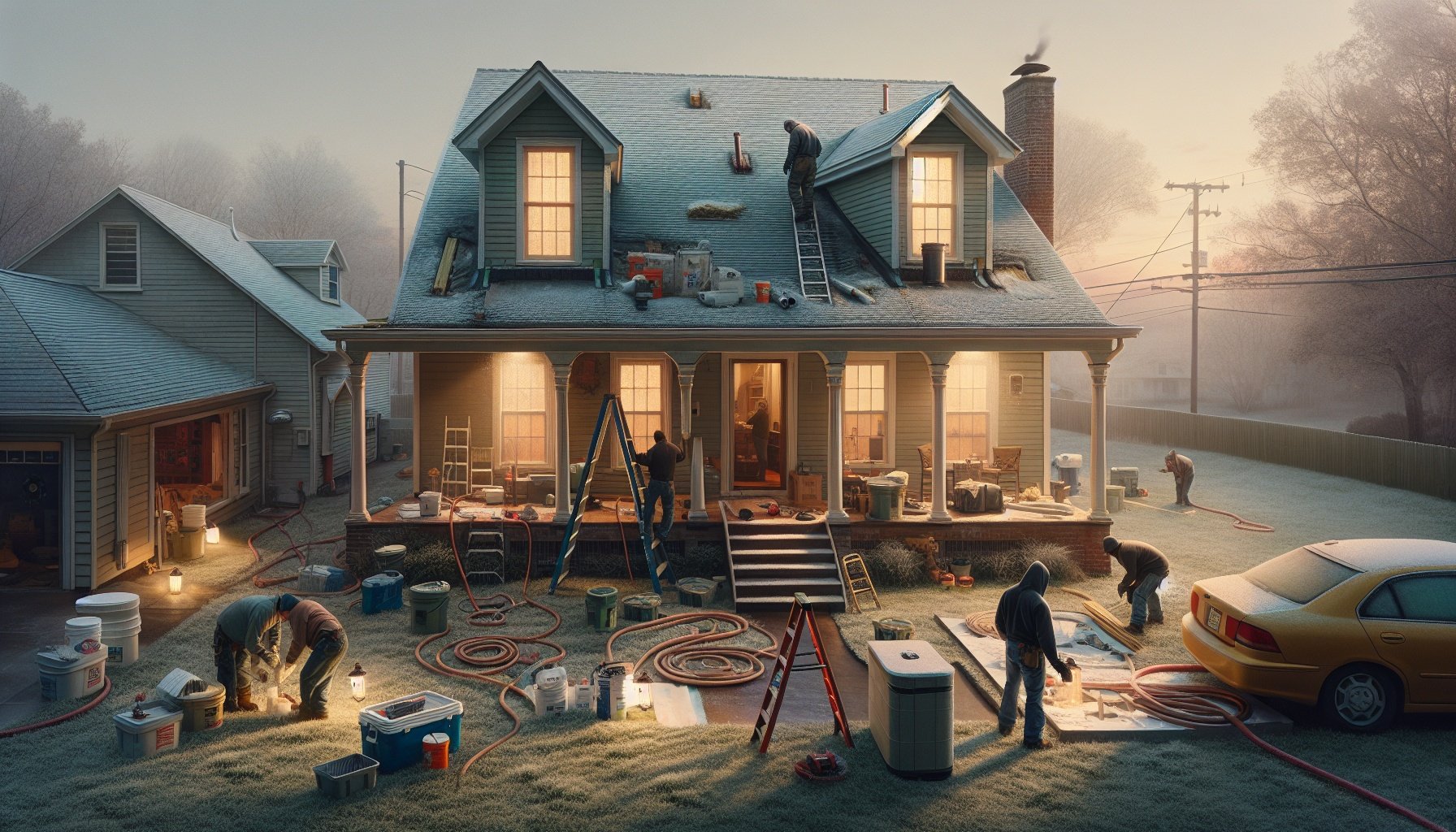
Winter Storm Fern is no ordinary cold snap; it is the kind of hard freeze that can split pipes, crack shingles, and shut down a Louisiana home overnight. When sub-freezing air rolls across Central and North Louisiana, older pier-and-beam houses, carport additions, and lightly insulated attics become weak links that fail fast under ice and wind. Frozen plumbing, stalled HVAC systems, and leaking roofs turn a normal workweek into a scramble for emergency repairs and hotel rooms. The recent Louisiana Governor Jeff Landry warns Winter Storm Fern ‘very dangerous’ warning underscores how fast freezing rain, snow, and power outages can push local homes past their limits if basic protections are not in place before the storm hits.
Quick Navigation:
Hard Freeze Readiness: Structural and Mechanical Priorities Before Winter Storm Fern | Ice, Wind, and Roof Load Protection: Exterior Envelope Upgrades for Louisiana Homes | Resilient Renovations and On-Site Storm Protocols During and After Fern | Frequently Asked Questions
Many Louisiana homes were built for heat and humidity, not days of ice hanging off gutters and tree limbs. In neighborhoods from Alexandria to Ruston, long runs of exposed water lines under raised floors, older gas and electric water heaters in uninsulated closets, and drafty windows let bitter air creep in and damage start quietly. Families worry about pipes bursting while stuck on I-49 in hazardous conditions, or returning from work in Pineville or Natchitoches to find ceilings sagging from hidden roof leaks and water stains. Contractors and homeowners alike feel real pressure to understand what matters most: when to shut off water, how to protect condensate lines and backup heat, and which weak spots on roofs, porches, and carports are most likely to fail under ice loads.
Those problems carry real costs for Louisiana households and small businesses, especially when repair crews are swamped and building materials run short after a storm. A burst pipe in a slab home can mean days without running water, while a compromised roof deck or overloaded gutter can lead to long-term rot and mold if not caught early. Local code updates, better insulation levels, and smart weatherproofing around doors, Windows, and eaves can turn a vulnerable structure into a far more resilient one before Fern arrives. By focusing on hard-freeze priorities, exterior envelope upgrades, and clear storm-day and post-storm protocols, homes across Central and North Louisiana can stand a much better chance against the ice, wind, and deep cold ahead.
Hard Freeze Readiness: Structural and Mechanical Priorities Before Winter Storm Fern
Governor Landry’s emergency declarations pushed hard freeze prep from “nice to have” to non‑negotiable, especially across Central and North Louisiana. Beyond general weatherproofing, homes now need specific structural and mechanical checks before Winter Storm Fern hits. Load paths on older roofs must handle ice weight, exterior walls and crawlspaces need cold‑blocking upgrades, and mechanical systems should be confirmed ready to start under near-zero wind chills. Local code guidance points to key items: anchoring vulnerable add‑ons, hardening penetrations through walls and slabs, and prioritizing critical systems like main water shutoffs and furnace safety controls, setting the stage for targeted upgrades room by room.
Interpreting Governor Landry’s Emergency Declarations for Home Prep Timelines in Central and North Louisiana
Governor Landry’s emergency declarations set the clock for home prep in Central and North Louisiana, turning routine winterizing into a strict timeline. Declarations typically trigger shorter lead times for freezing rain and hard-freeze events, so structural and mechanical checks need front‑loading. First 24 hours should focus on pipe insulation and access points: wrapping exposed lines under pier‑and‑beam houses, sealing hose bibs, and checking attic penetrations around vents and light boxes. By 48 hours, roofs, carports, and overhangs around Monroe, Ruston, Alexandria, and Shreveport need priority: securing loose shingles, cleaning gutters, and bracing weak fascia where ice loading is likely. Local code guidance favors added attic insulation, caulked window frames, and properly strapped water heaters to keep systems stable through extended freezing periods.
Protecting Plumbing in Pier-and-Beam and Slab Homes: Pipe Insulation, Heat Tape, and Shutoff Planning
Pier‑and‑beam homes across Central and North Louisiana run the highest freeze risk because supply lines hang in open crawlspaces. Exposed PVC and copper under homes in pineville, Tioga, and West Monroe need full‑length foam insulation sleeves, tight joints, and taped seams, not just spot-wrapping at elbows. Critical runs within 5–10 feet of the north side skirting benefit from UL‑listed heat tape with built‑in thermostats, plugged into GFCI outlets as recommended in local code guidance.
Slab homes face hidden risks in exterior walls and attic runs that feed kitchens and bonus rooms. Any line within unconditioned attic space should be wrapped, then covered with batt or blown insulation without burying heat tape connections. Governor Landry’s emergency orders make advance shutoff planning essential: clear access to main valves at the meter, label interior cutoffs for kitchens, laundries, and outside hose bibs, and walk every family member through how to kill water quickly to limit slab leaks and crawlspace flooding if a line bursts during Winter Storm Fern.
Safeguarding HVAC Systems and Water Heaters: Freeze Protection, Condensate Management, and Backup Heat Options
Furnaces and heat pumps across Central and North Louisiana face real trouble when coils, lines, and drains freeze. Outdoor heat pump lines and coils need clearance from ice and at least a simple wind break, plus insulated refrigerant lines where they enter the wall. Condensate from furnaces, attic air handlers, and high‑efficiency units should drain through sloped, insulated lines, never flat runs across unheated spaces that can freeze and back up into ceilings. Water heaters in garages, carports, and outdoor closets need insulated hot and cold lines, a tight weather‑stripped door, and heat lamps or low‑wattage heaters rated for enclosed spaces. Governor Landry’s warnings also push families to plan backup heat, such as safely vented gas heaters or code‑compliant generator hookups for critical HVAC circuits
Ice, Wind, and Roof Load Protection: Exterior Envelope Upgrades for Louisiana Homes
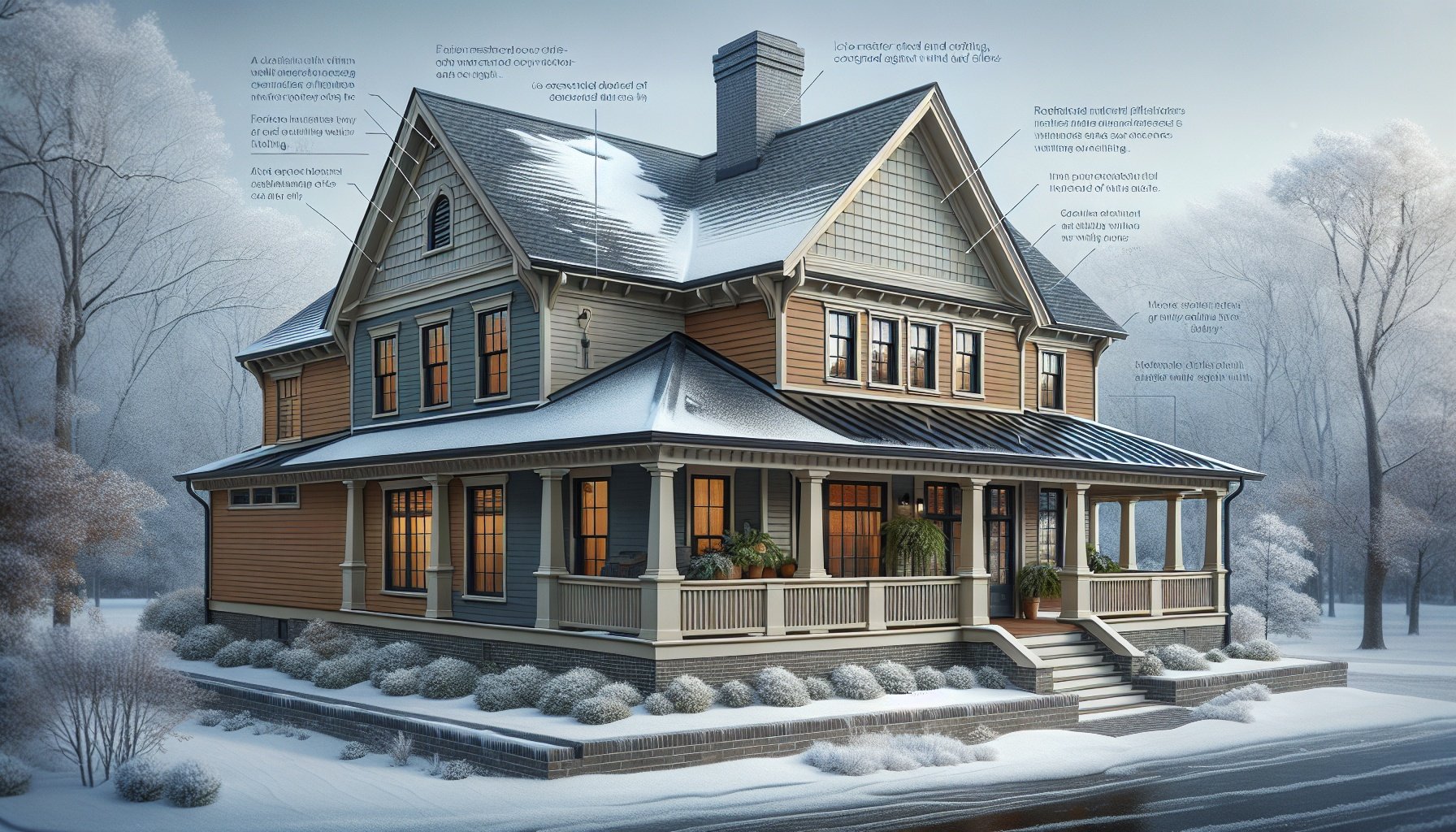
Governor Landry’s warning also applies to the outside shell of Louisiana homes, where ice, wind, and extra roof weight can turn small weak spots into major failures. Soffits can peel back in a north wind, ridge vents can suck in wind‑driven sleet, and shallow‑pitch roofs from Alexandria to Monroe can sag when wet snow and ice stack up. Stronger roof decking attachments, sealed underlayments, upgraded shingles, and reinforced flashing lines around chimneys and walls help keep water and ice out. Properly sized gutters, ice‑resistant valleys, and storm‑rated attic ventilation form the backbone of exterior envelope upgrades that handle Fern‑level weather.
Keep in Mind: Winter Storm Fern in 2026 affected over 230 million people across 2,000 miles, with Louisiana facing up to 0.5 inches of ice accumulation that strains home repair budgets statewide.
Source: Wikipedia
Reinforcing Roof Systems for Ice and Wind: Decking, Fasteners, Underlayment, and Shingle Repairs
Reinforcing roof systems for ice and wind starts at the deck. Weak or delaminated OSB should be replaced with new sheathing, glued and screwed to rafters or trusses to create a solid diaphragm that resists uplift and ice weight. In parishes under Governor Landry’s emergency orders, inspectors and contractors are recommending ring‑shank nails or screws at closer spacing along eaves and ridges, where ice and gusts hit hardest. A fully adhered ice and water underlayment along eaves, valleys, and around chimneys stops wind‑driven meltwater from backing under shingles when drains and gutters freeze. Loose, curled, or missing shingles must be repaired or replaced, with starter strips and high‑wind cap shingles added along ridges that face north and west, where Arctic blasts tend to hit first in Central and North Louisiana.
Keep in Mind: In Louisiana culture, communities organize potluck gatherings during winter storm preparations, sharing Cajun recipes like gumbo to foster social bonds and ensure collective readiness for cold weather events.
Source: WWNO
Shielding Vulnerable Openings: Sealing Windows and Doors, Weatherstripping, and Energy-Efficient Glazing
Tight exterior openings keep Fern’s Arctic air and wind‑driven ice from sneaking past a strengthened roof. Gaps around window and door frames should be sealed with low‑expansion spray foam or backer rod and high‑quality exterior caulk, especially on north and west walls facing the strongest fronts in places like Alexandria, natchitoches, and Ruston. Old or cracked door sweeps need replacement, and fresh adhesive weatherstripping at jambs helps keep conditioned air inside while protecting indoor plumbing from freezing. For long‑term resilience, energy‑efficient double‑pane or low‑E glazing rated for Louisiana’s climate zone cuts heat loss and reduces interior condensation that can rot sills. Impact‑rated units along exposed elevations also handle flying debris during high‑wind winter squall lines tied to Fern’s outer bands.
Expert Insight: Smart home sensors integrated into Louisiana residences detect ice buildup in real-time during storms like Fern, automatically alerting owners to deploy heating systems for preventive maintenance.
Source: The Weather Channel
Securing Gutters, Overhangs, and Add-Ons: Managing Ice Loads on Eaves, Carports, and Porch Roofs
Ice loading turns loose gutters and light add‑ons into real hazards across Central and North Louisiana. Eave gutters should be re‑hung with long exterior screws driven into rafter tails, not fascia alone, and hangers spaced 16–24 inches on center to keep frozen slush from ripping metal off the house. Overhang soffits need solid backing, corrosion‑resistant vents, and blocked gaps so wind‑driven ice cannot push panels loose and expose roof framing. Carports and porch roofs sag quickly under rare Louisiana ice if posts lack proper footings or diagonal bracing; 6×6 posts, metal connectors, and through‑bolts rated for uplift and gravity loads match local code guidance. Lightweight aluminum awnings benefit from added braces and upgraded fasteners before Fern piles on weight.
Resilient Renovations and On-Site Storm Protocols During and After Fern
With structural basics and system checks established, attention turns to how renovations and on-site protocols actually perform once Winter Storm Fern hits and temperatures crash across Central and North Louisiana. Resilient upgrades must pair with clear action steps: staged snow and ice removal from eaves, safe generator deployment, interior heat zoning to protect plumbing, and rapid-response routines for thaw-and-freeze cycles. Fern’s long, bitter nights can expose weak points in window seals, attic insulation, and backup power planning, so renovation choices now should support step‑by‑step storm procedures that guide every move during the ice, the melt, and the critical 72 hours after impact.
Pro Tip: Freezing rain during Louisiana’s winter storms forms a dense ice layer on roofs and trees, increasing structural loads that require reinforced building designs to prevent collapse in subtropical climates.
Source: Wikipedia
Local Code-Smart Upgrades: Insulation Levels, Venting, and Freeze-Resistant Materials for Central Louisiana
Central and North Louisiana codes already expect decent attic insulation, but Fern-level cold demands more. Attic floors near Alexandria, Pineville, and Ruston perform far better at R-38 or higher, with blown-in cellulose or fiberglass keeping heat inside and ice from bonding to shingles. Knee walls and attic access hatches also need rigid foam and weatherstripping to close hidden gaps that pull warm air into the roof deck.
Venting must stay balanced: continuous soffit intake paired with baffled ridge or box vents rated for wind-driven rain and sleet. Screened, code-approved vents help keep out birds and wind-blown ice. Freeze-resistant PEX supply lines, insulated hose bibs, and foam-jacketed PVC in crawlspaces from Natchitoches to Monroe reduce burst-pipe emergencies when temperatures plunge below Governor Landry’s warning thresholds.
Interesting Fact: Louisiana’s 2025 winter storms prompted extensions of hunting seasons by the Department of Wildlife and Fisheries to allow recovery from weather disruptions affecting outdoor activities and habitat management.
Storm-Day Procedures for Occupied Homes and Active Job Sites: Power, Water, and Material Protection
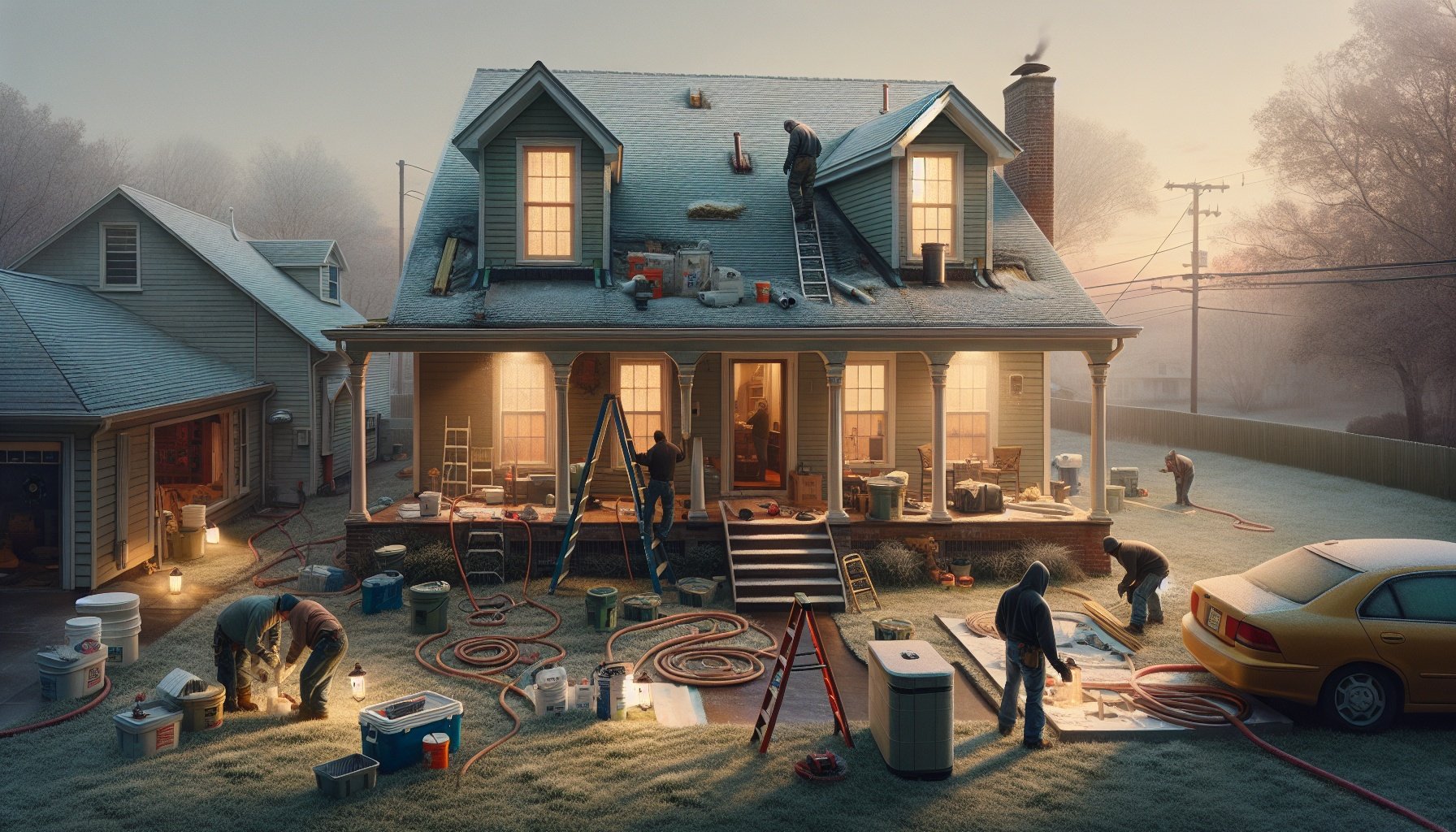
Storm-day plans keep families, crews, and structures safe while Fern passes through Rapides, Grant, and Ouachita parishes. For occupied homes, fully charge phones and flashlights before the front hits, then switch off non‑essential breakers to reduce fire risk if lines ice over and blink. Space heaters stay on dedicated circuits, never on power strips. Water lines stay protected by letting hot and cold taps drip on the farthest fixtures from the meter and in bonus rooms over garages. For active job sites, generators sit on level, dry ground away from pooling ice and are never back‑fed into the panel. Pallets keep sheet goods, trim, and insulation at least 6 inches off slab or soil, wrapped in plastic but vented at the bottom so trapped moisture can escape instead of freezing and buckling panels.
Good to Know: Louisiana’s 2025 NOAA winter outlook predicted La Niña influences leading to wetter conditions, surprisingly enhancing the need for elevated home foundations to protect against combined flooding and freezing risks.
Source: Southern Home Improvement
Post-Storm Damage Checks and Triage: Identifying Hidden Ice Damage in Roofs, Walls, and Mechanical Systems
Once Fern’s ice starts to melt, fast triage keeps minor issues in Central and North Louisiana from turning into full rebuilds. Roof checks focus on sagging decking, lifted shingles along valleys and hips, and ice-damaged flashing around chimneys and satellite mounts, common on homes from Alexandria to Ruston. Brown ceiling rings or hairline drywall cracks mark slow leaks inside walls; cold exterior corners and baseboards in Monroe or West Monroe often hide frozen, split pipes. Mechanical systems need close attention: heat pumps short-cycling, buzzing outdoor condenser fan motors, or boiler and tankless units venting steam where they never did before all signal ice stress. Electrical panels that tripped during the freeze should be reset carefully, then watched for repeat faults that point to hidden moisture damage in branch circuits.
Conclusion
Winter Storm Fern demands more than last-minute scrambling across Central and North Louisiana. Stronger Roofing systems, sealed underlayments, storm-rated vents, and reinforced flashing work hand in hand with insulated pipes, protected hose bibs, and tightened window and door seals to cut ice damage and energy loss. When these upgrades match clear protocols for snow and ice management, safe generator use, and smart interior heat control, homes stay safer and repair costs stay lower. Governor Landry’s emergency declarations make the message clear: act before the next hard freeze hits. Walking a home with local building code guidance, planning upgrades, and setting storm routines now turns Fern from a disaster into a test the house is ready to pass.
Frequently Asked Questions
- What steps help protect Louisiana homes from burst pipes during Winter Storm Fern?
- Protecting pipes starts with keeping water moving and cold air away from plumbing. Exposed pipes in attics, crawl spaces, garages, and exterior walls should be wrapped with pipe insulation, foam sleeves, or even towels and taped plastic as a temporary fix. Outdoor hose bibs should be covered with faucet covers or wrapped with thick cloth and plastic. Garden hoses should be disconnected so water can drain from the exterior lines.
Letting faucets drip on the coldest nights reduces pressure inside the pipes, which lowers the chance of a split when water freezes. Cabinet doors under sinks along exterior walls can stay open to allow warm air to circulate around the plumbing. The thermostat should stay at a steady temperature, day and night, to avoid sudden drops that stress pipes.
Homes with well pumps or exposed supply lines benefit from insulated pump houses, heat lamps rated for outdoor or damp spaces, or electric heat tape installed according to the manufacturer’s instructions. After the storm, plumbing should be inspected for damp spots, bulges, or slow leaks before everything fully thaws and damage spreads. - How can roofs and gutters be prepared to handle ice and sleet from Winter Storm Fern?
- Roofs and gutters in Louisiana see more heavy rain than ice, so they often need extra attention before a major winter storm. Loose shingles, flashing gaps around chimneys and vents, and cracked sealant can let melting sleet and ice seep under the roof covering. A pre-storm inspection by a roofing professional can catch these problems early.
Gutters and downspouts should be cleared of leaves, acorns, and pine straw so meltwater flows off the roof instead of backing up and freezing at the eaves. Where possible, downspout extensions should direct water away from the slab or pier foundation to reduce pooling and refreezing. Trimmed branches over the roof help limit falling limbs that can punch holes in shingles under the weight of freezing rain.
Attic insulation and ventilation also matter. Adequate insulation keeps warm air from escaping unevenly and creating warm and cold spots that encourage ice ridges. Proper ventilation helps moisture escape so it does not condense and freeze. After the storm, roofs and gutters should be checked from the ground for sagging sections, missing shingles, or ice-damaged areas before leaks develop during the next rain. - What can be done to keep homes warm and reduce energy loss during a hard freeze like Winter Storm Fern?
- Warmth and efficiency start with sealing air leaks and supporting the heating system. Gaps around windows, doors, and wall penetrations such as cable or plumbing openings let cold air rush in and warm air leak out. Weatherstripping around doors and windows, caulk along trim and small cracks, and door sweeps at thresholds help hold in heat.
Single-pane or older windows benefit from temporary plastic film window kits that create an insulating air gap. Heavy curtains or thermal drapes add another barrier during the coldest nights. Fireplaces should have dampers closed when not in use so heated indoor air does not escape straight up the chimney.
The HVAC system should have a clean filter and a recent maintenance check to handle long periods of continuous operation. Vents must stay unblocked by furniture or rugs, allowing warm air to circulate. Space heaters, if used, should be placed away from curtains and bedding and plugged directly into wall outlets, following all safety labels. Backup heat sources such as properly vented gas heaters or generator-powered electric heaters must be installed and used according to local codes and manufacturer instructions to avoid carbon monoxide risks. - How can exterior features like siding, brick, and foundations be protected from ice damage?
- Exterior surfaces in Louisiana are usually built to handle humidity and heavy rain, but extended freezing conditions can stress siding, brick, and foundations. Cracks in brick mortar, stucco, or concrete allow water to seep in. When that water freezes, it expands and worsens the damage. Before a storm like Winter Storm Fern, visible cracks should be sealed with masonry sealant or appropriate patching compounds.
Wood siding and trim benefit from intact paint or stain that sheds water. Flaking or bare wood takes on moisture more easily, raising the risk of swelling, splitting, and decay when temperatures swing up and down. Caulk should be checked around windows, doors, and siding joints to keep moisture from entering wall cavities.
For slab foundations, proper drainage is critical. Soil should slope gently away from the house, and downspout extensions should carry water several feet from the base of the walls so meltwater does not pool and refreeze along the foundation edge. Pier-and-beam homes should keep the crawl space dry and ventilated, with exposed pipes insulated and vapor barriers in place where needed. After the storm, any new cracks, spalling, or signs of shifting should be reviewed by a qualified contractor. - What should be done about trees, fences, and outdoor structures before Winter Storm Fern arrives?
- Ice loading can turn ordinary branches into heavy hazards. Trees close to homes, sheds, or power lines should be inspected for dead limbs, weak crotches, or branches already resting on roofs or service drops. A licensed arborist or experienced tree service can trim back problem limbs and remove deadwood that might snap under the weight of freezing rain.
Wood fences often soak up moisture. Loose posts, cracked rails, and leaning sections are more likely to fail when ice builds up. Reinforcing weak posts with concrete or braces and replacing rotten boards ahead of time reduces emergency repairs later. Metal fences should be checked for rusted posts or loose anchors.
Outdoor structures such as carports, patio covers, and sheds should have sound framing, tight fasteners, and intact roofing panels. Lightweight awnings or pop-up shelters that are not designed for ice loads are better taken down or secured. Grills, outdoor furniture, and yard equipment should be covered, tied down, or stored to prevent damage from icy winds and falling limbs. - How can garages, workshops, and outdoor plumbing be winterized for a storm like Winter Storm Fern?
- Garages and workshops in Louisiana often double as storage, hobby spaces, and utility rooms, so some critical systems pass through them. Any water lines running through these areas should be insulated and kept on the warm side of the building wherever possible. Simple foam pipe covers, fiberglass wrap, or insulated boxes around hose bibs provide meaningful protection.
Garage doors benefit from bottom seals and side weatherstripping that reduce drafts. If the water heater sits in the garage, the surrounding space should stay above freezing when possible, and the heater itself may need a blanket wrap if recommended by the manufacturer. For tankless units mounted on exterior walls, freeze protection modes and built-in heaters should be enabled, and the manufacturer’s guidelines followed closely.
Workshops or storage rooms can use portable heaters rated for indoor use, but ventilation and safe clearances around combustibles are essential. Draining and shutting off seasonal plumbing lines, such as outdoor kitchen sinks or barn spigots, prevents trapped water from freezing and cracking fittings. Labeling shutoff valves and testing them before the storm helps make quick adjustments when temperatures drop fast. - What basic emergency supplies and inspection steps help Louisiana homeowners recover safely after Winter Storm Fern?
- Recovery begins with a safe, careful walkthrough. Once conditions allow, the main electrical panel, gas meter, and water main should be located so services can be shut off quickly if damage is suspected. Signs of trouble include sagging ceilings, water dripping from light fixtures, the smell of gas, or hissing from damaged lines. Any suspected gas leak calls for immediate evacuation and contact with the utility company or emergency services.
Basic supplies include flashlights with extra batteries, battery-powered lanterns, a first aid kit, bottled water, shelf-stable food, blankets, and a fully charged portable power bank. For home protection and minor repairs, plastic sheeting, tarps, duct tape, rope or bungee cords, a utility knife, a hammer, nails, screws, and a basic tool kit are very useful. Non-contact voltage testers and water sensors can help identify hidden issues.
After the storm, pipes and fixtures should be checked for leaks once water service is fully restored. Attics, closets against exterior walls, and under-sink cabinets often hide the first signs of a frozen pipe rupture. Roofs, siding, and gutters should be inspected from the ground, and any serious structural concerns shared with a licensed contractor. Good records of photos, videos, and notes about damage help with insurance claims and repair planning.