
Wabi-Sabi Decor: Embracing Imperfection for Authentic Living Spaces
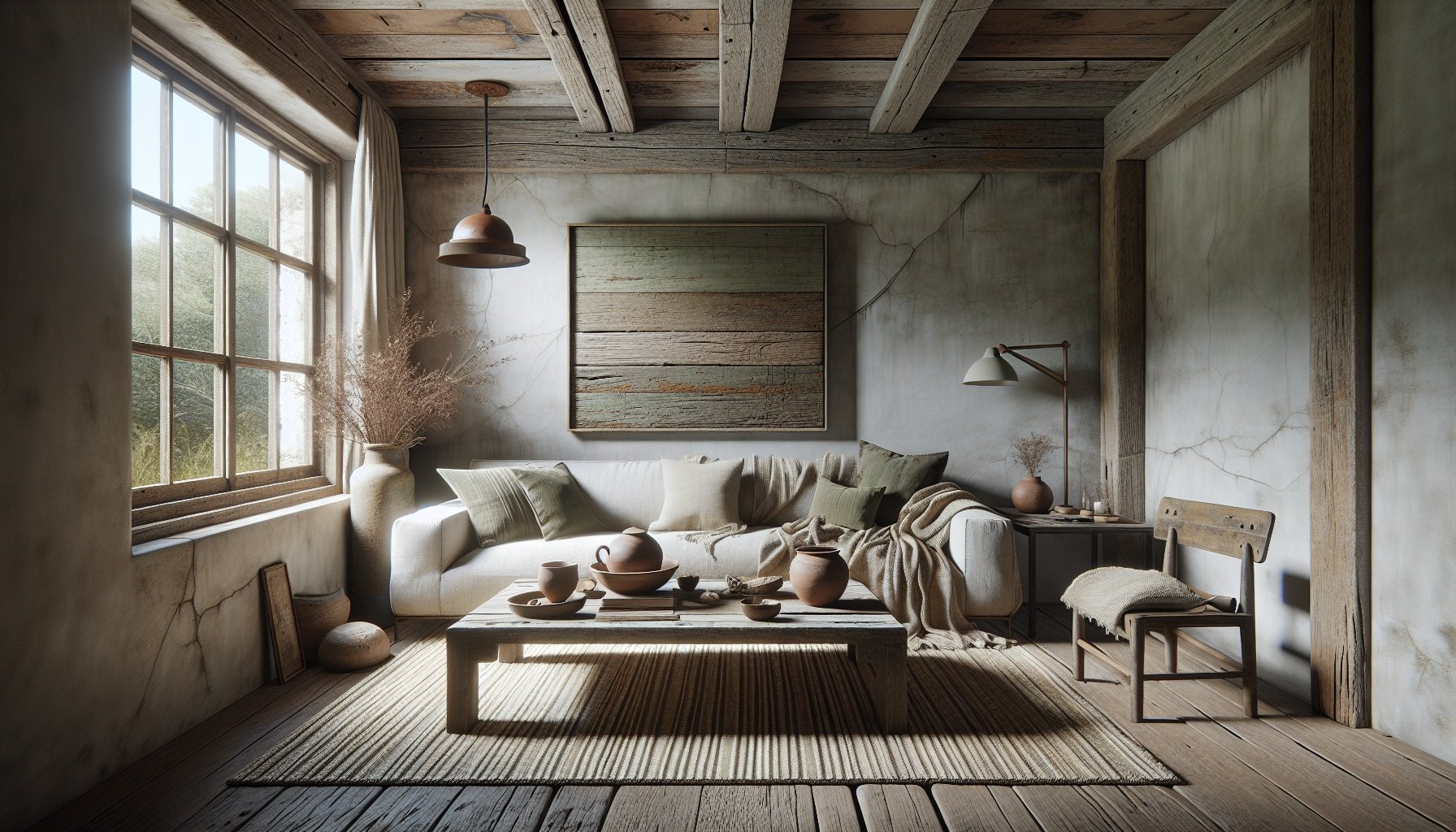
Wabi-sabi decor embraces the beauty of imperfection and transience, drawing from Japanese philosophy to highlight natural wear and asymmetry in home spaces. This quiet, grounded style fits Central Louisiana life, where heavy air, bright sun, and slow seasons already leave their mark on wood, brick, and stone. Instead of fighting every knot in a cypress plank or every hairline crack in old plaster, wabi-sabi treats those details like a story worth keeping. Rooms lean toward less but better, letting open space, soft light, and a few meaningful pieces carry the mood instead of crowded shelves and shiny, matchy décor.
Quick Navigation:
Core Principles of Wabi-Sabi Decor for Central Louisiana Homes | Materials, Colors, and Textures that Capture Wabi-Sabi | Practical Wabi-Sabi Design Ideas for Builders and DIYers | Frequently Asked Questions
Colors pull from familiar Louisiana scenes: deep bayou greens, muddy river browns, misty grays after a storm, and clay tones that echo old brick streets and worn porches. Materials feel honest and a little rugged—reclaimed boards, weathered pine, unpolished stone, simple cotton and linen that break in and soften over time. Texture becomes a calm backdrop to everyday living, turning even newer construction into something that feels settled, lived-in, and real.
Wabi-sabi design in Central Louisiana homes grows from what is already there: salvaged doors from older houses, vintage hardware from small-town shops, and handmade touches that show the craftsman’s hand rather than hiding every tool mark. Lighting stays low-key, surfaces stay open, and objects are chosen for how they age, not just how they look on day one. The result is a home that feels authentic, relaxed, and quietly beautiful, just the way it is right now.
Core Principles of Wabi-Sabi Decor for Central Louisiana Homes
Wabi-sabi decor embraces the beauty of imperfection and transience, drawing from Japanese philosophy to highlight natural wear and asymmetry in home furnishings. Building on the weathered textures and grounded colors already common across Central Louisiana, this approach also centers on how a space feels to live in each day. Patina on everyday objects, small marks from family life, and handmade pieces from local makers in Alexandria, Pineville, or Natchitoches all become part of the story. Instead of chasing a flawless look, calm comes from rhythm, negative space, and honest materials, forming a few core principles that guide every room choice.
Good to Know: Wabi-sabi decor incorporates recycled materials and organic textures, reducing environmental impact by up to 30% compared to synthetic alternatives through sustainable craftsmanship techniques.
Understanding impermanence: how humidity, sun, and time shape materials in Louisiana homes
Wabi-sabi decor in Central Louisiana leans into the quiet work of humidity, sun, and time. Long, damp summers swell pine floorboards, soften sharp edges, and raise a gentle grain that feels warm under bare feet. Porch ceilings and cypress trim slowly fade under Rapides Parish sunshine, shifting from crisp paint to a powdery, chalked surface that tells a story of many seasons. Brick around carports and patios deepens with shadowy moss in low spots, while metal railings near the bayou pick up a soft, matte rust that reads more like patina than damage. Linen curtains stretch and relax with the weather, hanging a little looser each year, turning ordinary aging into a calm, lived-in backdrop for daily life.
Worth Noting: The global wabi-sabi home decor market is projected to grow from USD 12.5 billion in 2024 to USD 18.7 billion by 2030, driven by demand for authentic, sustainable interior styles.
Source: Mordor Intelligence
Finding beauty in flaws: visible knots, hairline cracks, and tool marks as design features
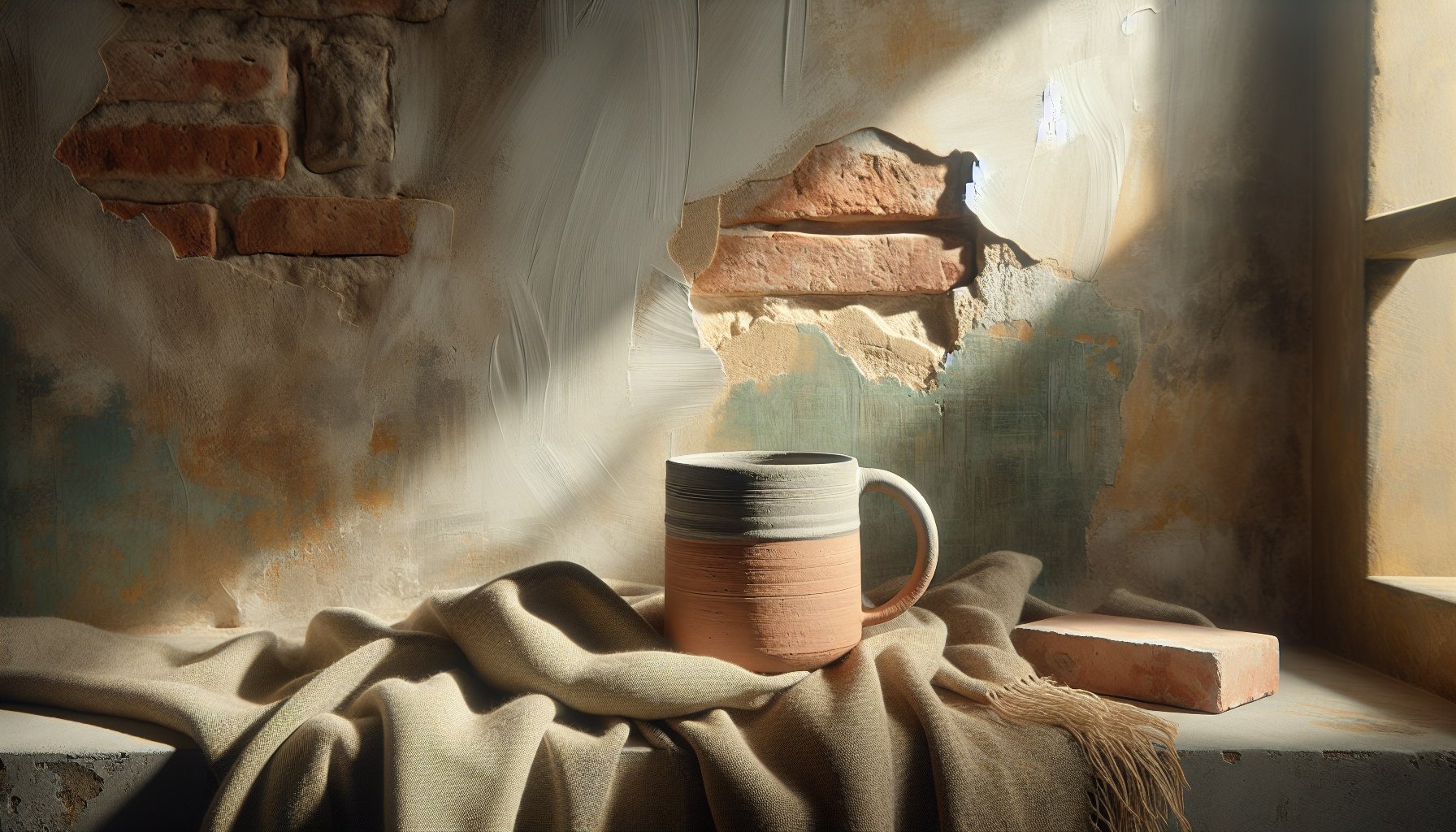
Wabi-sabi decor treats small “flaws” as the most interesting part of a room. A cypress mantel from an old Alexandria shotgun house might keep its dark knots and uneven grain right where they are, instead of hiding them under thick stain. Pine boards from a Rapides Parish barn can be planed just enough for comfort, leaving faint saw lines and tool marks as quiet reminders of the carpenter’s hand. Hairline cracks in vintage plaster or old brick around a fireplace stay visible, sealed for safety but not erased, adding a sense of story and age. Under soft, warm light, these irregular textures catch shadows and glow, turning everyday walls, floors, and tables into calm, character-rich focal points.
Expert Insight: Wabi-sabi reflects Japanese Zen Buddhist principles of impermanence and humility, shaping cultural practices like ikebana and garden design to celebrate the beauty of transient natural forms.
Source: The Metropolitan Museum of Art
Less but better: quiet, open rooms instead of cluttered, over-decorated spaces
Less-but-better wabi-sabi rooms in Central Louisiana feel quiet, open, and easy to breathe in. Instead of shelves packed with décor from big-box stores, one long pine bench might hold a single piece of handmade stoneware from a local natchitoches potter and a small vase of wildflowers from the roadside. Walls stay mostly clear, letting soft shadows from the Rapides Parish afternoon sun play across textured plaster and old brick. A simple cypress table from a family camp on Catahoula Lake can stand on its own, without runners, trays, or stacks of accessories. Extra furniture, loud patterns, and heavy curtains step aside so air, light, and the natural aging of wood and fabric become the main decoration in the room.
Materials, Colors, and Textures that Capture Wabi-Sabi
Those weathered boards, soft bayou tones, and sunworn bricks only tell part of the wabi-sabi story. The real magic comes from how materials, colors, and textures layer together to feel quietly honest and unforced. Clay mugs that still show a thumbprint, plaster walls with slight trowel marks, and handwoven throws with uneven threads all hint at the maker behind them. Matte finishes, chalky paints, and raw metal patina keep surfaces from feeling slick or staged. Each choice invites depth and warmth, setting the stage for specific wabi-sabi-friendly materials, color directions, and texture ideas that feel right at home.
Earthy color palettes inspired by Louisiana landscapes: bayou greens, river browns, and soft clay tones
Earthy color palettes drawn from Louisiana landscapes quietly support wabi-sabi decor. Bayou greens echo moss on cypress trunks and duckweed on slow water, working well on linen slipcovers, accent walls, or woven throws that soften a room without feeling loud. Deep river browns mirror Red River banks and wet tree bark, making stained wood floors, open shelving, and simple dining tables feel grounded and steady. Soft clay tones reflect Alexandria’s dusty backroads and sunbaked fields, bringing warmth through plaster-look paint, unglazed pottery, and textured tile. Together, these muted, nature-based hues age gracefully, hide small scuffs, and allow weathered beams, handmade ceramics, and old metal hardware to feel naturally at home in a Central Louisiana space.
Did you know? Wabi-sabi emerged in the 15th century during the Muromachi period in Japan, influencing tea ceremonies and ceramics by embracing imperfection and natural simplicity in decorative arts.
Source: Wikipedia
Natural, imperfect materials: reclaimed cypress, weathered pine, handmade brick, and raw textiles
Natural, imperfect materials become the heart of a wabi-sabi space, especially when they carry the quiet history of Louisiana. Reclaimed cypress, pulled from old barns or bayou camps, brings soft grain patterns, nail holes, and gentle warping that tell stories without stealing attention. Weathered pine from porch floors or shutters adds subtle grooves, knots, and sun-faded streaks that sit easily beside those earthy walls.
Handmade brick, a familiar sight around Alexandria and Natchitoches, works beautifully as a slightly uneven hearth, accent wall, or kitchen backsplash, where chipped edges feel intentional, not flawed. Raw textiles—linen, cotton, and rough-woven blends—drape loosely over sofas, beds, and Windows, framing each room with relaxed folds, frayed edges, and shadows that shift as the light changes.
Texture as calm: linen, cotton, woven grass, and rough stone to soften modern construction
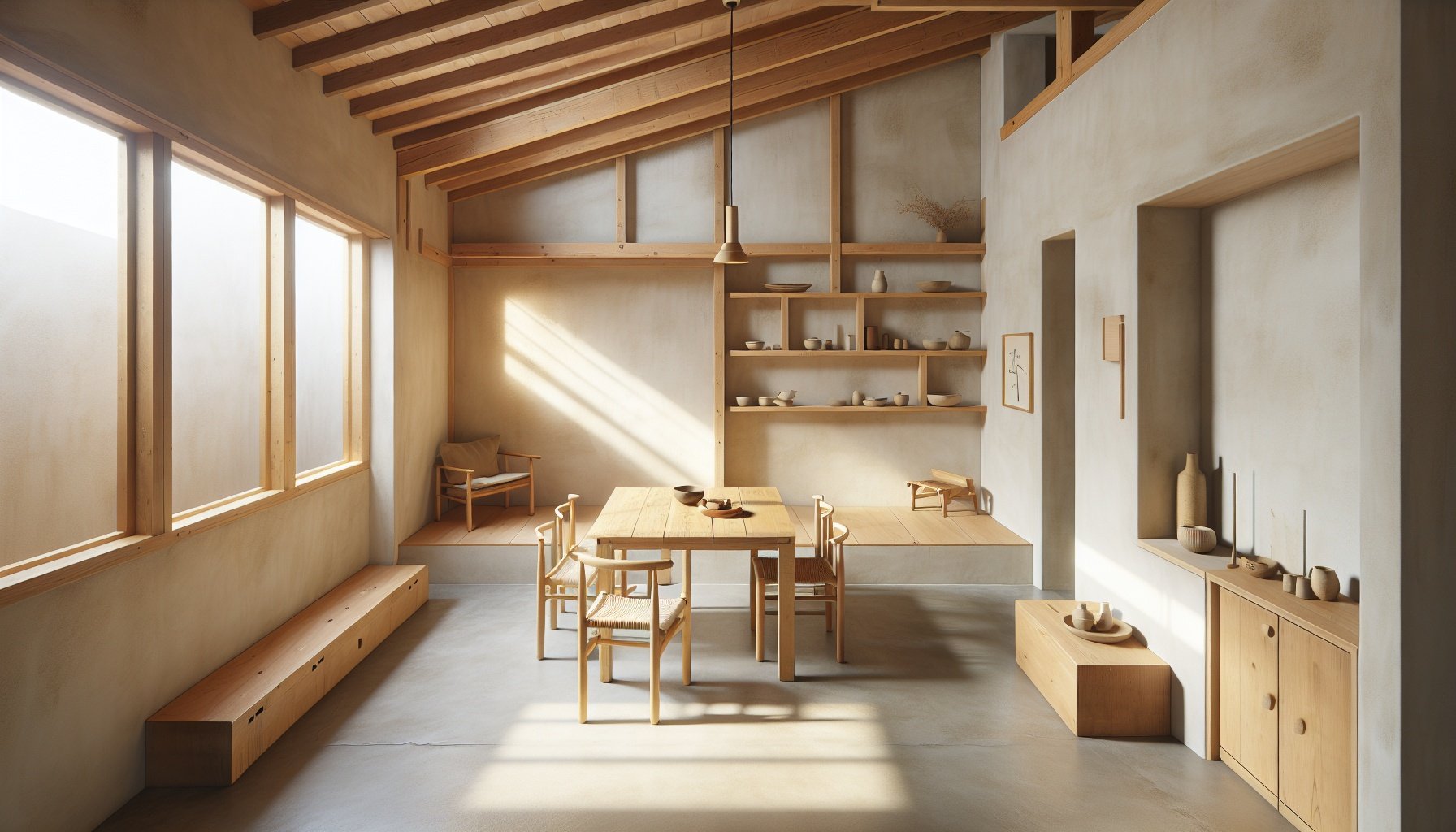
Texture turns quiet when it feels honest and touchable. Soft-washed linen and cotton calm the hard lines of new drywall and sharp-edged trim, letting modern construction fade into the background. Loose linen slipcovers on a structured sofa, cotton floor cushions by a smooth concrete hearth, and rumpled pillow shams at the head of a neatly framed bed keep the space from feeling stiff.
Natural woven grass—like seagrass rugs or simple woven shades—adds a dry, whispery texture that pairs well with Louisiana’s warm air and light. Rough stone, even in small doses, finishes the balance. A honed stone hearth with chipped edges, a chunky stone lamp base, or a simple ledge of unpolished flagstone introduces weight and stillness, so clean-lined rooms feel grounded instead of cold.
Practical Wabi-Sabi Design Ideas for Builders and DIYers
That quiet, lived-in feeling of wabi-sabi decor grows stronger when small design choices stay simple, honest, and hands-on. Beyond patina and weathered color, scale, proportion, and layout start doing the heavy lifting, turning even modest rooms into calm, grounded spaces. Builders and DIYers can lean into exposed joinery, unpainted plaster, and straightforward construction details that feel sturdy rather than showy. Subtle shifts in lighting, storage, and surface finishes keep rooms flexible as they age, so spaces adapt gracefully instead of fighting time. From framing decisions to weekend projects, each step can gently move a home closer to wabi-sabi ease.
Good to Know: In 2025, 3D printing innovations allow for custom wabi-sabi inspired ceramics that mimic natural imperfections, blending traditional Japanese techniques with modern digital fabrication for unique decor pieces.
Source: MIT Technology Review
Reclaimed and repurposed elements: using old barn wood, vintage doors, and salvaged hardware from Central Louisiana
Reclaimed and repurposed elements bring Central Louisiana’s story straight into a wabi-sabi home. Old barn wood from fields outside Alexandria or Deville, marked by sun, rain, and seasons of harvest, becomes wall cladding, island fronts, or window seats with soft, worn edges. Vintage doors pulled from historic houses near downtown pineville or along Front Street in Natchitoches gain new lives as sliding pantry doors, headboards, or simple room dividers, tight grain and crooked panels proudly on display. Salvaged hardware from shutters, feed stores, or riverfront warehouses—iron latches, glass knobs, strap hinges—works as hooks, cabinet pulls, or art grouped on a board, letting every scar, chip, and rust bloom become an honest record of time well lived.
Simple, handcrafted details: plaster-look walls, visible joinery, and hand-built shelving
Simple, handcrafted details give wabi-sabi decor a grounded, human feel that grows richer with use. Plaster-look walls, brushed by hand instead of rolled perfectly smooth, catch light in soft, uneven shadows and quietly echo the clay soil and stucco porches found across Central Louisiana. Visible joinery—like exposed mortise-and-tenon joints on a pine bench, or plywood edges left honest on built-ins—keeps construction straightforward and readable, showing exactly how things hold together. Hand-built shelving, whether a thick cypress board on simple brackets or a niche carved into a plastered wall, brings storage and display down to a relaxed scale, letting cookbooks, pottery, and plants settle in over time with an easy, unforced rhythm.
Keep in Mind: Psychological studies indicate that wabi-sabi decor promotes mindfulness and reduces stress by incorporating natural imperfections, fostering a sense of calm and emotional well-being in living spaces.
Styling living spaces: low-key lighting, unpolished pottery, and bare surfaces that welcome everyday use
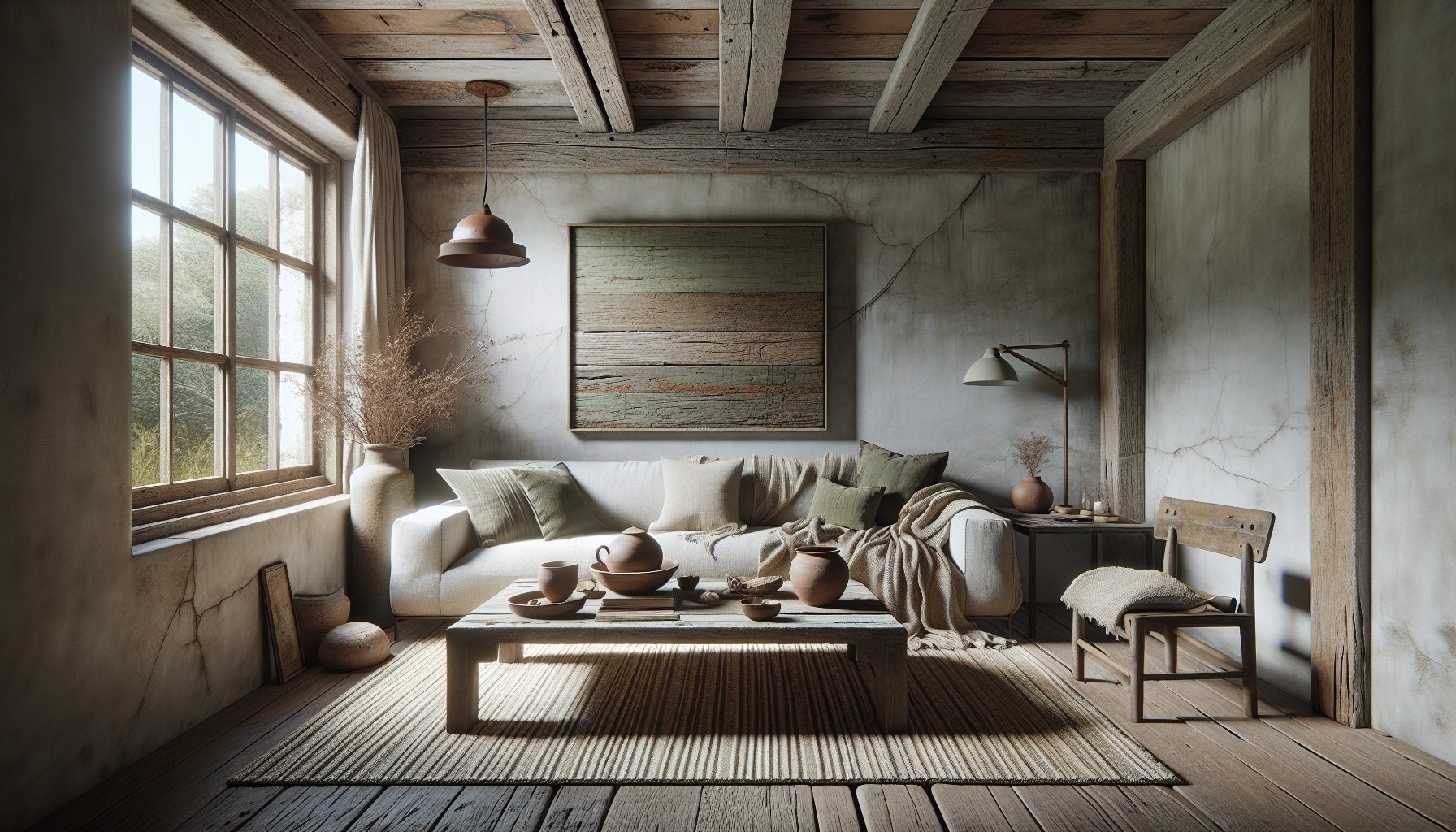
Styling a wabi-sabi living space starts with soft, low-key lighting that falls gently across surfaces instead of blasting every corner with brightness. Table lamps with linen shades, bare Edison bulbs on dimmers, or paper lanterns create pools of warm light that highlight texture in wood, plaster, and fabric. Unpolished pottery—rough clay cups, stoneware bowls, or an uneven-fired vase from a local Central Louisiana maker—brings an honest, tactile presence to coffee tables and open shelves. Bare surfaces stay mostly open, holding only a few useful pieces: a stack of books, a clay tray for keys, a woven basket for throws. Every object invites daily touch, slow wear, and a relaxed rhythm that lets the room age with quiet character.
Conclusion
Wabi-sabi decor embraces the beauty of imperfection and transience, weaving together layered textures, honest materials, and quiet negative space to create grounded, authentic rooms. Weathered boards, bayou tones, and sunworn brick sit comfortably beside handmade pottery, soft textiles, and matte, chalky finishes that never feel slick or staged. Visible maker marks, from thumbprints in clay to trowel strokes in plaster, give spaces a calm rhythm and a deeply human presence, whether in a cottage in Pineville or a historic home in Natchitoches.
Every small, hands-on choice—one light fixture, one worn wood surface, one simple storage tweak—can lean a home closer to this easy, lived-in grace. Let the house age, shift, and soften, and let that gentle imperfection tell the real story of the space.
Frequently Asked Questions
- What is wabi-sabi decor and how does it differ from minimalism?
- Wabi-sabi decor is a style based on a Japanese philosophy that finds beauty in imperfection, aging, and the natural cycle of growth and decay. It celebrates cracks, patina, weathered surfaces, and handmade irregularities instead of hiding them.
Minimalism often focuses on clean lines, flawless finishes, and reducing visual clutter to the bare essentials. Wabi-sabi also favors simplicity, but in a softer, more organic way. Instead of aiming for perfection and symmetry, wabi-sabi embraces:
– Uneven textures and finishes
– Natural materials that wear over time
– Objects with visible history, repairs, or flaws
– Calm, muted colors found in natureBoth styles avoid excess, but wabi-sabi decor feels warmer and more relaxed, with a strong focus on authenticity and lived-in character.
- What are the core principles of wabi-sabi decor for a home?
- Wabi-sabi decor centers on a few simple but powerful principles:
1. Imperfection (Wabi)
Beauty shows up in asymmetry, rough edges, and irregular forms. A slightly lopsided bowl, uneven wood grain, or hand-thrown pottery all fit the philosophy.2. Transience (Sabi)
Everything changes with time. Faded fabrics, worn stone, rusted metal, and sun-aged wood are not seen as damaged, but as proof of a life well lived.3. Simplicity
Spaces stay uncluttered and purposeful. Fewer objects, but more meaning in each one.4. Natural Materials
Wood, clay, linen, wool, stone, and paper feel grounded and honest. Synthetic, overly glossy finishes are used sparingly.5. Calm Atmosphere
Soft lighting, gentle colors, and open space create a sense of ease and quiet, without feeling cold or empty.These principles guide decor decisions so rooms feel authentic, comfortable, and deeply human rather than staged or showroom-perfect.
- What materials and textures work best for wabi-sabi decor?
- Wabi-sabi decor leans heavily on natural, tactile materials that age gracefully. Some of the most common choices include:
– Wood: Reclaimed beams, knotted planks, and unfinished or lightly finished wood show grain, knots, and variation.
– Stone and Concrete: Rough stone, honed concrete, and unpolished tile add earthy weight and texture.
– Clay and Ceramics: Hand-thrown pottery with small flaws, speckled glazes, and uneven rims fits the aesthetic well.
– Textiles: Linen, cotton, wool, hemp, and other natural fibers in slightly wrinkled or slubbed textures work better than stiff, synthetic fabrics.
– Metals: Aged brass, patinated copper, and blackened steel give depth without feeling flashy.
– Paper: Rice paper, handmade paper, and simple paper lamps or screens create soft light and subtle texture.The key is to allow materials to show their true character—grain, pores, cracks, and color shifts—rather than covering everything with thick, flawless finishes.
- How can existing furniture and decor be adapted to feel more wabi-sabi?
- Existing furniture and decor can shift toward wabi-sabi with a few thoughtful changes:
– Soften finishes: Sand glossy wood lightly and seal with a matte oil or wax to bring out natural grain and a more humble look.
– Welcome wear and patina: Small scratches on a wooden table or fading on a fabric sofa can be left visible instead of constantly refinished.
– Mix in handmade pieces: Add a hand-thrown mug, a simple ceramic vase, or a woven basket to break up mass-produced perfection.
– Choose fewer, more meaningful objects: Remove excess decor and keep only items with emotional weight—heirlooms, travel finds, or handmade gifts.
– Layer natural textiles: Swap synthetic throws or pillows for linen, cotton, or wool in soft, muted tones.
– Repair visibly: Instead of hiding a crack or chip, consider visible repair methods (like kintsugi-inspired fixes) that highlight the object’s story.Small adjustments like these help existing pieces feel more honest and lived-in, which aligns with wabi-sabi values.
- What colors are most common in wabi-sabi interiors?
- Wabi-sabi interiors usually rely on a calm, nature-inspired color palette. Common tones include:
– Neutrals: Warm whites, creams, taupe, stone gray, and soft beige form the base.
– Earth Tones: Clay, sand, terracotta, moss green, olive, and muted browns reflect soil, rock, and foliage.
– Soft Blues and Greens: Dusty blue, slate, and sage have a quiet, restful feel.
– Black and Charcoal Accents: Small touches of deep black or charcoal add depth without overpowering the space.Colors often look slightly weathered or toned down, not bright or overly saturated. The goal is a palette that feels restful, grounded, and tied to the natural world, letting textures and materials stand out.
- Is wabi-sabi decor compatible with modern homes and new construction?
- Wabi-sabi decor works well in modern homes and new construction because it focuses more on mindset and material choices than on the age of the building.
Some ways it pairs with modern spaces include:
– Balancing sleek and raw: Smooth walls or modern layouts can be softened with rough wood, textured pottery, and natural fabrics.
– Choosing humble finishes: Instead of high-gloss surfaces everywhere, matte paints, unpolished stone, and simple cabinetry add warmth.
– Highlighting light and space: Large windows and open floor plans in modern builds align with the wabi-sabi love of natural light and openness.
– Letting time work: Even in a new home, floors, countertops, and furniture will pick up marks and patina over the years. Wabi-sabi welcomes that evolution instead of fighting it.The philosophy can layer onto almost any architectural style by focusing on authenticity, comfort, and natural materials.
- How does wabi-sabi decor affect the feeling and function of a living space?
- Wabi-sabi decor tends to make living spaces feel calmer, more grounded, and more forgiving. Its impact shows up in both mood and function:
– Less pressure for perfection: Scratches, dents, and small flaws become part of the charm, which reduces stress about keeping everything pristine.
– More comfort: Soft lighting, natural textures, and open space invite slow living, conversation, and relaxation.
– Stronger connection to nature: Materials and colors drawn from the outdoors create a sense of harmony with the environment.
– Practical, lived-in design: Furniture and decor are chosen to be used, not just displayed. Pieces age and change with everyday life.Overall, wabi-sabi decor encourages spaces that feel real and welcoming, where signs of use and time add character instead of being treated as problems.