
Virtual DIY Home Renovation Tutorials: Step-by-Step Skills Online
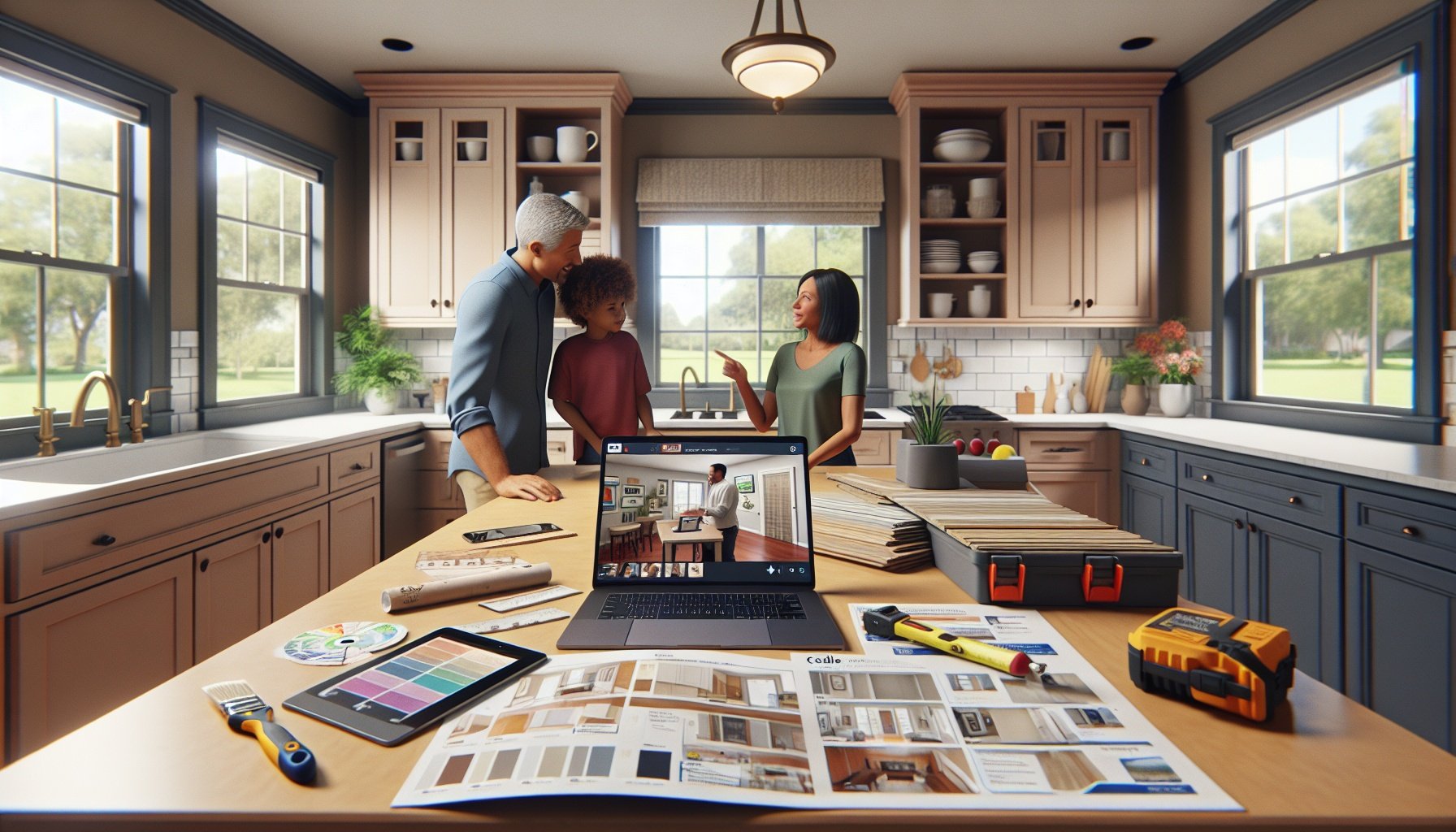
Virtual DIY home renovation tutorials are changing the way Central Louisiana homes get updated, turning laptops and tablets into powerful tools for learning real hands-on skills. Instead of guessing through a project or waiting on a busy contractor, homeowners can follow clear, step-by-step demonstrations from experienced pros who understand everyday budgets, local styles, and the unique needs of houses from Alexandria to Pineville. From simple refreshes to more involved upgrades, these online sessions make it easier to plan projects with confidence, stay on track financially, and tackle renovations at a comfortable pace. Live Q&A, detailed walk-throughs, and replay options help turn confusing tasks into manageable steps, whether the focus is on floors, cabinets, paint, or trim. Flexible scheduling fits around Central Louisiana work shifts, school events, and weekend plans, so learning never has to clash with life at the ballpark or a day on Kisatchie trails. As more residents look for smart ways to stretch renovation dollars while still getting contractor-level guidance, virtual tutorials provide a practical path to stronger home improvement skills, better project results, and a more comfortable living space that truly reflects local pride.
Quick Navigation:
Benefits of Virtual DIY Home Renovation Tutorials for Central Louisiana Homes | Key Types of Online Home Renovation Skills Taught | Making the Most of Interactive Virtual Sessions | Frequently Asked Questions
Benefits of Virtual DIY Home Renovation Tutorials for Central Louisiana Homes
Virtual DIY home renovation tutorials offer interactive online sessions where participants can learn practical skills for updating their living spaces while also getting tools to plan smarter projects from the start. Beyond step-by-step instruction, these sessions help residents compare materials suited to Central Louisiana’s heat and humidity, choose durable layouts for busy households, and avoid costly code mistakes before work even begins. Local contractors can highlight what holds up best through storm season, what finishes clean easily after fishing trips or Mardi Gras parades, and how to stretch every inch of space, setting up several clear benefits for Central Louisiana homes.
Expert Insight: Virtual DIY home renovation tutorials emerged prominently during the 2020 pandemic, with platforms like YouTube seeing a 50% surge in views as people turned to online videos for home improvement guidance amid lockdowns.
Source: National Association of Realtors
Cost savings and budgeting for local renovation projects
Virtual DIY home renovation tutorials turn big renovation dreams into realistic, local-friendly budgets. Contractors break projects into clear cost categories—materials, tools, permits, and disposal—so Central Louisiana homeowners can see where every dollar goes. Sessions often walk through price ranges at area suppliers in Alexandria and pineville, compare quality levels, and show when builder‑grade works fine and when an upgrade pays off. Examples include calculating the real cost difference between vinyl plank and tile for a Rapides Parish living room, or planning a two‑phase kitchen update to match a tax refund cycle. Learners also pick up tips for using seasonal sales, local rebates, and bulk buying with neighbors to stretch every budget while keeping projects on track.
Keep in Mind: Augmented reality apps in virtual DIY tutorials enable users to visualize renovations in real-time by overlaying digital designs onto live camera feeds, improving accuracy in planning home projects.
Source: Mordor Intelligence
Building confidence with step-by-step contractor-led sessions
Virtual DIY home renovation tutorials offer interactive contractor-led sessions that turn nervous first-timers into steady, capable hands. Clear, step-by-step demonstrations walk through each move, from measuring twice to final cleanup, so every stage of a project feels manageable instead of overwhelming. Contractors zoom in on tool handling, safety habits, and common mistakes, then show simple fixes when something goes off track.
Central Louisiana projects often start small—replacing a damaged piece of trim in Pineville, repairing a soft spot in a wood floor after a summer leak, or touching up drywall after a busy Mardi Gras season. As skills stack up through regular sessions, confidence grows from just watching to actually tackling larger updates, backed by professional guidance each step of the way.
Quick Insight: Virtual DIY tutorials have fostered a global community of enthusiasts sharing cross-cultural renovation techniques, from Scandinavian minimalism to Japanese wabi-sabi aesthetics in home designs.
Source: Wikipedia
Flexible learning around Central Louisiana work and family schedules
Virtual DIY home renovation tutorials fit the busy pace of Central Louisiana life, where long shifts at plants, hospitals, and construction sites often mix with school events and Friday night football. Evening and weekend sessions let participants log in after work, once kids are settled from practices in places like Pineville, Alexandria, or Marksville. Short, focused modules make it easy to pause a bathroom tiling lesson, handle dinner or homework, then pick back up at the exact spot. Recordings of contractor-led sessions allow rewinding tricky steps such as cutting baseboards or setting cabinet boxes. Seasonal flexibility also helps during Mardi Gras parades, hunting season, or holiday gatherings, so renovation skills keep growing without sacrificing local traditions or family time.
Key Types of Online Home Renovation Skills Taught
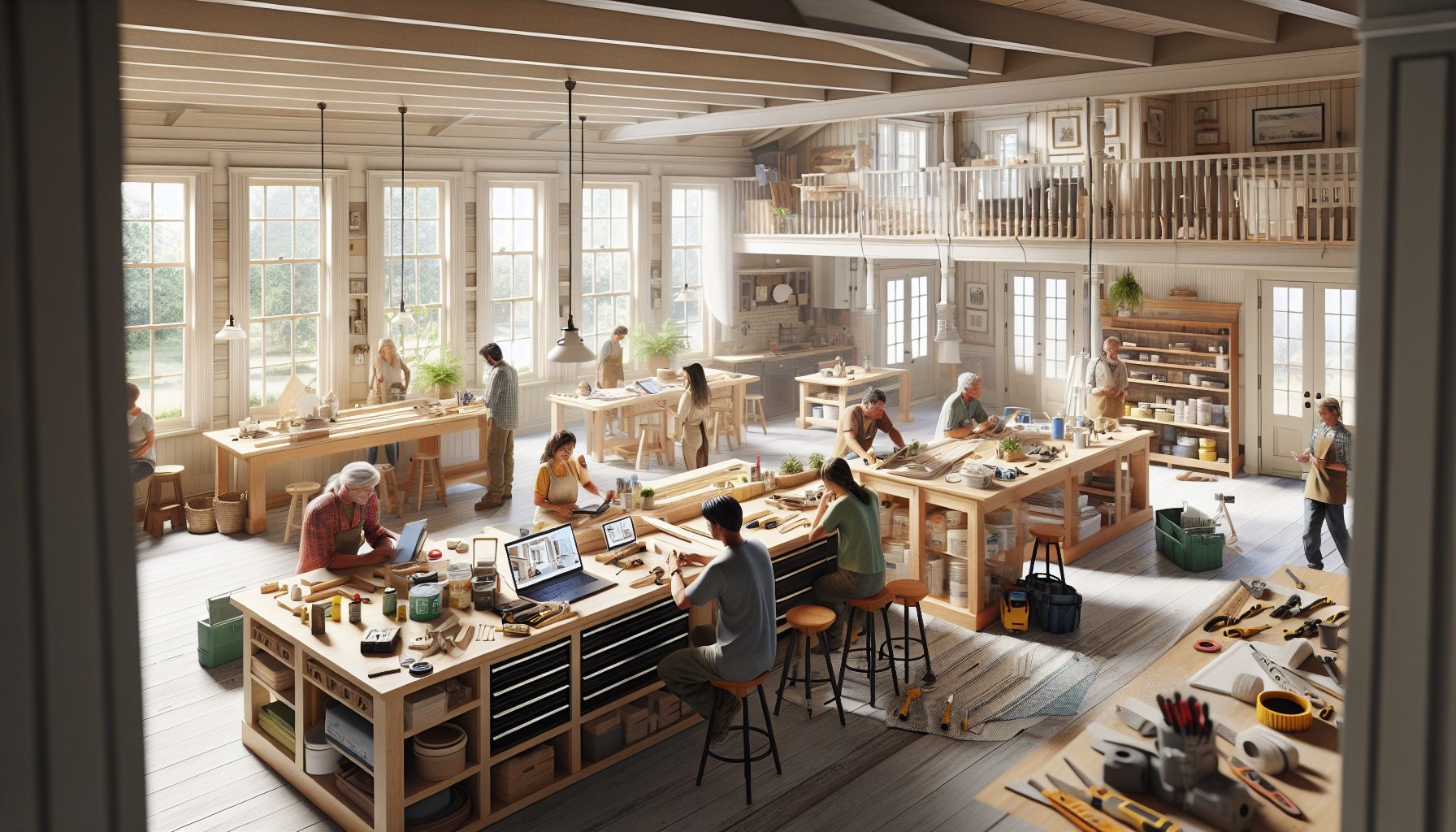
Beyond the overall format and flexible scheduling, virtual DIY home renovation tutorials break training into focused skill tracks that match real projects around Central Louisiana. Sessions can zoom in on core trades like carpentry, tile work, and drywall repair, or branch into design-focused topics such as layout planning, color coordination, and lighting placement. Some tracks concentrate on safety basics and proper tool handling, while others highlight efficiency tricks that local contractors use to finish jobs cleaner and faster. Together, these targeted online lessons build a clear roadmap of key renovation skills taught step by step.
Flooring upgrades: laminate, vinyl plank, and tile installation basics
Flooring upgrades: laminate, vinyl plank, and tile installation basics are broken into simple, repeatable steps so projects feel manageable instead of overwhelming. Virtual sessions cover how to check subfloors for soft spots from Central Louisiana humidity, snap chalk lines for straight layouts, and leave the right expansion gaps around walls. Instructors demonstrate how to click together laminate and luxury vinyl planks, cut pieces around door jambs, and transition cleanly into existing tile or carpet. Tile segments walk through mixing thinset to the right consistency, setting spacers, and keeping grout lines even so floors stay level and easy to mop after a muddy Bayou outing or a long day at Festival International. Safety tips for cutting tools and knee protection are always included.
Kitchen and bath improvements: cabinets, backsplashes, and fixtures
kitchen and bath improvements go beyond surfaces and focus on high-impact upgrades like cabinets, backsplashes, and fixtures. Virtual DIY home renovation tutorials walk through cabinet work step by step, from measuring and leveling base units to hanging uppers so doors line up cleanly. Sessions explain how to swap dated hardware, add soft-close hinges, and secure cabinets to wall studs, with tips for dealing with slightly wavy walls common in older Central Louisiana homes. Backsplash lessons cover planning layout around outlets, cutting mosaic sheets, and setting peel‑and‑stick or thinset tile so grout lines stay straight. Fixture modules show how to replace faucets, showerheads, and cabinet lighting safely, matching modern finishes while managing water pressure and humidity in busy kitchens and baths.
Interior updates: drywall repair, painting systems, and trim work
Interior updates modules focus on creating smooth, finished spaces once structural and fixture work is done. Drywall repair lessons walk through identifying nail pops, fixing stress cracks, and patching larger holes with backing supports, then blending seams so they disappear under paint. Painting systems training covers room prep, priming over stains, choosing sheens for high-traffic areas, and using cutting-in techniques to get crisp lines along ceilings, cabinets, and backsplashes. Trim work sessions demonstrate how to measure and cope baseboards, install crown molding around slightly uneven ceilings, and upgrade door and window casing for a more custom look. Virtual DIY home renovation tutorials combine these skills so walls, color, and trim all tie together into a polished interior finish.
Making the Most of Interactive Virtual Sessions
After planning smarter projects and understanding local conditions, the next step is squeezing every bit of value out of each interactive virtual session. These live tutorials become more powerful when questions, photos of current spaces, and project goals are prepared ahead of time. Many sessions include downloadable checklists, shopping lists, and tool guides that keep projects moving smoothly after the call ends. Screen sharing, close-up camera angles, and live polls also help clarify tricky renovation steps that might feel confusing on a static how‑to page. With a little preparation and follow‑through, each session turns into a custom renovation game plan.
Pro Tip: In 2025, virtual reality platforms for DIY tutorials are expected to save homeowners an average of $500 per project by minimizing errors through interactive 3D modeling before physical work begins.
Source: Statista
Choosing the right platform and contractor-led tutorial series
Choosing the right platform often starts with matching renovation goals to the features offered. Some platforms specialize in live contractor-led series with built‑in measurement tools, material calculators, and screen‑sharing for floor plans. Others focus on high‑quality replays and step‑by‑step chapter markers, ideal for reviewing tricky work like inside‑corner drywall finishing. Contractor‑led tutorial series add structure, moving from basic tool setup to full room makeovers over several weeks. A kitchen series, for example, might begin with layout tweaks, move into cabinet installation, then finish with backsplash tiling and lighting adjustments. Platforms that highlight licensed local contractors, clear camera angles, and downloadable supply lists keep projects on track and make each virtual session feel like a guided jobsite visit.
Worth Noting: Online DIY renovation videos reduce material waste by 20-30% through precise virtual simulations, promoting sustainable practices in home improvements as users plan more efficiently.
Preparing tools, materials, and workspace before going online
Strong interactive sessions start before the screen turns on. A printed or digital supply list from the contractor helps lay out everything on a clear surface: tape measure, stud finder, drill bits, painter’s tape, safety glasses, and the exact screws or fasteners specified. Materials such as lumber, tile, or fixtures sit nearby, unboxed and inspected so damaged items do not derail the lesson. For projects like backsplash tiling, adhesive, spacers, and a bucket of clean water wait within arm’s reach. Good lighting aimed at the work area lets the contractor spot mistakes on camera, and a stable phone tripod or laptop stand keeps both hands free. A swept, clutter‑free workspace with an extension cord and trash bag makes each online renovation tutorial smoother and more productive.
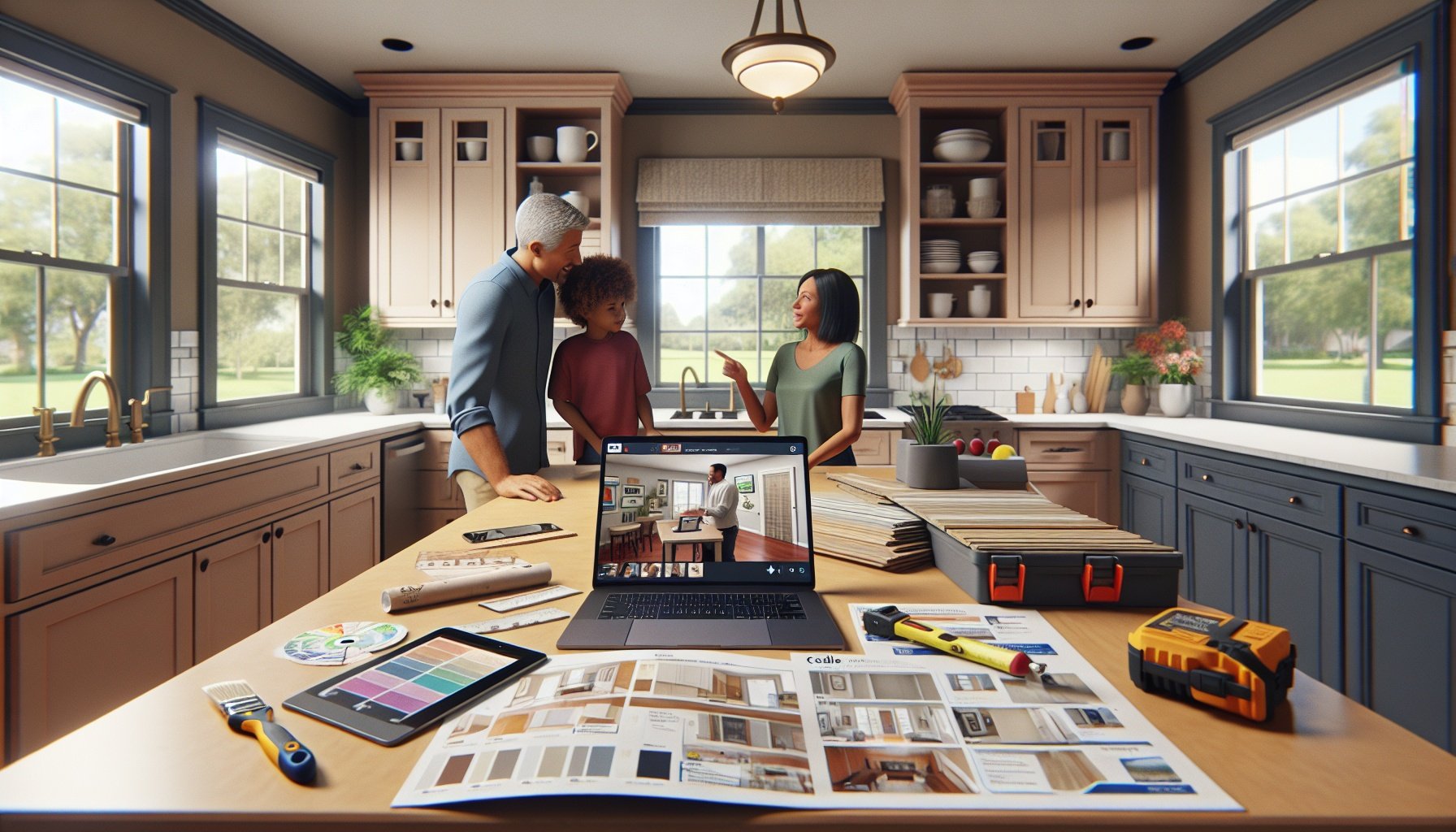
Quick Insight: The DIY home improvement market, boosted by virtual tutorials, is projected to reach USD 1.17 trillion globally by 2030, growing at a CAGR of 6.16% from 2025 onward.
Source: Mordor Intelligence
Using live Q&A, replays, and project checklists to stay on track
Live Q&A keeps virtual renovation tutorials flexible and practical. Participants drop questions in the chat or speak up when a step feels confusing, and the contractor can zoom in on a tricky tile cut, repeat a drywall taping motion, or suggest an alternate tool on the spot. After the session, replays offer a safety net. A paused video lets a learner match stud spacing, wiring layout, or cabinet measurements at a real project pace instead of rushing. Many contractor-led series also include downloadable project checklists that break work into small, trackable steps, such as “rough-in,” “install,” and “finish.” Checking off each stage during or after a replay keeps progress organized, reduces missed steps, and supports consistent, pro-level results.
Conclusion
Virtual DIY home renovation tutorials offer interactive, online sessions that turn big renovation goals into manageable steps. Focused skill tracks connect directly to real projects, from carpentry and tile work to drywall repair, along with design essentials like layout planning, color coordination, and lighting placement. Safety basics, proper tool handling, and contractor-style efficiency keep every project cleaner, faster, and more professional.
With clear demonstrations, project-focused guidance, and real-time support, these tutorials help transform everyday spaces into updated, functional, and great-looking rooms. Each new skill builds confidence, cuts costs, and opens the door to more ambitious renovations. Now is a strong moment to pick a project, choose a track, and start turning renovation ideas into real, finished spaces—one virtual lesson at a time.
Frequently Asked Questions
- What are virtual DIY home renovation tutorials, and how do they work?
- Virtual DIY home renovation tutorials are step-by-step lessons delivered online that show clear, visual instructions for common home projects. They often combine video demonstrations, written guides, material lists, and tool checklists so projects can be planned and completed with confidence.
Most tutorials are organized by project type, such as painting a living room, installing vinyl plank flooring, refreshing a bathroom, or building a simple deck. Lessons usually break tasks into small, manageable steps:
1. Planning and measuring the space
2. Choosing materials and tools
3. Preparing surfaces and work areas
4. Completing each phase of the project on camera
5. Cleanup and maintenance tipsMany platforms now add features like pause-and-replay video, close-up shots of tricky steps, printable checklists, and 3D diagrams or animations. Some services also offer live or recorded sessions tailored to local conditions, including Central Louisiana’s heat, humidity, and frequent rain. This helps homeowners avoid mistakes that do not show up in generic, one-size-fits-all content.
- What types of home renovation projects are best suited for virtual DIY tutorials?
- Virtual DIY tutorials work best for projects where clear visuals, explanations, and simple tools go a long way. Popular renovation projects that fit this style include:
– Interior painting and accent walls
– Basic drywall repair and patching nail holes or small cracks
– Installing peel-and-stick or click-lock vinyl plank flooring
– Simple tile backsplash projects in kitchens
– Replacing light fixtures and ceiling fans (following local electrical codes)
– Cabinet hardware upgrades and basic cabinet painting
– Weatherstripping doors and sealing Windows to handle Central Louisiana humidity and heat
– Building small projects such as shelves, benches, or simple storage unitsThese projects usually use common tools, make a visible difference in a space, and can be fully demonstrated on video from start to finish. Larger projects—such as roof replacement, major structural changes, or complex electrical and plumbing work—often benefit from a licensed professional, even if virtual tutorials help explain the process and planning.
- How can virtual DIY tutorials help avoid costly mistakes during home renovations?
- Virtual tutorials reduce guesswork by showing each step before any cuts, holes, or purchases are made. Many guides include:
– Detailed tool and material lists, so extra trips to stores around Alexandria, Pineville, or nearby parishes are less likely
– Safety tips that explain how to handle power tools, ladders, and electrical components correctly
– Common mistake warnings, such as not priming walls in humid climates, skipping vapor barriers on certain floors, or choosing the wrong fasteners
– Real-time examples of measuring, marking, and dry-fitting materials before permanent installationSome platforms also include comment sections or Q&A sessions where experienced contractors answer specific questions. For Central Louisiana homes, this can prevent issues like swollen doors from humidity, buckling floors, or poor paint adhesion. Watching whole projects from start to finish first often saves time, materials, and frustration once the real work begins.
- What tools and materials are usually needed to follow virtual DIY home renovation tutorials?
- Most entry-level virtual DIY renovation projects use a basic tool kit and common materials available at local hardware stores in Central Louisiana. A typical starter set includes:
– Tape measure, pencil, and level
– Utility knife and stud finder
– Hammer, screwdrivers, and pliers
– Cordless drill and a few common drill bits
– Putty knife and sanding blocks
– Paint roller, brushes, tray, and painter’s tape
– Safety glasses, gloves, and dust maskDepending on the project, tutorials may also recommend:
– Vinyl plank flooring or peel-and-stick tiles
– Caulk, caulk gun, and construction adhesive
– Joint compound and drywall repair patches
– Primer and interior/exterior paint suited for humid climates
– Weatherstripping, door sweeps, and spray foam insulationEach tutorial usually lists project-specific tools and materials at the beginning, often with budget options and higher-end alternatives. This allows planning around local store inventories and price ranges seen across Central Louisiana.
- Are virtual DIY home renovation tutorials suitable for beginners with no prior experience?
- Virtual tutorials are designed for every skill level, including complete beginners. Many platforms organize content as beginner, intermediate, and advanced. Beginner tutorials focus on simple, low-risk projects such as:
– Painting a bedroom or hallway
– Replacing basic light fixtures
– Installing new cabinet knobs and pulls
– Caulking around tubs, sinks, and windows
– Hanging shelves or simple wall décor into studsGood tutorials show the tools up close, clearly explain safety basics, and move slowly through each step. They also repeat key measurements and demonstrate how to correct small mistakes.
Beginners in Central Louisiana benefit from tutorials that discuss local conditions—for example, when to paint during less humid parts of the day, or how to protect materials from sudden rain. With careful planning, even first-time DIYers can complete meaningful upgrades and learn skills that grow over time.
- How do virtual DIY tutorials compare with hiring a professional contractor?
- Virtual DIY tutorials and professional contractors each have strengths, and many Central Louisiana homeowners use both at different times.
Virtual DIY tutorials provide:
– Lower labor costs by handling tasks personally
– Flexible scheduling—work can be done on weekends, after work, or between local events like Mardi Gras parades or festivals at the Red River
– Skill-building that carries over to future projectsProfessional contractors provide:
– Deep experience and knowledge of local building codes and permitting across Rapides Parish and surrounding areas
– Faster completion on complex, structural, or high-risk projects
– Warranties, inspections, and accountabilityMany households use virtual tutorials for design ideas, budget planning, and learning the basics, then bring in licensed professionals like CenstruX for tasks involving roofs, foundations, major electrical changes, complex plumbing, or large-scale remodels. This blended approach gives the best balance of savings, safety, and quality.
- What should be considered when choosing a virtual DIY renovation tutorial for a Central Louisiana home?
- Several factors help determine whether a virtual tutorial fits a specific Central Louisiana home:
– Climate relevance: Content that addresses humidity, heavy rain, and heat helps with choosing the right paints, flooring, and exterior materials.
– Skill level: Projects should match comfort with tools and time available. Step-by-step beginner projects often fit busy schedules in cities like Alexandria, Pineville, and nearby communities.
– Local code awareness: Tutorials that mention checking local codes for electrical, plumbing, decks, and structural work encourage safe, legal projects.
– Tool requirements: Projects that rely mostly on standard hand tools and a basic drill are more accessible than those needing specialty equipment.
– Clear visuals and pacing: Close-up shots, diagrams, and a slower pace make complex steps easier to follow.
– Reputation and reviews: Established platforms, local contractors, or regional experts familiar with Central Louisiana homes produce more reliable content.Considering these points leads to better project results, fewer surprises, and smoother upgrades that fit local homes, from classic Southern cottages to newer developments across the region.