US Rental Equipment Market Soars as Construction Demand Grows
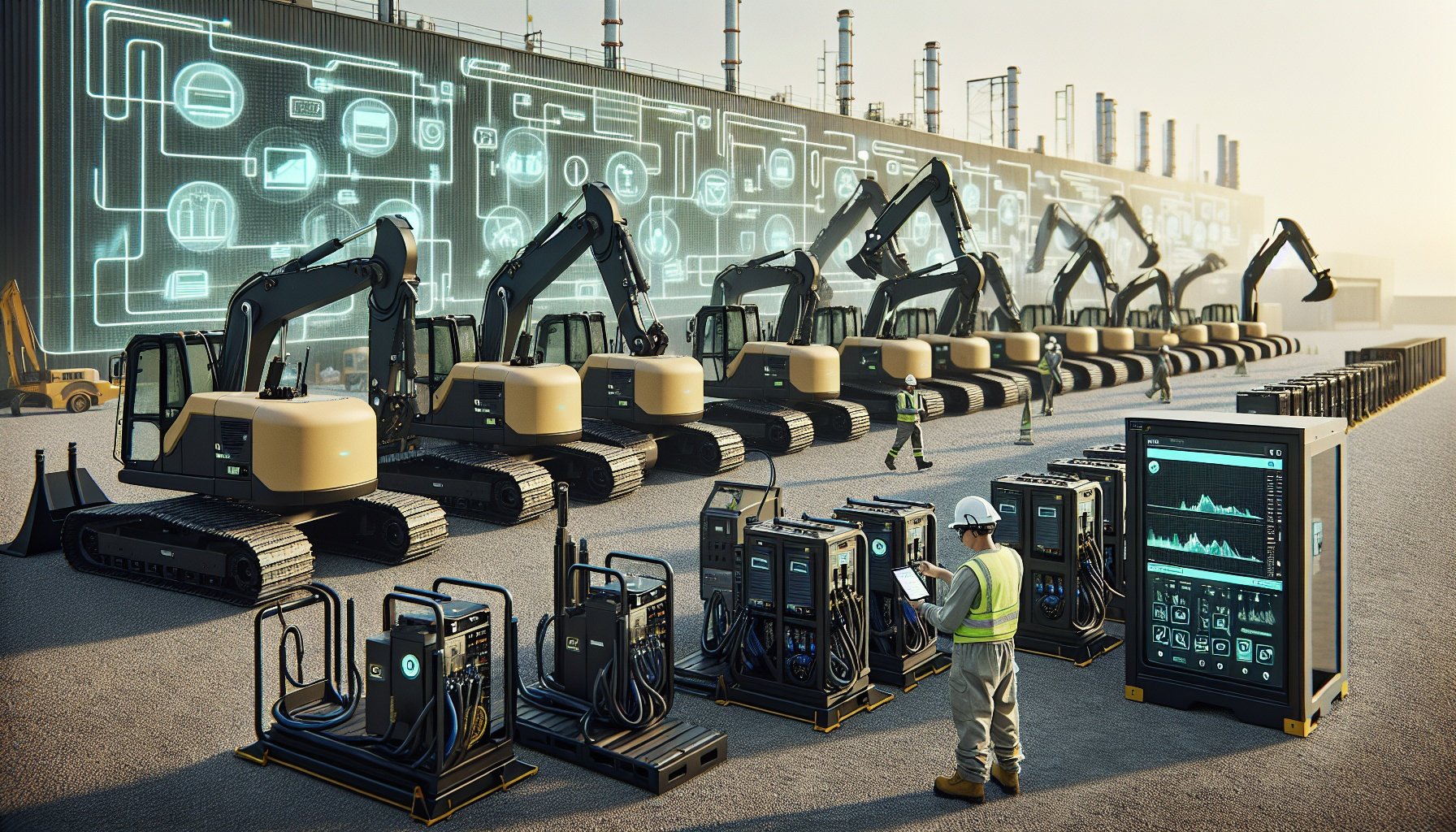
Skies filled with cranes and highways lined with orange barrels signal a boom, but behind the scenes many contractors feel squeezed by soaring equipment prices, tight margins, and unpredictable project pipelines. Rising interest rates, longer lead times for new machines, and pressure to bid competitively make long-term equipment ownership feel risky rather than secure. At the same time, owners and project managers wrestle with underutilized assets sitting idle between jobs while demand for short-term access, earthmoving, and power equipment swings from slow to slammed in a matter of weeks. The recent US Rental Equipment Market Size, Industry Share, Construction Demand Trends, Revenue Analysis & Forecast 2031 – openPR.com (US Rental Equipment Market Size, Industry Share, Construction Demand Trends, Revenue Analysis & Forecast 2031 – openPR.com) highlights that the US Rental Equipment Market is projected to expand significantly through 2031, driven by robust construction demand and cost-saving benefits of rentals over purchases, with steady growth in market share and new efficiency opportunities amid fluctuating equipment costs.
Quick Navigation:
Current Landscape of the US Rental Equipment Market | Construction Demand as the Primary Growth Driver | Forecast to 2031: Growth Outlook, Opportunities, and Challenges | Frequently Asked Questions
On large federal infrastructure jobs, tight urban infill projects, or heavy industrial sites in places like Central Louisiana, planning the right mix of owned versus rented equipment can feel like a moving target. Contractors juggle changing site conditions, compressed schedules, and stricter safety rules, all while trying to secure reliable access equipment, power solutions, and earthmoving fleets before the next big pour or shutdown. Market consolidation among national rental chains, competition with strong regional players, and shifting rental rates add another layer of uncertainty. Smaller firms and local builders feel the strain most when storms, flood control work, and petrochemical turnarounds hit at the same time and rental fleets run hot.
These challenges matter because every misstep in equipment planning shows up in delayed timelines, overtime labor, and eroded profit on already thin bids. Misjudging rental availability, fuel costs, or emissions compliance can derail a season’s forecast, especially with more federal dollars flowing into roads, bridges, and resiliency projects through 2031. As infrastructure, residential, and industrial demand climbs, the gap widens between companies that adapt early to new rental trends and those stuck in older ownership models. A closer look at where the rental equipment market is headed helps clarify the opportunities, risks, and practical moves that keep projects on schedule and businesses on solid ground.
Current Landscape of the US Rental Equipment Market
Beyond contractor pressures and broad growth projections, the current US rental equipment market reflects a more complex mix of structural shifts. Utilization data shows rising demand for specialized fleets, including low‑emission machines, telematics‑enabled assets, and modular power solutions tied to grid constraints. E‑commerce fulfillment centers, data centers, and renewable energy projects are reshaping mix requirements, pushing rental providers to diversify beyond traditional earthmoving and aerials. At the same time, digital platforms, app‑based ordering, and API integrations with contractor software are streamlining access to fleets. Together, these factors define the present market baseline that frames regional dynamics, segment performance, and competitive positioning.
Market size, recent growth rates, and key revenue segments in the US rental equipment sector
Recent estimates place the US rental equipment market above $60–$65 billion in annual revenue, with compound annual growth often tracking 4–6% over the past several years, even through interest rate volatility. Growth has been strongest in construction-focused categories, where contractors lean on rentals to handle fluctuating backlogs and bid pressure. Aerial work platforms and material handling equipment represent one of the largest revenue slices, closely followed by earthmoving assets such as excavators, skid steers, and compact track loaders. Non-residential and infrastructure projects also drive steady demand for power generation, pumps, climate control units, and trench safety systems. These segments benefit most from federal and state infrastructure programs, keeping utilization high and supporting stronger pricing discipline for major national and regional rental providers.
Keep in Mind: Technological advancements like telematics and GPS integration in rental equipment are enhancing fleet management efficiency, contributing to a projected US market growth to USD 98.29 billion by 2034.
Source: Statifacts
Shift from equipment ownership to rental: cost, utilization, and risk management factors
Contractors increasingly evaluate equipment decisions through total cost of ownership, pushing a structural shift toward rental. Capital-intensive machines such as large excavators, telehandlers, and high-reach boom lifts tie up balance sheets and require steady backlog to justify purchase. Rental models convert fixed costs into variable project expenses, aligning payment with actual machine hours and seasonal demand swings. Utilization benchmarks from major rental firms often exceed 65–70%, far above what many mid-sized fleets achieve internally. Risk management reinforces the trend: rental providers absorb residual value risk, emissions and safety compliance costs, and technology obsolescence as machines transition to Tier 4 engines, hybrid powertrains, and advanced telematics, allowing contractors to access newer, better-maintained units without long-term ownership exposure.
Pro Tip: Economic factors such as high equipment purchase costs and favorable leasing terms are boosting the US construction equipment rental sector, expected to expand at 5.6% CAGR through 2030.
Source: Grand View Research
Role of national chains vs. regional players, with emphasis on Central Louisiana’s rental ecosystem
National chains dominate heavy earthmoving, aerial work platforms, and specialty gear, leveraging national purchasing power, standardized fleets, and telematics to support large, multi-state contractors. Regional and local players, however, retain strong positions in niche segments, short-notice delivery, and relationship-based service, especially across small and mid-size jobs. Central Louisiana illustrates this split clearly. National brands cluster near Alexandria and key highway corridors, feeding industrial work tied to petrochemical, transmission, and state roadway projects. Regional outfits in parishes from Rapides to Avoyelles and Vernon focus on compact equipment, trailers, and seasonal tools supporting homebuilders, rural infrastructure, and plant turnarounds. This layered ecosystem improves access to specialized machines while sustaining competitive pricing and higher utilization across the region’s diverse project mix.
Construction Demand as the Primary Growth Driver
Beyond shifting ownership models and contractor pressures, rental growth increasingly tracks the depth and direction of construction demand itself. Large waves of activity in manufacturing plants, data centers, utility-scale solar and wind, and warehouse development are changing where fleets are needed and which equipment categories see the fastest turnover. Urban infill projects, mega-project corridors, and Gulf Coast industrial expansions each generate distinct rental profiles, from high-reach access gear to heavy earthmoving and power solutions. Understanding these demand patterns, by sector and region, clarifies why construction activity stands as the primary engine behind rental market expansion through 2031.
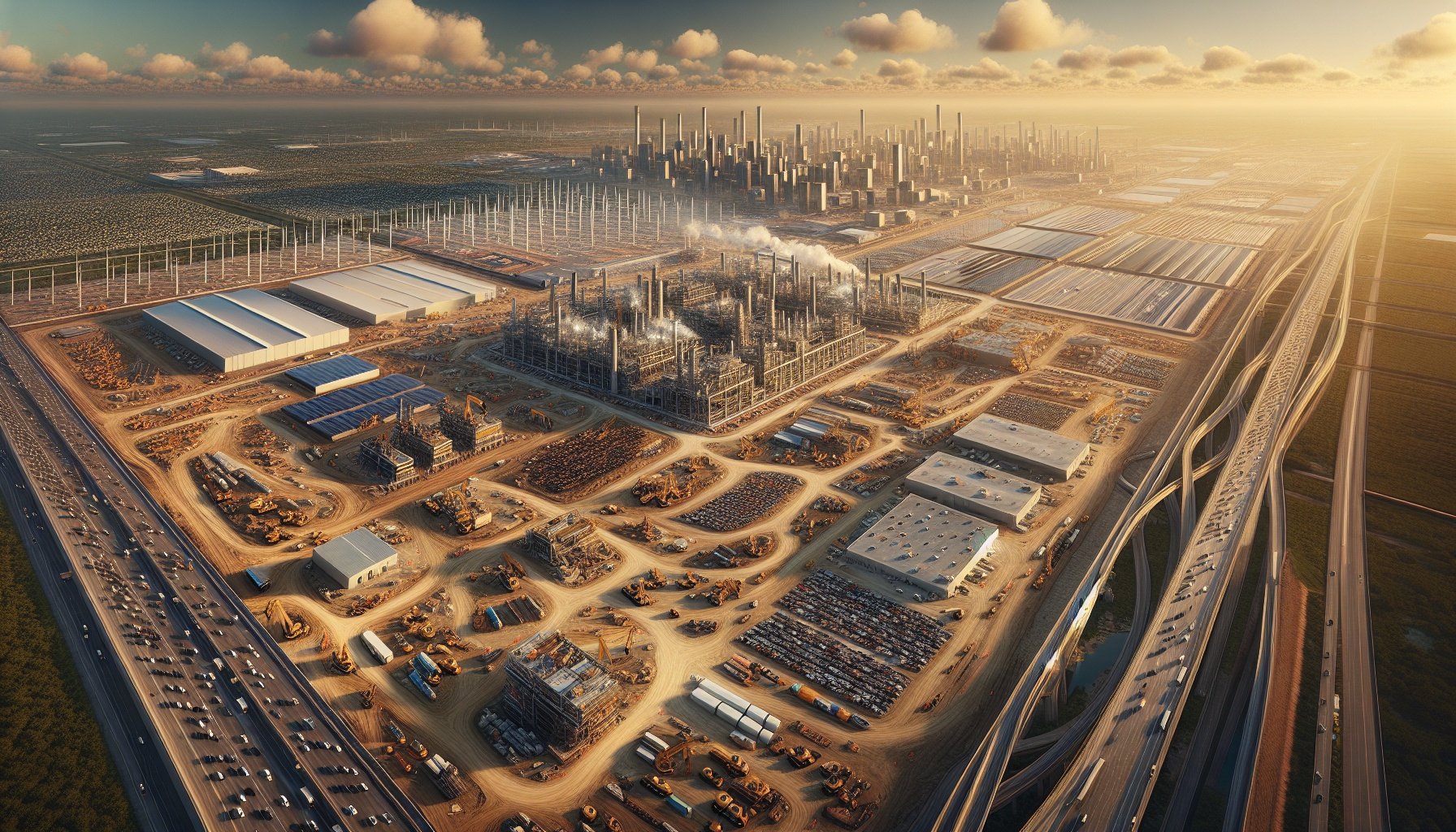
Impact of federal infrastructure spending, IIJA funds, and state projects on equipment rental demand
Federal funding tied to the Infrastructure Investment and Jobs Act (IIJA) is translating into multi‑year pipelines of rental-intensive work across highways, bridges, transit, and broadband. As DOTs and local agencies move from planning to construction, bid lettings point to sustained demand for excavators, compaction equipment, traffic control devices, and portable power, especially for heavy civil and roadwork packages. Contractors facing labor constraints and uncertain backlogs increasingly lean on rental rather than fleet ownership to match project phasing and seasonal surges. Parallel state-level programs, such as Texas’ record transportation budgets, Florida’s coastal resiliency initiatives, and California’s grid-hardening and water projects, further amplify rental demand, pulling larger earthmoving, lifting, and trench safety fleets into continuous, high-utilization cycles through at least the late 2020s.
Did you know? The US rental equipment market’s growth at 13% CAGR to 2031 outpaces the global average, fueled by robust domestic construction demand in urban infrastructure developments.
Source: Verified Market Research
Residential, commercial, and industrial construction trends shaping rental needs through 2031
Beyond public works, shifting private construction cycles are reshaping rental requirements across segments through 2031. Single‑family housing is expected to remain uneven, but steady multifamily and built‑to‑rent projects in high‑growth Sun Belt metros support sustained demand for compact earthmoving, aerial work platforms, and material handling rentals. In commercial construction, ongoing redevelopment of retail into mixed‑use, healthcare expansion, and logistics hubs near major interstates favor short‑term, project-specific rentals of telehandlers, boom lifts, and power generation equipment. On the industrial side, onshoring of manufacturing, battery plants, data centers, and semiconductor facilities drives longer rental terms for cranes, specialty lifting gear, and climate-control units. Together, these private‑sector trends broaden rental fleet needs and extend visibility on utilization beyond the infrastructure cycle.
Quick Insight: The US rental equipment market, valued at USD 3.4 billion in 2024, is projected to reach USD 7.9 billion by 2031, driven by increasing demand for cost-effective construction solutions amid rising infrastructure projects.
Source: Verified Market Research
Local drivers in Central Louisiana: highways, petrochemical plants, storm recovery, and flood control work
Central Louisiana illustrates how concentrated regional activity can sustain elevated rental intensity through 2031. Ongoing I‑49 and US‑165 corridor upgrades, bridge replacements along the Red River, and interchange improvements near Alexandria and pineville keep a steady pull on earthmoving fleets, paving equipment, and traffic control rentals. Around Lake Charles and along the Mississippi River corridor, petrochemical and LNG facilities depend on rented cranes, pipeline equipment, and industrial pumps for turnarounds, expansions, and routine maintenance. Recurrent hurricane and tornado recovery across Rapides, Vernon, and Calcasieu parishes drives periodic spikes in generators, aerial lifts, debris-handling skid steers, and compact track loaders. At the same time, levee reinforcement, pump station upgrades, and reservoir projects aimed at flood control anchor multi-year utilization of dewatering systems and heavy excavation assets.
Forecast to 2031: Growth Outlook, Opportunities, and Challenges
Looking ahead to 2031, market growth expectations hinge on more than shifting fleet mix and digital access. Upcoming federal and state infrastructure funding cycles, reshoring of manufacturing, and long-term housing shortages are set to reshape rental demand by region and by project type. Cyclical interest rate movements, contractor labor shortages, and equipment price inflation will also influence the balance between renting and owning. At the same time, regulatory pressures on emissions, noise, and worksite safety are likely to accelerate replacement cycles across key categories. Together, these factors define the growth trajectory, key opportunity pools, and structural challenges through 2031.
Keep in Mind: Rental practices in the US construction industry support sustainable development by reducing equipment ownership needs, aligning with environmental goals and forecasting market value of USD 64.76 billion in 2024.
Source: Statifacts
Revenue and fleet growth projections by equipment category, including earthmoving, access, and power
Revenue patterns diverge sharply by equipment class through 2031. Earthmoving is projected to remain the largest revenue contributor, with many forecasts pointing to high‑single‑digit annual growth as highway rebuilding, sitework for battery plants, and industrial parks require sustained use of excavators, dozers, and compact track loaders. Access equipment—booms, scissors, and telehandlers—is expected to post the fastest fleet growth, often in the 8–10% range, as warehouse vertical expansion, tilt‑wall projects, and data center builds favor high‑reach, high‑turnover assets. Power and temperature control fleets show more cyclical but steadily rising revenue, driven by grid upgrades, utility outages, and large event work; this category is projected to gain share as contractors lean on mobile power to keep complex, schedule‑critical projects on track.
Technology, telematics, and emissions regulations reshaping rental fleets and contractor preferences
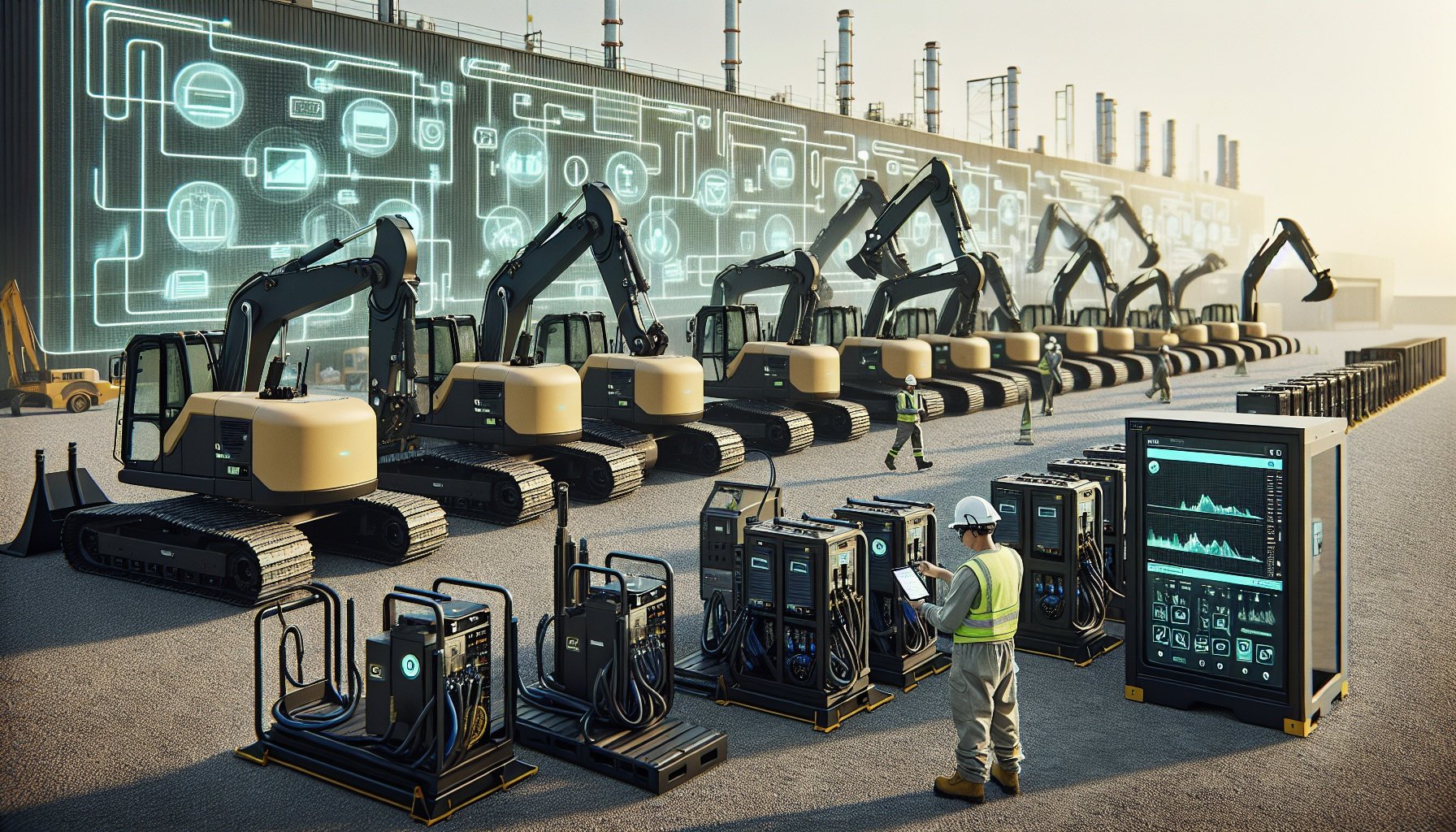
Digital capabilities are moving from optional to essential within rental fleets through 2031. Telematics penetration on earthmoving, access, and power assets is expected to exceed 80%, as contractors favor units that provide real‑time utilization, idle time, and location data that tie directly into bid models and schedule control. Advanced diagnostics shorten downtime and support condition‑based maintenance, allowing rental companies to turn fleets faster and protect margins as competition intensifies. At the same time, tightening Tier 4 and state‑level emissions rules, especially in California and the Northeast, are accelerating investment in Stage V‑ready engines, hybrid aerial lifts, battery‑powered mini‑excavators, and low‑emission portable power. Contractors increasingly specify compliant and low‑noise equipment in rental agreements, reshaping procurement decisions across regions with aggressive climate policies.
Interesting Fact: Construction equipment rental in the US grew at a CAGR of 4.26% from 2019 to 2024, reflecting steady recovery and expansion in building activities following economic fluctuations.
Source: Statifacts
Key risks and constraints: labor shortages, interest rates, supply chain pressures, and pricing dynamics through 2031
Labor availability remains a structural constraint through 2031, as aging skilled trades and tight immigration policies limit contractor headcount even when backlogs are strong. This caps project starts and extends timelines, tempering rental equipment utilization in peak seasons. Higher-for-longer interest rates raise financing costs for developers and rental operators, slowing private commercial starts and delaying large fleet replacement cycles. Supply chain pressures shift from acute shortages to chronic volatility, with component lead times and transportation bottlenecks still affecting delivery of earthmoving and access equipment during demand spikes. These factors feed into complex pricing dynamics: rental rates are expected to trend upward to offset wage, parts, and borrowing costs, but aggressive discounting in soft regional markets may compress margins and widen performance gaps among rental providers.
Conclusion
The US rental equipment market is set on a strong growth path as construction demand intensifies through 2031. Sector-specific activity in manufacturing, data centers, renewables, and logistics facilities is reshaping when, where, and what equipment is rented, while regional corridors and industrial hubs build distinct fleet profiles. At the same time, powerful macro forces—shifting infrastructure funding, reshoring strategies, housing shortages, financing conditions, labor constraints, and equipment cost inflation—are redefining the rent‑versus‑own equation and accelerating fleet renewal under tighter regulatory standards. Stakeholders that track these construction demand patterns, align fleets with emerging project types, and adapt quickly to policy and economic shifts will be best positioned to capture value in this expanding market. Now is the time to plan boldly for the next rental cycle.
Frequently Asked Questions
- What is driving the growth of the US rental equipment market through 2031?
- Growth in the US rental equipment market through 2031 is largely driven by strong construction demand across residential, commercial, and infrastructure projects. Large public investments in roads, bridges, ports, and utilities—often visible as cranes on skylines and long stretches of orange construction barrels on highways—are creating steady demand for machines without forcing contractors to purchase expensive equipment outright.
Tight capital budgets, higher interest rates, and a desire to keep balance sheets light are pushing many contractors to rent instead of buy. Rental also helps companies scale fleets quickly for short‐term projects, avoid long‑term storage and maintenance costs, and stay compliant with changing emissions and safety regulations. Technology adoption, such as telematics and digital rental platforms, makes renting faster, more transparent, and easier to manage, which further supports long‑term market growth. - Why are contractors choosing to rent equipment instead of buying it?
- Contractors are turning to rental equipment because it reduces financial risk and increases flexibility. Buying large machines such as excavators, cranes, or aerial lifts demands high upfront costs, ongoing loan payments, insurance, and maintenance. When project pipelines change or slow down, owned equipment can sit idle, tying up capital and storage space.
Rental equipment allows contractors to:
– Match fleet size to current project load
– Access specialized machines only when needed
– Avoid long‑term depreciation and resale challenges
– Keep up with the latest models and technology
– Shift responsibility for major repairs and inspections to rental providers
For many companies, especially small and mid‑sized contractors, renting supports better cash flow management while still delivering access to high‑quality, reliable machinery. - Which types of rental equipment are seeing the strongest demand?
- Several categories are seeing especially strong demand in the US rental equipment market:
– Earthmoving equipment: Excavators, skid steers, backhoes, and bulldozers remain essential for site prep, grading, and utility work.
– Aerial work platforms: Boom lifts, scissor lifts, and telehandlers are in high demand for building construction, industrial maintenance, and warehouse work.
– Material handling equipment: Forklifts and reach trucks support logistics centers, manufacturing plants, and distribution hubs.
– Road construction equipment: Compactors, pavers, light towers, and traffic control devices are needed for highway and street improvement projects marked by long stretches of orange barrels.
– Power and HVAC: Generators, compressors, pumps, heaters, and temporary cooling systems support both construction sites and industrial or event applications.
Demand patterns can shift by region, but infrastructure and large commercial projects are keeping these core categories busy across the country. - How does ongoing US infrastructure spending affect rental equipment demand?
- Ongoing US infrastructure spending significantly lifts rental equipment demand by creating a steady pipeline of large‑scale, multi‑year projects. Federal and state programs targeting highways, bridges, airports, rail, and utilities require heavy fleets of earthmoving, lifting, and paving equipment.
Many of these projects are distributed across numerous job sites, which makes renting more attractive than owning a massive, permanent fleet. Contractors can mobilize equipment quickly to different locations, scale up for peak construction seasons, and then scale down as phases are completed.
Public infrastructure work also tends to be more predictable than private development, which encourages rental companies to invest in larger, more modern fleets. This cycle of government spending, contractor flexibility, and rental fleet expansion keeps demand strong throughout the forecast period to 2031. - What role do technology and digital platforms play in the US rental equipment market?
- Technology and digital platforms are reshaping how rental equipment is sourced, managed, and maintained. Modern rental fleets often include telematics systems that track engine hours, fuel use, location, and machine health. This data helps rental companies schedule preventive maintenance, reduce breakdowns, and improve uptime for renters.
Online portals and mobile apps allow contractors to:
– Browse equipment availability and pricing
– Reserve and schedule delivery or pickup
– Extend rentals or swap machines
– Track usage and costs across multiple jobsites
These tools reduce paperwork, shorten wait times, and improve transparency. For large projects involving many machines and crews, digital management can cut delays and limit idle time, which enhances the overall value of renting versus owning. Over the next several years, continued investment in telematics, automation, and data analytics is expected to support even more efficient equipment sharing and utilization. - How are environmental regulations and sustainability trends influencing rental equipment usage?
- Environmental regulations and sustainability goals are pushing more contractors toward rental fleets that meet newer standards. Emissions rules for diesel engines, especially in non‑road construction equipment, can make older owned machines expensive to upgrade or replace. Rental companies, by contrast, can spread the cost of cleaner equipment—such as Tier 4 Final diesel units, hybrid machines, and electric lifts—across many customers.
Using rental equipment also supports better fleet utilization, which reduces the number of underused machines sitting idle. Less idle inventory can mean lower total emissions and resource consumption across the sector. In some urban and environmentally sensitive areas, stricter jobsite rules favor electric or low‑noise equipment, and rental providers become a primary source for compliant machines.
These factors make rental an effective path for contractors seeking to meet regulatory requirements and sustainability commitments without fully overhauling owned fleets at once. - What are the main challenges and risks facing the US rental equipment market through 2031?
- Despite strong growth prospects, the US rental equipment market faces several challenges and risks:
– Economic slowdowns: A downturn in construction or delays in public funding can reduce project volume, lowering rental demand.
– Supply chain issues: Shortages of parts, engines, or electronic components can slow fleet expansion or keep existing machines out of service.
– Labor constraints: A shortage of skilled operators and technicians can limit how effectively equipment is used and maintained.
– Regulatory changes: New emissions, safety, or transportation rules may require rapid fleet upgrades and additional compliance costs.
– Competition and pricing pressure: A crowded field of national chains, regional players, and local companies can trigger price competition and affect margins.
Managing fleet quality, service reliability, and digital capabilities helps rental companies navigate these challenges while supporting contractors through changing market conditions.