
Transform Dining Chairs into Fun and Safe Kids’ Seating
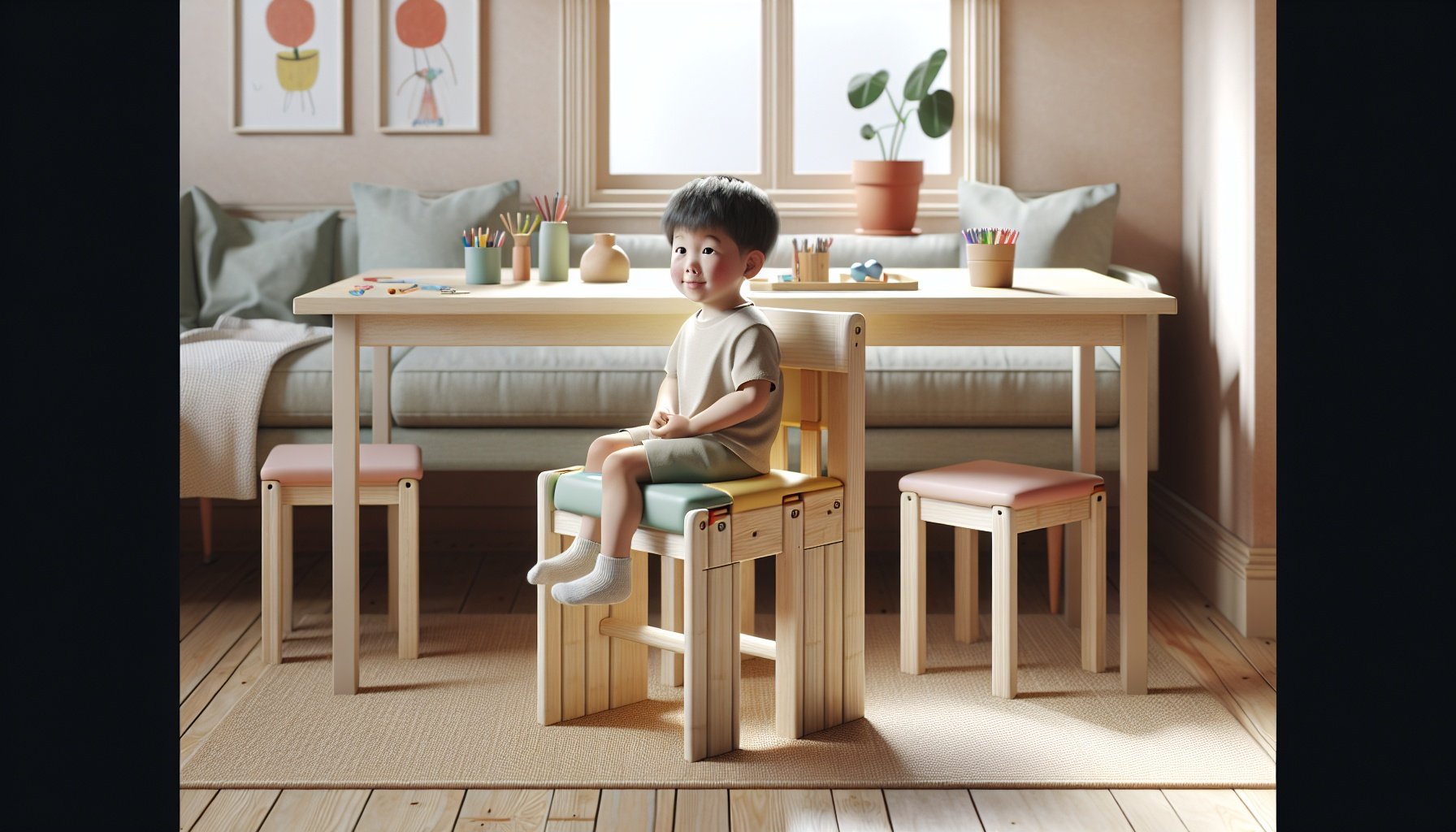
A regular dining chair can become a kid-sized favorite with a few smart tweaks, turning family mealtime and playtime into something a little more fun and a lot more comfortable. Repurposing dining chairs for kids involves measuring and cutting legs to a safe height while ensuring stability for young users. This simple shift creates a sturdy, low-profile seat that feels just right for toddlers and young children, whether the home leans farmhouse cozy or sleek and modern. Careful attention to structure, joints, and materials keeps every chair solid and wobble-free, ready for daily use on tile, wood, or laminate floors common across Central Louisiana homes.
Quick Navigation:
Planning Safe Kids’ Seating from Existing Dining Chairs | Modifying Chair Height and Structure for Young Users | Finishing, Decorating, and Protecting the New Kids’ Chairs | Frequently Asked Questions
Once the base feels strong and steady, the creative part begins. This approach allows for creative finishes like colorful paints or stencils to match playroom themes, school colors, or even local team spirit from around Cenla. Gentle curves, rounded edges, and smooth surfaces help protect little knees and hands, while rubber feet or soft glides protect floors during all the moving and sliding that comes with active kids. It promotes sustainability by extending the life of existing furniture in family homes, cutting down on waste and the need for new, store-bought pieces. With the right planning, a standard dining chair turns into a custom kids’ seat that fits the home’s style, keeps children safe, and adds a bright, personal touch to everyday spaces around the table and beyond.
Planning Safe Kids’ Seating from Existing Dining Chairs
Once chairs are trimmed down and sturdy, smart planning helps match each seat to a child’s age, size, and daily routines. Seat depth, back support, and how easily little legs reach a footrest all affect comfort and posture during snacks, crafts, and homework time. Climbing in and out matters too, especially for toddlers who like doing things “all by myself.” House layout plays a role, whether chairs stay at the kitchen table, slide over to a play corner, or move out on the porch during festival weekends. With a few simple decisions, everyday dining chairs can become a safe, kid-ready seating plan.
Pro Tip: Repurposing dining chairs into kids’ seating saves families an average of USD 150 per chair in 2024, boosting economic accessibility in urban households while supporting local upcycling workshops.
Source: Grand View Research
Assessing chair structure, joints, and materials for kid-safe stability
Strong kid seating starts with solid chair bones. Each chair benefits from a quick “health check” before cutting the legs. Frames made from hardwoods like oak, maple, or ash usually hold up better than lightweight, hollow metal or thin, knotty softwood. Cross-braces between legs, especially the lower stretchers, add stability when kids climb, wiggle, or lean. Joints deserve close attention: loose mortise-and-tenon joints, wobbly corner blocks, or cracked glue lines should be tightened with wood glue and clamps or reinforced with new corner brackets. Screws need to sit snug without stripped heads. Any splits around the seat, rungs, or back posts signal a poor candidate for kid use and work better as décor than everyday seating.
Quick Insight: In Scandinavian cultures, transforming old dining chairs into child-sized versions promotes hygge, fostering family bonding through hands-on craftsmanship that integrates sustainability into daily home practices.
Source: OECD
Measuring ideal seat height for toddlers and young children
Measuring ideal seat height for toddlers and young children starts with leg position instead of guessing by age. Feet rest flat on the floor, with knees bent at roughly a right angle and thighs supported by the seat. A small chair often lands between 10–12 inches from floor to seat for toddlers, and 12–14 inches for preschoolers, but real measurements work better than charts. Have the child stand straight, then measure from the floor to the crease behind the knee; subtract about 1 inch to find target seat height. Compare this number to the existing dining chair seat, then mark how much leg length needs trimming so the new kid-size chair stays stable, comfortable, and easy to climb into safely.
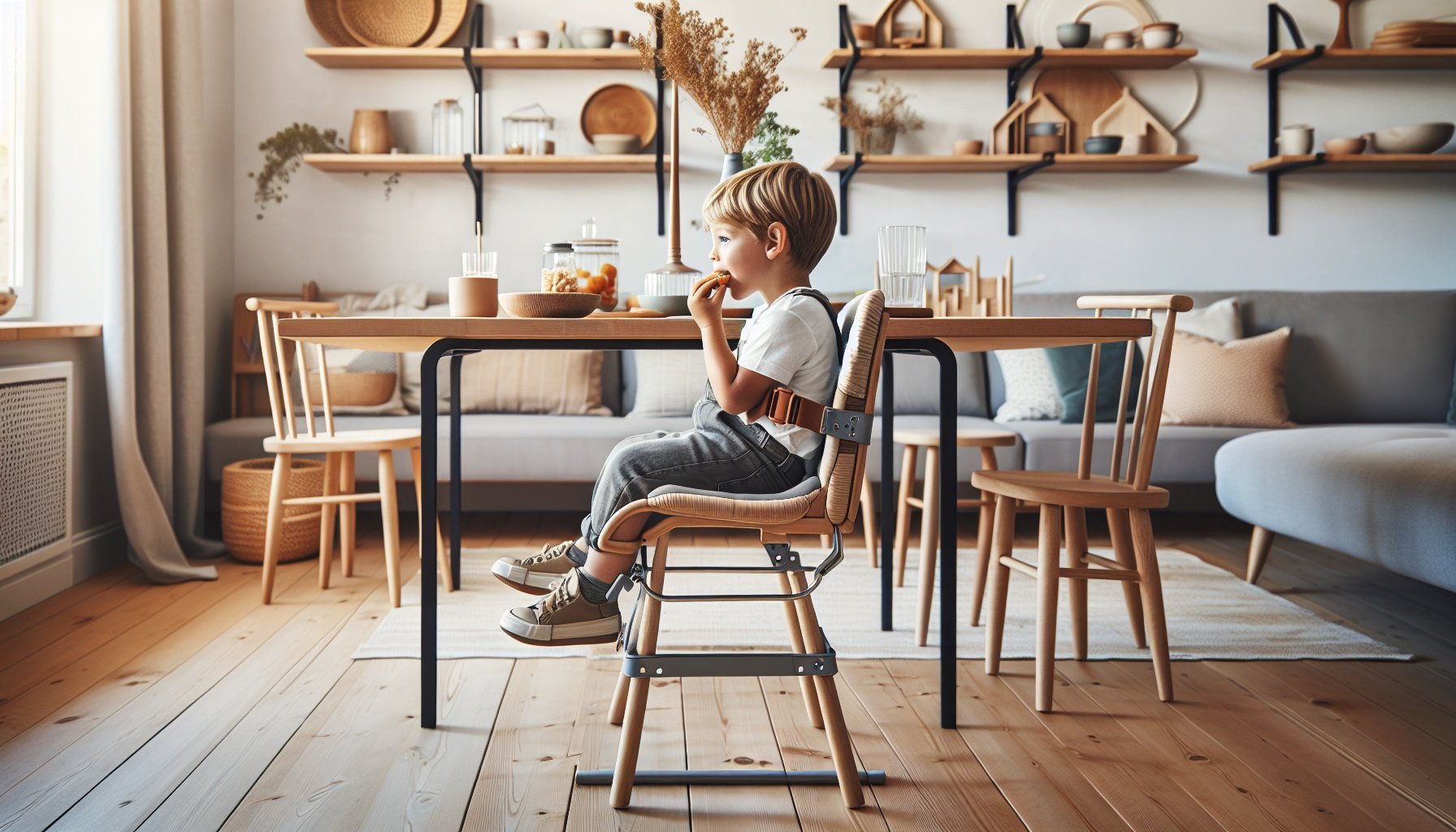
Quick Insight: Adjustable repurposed dining chairs for kids incorporate IoT sensors in 2025 designs to monitor posture and height growth, enhancing ergonomic support through real-time feedback for better developmental outcomes.
Source: OECD iLibrary
Choosing chairs suited for Central Louisiana homes, from farmhouse to modern styles
Choosing chairs suited for Central Louisiana homes, from farmhouse to modern styles works best when style and structure team up. Classic farmhouse ladder‑back chairs, common around places like Alexandria and small-town parish homes, often have sturdy hardwood frames and wide seats that trim down well for kids’ use. Cane or woven seats on older plantation‑style pieces handle light play but benefit from added cushions for comfort. Sleek modern chairs seen in newer subdivisions around Pineville or Ball on metal sled bases or thin plastic shells may flex too much once shortened, so heavier wooden or metal four‑leg frames stay safer. Chairs with simple lines also take bright paints, crawfish‑red accents, or stenciled pelicans cleanly, tying kid seating into local Louisiana décor while keeping everyday use reliable and stable.
Modifying Chair Height and Structure for Young Users
Once basic height and balance are set, chair adjustments can do even more to support small bodies that wiggle, climb, and lean. Thoughtful changes to the frame, seat angle, and support rails help kids sit with steady feet and relaxed posture, whether coloring, snacking, or doing homework at the table. Lower crossbars can double as footrests, added braces can handle everyday bumps, and gentle seat tilts can keep kids from sliding forward. With a few smart structure tweaks, each dining chair moves beyond simple “shortened” seating and becomes a custom-fit spot designed for growing young users.
Good to Know: The global kids’ furniture market, including repurposed seating, reached USD 38.4 billion in 2025, driven by a 7.6% CAGR as parents seek affordable, customizable options for child development spaces.
Source: Global Market Insights
Marking and cutting chair legs evenly for a lower, safer profile
Marking and cutting chair legs evenly starts with a flat reference point. A sturdy, level floor or workbench keeps the frame square so each leg ends up the same length. Blue painter’s tape wrapped around each leg at the cut line creates an easy-to-see guide and helps prevent splintering. A simple story stick—a scrap board marked to the target height—sets a consistent mark on every leg without re-measuring. A miter saw or handsaw with a guide block keeps cuts straight and repeatable. After trimming, flipping the chair onto the floor quickly shows any wobble so high spots can be sanded down. A slightly wider stance or adding non-slip pads finishes the lower profile with better stability for active kids.
Sanding, rounding edges, and reinforcing joints to prevent wobble
After legs sit level, sanding turns rough cuts into kid‑friendly surfaces. A sanding block or palm sander with medium‑grit paper smooths saw marks at the bottom of each leg, then a finer grit prepares the wood for paint. Running sandpaper along seat edges, arms, and back slats softens sharp corners so small hands and knees meet rounded profiles instead of hard edges. For old dining chairs that feel loose, wood glue and clamps tighten joints where legs meet rails and stretchers. Corner braces or small L‑brackets hidden under the seat add strength without spoiling the look. Once everything cures, a quick recheck on a flat floor confirms a solid, wobble‑free base ready for colorful kid‑safe finishes.
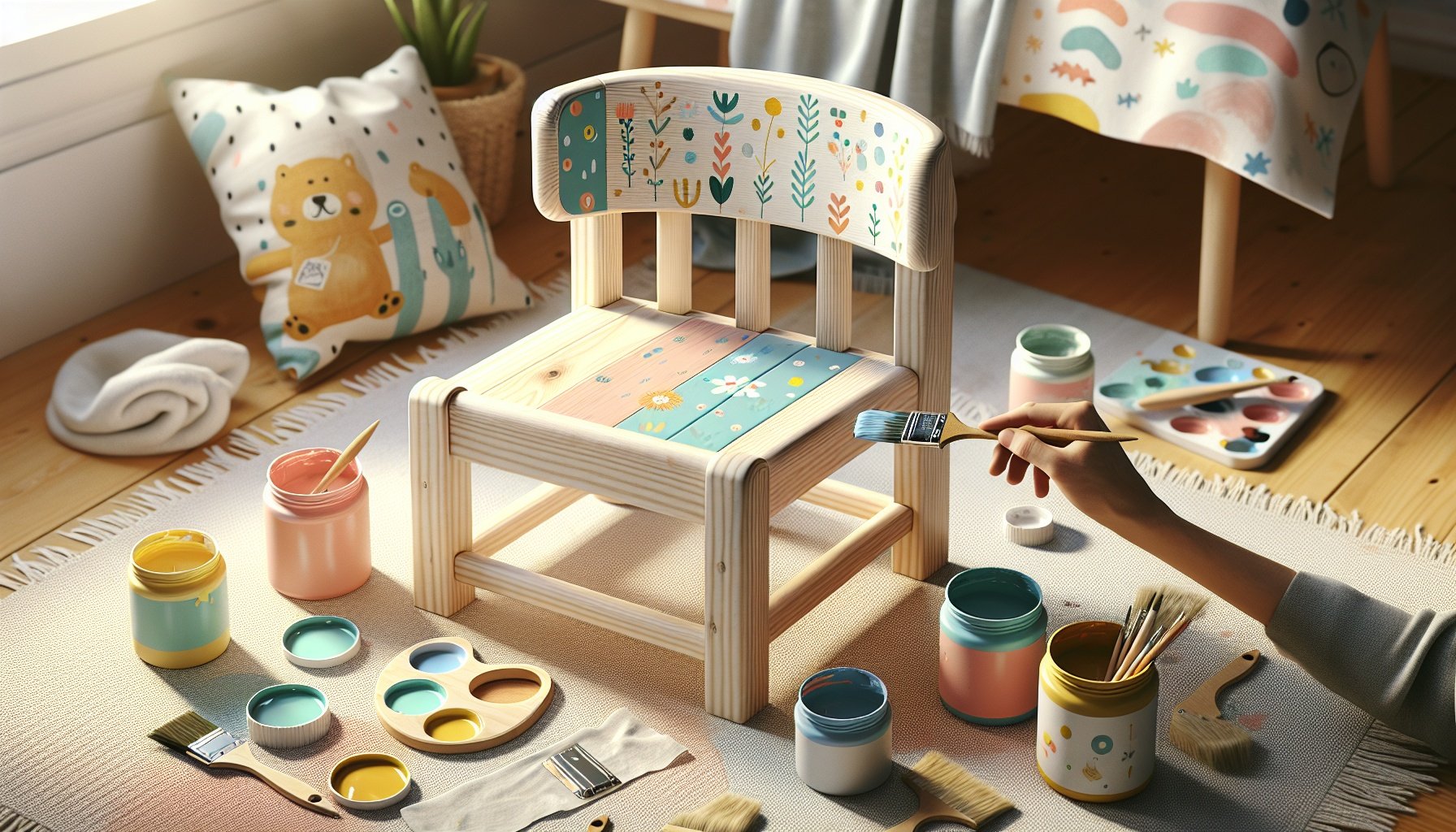
Expert Insight: During the mid-20th century in post-war Europe, families commonly repurposed adult dining chairs by shortening legs and adding cushions to create safe, space-efficient seating for children, reflecting resource conservation in household design.
Source: BBC News
Adding floor-friendly glides or rubber feet for grip on tile and wood floors common in Cenla homes
Repurposing dining chairs for kids involves more than adjusting leg height; the base needs protection and grip, especially on smooth tile and wood floors found across Cenla homes. Floor‑friendly glides or rubber feet cut down on sliding, scuffing, and loud scraping around busy kitchen tables in Alexandria, pineville, and the smaller towns in between. Nail‑on or screw‑on rubber feet lock in more securely than peel‑and‑stick pads and hold up better when little ones climb in and out. A quick pilot hole in each leg keeps the wood from splitting. Felt‑lined glides work well on hardwood, while textured rubber feet grip ceramic tile near back doors or in open‑concept living spaces, keeping the downsized chair steady during everyday play and snacks.
Finishing, Decorating, and Protecting the New Kids’ Chairs
Once the frames sit at the right height and feel steady, the fun really begins with finishing, decorating, and protecting the new kids’ chairs. This stage turns simple cut-down dining chairs into pieces that match a playroom, kitchen nook, or homework corner. Color choices, paint types, and sealers start to matter just as much as measurements. Durable finishes help stand up to spilled juice, sticky fingers, and daily sliding across the floor. Soft edges, smooth surfaces, and washable touches bring comfort and safety together, setting up the details for paints, patterns, cushions, and long-lasting protection.
Selecting durable, low-VOC paints and clear coats for children’s furniture
Selecting durable, low‑VOC paints and clear coats keeps kid‑sized chairs looking fresh while limiting harsh fumes in play spaces. Water‑based, low‑ or zero‑VOC interior paints labeled for furniture stand up well to sticky fingers, snack spills, and regular wipe‑downs. Semi‑gloss or satin finishes clean easier than flat finishes and highlight fun colors or stencil details added to the shortened chairs. For natural-wood looks, clear water‑based polyurethane or polycrylic marked low‑VOC offers a tough, kid‑safe barrier. Products that are GREENGUARD Gold certified or marked as “baby safe” after curing work especially well in nurseries and playrooms. Let each coat dry fully and cure as directed so the revamped chairs handle everyday climbing, wiggling, and play without peeling or clouding.
Did you know? Repurposing dining chairs into kids’ seating reduces household waste by up to 30%, aligning with 2024 sustainability goals that emphasize circular economy principles in furniture reuse to lower environmental footprints.
Using stencils, decals, and themed colors to match playrooms and local school spirit
Stencils and decals turn simple painted chairs into custom playroom features that match local favorites. Simple star, alphabet, or animal stencils line up across a set of chairs to echo a reading corner or craft table theme. Vinyl decals with dinosaurs, princess crowns, or sports balls stick smoothly over cured paint and can be swapped out as kids’ interests change. Themed color schemes keep everything tied together, like purple and gold in Louisiana for Tigers pride, or matching local school colors so kids feel connected on game day. Numbered chair backs in team colors help kids pick a regular “spot,” while striping the legs like team socks adds a fun detail that still works with durable, kid-safe clear coats.
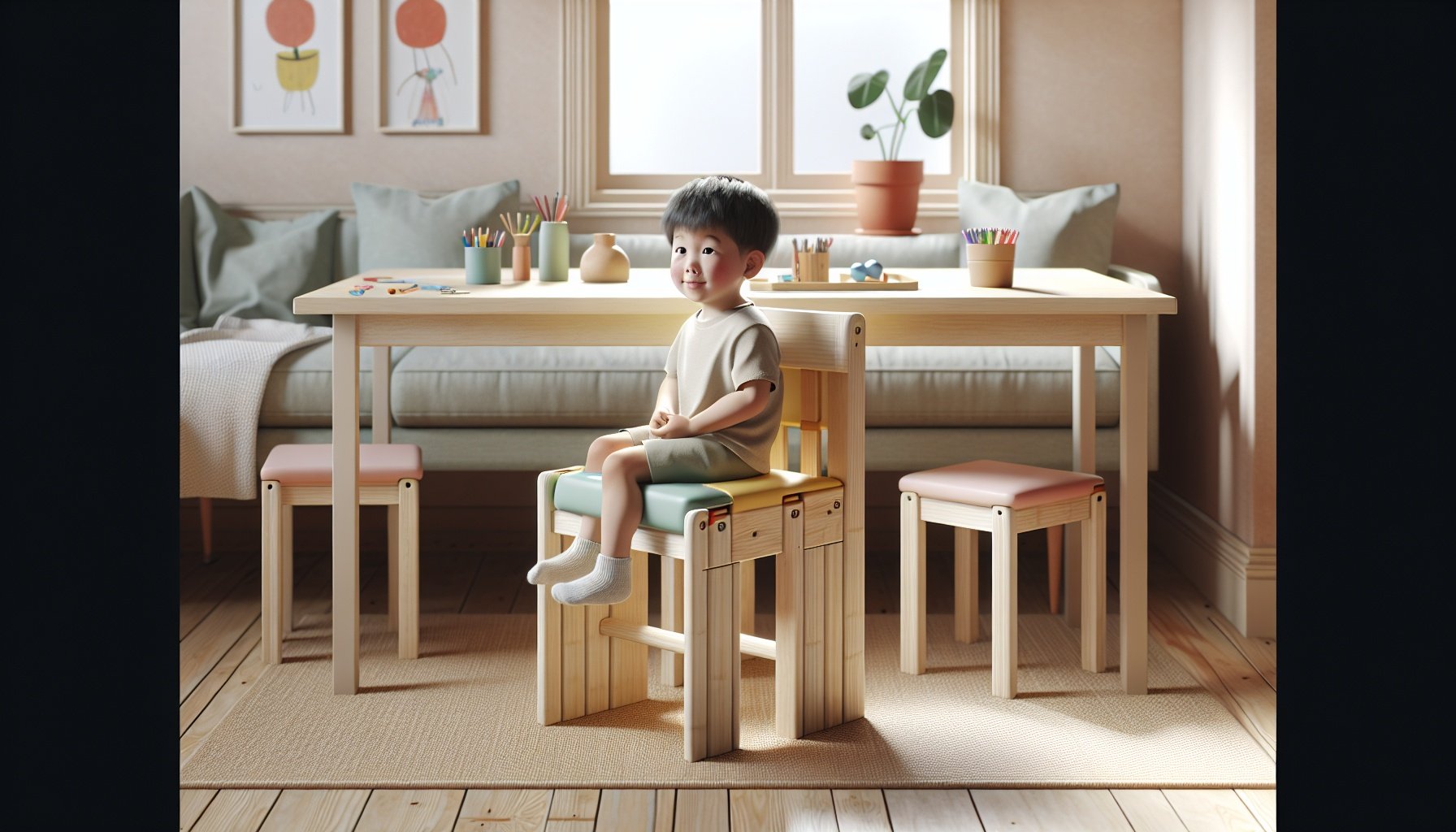
Applying easy-clean finishes for messy play, snacks, and craft time in busy Louisiana households
Easy‑clean finishes keep kid‑sized chairs ready for crawfish night snacks, after‑school art projects, and sticky snowball breaks. A slick, water‑based polyurethane or polycrylic topcoat over the paint and decals creates a smooth shell that wipes clean with a damp cloth, even after spilled juice or glitter glue. For extra protection in busy Louisiana homes, a satin or semi‑gloss sheen hides fingerprints better than high gloss while still resisting stains. Lightly sanding between coats builds a tough finish that stands up to daily scrubbing. On seats and top rails, clear bar‑top epoxy or wipe‑on urethane adds extra moisture resistance, perfect for humid bayou air and indoor/outdoor use during backyard crawfish boils and craft time on the porch.
Conclusion
Repurposing dining chairs for kids involves measuring and cutting legs to a safe height while ensuring stability for young users. Structural changes like adjusted seat angles, lower footrest rails, and added braces turn regular chairs into solid, custom-fit spots for small, active bodies. Once the frame feels secure and supportive, finishes and decoration bring the project to life with color, pattern, and kid-friendly protection that stands up to daily use.
Simple updates create seating that works for playtime, snack time, and homework without buying all-new furniture. With a bit of thoughtful planning and creativity, everyday chairs can become sturdy, fun, and long-lasting kids’ seating that keeps pace as children grow and the home’s needs change.
Frequently Asked Questions
- What makes a repurposed dining chair safe for kids to use every day?
- Safety for kids’ seating starts with a sturdy frame and a solid base. A repurposed dining chair should not wobble, rock, or feel loose. All joints need to be tight, and screws or bolts should be checked and tightened before use.
Sharp corners on the seat, back, and arms should be rounded over with sandpaper, and any splinters removed. If the chair is cut down in height, all cut edges should be sanded smooth and sealed with paint or clear finish. Non-toxic, kid-safe paint or sealers labeled low-VOC or no-VOC keep surfaces safer for small hands.
For extra stability, felt pads or rubber furniture pads can be added to the legs to help prevent sliding. A wide base and legs that angle slightly outward also add stability, reducing the chance of tipping. If a booster cushion, harness, or straps are added, they should be attached firmly and checked often so nothing comes loose over time.
- How low should a dining chair be cut to turn it into kids’ seating?
- The right height depends on the child’s age and the table height. For most toddlers and young children, a seat height between 10 and 14 inches from the floor works well. This lets feet touch the ground or a footrest, which helps with balance and comfort.
To find a good height, measure from the back of the child’s knee to the floor while sitting. Subtract about 1 inch from that number. That measurement gives a target seat height so legs rest comfortably without dangling. The seat should also slide under the edge of the table without trapping little fingers.
When cutting the legs of a full-size dining chair, each leg should be measured carefully and marked before cutting. After cutting, all four legs should match within a tiny fraction of an inch to prevent rocking. Any unevenness can be corrected with sanding or adding leveling pads under one or more legs.
- What tools and materials are most helpful for converting a dining chair into kids’ furniture?
- Basic tools and materials make the project easier and safer. Common tools include a measuring tape, pencil, handsaw or miter saw for cutting the legs, a drill or screwdriver for tightening or adding screws, sanding block or power sander for smoothing edges, and clamps to hold pieces steady when cutting or gluing.
Helpful materials include wood glue for strengthening loose joints, wood filler for patching holes or chips, and various sandpaper grits (coarse for shaping and fine for final smoothing). Kid-safe paint or stain, plus a clear protective topcoat, helps protect the wood and gives the chair a fresh look.
For comfort and function, foam cushions, washable fabric, and a staple gun can be used to add a padded seat. Non-slip pads for the feet and child-safe straps or harnesses can give extra stability. Keeping materials simple and sturdy keeps the chair durable for daily use.
- Is it better to add a booster cushion or permanently lower the chair legs for kids?
- Both approaches work, and the choice depends on how the chair will be used over time. Lowering the chair legs permanently creates true kid-sized seating with a stable base. This works well for a dedicated kids’ chair that stays at a play table, art station, or kids’ dining area.
A booster cushion on an adult-height chair is more flexible. It can be removed later as the child grows, allowing the chair to return to regular use. A booster should have a non-slip bottom and straps that secure it firmly to the seat and around the back of the chair. This helps prevent sliding or tipping.
Some families combine both ideas by slightly shortening the legs for better stability and then adding a modest booster cushion for extra height and comfort. No matter which method is used, the goal is a stable seat, a good sitting posture, and easy access to the table surface.
- How can repurposed dining chairs be made more comfortable and fun for kids?
- Simple upgrades turn a plain dining chair into a favorite kids’ spot. A padded seat cushion made from firm foam and washable fabric adds comfort and can be attached with hook-and-loop strips or ties so it stays in place. A small lumbar cushion or padded backrest can help smaller children sit upright.
Fun design elements keep kids interested. Bright colors, playful patterns, or themes like animals, space, or sports can be painted on the backrest or seat. Chalkboard paint on the back panel or side can create a small drawing surface. Personalized details like a child’s name or initials, stenciled shapes, or decals also make the chair feel special.
Adding a footrest bar between the front legs can help keep feet supported, which improves balance. Rounded armrests, if the original chair has them, can be padded with fabric wraps to make long art or homework sessions more comfortable.
- What type of paint or finish is safest for kids’ seating made from old dining chairs?
- A safe finish for kids’ furniture should be non-toxic once cured and have low or no volatile organic compounds (VOCs). Many modern interior paints labeled as low-VOC or no-VOC are suitable after they fully dry and cure. Water-based acrylic or latex paints are usually easier to work with and have less odor than oil-based products.
Before painting, any old finish that might contain lead should be handled carefully, especially on very old chairs. A lead test kit can help check older paint layers. If there is any concern, a professional should handle removal. Once the surface is clean and sanded, a bonding primer designed for furniture gives the new paint a better grip.
A clear, water-based polyurethane or polycrylic topcoat rated safe for indoor furniture can protect the paint from spills, crayons, and bumps. The chair should be allowed to cure for the full recommended time so the finish hardens and odors fade before kids use it on a daily basis.
- How often should a repurposed kids’ chair be checked or maintained to stay safe and sturdy?
- Regular checks keep a repurposed kids’ chair safe over the long term. A quick inspection every month works well for furniture that sees daily use. Joints, screws, and bolts should be checked for looseness and tightened as needed. Any wobble or movement in the frame is a sign that joints may need glue, clamps, or repair.
Painted or finished surfaces should be examined for chips, peeling, or splinters. Damaged spots should be sanded smooth and touched up to prevent rough edges. Non-slip pads on the feet can wear down over time and may need replacing to keep the chair from sliding on hard floors.
Straps, boosters, or added cushions should be inspected for frayed fabric, weak stitching, or broken buckles. If any part looks worn or unsafe, it should be repaired or replaced right away. With simple, regular maintenance, a repurposed dining chair can stay sturdy, comfortable, and kid-friendly for many years.