Top Tools for Artificial Turf Maintenance and Lasting Curb Appeal
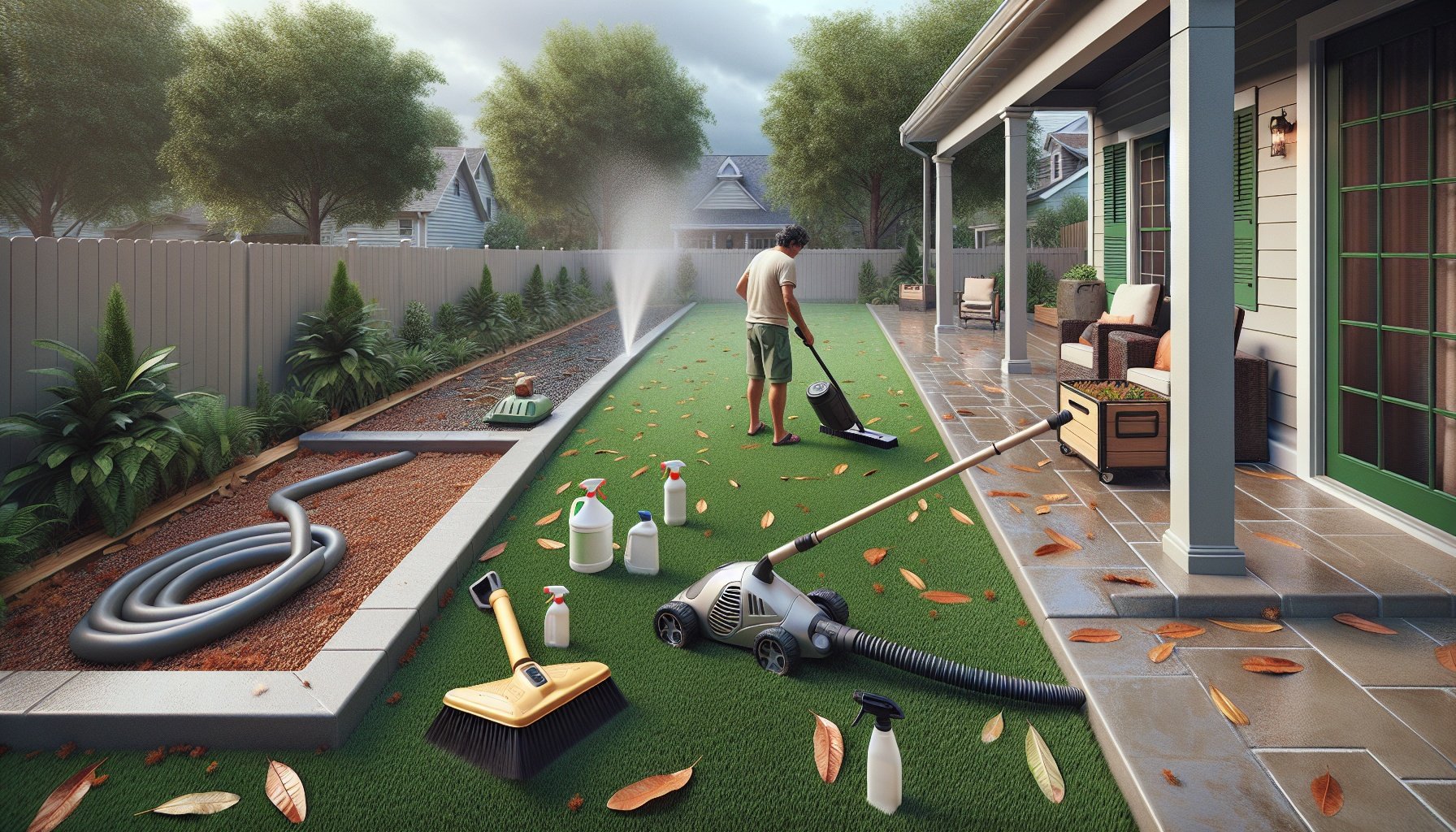
Artificial turf across Central Louisiana handles a lot, from backyard football games during Friday nights to cookouts during Festival International season. Artificial turf maintenance requires specialized tools to keep the surface clean and vibrant without causing damage. The right gear turns routine upkeep into a simple rhythm, keeping fibers standing tall, colors rich, and curb appeal shining even through the hottest Alexandria or Pineville afternoons. Instead of harsh metal rakes or stiff yard tools that can tear turf fibers, smart homeowners rely on purpose-built brushes, rakes, vacuums, and grooming equipment that work with the turf system, not against it.
Quick Navigation:
Essential Cleaning Tools for Artificial Turf in Central Louisiana | Grooming, Brushing, and Fiber Care Equipment | Specialized Tools for Hygiene, Infill, and Weed Control | Frequently Asked Questions
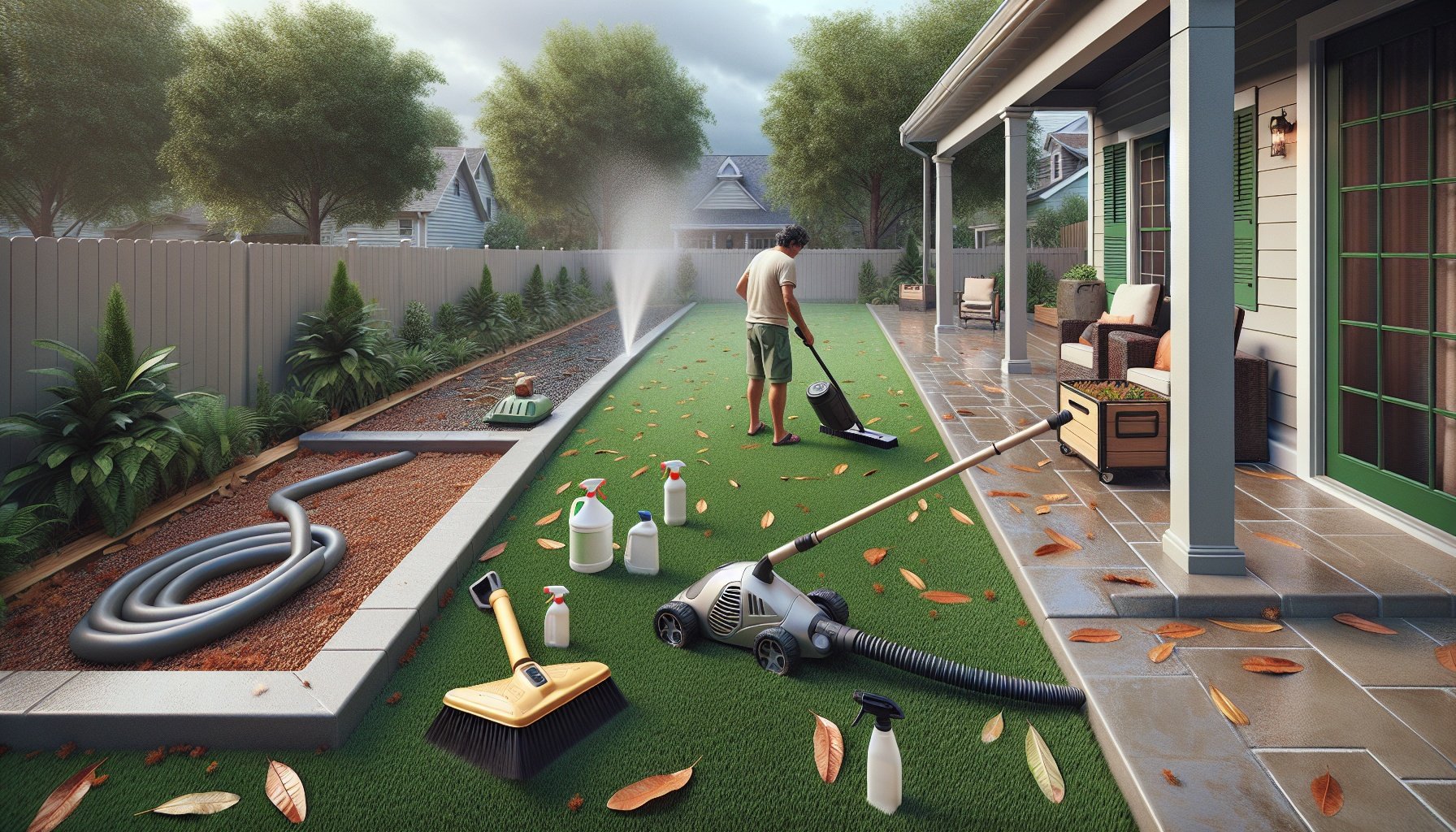
Items like spiral wire brooms gently remove debris and pet hair from the fibers, ensuring longevity. Leaf-friendly tools clear away pine needles and oak leaves that blow in from neighborhood trees, while compact vacuums and catchers handle tight corners around patios, pool decks, and garden borders. Regular use of these tools, combined with proper brushing techniques, helps maintain the turf’s appearance and prevents weed growth. Grooming equipment keeps high-traffic zones fresh, while hygiene and infill tools keep surfaces cooler, cleaner, and more comfortable through Central Louisiana’s humid, stormy weather. With a smart mix of cleaning, grooming, and specialty tools, artificial turf stays picture-ready from the street, boosting curb appeal day after day and season after season.
Essential Cleaning Tools for Artificial Turf in Central Louisiana
Beyond basic grooming tools, smart cleaning gear makes artificial turf in Central Louisiana stay fresh between storms, tailgates, and backyard gatherings. Soft-bristle push brooms, turf-safe leaf blowers, and hose-end sprayers with mild cleaners help clear pollen, pecan leaves, and mud without disturbing the infill. Mesh debris bags and turf-friendly shop vacs keep drainage lines from clogging after those sudden Louisiana downpours. Simple items like spot-cleaning brushes and pet-safe disinfectant sprays also cut down on odors and bacteria in high-traffic zones, setting the stage for a closer look at the most essential cleaning tools for local artificial turf.
Soft-bristle and spiral wire turf brooms for removing leaves, pine needles, and pet hair
Soft-bristle brooms and spiral wire turf brooms work together as a go‑to combo for Central Louisiana lawns packed with leaves, pine needles, and pet hair. Soft-bristle models sweep across the top of the turf, clearing dry leaves, pecan shells, and loose grass clippings without flattening blades. Spiral wire turf brooms reach deeper, slipping between fibers to pull out stuck pine needles and clingy pet hair after a weekend of crawfish boils or backyard football. The spiral design flexes instead of scraping, so infill stays in place and backing stays protected. Light, frequent passes after storms or heavy play keep debris from breaking down into the base, which helps drainage, reduces odors, and keeps curb appeal sharp along every street in Central Louisiana.
Quick Insight: Modern artificial turf maintenance tools incorporate antimicrobial technologies to inhibit bacterial growth, enhancing hygiene in high-traffic sports and residential areas.
Plastic-blade leaf rakes and leaf blowers for gentle debris clearing without damaging fibers
Plastic-blade leaf rakes and low-power leaf blowers handle loose debris on artificial turf without shredding fibers or pulling infill. Plastic tines flex over the grass, gathering acorns, small branches, and oak leaves common across Central Louisiana yards, while staying gentle on seams and backing. A wide fan-style rake makes quick work of larger front lawns in subdivisions from Alexandria to pineville. Leaf blowers set on a low setting push dry leaves and dust toward walkways instead of blasting straight down into the infill. Short, angled passes across the surface keep fibers upright and drainage clear after thunderstorms or fall leaf drop, helping turf stay clean, soft underfoot, and ready for everyday use.
Quick Insight: In 2025, North America leads the artificial turf maintenance tool market due to widespread adoption in urban landscaping and sports facilities across the United States.
Source: IMARC Group
Handheld turf vacuums and debris catchers for tight areas, patios, and near edging
Handheld turf vacuums and debris catchers handle the tight spots that rakes and blowers often miss. Around patios, pool decks, play sets, and landscape edging, a compact turf vacuum pulls up small stones, snack crumbs, and stubborn dirt that settle deep between fibers. Models with adjustable suction protect infill while still lifting debris, which is especially helpful near seams and borders where turf can be more delicate. Removable debris catchers or micro-bags keep dust, oak pollen, and pet dander contained instead of blowing against siding or screened porches. On Central Louisiana lawns, this type of tool works well along concrete curbs, stepping-stone paths, and under outdoor furniture, keeping high-traffic transition zones clean and ready for guests.
Grooming, Brushing, and Fiber Care Equipment
Beyond cleaning gear, grooming and brushing tools become the real workhorses for healthy, natural-looking turf across Central Louisiana. The right fiber care equipment evens out high-traffic lanes from pickup games, fluffed-up picnic spots, and paths worn toward the crawfish boil table. Adjustable-bristle brushes, drag mats, and power brooms help redistribute infill, lift matted blades, and smooth out footprints so the surface looks fresh instead of flattened. Soft, turf-safe tools also help reduce static, minimize shine, and keep blades standing in the same direction for a more realistic, lawn-like finish, setting the stage for specific grooming, brushing, and fiber care options.
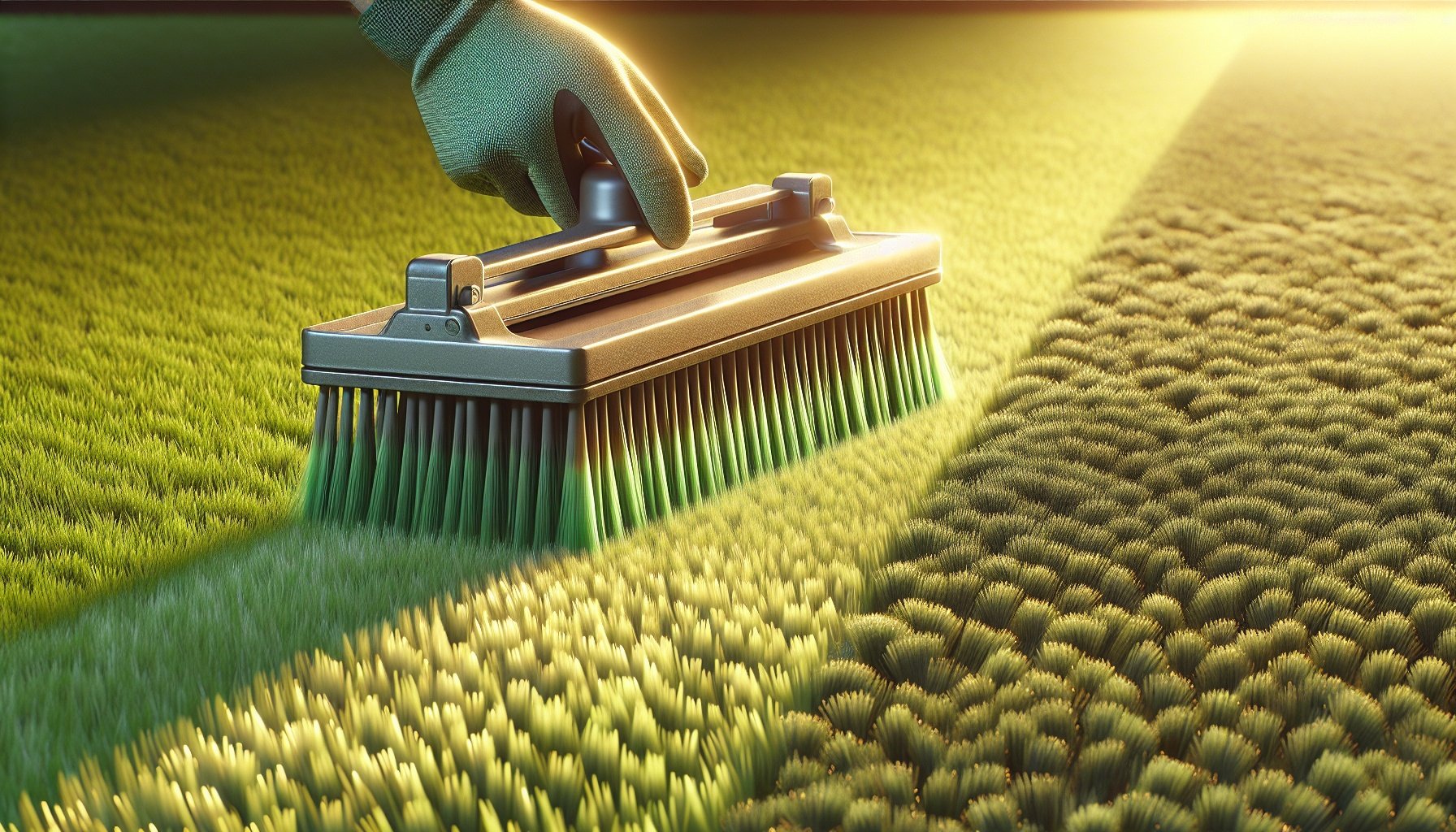
Manual push brushes and drag brooms for lifting flattened turf and restoring pile direction
Manual push brushes and drag brooms work deeper than light cleaning tools, focusing on lifting matted fibers and resetting the turf’s “grain.” Wide push brushes with stiff, non-metal bristles stand up flattened blades along walkways, trampoline zones, and spots where kids slide into home plate during backyard ball games. Drag brooms, often pulled with a handle or behind a small cart, cover larger lawns and side yards, working the fibers in multiple directions to keep the surface from looking shiny or “laid over.” Used before and after adding infill, these tools help redistribute rubber or sand evenly, reduce slick patches after Central Louisiana rain, and keep the turf looking full, upright, and freshly installed.
Interesting Fact: The global artificial turf market reached USD 6.87 billion in 2024, driven by demand for efficient maintenance tools that support water conservation in drought-prone regions.
Source: Grand View Research
Power brooms and rotary brushes for deep grooming on high-traffic areas and around play zones
Power brooms and rotary brushes deliver deeper grooming than manual tools, especially on heavily used artificial turf near swing sets, goal areas, and backyard sports lines. These machines use rotating bristle heads to reach down between fibers, loosening compacted infill and lifting crushed blades without tearing backing. Adjustable brush height keeps pressure controlled, protecting seams and edges while refreshing worn traffic lanes. On playgrounds, a powered groomer helps restore cushioning by breaking up hard, packed spots under slides and climbing areas. Around pet runs or busy walkways, regular passes with a power broom reduce slickness, improve drainage exposure, and pull out stubborn debris trapped at the base of the turf, keeping high‑traffic zones safer and more consistent.
Worth Noting: Eco-friendly infill materials in artificial turf reduce environmental impact by minimizing water usage, with maintenance tools designed to recycle these materials effectively.
Turf combs and stiff hand brushes for edging, seams, and around landscaping borders
Turf combs and stiff hand brushes focus on tight spots where larger grooming tools miss, keeping edges crisp and seams protected. Narrow turf combs glide along paver edges, stepping-stone paths, and mowing strips, lifting blades that fold over borders and hiding backing from view. Stiff hand brushes work well around tree rings, flower beds, pool coping, and fence lines, where roots, rocks, and metal edging make wide brooms awkward. Short, controlled strokes loosen light soil and broomed-in sand without tearing at seam tape or pulling fibers from the backing. Regular detailing with these smaller tools also exposes hidden debris and early weed growth along borders, supporting deeper grooming from push brooms and power brushes across the main field of turf.
Specialized Tools for Hygiene, Infill, and Weed Control
Artificial turf maintenance also benefits from a focused set of tools designed for hygiene, infill care, and weed control. Beyond basic cleaning gear, specialized rakes smooth and level infill to keep blades standing tall and comfortable underfoot. Narrow crevice brushes reach along edging, fences, and stepping stones where dirt, seeds, and mildew like to settle. For hidden weed pressure, turf-safe weed pullers and targeted spray applicators help stop growth before it pushes through seams or around borders. Combined with routine cleaning, these tools create a healthier surface and support the next step: choosing the right gear for hygiene, infill balance, and weed prevention.
Turf-safe sprayers and disinfectant applicators for pet areas and heavy-use spots in humid Louisiana weather
Turf-safe sprayers and disinfectant applicators keep artificial grass fresher in pet zones, kids’ play corners, and heavy-use tailgate spots during Louisiana’s long, humid seasons. Low-pressure pump sprayers with fan tips spread cleaner evenly across fibers without blasting infill out of place or bending blades. Turf-rated disinfectant solutions target bacteria from pet waste and sweat while staying gentle on backing, seams, and nearby landscaping. In shaded areas around porches, carports, and pool decks where moisture hangs after summer storms, foaming applicators help products cling to fibers longer for better odor control. Color-safe formulas prevent fading under strong Central Louisiana sun, and hose-end sprayers simplify regular rinsing so high-traffic turf near grills, crawfish tables, and side gates stays sanitary and inviting.
Interesting Fact: Artificial turf was first introduced in 1966 at the Houston Astrodome, revolutionizing sports field maintenance by reducing the need for traditional watering and mowing tools.
Source: Wikipedia
Hand and broadcast spreaders for infill leveling, top-offs, and cooling sand applications
Hand and broadcast spreaders keep infill distribution even so blades stay upright and the surface drains correctly. Hand crank spreaders work well for small lawns, narrow side yards, around pool decks, and between stepping stones, letting lighter passes of infill or cooling sand reach tight corners without clumping. Broadcast spreaders handle larger Louisiana front yards and sports-style backyards, tossing material in a wide, consistent pattern that avoids dips and soft pockets. Adjustable flow gates match different infill types, from rubber and coated sand to cooling sand blends that help keep hot game-day turf more comfortable. A quick pass with a power broom or stiff turf rake after spreading locks the material into the fibers for long-lasting support and smoother play.
Good to Know: Economic analyses show that investing in automated brushing and irrigation tools for artificial turf yields long-term savings of up to 70% compared to natural grass upkeep.
Source: Mordor Intelligence
Weed pullers, seam tools, and edging knives for controlling weeds and maintaining clean lines along walkways and garden beds
Weed pullers, seam tools, and edging knives keep artificial turf borders sharp where grass meets concrete, stepping stones, and garden beds. Targeted weed pullers grab roots sneaking up through drainage holes or along perimeter borders without tearing the backing. Seam tools slide under joined panels to lift and inspect joints, making it easier to spot and remove sprouting weeds before they spread. Along sidewalks and flower beds, edging knives slice through stray runners, mulch creep, and compacted soil that can trap moisture against the turf edge. Clean cuts protect seams, keep infill from spilling out, and preserve that crisp, finished look that stands out during backyard barbecues, game-day gatherings, and everyday curb appeal checks.
Conclusion
Artificial turf maintenance requires specialized tools to keep the surface clean and vibrant without causing damage. Grooming and brushing tools work with fiber-safe equipment to lift matted blades, refresh high-traffic lanes, and support a natural, lawn-like finish. With the right gear in place, turf stays comfortable for backyard games, crawfish boils, and everyday use across Central Louisiana and beyond.
When hygiene, infill balance, and weed control tools join the routine, the result is a cleaner, safer surface that holds its color and shape through every season. Spiral wire brooms, turf-safe brushes, and targeted maintenance equipment all play a role in long-term curb appeal. With a smart tool kit and steady care, artificial turf can stay game-day ready, week after week.
Frequently Asked Questions
- What basic tools are needed to keep artificial turf looking fresh day-to-day?
- Artificial turf in Central Louisiana stays in top shape with a small set of basic maintenance tools. A stiff-bristle push broom or turf brush lifts flattened blades, removes light debris, and keeps the infill level. A plastic (not metal) leaf rake works well for picking up leaves and twigs without tearing the turf backing. A lightweight leaf blower clears grass clippings, dust, and pine needles quickly, especially after storms or backyard football games.
For spot cleaning, a garden hose with a spray nozzle rinses away dust, pollen, and pet messes. Mild turf-safe cleaner or a mix of water and a small amount of gentle dish soap helps remove spills or food stains after cookouts. A plastic putty knife or dull scraper loosens stuck gum or sticky residue without cutting the fibers.
This basic kit handles most everyday needs while protecting the turf from damage and helping it keep that fresh, green curb appeal across every season.
- Why is a turf brush so important for artificial grass maintenance?
- A turf brush is one of the most important tools for artificial grass because it keeps the blades standing upright and protects long-term curb appeal. Over time, foot traffic, kids’ games, and lawn furniture flatten the fibers and push the infill around. A quality turf brush with stiff synthetic bristles pulls the blades back up, making the surface look fuller, softer, and more natural.
Regular brushing also helps even out the infill layer that supports the turf. When infill settles in low spots, the turf can feel harder underfoot and wear faster in heavy-use areas. Brushing redistributes the material, improves drainage, and reduces matting.
For most residential lawns, brushing once or twice a month is enough, with extra attention near patios, gates, play sets, and common walking paths. Brushing should follow the grain of the turf fibers, not against seams or edges, to avoid pulling or stretching the backing.
- What kind of rake works best on artificial turf without causing damage?
- Artificial turf does best with non-metal, flexible rakes designed to be gentle on the surface. A plastic leaf rake with rounded tines is a smart choice for picking up leaves, small branches, and yard debris. Metal rakes and hard steel tines can snag the turf backing, tear seams, and scratch infill, especially in the hot, humid conditions common across Central Louisiana.
Some homeowners invest in a turf-specific rake with wide, soft tines spaced to glide over the fibers instead of digging into them. These tools pull out debris while lifting matted blades at the same time.
For best results, raking should be light and steady, never forced. Working in one direction across the lawn helps avoid bunching or folding the turf. Areas under live oaks, pines, or pecan trees usually need more frequent, gentle raking to keep organic debris from trapping moisture on the surface.
- How do leaf blowers and vacuums help maintain artificial turf in Central Louisiana yards?
- Leaf blowers and vacuums are extremely helpful for artificial turf, especially in regions like Central Louisiana where leaves, pine needles, and storm debris pile up quickly. A handheld or backpack leaf blower on a low to medium setting removes light debris without putting pressure on the turf. This keeps the surface clean, helps drainage, and prevents organic material from breaking down into a dusty layer that can hold odors and moisture.
Turf-safe outdoor vacuums, including some shop vac models with gentle nozzles, collect loose debris from corners, near fences, and between landscape borders where blowers may push material instead of removing it. These tools are especially helpful after big events, weekend ball games, or windy days.
The key is avoiding extremely high blower settings aimed straight down at close range, which can disturb infill or push seams. Using a sweeping motion across the turf protects the installation while keeping the yard game-ready and visually sharp.
- What tools help control pet odors and sanitize artificial turf safely?
- Pet-friendly artificial turf benefits from tools and cleaners designed to control odor without harming the installation. A basic garden hose with a gentle spray nozzle is the first line of defense, rinsing away urine and surface residue. For deeper cleaning, a pump sprayer or hose-end sprayer applies turf-safe enzyme cleaners that break down organic matter and neutralize odors rather than just covering them.
Soft-bristle hand brushes or small turf brushes help work cleaning solutions into heavy-use pet areas without damaging the fibers. A wet/dry vacuum may be used on low suction in some setups to pull out excess moisture after rinsing, especially in shaded spots that dry slowly.
Products containing harsh bleach, high-acid cleaners, or petroleum-based solvents should be avoided, since they can discolor fibers, damage backing, and affect infill. Regular rinsing and periodic use of enzyme cleaners keep pet spots fresh and help artificial turf remain an attractive, low-odor part of the landscape.
- How does power brooming differ from regular brushing, and when is it needed?
- Power brooming uses a motorized brush to deep-clean and lift artificial turf fibers more aggressively than a manual broom. While a standard stiff-bristle brush handles light maintenance, a power broom reaches deeper into the infill, breaks up heavy matting, and restores the original standing position of the blades.
This tool is especially helpful for high-traffic lawns, sports areas, and commercial spaces that see constant use, such as multi-family courtyards or community play zones. Over time, cleats, chairs, and constant foot traffic compress the infill and flatten the fibers. Power brooming re-fluffs the surface and helps redistribute infill evenly.
Most homes only need professional power brooming once or twice a year, often in spring and fall. Routine monthly brushing with a manual tool in between keeps the turf looking sharp, so heavy power brooming is not needed as often. For large or heavily used installations, scheduling regular service from a turf maintenance company helps protect the investment.
- Are any tools or maintenance practices unsafe for artificial turf?
- Some common lawn tools and habits can shorten the life of artificial turf and should be avoided. Metal rakes, steel brushes, and sharp garden tools can tear fibers, loosen seams, and puncture the backing. Power washers used at close range or with very high pressure can drive water under the turf, wash out infill, and cause wrinkling or separation.
Gas-powered equipment that leaks oil or fuel onto the turf can stain and weaken the surface. Open-flame weed burners or hot charcoal dropped from a grill can melt turf fibers and leave permanent damage. Harsh chemicals such as straight bleach, paint thinners, and strong acids may discolor the grass and break down adhesives.
Safe maintenance focuses on soft or plastic tools, medium water pressure from a garden hose, turf-safe cleaners, and controlled brushing or power brooming. This approach keeps artificial turf looking clean and bright while protecting seams, infill, and backing for long-term curb appeal.
Categories
Home Improvement Tips & Tricks