Top Sawhorses for Workshop Tasks: Sturdy, Adjustable, and Portable
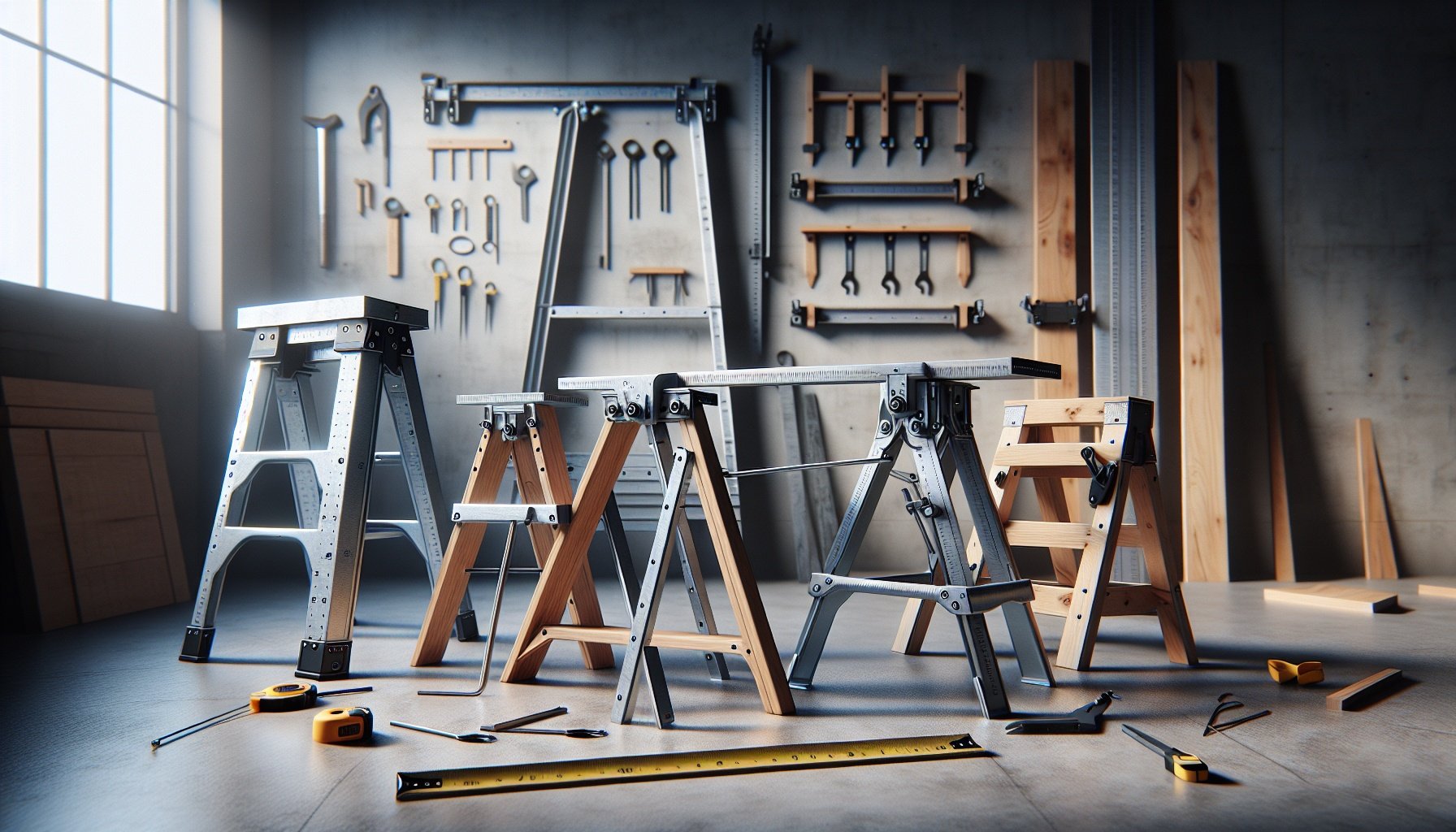
Sawhorses do far more than just hold up a board. The right pair turns a cramped garage in Alexandria, a backyard carport in Pineville, or a full-sized workshop into a safer, smoother-running workspace. Sawhorses vary in design and material, such as adjustable aluminum models for versatility or heavy-duty wooden ones for stability during large projects. Steel and composite versions bring serious strength and weather resistance, ready for long days of cutting lumber, breaking down sheet goods, or assembling cabinets and furniture. Selecting the best type depends on specific needs like height adjustability for ergonomic work, wide tops for sheet goods and framing, or foldable features for easy storage in tight spaces. Some setups call for rugged, rust-resistant sawhorses that can sit on a driveway or concrete slab without wobbling, while others benefit from built-in clamps, notches, and material stops that keep workpieces steady and cuts more accurate. Understanding these options ensures efficient support for tasks ranging from rough framing to detailed finish work, helping every tool, board, and project move more efficiently. With the right sawhorses under each job, every cut feels cleaner, every assembly comes together faster, and every square foot of the workshop works a little harder.
Quick Navigation:
Key Sawhorse Types for Workshop Versatility | Matching Sawhorses to Specific Workshop Tasks | Practical Features for Central Louisiana Workshops | Frequently Asked Questions
Key Sawhorse Types for Workshop Versatility
Sawhorses vary in design and material, such as adjustable aluminum models for versatility or heavy-duty wooden ones for stability during large projects. Selecting the right type depends on specific needs like height adjustability for ergonomic work or foldable features for easy storage in small spaces. Understanding these options ensures efficient support for tasks ranging from cutting lumber to assembling furniture, enhancing overall workshop productivity. Beyond basic construction, different styles—like twin-leg folding frames, bracket-based DIY setups, and full worktable-style sawhorses—handle specific jobs better than others, so each key sawhorse type deserves a closer look for true workshop versatility.
Adjustable aluminum sawhorses for lightweight, all-purpose cutting and assembly tasks
Adjustable aluminum sawhorses shine as lightweight, all-purpose work supports that move easily between cutting, assembly, and light framing tasks. Most models use telescoping legs with quick-lock levers, so the working height can match a miter saw, table saw outfeed, or a comfortable bench level for layout work. Aluminum construction keeps weight low while still handling typical 2x lumber, trim boards, and sheet goods without flexing. Many designs include wide, flat tops that accept sacrificial 2x4s, creating a replaceable cutting surface for circular saw work. In tight garages around Alexandria or small backyard sheds, slim folding frames tuck behind a door or into a truck bed. This mix of portability, adjustability, and strength makes aluminum sawhorses everyday workhorses for most shop setups.
Traditional wooden sawhorses for heavy-duty framing, sheet goods, and stable work surfaces
Traditional wooden sawhorses step up where heavier framing, thick sheet goods, and long assemblies demand rock‑solid support. Dense lumber construction resists racking and side‑to‑side sway, so stacked 2x10s, LVLs, or a full bunk of OSB stay stable during layout, cutting, and nailing. Fixed-height designs often match standard framing bench height, creating a consistent work plane that keeps backs and knees from working too hard during long days. Heavy top rails handle full-depth circular saw cuts without flex, and sacrificial 2×4 caps can be swapped once they’re chewed up. Paired in sets of four, traditional wooden sawhorses easily support temporary workbenches, door and cabinet setup, or large sheet-goods assembly where absolute stability matters most.
Steel and composite sawhorses for mixed-use shops needing strength and weather resistance
Steel and composite sawhorses fill the gap between lightweight aluminum and bulky wood, giving mixed-use shops strong, weather-resistant support that holds up indoors and out. Powder‑coated steel frames carry high load ratings for tasks like door trimming, deck board cutting, and tool staging, while composite tops shrug off rain, humidity, and jobsite mud without swelling or splintering. Many models use steel legs with reinforced plastic or resin beams, so saw blades can cut into the top without ruining structural parts. Foldable designs stack flat against a garage wall, yet lock rigidly when opened to prevent racking under shifting loads. This combination of strength, durability, and compact storage keeps project flow steady from driveway work to covered shop tasks.
Matching Sawhorses to Specific Workshop Tasks
Every workshop task asks something different from a pair of sawhorses. Rough framing in a Central Louisiana garage calls for a setup that shrugs off heavy beams and fast-paced cutting, while cabinet building or trim work around Alexandria demands fine support that protects finished surfaces from dents and scratches. Repetitive assembly jobs benefit from identical heights and stable footprints that keep parts lined up the same way every time. Painting, sanding, and tool setup work best on sawhorses that stay light, clean, and easy to reposition. Matching these needs to specific sawhorse types brings real purpose to each station in the shop.
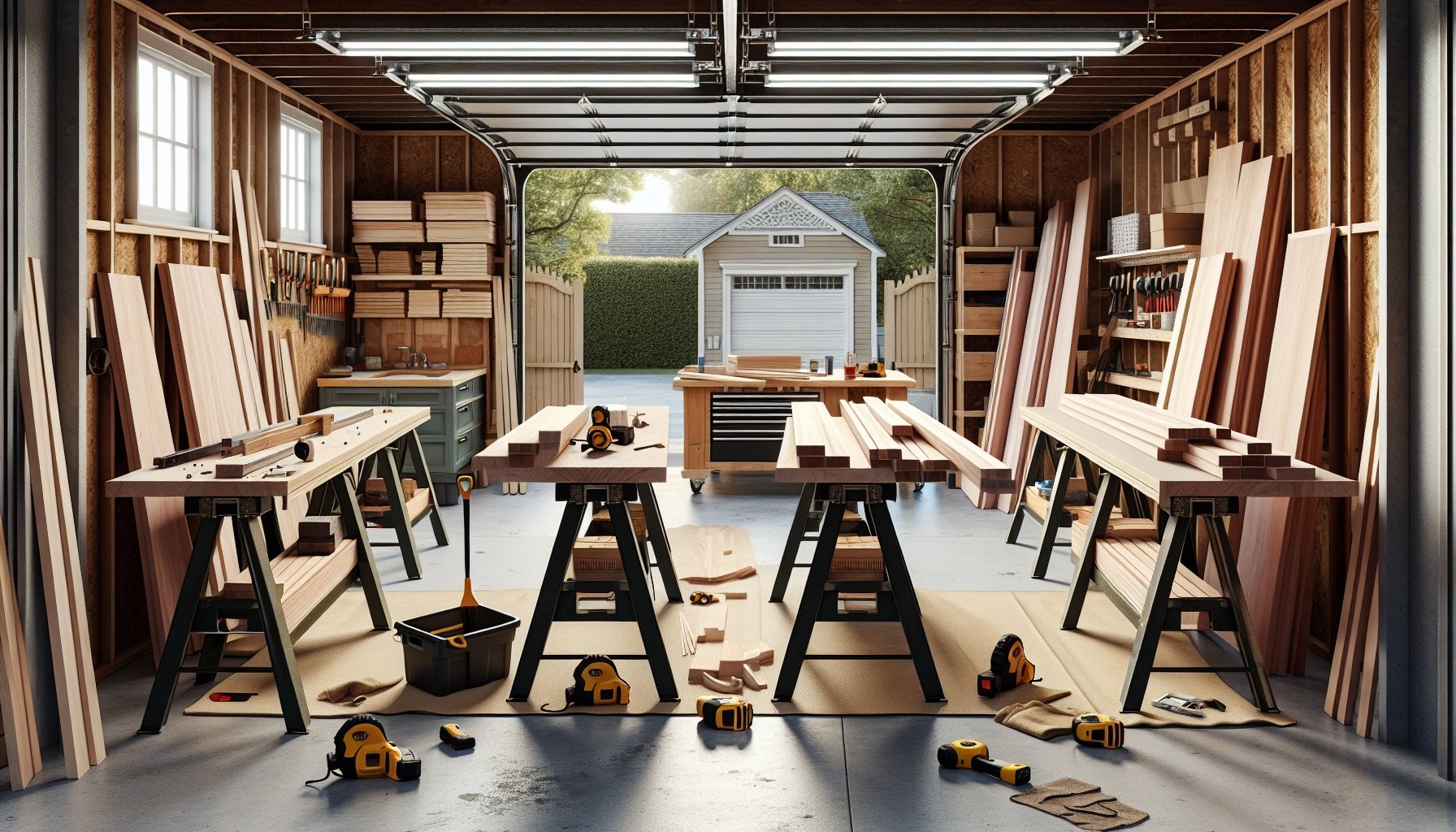
Sheet goods and framing: wide-top, heavy-duty pairs for cutting plywood, 2x lumber, and door slabs
Sheet goods and framing work benefit from wide‑top, heavy‑duty sawhorse pairs that stay rock solid under big panels and long boards. A broad top—often a 2×4 or 2×6 laid flat—spreads weight so full plywood sheets, 2x lumber runs, or door slabs do not sag or tip. Contractors around Central Louisiana often pair two stout wooden sawhorses spaced 4 to 6 feet apart, then add a sacrificial 2×4 or sheet of OSB across the top for clean circular‑saw cuts. That setup keeps blades away from the main structure and supports offcuts safely. Tall, rigid framing horses also hold prehung doors at a comfortable working height for hinging, planing, and hardware installs without flexing under the load.
Finish work and assembly: height-adjustable sawhorses for painting, trim work, and furniture builds
Finish work and assembly benefit from height‑adjustable sawhorses that fine‑tune the work surface to match detailed tasks like painting cabinet doors, coping trim, or assembling a cypress coffee table. Adjustable aluminum or steel models with locking legs keep work at a comfortable level, reducing strain during long sanding, caulking, and touch‑up sessions common on Central Louisiana remodels. A narrow, padded top or clip‑on foam protects painted pieces and stained furniture parts from dents and scratches. Matching horse height to the project keeps door casings and baseboards lined up perfectly for accurate miter and biscuit joints. For furniture builds, pairing two or more adjustable horses creates a flat assembly platform, keeping tabletops, face frames, and drawer boxes square from glue‑up through final finishing.
Outdoor and jobsite use: rugged, rust-resistant sawhorses for concrete, decking, and siding projects
Outdoor and jobsite use pushes sawhorses harder than any indoor task, so rugged frames and rust‑resistant materials matter most. Powder‑coated steel or aluminum sawhorses with reinforced hinges stand up to concrete splatter, wet decking lumber, and fiber‑cement siding dust without seizing up or flaking apart. Non‑marring, non‑slip feet grip rough slabs, gravel, or packed red dirt like on Central Louisiana job sites in Alexandria or pineville, keeping cuts steady when laying out porch beams or cutting stair stringers. Higher load ratings handle wet 2x12s, stacked decking boards, and bundles of siding. Folding legs that lock securely make transport between truck beds and Bayou Rapides builds simple, while built‑in material supports keep long boards balanced during repetitive cuts.
Practical Features for Central Louisiana Workshops
Sawhorses vary in design and material, such as adjustable aluminum models for versatility or heavy-duty wooden ones for stability during large projects. Selecting the right type depends on specific needs like height adjustability for ergonomic work or foldable features for easy storage in small spaces. Understanding these options ensures efficient support for tasks ranging from cutting lumber to assembling furniture, enhancing overall workshop productivity. Central Louisiana workshops also face real-world factors like high humidity, sudden storms, and plenty of outdoor jobs from Alexandria to Pineville, so moisture resistance, grippy feet on damp concrete, and fast setup between job sites become essential features to compare in detail next.
Foldable and stackable designs for small garages and carports around Alexandria and Pineville
Foldable and stackable sawhorses fit tight garages and carports around Alexandria and Pineville where fishing gear, lawn mowers, and sports equipment already fight for space. Slim steel or aluminum folding models tuck flat against a wall beside a freezer or under hanging racks, leaving room for parking after a quick weekend project. Stackable plastic sawhorses work well under metal carports in Tioga or Kingsville, where fast setup for tailgate-style crawfish boils or small repair jobs matters. Locking hinges and integrated carry handles make hauling pairs between a backyard shed and a covered driveway simple. Matching heights keep makeshift workbenches level even on older cracked slabs, turning compact spaces into efficient, flexible work zones without permanent clutter.
Clamping, notched tops, and built-in material stops for safer cutting during long workdays
Clamping, notched tops, and built-in material stops turn basic sawhorses into safer cutting stations during long workdays in Central Louisiana heat. Clamping rails along the top hold 2x4s, decking boards, or PVC securely, reducing kickback when running a circular saw for extended periods. Notched tops support sheet goods or studs without slipping, especially helpful when cutting long runs for porch repairs or camp projects along Kincaid Lake. Built‑in material stops at the ends of the sawhorse keep boards from sliding off when sweating or working with gloves, cutting down on fatigue and constant repositioning. Combined with adjustable aluminum or sturdy wooden frames, these features keep workpieces steady and cuts consistent from early morning setups to late‑day finish work.
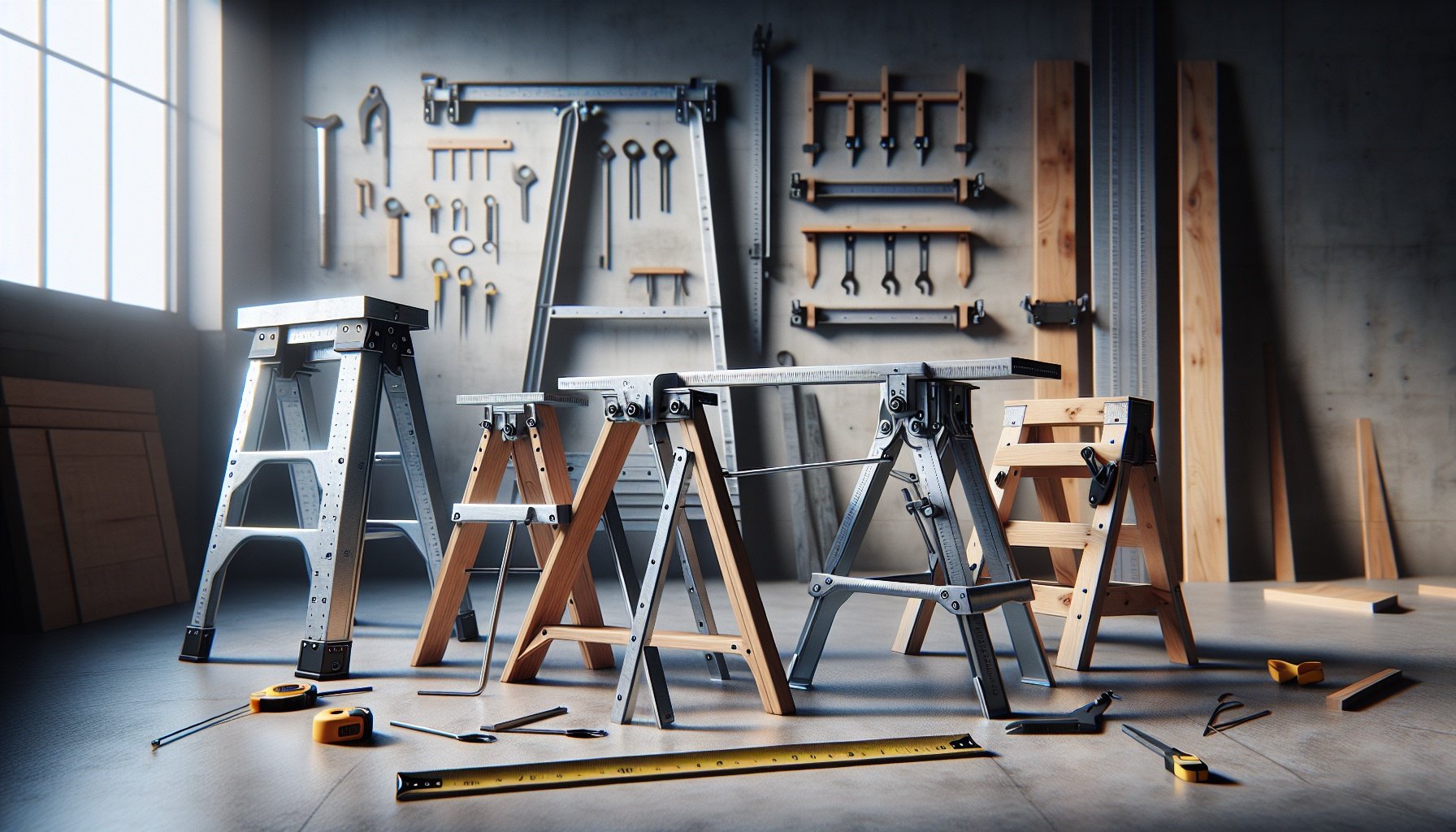
Non-slip feet and stable leg designs for uneven carport slabs, driveways, and backyard setups
Non-slip feet and stable leg designs keep sawhorses steady on the wavy carport slabs, sloped driveways, and patchy backyard setups common across Central Louisiana. Rubber or textured polymer feet grip broom-finished concrete around Alexandria and Pineville, so sawhorses stay put during long rips on treated pine or PVC. Wide-stance leg frames, often seen on heavy-duty wooden and steel models, spread weight over a larger area, keeping loads steady on gravel or packed dirt near sheds and metal buildings. Cross-braced legs add stiffness when setting up on cracked slab edges, where one corner might dip. Some adjustable aluminum sawhorses use independent leg height settings, letting each leg fine-tune to uneven brick, old asphalt, or backyard pavers for a solid, level work surface.
Conclusion
Sawhorses vary in design and material, and matching each one to a specific workshop task turns every project into smoother, safer work. Heavy-duty options shine for rough framing and handling big beams, while more refined setups support cabinet building and trim work without leaving dents or scratches. Consistent-height pairs keep repetitive assembly jobs accurate, and lighter, cleaner sawhorses make painting, sanding, and tool setup fast and flexible. When each station in the shop has the right sawhorse style, every cut, clamp, and finish coat runs more efficiently. Choosing sawhorses with purpose-built features creates a stronger, more organized workspace, ready to tackle the next project with confidence and control.
Frequently Asked Questions
- What features matter most when choosing sawhorses for a small garage workshop?
- Key features for a small garage workshop focus on space-saving design and flexibility.
Important features include:
– Foldable or nesting design: Fold-down legs and flat tops slide against a wall or hang from hooks when not in use. This helps a cramped garage in Alexandria or any tight space feel more open.
– Adjustable height: Height adjustment allows sawhorses to match different tasks, from cutting plywood to serving as a temporary workbench.
– Lightweight but strong construction: Plastic or aluminum sawhorses move easily yet still support heavy loads when rated properly.
– Compact footprint: Narrower stances and shorter lengths take up less floor space while still staying stable.
– Built-in tool storage or shelves: Some models include small trays or hooks for clamps, tape measures, and pencils.A pair that folds, adjusts in height, and stores easily against a wall helps turn a tight garage into a flexible work zone.
- How much weight should a good sawhorse support for typical workshop projects?
- Weight capacity depends on the type of work, but most home workshops benefit from sawhorses rated between 500 and 1,500 pounds per pair.
General guidelines:
– Light-duty tasks (small trim cuts, painting, light assembly): about 250–500 lbs per pair is usually enough.
– General homeowner projects (sheets of plywood, 2×4 framing, basic furniture projects): 1,000 lbs per pair provides a good safety margin.
– Heavy-duty work (thick hardwood slabs, doors, heavy tools, or temporary workbenches): look for 1,200–1,500+ lbs per pair.Weight ratings apply to the pair, not each sawhorse. Always check the manufacturer’s rating and avoid stacking materials in the center only. Spreading material evenly across both sawhorses keeps the load stable and safe.
- What is the difference between plastic, wood, and metal sawhorses?
- Material choice affects strength, weight, price, and feel during use.
Plastic sawhorses
– Lightweight and easy to carry.
– Often fold flat and store quickly.
– Great for light to medium tasks, painting, and DIY jobs.
– Some include adjustable legs, clamps, or built-in rulers.
– Can flex under heavy loads and may not last as long in rough use.Wood sawhorses
– Classic feel and very sturdy when built well.
– Easy to customize: add notches, tool trays, or sacrificial tops.
– Gentle on workpieces and tools since wood is softer than metal.
– Heavier and bulkier, depending on lumber size.
– Can be built as a weekend project from 2x4s.Metal sawhorses (steel or aluminum)
– Highest strength-to-weight ratio, especially aluminum.
– Often have locking mechanisms and height adjustments.
– Steel models handle heavy-duty tasks but can be heavy.
– Very durable, but metal edges can mar finished wood without padding.Plastic works best for portability and budget, wood for customization and stability, and metal for durability and heavy loads.
- Why are adjustable sawhorses useful for different workshop tasks?
- Adjustable sawhorses offer flexibility that matches many project types and worker preferences.
Benefits include:
– Ergonomic height: Height changes reduce bending and back strain during long cutting or sanding sessions.
– Different tools, different heights: A comfortable height for a circular saw setup might be higher than for sanding or assembly.
– Uneven floors: Adjustable legs help level a work surface on sloped or rough concrete, which is common in older garages and sheds across Central Louisiana.
– Multi-purpose use: Shorter height for painting doors or cabinet doors, taller height for using sawhorses as a temporary workbench.
– Matching other surfaces: Adjusting sawhorses to match table saw outfeed height creates a smooth path for long boards.This flexibility lets one pair of sawhorses handle cutting, assembly, painting, and tool support without extra stands.
- What safety tips help prevent sawhorses from tipping or collapsing?
- Safe sawhorse use depends on proper setup, weight distribution, and tool control.
Key safety tips:
– Check locks and hinges: Always confirm folding legs and height locks are fully engaged before loading.
– Level placement: Set sawhorses on flat, solid ground to keep all legs planted.
– Spread the load: Center boards and sheets so weight rests across both sawhorses, not just one.
– Avoid standing on sawhorses: Most models are not rated for use as step stools or ladders.
– Use sacrificial tops: Add a 2×4 or plywood strip on top so saw blades pass through safely without contacting the sawhorse frame.
– Secure long boards: Clamp or support the far ends of long lumber to avoid seesaw action and tipping.
– Mind the stance: Choose sawhorses with a wide leg spread for heavy cuts, especially when ripping long boards.Following these basics lowers the risk of sudden movement, pinched fingers, and damaged materials.
- Which sawhorses work best as a temporary workbench in a garage or driveway?
- The best temporary workbench setups combine sturdy sawhorses with a solid top panel like 3/4-inch plywood.
Ideal sawhorse features for a workbench role:
– High weight rating: At least 1,000 lbs per pair for tools, clamps, and project parts.
– Flat, wide tops: A broad top edge supports a bench surface more evenly.
– Height adjustment: Ability to match a comfortable working height.
– Cross-bracing or locking spreaders: Bracing reduces side-to-side wobble when planing or hammering.Common setup:
1. Place two heavy-duty sawhorses about 4–6 feet apart.
2. Lay a sheet of 3/4-inch plywood or a solid laminated panel on top.
3. Clamp the top to each sawhorse so it cannot slide.This setup turns a driveway or garage in Alexandria or beyond into a solid work surface that breaks down quickly for storage.
- What makes a sawhorse portable enough for jobsite work while still being strong?
- Portable jobsite sawhorses balance light weight with solid construction and quick setup.
Important traits:
– Folding legs: Legs that collapse into the body allow fast transport from truck to job.
– Lightweight materials: Aluminum or reinforced plastic keeps each sawhorse easy to carry by hand.
– Integrated handles: A handle or molded grip helps carry one in each hand.
– Compact thickness when folded: Thin folded profiles stack neatly in a truck bed or trailer.
– High capacity for weight: Even portable units should handle at least 750–1,000 lbs per pair for general carpentry, trim work, and tool support.
– Onboard features: Built-in clamps, 2×4 slots, or cord wraps add usefulness without extra tools.This mix of portability and strength makes job setups faster on renovation projects, deck builds, and repairs across neighborhoods from Alexandria to smaller Central Louisiana towns.