
Top Energy-Efficient Window Features for Lower Bills and Comfort
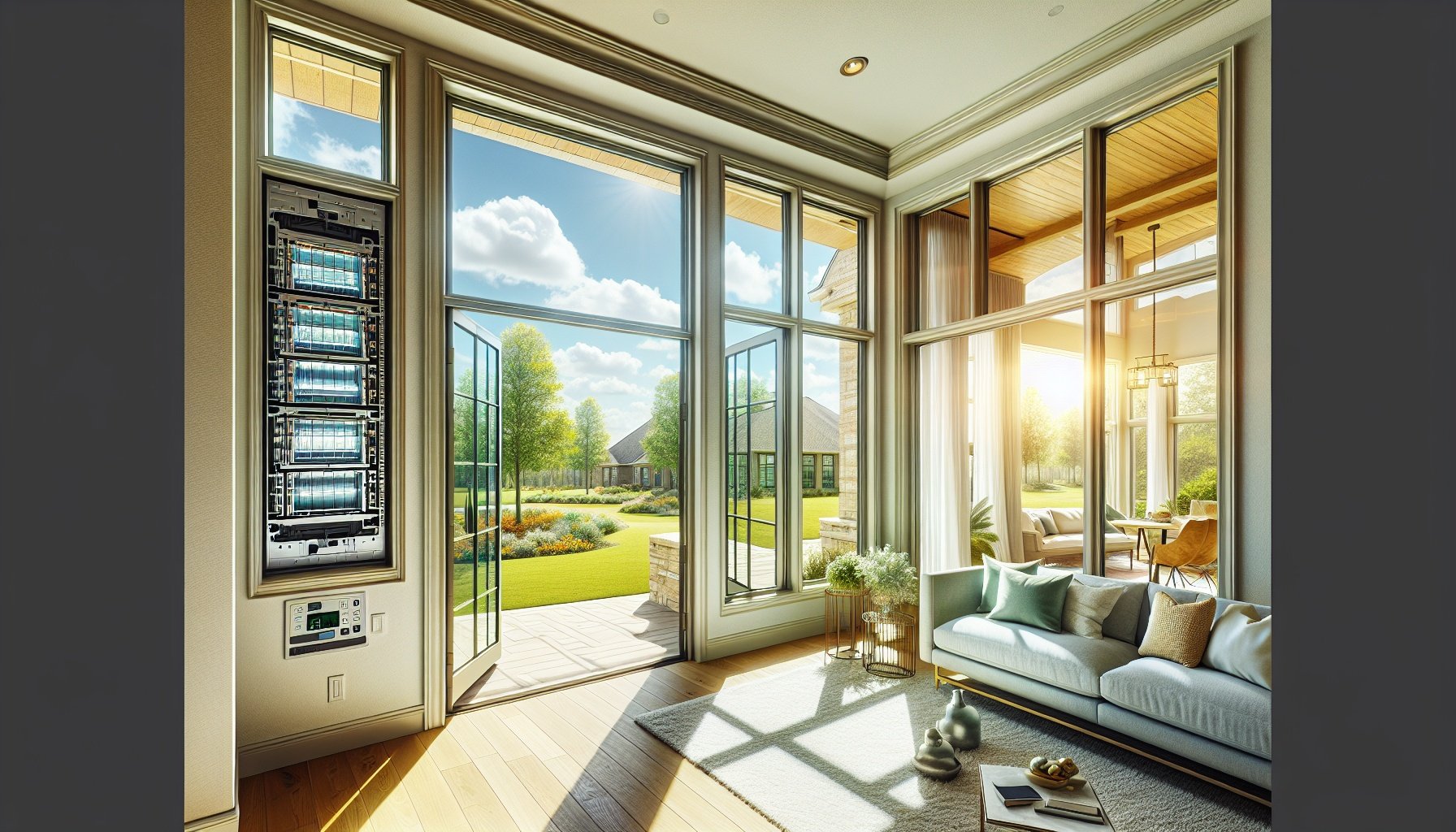
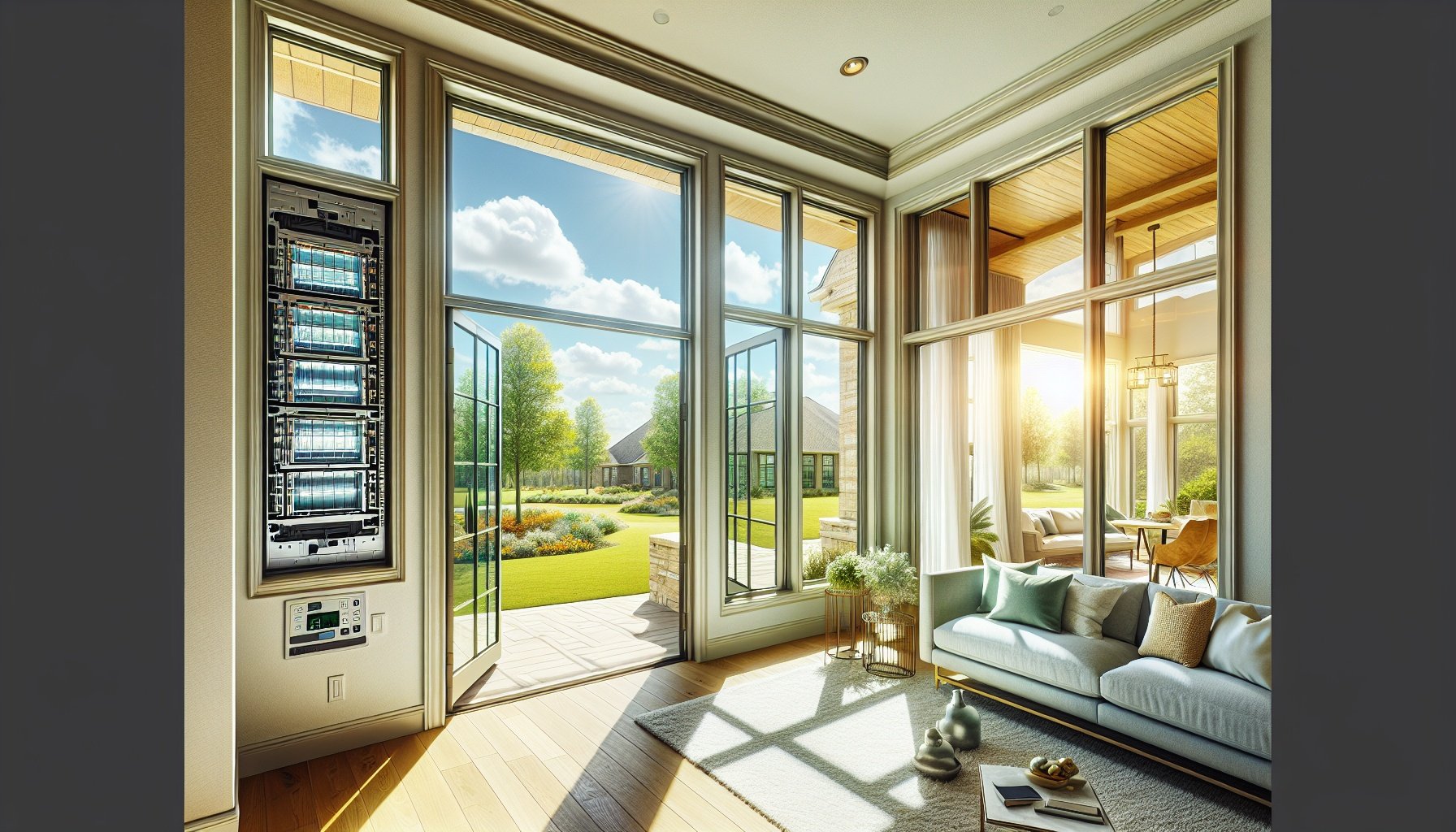
Summer heat in Central Louisiana can turn any home into a sauna and push energy bills through the roof, while winter cold still finds a way to sneak through leaky, outdated windows. Energy-efficient window features offer a smarter way to keep indoor spaces comfortable year-round without overworking the HVAC system. Carefully designed glass, frames, and installation details work together as a complete system, controlling how heat, light, and air move through every opening in the wall. Modern high-performance windows use advanced coatings, gas fills, and insulated frames to cut down on heat gain during blazing afternoons, hold on to indoor comfort when temperatures drop, and still let in plenty of natural light. Understanding how performance ratings reflect real-world comfort, how different glazing technologies reduce energy loss, and how frames and installation details impact results helps create a clear path to lower utility costs and better indoor conditions. Well-chosen energy-efficient windows can reduce hot and cold spots, limit glare, protect furnishings from fading, and create a quieter, more consistent living environment. For homes and light commercial spaces across Central Louisiana, from Alexandria to Pineville and the smaller towns in between, these features turn windows from weak spots into strong, reliable barriers against the elements. With the right combination of ratings, glass technology, and installation-focused details, every window opening becomes an opportunity to save energy, add comfort, and boost long-term value while fitting the unique demands of a hot, humid climate.
Quick Navigation:
Key Performance Ratings That Drive Energy Savings | Core Glazing Technologies for Better Comfort and Lower Bills | Frame, Spacers, and Installation Features That Complete the System | Frequently Asked Questions
Key Performance Ratings That Drive Energy Savings
Those benefits from better glass and frames become much more predictable when performance ratings enter the picture. Instead of guessing how a window will handle Alexandria’s blazing sun or a chilly Rapides Parish morning, national rating labels make the numbers clear. These labels break down how much heat a window lets in, how well it insulates, and even how much sunlight it allows to pass through. Builders across Central Louisiana rely on these scores to match Windows to real weather conditions, code requirements, and long-term budget goals, making a closer look at the key ratings essential.
Understanding U-factor, SHGC, and VT for Louisiana’s hot, humid climate
U-factor, SHGC, and VT show how a window truly performs in Louisiana’s hot, humid climate. U-factor measures how easily heat passes through the whole window; for Central Louisiana, a lower U-factor helps keep cooled air inside when temperatures spike over 90°F and still supports winter comfort on rare cold snaps. Solar Heat Gain Coefficient (SHGC) rates how much of the sun’s heat comes through the glass; lower SHGC glass is ideal for west- and south-facing walls in places like Alexandria and pineville, where afternoon sun drives cooling loads. Visible Transmittance (VT) tells how much natural daylight enters; a higher VT with a low SHGC allows bright rooms without the extra heat that strains air conditioners and energy budgets.
Quick Insight: The global energy-efficient window market is projected to grow from USD 16.34 billion in 2024 to USD 34.63 billion by 2034, driven by rising demand for sustainable building materials.
Source: Precedence Research
ENERGY STAR and NFRC labels as quick guides for high-performance windows
ENERGY STAR and NFRC labels make high-performance windows easier to spot without digging through technical charts. The blue ENERGY STAR mark signals windows that meet strict efficiency targets for the Gulf South region, where cooling demands stay high most of the year. Right beside it, the NFRC label lists verified U-factor, SHGC, VT, and air leakage values, so performance claims match what gets installed. A window might show an NFRC U-factor of 0.28 with an SHGC near 0.22, meaning strong insulation and lower solar gain for a hot, humid climate. Comparing those NFRC numbers across brands turns store displays into a quick ranking system for comfort, energy savings, and long-term value in Central Louisiana homes.
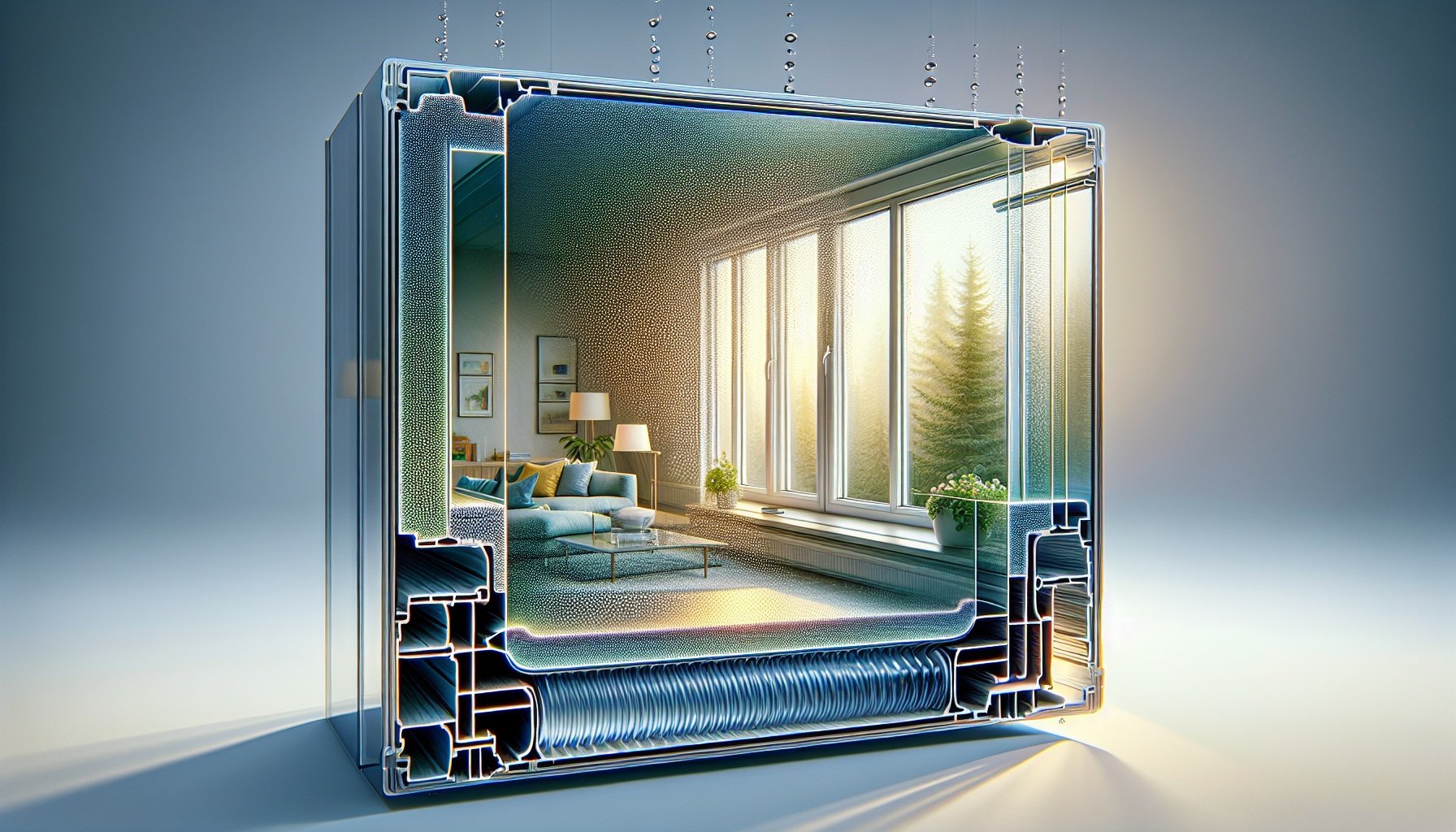
Worth Noting: Replacing single-pane windows with energy-efficient double-glazed models in a typical home saves up to USD 300 annually on energy bills, based on 2024 U.S. average utility rates.
Source: U.S. Department of Energy
Climate-specific glazing choices for Central Louisiana homes and light commercial projects
Climate-smart glazing plays a huge role in Central Louisiana’s hot, humid conditions. Double-pane glass with low solar heat gain remains a strong baseline for most homes and small offices, while triple-pane glass usually pays off only in specialty spaces like server rooms or high-noise areas. For maximum comfort and lower cooling loads, warm-climate low-E coatings are preferred, tuned to block infrared heat while still allowing good visible light. Tinted or spectrally selective glass helps cut glare and reduce west-facing heat buildup on long summer afternoons. Argon-filled insulated glass units add extra performance without major cost, and laminated glass boosts storm resistance and noise control along busy corridors in communities from Alexandria to Pineville.
Core Glazing Technologies for Better Comfort and Lower Bills
With performance ratings setting the baseline, the real magic happens inside the glass itself. Core glazing technologies turn a simple window opening into a finely tuned comfort barrier, controlling how heat, light, and even sound pass through. Multiple panes, specialized spacers, and advanced glass layers work together to cut wasted energy while keeping rooms brighter and more stable in temperature. Smart glazing choices also help manage humidity on the glass surface, reduce condensation, and support healthier indoor air. Understanding how these glass systems are built makes it easier to match glazing packages to Central Louisiana homes and budgets.
Did you know? In 2025, innovations in energy-efficient windows include vacuum-insulated glass units that achieve U-values as low as 0.2 W/m²K, surpassing traditional double-glazing performance.
Source: International Energy Agency
Low-E coatings tuned for heat blocking, glare control, and UV protection
Low-E (low-emissivity) coatings work like a nearly invisible sunshade built into the glass, using thin metal layers to manage heat and light. Different formulas are tuned for Central Louisiana’s hot, humid climate, blocking a large share of solar heat while still letting in clear natural light. Some Low-E coatings focus on cooling, keeping spaces more comfortable during long Alexandria summers without overworking the AC. Others balance glare control for bright lakefront or open-field views, softening harsh light on screens and polished surfaces. UV-focused coatings stop most ultraviolet rays that fade wood floors, furniture, and artwork, especially in sun-drenched rooms facing south or west. Together, these tuned Low-E options support lower bills, better comfort, and longer-lasting interiors.
Double- and triple-pane glass systems with optimized airspace depth
Double- and triple-pane glass systems create insulated glass units that slow heat flow far more than single-pane windows. Two or three layers of glass are separated by a sealed airspace, often filled with argon gas, forming a thermal barrier that keeps cooled air inside and Central Louisiana’s summer heat outside. Optimized airspace depth is critical: too narrow and insulation drops, too wide and convection currents form between panes. Most high-performance units target an airspace around 1/2″ to 3/4″ per cavity, tuned through lab testing for the best balance of insulation and clarity. Triple-pane units with dual optimized cavities can noticeably quiet traffic noise, steady indoor temperatures, and help HVAC systems run shorter, more efficient cycles.
Argon and krypton gas fills for improved insulation without sacrificing clarity
Argon and krypton gas fills upgrade insulated glass units by slowing heat transfer far more than plain air while keeping the view crystal clear. Both gases are denser than air, so heat moves more slowly across the cavity between panes, helping indoor temperatures stay steadier during Central Louisiana’s hot, humid summers and cooler winter snaps. Argon is common and cost‑effective, ideal for standard double‑pane windows with typical airspace depths. Krypton offers even stronger insulation in thinner gaps, making it a smart match for high‑performance triple‑pane units or narrow-profile frames. Because these gases are colorless and non-reactive, they do not fog or tint the glass, preserving natural light levels and outdoor views.
Frame, Spacers, and Installation Features That Complete the System
National ratings explain how glass performs, but the rest of the window has just as much impact on comfort and costs. The frame material, warm-edge spacers, and installation details all work together with the glass to control drafts, condensation, and long-term durability. In a humid, storm-prone area like Central Louisiana, tight air seals, properly flashed openings, and insulated frames help keep conditioned air inside and sticky outdoor air out. Solid installation around the sill and jambs also helps prevent rot, mold, and rattling during summer thunderstorms. These frame, spacer, and installation features complete the energy-efficient window system.
Worth Noting: Energy-efficient windows with improved airtightness and insulation minimize drafts, enhancing indoor air quality and reducing allergens, which benefits occupant health in modern homes.
Energy-efficient frame materials: vinyl, fiberglass, composite, and thermally broken aluminum
Energy-efficient frames keep the insulated glass working at peak performance by limiting heat transfer through the window edges. Vinyl frames use multi-chambered profiles that trap air, helping reduce heat loss and resisting moisture in humid climates. Fiberglass frames expand and contract at similar rates as glass, protecting seals and maintaining a tight fit through seasonal temperature swings. Composite frames, often made from blends of fiberglass, wood fiber, or polymers, combine strength, stability, and low maintenance while offering good insulating value. Thermally broken aluminum uses an insulating barrier between the inner and outer metal parts, cutting the heat flow that standard aluminum frames allow. Together, these materials support the glazing system so conditioned air stays inside and outside temperatures stay where they belong.
Worth Noting: Energy-efficient windows can reduce residential energy consumption for heating and cooling by 10-20%, contributing to lower greenhouse gas emissions in urban environments worldwide.
Source: U.S. Department of Energy
Warm-edge spacer systems that reduce condensation and edge heat loss
Warm-edge spacer systems sit between glass panes and replace old-school aluminum spacers that act like tiny radiators at the glass edge. Modern spacers use stainless steel, foam, or composite materials with low thermal conductivity, which slows heat transfer where condensation and drafts often start. This keeps interior glass edges warmer on cold mornings and reduces moisture buildup that can lead to fogging, mold, or damaged sashes. In humid regions like Central Louisiana, that moisture control matters as much as insulation. Many warm-edge systems pair with high-performance sealants to protect gas fills and prevent seal failure over time. That combination supports the insulated glass unit, boosts overall U-factor performance, and helps the frame and glazing work together as a single, efficient system.
Expert Insight: Energy-efficient windows incorporating low-emissivity coatings reflect infrared radiation while allowing visible light, reducing heat loss by up to 30% in cold climates and heat gain in hot ones.
Source: U.S. Department of Energy
Proper sealing, flashing, and foam insulation details for peak window performance
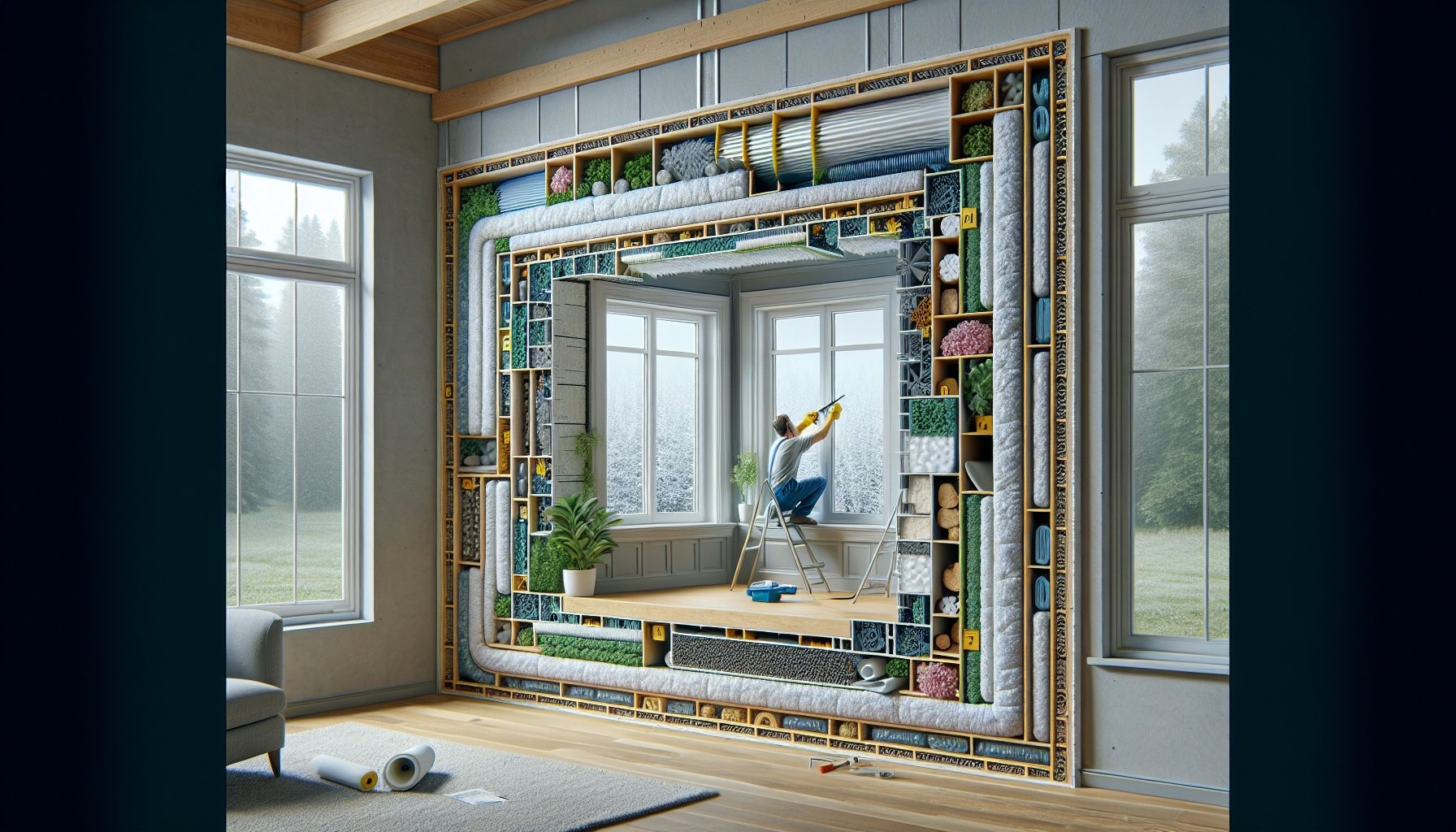
Proper sealing, flashing, and foam insulation lock in the performance of efficient frames and warm-edge spacers. High-quality exterior flashing tape bridges the gap between the nailing flange and the wall sheathing, shedding rain and wind‑driven moisture before it reaches the rough opening. Flexible sill pans or metal pan flashing at the bottom of the opening keep leaks from soaking framing lumber, which is crucial in heavy-rain areas like Central Louisiana. Low‑expansion spray foam or pre‑compressed foam tape around the frame fills air gaps without bowing the window out of square. Interior air-sealing with caulk at trim joints finishes the air barrier, preventing drafts, protecting gas fills and coatings from temperature swings, and supporting top energy ratings over the long term.
Conclusion
Energy-efficient window features focus on technologies that minimize heat loss and gain, such as low-E coatings and gas fills between panes. Combined with multiple panes, advanced spacers, and balanced solar control, these glazing systems help keep Central Louisiana homes brighter, more comfortable, and easier to cool. Frame materials, insulated spacers, and careful installation around sills and jambs support those gains, guarding against drafts, moisture problems, and storm-driven rain.
Energy performance ratings make it easier to compare options and match them to local humidity, sun exposure, and budget. Choosing well-designed ,energy-Efficient windows can lower utility bills, boost comfort, and support a healthier indoor environment. Now is a strong time to look at existing windows and plan upgrades that work smarter for the entire home.
Frequently Asked Questions
- How do energy-efficient windows help lower monthly energy bills in hot climates like Central Louisiana?
- Energy-efficient windows reduce the amount of unwanted heat entering a home and the amount of cooled air escaping. In hot, humid areas like Central Louisiana, cooling systems work hard almost year-round. When windows have features such as low-E coatings, double or triple panes, argon gas fills, and tight weatherstripping, they slow heat transfer through the glass and frame.
Less heat gain means air conditioners do not run as often or as long. That lowers electricity use and can cut cooling costs significantly, especially during peak summer heat. Over time, those savings help offset the initial cost of upgraded windows, while also keeping indoor spaces more comfortable and consistent in temperature.
- What is low-E glass and why is it important for comfort and energy savings?
- Low-E (low emissivity) glass has a microscopically thin, transparent coating on the surface of the glass. This coating reflects a portion of infrared and ultraviolet light while still allowing plenty of visible daylight into the home.
For warm regions like Central Louisiana, low-E glass is especially useful because it:
– Reflects solar heat away from the home, lowering indoor temperatures
– Reduces glare from intense sun
– Helps protect furniture, flooring, and artwork from fading due to UV exposure
– Works with insulated frames to maintain more stable indoor temperaturesBy limiting how much heat passes through the glass, low-E windows reduce the load on cooling systems and support lower energy bills while keeping rooms more comfortable.
- What is the difference between single-pane, double-pane, and triple-pane windows for Energy efficiency?
- The number of panes in a window affects its insulation value and energy performance.
Single-pane windows:
– Have one layer of glass
– Offer minimal insulation
– Allow significant heat transfer, making rooms hotter in summer and colder in winterDouble-pane windows:
– Have two layers of glass separated by an air or gas-filled space
– Provide much better insulation than single-pane
– Are often filled with argon gas and paired with low-E coatings for strong energy performanceTriple-pane windows:
– Have three layers of glass and two gas-filled spaces
– Offer the highest insulation and sound reduction
– Are most beneficial in very cold or noisy environmentsFor Central Louisiana, high-quality double-pane windows with low-E coating and gas fill generally provide excellent balance between comfort, cost, and performance, especially in intense summer heat.
- How do gas fills like argon or krypton improve window performance?
- Argon and krypton are inert gases often used between window panes to improve insulation. These gases are denser than regular air, which slows the movement of heat through the glass.
Argon gas:
– Most common choice
– More affordable than krypton
– Provides strong performance for standard double-pane windowsKrypton gas:
– More expensive but offers better insulation in thinner spaces
– Often used in high-end or triple-pane windowsBy filling the space between panes with these gases instead of plain air, windows become more effective at keeping heat outside during hot Central Louisiana summers and retaining comfortable indoor air. That added insulation helps reduce energy use, drafts, and temperature swings near windows.
- What window frame materials are best for energy efficiency and durability in Central Louisiana’s climate?
- Frame material has a big impact on both energy efficiency and long-term durability, especially in humid, hot regions like Central Louisiana.
Common frame options include:
– Vinyl: Strong energy performance, low maintenance, and good resistance to moisture. Often a budget-friendly choice with solid insulation.
– Fiberglass: Very stable, resists warping, and handles temperature swings well. Can be filled with insulation for excellent efficiency.
– Wood (with exterior cladding): Natural insulator with a classic look. When protected by aluminum or vinyl cladding on the exterior, wood frames handle moisture and heat better.
– Aluminum (thermally broken): Very strong but conducts heat easily. High-quality aluminum frames with a thermal break (insulating barrier) improve performance, but are usually less efficient than insulated vinyl or fiberglass.For Central Louisiana, insulated vinyl or fiberglass frames with quality weatherstripping often provide the best mix of efficiency, durability, and low maintenance in a high-humidity, high-heat environment.
- What do ENERGY STAR and NFRC labels mean when comparing energy-efficient windows?
- ENERGY STAR and NFRC labels provide reliable information about a window’s performance, making comparison between products easier.
ENERGY STAR:
– A government-backed program that sets efficiency standards by climate zone
– Windows with the ENERGY STAR label meet or exceed energy performance criteria for specific regions, including hot, humid climates
– Indicates the product has been tested and qualifies as energy-efficientNFRC (National Fenestration Rating Council):
– Provides detailed ratings for windows, including:
– U-Factor (insulation value; lower is better)
– Solar Heat Gain Coefficient, or SHGC (how much solar heat the window lets in; lower is better for hot climates)
– Visible Transmittance, or VT (amount of natural light passing through)
– Helps homeowners and builders compare products based on measurable performance, not just marketing claimsIn a hot-summer region like Central Louisiana, windows with low U-Factor and low SHGC values on the NFRC label and an ENERGY STAR certification for the Southern climate zone typically provide strong energy savings and improved comfort.
- Besides the glass and frame, what other window features help keep a home cooler and more comfortable?
- Several design and installation features play a major role in how well a window performs in hot, sunny conditions.
Key features include:
– Quality weatherstripping: Reduces air leaks around sashes and frames, cutting drafts and keeping cooled air inside.
– Proper installation: Ensures tight seals, correct flashing, and foam insulation around the frame. Even the best window performs poorly if installed wrong.
– Warm-edge spacers: Insulating materials between panes around the edge of the glass, reducing condensation and heat transfer.
– Tinted or reflective glass options: Help control glare and solar heat gain on west- and south-facing sides of a home.
– Shading solutions: Overhangs, awnings, or exterior shades paired with efficient windows can further cut heat gain, especially during long Central Louisiana summers.When these features are combined with low-E coatings, double-pane construction, and gas fills, windows become a powerful tool for lower energy bills and steady indoor comfort, even when the temperature outside feels like a Baton Rouge or Alexandria heat wave.
Categories
Windows