
Top Eco-Friendly Homestead Gifts for Sustainable Living
A well-chosen eco-friendly homestead gift does more than sit on a shelf; it works hard every day while treading lightly on the land. Thoughtful tools, textiles, and power solutions can help a homestead stay functional, efficient, and comfortable, all while cutting waste and reliance on disposable products. Sustainable gifting leans into durable materials, simple technology, and designs that respect both the environment and the rhythm of self-sufficient living.
Quick Navigation:
Practical Eco-Friendly Kitchen Gifts for the Homestead | Sustainable Outdoor and Garden Gift Ideas | Low-Impact Comfort, Power, and Maintenance Gifts | Frequently Asked Questions
From the kitchen to the garden, every corner of a homestead offers chances to swap out throwaway habits for long-lasting gear. Reusable materials, low-energy gadgets, and nature-inspired solutions fit right into daily routines without adding clutter or complication. Each piece becomes part of a larger system: saving resources, limiting trash, and often trimming utility costs along the way. The goal is gear that earns its place year after year, instead of ending up in a junk drawer.
Eco-friendly homestead gifts emphasize sustainable materials and practices that align with self-sufficient living. These gifts can include items like reusable kitchen tools made from bamboo or solar-powered garden lights that reduce environmental impact. By choosing such presents, gifters support a greener lifestyle while providing useful additions to a homesteader’s daily routine. From off-grid-ready power options to soil-building and water-wise tools, every choice can help a homestead run smoother, feel cozier, and stay more resilient. That makes each eco-conscious present not just a kind gesture, but a practical investment in long-term, sustainable living.
Practical Eco-Friendly Kitchen Gifts for the Homestead
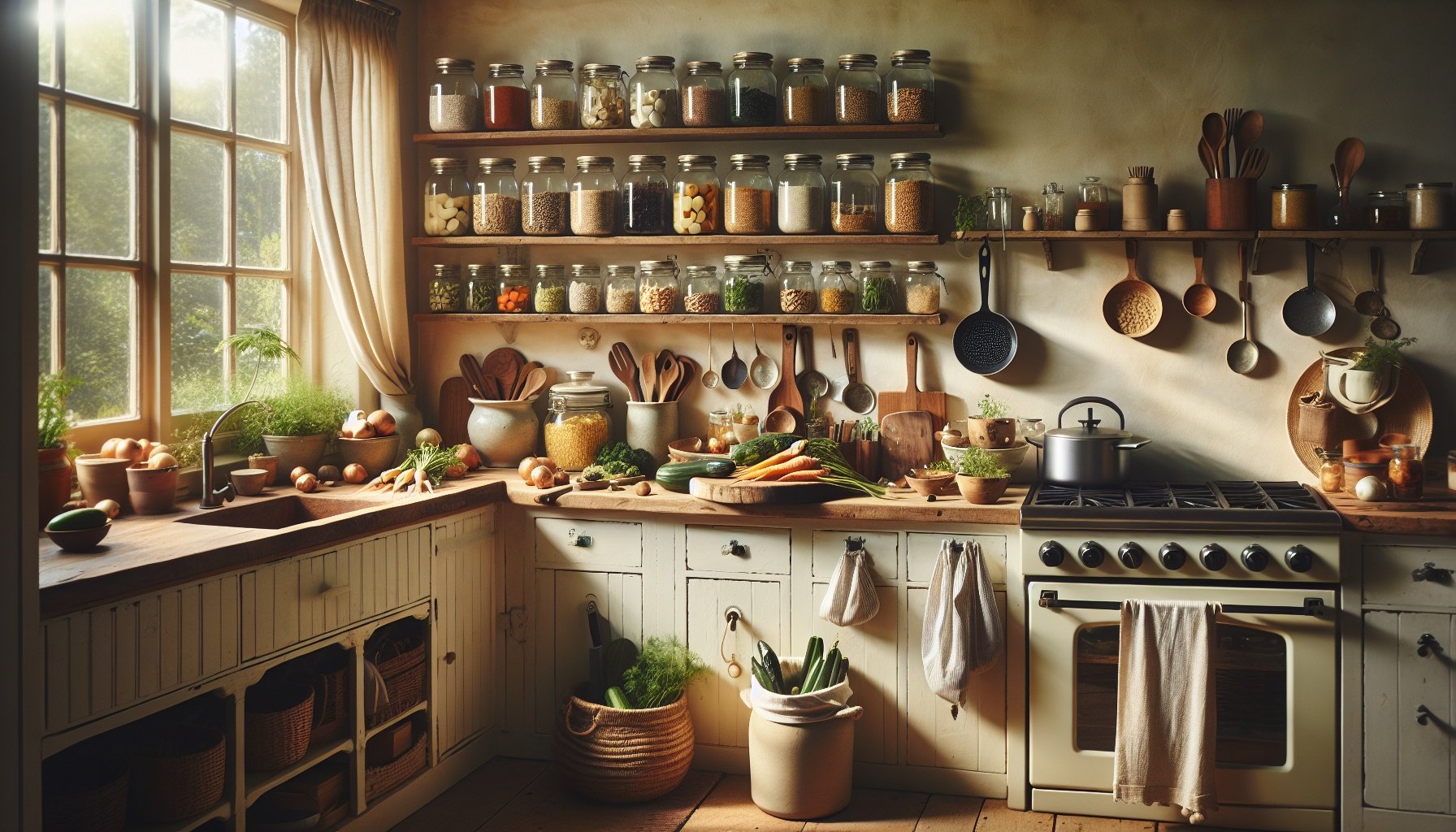
A busy homestead kitchen becomes a natural place to cut waste, save energy, and stretch every ingredient a little further. Beyond simple durability, smart eco-friendly kitchen gifts help streamline daily food prep, cooking, and storage while supporting scratch-made meals and homegrown harvests. Thoughtful tools can reduce food waste, make bulk buying easier, and replace plastic with safer, low-impact materials. Some items even help manage canning, fermenting, and preserving, so seasonal produce never goes to waste. From countertop staples to long-lasting storage solutions, practical eco-friendly kitchen gifts turn everyday cooking into a cleaner, more sustainable routine.
Keep in Mind: Rainwater harvesting systems in eco-homesteads capture and store water for irrigation, conserving up to 50 percent of household usage and supporting local biodiversity in arid regions.
Bamboo and Wood-Based Reusable Kitchen Tools for Everyday Cooking
Bamboo and wood-based reusable kitchen tools fit homestead life by swapping flimsy plastic for tough, natural materials that handle daily cooking. Bamboo spoons, spatulas, and turners stay gentle on cast iron and enamel, while holding up to thick stews and canning prep. Solid wood cutting boards and butcher blocks provide a stable, long-lasting surface for chopping garden produce and home-raised meat, and can be refreshed with a simple sanding and food-safe oil. Reusable bamboo dish brushes, scrubbers, and drying racks replace synthetic sponges and plastic racks, breaking down more easily at the end of their life. Simple, low-tech pieces like these match the slower, hands-on pace of a homestead kitchen while keeping waste and microplastics out of daily meals.
Glass, Stainless, and Beeswax Food Storage for Low-Waste Meal Prep
Glass, stainless, and beeswax food storage keeps homestead meal prep low-waste while protecting pantry staples and leftovers. Glass containers with snap lids handle hot soups, baked casseroles, and freezer meals without staining or holding odors. Stainless steel lunch boxes and nesting bowls pack garden salads, fresh eggs, and snacks for the field, staying durable even with daily use. Beeswax wraps replace plastic wrap, molding around bread, cheese, herbs, and cut veggies using the warmth of the hands, then rinsing clean for the next use. A simple set might pair mason jars, stainless snack tins, and assorted beeswax wraps, turning bulk buys and batch cooking into a tidy, plastic-free storage system that fits right into a self-sufficient kitchen rhythm.
Energy-Efficient Small Appliances and Manual Tools for Off-Grid-Ready Kitchens
Energy-efficient small appliances and manual tools help homestead kitchens stay productive while using less power or no electricity at all. Low-watt induction burners, electric pressure cookers, and compact convection toaster ovens cook meals faster, saving energy and keeping cabins cooler in hot weather. Hand-crank grain mills, egg beaters, and manual coffee grinders cut reliance on the grid while turning homegrown harvests into daily staples. Sturdy stovetop kettles and percolators pair well with propane or wood cookstoves for hot drinks without plug-in devices. Solar-powered lanterns or task lights over work areas keep food prep going when batteries run low. Combined with durable storage and natural utensils, these tools build a kitchen that stays functional, efficient, and prepared during power outages.
Sustainable Outdoor and Garden Gift Ideas
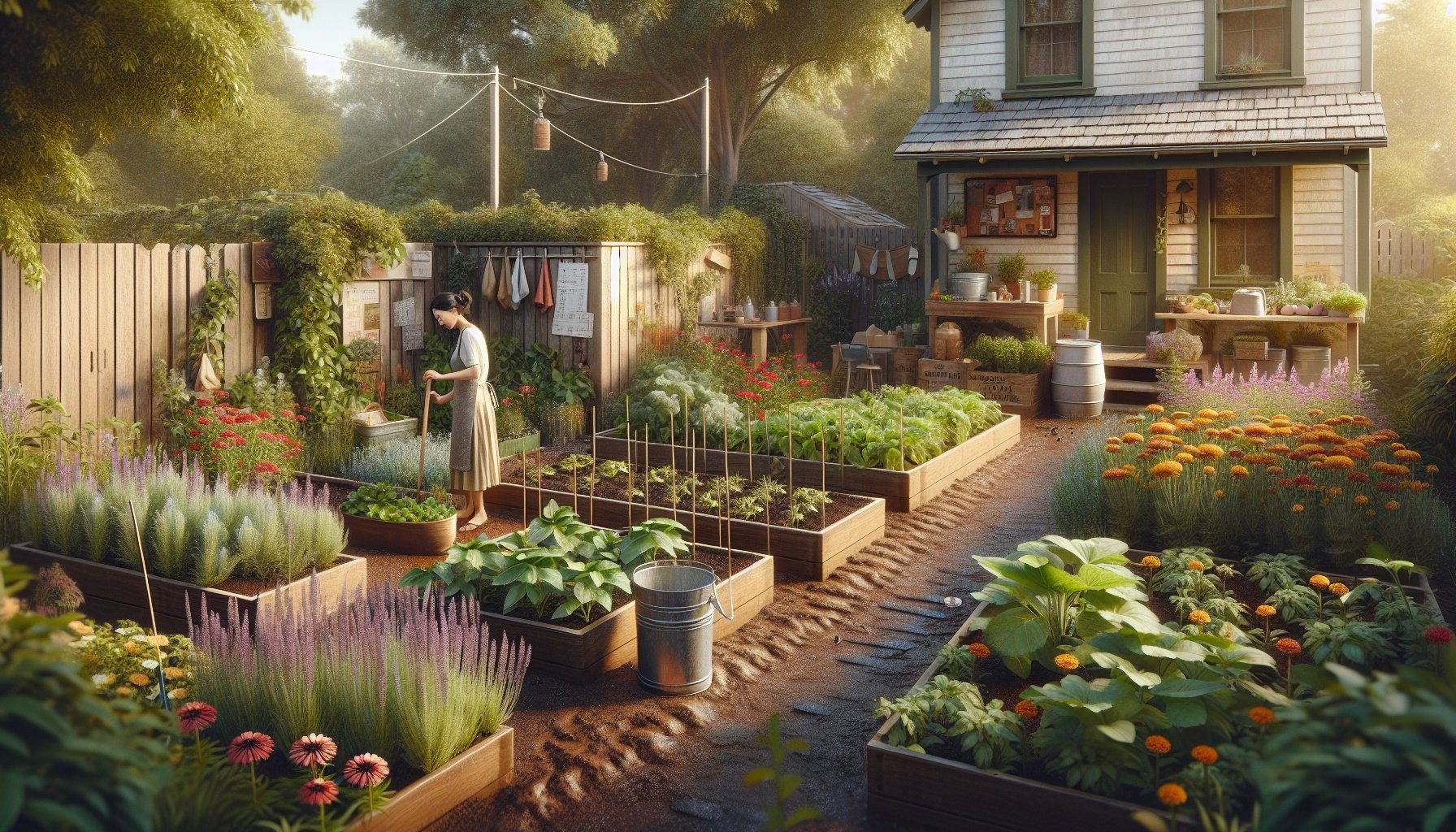
Beyond the kitchen, the land outside the back door offers just as much potential for low-impact living. Sustainable outdoor and garden gifts can nurture soil health, protect pollinators, and make daily chores around the yard smoother and more efficient. Thoughtful picks might focus on natural pest control, water-wise growing, or tools built to last through many planting seasons. Materials like untreated wood, recycled metal, and organic fabrics keep plastic use down while still standing up to tough conditions. From seed to harvest, the right outdoor gear turns every garden task into a chance to live a little greener.
Did you know? Homesteading practices in the United States originated with the Homestead Act of 1862, which granted 160 acres of public land to settlers willing to improve and cultivate it for five years.
Source: Wikipedia
Solar-Powered Garden and Security Lighting for Rural Properties
Solar-powered garden and security lighting fits rural homesteads where long driveways, barns, and gardens often sit far from grid power. Efficient LED fixtures with integrated panels and battery storage bring light to gate entrances, livestock pens, and tool sheds without trenching or new wiring. Motion-sensor security lights near workshop doors or feed rooms help protect equipment while cutting energy use. Softer path lights along beds and rainwater systems improve safety during late-night chores. Weatherproof, metal-bodied fixtures with replaceable batteries last longer and reduce waste. Options with warm-white LEDs limit light pollution, protecting night skies and wildlife. Choosing models with manual shutoff, dim settings, and adjustable panels keeps energy use low while supporting a more resilient, off-grid-ready property.
Good to Know: Permaculture designs in eco-friendly homesteads mimic natural ecosystems to enhance soil fertility and water retention, reducing the need for external inputs by up to 90 percent.
Source: Agricultural Systems Journal
Water-Smart Tools like Rain Barrels, Soaker Hoses, and Compostable Mulch
Water-smart tools turn every rainstorm into a resource instead of runoff. A sturdy rain barrel with a screened lid and overflow connector captures roof water for gardens, livestock plants, and orchard trees, easing strain on wells and pumps. A soaker hose or drip line then delivers that stored water right to plant roots, cutting evaporation and keeping leaves drier to reduce disease. Pairing these with compostable mulch—such as shredded leaves, pine straw, untreated wood chips, or locally sourced hay—helps lock in moisture, cool the soil, and slowly build richer ground over time. Bundled as a gift set, these tools support resilient gardens that handle dry spells better and waste fewer resources with every season.
Keep in Mind: In Scandinavian cultures, the tradition of saunas integrated into homesteads promotes communal bonding and relaxation, with modern eco-versions using wood pellets for sustainable heating.
Source: BBC Travel
Native and Edible Plants, Seeds, and Soil-Building Supplies for Gulf Coast Gardens
Native and edible plants suited to the Gulf Coast turn every bed into both a pantry and a wildlife haven. Gift bundles can include tough, humidity-loving perennials like Gulf Coast muhly grass, beautyberry, and mayhaw, along with edible favorites such as satsuma seedlings, rabbiteye blueberries, okra, and heat-tolerant greens like collards and Malabar spinach. Regionally adapted seed mixes for pollinator strips, cover crops, and fall vegetables help gardens thrive through long, hot seasons.
Soil-building supplies round out the package. Gulf growers benefit from compost inoculants, biochar, and locally milled pine bark fines to loosen heavy soils and buffer stormy weather. Pairing these with simple soil test kits or oyster shell calcium creates a long-lasting, regenerative foundation for productive Gulf Coast gardens.
Low-Impact Comfort, Power, and Maintenance Gifts
A homestead runs on more than food and tools; quiet comfort, reliable power, and simple maintenance keep everything steady through long seasons. After dialing in the kitchen, attention can turn to upgrades that ease daily life while treading lightly on the land. Solar-powered gear can keep lights on and devices charged without tapping the grid, and efficient heating and cooling tools can make cabins, barns, and workshops more comfortable using less energy. Durable maintenance supplies, from non-toxic cleaners to low-waste repair kits, help protect buildings, gear, and land, creating a low-impact homestead that runs smoothly year-round.
Quick Insight: Consumers are willing to pay a 9.7 percent premium for sustainably produced homestead goods like solar kits and composting tools, according to the 2024 Voice of the Consumer Survey.
Source: PwC
Solar Chargers, Lanterns, and Backup Power Gear for Unstable Grid Conditions
Solar-powered chargers, lanterns, and compact battery stations turn unstable grid conditions into less of a headache while keeping energy use clean. Rugged solar power banks with multiple USB and USB-C ports can top off phones, rechargeable headlamps, small fans, or LED task lights without relying on outlets. Foldable solar panels paired with a lithium iron phosphate (LiFePO₄) power station handle higher loads like laptops, routers, or low-wattage tools during brief outages. For lighting, shatter-resistant LED lanterns that charge by sun and hand-crank reduce battery waste and still shine through cloudy stretches. Many models now use recycled plastics, silicone seals, and replaceable internal batteries, extending service life and cutting e‑waste while supporting a more resilient, low-impact homestead system.
Natural Fiber Textiles and Insulation-Friendly Draft Stoppers for Humid Climates
Natural fiber textiles turn simple comfort upgrades into low-impact energy savers, especially in sticky, humid climates like Central Louisiana. Hemp, organic cotton, and linen curtains or throws breathe well, absorb moisture, and dry quickly, helping keep rooms cooler without cranking extra power. Wool and cotton layering on beds and seating regulates temperature year-round, cutting the need for constant heating or cooling.
Insulation-friendly draft stoppers made with densely woven cotton, canvas, or hemp covers and filled with rice, flaxseed, or dried corn seal leaky doors and window sills without trapping moisture. Designs that slide under doors or hang from hooks stay put while allowing easy sweeping and mopping. Paired with solar backup gear, these soft barriers stretch every bit of clean energy further by reducing wasted heating and cooling.
Expert Insight: Solar-powered dehydrators for homestead food preservation can extend shelf life by months while using 80 percent less energy than electric models, surprising many with their efficiency.
Durable, Repairable Hand Tools and Maintenance Kits for Long-Term Homestead Use
Durable, repairable hand tools keep a homestead running smoothly long after batteries die and plastic parts crack. Solid steel hand pruners with replaceable springs, sharpening stones, and spare blades handle years of garden work without constant replacements. Full-tang hoes, soil knives, and forged trowels with ash or hickory handles balance strength with renewable materials. Maintenance kits add even more staying power: plant-based rust inhibitors, natural bristle brushes, and small files help keep hinges, latches, and hardware functioning quietly and efficiently. A basic toolkit with a manual drill, hand saw, multi-bit screwdriver, and adjustable wrench supports repairs during outages while pairing well with solar backup gear and draft-stopping upgrades to create a low-impact, long-term homestead setup.
Conclusion
Eco-friendly homestead gifts emphasize simple, low-impact choices that support self-sufficient living every day. Thoughtful tools for the garden help build healthy soil, protect pollinators, and make planting, watering, and harvesting smoother season after season. Indoors and out, sustainable upgrades like energy-wise comfort tools, quiet off-grid power options, and durable maintenance supplies keep cabins, barns, and yards running strong with less waste and fewer harsh chemicals.
Every gift that favors natural materials, long-lasting design, and low-energy use becomes part of a more resilient homestead. Choosing these kinds of presents supports cleaner land, healthier air, and calmer, quieter workspaces. One eco-conscious gift at a time, any homestead can move closer to truly sustainable, steady, and grounded living.
Frequently Asked Questions
- What makes a homestead gift truly eco-friendly?
- A homestead gift is truly eco-friendly when it reduces waste, saves resources, and supports long-term use on the property. High-quality, durable materials that last for years are a key feature. Reusable items that replace disposable products are another strong sign of sustainability.
Eco-friendly homestead gifts often use natural, organic, or recycled materials. Limited or recyclable packaging, non-toxic finishes, and low energy use during production add to the environmental value. Local or USA-made products help cut down on shipping emissions and support nearby makers.
The best sustainable gifts actually work every day. Items like compost bins, rain barrels, solar lights, seed-starting kits, or reusable food storage help lower energy and water use, reduce trash, and make daily homestead tasks more efficient.
- What are some practical eco-friendly gift ideas for a homestead?
- Many practical homestead gifts combine sustainability with everyday function. Popular choices include:
• Composting systems – Countertop compost pails, outdoor compost bins, or worm composting kits turn kitchen scraps into rich soil instead of trash.
• Rainwater collection – Rain barrels, downspout diverters, and hose attachments collect stormwater for garden use, helping lower water bills.
• Garden tools – Long-lasting hand tools with wood handles and steel heads, soil testers, and ergonomic weeders support low-waste growing.
• Reusable food storage – Glass jars, stainless steel containers, beeswax wraps, and cloth produce bags cut down on plastic.
• Seed and plant kits – Heirloom seed collections, native plant bundles, and herb starter sets support biodiversity and healthy soil.
• Solar-powered gear – Solar lanterns, path lights, and chargers work without grid power and handle frequent use on a homestead.Each of these options helps a homestead run smoother while promoting sustainable living every day.
- How can a gift support sustainable food production on a homestead?
- Sustainable food production grows stronger with tools and supplies that protect soil, conserve water, and reduce outside inputs. Thoughtful gifts in this area include raised bed kits, drip irrigation systems, and high-quality hand tools for planting and weeding.
Heirloom or open-pollinated seed collections help households save seed year after year, protecting plant diversity and saving money. Soil improvement gifts, such as compost tumblers, worm bins, and organic fertilizers, support long-term fertility without synthetic chemicals.
Food preservation tools, like canning sets, dehydrators, and fermentation kits, keep garden harvests from going to waste. Durable storage jars, labels, and shelving systems help organize pantry goods. Together, these types of gifts support a strong, sustainable food cycle from garden to table.
- Why are durable and long-lasting items better eco-friendly gifts than trendy gadgets?
- Durable and long-lasting items reduce the need for frequent replacement, which cuts waste, shipping, and manufacturing impacts. Tools made from quality wood, stainless steel, or heavy-duty metal last through many seasons of work on a homestead.
Trendy gadgets often rely on plastic parts, short warranties, and complex electronics that fail quickly. When these items break, they often end up in the trash and can be difficult to recycle. Long-lasting, repairable gifts are easier on both the environment and the budget.
A well-chosen, durable gift works every day. Strong shovels, pruning tools, rain barrels, solid compost bins, and sturdy storage solutions serve the homestead for years, making them some of the most eco-friendly options available.
- Are digital or “experience” gifts a good fit for eco-friendly homestead living?
- Digital and experience-based gifts often have a smaller environmental footprint than physical items and can support homestead skills. Online courses on gardening, beekeeping, canning, solar power, or small livestock care build knowledge that lasts a lifetime.
Downloadable planners, planting calendars, and digital homestead journals replace paper-based systems and can be updated year after year. Subscriptions to educational platforms, e-books on sustainable living, and virtual workshops also avoid packaging and shipping.
Local experiences close to home, such as classes at garden centers, tours of sustainable farms, or workshops at community colleges, minimize travel and support regional agriculture. These gifts focus on learning and skill-building, which strengthen long-term self-reliance and eco-friendly habits.
- How can packaging be made more sustainable when giving homestead gifts?
- Sustainable packaging keeps waste low and often uses materials that already have a purpose on a homestead. Reused cardboard boxes, paper shopping bags, and fabric wraps provide sturdy, low-impact wrapping. Old maps, newspapers, and kraft paper can be tied with natural twine instead of plastic ribbon.
Reusable containers, such as mason jars, metal tins, or cloth bags, can double as storage in the pantry or workshop after the gift is opened. Plant-based inks and simple paper tags break down easily when composted or recycled.
Avoiding foam, plastic filler, and glossy, laminated wrapping keeps packaging easier to recycle and safer for the environment. Minimal, simple wrapping often looks clean and rustic, which fits the homestead style nicely.
- What should be considered when choosing eco-friendly homestead gifts for different climates and regions?
- Climate, soil, and local weather patterns shape which eco-friendly gifts work best on a homestead. Garden tools and irrigation supplies should match the typical conditions. For example, heavy clay soil may call for strong digging tools, while sandy soil benefits from soil-building supplies and compost systems.
Seed kits and plant bundles work best when tailored to the growing zone. Native plant collections, drought-tolerant varieties for dry regions, or heat-loving crops for the Deep South make gifts more successful and sustainable. In colder areas, season extension tools like row covers, small greenhouses, or cold frames help stretch the harvest.
Local building styles and homestead layouts also matter. Compact rain barrels, vertical planters, and foldable drying racks fit smaller city or town lots. Larger properties may benefit more from bulk compost bins, multiple rain tanks, or larger tool sets. Matching gifts to local conditions keeps them useful, reduces waste, and supports long-term sustainable living.