
Sustainable Yard Maintenance for a Greener, Healthier Home

A yard can do much more than look pretty from the street. With smart, sustainable yard maintenance strategies, an ordinary lawn transforms into a living system that supports cleaner air, cooler shade, healthier soil, and thriving wildlife. Sustainable yard maintenance strategies focus on long-term environmental health by integrating water-efficient irrigation and organic pest control methods. These approaches minimize chemical use and promote biodiversity through the selection of native plants that require less upkeep. Homeowners benefit from reduced costs and a resilient landscape that withstands climate challenges while enhancing property value. In a place like Central Louisiana, where hot, humid summers and heavy rains are common, thoughtful planning and care turn those conditions into an advantage instead of a struggle. A landscape designed for local weather patterns, managed with efficient watering and nurtured with natural soil-building techniques, stays greener with less waste and effort. Add in electric or low-emission equipment, habitat for pollinators, and a layout that prioritizes comfort and function, and the result is a yard that feels good to live in and is gentle on the environment. Each smart choice, from plant selection to lawn care tools, works together to create a yard that thrives season after season, proving that beauty, durability, and sustainability can grow side by side.
Quick Navigation:
Designing a Low-Impact, Resilient Landscape in Central Louisiana | Water-Efficient Irrigation and Soil Health Practices | Organic Pest Management and Eco-Friendly Yard Care | Frequently Asked Questions
Designing a Low-Impact, Resilient Landscape in Central Louisiana
Designing a low-impact, resilient landscape in Central Louisiana starts with shaping the land to work with natural forces instead of fighting them. Thoughtful grading, swales, and rain gardens slow stormwater, reduce erosion, and help keep driveways and ditches from flooding during intense summer downpours. Choosing permeable pathways, mulched beds, and shaded sitting areas also cools hard surfaces and creates comfortable outdoor spaces, even when the heat index climbs. When plant layers, soil structure, and water flow all work together, the yard becomes a sturdy, regenerative system ready for smart plant placement, drainage planning, and material choices.
Expert Insight: Sustainable landscaping practices in 2025 emphasize native plant integration and water-efficient designs, reducing urban heat islands by up to 5 degrees Celsius in residential areas according to recent industry analyses.
Source: SendWork Blog
Selecting native and drought-tolerant plants suited to Central Louisiana’s climate and soil types
Selecting plants that evolved in Central Louisiana’s heat and rainfall patterns keeps landscapes attractive with less watering and fertilizer. Deep, loamy soils near the Red River handle moisture-loving natives like bald cypress, swamp sunflower, and Louisiana iris, while sandier or well-drained spots fit drought-tolerant species such as little bluestem, eastern gamagrass, and purple coneflower. Grouping plants by water needs allows efficient irrigation and healthier root systems. Tough natives like southern wax myrtle, yaupon holly, and beautyberry handle summer heat, occasional dry spells, and local pests with minimal intervention. Mixing canopy trees, understory shrubs, and groundcovers such as frogfruit or woodland phlox stabilizes soil, shades out weeds, and supports birds, butterflies, and pollinators across the seasons.
Interesting Fact: Maintaining green yards with low-mow grasses and pollinator-friendly plants supports mental well-being, reducing stress levels by 20% among urban residents engaging in regular outdoor care.
Source: Economist Impact
Planning shade, windbreaks, and plant placement to reduce water loss and protect structures
Thoughtful shade and windbreak planning cuts water loss while shielding buildings and outdoor spaces. Deciduous trees on the south and west sides of a house, like native oaks or sweetgums, cool walls and Windows in Central Louisiana summers, then allow winter sun through bare branches. Evergreen windbreaks placed on the north and northwest edges of a lot slow cold fronts and protect roofs, fences, and outdoor living areas from driving rain. Layered rows of pines, hollies, and wax myrtle filter wind without creating damaging turbulence. Grouping thirstier plants within these protected zones reduces irrigation needs and limits evaporation from soil and mulch, building a calm microclimate that keeps structures, plants, and irrigation systems working together efficiently.
Interesting Fact: Permaculture designs in modern yards mimic natural ecosystems, enhancing biodiversity and soil health while providing year-round harvests of fruits and vegetables for homeowners.
Creating functional zones for play, gardens, and pathways that limit turf and heavy maintenance areas
Functional zones turn a Central Louisiana yard into a system that works hard with less mowing, edging, and fertilizing. A small, durable turf area can stay near the house for play, while heavier use spots—like under a basketball goal or near a crawfish boil setup—shift to gravel, pavers, or clover mixes that handle foot traffic with less care. Raised vegetable beds and native pollinator gardens cluster together, tying into efficient drip irrigation instead of wide lawn sprinklers. Curved pathways of pine straw, crushed limestone, or brick guide movement between zones and keep feet off soil, reducing compaction and erosion. Each zone then supports long-term soil health, lower water use, and easier organic pest control without sacrificing outdoor fun or beauty.
Water-Efficient Irrigation and Soil Health Practices
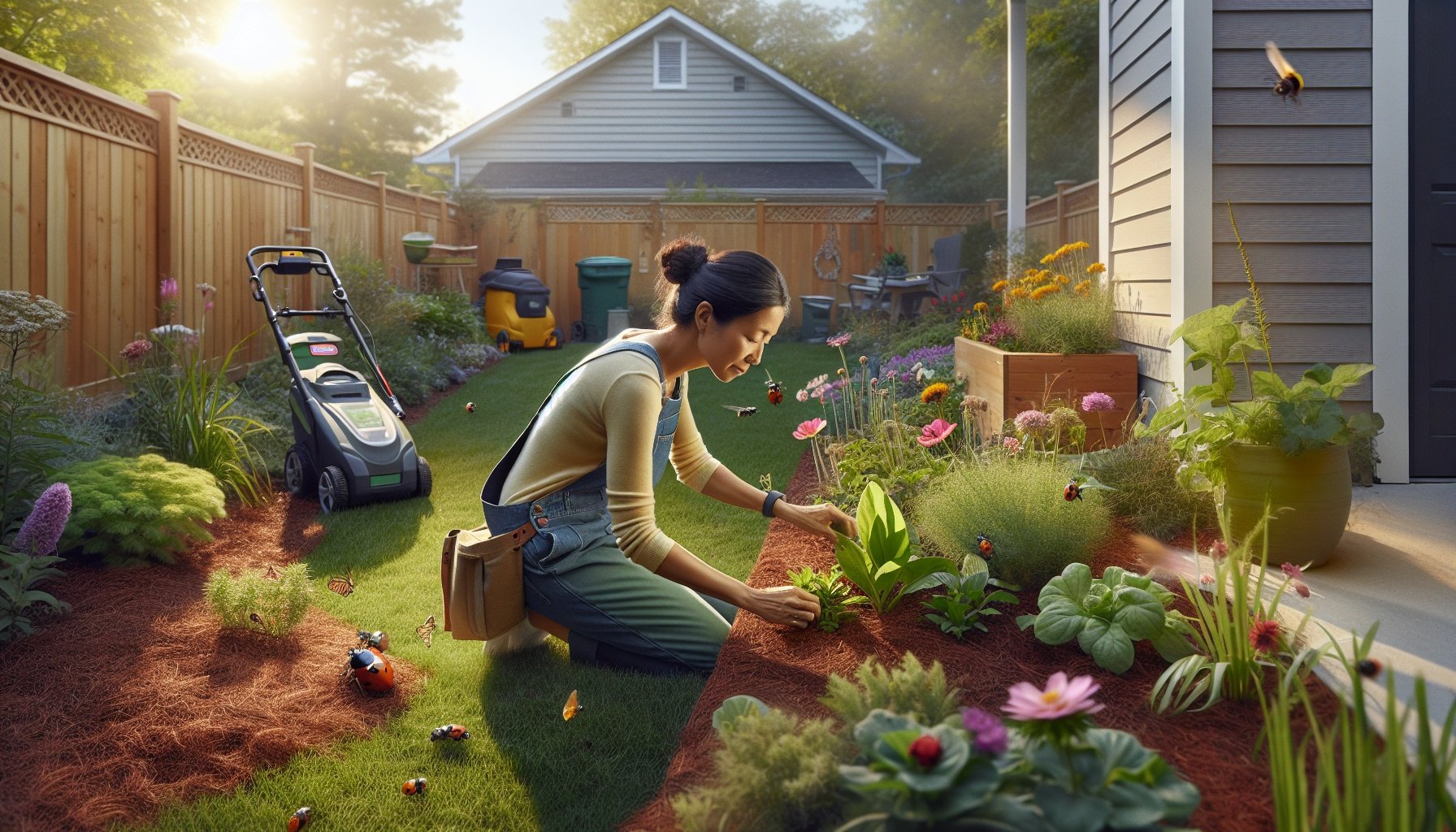
Thoughtful grading and plant choices set the stage for a resilient yard; the next step is teaching the soil and water systems to work just as efficiently. Water-efficient irrigation does more than cut back on runoff and high bills. Slow, targeted watering builds deep root systems, keeps turf and beds steadier through drought spells, and reduces disease pressure. Paired with compost, mulch, and gentle soil-building practices, moisture stays where plants need it instead of baking off in the Central Louisiana sun. Together, these habits turn every irrigation cycle into a chance to strengthen soil life and plant health.
Interesting Fact: The global landscaping market is projected to grow from USD 123.6 billion in 2024 to USD 172.9 billion by 2030, driven by demand for eco-friendly yard maintenance strategies in suburban developments.
Source: Petrus Landscaping
Installing drip irrigation, soaker hoses, and smart timers to cut water waste in hot, humid seasons
Drip irrigation and soaker hoses deliver water slowly at the soil surface, matching the pace roots actually absorb moisture in hot, humid seasons. Emitters can be placed along shrub borders, vegetable beds, and around young trees, feeding the root zone instead of wetting sidewalks, fences, or foliage. This targeted watering keeps leaves drier, which helps limit fungal problems that thrive in sticky Louisiana-style heat. Smart timers take the system further by syncing schedules with local weather data and soil-moisture sensors, skipping irrigation after heavy thunderstorms and shortening run times during cloudy stretches. Grouping plants with similar water needs on the same zone lets timers run just long enough for deep soaking, supporting strong root systems while trimming monthly water bills and strain on local supplies.
Building healthy soil with compost, mulching, and reduced tilling to retain moisture naturally
Healthy soil acts like a sponge, holding onto every drop delivered by drip irrigation or soaker hoses. Adding compost builds organic matter that improves soil structure, allowing roots to dig deeper and access stored moisture between waterings. A 2–3 inch layer of mulch—such as shredded bark, pine straw, or chopped leaves—shades the soil, slows evaporation, and keeps temperatures more stable during heat waves. Reduced tilling protects soil life like earthworms and beneficial microbes, which create natural channels for air and water. Limiting disturbance also prevents the breakdown of soil aggregates that store moisture. Together, compost, mulch, and gentle cultivation support drought-tolerant turf and planting beds that need less irrigation and bounce back faster after dry spells.
Interesting Fact: In arid southwestern U.S. regions, xeriscaping strategies using drought-resistant natives cut yard water needs by 75%, promoting water security amid growing climate challenges.
Source: Discover Sustainability Journal
Collecting and directing rainwater with barrels, swales, and grading that fits local rainfall patterns
Rain falling off roofs and hard surfaces becomes a free water source when captured and guided instead of sent straight to the street. Rain barrels or cisterns installed at downspouts store roof runoff for later use with drip irrigation or soaker hoses, cutting demand on municipal or well water. Grading the yard with a gentle slope moves excess water toward planting beds instead of foundations or driveways. Shallow swales—wide, low ditches lined with mulch or deep-rooted plants—slow runoff so it soaks into compost-rich soil rather than washing away. Matching swale size and barrel capacity to local rainfall patterns prevents overflow, reduces erosion, and keeps moisture available for native plants during dry spells, strengthening long-term yard resilience.
Organic Pest Management and Eco-Friendly Yard Care
As soil, plants, and water begin working together as a stable system, daily yard care decisions start to matter just as much as the design. Sustainable yard maintenance strategies focus on long-term environmental health by integrating water-efficient irrigation and organic pest control methods. Instead of relying on harsh chemicals, organic pest management encourages strong plant health, natural predators, and balanced ecosystems that keep damage in check. Eco-friendly yard care also favors electric tools, smart mowing heights, and Mulching practices that protect soil life and cut down on waste. These choices create a cleaner, safer outdoor space for people, pets, and local wildlife alike.
Keep in Mind: AI-powered smart irrigation systems in 2025 yards adjust water usage based on real-time weather data, conserving up to 50% more water compared to traditional methods in drought-prone regions.
Source: Sustainability Magazine
Encouraging beneficial insects, birds, and pollinators with habitat zones and native flowers
Habitat zones turn a basic lawn into a living support system that works alongside water‑smart and soil‑building practices. Grouped plantings of native flowers, grasses, and shrubs create shelter, nesting spots, and steady food sources for ladybugs, lacewings, birds, and pollinators that naturally keep pest populations in check. Coneflower, black‑eyed Susan, butterfly weed, and native milkweed offer nectar and pollen through long blooming seasons, while shrubs like beautyberry and yaupon holly provide berries and cover. Layered zones—with taller trees, mid‑height shrubs, and low flowering groundcovers—offer habitat at different heights, reducing the need for chemical sprays. Small brush piles, shallow water dishes with stones, and a corner left a bit “wild” help beneficial species stay active and protect the landscape.
Controlling weeds and pests with organic products, manual methods, and proper plant spacing
Controlling weeds and pests starts with simple, low‑impact tools and smart planting patterns. Hand‑pulling weeds after rain, using a stirrup hoe, and mulching 2–3 inches deep around beds block light and stop many invaders before they spread. Vinegar‑based sprays, insecticidal soap, and neem oil target soft‑bodied insects and mildew without leaving harsh residues that disrupt habitat zones. Floating row covers shield tender vegetables from beetles and moths while still allowing air and light. Proper plant spacing keeps foliage dry and open, making it harder for fungal diseases, aphids, and slugs to take hold. Grouped native plants with enough breathing room form dense, healthy cover that shades soil, crowds out weeds, and supports the beneficial insects already working in the yard.

Using electric or low-emission equipment and seasonal maintenance schedules to reduce noise and pollution
Electric mowers, string trimmers, and blowers cut emissions and reduce noise compared with gas‑powered models, making yard care less stressful for nearby homes and wildlife. Battery equipment works well with earlier soil‑building and plant‑grouping strategies, since healthier, slower‑growing turf and native beds need shorter, quieter sessions. Seasonal maintenance schedules add another layer of efficiency. Blades sharpened at the start of spring and fall reduce engine strain and improve cuts, lowering disease risk without extra chemicals. Leaf cleanup batched into weekly sessions during peak drop avoids daily blower use, and grass kept at a consistent height needs less frequent trimming. Coordinated timing, cleaner equipment, and resilient plantings combine into a yard that runs quietly and cleanly through every season.
Conclusion
Sustainable yard maintenance strategies focus on long-term environmental health by integrating water-efficient irrigation, soil-building habits, and thoughtful everyday care. Deep, targeted watering, rich compost, and mulch work together to strengthen roots, lock in moisture, and help landscapes stay steady through Central Louisiana heat and surprise dry spells. Simple routines like smart mowing, careful cleanups, and low-impact weed control keep outdoor spaces inviting while protecting local waterways, soil life, and native wildlife.
Step by step, each greener choice turns an ordinary yard into a healthier, more resilient landscape that looks good, functions well, and supports the surrounding community. Now is the perfect time to start small, stay consistent, and let sustainable yard care grow into a natural part of every season.
Frequently Asked Questions
- What is sustainable yard maintenance, and how is it different from regular yard care?
- Sustainable yard maintenance focuses on keeping a yard healthy while using fewer resources, reducing waste, and supporting local ecosystems. Instead of chasing a perfect, golf-course-style lawn, it aims for a balanced, low-impact outdoor space.
Key differences from regular yard care:
– Water use: Sustainable maintenance relies on efficient watering methods like drip irrigation, rain barrels, and watering early or late in the day, instead of frequent, shallow watering with traditional sprinklers.
– Chemicals: It uses little to no synthetic fertilizers, herbicides, or pesticides. Natural options like compost, mulch, and integrated pest management (IPM) replace heavy chemical use.
– Plant choice: It favors native plants, drought-tolerant species, and climate-appropriate grasses instead of high-maintenance, thirsty plants that struggle in the local environment.
– Soil health: It focuses on building rich, living soil through compost, grasscycling (leaving clippings on the lawn), and reduced tilling instead of ignoring soil conditions.
– Wildlife support: It welcomes beneficial insects, birds, and pollinators instead of trying to eliminate every bug or wild visitor.The goal is a yard that looks good, functions well, and supports a greener, healthier home with less work and waste over time.
- How can a yard be more water-efficient without letting the grass and plants die?
- Water-efficient yard maintenance is possible with a few simple changes that keep plants healthy while cutting water use.
Effective strategies include:
– Deep, infrequent watering: Water less often but for longer periods so moisture reaches 6–8 inches deep. This encourages deeper roots and stronger plants that can handle dry spells.
– Watering at the right time: Early morning or late evening watering reduces evaporation and helps water soak into the soil instead of evaporating in the midday sun.
– Mulching garden beds: A 2–3 inch layer of organic mulch (like wood chips, pine straw, or shredded leaves) helps soil hold moisture, keeps roots cooler, and reduces how often watering is needed.
– Choosing drought-tolerant and native plants: Native plants and region-appropriate grasses are adapted to local climates and need less water once established.
– Adjusting mower height: Grass cut at about 3 inches shades the soil better and holds moisture longer than very short grass.
– Fixing leaks quickly: Dripping hoses, loose fittings, and broken sprinkler heads waste large amounts of water over time.
– Collecting rainwater: Rain barrels or cisterns store water from roofs for later use on plants and lawns.Using these methods supports a green, thriving yard while cutting monthly water use and helping conserve local water resources.
- What are some easy ways to reduce chemicals in yard care?
- Chemical use can be reduced step by step without giving up a healthy yard.
Straightforward changes include:
– Switching to compost for feeding plants: Compost and compost tea add nutrients and beneficial microbes naturally, improving soil structure and plant health without synthetic fertilizers.
– Spot-treating weeds instead of blanket spraying: Pulling weeds by hand, using a weeding tool, or spot-applying treatments focuses effort only where needed.
– Using mulch for weed control: Mulch blocks sunlight, reduces weed growth, holds moisture, and adds organic matter as it breaks down.
– Overseeding and thickening the lawn: A dense lawn leaves little space for weeds to take hold, reducing the need for herbicides.
– Trying natural pest controls: Ladybugs, lacewings, and birds help control pests. Neem oil, insecticidal soaps, and Bt (Bacillus thuringiensis) can handle many problems with less impact on beneficial insects.
– Practicing integrated pest management (IPM): IPM starts with identifying the pest, checking damage levels, and choosing the least harmful method first, such as cultural changes, barriers, or traps.
– Improving soil health: Healthy soil grows stronger plants that resist disease and bugs naturally, cutting the need for fungicides and insecticides.By focusing on soil, plant health, and targeted treatments, a yard can stay beautiful while keeping chemical inputs low.
- How do native plants make a yard more sustainable?
- Native plants play a big role in sustainable yard maintenance because they are adapted to the local climate, soils, and wildlife.
Benefits of using native plants include:
– Lower water needs: Native plants usually need less irrigation once established because they evolved to thrive in local rainfall patterns.
– Fewer chemicals: These plants tend to resist local pests and diseases better, so they need fewer pesticides and special treatments.
– Support for pollinators and wildlife: Native flowers, shrubs, and trees provide nectar, seeds, and shelter for bees, butterflies, birds, and beneficial insects.
– Healthier soil: Deep root systems in many native plants improve soil structure, reduce erosion, and help store carbon.
– Less maintenance over time: Because they are naturally suited to local conditions, they often require less pruning, fertilizing, and babying.
– Resilience to local weather extremes: Native plants are more likely to survive heat waves, cold snaps, and local pests that might stress non-native ornamentals.Adding even a few native plants to beds, borders, and lawn edges can increase biodiversity and make the entire yard more resilient and sustainable.
- Can a yard be eco-friendly and still have a lawn area for kids and pets?
- An eco-friendly yard can still include a comfortable lawn area for play, pets, and gatherings. The key is a smarter, scaled-back approach.
Helpful strategies include:
– Right-size the lawn: Reducing lawn area and adding more planting beds, trees, or groundcovers lowers water and fertilizer needs while keeping a usable play space.
– Choosing climate-appropriate grass: Warm-season grasses in hot regions and cool-season grasses in cooler areas perform better and need fewer resources.
– Mowing higher and less often: Grass around 3 inches tall shades the soil, supports deeper roots, and stays healthier with less water and fertilizer.
– Grasscycling clippings: Leaving grass clippings on the lawn returns nutrients to the soil, reducing the need for synthetic fertilizer.
– Using eco-friendly equipment: Electric mowers, trimmers, and blowers cut emissions and noise compared to gas-powered tools.
– Creating durable play zones: For high-traffic spots, mulch paths, stepping stones, or hardy groundcovers can reduce worn-out patches and constant reseeding.This balanced approach keeps a functional lawn for kids and pets while still supporting sustainable yard maintenance goals.
- How does sustainable yard maintenance help local wildlife and pollinators?
- Sustainable yard maintenance turns outdoor spaces into mini habitats that support birds, bees, butterflies, and other important wildlife.
Key ways it helps local creatures include:
– Planting diverse flowers and shrubs: A mix of blooming plants across seasons provides steady nectar and pollen for bees, butterflies, and other pollinators.
– Using native species: Native plants supply food and nesting materials that local wildlife evolved to depend on.
– Reducing or eliminating pesticides: Fewer chemicals means safer conditions for beneficial insects, songbirds, and amphibians.
– Leaving some natural elements: Brush piles, leaf litter in select areas, and dead wood (where safe) create shelter and overwintering spots for insects and small animals.
– Adding water sources: Birdbaths, shallow dishes with stones, or small water features offer safe drinking and bathing spots.
– Providing cover and nesting sites: Dense shrubs, trees, and tall grasses give wildlife places to hide from predators and harsh weather.These practices create a healthier, more vibrant outdoor environment while supporting biodiversity right at home.
- What are some first steps for starting a more sustainable yard maintenance routine?
- Starting a more sustainable yard routine works best with small, steady changes rather than a complete overhaul.
Practical first steps include:
– Test the soil: A simple soil test reveals pH and nutrient levels, guiding smarter fertilizer and amendment decisions.
– Switch to mulching: Mulching beds and tree rings with organic material reduces weeds, holds moisture, and improves soil structure.
– Adjust mowing habits: Raising the mower height and sharpening blades promotes thicker, healthier grass and reduces stress on the lawn.
– Begin composting: kitchen scraps and yard waste can be turned into compost that feeds plants naturally and reduces landfill waste.
– Replace a small area with native plants: Converting even one bed or border to native perennials and shrubs starts the shift toward a more resilient landscape.
– Set up efficient watering: Soaker hoses, drip irrigation, or a simple schedule that waters deeply and less often can dramatically cut water use.
– Reduce chemical dependence: Phase out broad, routine treatments and focus on spot-treating issues or using natural alternatives.These early actions lay the foundation for a greener, healthier yard that becomes easier and more rewarding to maintain over time.
Categories
Home Improvement Tips & Tricks