Sustainable Homestead Living Essentials for Eco-Friendly Homes
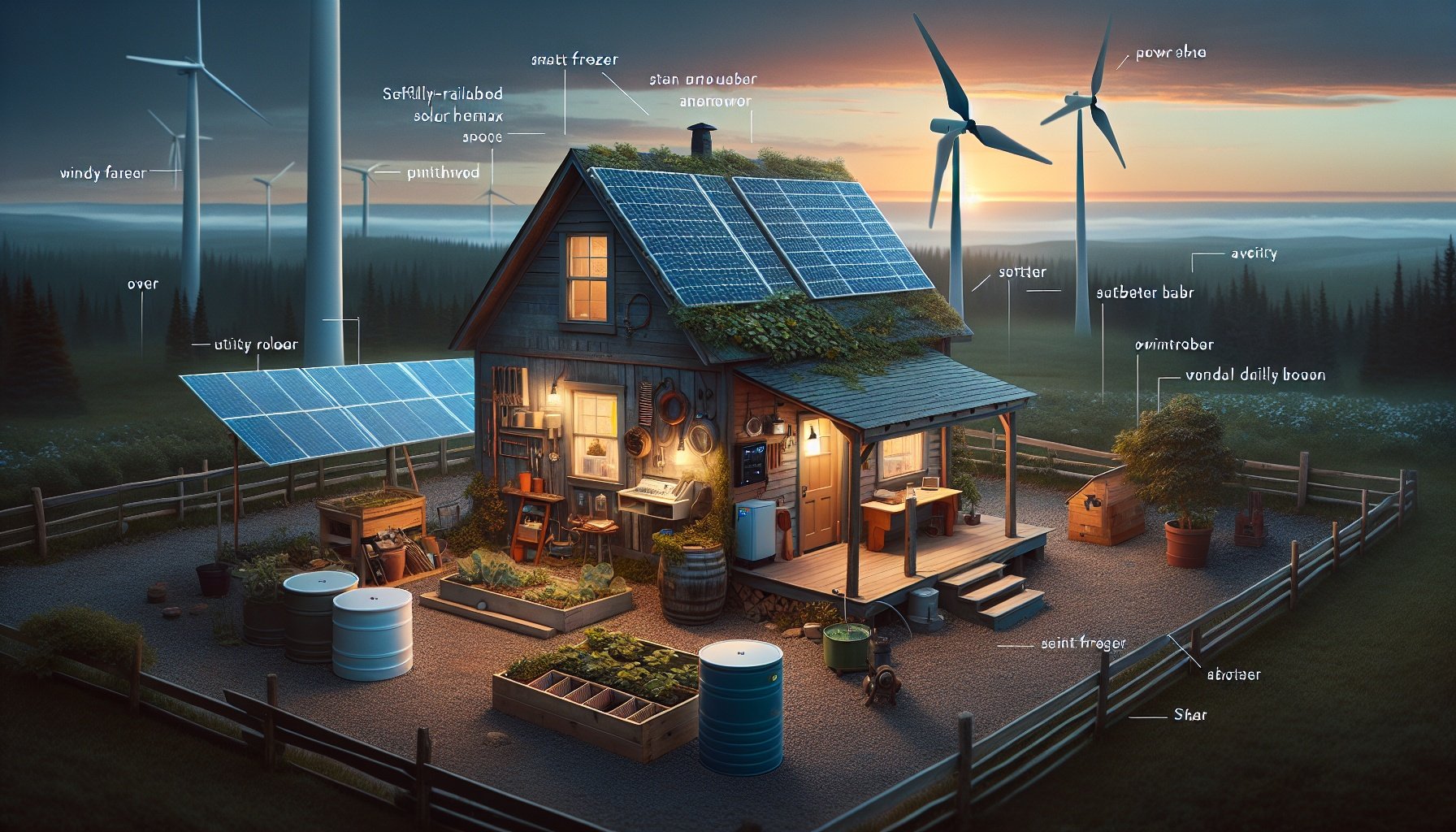
Sustainable homestead living turns everyday routines into chances to protect the land, cut waste, and live with intention. A modern eco-friendly home can run on smart tools and simple habits that work with nature instead of against it. Power, water, clothing, food, and shelter all become part of a balanced system, where each choice supports self-sufficiency and long-term health for both people and the environment.
Quick Navigation:
Eco-Friendly Energy and Power Solutions for the Homestead | Sustainable Kitchen and Household Essentials | Natural Materials, Clothing, and Land Stewardship Tools | Frequently Asked Questions
Sustainable homestead living essentials focus on eco-friendly tools and practices that support self-sufficiency without harming the environment. These items include reusable kitchenware, solar-powered gadgets, and natural fiber clothing that reduce waste and promote longevity. By incorporating such essentials, individuals can create a balanced lifestyle that aligns with environmental stewardship and practical homesteading principles.
From solar-charged workdays on the property to low-waste cooking in a well-organized kitchen, every piece of equipment has a job to do. Thoughtful energy systems keep lights on and tools running with less strain on the grid. Durable, low-impact materials protect the home from Central Louisiana heat, humidity, and storms while keeping indoor spaces comfortable and efficient. Out in the garden and fields, well-chosen land care tools protect soil, water, and local wildlife so the homestead stays productive year after year.
Each sustainable choice builds on the next, forming a resilient homestead that feels grounded, efficient, and ready for the future, whether tucked under the pines near Kisatchie National Forest or sitting just outside Alexandria city limits.
Eco-Friendly Energy and Power Solutions for the Homestead
Sustainable homestead living essentials extend beyond daily tools into thoughtful energy and power choices that keep a property running strong. Eco-friendly power systems support self-sufficiency by turning natural resources into steady, dependable electricity. Solar arrays, compact wind units, and battery storage can be combined to handle everyday needs while easing fuel use and utility dependence. Smart inverters, efficient wiring, and backup options keep freezers, well pumps, and workshop tools working when storms roll through. By planning energy systems around local weather patterns and household rhythms, each homestead can build a reliable, low-impact power setup that fits every corner of the property.
Solar-powered lighting, tools, and off-grid charging stations for daily homestead work
Solar-powered lighting, tools, and off-grid charging stations turn daily homestead work into a low-impact routine. Motion-sensor path lights guide chores at dawn and dusk, while bright LED shed and barn lights run from compact solar panels and rechargeable batteries. Cordless solar-charged tools—such as hedge trimmers, leaf blowers, and small chainsaws—cut fossil fuel use and reduce noise around gardens and livestock. Portable, weatherproof charging stations keep phones, radios, headlamps, and electric fencing units powered during grid outages. Foldable solar panels can move from the porch to the pasture, supporting activities like irrigation setup, fence repairs, or market prep. Layered together, these systems keep essential work moving without constant fuel runs or dependence on distant power plants.
Energy-efficient appliances and gadgets that reduce load on home electrical systems
Energy-efficient appliances and gadgets keep homestead power systems from being overworked while stretching every watt of solar or grid energy. High-efficiency refrigerators, induction cooktops, and heat-pump clothes dryers use far less electricity than older models, lowering daily demand. LED grow lights, smart thermostats, and ENERGY STAR ceiling fans help manage heating, cooling, and food production with minimal draw. Smart power strips cut “phantom” loads from chargers and electronics when not in use, protecting batteries and inverters from unnecessary strain. Low-watt well pumps, pressure-boosting systems, and variable-speed motors smooth out heavy start-up surges. Together with solar-powered tools and chargers, these efficient devices create a balanced, low-impact electrical system that supports long-term self-sufficiency on the homestead.
Rain, wind, and backup power options to support sustainable and reliable energy use
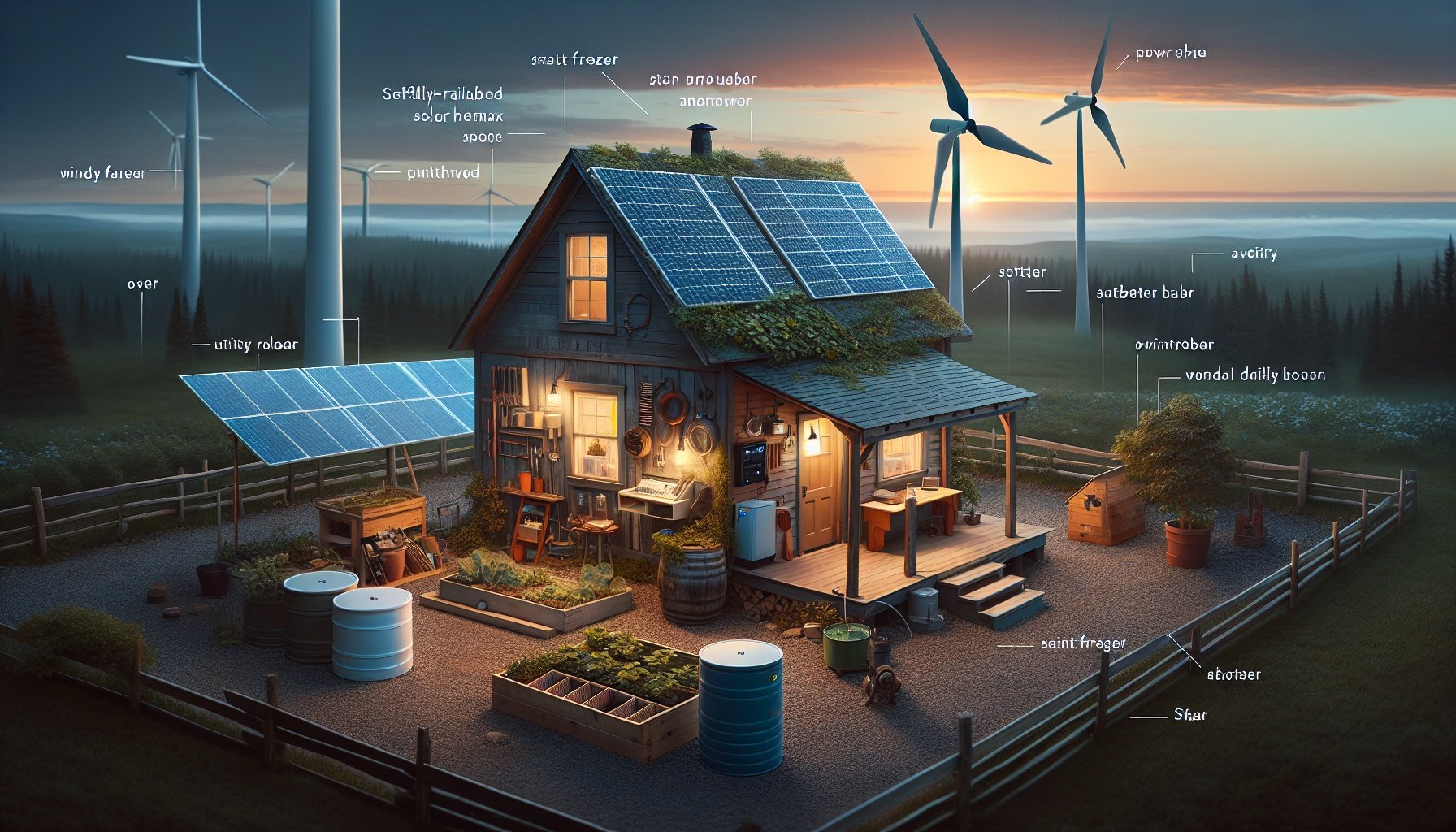
Rain and wind power round out homestead energy systems when sun is low or demand spikes. Small wind turbines on open ridges or fields harvest steady breezes, feeding battery banks that also serve solar arrays. Rainwater catchment from roofs supports micro-hydro options on sloped land with year-round flow, sending quiet, continuous power to charge stations and low-watt appliances. Where water flow is seasonal, hybrid systems combine solar, wind, and portable battery units for flexible use around barns, sheds, and workshops. Backup options such as lithium battery walls, propane or biodiesel generators, and inverter-integrated transfer switches keep freezers, well pumps, and essential lighting running without wasting fuel or overtaxing the main system, creating a resilient, low-impact power backbone for the homestead.
Sustainable Kitchen and Household Essentials
Sustainable homestead living keeps building strength inside the home, especially in the kitchen and everyday household routines. Beyond power systems and sturdy building materials, smart choices at the sink, stove, and storage cabinet help cut hidden waste and chemical exposure. Compost-friendly tools, low-toxicity cleaning supplies, and long-lasting food storage containers support healthier meals and cleaner indoor air. Thoughtful dishwashing habits, efficient cooking methods, and mindful laundry setups also reduce water and energy use without sacrificing comfort. Together, these sustainable kitchen and household essentials turn simple daily tasks into steady support for an eco-friendly homestead lifestyle.
Reusable kitchenware, food storage, and low-waste cooking tools for everyday homestead meals
Reusable kitchenware and smart food storage keep daily homestead meals low-waste and practical. Sturdy cast-iron skillets, stainless steel baking sheets, and glass or ceramic casserole dishes handle heavy use without coatings that break down or flake off. Cloth napkins, dish towels, and beeswax wraps replace disposable paper goods and plastic film while still protecting food and keeping surfaces clean. Glass jars, metal tins, and silicone bags store pantry staples, leftovers, and garden produce, cutting down on single-use containers. Simple tools like hand-crank grinders, manual food mills, and stainless steel strainers reduce reliance on electric gadgets and handle canning and preserving with less energy. Together, these durable items support everyday cooking routines that match long-lasting power systems and low-impact homestead habits.
Composting systems, scrap management, and natural cleaning supplies for a healthier home
Composting systems turn kitchen scraps into rich soil, closing the loop on daily cooking and cleaning. Simple backyard bins, worm composting setups, or covered pile systems handle fruit peels, coffee grounds, eggshells, and garden trimmings with ease. Clear scrap management—collecting organic waste in a countertop pail, separating bones and fats, and rinsing recyclables—keeps odors down and pests away while reducing trash volume. Natural cleaning supplies support this low-tox routine. Basic staples such as vinegar, baking soda, castile soap, and lemon work for counters, sinks, and floors without harsh chemicals. Refillable glass spray bottles, compostable brushes, wooden dish scrubbers, and reusable cloths tie everything together, keeping the homestead healthier for both residents and the surrounding land.
Water-saving fixtures and filtration setups for safe, efficient household water use
Water-saving fixtures and filtration setups keep a homestead’s water clean, efficient, and dependable. Simple upgrades like low-flow aerators on kitchen faucets, dual-flush or high-efficiency toilets, and WaterSense-rated showerheads cut daily consumption without sacrificing comfort. Under-sink carbon block filters, gravity-fed countertop systems, and whole-house sediment filters remove chlorine, rust, and common contaminants, protecting cast-iron cookware and natural cleaning routines from mineral buildup. Rainwater catchment barrels fitted with screens and first-flush diverters pair well with basic inline filters for safe garden and tool-washing use. For drinking water resilience, gravity filters, ceramic elements, or UV purifiers support off-grid setups when paired with clean storage containers, helping a homestead stretch each gallon while keeping every pot, pan, and plate supplied with safe water.
Natural Materials, Clothing, and Land Stewardship Tools
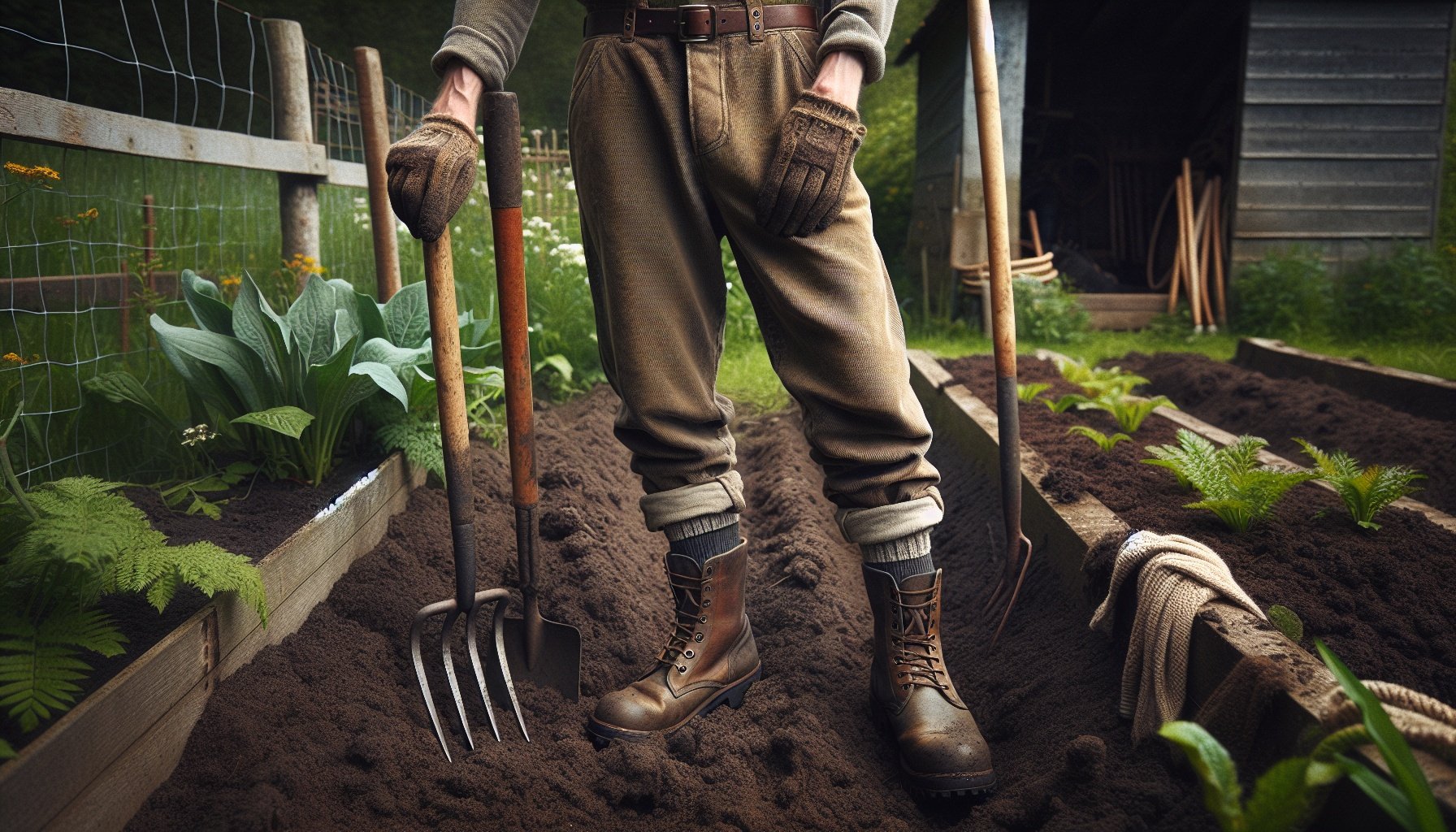
Reliable clean energy sets the stage, but everyday homestead life depends on what gets worn, handled, and used out on the land. Natural materials and thoughtfully chosen clothing keep skin, soil, and waterways free from harsh chemicals, while lasting longer than disposable, synthetic options. Simple gear like hemp work pants, organic cotton layers, and wool socks pairs well with tools made from responsibly sourced wood, leather, and metal. Hand tools that build soil health—such as broadforks, compost spreaders, and low-impact weeders—support land stewardship with less noise, less fuel, and more care, leading directly into the key material, clothing, and tool choices below.
Natural fiber clothing and durable workwear suited to Central Louisiana’s climate
Natural fiber clothing and workwear handle Central Louisiana’s hot, humid summers and mild, damp winters far better than synthetics. Breathable fabrics like organic cotton, hemp, and linen pull sweat away from skin and dry faster, cutting down on odor and the need for constant washing. Hemp-cotton blends make tough work shirts and pants that stand up to clearing brush, tending gardens, and caring for animals around places like Alexandria or pineville. Lightweight, tight-weave long sleeves and pants protect from mosquitoes in the Kisatchie National Forest while staying cooler than heavy canvas. Wool socks and flannel layers stay comfortable on chilly mornings without trapping moisture. Choosing undyed or low-dye garments supports low-toxicity laundry habits and fits seamlessly with other low-impact homestead routines.
Eco-friendly building materials, insulation, and finishes for long-lasting homestead structures
Eco-friendly building materials keep homestead structures sturdy while reducing long-term environmental impact. Locally sourced lumber from managed forests, reclaimed barn wood, and bamboo minimize transport emissions and support responsible forestry. Natural insulation such as dense-pack cellulose, sheep’s wool, and cork regulates indoor temperatures, cutting energy use during Central Louisiana’s long hot season and mild winter chills. These materials also help manage moisture, reducing mold and rot. Clay plasters, limewash, and low- or zero-VOC paints create durable wall finishes that allow walls to breathe instead of trapping humidity and chemicals. Natural oil finishes like tung or linseed protect wood floors, doors, and trim, extending service life so fewer repairs, replacements, and resources are needed over time.
Low-impact gardening and land care tools that protect soil, wildlife, and local ecosystems
Low-impact gardening and land care tools keep homestead soil, wildlife, and nearby waterways healthier over the long term. Hand tools such as broadforks, digging forks, and stirrup hoes loosen and weed soil without the deep disruption caused by tillers, helping soil microbes, worms, and beneficial fungi stay intact. Mulching mowers, scythes, and hand pruners manage grass and brush without gas engines, cutting noise, emissions, and stress on wildlife. Rainwater-friendly gear like soaker hoses, drip irrigation, and rain barrels reduces runoff and erosion while protecting bayous, ditches, and streams from sediment and chemicals. Compost bins, leaf shredders, and rake-and-mulch systems turn yard debris into living soil, supporting healthy root systems, pollinator plants, and small habitat zones across the homestead.
Conclusion
Sustainable homestead living essentials focus on eco-friendly tools and practices that support self-sufficiency without harming the environment. Thoughtful choices in power planning, food preparation, cleaning routines, and clothing create a steady rhythm of care for both home and land. Reusable kitchenware, low-toxicity cleaners, and durable storage keep waste and chemical exposure low, while natural fiber layers and long-lasting gear support comfort and reliability through every season.
Each mindful swap, from efficient cooking habits to low-impact tools, builds a homestead that feels grounded, healthy, and resilient. Small, consistent upgrades turn everyday routines into lasting stewardship. The next home project, purchase, or habit can always lean a little greener, moving the entire homestead closer to a balanced, truly eco-friendly way of living.
Frequently Asked Questions
- What is sustainable homestead living and how is it different from regular home living?
- Sustainable homestead living focuses on using land, water, and energy in ways that protect natural resources and reduce waste over the long term. A regular home may rely mostly on public utilities and store-bought goods, while a sustainable homestead aims to:
– Produce more food at home through gardens, fruit trees, and sometimes small livestock
– Use less grid energy by improving insulation, adding solar, or using efficient heating and cooling
– Collect and conserve water through rain barrels, drip irrigation, and low-flow fixtures
– Reduce trash by composting, reusing materials, and buying less packagingThe goal is not to live without modern comforts, but to make daily routines support the land instead of depleting it. Even small steps, like growing herbs on a balcony or switching to LED lights, follow the same homestead mindset on a smaller scale.
- What are the essential elements of an eco-friendly homestead?
- A strong eco-friendly homestead usually centers around a few key systems that work together:
1. Soil and garden health
– Healthy soil built with compost, mulch, and minimal chemicals
– Raised beds or in-ground gardens for vegetables and herbs
– Crop rotation and companion planting to reduce pests and disease2. Water management
– Rainwater collection in barrels or cisterns where allowed by local law
– Drip irrigation or soaker hoses to cut water waste
– Mulching beds to keep moisture in the soil3. Energy efficiency
– LED lighting, efficient appliances, and tight doors and Windows
– Smart thermostats, ceiling fans, and good insulation
– Solar panels or solar water heaters, when budget and location allow4. Waste reduction
– Compost bins for food scraps and yard waste
– Recycling and repurposing building materials and containers
– Buying durable, long-lasting products instead of disposables5. Local and homegrown food
– Seasonal planting to match the local climate
– Preserving harvests by canning, freezing, or dehydrating
– Buying what cannot be grown from local farms when possibleThese elements help a homestead run like a balanced system, where waste from one part often becomes a resource for another.
- How can a home start harvesting and conserving water in a sustainable way?
- Water is one of the most important pieces of a sustainable homestead. A simple plan often includes:
– Rainwater collection:
Roof runoff is directed into gutters and downspouts that feed rain barrels or larger cisterns. Screens and first-flush diverters help keep leaves and dirt out. Collected water is typically used for gardens, lawns, and cleaning outdoor tools, not for drinking unless treated.– Efficient irrigation:
Drip lines and soaker hoses send water directly to plant roots, cutting evaporation. Watering early in the morning or late evening reduces loss from sun and wind.– Soil moisture management:
Mulch, such as wood chips, leaves, or straw, holds moisture in the soil and keeps roots cooler. Healthy soil full of organic matter acts like a sponge and needs less frequent watering.– Indoor conservation:
Low-flow showerheads, faucet aerators, dual-flush toilets, and fixing leaks quickly all reduce water use without losing comfort.Before installing any system, it helps to check local rules on rainwater collection and graywater use, since regulations can vary from state to state.
- What role does composting play in sustainable homestead living?
- Composting is a core part of sustainable homestead living because it turns everyday waste into a powerful resource. Instead of sending kitchen scraps and yard waste to a landfill, composting transforms them into rich, dark material that feeds the soil.
Benefits of composting include:
– Less trash: Fruit peels, coffee grounds, eggshells, grass clippings, and dry leaves all stay on-site instead of filling trash cans.
– Healthier soil: Finished compost adds nutrients and beneficial microbes to garden beds, lawns, and landscaping.
– Better water retention: Compost helps soil hold moisture, so gardens need less watering.
– Lower fertilizer needs: With steady compost use, many gardens need fewer store-bought fertilizers.A simple compost system usually mixes “browns” (dry leaves, shredded cardboard, straw) with “greens” (food scraps, fresh grass, plant trimmings). The pile is kept slightly moist and turned now and then for air. Over time, the materials break down into crumbly compost that looks and smells like forest soil.
- How can a homestead reduce dependence on grid energy while staying comfortable?
- Reducing dependence on grid energy does not require giving up comfort. Most homesteads follow a three-step approach:
1. Cut energy waste first
– Seal gaps around doors and windows with weatherstripping and caulk
– Add attic and wall insulation where possible
– Use LED bulbs and turn off lights and electronics when not in use2. Run systems more efficiently
– Install programmable or smart thermostats for heating and cooling
– Use ceiling fans to improve comfort at slightly higher summer temperatures
– Choose ENERGY STAR appliances when replacements are needed3. Add renewable energy when ready
– Solar electric panels to offset part of the electric bill
– Solar water heaters to cut gas or electric water heating costs
– Small off-grid systems for sheds, barns, or remote parts of the propertyBy tackling efficiency first, any solar or renewable system installed later can be smaller, more affordable, and more effective.
- What are some beginner-friendly food production options for a sustainable homestead?
- Food production can start small and grow over time. Beginner-friendly options include:
– Container gardens:
Buckets, raised planters, and pots work well for herbs, salad greens, tomatoes, and peppers. This fits even small patios or porches.– Raised beds:
Simple wood-framed beds filled with good soil give strong results with less bending and better drainage. Beds can be added one at a time as budget and energy allow.– Perennial plants:
Berries, asparagus, rhubarb, and many herbs return year after year once established, reducing annual planting work.– Small fruit trees:
Dwarf apple, peach, pear, or citrus trees (where the climate allows) offer long-term harvests and shade.– Kitchen herb patch:
A small area for basil, rosemary, thyme, oregano, and chives cuts store-bought herbs and boosts flavor.Over time, many homesteads add larger gardens, food forests, or small livestock, but early success often comes from starting with a few easy crops that match the local climate and soil.
- How can a homestead stay eco-friendly while using modern materials and construction methods?
- Modern construction and eco-friendly homestead goals can work together when materials and designs are chosen carefully. Helpful strategies include:
– Efficient building design:
– Orienting main living spaces to capture natural light
– Adding roof overhangs, awnings, or porches for shade
– Placing windows to encourage cross-breezes and reduce cooling needs– Smart material choices:
– Durable Roofing, siding, and flooring that last longer and need less replacement
– Reclaimed wood, brick, or metal where available
– Low-VOC paints, sealers, and adhesives for healthier indoor air– Layered insulation and air sealing:
– Proper insulation in walls, attic, and floors to cut heating and cooling use
– Careful sealing around penetrations, outlets, and windows to prevent drafts– Integrated systems:
– Gutter systems designed for future rainwater capture
– Conduit runs planned for later solar panel installs
– Utility spaces placed for easy maintenance and upgradesBy blending solid construction practices with energy-efficient design and room for future improvements, a homestead can stay comfortable, modern, and kind to the land at the same time.
Categories
Home Improvement Tips & Tricks