
Spring Outdoor Spaces: Fresh Ideas for a Greener, Brighter Season
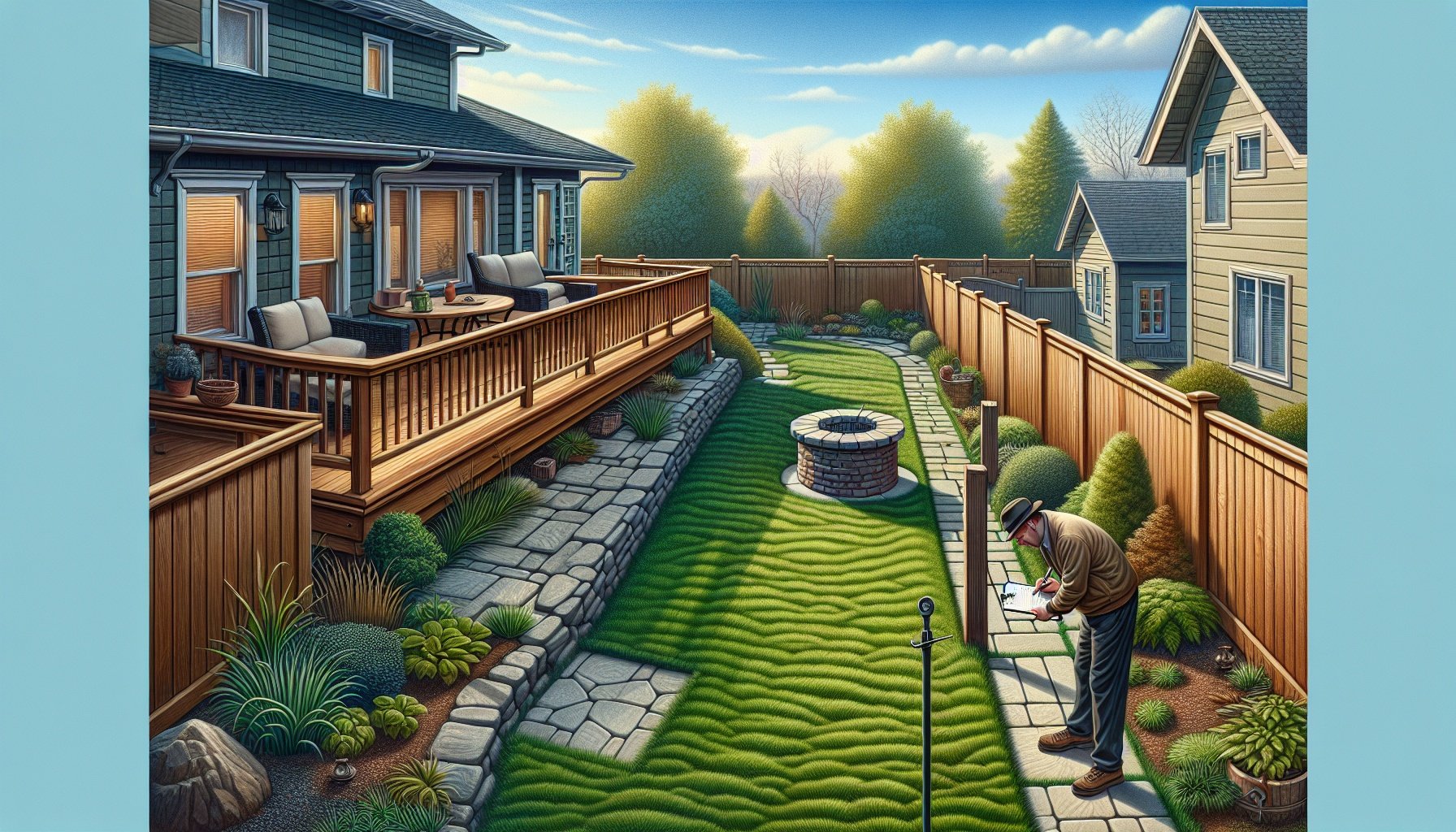
As winter fades, refreshing outdoor areas involves clearing debris and planting early bloomers to welcome warmer weather. Lawns, patios, and porches start to feel alive again once fallen branches are hauled away, surfaces are washed clean, and hidden damage from cold snaps and heavy rains gets uncovered. A simple scrub of a deck, a rinse of outdoor furniture, and a quick check of walkways and drainage can transform a dull, tired yard into a bright, safe space ready for longer days.
Quick Navigation:
Clearing, Cleaning, and Assessing Outdoor Areas After Winter | Planning and Planting for a Greener, Brighter Spring Landscape | Designing Comfortable, Sustainable Outdoor Living Zones | Frequently Asked Questions
Preparing outdoor spaces for spring renewal goes beyond basic cleanup, though. Thoughtful planting with native Central Louisiana favorites, colorful early flowers, and pollinator-friendly choices builds a greener, more vibrant landscape that feels fresh and inviting. Beds renewed with rich soil, clean edges, and a fresh layer of mulch support stronger roots, better moisture control, and healthier growth all season long. Layered plantings around porches and patios frame gathering spots with color, texture, and soft shade.
Incorporating sustainable elements like native plants and eco-friendly furniture enhances both aesthetics and environmental impact. Smart use of shade, lighting, and water-wise features brings comfort while keeping energy and maintenance in check. Simple additions such as cozy seating areas, flexible pathways, and small play or garden stations turn outdoor spaces into everyday living zones where morning coffee, spring cookouts, and evening conversations feel natural. This seasonal shift not only revitalizes patios and gardens but also encourages family gatherings in the fresh air, setting the stage for a greener, brighter season across every corner of the yard.
Clearing, Cleaning, and Assessing Outdoor Areas After Winter
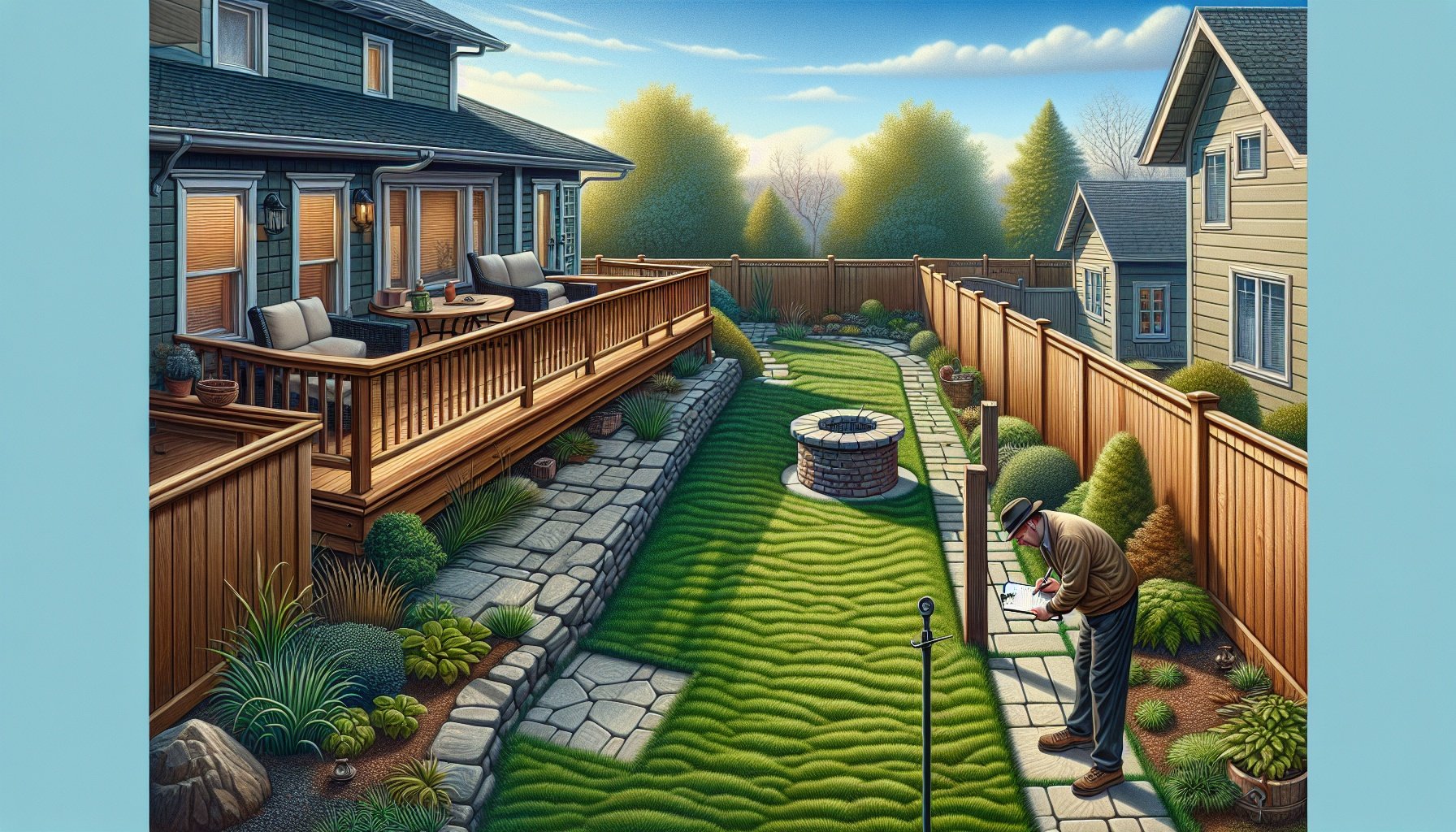
Once the first sweep and rinse are finished, outdoor areas benefit from a closer look that goes beyond surface cleanup. Hidden issues often show up after winter, like loose railings on a porch, wobbling pavers near a fire pit, or sagging fence posts along the property line. gutters, downspouts, and low spots in the yard can also hint at drainage problems that might cause future damage if left alone. Taking time to walk the property, check structures, and note any safety concerns sets the stage for targeted clearing, deeper cleaning, and smart repairs in each outdoor zone.
Quick Insight: The Pennsylvania Horticultural Society identifies planting fruit trees in backyards as a leading 2026 gardening trend, supporting local food production and biodiversity in residential outdoor spaces.
Source: Martha Stewart
Removing leaves, branches, and storm debris from lawns, beds, and hardscapes
Removing leaves, branches, and storm debris from lawns, beds, and hardscapes keeps all that earlier cleaning work from going to waste. Matted leaves on grass trap moisture and shade, so a light raking or leaf blower pass lets new blades stand up strong. In beds, hand-pick larger sticks, then use a rake or gloved hands to pull out packed leaf layers hiding around shrubs and early bloomers, so roots get air and spring rain can soak in. Along hardscapes like patios, driveways, and walkways, sweeping away twigs, acorns, and pine straw keeps edges sharp and prevents slip hazards. After a Central Louisiana thunderstorm, hauling off broken branches and bagging debris opens space for mulch, fresh plants, and outdoor furniture to shine.
Keep in Mind: 2026 outdoor living trends feature resilient materials and smart irrigation systems, increasing property values by up to 10% in regions with high demand for sustainable home enhancements.
Source: Ducono Design & Landscaping
Washing patios, decks, fences, and outdoor furniture for a brighter, safer space
Washing patios, decks, fences, and outdoor furniture lifts away the gray film winter leaves behind and makes every surface feel safer underfoot. A simple mix of mild soap and warm water works well for most concrete patios and vinyl fences, while a specialty deck cleaner helps pull mildew out of wood grain without stripping stain. Scrubbing railings, steps, and high-traffic spots loosens slick algae that can cause slips once spring rains arrive. For outdoor furniture, a soft brush and hose rinse clear pollen from metal frames and dust from cushions, helping fabrics dry faster in damp Louisiana air. Once everything is clean and dry, colors look richer, damage stands out more clearly, and the whole space feels ready for longer evenings outside.
Good to Know: AI-powered design tools emerge as a top trend in 2026 landscaping, enabling precise planning of outdoor spaces for optimal plant health and aesthetic renewal during spring preparations.
Source: Martha Stewart
Inspecting drainage, grading, and hard surfaces for winter damage and needed repairs
Inspecting drainage, grading, and hard surfaces after winter keeps all that cleaning work from being undone by hidden moisture problems. Low spots where water still lingers a day after rain often point to compacted soil or poor grading that sends runoff toward foundations instead of away. Simple fixes like adding topsoil, re-sloping mulch beds, or extending downspout drains help water move off lawns and patios instead of pooling. Cracks in concrete walks, loose pavers on garden paths, or heaving around driveway edges often trace back to freeze–thaw cycles and trapped water. Marking problem areas with flags or chalk and planning small repairs now prevents larger issues later and keeps spring gatherings safer and more comfortable across the entire outdoor space.
Planning and Planting for a Greener, Brighter Spring Landscape
Once early cleanup and quick touch-ups are finished, outdoor spaces are ready for a smarter game plan. Spring projects start to come together when plant heights, colors, and blooming times are mapped out instead of added at random. Beds feel more inviting when walkways, seating areas, and views from Windows guide where trees, shrubs, and flowers go. Sustainable choices expand past plant type to include rain collection, simple drip systems, and low-maintenance groundcovers that keep soil protected. With a clear layout, a basic sketch, and a planting schedule, each corner of the yard can support a greener, brighter spring landscape.

Choosing native Central Louisiana plants, early bloomers, and pollinator-friendly options
Choosing plants that already love Central Louisiana’s heat and humidity keeps spring landscapes healthier with less work. Native options like Louisiana iris, oakleaf hydrangea, southern wax myrtle, and dwarf yaupon holly handle wet spells and dry weeks without fuss. Mixing early bloomers such as azaleas, Carolina jessamine, and spider lilies brings color while patios and walkways are still warming up. These blooms wake up the yard just as families start grilling, gathering, and using outdoor spaces again. Adding pollinator-friendly plants like purple coneflower, coreopsis, bee balm, and native milkweed helps bees and butterflies thrive around decks, porches, and garden beds, creating a brighter spring setting that feels alive, stable, and ready for everyday use.
Quick Insight: UK’s Environmental Improvement Plan 2025 outlines strategies for enhancing outdoor green spaces to boost public health and environmental quality through community-driven renewal projects.
Source: GOV.UK
Refreshing garden beds with mulch, edging, and soil conditioning for healthy growth
Refreshing tired garden beds before planting creates a strong foundation for every Louisiana-friendly plant already selected. A clean edge along each bed, cut with a flat shovel or installed with simple steel or stone edging, keeps St. Augustine or centipede grass from creeping into planting areas and gives walkways, porches, and patios a crisp, finished look. A light soil conditioning step comes next: loosening compacted soil 4–6 inches deep, working in compost, pine bark fines, or aged manure to improve drainage and root growth. Once the soil is fluffed and leveled, a 2–3 inch layer of pine straw, shredded hardwood, or cypress mulch locks in moisture, cuts down on weeds, and keeps azaleas, Louisiana irises, and other spring performers growing strong all season long.
Creating layered planting plans around porches, patios, and walkways for color and shade
Layered planting turns porches, patios, and walkways into inviting green backdrops that stay interesting from early spring through fall. Taller trees or large shrubs like yaupon holly or bay magnolia sit farthest from seating, casting dappled shade across hard surfaces as the weather warms. Mid-layer plants such as oakleaf hydrangea, azaleas, and loropetalum fill the space at eye level, adding color and softening brick, concrete, or deck edges. Along walkways and porch steps, low-growing options like Louisiana iris, daylilies, dwarf mondo grass, and creeping thyme frame the path without blocking foot traffic. Mixing evergreen structure with seasonal bloomers keeps patios and front entries looking full and welcoming, even between major flowering bursts.
Designing Comfortable, Sustainable Outdoor Living Zones
As winter fades, refreshing outdoor areas means thinking beyond quick cleanups and basic repairs. Cozy, sustainable outdoor living zones start with smart layouts that blend shade, sunlight, and airflow, so patios and decks stay comfortable from cool mornings to warm Louisiana evenings. Layered seating, soft outdoor textiles, and low‑energy lighting help every corner feel inviting without wasting power. Choosing durable, eco‑friendly materials and native plant borders reduces upkeep while supporting local wildlife. With a thoughtful mix of comfort, efficiency, and style, outdoor spaces transform into relaxing, green-friendly extensions of the home that work beautifully all season long.
Arranging seating, shade, and lighting to support family gatherings and spring cookouts
Arranging outdoor seating works best when it fits natural traffic patterns between the kitchen, grill, and play areas. A sturdy dining table near the cooking zone keeps food close, while a separate lounge corner with weather-resistant cushions offers a relaxed spot for visiting after sunset. Shade from a pergola, retractable awning, or a row of fast-growing native trees keeps spring cookouts comfortable without overloading the air conditioner. Solar string lights, low-voltage path lights, and motion-sensor fixtures near steps create a safe, welcoming glow that uses less energy. Lanterns on tables and warm LED bulbs help evening gatherings feel cozy, allowing family and friends to linger comfortably as cooler spring nights roll in.
Worth Noting: In 2026, urban greening initiatives integrate green roofs and vertical gardens into city planning to enhance resilience against climate challenges and promote sustainable urban environments worldwide.
Source: Frontiers in Sustainable Cities
Adding eco-friendly materials, rain barrels, and low-water features for sustainable comfort
Adding eco-friendly materials, rain barrels, and low-water features for sustainable comfort starts with choosing surfaces and furniture that work with the environment, not against it. Composite decking made from recycled plastics, crushed gravel paths, and FSC-certified wood benches hold up to spring showers while cutting waste. A simple rain barrel tucked under a downspout collects free water for raised beds, containers, and fresh spring plantings, easing pressure on the hose during dry spells. Pairing that stored water with drip irrigation and soaker hoses keeps soil moist without overspray. Low-water features, such as a small recirculating fountain, rock riverbed, or gravel garden with native grasses, add the relaxing sound and look of water while using far less than a traditional pond or pool.
Pro Tip: Landscape designs in 2026 emphasize native plants and permeable surfaces to create healthier outdoor spaces that improve air quality and support local ecosystems in suburban and urban areas.
Source: McHale Landscape
Integrating pathways, fire pits, and small play or garden stations for flexible outdoor use
Integrating pathways, fire pits, and small play or garden stations for flexible outdoor use works best when each element supports everyday routines as well as weekend gatherings. Curved gravel or paver paths can guide foot traffic away from soggy lawn areas and connect key zones like the grill, vegetable beds, and a quiet reading corner. A compact fire pit with built-in seating turns cool spring evenings into relaxed hangouts, especially when paired with native shrubs that help block wind. Low fencing, stump seats, or a sand-and-stone corner can form a simple children’s play station, while raised beds or container groupings create a small garden station that doubles as a teaching spot, keeping outdoor time fun, useful, and easy to adapt as the season changes.
Conclusion
As winter fades, refreshing outdoor areas involves more than a quick cleanup. Thoughtful layouts, planned plant placement, and simple sketches help each corner of the yard work together, from walkways and seating areas to favorite window views. Intentional mapping of plant heights, colors, and blooming times builds a landscape that stays lively all season.
Sustainable touches like rain collection, drip irrigation, and low-maintenance groundcovers support healthy soil and save effort over time. Together with cozy, efficient, and eco-friendly design choices, patios and gardens become brighter, greener spaces that welcome family and friends into the fresh air. This spring is a perfect time to start small, stay intentional, and let every project move the whole property toward a more relaxed, resilient outdoor retreat.
Frequently Asked Questions
- What is the first step to prepare outdoor spaces for spring renewal after winter?
- The first step is a thorough clean‑up. Winter leaves behind fallen branches, compacted leaves, and built‑up dirt that can block new growth.
Basic early‑spring clean‑up steps:
– Remove branches, leaves, and dead annuals from beds and lawn.
– Rake matted leaves so grass can breathe and dry out.
– Clear debris from around the base of shrubs and trees.
– Clean out gutters and downspouts so spring rain drains away from patios and foundations.
– Sweep porches, decks, and walkways, then rinse with a hose or pressure washer on a gentle setting.A clean slate makes early bloomers easier to plant, helps prevent mold and disease, and shows which areas need repair or new plants.
- Which early‑blooming plants are best for a brighter, greener yard in spring?
- Early bloomers kick off color and make outdoor spaces feel alive long before summer heat arrives.
Popular early‑spring plants:
– Bulbs: Daffodils, tulips, crocus, and hyacinths add strong color and naturalize well.
– Perennials: Hellebores (Lenten rose), columbine, creeping phlox, and primrose handle cool weather.
– Flowering shrubs: Azaleas, camellias, forsythia, and spirea brighten borders and foundation beds.
– Flowering trees: Redbud, dogwood, and ornamental pears are classic southern spring standouts.
– Cool‑season annuals: Pansies, violas, snapdragons, and dianthus fill pots and entryways with lasting blooms.Choosing a mix of bulbs, perennials, and shrubs keeps color returning every spring with less replanting.
- How can lawn and soil be refreshed after winter for healthy spring growth?
- Lawn and soil need a jump‑start after cold, wet months. Healthy soil leads to thicker grass and stronger plants.
Key steps:
– Rake lightly to remove thatch, twigs, and heavy leaf layers.
– Aerate compacted ground so air, water, and nutrients can reach roots.
– Add compost or a thin layer of quality topsoil to garden beds and bare spots in the yard.
– Test soil pH if grass or plants struggled last year, then add lime or sulfur as recommended.
– Use a slow‑release, spring‑formulated fertilizer suited to the grass type.Avoid heavy traffic on soggy ground to prevent more compaction, and wait to mow until grass starts active growth.
- What outdoor maintenance tasks are most important before spring entertaining begins?
- A quick maintenance checklist keeps patios, decks, and gathering areas ready for crawfish boils, backyard barbecues, and family get‑togethers.
High‑priority tasks:
– Inspect decks, porches, and steps for loose boards, popped nails, or soft spots.
– Check railings and handrails for sturdiness and repair as needed.
– Wash outdoor furniture, cushions, and umbrellas; replace worn items.
– Clean and test outdoor lighting, replacing burnt‑out bulbs with energy‑efficient options.
– Service grills, outdoor kitchens, and fire pits; clear out old grease and ash.
– Prune branches hanging over seating or walkways.A few hours of attention early in the season makes outdoor spaces safer and more welcoming once spring gatherings start.
- How can outdoor spaces be made more eco‑friendly during a spring refresh?
- Spring offers a perfect chance to make outdoor areas greener in both color and environmental impact.
Simple eco‑friendly upgrades:
– Choose native plants that need less water and fertilizer and support local wildlife.
– Add a layer of mulch around trees and in beds to cut down on weeds and conserve moisture.
– Install a rain barrel to collect water for gardens and potted plants.
– Replace old halogen or incandescent landscape lights with LED fixtures or solar path lights.
– Use organic fertilizers and pest controls where possible.
– Leave a small patch of leaves or brush in a low‑traffic corner as habitat for pollinators and beneficial insects.These steps reduce maintenance, lower water use, and still keep outdoor spaces bright and inviting.
- When is the best time to prune shrubs and trees during spring preparation?
- Timing depends on the type of plant and when it blooms.
General pruning guidelines:
– Spring‑flowering shrubs (like azalea, forsythia, and camellia): Prune right after flowering, not before. Pruning too early can remove the buds that would have bloomed.
– Summer‑flowering shrubs (like crape myrtle and butterfly bush): Prune in late winter or early spring before new growth starts.
– Shade trees: Light pruning of dead, damaged, or crossing branches can be done in late winter through early spring.
– Roses: Prune most varieties in late winter or very early spring, removing dead canes and opening the center of the plant.Always remove dead, diseased, or dangerous limbs as soon as they are noticed, regardless of season.
- What simple upgrades can make patios and porches feel fresh for the new season?
- A few small changes can turn a tired outdoor area into a bright spring hangout.
Easy upgrades:
– Add containers filled with early bloomers near doors, steps, and seating areas.
– Refresh old planters with new potting mix and a mix of taller thrillers, mid‑level fillers, and trailing plants.
– Lay down a new outdoor rug to bring color and define a seating space.
– Swap out faded cushions and throw pillows for lighter, spring colors.
– String up warm‑white outdoor lights or lanterns for cozy evenings.
– Touch up railings, trim, or furniture with weather‑resistant paint or stain.These simple touches create a brighter, more welcoming space that feels ready for warmer days.
Categories
Home Improvement Tips & Tricks