
Solo Bedroom Sanctuary Ideas for Ultimate Relaxation and Comfort
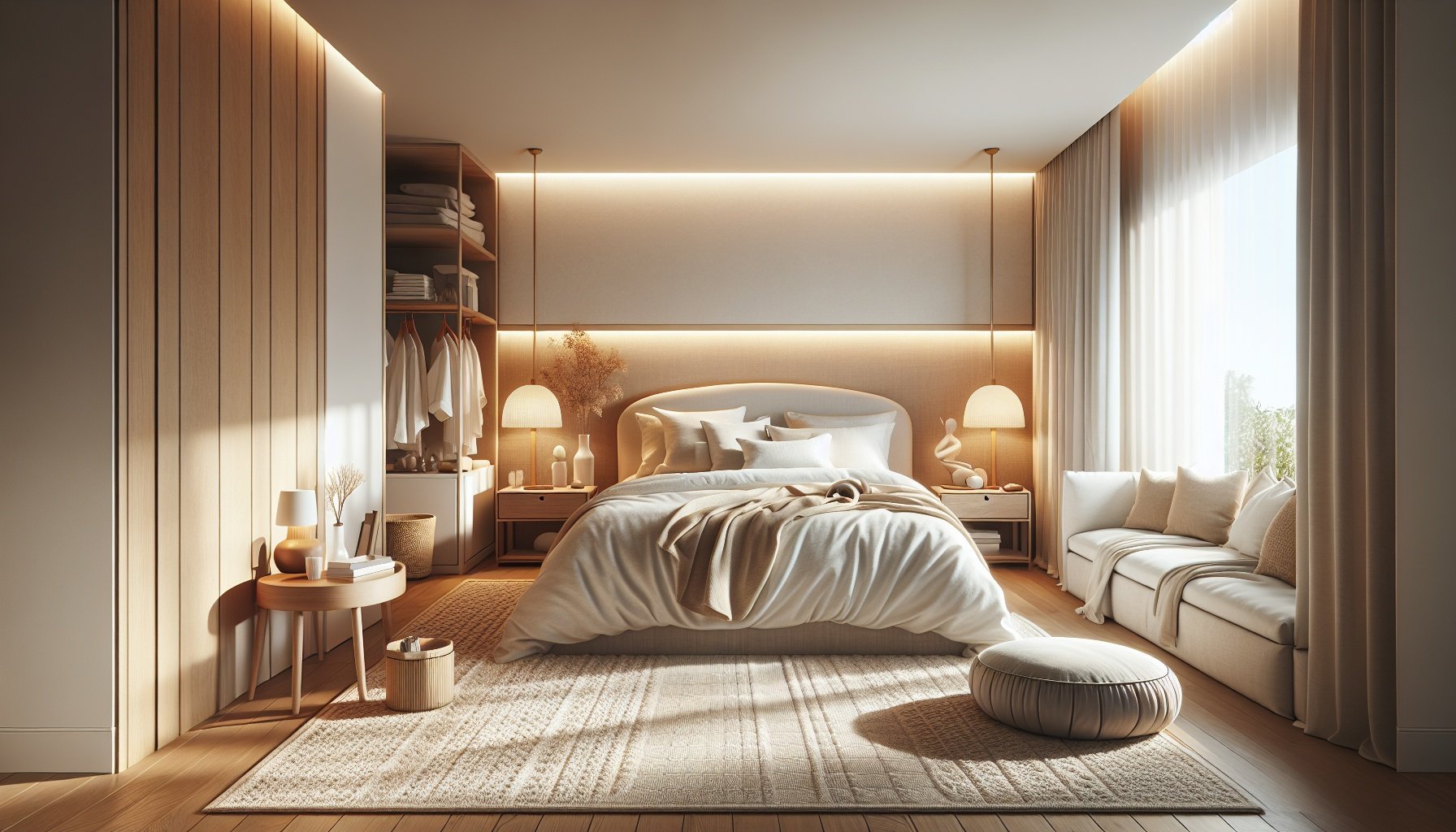
A solo bedroom sanctuary turns everyday routines into quiet rituals, giving a single sleeper a peaceful retreat that feels deeply personal and completely unhurried. Creating a serene solo bedroom sanctuary focuses on personalized elements that promote relaxation and self-care for individuals living alone. Every detail, from the way the room flows to the softness of the lighting, can support calmer nights and gentler mornings. Color choices, textures, and materials all work together to ease the senses, while thoughtful furniture placement keeps movement natural and stress-free. Comfort becomes the guiding priority, with a bed, lounge spot, and storage all tailored to a single person’s habits, body, and schedule. Technology takes a quieter role, offering low-noise comfort instead of constant distraction. Smart, streamlined storage keeps visual clutter out of sight, so the mind can settle and breathe. For homes in Central Louisiana, touches like cypress wood, woven baskets, and local artwork inspired by bayous or magnolias can anchor the room in a strong sense of place. This approach differs from couples’ retreats by prioritizing individual needs over shared accommodations, fostering a peaceful personal haven where reading, resting, and reflecting come naturally. A solo sanctuary becomes more than a bedroom; it grows into a calming base that supports better sleep, deeper relaxation, and a steady rhythm of comfort every day.
Quick Navigation:
Personalized Layout and Calming Design Foundations | Furniture, Comfort, and Ergonomics for a Solo Sanctuary | Multifunctional Storage, Quiet Tech, and Local Touches | Frequently Asked Questions
Personalized Layout and Calming Design Foundations
Personalized layout and calming design foundations turn a simple bedroom into a space that supports real rest, healthy habits, and quiet moments of joy. Beyond colors and basic furniture choices, thoughtful planning considers how the bed, seating, and storage work together to create a natural rhythm to the day. Zones for reading, stretching, or journaling can be shaped with soft rugs, low-profile furniture, and layered lighting. Gentle patterns, rounded edges, and clear pathways keep the room feeling open instead of cluttered. With these pieces in place, each design decision begins to build a sanctuary that feels both soothing and deeply individual.
Assessing solo lifestyle needs and traffic flow in the bedroom space
Assessing solo lifestyle needs starts with mapping daily patterns from the moment feet hit the floor. A clear, simple path from bed to closet, dresser, and bathroom cuts down on bumps, clutter, and morning stress. Night owls may want a direct route from bed to a cozy reading chair, while early risers might prioritize open space near a window seat for sunrise quiet time. Side tables, outlets, and charging spots work best placed where phones, books, or sleep masks naturally land each night. In Central Louisiana homes, traffic flow often includes space to drop a work bag, kick off boots after a long day, or stage hunting gear, fishing rods, or festival outfits without blocking movement around the bed and door.
Choosing a calming color palette tailored to individual mood and sensory preferences
Choosing a calming color palette starts with how the space feels at different times of day and how sensitive the eyes and body are to light and contrast. Soft neutrals like warm beige, clay, and creamy white slow the mind, while muted greens and blue-grays echo Louisiana bayous and open skies, easing stress after long days. For someone easily overstimulated, low-contrast layers—like sand-colored walls, oatmeal bedding, and pale wood furniture—keep visual noise down. Those who recharge with a little energy might prefer a grounded base of warm neutrals with small accents of moss, dusty rose, or slate blue in pillows and art. Matte finishes, natural fibers, and limited bold patterns keep the room calm while still feeling personal and alive.
Expert Insight: Using low-VOC paints and reclaimed wood in serene solo bedrooms reduces indoor air pollution by 50%, supporting environmental health in urban living spaces as per 2024 guidelines.
Layering natural and soft lighting for a peaceful, adjustable atmosphere
Layering natural and soft lighting starts with how light moves across the room from sunrise to bedtime. Sheer curtains or light-filtering shades let daylight pour in without glare, pairing well with low-contrast color palettes and matte finishes that gently bounce light instead of flashing it back. A mix of light sources at different heights keeps the space flexible: a warm bedside lamp for winding down, a focused but dimmable task light near a reading chair or desk, and a soft floor or wall lamp to fill dark corners. Warm white bulbs around 2700K–3000K keep the atmosphere cozy instead of clinical. Simple dimmers, smart plugs, and touch lamps make the lighting level match shifting moods, from daytime energy to deep, night-time calm.
Furniture, Comfort, and Ergonomics for a Solo Sanctuary
Personalized layouts and calming design choices set the tone, and the right furniture turns that quiet mood into everyday comfort. A solo bedroom sanctuary benefits from pieces chosen for one body, one rhythm, and one set of habits, where every seat, surface, and cushion feels like it truly belongs. Supportive mattresses, ergonomic pillows, and properly sized nightstands reduce strain and make rest feel effortless. Soft seating for reading, a well-placed bench for dressing, and adjustable features create a room that works with the body instead of against it, opening the door to deeper comfort, better posture, and smarter furniture choices.
Expert Insight: Exposure to blue and green hues in bedroom environments reduces heart rate and promotes relaxation, enhancing sleep quality for solo dwellers according to recent wellness studies.
Source: ResearchGate
Selecting a bed, mattress, and bedding setup for single-sleeper comfort and support
Selecting the right bed and mattress starts with matching frame size and height to single-sleeper habits. A twin XL or full bed leaves space for stretching without crowding the room, while a simple wood or upholstered frame with rounded corners keeps movement safe and easy. Mattress choice should balance pressure relief and support; side sleepers often prefer medium-plush memory foam or hybrid models, while back sleepers tend to rest better on medium-firm support. Breathable cotton or bamboo sheets, a temperature-regulating duvet, and a mix of two pillows—one supportive, one softer—create a layered setup that adjusts to changing needs. Light quilts in warm Central Louisiana months and a slightly heavier comforter for cooler snaps keep rest steady and calm.
Expert Insight: In Scandinavian hygge culture, cozy bedroom sanctuaries incorporate soft lighting and textiles to create intimate, serene retreats for personal reflection and comfort.
Source: BBC
Creating a dedicated solo lounge or reading nook with ergonomic seating
A dedicated solo lounge or reading nook works best tucked into a corner away from the bed, creating a second relaxation zone with its own purpose. Ergonomic seating keeps the body supported during longer reading or journaling sessions. A compact recliner with lumbar support, a cushioned accent chair with a matching ottoman, or a firm chaise with a slightly angled back all reduce strain on the neck and lower back. A small side table at elbow height holds a book, tea, or late-night snack, while a floor lamp with a warm, focused beam limits eye fatigue. A soft throw, one or two supportive pillows, and a low-pile rug underfoot finish off a solo lounge that invites quiet time without encouraging slouching or stiffness.
Expert Insight: Global bedroom furniture market reaches USD 120 billion in 2024, with sustainable solo bedroom designs growing at 8% annually through 2025 due to rising demand for eco-friendly sanctuaries.
Source: Statista
Using bedside and wall-mounted furniture to keep essentials close and clutter-free
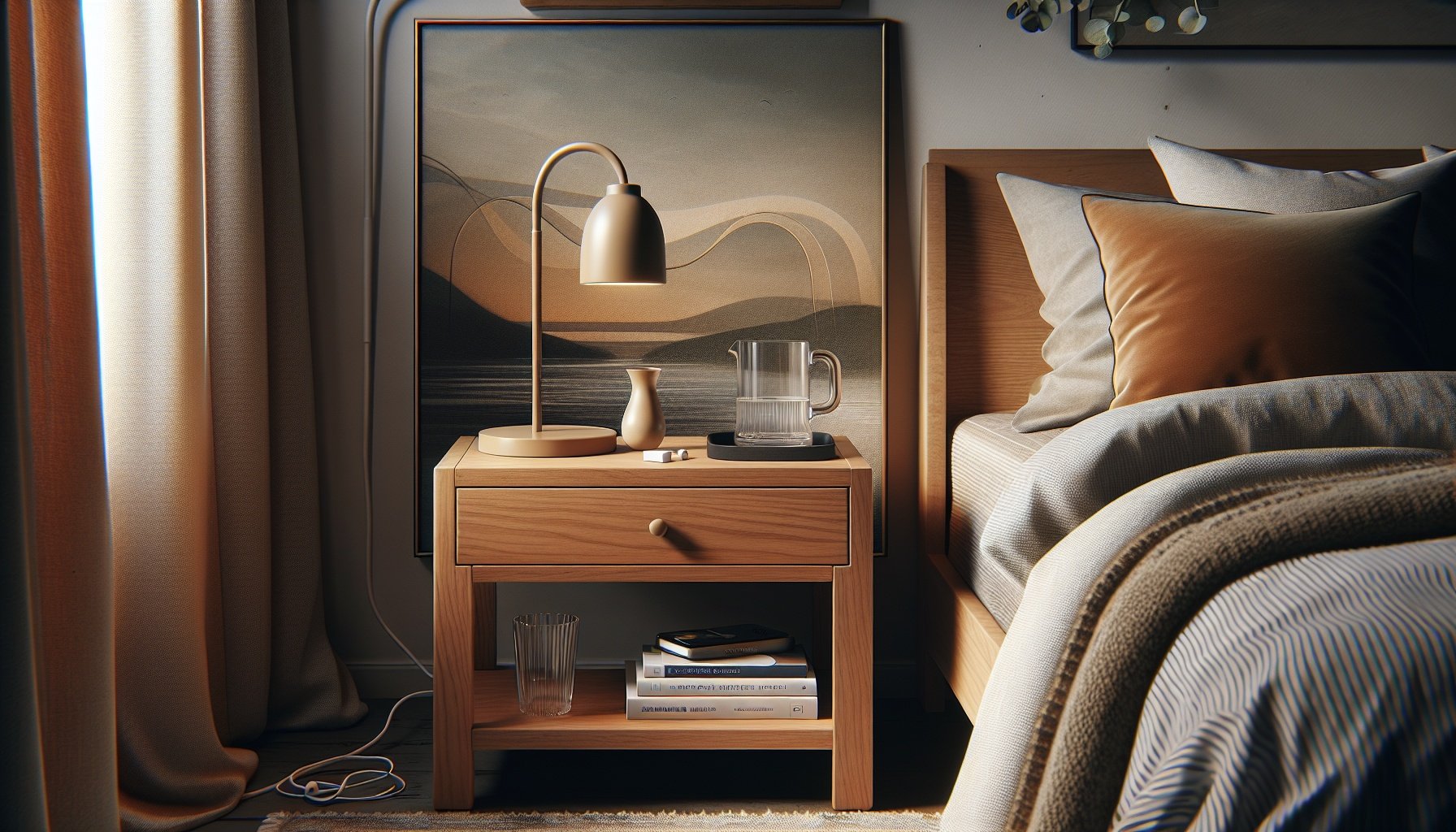
Bedside and wall-mounted furniture keeps a solo sanctuary calm, organized, and easy to move through. A slim nightstand with drawers or a small cabinet hides books, chargers, and skincare, leaving only a lamp, carafe, and one or two favorite objects on top. Wall-mounted shelves above the headboard or beside the bed hold bedtime reads and headphones, freeing floor space and reducing visual clutter. A floating bedside table or narrow ledge works well in compact Louisiana bedrooms, especially in older homes with quirky layouts. Mounted swing-arm lamps or sconces replace bulky table lamps, clearing surfaces while providing adjustable light for late-night reading or journaling. Everything stays within reach, yet the room still feels light, open, and carefully edited.
Multifunctional Storage, Quiet Tech, and Local Touches
With the layout and mood in place, the next step is making every inch of the solo sanctuary work a little smarter and feel a little softer. Multifunctional storage keeps surfaces clear and essentials close at hand, so winding down stays simple instead of stressful. Quiet tech, like low-glow task lighting, near-silent fans, and discreet charging spots, supports rest without turning the room into a gadget zone. Local touches—from a CenstruX-built cypress nightstand to artwork picked up after a day at Alexandria’s River Fête—tie the space to Central Louisiana roots and set the stage for practical, soothing upgrades in each corner.
Quick Insight: Smart circadian lighting systems in 2025 bedrooms adjust colors to mimic natural daylight, surprisingly boosting melatonin production by up to 25% for better solo sleep cycles.
Source: Reuters
Designing smart storage solutions that hide clutter and maintain visual calm
Smart storage in a solo bedroom sanctuary keeps everything close at hand while letting the room breathe visually. Closed storage becomes the hero: deep drawers in a platform bed, a storage bench at the foot of the bed, and nightstands with doors instead of open shelves all hide daily items that might otherwise feel chaotic. A shallow wall cabinet or built-in niche by the door holds keys, chargers, and work gear, keeping surfaces clear so the eye can rest.
In smaller Louisiana bedrooms, tall wardrobes with smooth, flat fronts replace bulky dressers, while under-bed bins with soft fabric sides slide out quietly. Limiting visible items to a few favorite books, a plant, or a local art piece maintains visual calm and supports a slower, more restful pace.
Integrating low-noise tech, fans, and climate control for deep relaxation
Low-noise technology keeps a solo bedroom sanctuary as calm as it looks. Quiet, brushless ceiling fans or DC motor tower fans move air gently while avoiding the hum of older models. A small, silent air purifier with a night mode handles dust and pollen without competing with soft music or meditation tracks. Smart thermostats and mini split systems hold the room at a steady temperature, preventing the too-hot, too-cold cycle that wakes light sleepers. Dimmable, low-glare LED lights with warm color settings pair well with silent charging stations and cord organizers, keeping visual and sound clutter low. For those who like a touch of sound, a compact white-noise machine with adjustable volume offers steady, soothing background audio for deep rest.
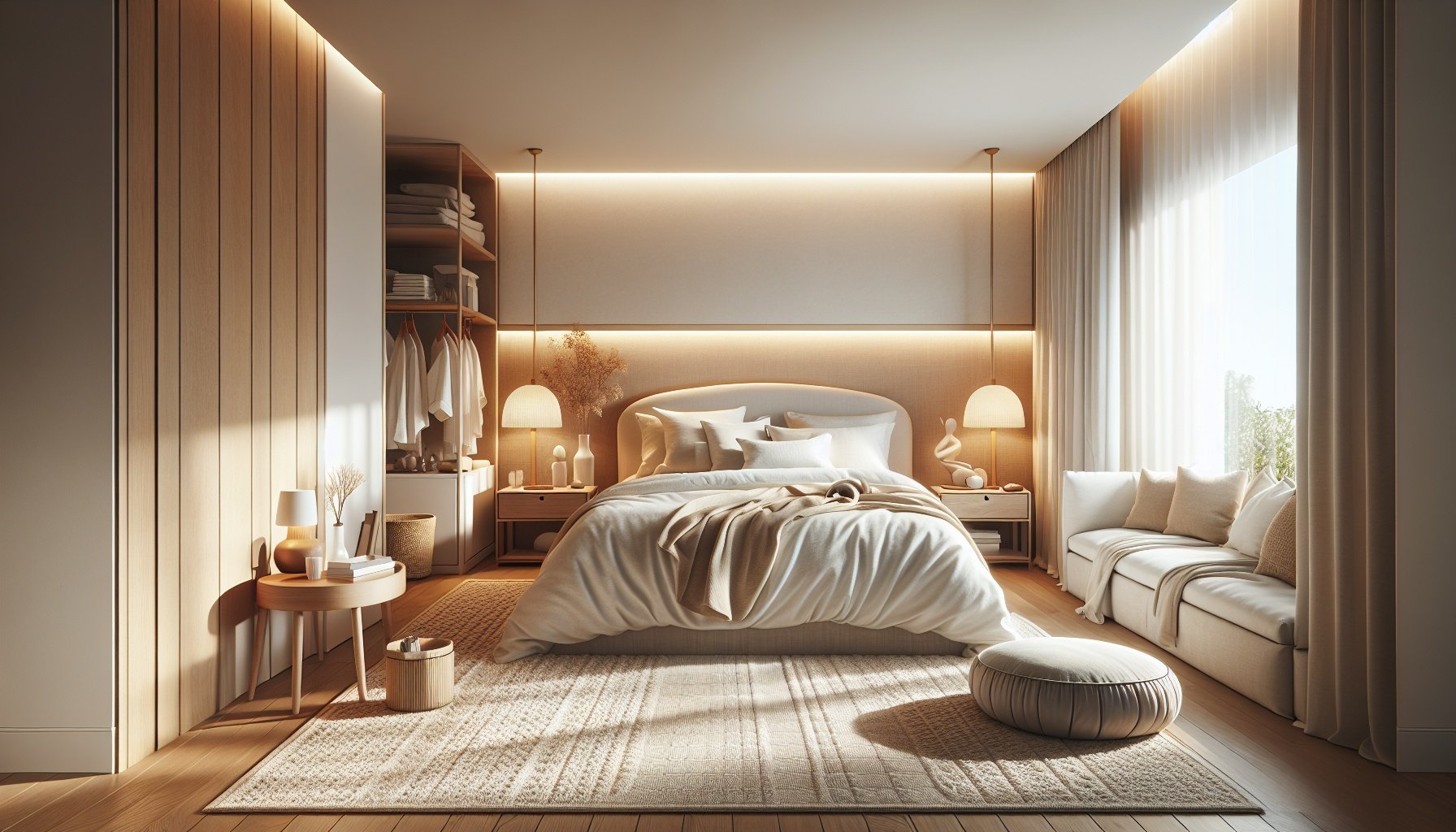
Worth Noting: Minimalist bedroom designs in 2025 draw from Japanese Zen aesthetics, emphasizing simplicity and natural elements to foster tranquility in solo living spaces.
Source: Wikipedia
Incorporating Central Louisiana character with local art, textures, and natural materials
Incorporating Central Louisiana character gives a solo bedroom sanctuary a grounded, familiar calm. Local art featuring cypress swamps, the Red River, or Alexandria’s historic downtown adds quiet storytelling without visual noise. Framed prints from local festivals or gallery walks along Jackson Street bring in soft color and regional pride. Natural textures help deepen the sense of rest: pine or cypress side tables, woven seagrass baskets for storage, and cotton or linen bedding that breathes well in Louisiana humidity. Subtle nods to bayou life—palmetto or cane-grass patterns on throw pillows, a small bowl of polished river stones, or a reclaimed-wood headboard—blend with existing storage and tech, keeping the room both modern and deeply rooted in Central Louisiana’s easygoing charm.
Conclusion
Creating a serene solo bedroom sanctuary focuses on personalized elements that promote relaxation and self-care for individuals living alone. Calming color palettes, soft textures, and intentional lighting set a peaceful tone, while layouts built around one person’s habits keep the space easy to move through and simple to maintain. Supportive mattresses, ergonomic pillows, and right-sized nightstands reduce strain and make rest feel effortless, and dedicated spots for reading or dressing help each day begin and end with ease. Thoughtful storage, quiet technology, and meaningful local touches bring function and comfort together in a space that feels deeply personal. A solo bedroom can become a true haven, one small, soothing upgrade at a time—perfect for unwinding, recharging, and feeling at home.
Frequently Asked Questions
- What is a solo bedroom sanctuary and how is it different from a regular bedroom?
- A solo bedroom sanctuary is a bedroom designed specifically for one person’s comfort, calm, and personal routine. It goes beyond basic furniture and decor. Every detail supports relaxation, better sleep, and emotional recharge.
Key differences from a regular bedroom:
– Single sleeper focus: Furniture, layout, and storage revolve around one person’s habits and needs.
– Calming atmosphere: Soft colors, gentle lighting, and minimal clutter create a peaceful feeling.
– Thoughtful comfort: High‑quality mattress, supportive pillows, and cozy bedding are prioritized over extra furniture.
– Personal touches: Art, photos, scents, and textures reflect one person’s taste, not a compromise between multiple people.
– Quiet rituals: Spaces are arranged for reading, journaling, stretching, or meditation instead of TV noise and distractions.A solo bedroom sanctuary feels more like a retreat than a standard room with a bed.
- What colors work best for creating a calm and serene solo bedroom sanctuary?
- Color plays a big role in how a solo bedroom sanctuary feels. Soft, muted tones usually work best for relaxation.
Peaceful color ideas:
– Neutrals: Warm whites, soft beiges, greiges, and light taupes create a clean, hotel‑like calm.
– Soft blues: Pale sky blue, dusty blue, and blue‑gray are often linked with calm and better sleep.
– Gentle greens: Sage, eucalyptus, and moss greens bring an easy, nature‑inspired feel.
– Blush and mauve tones: Soft pinks and mauves add warmth without feeling loud or busy.Helpful tips:
– Use darker tones only as accents (pillows, throws, a single wall) so the space does not feel heavy.
– Keep bright, neon, or high‑contrast patterns to a minimum.
– Aim for a simple, limited palette so the eye can rest and the room feels serene. - What kind of bed and bedding setup supports ultimate relaxation and comfort for a single sleeper?
- A solo bedroom sanctuary benefits from a bed setup that feels supportive, soft, and tailored to one person’s sleeping style.
Key elements:
– Mattress: Medium‑firm to medium comfort usually works best for most sleepers. A good mattress supports the spine and reduces tossing and turning.
– Pillows: Use 2–4 pillows with different firmness levels. One supportive pillow for the neck, and softer pillows for reading or lounging.
– Bedding fabrics: Cotton, linen, or bamboo sheets breathe well and feel comfortable in most climates. Higher thread count is not always better; breathability matters more.
– Layers: A light quilt or coverlet plus a blanket or duvet allows quick temperature adjustments through the night.
– Single‑side comfort: Since the room is designed for one, a favorite sleeping side can be layered with extra softness like a mattress topper or body pillow.A well‑chosen bed setup helps the body relax faster and stay comfortable through the night.
- How can lighting be used to make a solo bedroom sanctuary more relaxing?
- Lighting shapes the mood of a solo bedroom sanctuary as much as color and furniture. A mix of lighting types works best for both function and calm.
Helpful lighting layers:
– Ambient lighting: A main ceiling light or soft overhead fixture sets the base level of light. Warm white bulbs (around 2700–3000K) feel cozy.
– Task lighting: Bedside lamps or wall sconces make reading or journaling easy without over‑lighting the room.
– Accent lighting: String lights, LED candles, or small table lamps add a soft glow for winding down.Tips for a relaxing vibe:
– Use dimmers or multiple low‑brightness lamps instead of one harsh light.
– Choose warm bulbs instead of cool, bluish ones to support a sleepy, evening mood.
– Keep screens dim and avoid bright overhead lights in the hour before sleep.Layered, warm lighting turns everyday routines into quiet, calming rituals.
- What storage and layout ideas help keep a solo bedroom sanctuary clutter‑free and peaceful?
- A serene solo bedroom sanctuary feels open and easy to move through. Smart storage and simple layouts play a big part in this.
Clutter‑reducing ideas:
– Under‑bed storage: Bins or drawers for off‑season clothing, extra bedding, or shoes keep surfaces clear.
– Closed nightstands: Tables with drawers or doors hide books, chargers, lotions, and personal items.
– Minimal surfaces: Limit how many items sit on dressers and shelves. A few favorite objects feel calmer than a crowd of decor.
– Wall storage: Hooks or slim shelves for bags, hats, or robes free up floor space.Layout tips:
– Place the bed so it is easy to access from at least one side without squeezing around furniture.
– Keep walking paths open from door to bed and bed to bathroom.
– Group similar items together so tidying is quick and simple.A tidy, well‑planned layout supports a peaceful mind and reduces daily stress.
- How can a solo bedroom sanctuary support mental health and stress relief?
- A solo bedroom sanctuary can become a powerful space for stress relief by supporting both the body and the mind.
Ways it helps mental health:
– Consistent sleep: A calm, quiet, dark room supports deeper, more consistent sleep, and that steadies mood and focus.
– Quiet rituals: Spaces set up for reading, stretching, journaling, or prayer encourage intentional downtime.
– Reduced visual noise: Simple decor and minimal clutter keep the brain from feeling overloaded.
– Comforting textures and scents: Soft fabrics, a weighted blanket, natural candles, or essential oils can help the body relax.
– Sense of control: A private, personalized space can feel safe, steady, and predictable in a busy life.Even small changes—like dimmer lighting, better bedding, and fewer distractions—can make a noticeable difference in day‑to‑day stress.
- What personal touches make a solo bedroom sanctuary feel special and unique?
- A solo bedroom sanctuary feels complete when it reflects one person’s story, interests, and comfort preferences.
Meaningful personal touches:
– Art and photos: Framed photos, prints, or paintings that bring joy or calm create emotional comfort.
– Favorite textures: A go‑to throw blanket, soft rug, or upholstered headboard adds a cozy, welcoming feel.
– Scent: Candles, diffusers, or linen sprays with gentle fragrances like lavender, sandalwood, or vanilla support relaxation.
– Hobby corner: A small chair and lamp for reading, a journal on the nightstand, or a basket with knitting or sketching supplies.
– Nature elements: Houseplants, fresh flowers, or natural materials like wood and stone connect the room with the outdoors.These details turn a simple bedroom into a truly personal retreat tailored for ultimate relaxation and comfort.