
Smart Storage Solutions for Urban Apartment Kitchens
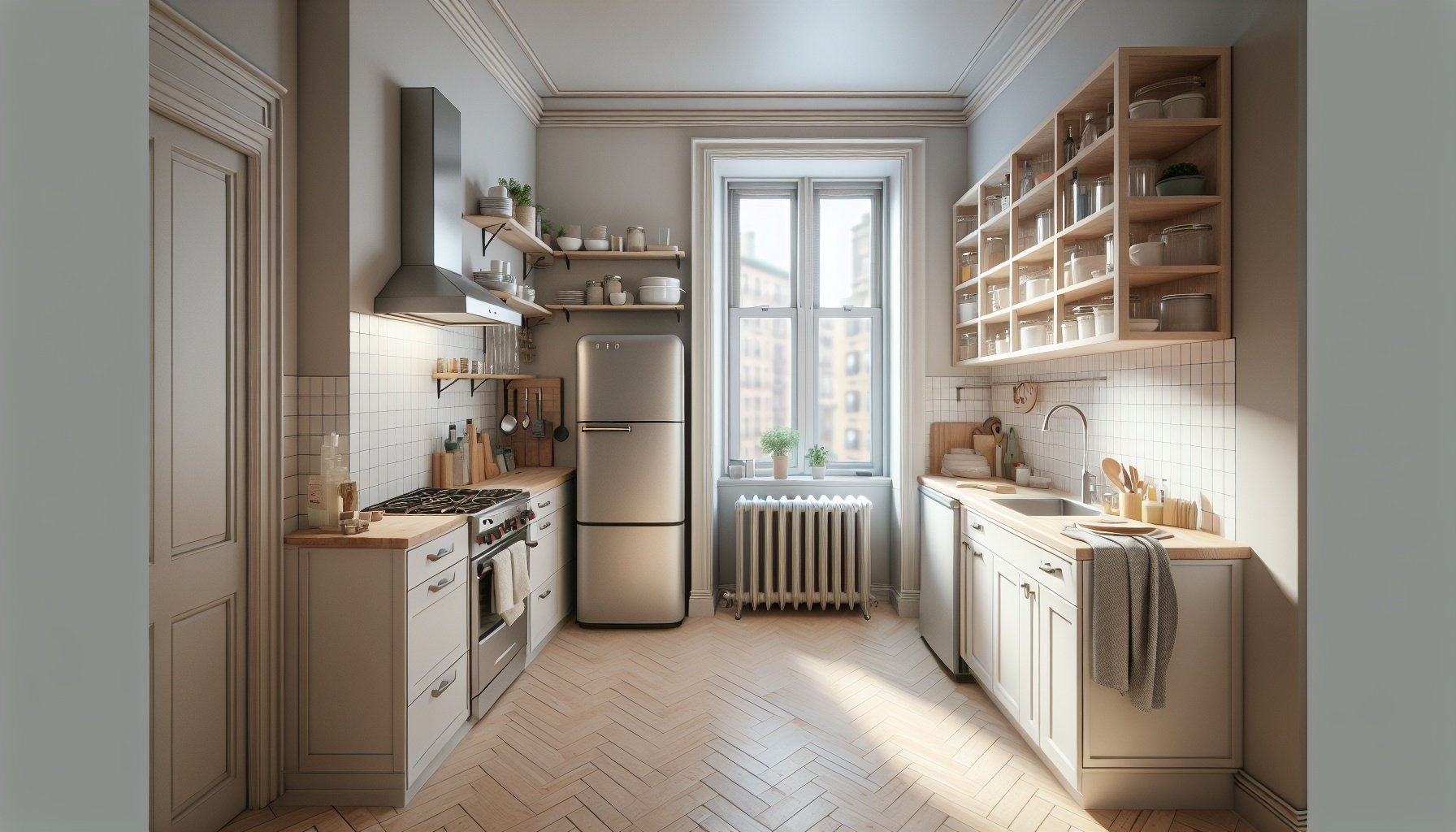
City apartment kitchens often feel more like narrow hallways than true cooking spaces, with every pot, pan, and grocery bag competing for a sliver of room. Renters in urban buildings juggle tiny countertops, shallow cabinets, and crowded drawers that make even simple meal prep feel like a balancing act. Smart storage becomes less of a luxury and more of a survival skill, especially when permanent renovations are off the table and landlord rules set firm limits.
Quick Navigation:
Assessing Urban Apartment Kitchen Constraints and Opportunities | Non-Permanent Storage Upgrades That Maximize Every Inch | Smart Organization Systems for a Clutter-Free, Functional Kitchen | Frequently Asked Questions
A strategic approach can turn even the most cramped rental kitchen into a smooth, efficient setup. Careful evaluation of existing cabinets, drawers, and surfaces reveals where space quietly goes to waste, from awkward corners to the often-ignored areas near the floor or ceiling. Layered solutions that sit on, slide into, or hang from what is already there can unlock surprising capacity without a single screw going into the wall.
Once every inch is thoughtfully claimed, clutter gives way to a kitchen that supports daily routines instead of slowing them down. Tools and ingredients land in clear, logical spots, and cooking zones start to feel intuitive rather than improvised. Compact, movable pieces and renter-friendly organizers work together to create a flexible layout that adapts as needs change. With the right mix of creative planning and non-permanent upgrades, an urban apartment kitchen shifts from chaotic catch-all to a streamlined, functional space that actually makes city living feel a little bigger.
Assessing Urban Apartment Kitchen Constraints and Opportunities
Beyond overall size and landlord rules, each city apartment kitchen comes with its own mix of challenges and hidden advantages. Oddly placed appliances, off-center sinks, and tight door clearances can interrupt basic cooking tasks, while noisy traffic routes through the kitchen turn meal prep into a constant dance around roommates or family. At the same time, tall ceilings, solid walls, wide window sills, and even radiator covers can serve as valuable real estate for storage add-ons and movable pieces. Breaking the kitchen into clear zones—prep, cooking, cleaning, and pantry—helps reveal both limits and fresh opportunities for smarter storage solutions.
Pro Tip: Urban apartment kitchens in Melbourne influence residents’ food practices through design features like limited counter space, prompting renters to adapt meal preparation with vertical storage solutions for better efficiency.
Source: Taylor & Francis Online
Evaluating existing cabinet, drawer, and countertop capacity in rental kitchens
Evaluating existing cabinet, drawer, and countertop capacity starts with counting how many zones already exist and what actually fits inside them. Cabinet interiors benefit from a quick height and depth check to see if dinner plates, tall bottles, or small appliances can sit in a single row, or if riser shelves and pull-out baskets would double the layers. Drawers work best when sorted by task—prep tools, cooking utensils, and flatware—while measuring interior width helps decide if dividers or shallow trays will prevent crowding. Countertop stretches are easier to analyze by mapping out a landing zone beside the stove, a clear prep zone, and a small “drop spot” near the entry, then deciding which items truly earn a permanent place within arm’s reach.
Quick Insight: Modular shelving and pull-out cabinets in urban apartment kitchens reduce food waste by 20-30% for renters by improving accessibility and organization, enhancing overall meal planning and consumption patterns.
Identifying underused zones such as corners, above-cabinet gaps, and toe-kick areas
Underused zones often hide in plain sight. Deep corner spaces where cabinets meet can become mini pantries with turntables, corner caddies, or slim rolling carts that slide beside trash cans or fridges. Above-cabinet gaps offer room for lightweight, infrequently used items in matching baskets or lidded bins, keeping visual clutter low while freeing premium shelf space for daily cooking gear. Even toe-kick areas beneath base cabinets can hold shallow, low-profile drawers for baking sheets, cutting boards, or cleaning pads without changing the cabinet face. These quiet zones extend storage beyond standard shelves and drawers, supporting the earlier task-based layout by assigning each awkward nook to a specific category like bulk goods, backup tools, or seasonal serveware.
Did you know? Global urban population growth to 68% by 2050 drives demand for efficient apartment kitchen storage, with renters favoring multifunctional units that integrate technology for optimized space usage in high-density cities.
Understanding renter limitations: no-drill options, reversible upgrades, and landlord-friendly changes
Renter-friendly storage upgrades stay flexible, avoid damage, and work around lease rules. No-drill options such as tension rods under the sink, over-cabinet hooks for towels, and adhesive-backed hooks or rails boost function without leaving holes. Reversible upgrades build on existing zones: adjustable shelf risers double vertical space in cabinets, while freestanding drawer units or rolling carts tuck into gaps beside the fridge or stove. Landlord-friendly changes emphasize anything that lifts out on move-out day—magnetic spice racks on the side of the fridge, over-the-door pantry organizers, and pegboard panels hung from existing screws or adhesive strips. Thoughtful choices protect walls and cabinets while turning every cabinet, gap, and corner into flexible, high-function storage.
Non-Permanent Storage Upgrades That Maximize Every Inch
Some of the most effective storage upgrades slide into place without a single screw in the wall. Simple add-ons like tension rods, clip-on shelves, rolling carts, and over-the-door racks turn bare surfaces into hard-working zones while staying fully removable on move-out day. Drawer inserts can separate utensils and spices, while stackable bins tame dry goods and snacks. Magnetic strips, hooks, and under-shelf baskets help smaller items finally claim a consistent home instead of roaming between counters and bags. These flexible, non-permanent tools open the door to smart, renter-friendly upgrades for cabinets, walls, and even the sides of appliances.

Good to Know: Apartment dwellers in Australia increasingly rely on modular kitchen storage systems to maximize space, reflecting a shift in urban living where compact designs support sustainable cooking habits amid rising rental densities.
Source: Taylor & Francis Online
Installing tension rods, over-the-door racks, and adhesive hooks for flexible hanging storage
Tension rods, over-the-door racks, and adhesive hooks turn awkward gaps into hardworking storage without tools or holes. A slim tension rod across a narrow cabinet or between walls above the sink holds spray bottles, rolls of trash bags, or lightweight pans, keeping counters clear. Over-the-door racks on pantry or cabinet doors handle cutting boards, pot lids, foil and wrap, or cleaning caddies while still allowing doors to close smoothly in tight layouts. Adhesive hooks mounted on tile, the side of the fridge, or inside cabinet doors support measuring cups, oven mitts, strainers, and small colanders, placing everyday tools within easy reach. Grouping items by task on each rod or rack keeps cooking zones defined and traffic flowing around busy city kitchens.
Keep in Mind: In Europe, apartment kitchen storage trends emphasize eco-friendly materials like recycled bamboo, helping renters lower their carbon footprint by 15% through durable, space-efficient designs suited to urban sustainability goals.
Source: European Environment Agency
Using freestanding pull-out carts, narrow rolling pantries, and microwave stands to add movable storage
Freestanding pull-out carts, narrow rolling pantries, and microwave stands bring storage right to where it is needed, then slide away when work is done. A slim cart on casters tucks beside a fridge or stove, holding oils, spices, and baking trays in shallow shelves that pull out like a mini pantry. Tall, narrow rolling pantries fit between cabinets or along a blank wall, adding stacked baskets for cans, snacks, and backup paper goods. A sturdy microwave stand creates a dedicated landing spot for the appliance, while shelves below handle mixing bowls, small appliances, or serving dishes. Locking wheels keep each piece steady during use, then roll smoothly aside to free up floor space for cooking or entertaining.
Adding shelf risers, under-shelf baskets, and stackable bins to double cabinet and fridge space
Shelf risers, under-shelf baskets, and stackable bins turn single layers of storage into multi-level setups that almost double capacity. A simple metal riser in a dish cabinet creates a second tier for bowls above plates, so every inch of vertical space works harder. Under-shelf baskets hook onto existing shelves with no hardware, ideal for storing foil, cutting boards, or snack bags under plates or pantry items. Clear stackable bins in cabinets and the fridge keep categories together—such as breakfast items, sauces, or meal-prep containers—so nothing gets lost at the back. Choosing matching sizes keeps stacks stable, while handles or front cutouts make each bin easy to slide out, transforming cramped cabinets and refrigerator shelves into neat, layered storage zones.
Smart Organization Systems for a Clutter-Free, Functional Kitchen
Once zones and hidden advantages are mapped out, smart organization systems start turning every inch into dependable storage. Modular drawer inserts, magnetic knife strips, over-the-door racks, and slim rolling carts tuck essentials into narrow gaps without altering cabinets or walls. Clear bins, labels, and stackable canisters keep food and tools visible, cutting down on lost items and double purchases. Foldable drying racks, nesting cookware, and collapsible strainers free up space between meals. When each category has a defined, flexible home, even a compact city kitchen stays clutter-free, functional, and ready for focused cooking, setting the stage for specific system ideas next.
Designing task-based zones for cooking, prep, cleaning, and grab-and-go items
Task-based zones help tiny apartment kitchens feel bigger by grouping tools and supplies where they are actually used. A simple layout works well: a cooking zone near the stove with a clip-on shelf for oils and spices, magnetic strip for metal utensils, and a narrow rolling cart for pans; a prep zone on the clearest stretch of counter with a cutting board that fits over the sink, a small bin for scraps, and stackable containers for frequently used dry goods. Cleaning stays concentrated under the sink with tension rods for spray bottles and a caddy that pulls out for sponges and dish soap. Grab-and-go items sit by the entry or fridge on an over-the-door rack holding snacks, coffee pods, and lunch containers for quick exits.
Interesting Fact: Vertical storage innovations like magnetic knife strips and under-sink organizers enable renters in small urban apartments to reclaim up to 40% more kitchen space, promoting healthier home cooking routines without renovations.
Source: Frontiers in Built Environment
Implementing drawer dividers, lazy Susans, and pan lid organizers for quick access
Drawer interiors and deep cabinets handle a surprising amount of clutter with the right organizers. Adjustable drawer dividers turn messy utensil, gadget, and junk drawers into neat sections for spatulas, peelers, clips, and foil, so tools for each zone stay grouped and easy to grab. For tight corner cabinets, a lazy Susan solves the “black hole” problem; turntables keep sauces, backups of pantry items, or baking supplies visible without permanent hardware. Slim, freestanding pan lid organizers slide into lower cabinets or on pantry shelves, stacking lids upright instead of piling them in noisy stacks. Many renters in small city apartments use a mix of bamboo or plastic dividers and metal lid racks, since they drop in easily and move out just as easily when the lease ends.

Choosing compact, multifunctional pieces like island carts, folding tables, and bench storage for small kitchens
Compact, multifunctional furniture turns tight apartment kitchens into flexible work zones without any permanent changes. A slim rolling island cart adds extra counter space for chopping, then parks against a wall as a coffee station or bar. Models with shelves, hooks, and towel bars hold mixing bowls, spices, and everyday tools, freeing crowded upper cabinets. A wall-mounted or drop-leaf folding table works as a prep surface during the week and a small dining spot on weekends, then folds flat to open up floor space. Bench seating with hidden storage along a window or small nook hides seldom-used appliances, serving dishes, or bulk pantry items. Choosing pieces on wheels or that fold away keeps the kitchen ready for cooking, cleaning, and casual entertaining.
Conclusion
Renters in city apartments frequently deal with constrained kitchen spaces that limit meal preparation and organization, so every smart storage choice counts. Simple, removable upgrades turn blank walls, cabinet sides, and tight corners into practical zones for tools, pantry items, and cleaning supplies without leaving a mark behind. Flexible systems keep utensils, snacks, and everyday essentials sorted, visible, and easy to grab, which helps small kitchens feel open instead of overcrowded. Clever storage solutions, such as pull-out pantry shelves and under-sink organizers, can transform these areas without permanent alterations. Incorporating multifunctional furniture and vertical space utilization allows for efficient use while maintaining a stylish, clutter-free environment. A small kitchen can still support big cooking plans—one smart, renter-friendly upgrade at a time.
Frequently Asked Questions
- What are the best space-saving storage ideas for very small urban apartment kitchens?
- Small city kitchens benefit most from vertical, inside, and multi-use storage.
Practical ideas:
– Use wall space: Install floating shelves, magnetic knife strips, pegboards, and rail systems with hooks for utensils, mugs, and pans.
– Go up high: Add shelves above cabinets, over the fridge, and above doorways for items used less often.
– Use cabinet doors: Hang shallow racks or adhesive hooks inside doors for cutting boards, pot lids, wraps, and cleaning supplies.
– Pick stackable items: Choose stackable bowls, nesting pots, and collapsible colanders or measuring cups.
– Try under-shelf baskets: Clip-on wire baskets under existing shelves create a second layer of storage.
– Use slim rolling carts: A narrow cart between the fridge and wall holds cans, spices, or cleaning items.
– Hang pots and pans: A small ceiling rack or wall-mounted rail frees up cabinet space.These ideas help squeeze extra storage out of tight kitchens without permanent changes, which works well for renters.
- How can renters add more storage in a kitchen without drilling or damaging walls?
- Renters often need storage solutions that are strong but removable.
Good no-drill options:
– Tension rods: Place them inside cabinets to organize lids or across a small nook to hang lightweight tools.
– Over-the-door organizers: Use on pantry doors, cabinet doors, or entry doors for snacks, spices, wraps, and cleaning supplies.
– Command hooks and strips: Hold utensils, pot holders, small shelves, and lightweight baskets on walls or cabinet sides.
– Freestanding shelves: Metal or wood shelving units add pantry-style storage without attaching to the wall.
– Rolling islands or carts: Provide extra counter space plus shelves or drawers underneath.
– Adhesive magnetic strips: Lightweight versions can hold small spice tins or metal utensils.
– Stackable bins and drawers: Plastic or fabric drawers on counters or inside cabinets add levels without hardware.All of these can be removed cleanly at move-out and usually meet landlord rules.
- What is the best way to organize pantry items in a tiny apartment kitchen with limited cabinets?
- A small pantry works best when every inch has a clear purpose and items stay visible.
Useful strategies:
– Group by category: Keep baking supplies together, snacks together, breakfast items together, and so on.
– Use clear containers: Transfer dry goods like rice, pasta, and cereal into see-through bins or jars to save space and reduce clutter.
– Add risers: Shelf risers keep canned goods or jars visible and prevent stacking too high.
– Use lazy Susans: Turntables in cabinets or on counters work well for oils, sauces, and condiments.
– Use the back of doors: Hang spice racks or small pocket organizers for packets, seasoning mixes, and tea.
– Try slim pull-out storage: A narrow rolling rack beside the fridge or stove can hold cans and bottles.
– Label containers: Simple labels help maintain order and keep items from getting lost or duplicated.This type of setup turns even one or two cabinets into an efficient pantry system.
- How can appliances and cookware be stored more efficiently in a compact kitchen?
- Appliances and cookware can quickly crowd a small kitchen, so smart choices and placement matter.
Tips for efficient storage:
– Prioritize multi-use items: A single multi-cooker, hand mixer, or stick blender can replace several bulky appliances.
– Store by frequency of use: Keep daily-use pieces at eye level and occasional items higher or lower.
– Nest pots and pans: Choose sets that stack, and store lids on a separate rack or on a tension rod inside the cabinet.
– Use vertical pan organizers: Upright racks hold sheet pans, cutting boards, and baking dishes like files.
– Consider appliance “parking zones”: Dedicate one cabinet or shelf to small appliances instead of spreading them around.
– Use appliance covers or baskets: Store attachments and cords with the appliance to avoid drawer clutter.
– Limit duplicates: Keep one or two favorite pans instead of many similar sizes.This keeps cabinets from overflowing and leaves more room for food storage.
- What storage solutions help keep countertops clear in an urban apartment kitchen?
- Clear countertops make a small kitchen feel larger and easier to use.
Helpful solutions:
– Wall-mounted rails: Hang utensils, small colanders, and frequently used tools on a rail instead of laying them on the counter.
– Under-cabinet storage: Use adhesive hooks or under-cabinet racks for mugs, paper towels, or small baskets.
– Magnetic strips: Mount a knife strip and small spice tins on the wall or side of the fridge.
– Appliance garage: Dedicate one section of counter under a cabinet to store the toaster, blender, or coffee maker together.
– Corner organizers: Use tiered corner shelves to lift items off the main work zone.
– Use vertical file holders: Repurpose them to hold cutting boards, trays, and foil or parchment boxes against a wall.With most daily items on walls or shelves, counters stay open for cooking and meal prep.
- How can renters make use of awkward spaces like corners and gaps in small kitchens?
- Odd gaps and corners in city apartments often become hidden storage goldmines.
Ideas for awkward areas:
– Gaps beside the fridge or stove: Add a slim rolling cart or build a narrow shelf with tension rods and small boards.
– Deep corner cabinets: Use lazy Susans or pull-out corner organizers to reach items at the back.
– Above the fridge: Place sturdy baskets for baking supplies, extra paper towels, or rarely used appliances.
– Space between upper cabinets and ceiling: Add lightweight shelves or lined baskets for seasonal or backup items.
– Under the sink: Add stackable drawers, small caddies, and tension rods for spray bottles.
– Narrow wall sections: Use a vertical spice rack, pegboard, or rail system for tools and small jars.These tweaks turn dead zones into useful storage without major changes.
- What budget-friendly storage upgrades work well for renters in city apartment kitchens?
- Many renter-friendly upgrades are affordable and make a big difference in function and organization.
Budget storage upgrades:
– Dollar-store bins and baskets: Group snacks, packets, and cleaning items in simple plastic or fabric containers.
– Wire shelf risers: Double the space inside cabinets for plates and bowls.
– Clip-on under-shelf baskets: Add a second layer under existing shelves for small items.
– Magnetic organizers: Attach lightweight baskets, spice racks, or note boards to the side of the fridge.
– Pegboard panels: Inexpensive boards hold pots, pans, tools, and even small shelves; they can be hung with removable hardware.
– Simple hooks: Adhesive or over-cabinet hooks hold towels, oven mitts, and tools.
– Secondhand finds: Thrifted bar carts, bookcases, or nightstands can become extra pantry or appliance storage.These ideas stretch a tight budget while keeping kitchens organized and renter-friendly.