
Louisiana Winter Storm Aid Boosts North LA Construction and Repairs
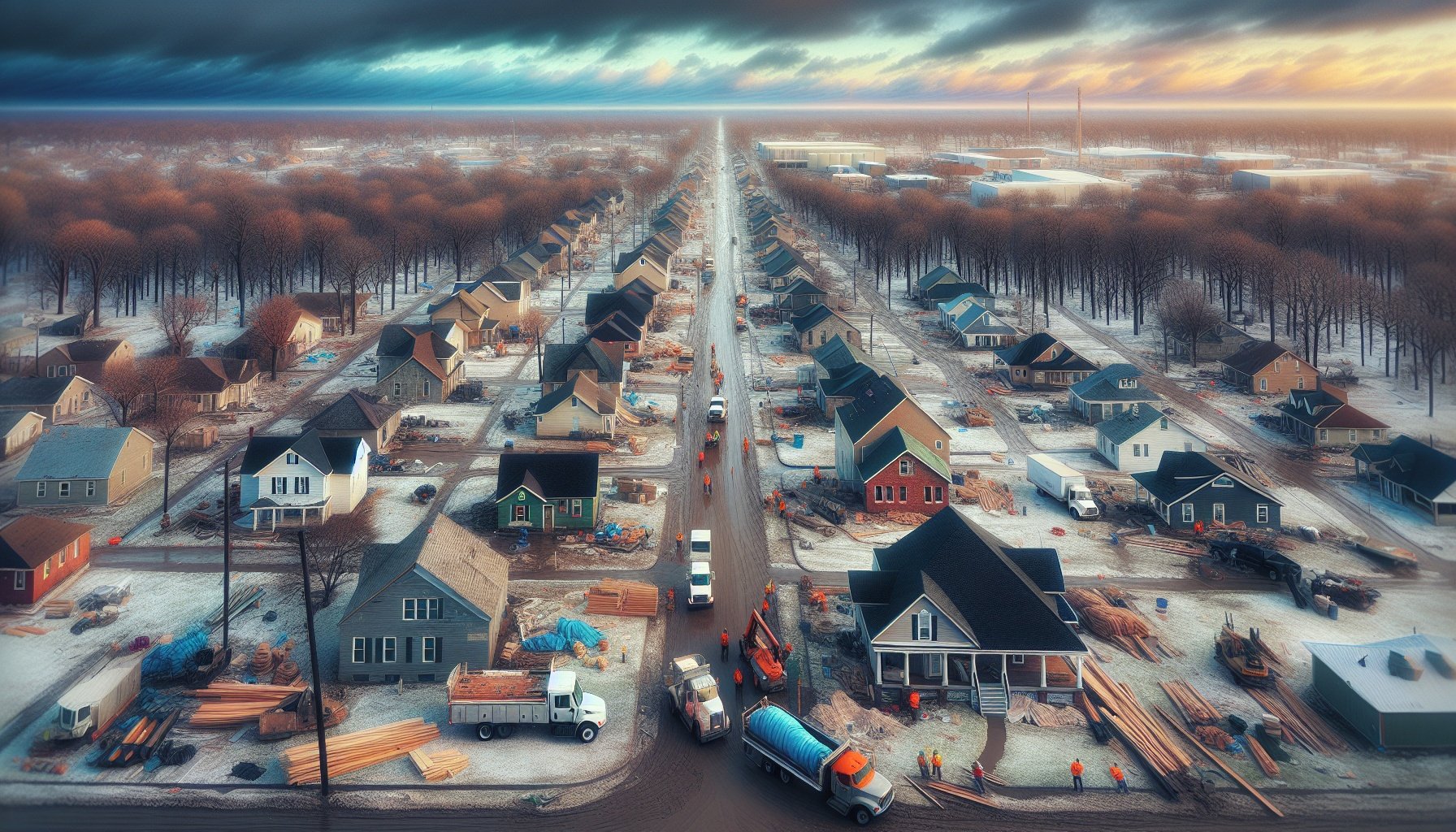
Frozen pipes, caved‑in roofs, and weeks of cleanup can turn a North Louisiana winter storm from a weather event into a financial crisis. Families from Shreveport to Monroe see insurance limits hit fast, while blue tarps stay on roofs far longer than planned as repair crews stay backed up. Local builders and contractors juggle emergency calls, unpaid estimates, and rising supply costs while waiting to see how much federal money will actually reach job sites. The recent Louisiana congressional delegation pushes Trump for more winter storm recovery funds highlights how a late January storm knocked out power for 175,000 customers, caused 32,500 water outages, shut down highways, and forced the state to spend $11.4 million while seeking FEMA help for snow clearing, debris removal, and prevention work in nine northern parishes.
Behind those headlines, real stress builds as temporary fixes stretch into months and basic repairs compete with rising rent, higher utility bills, and everyday expenses. Contractors across Central and North Louisiana feel squeezed between residents desperate for fast repairs and a labor pool already pulled thin by other construction booms. Hardware stores and lumber yards from Alexandria up through Ruston see shelves turn spotty on roofing, insulation, and weatherization materials just as demand spikes. Delayed FEMA decisions and unclear aid rules create a constant question mark over how many projects can move from estimate to actual work.
These challenges ripple across entire communities, from small-town main streets in parishes like Lincoln and Ouachita to neighborhoods around Barksdale Air Force Base. Strain on construction labor and materials can push project timelines out through another season, raising worries about facing the next cold snap with the same weak roofs, uninsulated attics, and exposed pipes. At the same time, a strong federal funding push has the potential to pump real momentum into roofing, renovation, debris removal, and storm‑prevention upgrades. That turning point—where federal dollars meet local crews, homeowners, and supply houses—sets the stage for major shifts in recovery, costs, and long-term resilience across North Louisiana.
Quick Navigation:
Federal Winter Storm Aid and State Spending: What It Means for North Louisiana | Market Impacts on Construction Costs, Labor, and Materials | Opportunities for Contractors, DIYers, and Storm-Resilient Upgrades | Frequently Asked Questions
Federal Winter Storm Aid and State Spending: What It Means for North Louisiana
As state leaders push for FEMA approval, the focus in North Louisiana shifts from emergency response to long‑term rebuilding power. Federal dollars tied to that $11.4 million state outlay could supercharge demand for Roofing, renovation, debris hauling, and storm‑proofing work across parishes like Caddo, Bossier, Ouachita, and Lincoln. A larger flow of public money often brings higher competition for skilled crews, tighter material supplies, and pressure on pricing, even as it opens the door for more contracts and steady work for local companies. With individual assistance aimed at helping households rebuild stronger, the next phase centers on how that funding reshapes construction, labor, and supply chains across North Louisiana.
Pro Tip: Governor Jeff Landry seeks full federal reimbursement for 30 days of snow assistance and debris removal in nine North Louisiana parishes to expedite recovery construction efforts.
Source: Louisiana Illuminator
Overview of the $11.4 million state expenditure and FEMA reimbursement request
The $11.4 million state outlay covers more than plow hours and salt runs. Crews logged extended overtime clearing parish roads, staging traffic control on I‑20 and rural highways, hauling limbs out of neighborhoods, and stabilizing drainage ditches and culverts to keep repeat flooding from the next hard rain. The FEMA reimbursement request aims to backfill those costs and unlock additional federal dollars for debris grinding, utility right‑of‑way clearing, and hardening public facilities like schools, fire stations, and water plants. As that money flows, demand rises for roofers to secure public buildings, small contractors to rebuild pump houses and well sheds, and specialty trades to install generators, pipe insulation, and ice‑resistant roofing systems that help North Louisiana housing stock withstand the next freeze.
Quick Insight: SBA Economic Injury Disaster Loans up to $2 million at 4% interest enable small businesses in 19 North Louisiana parishes to fund construction and home repair projects after Winter Storm Fern.
Key North Louisiana parishes targeted for winter storm recovery support
FEMA’s review centers on parishes that saw the heaviest freeze damage and longest service interruptions, especially Caddo, Bossier, Ouachita, Lincoln, and Rapides. These areas logged major pipe bursts in older neighborhoods, buckled rural roads, downed trees across private drives, and strained water systems that now need line replacements and insulation upgrades. Monroe, Ruston, Shreveport, and Alexandria expect elevated demand for licensed roofers, framers, and mechanical trades as public projects run alongside homeowner repairs under individual assistance programs. Smaller parishes like natchitoches, Bienville, and Jackson watch labor markets closely, since larger cities often pull workers first, which can push up prices. As FEMA-backed work ramps up, suppliers in places like Alexandria and Shreveport become key hubs for shingles, pipe wrap, generators, and cold-rated HVAC components.
Keep in Mind: Nineteen North Louisiana parishes such as Bossier, Caddo, Ouachita, and Webster parishes are eligible for SBA disaster loans supporting local construction and repair industries post-2026 winter storm.
How proposed federal aid flows from state budgets to local construction markets
Once FEMA signs off, federal dollars reimburse the state’s $11.4 million outlay, freeing Baton Rouge to push more money into parish-level programs and hazard‑mitigation grants. Those grants often show up as bundled contracts: debris removal around Ruston schools, culvert upgrades along rural Lincoln Parish roads, or fortified roofing packages on public buildings in Shreveport and Alexandria. As local governments secure matching funds, bid lists grow and contractors see steadier pipelines of work instead of one‑off emergency calls.
That extra volume can strain labor and supplies. Roofing shingles, foam insulation, and pressure‑treated lumber move quickly through Shreveport and Alexandria warehouses, nudging prices up until inventories catch up. At the same time, individual assistance checks help homeowners in Monroe, Natchitoches, and Bossier Parish move ahead with roof tear‑offs, interior repairs, and storm‑hardening upgrades, feeding additional work to small renovation crews and specialty trades.
Market Impacts on Construction Costs, Labor, and Materials
As the FEMA request moves forward, the storm’s damage starts reshaping the construction market across North Louisiana. The $11.4 million already spent by the state becomes a starting point, not the finish line, as potential federal funds begin to signal a surge in demand for skilled labor, roofing crews, plumbers, and renovation teams. Supply houses from Alexandria to Ruston prepare for heavier orders, tighter delivery Windows, and price swings on shingles, sheetrock, and piping. With a stronger focus on individual assistance, the recovery push begins shifting from emergency patches to full rebuilds, upgrades, and long‑term storm‑hardening work across the region.
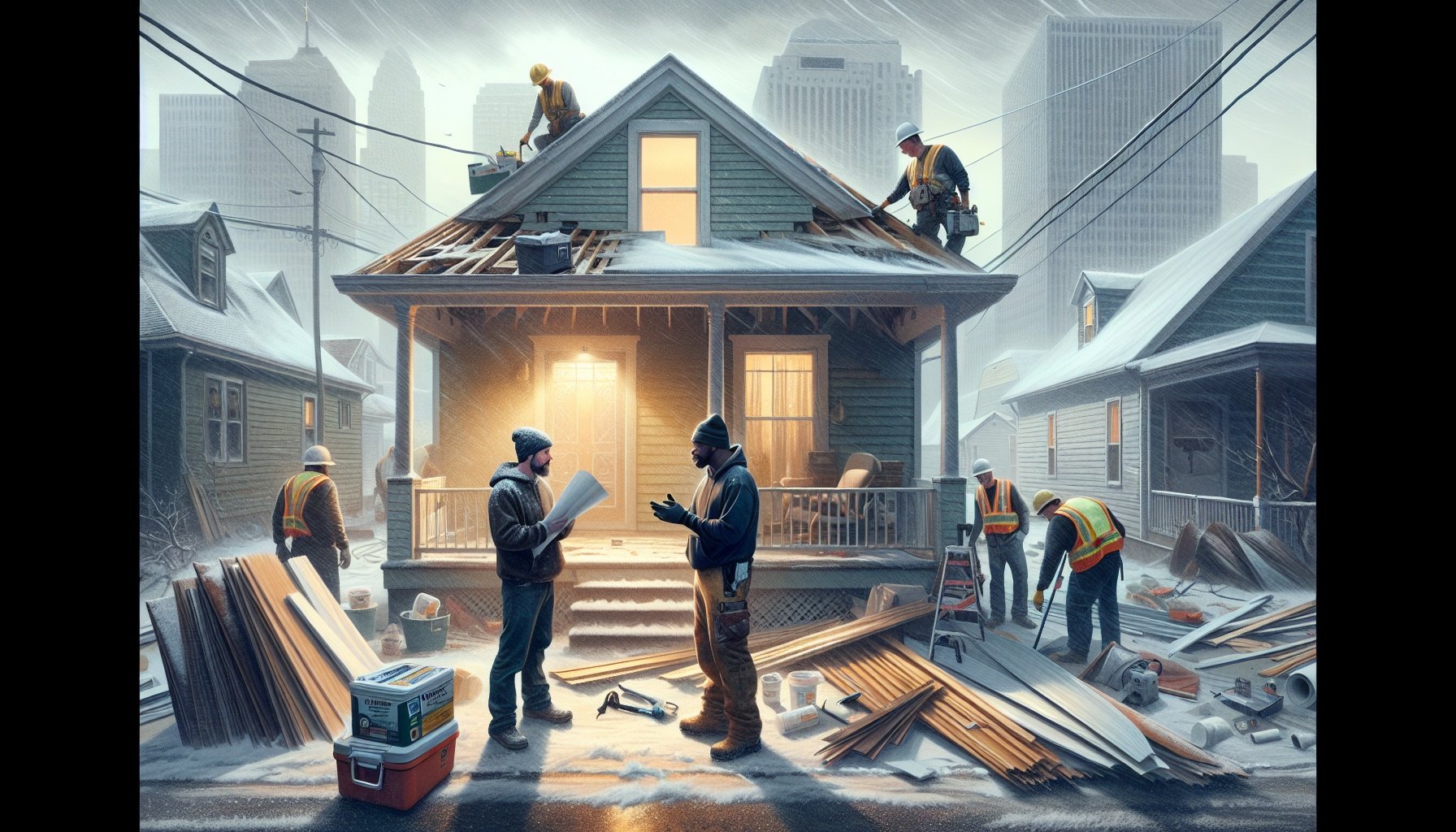
Interesting Fact: Federal funding requests target infrastructure upgrades in nine North Louisiana parishes to build long-term resilience against recurring winter storms and support ongoing repairs.
Source: Louisiana Illuminator
Projected demand surge for debris removal, roofing, and structural repairs
Once FEMA unlocks matching federal funds on top of the $11.4 million state commitment, debris removal, roofing, and structural repair work across North Louisiana is expected to spike sharply. Neighborhoods around Shreveport, Bossier City, Monroe, and Ruston still carry downed limbs, leaning fences, and damaged accessory structures that have been pushed down the priority list; funded cleanup programs turn that backlog into immediate contracts for haulers, tree services, and demo crews. On the housing side, adjuster-approved claims paired with individual assistance dollars push thousands of asphalt shingle tear‑offs, decking replacements, and rafter repairs into the active pipeline at once. That concentration of work tightens shingle inventories, dumpster availability, and framing lumber supply, while giving licensed roofers, small carpentry outfits, and structural engineers a rare chance to expand crews, invest in equipment, and schedule multi‑phase repair projects that include roof work, structural tie‑downs, and basic storm‑hardening in a single mobilization.
Effects of federal aid on labor availability, wages, and project timelines in Central and North Louisiana
As federal aid layers onto state funding, crews across Central and North Louisiana face tight labor conditions from Alexandria and pineville up through Monroe, Ruston, and Shreveport. Experienced roofers, equipment operators, and licensed electricians become harder to book as FEMA‑eligible work competes with ongoing commercial builds and plant maintenance along the I‑20 and Hwy 165 corridors. Contractors respond with higher hourly rates, signing bonuses, and per‑diem offers to pull in hands from smaller towns like Winnfield, Jonesboro, and Farmerville. Wage pressure especially shows up in roofing tear‑offs, debris hauling, and electrical service upgrades. Project timelines stretch as crews juggle FEMA inspections, change orders, and material backlogs, pushing some non‑emergency remodels and additions further into the calendar.
Quick Insight: North Louisiana homeowners submit winter storm damage reports via damage.la.gov to qualify for potential federal individual assistance grants for essential home repairs.
Source: Louisiana Illuminator
Materials supply chain pressures: lumber, roofing, insulation, and weatherization products
Federal dollars stacked on top of the $11.4 million state spend push material demand higher just as winter storm repairs ramp up from Natchitoches and Ruston up through Shreveport‑Bossier. Framing packages for damaged carports, porch roofs, and broken rafters draw down regional lumber inventories, especially common sizes like 2x4s and 2x6s used in quick repair work. Roofing plants serving North Louisiana face heavy orders for architectural shingles, metal panels, synthetic underlayments, and ice‑and‑water shields as homeowners pursue stronger, storm‑resistant assemblies. At the same time, blown‑in insulation, foam board, housewrap, caulks, and weatherstripping move fast through Monroe and Alexandria distributors as projects add air sealing and energy upgrades to FEMA‑supported repairs, creating short‑term price spikes and longer lead times for full rebuilds and winterization packages.
Opportunities for Contractors, DIYers, and Storm-Resilient Upgrades
As FEMA weighs the state’s $11.4 million commitment, a second wave of work is lining up across North Louisiana that looks very different from the first rush of emergency tarps and tree crews. Shreveport, Monroe, Ruston, and smaller towns between I‑20 and the Arkansas line now stand at the edge of a longer rebuild cycle, where steady contracts, small repair jobs, and storm‑resilient upgrades start to take center stage. Federal aid tied to individual households can unlock attic reinsulation, service‑panel upgrades, roof decking improvements, and smarter water‑management fixes, opening doors for licensed contractors, side‑job carpenters, and hands‑on DIY homeowners to tackle targeted projects that go beyond simple patchwork.
Expanded work for local roofing, renovation, and restoration contractors
Federal dollars tied to permanent repair work steer a steady flow of jobs toward local roofing, renovation, and restoration crews across parishes like Ouachita, Lincoln, and Rapides. Roofers see more full replacements instead of patch jobs, with insurance scopes and FEMA-funded projects calling for impact-rated shingles, ice-and-water shields, and upgraded ventilation. Restoration companies pick up contracts for water-damaged interiors, handling insulation replacement, mold remediation, and structural drying on older homes and small commercial buildings. Renovation contractors gain work rebuilding porches, carports, and additions torn up by ice-laden tree limbs, often pairing repairs with energy-Efficient windows and reinforced framing. Multi-trade teams that can manage roofs, interiors, and storm-hardening upgrades under one contract stand to stay booked through multiple construction seasons.
Keep in Mind: Winter Storm Fern from January 23-25, 2026, left more than 100,000 North Louisiana residents without power, accelerating federal pushes for construction and home repair funding.
Source: Louisiana Illuminator
Individual assistance programs driving homeowner repair and retrofit projects
Individual assistance grants, SBA disaster loans, and state-run housing repair programs push many North Louisiana homeowners from short-term fixes toward full storm-hardened upgrades. Once FEMA inspectors document damage in parishes like Caddo, Ouachita, and Lincoln, approved households often combine federal grants with low-interest loans to finance full roof tear-offs, attic reinsulation, and soffit and fascia replacement instead of quick patch jobs. Case managers with GOHSEP and local nonprofits help residents scope work to meet program guidelines, steering projects toward code-compliant wiring, pipe replacements, and ice-resistant plumbing reroutes. These packages frequently include elevation of exterior HVAC pads, installation of impact-rated shingles, and upgraded blown-in insulation, opening steady, higher-value scopes for local contractors focused on long-term storm resilience rather than emergency-only repairs
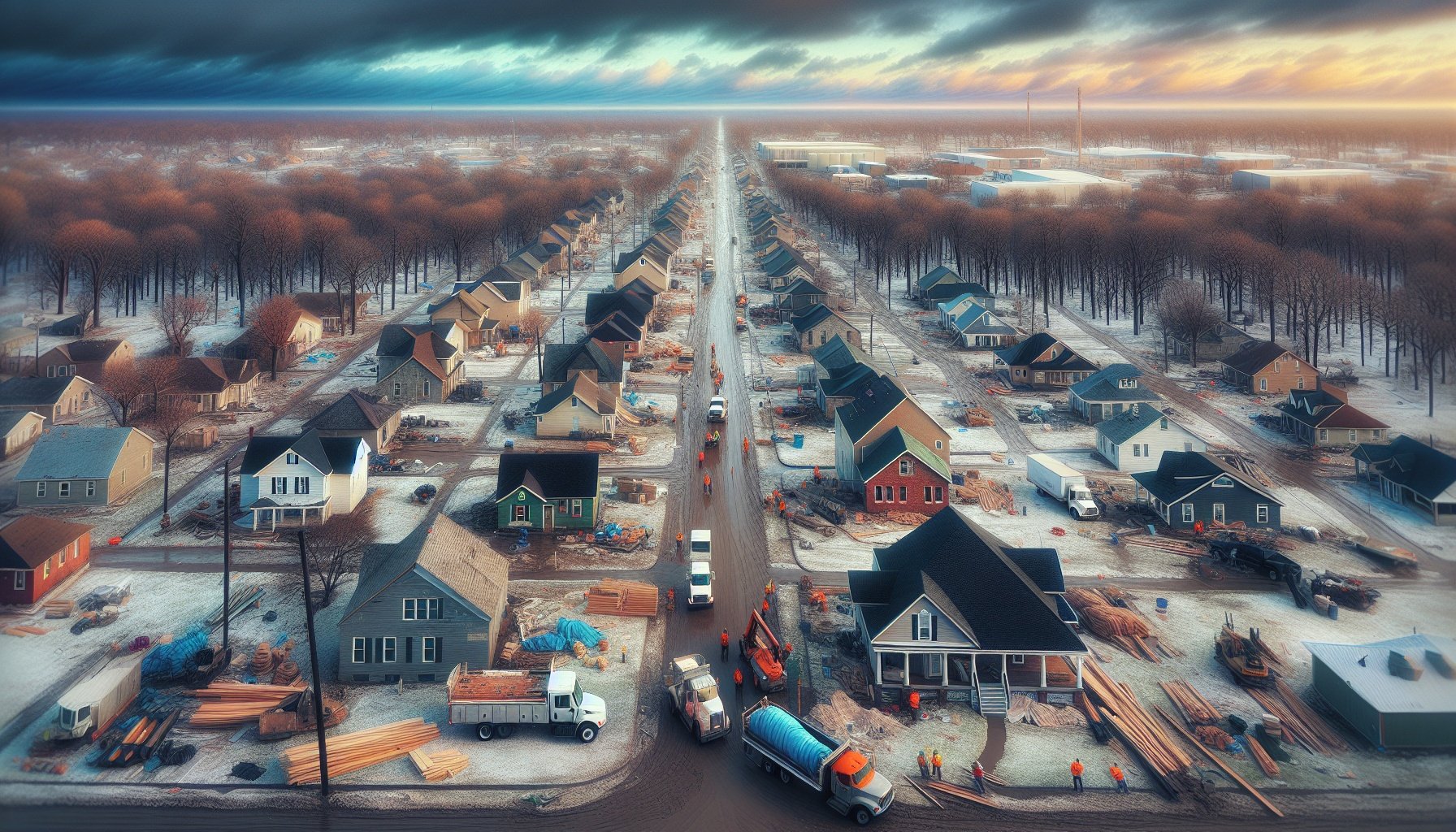
Growth in storm prevention services: insulation, pipe protection, backup power, and code-compliant upgrades
FEMA-backed projects and the state’s $11.4 million outlay push demand beyond basic repairs toward full storm-prevention packages across North Louisiana parishes. Insulation crews see more work dense-packing attics in older homes, air-sealing crawlspaces, and upgrading wall insulation to cut heat loss during hard freezes. Plumbers and mechanical contractors field new calls for pipe protection: heat tape on exposed lines, insulated hose bibs, boxed-in well heads, and rerouted supply lines away from unheated exterior walls. Electricians gain steady business installing standby generators, transfer switches, and dedicated circuits to keep heaters, well pumps, and medical devices running when the grid falters. As funding requires code-compliant, energy-conscious work, more projects fold in breaker panel upgrades, arc-fault and GFCI protection, and frost-resistant venting and combustion-air layouts that bring older North Louisiana homes up to current safety standards.
Conclusion
Federal winter storm aid has the power to do more than plug budget gaps across North Louisiana. The state’s $11.4 million commitment, paired with potential FEMA support, signals a stronger pipeline for roof repairs, debris removal, and home upgrades from Shreveport to Monroe and up toward the Arkansas line. Construction costs, labor availability, and material supplies may stay tight, yet that pressure also opens doors for local roofing crews, renovation teams, and storm-prevention specialists to grow and hire. With individual assistance flowing to homeowners, recovery can move toward safer, stronger houses instead of quick fixes. This season offers a chance for North Louisiana to rebuild smarter, support local contractors, and turn storm damage into long-term resilience for every community hit by the freeze.
Frequently Asked Questions
- What kinds of winter storm damage in North Louisiana are most likely to qualify for federal recovery funding?
- Federal recovery funding after a North Louisiana winter storm usually targets damage that affects health, safety, and basic habitability. Common examples include:
– Frozen and burst pipes: Interior and exterior water lines that rupture, damage to water heaters, and broken sewer lines that cause flooding or loss of running water.
– Roof damage and collapse: Caved‑in roofs, broken rafters, damaged trusses, torn shingles, and major leaks that threaten the structure or allow continued water intrusion.
– Electrical and HVAC issues: Damaged service panels, wiring, and heating systems caused by ice, snow load, or frozen components.
– Structural damage: Wall cracks, shifted foundations, sagging ceilings, or broken framing members from snow or ice load.
– Water and mold damage: Soaked insulation, damaged drywall, warped flooring, and mold growth that occurs after pipes burst or roofs leak.
Funding programs tend to focus on repairs that restore a home to a safe, sanitary, and functional condition. Cosmetic issues are usually a lower priority unless they are part of a larger structural or safety concern. - How does new federal funding change the timeline and availability of contractors for winter storm repairs in North Louisiana?
- Federal funding generally speeds up major recovery, but it also brings a wave of repair demand that can stretch contractor schedules across North Louisiana.
Typical impacts include:
– Faster start for critical projects: Homes with severe roof damage, broken plumbing, or structural issues often move to the front of the line once funds are approved.
– Busier construction calendar: Contractors around Shreveport, Monroe, Ruston, and Alexandria often book out weeks or months as funded projects roll out, especially right after major storm declarations.
– More out‑of‑area crews: Larger funding packages can attract regional contractors into North Louisiana, which can expand capacity but also makes quality screening more important.
– Season‑dependent work: Roof and exterior work often happens as soon as weather allows, while interior repairs like drywall, flooring, plumbing, and electrical move forward through the year.
Federal support helps more projects move from the waiting list to active construction, but early planning, permits, and inspections still drive how quickly each home is restored. - What types of construction and repair projects are North Louisiana homeowners prioritizing with winter storm aid?
- After a winter storm and federal aid announcement, repair priorities tend to follow a clear order across North Louisiana homes:
- Emergency stabilization
– Tarping and bracing damaged roofs
– Pumping out standing water
– Shutting off unsafe electrical or gas connections- Critical systems restoration
– Replacing frozen or burst water lines
– Repairing sewer and drain lines
– Fixing damaged electrical panels, outlets, and breakers
– Restoring central heat and hot water- Structural and weatherproofing work
– Rebuilding caved‑in roof sections and rafters
– Replacing damaged sheathing, shingles, and underlayment
– Repairing framing, exterior walls, and soffits
– Installing new insulation lost to water damage- Interior restoration
– Removing and replacing wet drywall and insulation
– Repairing or replacing flooring, trim, and doors
– Addressing mold and moisture issues- Resilience upgrades (when funding and budgets allow)
– Insulating vulnerable pipes and attics
– Adding better roof underlayment and ice/water shields
– Upgrading to more efficient heating systems and controls
Federal dollars tend to flow first to emergency and safety‑related work, then into long‑term repairs and upgrades. - How can federal storm recovery programs help protect North Louisiana homes from future hard freezes and winter storms?
- Federal storm recovery programs focus on repairing damage, but many also encourage resilience upgrades that make North Louisiana homes better prepared for the next hard freeze.
Key ways these programs support long‑term protection include:
– Code‑compliant rebuilding: Funding usually requires repairs to meet current building codes, which can mean stronger roof systems, better anchoring, and safer electrical and plumbing layouts.
– Energy and insulation improvements: Replacing damaged insulation and air sealing often leads to warmer interiors during cold snaps and less risk of frozen pipes.
– Plumbing protection: Repairs may include rerouting exposed supply lines, insulating pipes in attics and crawlspaces, and adding shutoff valves and access points for faster response.
– Roofing system upgrades: When roofs are replaced instead of patched, contractors can add modern underlayment, drip edges, and flashing that stand up better to snow, ice, and heavy rain.
– Moisture and mold control: Proper drying, vapor barriers, and ventilation help prevent long‑term damage that can weaken framing and finishes when the next storm hits.
Taken together, funded repairs create stronger, more weather‑ready homes that handle North Louisiana’s occasional deep freezes with less damage and quicker recovery. - What should be expected during the inspection and documentation process for winter storm damage claims tied to federal aid?
- Storm damage inspections connected to federal aid usually follow a structured process to verify what happened and what it will take to fix it.
Typical steps include:
– Initial visual assessment: Inspectors or contractors walk the property, taking photos of damaged roofs, ceilings, walls, plumbing, and mechanical systems.
– Mapping the water path: For frozen pipes or roof leaks, the team tracks where water entered, how it moved through the structure, and what materials were affected.
– Material and system checks:
– Roof: shingles, decking, flashing, vents, gutters
– Plumbing: pipe breaks, joints, valves, water heater condition
– Electrical: panel, circuits, exposed wiring near water damage
– Structure: rafters, joists, wall studs, and foundation movement
– Moisture readings: Meters and infrared tools may be used to find hidden moisture behind walls and under floors.
– Repair scope and estimate: Inspectors or licensed contractors put together a written description of needed repairs and an estimated cost based on local pricing around North Louisiana.
Thorough documentation often leads to more accurate funding decisions and helps align expectations between property owners, contractors, and agencies. - How is the surge in winter storm funding affecting the construction industry and local jobs in North Louisiana?
- A strong federal funding push for winter storm recovery brings noticeable economic activity to North Louisiana’s construction sector.
Main effects include:
– More work for local trades: Roofers, plumbers, electricians, framers, and drywall crews see a steady flow of projects, from Shreveport and Bossier City to Monroe, Ruston, and surrounding parishes.
– New hiring and training: Contractors often bring on helpers and apprentices, creating entry‑level and skilled positions in the building trades.
– Equipment and supplier demand: Local suppliers in areas like Alexandria and Natchitoches sell more shingles, pipe, lumber, insulation, and fasteners, which supports additional warehouse and delivery jobs.
– Small business growth: Smaller construction firms sometimes expand crews or services to handle storm‑related work, strengthening long‑term capacity in the region.
– Spillover benefits: Hotels, restaurants, and service providers benefit as outside crews come in and local teams work longer hours during peak repair seasons.
While the initial boost centers on recovery, the skills and capacity built during this period can support future projects across North Louisiana. - What construction upgrades are most effective for preventing frozen pipes and roof failures during future North Louisiana cold snaps?
- Several practical construction upgrades make a big difference when North Louisiana temperatures drop below freezing:
For frozen pipe prevention:
– Insulating supply lines in attics, crawlspaces, and exterior walls with quality pipe insulation
– Sealing gaps around hose bibs, wall penetrations, and crawlspace vents to reduce cold air movement
– Relocating vulnerable pipes away from unheated spaces when walls or ceilings are already open for repair
– Adding shutoff valves and drain points for exterior lines and outbuildings
For stronger, winter‑ready roofs:
– Using modern synthetic underlayment and, where appropriate, ice and water shield in valleys and along eaves
– Replacing damaged or sagging decking, not just shingles
– Upgrading fasteners and nailing patterns to meet current code and manufacturer standards
– Improving attic ventilation and insulation to reduce ice formation and condensation
When combined, these upgrades reduce the risk of burst pipes, leaks, and roof failures during hard freezes and light snow events that occasionally hit North Louisiana.