
Restore Historic Windows: Preserve Charm and Boost Efficiency
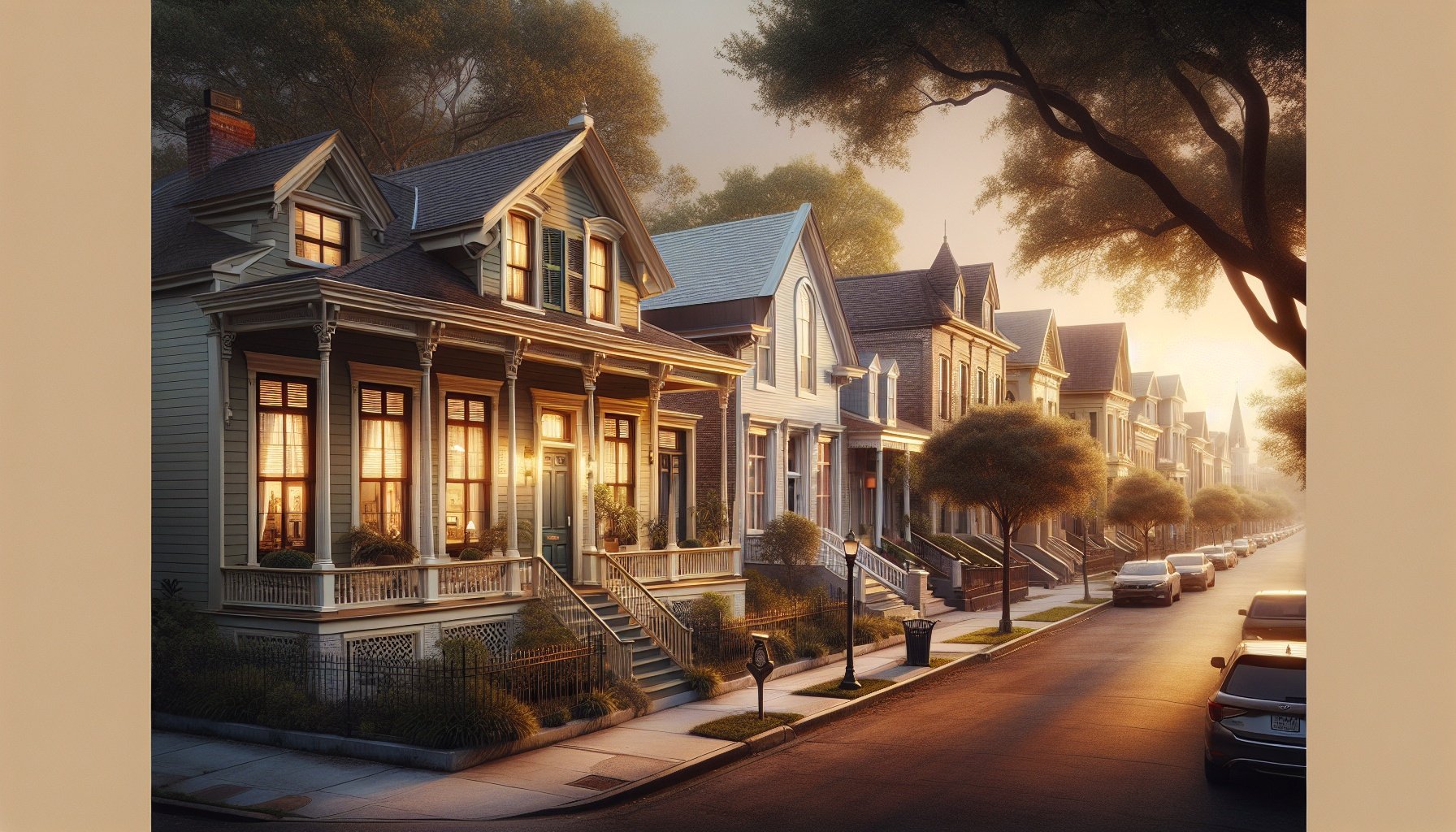
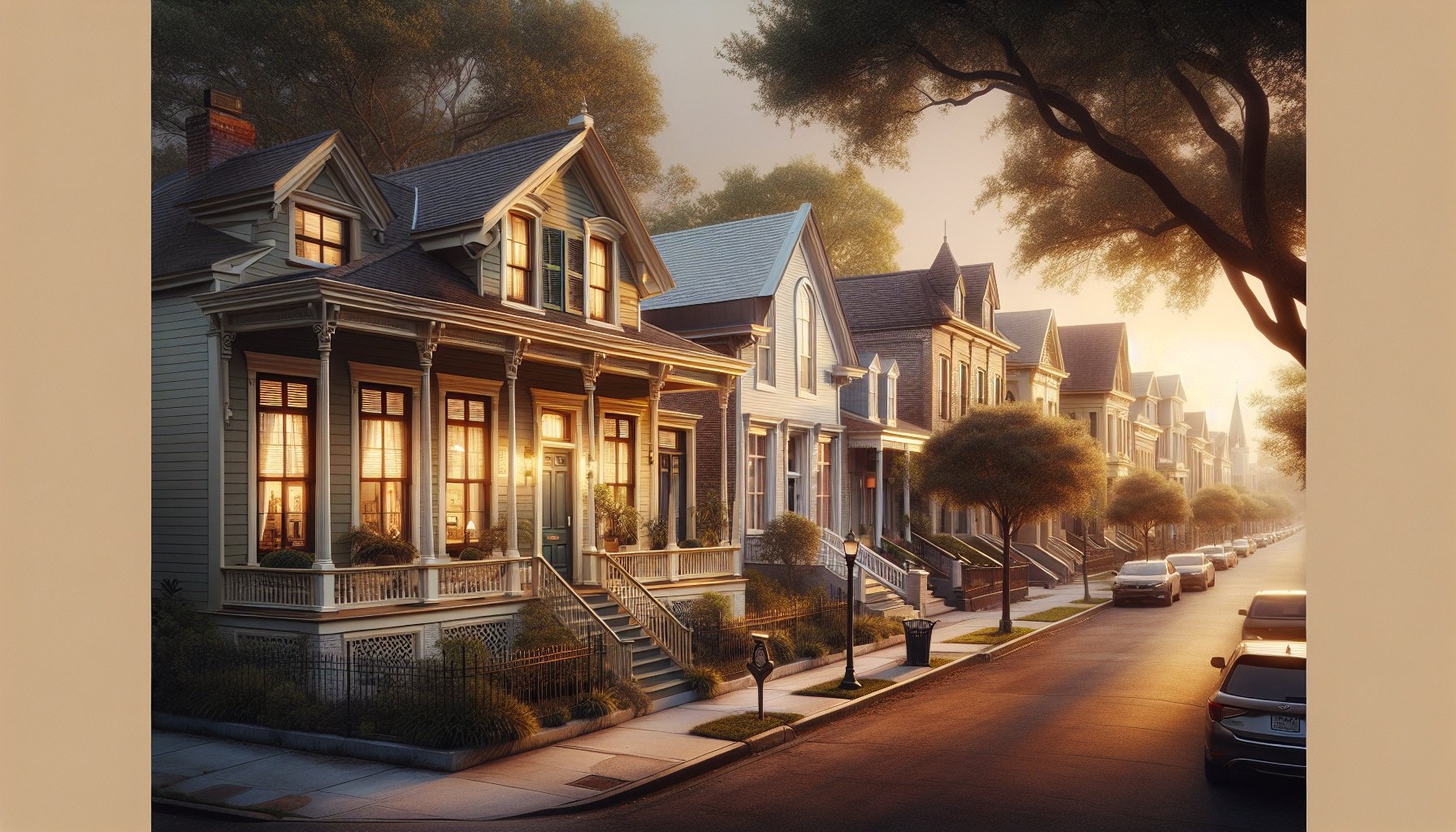
Historic wood windows give older Central Louisiana homes their soul. Wavy glass catching the sunset over the Red River, tall sash windows framing live oaks and front porches in Alexandria and Pineville, and the classic proportions seen in historic districts all add up to a look that modern replacements rarely match. Restoring historic windows involves repairing and weatherizing existing frames rather than replacing them entirely, which helps maintain the architectural integrity of old homes while still improving everyday comfort.
Quick Navigation:
Benefits of Restoring Historic Windows in Central Louisiana Homes | Essential Assessment and Repair Techniques for Historic Wood Windows | Weatherization and Efficiency Upgrades that Preserve Historic Detail | Frequently Asked Questions
Many older Windows only need careful repair, sealing, and a few smart upgrades to perform surprisingly well. Instead of sending solid cypress or pine sashes to the landfill, restoration keeps that craftsmanship in place, trims long‑term costs, and protects the character that makes Louisiana neighborhoods feel special. Thoughtful work on sash, frames, and hardware pairs naturally with modern weatherstripping, storm windows, and efficient glazing choices suited to Central Louisiana’s heat and humidity.
When restoration is done properly, historic windows can stand up to summer storms, cut down on drafts, and help manage moisture without losing their original charm. Each window becomes a bridge between past and present, blending traditional materials with practical efficiency upgrades. Restoring rather than replacing turns an aging feature into a long‑lasting asset that supports curb appeal, comfort, and energy performance, all while honoring the stories built into every pane and profile.
Benefits of Restoring Historic Windows in Central Louisiana Homes
Those original sashes and trim do more than look good; they also carry stories of Central Louisiana’s past, from World War II–era homes near England Airpark to old bungalows tucked off Jackson Street. Restoring historic windows helps protect property value in established neighborhoods, keeps homes eligible for certain historic tax credits and incentives, and often makes appraisals more favorable. Skilled restoration can also calm street noise from traffic on MacArthur Drive or government offices downtown, creating a quieter, more comfortable interior. Beyond comfort and savings, restored windows support long-term durability, safety, and community pride across Central Louisiana.
Good to Know: Restoring historic windows in colonial-era buildings preserves architectural details like sashes and glazing that reflect 18th-century craftsmanship techniques used in early American construction.
Source: U.S. National Park Service
Architectural character and curb appeal in historic Louisiana neighborhoods
Architectural character and curb appeal in historic Louisiana neighborhoods gain a big boost when original windows stay in place. Streets in Alexandria’s Garden District, downtown Natchitoches, and historic Marksville rely on tall double-hung sashes, arched openings, and multi-pane patterns to create that classic Central Louisiana look. Restored windows keep those sight lines and proportions consistent from house to house, so porches, balconies, and galleries feel unified instead of patchworked. Wavy glass, old-growth wood profiles, and true divided lites catch morning and evening light in a way modern units rarely match, adding depth and texture to façades. Well-restored windows also pair beautifully with shutters, trim colors, and ironwork, boosting curb appeal and helping whole blocks hold value over time.
Expert Insight: Historic window restoration employs scientific methods such as non-destructive testing to assess wood decay and ensure material integrity without compromising original structures.
Source: Quin Evans Architects
Cost comparison of restoration vs. full replacement over time
Cost comparison of restoration vs. full replacement over time
Restoring historic windows usually carries a lower up‑front price than full replacement and often wins out over the long haul. A sash repair, epoxy wood consolidation, fresh glazing, and quality weatherstripping commonly run a fraction of the cost of custom-sized replacement units, especially on tall shotgun houses or larger homes around Alexandria and pineville. Because old-growth wood in historic frames resists rot when maintained, restored windows can last several decades with basic upkeep like repainting.
Replacement windows, by contrast, may need full unit swaps after 15–25 years as seals fail or parts go out of production. That means paying again for new units, trim work, and disposal. Restored historic windows, paired with storm windows, often match replacement performance while spreading maintenance costs gently over time.
Energy efficiency gains from repair, sealing, and storm windows
Energy efficiency gains from repair, sealing, and storm windows
Restoring historic windows involves repairing and weatherizing existing frames rather than replacing them entirely, which helps maintain the architectural integrity of old homes. Tightening sash joints, repairing pulleys, and adding high-quality weatherstripping cuts down on the classic Central Louisiana drafts that let conditioned air slip out and humid air creep in. Fresh glazing compound around the glass reduces air leakage even further, especially on older wavy glass panes. Adding a well-fitted exterior or interior storm window creates an extra insulating air gap, acting like a double-pane system without touching the original sash. In Alexandria, Pineville, and Oakdale homes, this layered approach often lowers heating and cooling loads, helping HVAC systems run shorter cycles and stay in better shape over time.
Essential Assessment and Repair Techniques for Historic Wood Windows
Those stories locked into old sash and trim only stay alive when the windows are sound, safe, and working smoothly. Essential restoration starts with careful assessment: spotting hidden rot in sills, peeling paint that traps moisture, cracked putty that lets water sneak in, and loose joints that strain every open and close. Skilled pros test sash movement, inspect hardware, and check how the frame meets the wall so problems do not spread into surrounding plaster and framing. From there, precise repair techniques bring those wood windows back into everyday service, step by step.
Evaluating sash, frame, and sill condition for rot, damage, and lead paint
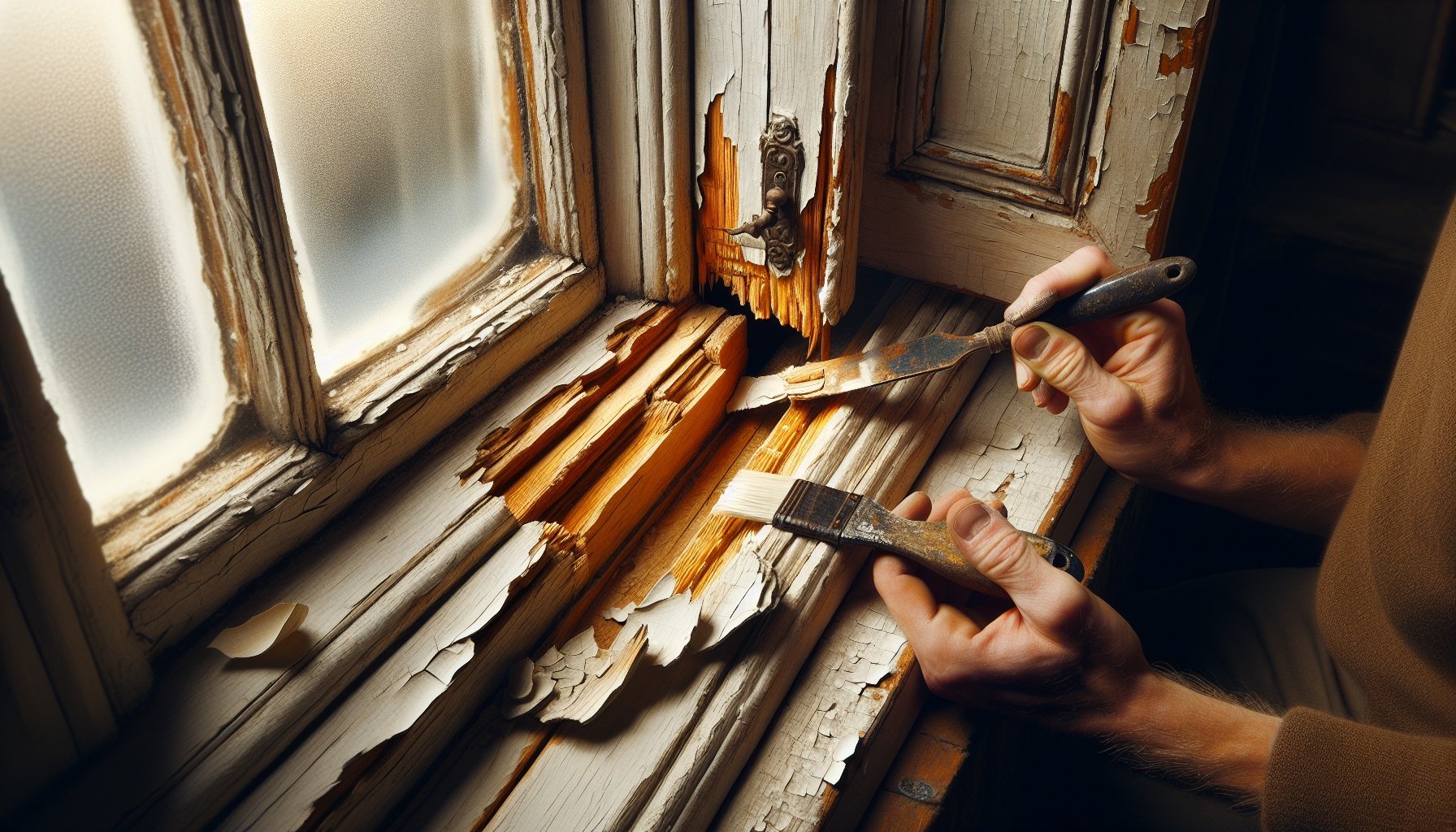
Evaluating sash, frame, and sill condition starts by probing wood with an awl or screwdriver to locate soft, spongy spots that signal rot below the paint surface. Corners of the bottom rail, meeting rails, and the outer edges of the sill often show early decay from years of condensation and rainwater. Cracked or out-of-square sash may point to hidden damage in the jambs or framing that needs structural repair instead of simple caulking. Paint that peels in sheets, shows alligator-style cracking, or reveals multiple color layers can indicate old lead-based coatings. Careful testing with EPA-recognized lead test kits and using safe containment practices allows damaged sections to be stripped, stabilized, or replaced while protecting the surrounding historic finishes and trim.
Expert Insight: In 2024, historic preservation efforts, including window restoration, supported over 2.6 million jobs and generated $228 billion in economic activity across the United States.
Repairing sash and muntins with epoxy, splices, and proper fastening
Repairing sash and muntins starts with removing loose material and cutting decay back to sound, tight-grained wood. Small checks, shallow rot pockets, and missing corners in rails or muntins respond well to a high-quality epoxy consolidant and filler system, shaped after curing to match original profiles. Deeper damage often calls for a wood splice: a Dutchman repair uses a matching species block, cut with a long, angled scarf joint and secured with exterior-grade glue and stainless or brass screws. Fasteners set below the surface and plugged avoid moisture traps and keep profiles clean. Loose muntin joints tighten with carefully drilled pilot holes and non-corrosive pins, helping glass stay stable and preserving the crisp grid patterns that define historic sash.
Interesting Fact: Restoring historic windows maintains cultural narratives embedded in traditional designs, fostering community identity and appreciation for local architectural heritage in urban districts.
Re-glazing, re-puttying, and refurbishing original hardware and pulleys
Re-glazing and re-puttying start once sash repairs cure and glass sits firmly in the rabbet. Old brittle putty gets scored with a knife and lifted away, then glazing points are removed so the glass can be reset or replaced with matching single-pane glass. The bare wood rabbet gets primed with an oil-based or bonding primer before a thin bedding of glazing compound is tooled in, the glass pressed into it, and new glazing points installed. A smooth, angled putty bead is then worked along the edge, allowed to skin, and primed before painting. Original hardware and pulleys often just need cleaning, lubrication, and minor straightening; sash locks, lifts, and brass or steel pulleys get de-painted, tightened, and reinstalled to keep the counterweight system running smoothly and safely.
Weatherization and Efficiency Upgrades that Preserve Historic Detail
Restoring historic windows involves repairing and weatherizing existing frames rather than replacing them entirely, which helps maintain the architectural integrity of old homes. This approach often uses techniques like re-glazing, re-puttying, and adding weatherstripping to improve insulation without altering the original design. Old-growth wood, tight joinery, and original glass can work together with modern low-profile storm panels, sash seals, and careful air sealing to cut drafts and energy loss. Thoughtful upgrades allow painted millwork, divided lites, and unique profiles to stay visible while heating and cooling systems work more efficiently, setting the stage for specific weatherization techniques that respect every historic detail.
Adding interior and exterior weatherstripping suited to humid Central Louisiana
Adding interior and exterior weatherstripping suited to humid Central Louisiana starts with choosing materials that tolerate heat, moisture, and sudden storms off the Red River and nearby bayous. Bronze spring weatherstripping or silicone bulb seals along the jambs keep double-hung sashes tight without hiding historic profiles. At the meeting rail, a thin kerf-in gasket reduces air leaks while allowing smooth movement during warm, damp seasons. On the exterior, flexible EPDM or silicone seals at the stop and parting bead stand up to summer sun and heavy rain common around Alexandria and Pineville. Interior stops can receive compressible foam or magnetic weatherstripping that blends with painted trim, improving comfort while leaving wavy glass, original sash profiles, and historic casings fully visible from the street.
Expert Insight: Laser scanning technology enables precise 3D modeling of historic windows for restoration, allowing digital replication of intricate patterns without physical alteration of originals.
Source: MDPI Sustainability Journal
Choosing compatible storm windows for historic homes in Alexandria, Pineville, and surrounding parishes
Choosing compatible storm windows for historic homes in Alexandria, Pineville, and surrounding parishes starts with respecting the original sash profile and trim. Low-profile aluminum storms in soft earth tones or off-white usually blend best with the painted wood found on older homes near the Alexandria Garden District or along Main Street in Pineville. Full-light or divided-light storms should align with existing muntin patterns so the façade facing the Red River or MacArthur Drive keeps its historic rhythm. When possible, interior storm panels with low-e glass or clear acrylic work well for houses with detailed exterior casings, brackets, or shutters. Venting storms help manage humidity during hot Central Louisiana summers, reducing condensation while still boosting efficiency during those sudden cold snaps.
Interesting Fact: Restoring historic windows reduces energy consumption by up to 30% compared to full replacement, enhancing environmental sustainability through retained thermal efficiency of original frames.
Glazing options, caulking, and ventilation strategies for comfort and moisture control
Glazing options, caulking, and ventilation strategies for comfort and moisture control start with choosing the right glass and sealants for Central Louisiana’s heat and humidity. Restoring historic windows often uses double-strength clear glass or restoration glass that keeps the wavy look while improving durability. For added comfort, a low‑e interior panel or laminated glass can soften summer sun along Jackson Street or along the Red River without changing the sash profile. Linseed‑oil glazing putty remains flexible and bonds well with old-growth pine, reducing hairline air leaks. High-quality, paintable elastomeric caulk seals joints at casings and sills while allowing seasonal movement. Discreet sash locks, vent stops, and slightly opened top sashes create stack ventilation that relieves trapped moisture and heat, especially during steamy Alexandria afternoons.
Conclusion
Restoring historic windows keeps original sash, trim, and profiles working as intended while protecting the character that gives an older home its soul. Careful assessment catches hidden issues early, from failing paint and putty to loose joints and early-stage rot, so repairs stay targeted and effective. Once problems are identified, skilled restoration and weatherization tighten gaps, calm drafts, and support more efficient heating and cooling without sacrificing historic charm. With smart upgrades, classic wood windows continue to open, close, and frame the view just as they always have—only tighter, safer, and better protected. Choosing restoration over replacement keeps history alive, improves comfort, and proves that old windows can still deliver strong performance for generations to come.
Frequently Asked Questions
- Why restore historic wood windows instead of replacing them with modern units?
- Historic wood windows often match the original character and proportions of older Central Louisiana homes in a way modern replacements rarely do. The sash profiles, divided lites, and wavy glass give each house its own personality.
Well-maintained original wood windows can last well over 100 years, while many modern replacement windows may need to be swapped out in 20–30 years. Old-growth lumber used in historic windows is denser and more rot-resistant than much of today’s wood, so it holds paint better and stands up to humid Louisiana weather when properly cared for.
Restoring windows also keeps the original architectural style intact, which helps protect home value, especially in historic neighborhoods like those around Alexandria’s Garden District or older downtown streets in Pineville. In many cases, restoration combined with weatherstripping and storm windows can reach energy performance similar to many modern units, without losing that classic Central Louisiana charm.
- Can restored historic windows be Energy efficient enough for hot Central Louisiana summers?
- Restored historic windows can perform surprisingly well in Central Louisiana’s heat and humidity when upgraded correctly. The key steps are:
– Tight-fitting weatherstripping around the sash to cut down on drafts
– Properly restored sash cords, pulleys, and parting beads so the window closes snugly
– Repairing gaps and cracks in the frame and trim with caulk or epoxy
– Installing high-quality storm windows (interior or exterior) to create an insulating air gapA well-restored wood window with a good storm unit can often get close to the energy efficiency of many double-pane replacements. The combination reduces air leaks, slows heat transfer, and helps air conditioning work more efficiently during long Central Louisiana summers.
Unlike full replacement, restoration also avoids the energy and material costs of manufacturing and transporting new windows, which keeps the overall environmental impact lower.
- What common problems can be fixed during historic window restoration?
- Most typical issues seen in older Central Louisiana homes can be repaired without replacing the entire window. Common fixable problems include:
– Stuck or painted-shut sash that no longer open
– Broken sash cords that keep the window from staying up
– Loose, rattling glass panes or missing glazing putty
– Peeling paint, minor wood rot, and surface damage on frames and sills
– Drafts caused by small gaps around the sash and stops
– Cracked or missing parting beads and stopsEven moderate rot can often be repaired with epoxy consolidants and fillers instead of total frame replacement. Skilled restoration also corrects balance issues so the window opens smoothly and locks securely.
Only in cases of extreme structural damage or severe neglect does full replacement become the more practical choice.
- How does the restoration process work for historic wood windows?
- A typical historic window restoration follows several careful steps:
1. Assessment and removal – Each window is inspected for wood rot, damaged glass, failing paint, and hardware issues. Sashes are carefully removed from the frames.
2. Paint and putty removal – Old paint and cracked glazing putty are stripped from the sash, frames, and muntins so fresh materials will bond well.
3. Wood repair – Damaged areas are scraped, treated for rot, and rebuilt with wood patches or epoxy fillers. Loose joints are re-glued and pinned.
4. Glass work – Cracked or missing panes are replaced, often with glass that matches the wavy look of old glass when desired. New glazing putty is applied and allowed to cure.
5. Weatherstripping and hardware – New sash cords, pulleys, locks, and lifts are installed as needed. Modern weatherstripping is added to reduce drafts.
6. Priming and painting – All surfaces are primed and painted with high-quality exterior paint suited for Central Louisiana’s humidity and sun exposure.
7. Reinstallation and tuning – Sashes are reinstalled, checked for smooth operation, proper closure, and tight seals.The result is a window that looks period-correct while performing better in terms of comfort and durability.
- Is it possible to keep the original wavy glass when restoring old windows?
- Original wavy glass is often one of the most loved features of historic windows, especially when it catches the evening light over Central Louisiana neighborhoods. In many cases, that glass can be kept.
During restoration, the sash is carefully stripped and the glazing putty removed. As long as the glass is not cracked or dangerously thin, it can stay in place and be re-bedded in fresh putty. When a pane does need replacement, restoration contractors may use restoration glass or specialty glass that mimics the look of historic wavy glass so the window keeps its vintage character.
Keeping original glass also preserves subtle imperfections that make older homes feel more authentic and helps maintain historical integrity for homes in established areas or near local landmarks and historic districts.
- How does restoring historic windows affect home value in Central Louisiana?
- Well-restored historic wood windows often increase appeal and value, especially in character-rich Central Louisiana neighborhoods. Original windows that operate smoothly and look sharp help a home stand out compared to nearby properties with mismatched or lower-quality replacements.
Buyers drawn to classic Southern architecture typically look for original details such as divided-light sash, traditional trim, and that distinct older-glass appearance. Restored windows signal that a home has been carefully maintained instead of stripped of its historic charm.
In some historic districts or near notable areas and older churches or public buildings, keeping original windows can also support compliance with local design guidelines and may protect long-term value. Good restoration blends performance upgrades with period-correct style, which is attractive both to buyers and to appraisers who understand historic properties.
- When is full Window replacement a better option than restoration?
- Although restoration is often preferred for historic windows, there are times when replacement makes more sense:
– Severe structural damage where frames are badly rotted, warped, or insect-damaged beyond repair
– Major alterations that have already removed most original parts, leaving little historic material to save
– Safety issues such as failing frames that cannot support glass or secure locks even after repair
– Situations where window openings are being significantly resized as part of a larger remodelEven then, many homeowners in Central Louisiana choose historically appropriate replacement windows that match original profiles and details as closely as possible.
Before deciding on full replacement, an evaluation by a contractor familiar with historic window restoration can identify which units are good candidates for repair and which truly need to be replaced. That balanced approach preserves as much original character as possible while still meeting modern comfort and safety needs.
Categories
Home Improvement Tips & Tricks