
Rain Gardens: Boosting Biodiversity and Beauty in Local Landscapes
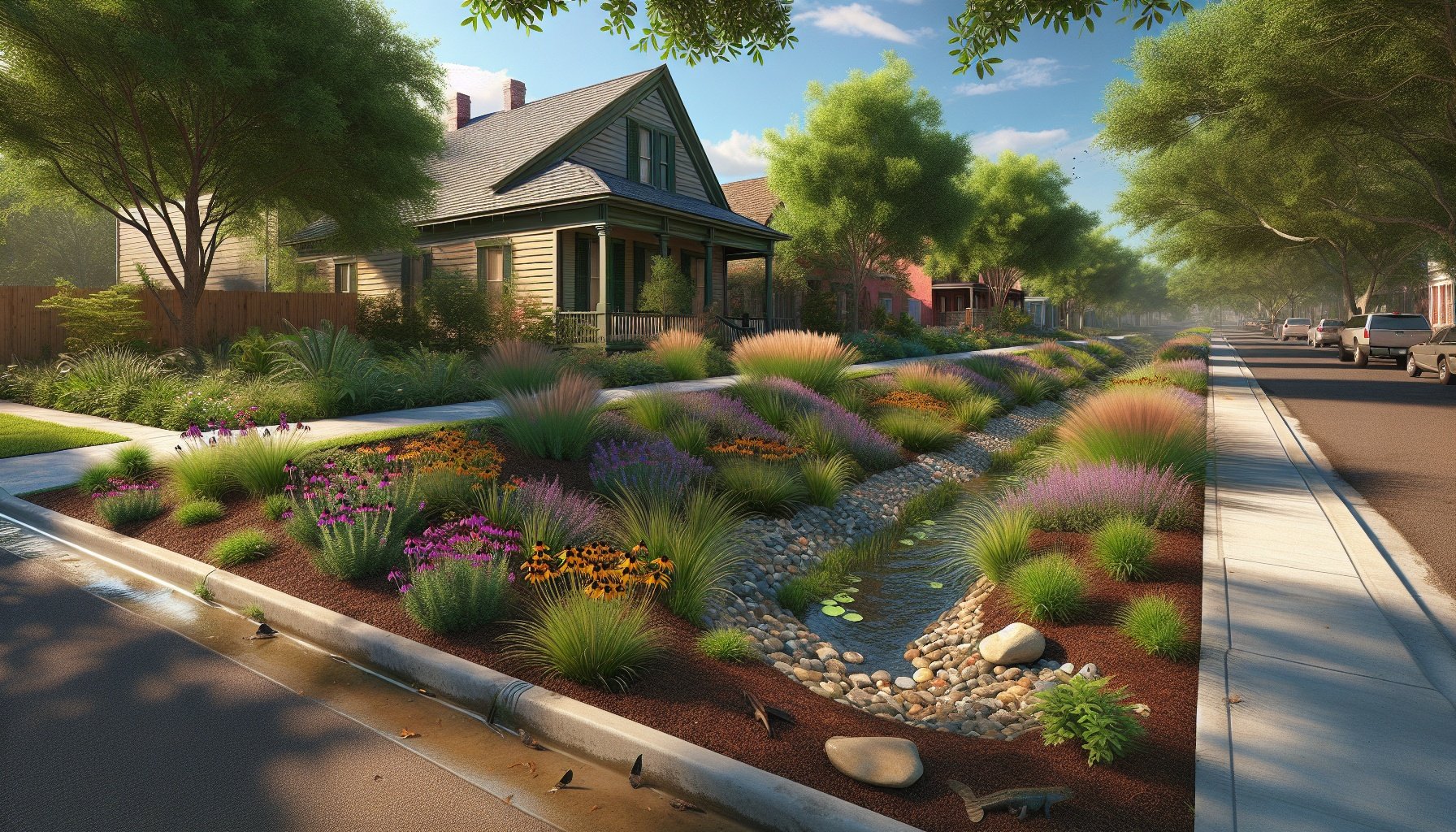
After a heavy summer storm rolls across Central Louisiana, rainwater often rushes off roofs, driveways, and streets, carrying soil and pollutants straight into local bayous and coulees. Rain gardens turn that storm surge into a powerful ally for nature. Instead of letting water go to waste, shallow, planted basins slow it down, soak it into the ground, and transform soggy spots into colorful habitat. Rain gardens can support a variety of native plants and wildlife by creating moist habitats that attract pollinators and birds. Unlike traditional gardens, they utilize layered soil and specific plant selections to foster ecological balance in urban and suburban neighborhoods, from Alexandria to Pineville and beyond. Thoughtful design brings together Central Louisiana rainfall patterns, soil conditions, and native plant communities so that every storm helps build healthier ground, cleaner water, and stronger local ecosystems. As native flowers, grasses, and shrubs take root, butterflies, hummingbirds, songbirds, and beneficial insects quickly follow, creating a living landscape that changes with the seasons. Implementing these features not only beautifies yards, parks, and public spaces, but also contributes to long-term sustainability by promoting resilient ecosystems that can handle heavier rains and hotter summers. A well-planned rain garden becomes more than just a planting bed; it grows into a small but mighty refuge that supports local biodiversity, strengthens community pride, and showcases how simple landscape choices can make a big difference across Central Louisiana.
Quick Navigation:
Key Benefits of Rain Gardens for Central Louisiana Biodiversity | Designing a Biodiverse Rain Garden for Local Conditions | Building and Maintaining a Thriving Rain Garden Ecosystem | Frequently Asked Questions
Key Benefits of Rain Gardens for Central Louisiana Biodiversity
Rain gardens can support a variety of native plants and wildlife by creating moist habitats that attract pollinators and birds. Unlike traditional gardens, they utilize layered soil and specific plant selections to foster ecological balance in urban settings. Implementing these features not only beautifies landscapes but also contributes to long-term sustainability by promoting resilient ecosystems. In Central Louisiana, this means stronger food chains for local frogs and turtles, cooler pockets of shade in hot neighborhoods, and healthier connections between bayou edges and backyard greenspace. These advantages add up to several key benefits for local biodiversity that stand out in a big way.
Managing stormwater while creating wildlife-friendly moist habitats
Managing stormwater in Central Louisiana while supporting wildlife means designing rain gardens to hold water just long enough to benefit both the land and local species. Gentle side slopes, small rock check dams, and shallow overflow areas slow heavy downpours, spreading water instead of letting it rush toward bayous and coulees. This creates moist pockets where native irises, swamp milkweed, and soft rush thrive, giving frogs, dragonflies, and chorus of tree frogs a safe place to live and breed. Slightly higher mounds inside the basin stay drier, providing perches and nesting cover for wrens and cardinals. As water slowly sinks into the ground, these mini-wetlands cut street flooding and turn stormwater into steady support for healthy, wildlife-rich landscapes.
Good to Know: Machine learning algorithms now optimize rain garden designs by analyzing local climate data, improving water retention efficiency by 25% and enhancing biodiversity outcomes in 2025 projects.
Source: Northwestern Engineering
Supporting native pollinators, birds, and beneficial insects with layered plant structure
Layered plant structure in Central Louisiana rain gardens turns a simple basin into a living refuge for native wildlife. Tall shrubs like buttonbush and wax myrtle provide shelter and nesting spots for cardinals, chickadees, and titmice, while their flowers and fruits offer steady food sources. Mid-height perennials such as purple coneflower, lanceleaf coreopsis, and swamp milkweed create a colorful middle layer rich in nectar and pollen for native bees, butterflies, and hummingbirds. Low-growing sedges, frogfruit, and black-eyed Susan fill in the ground layer, supporting ground-nesting bees and predatory insects that help control garden pests. This vertical stacking of plants mirrors natural bayou and creek edges in Rapides and Avoyelles Parishes, supporting more species in the same small footprint.
Improving soil health, water quality, and long-term landscape resilience
Rain gardens boost soil health in Central Louisiana by slowing water down and letting it soak through deep, layered planting beds instead of rushing off hard surfaces. Compost-amended basins encourage soil microbes and earthworms that break down organic matter and loosen heavy clay, which improves root growth and plant stability. As runoff filters through this living sponge, excess fertilizers, oil, and grit from driveways are trapped and broken down, so cleaner water reaches local bayous and the Red River. Deep-rooted natives like ironweed, blazing star, and goldenrod help prevent erosion during heavy Gulf storms and droughts. Over time, these strong root systems, healthier soils, and cleaner runoff create landscapes that bounce back faster from floods, heat waves, and seasonal weather swings.
Designing a Biodiverse Rain Garden for Local Conditions
Designing a biodiverse rain garden for local conditions means paying close attention to the land, the weather, and the water that moves across it. Soil type, yard slope, and how often storms sweep through Central Louisiana all shape which plants will thrive and which layout works best. Matching plant communities to wet, medium, and drier zones inside the basin builds structure, color, and habitat through every season. Grouping species from local prairies, piney woods, and bayou edges also supports more insects and birds. With thoughtful planning, each layer of the garden can serve a purpose in the landscape design that follows.

Good to Know: Rain gardens have been utilized since ancient times in indigenous landscaping practices to capture rainwater and support native plant growth, enhancing soil health and local ecosystems.
Source: Wikipedia
Site selection, drainage patterns, and sizing for Central Louisiana rainfall
Site selection in Central Louisiana starts with watching how stormwater moves across the property during a heavy rain. Low spots that collect runoff from roofs, driveways, or compacted lawn areas work well, as long as water drains away within 24–48 hours. Avoid placing rain gardens directly over septic systems or right against building foundations. Gentle slopes, around 3–8%, allow water to flow in without eroding the edges.
Local rainfall often brings short, intense downpours, so sizing matters. A simple rule is to make the rain garden about 10–20% of the area that drains into it, with a shallow basin 4–8 inches deep. In Alexandria, pineville, and nearby parishes, that depth handles frequent storms while still protecting plant roots and soil structure.
Layered soil profiles and mulch choices that support healthy root systems
Layered soil in a Central Louisiana rain garden starts with a loosened subsoil to at least 12–18 inches, broken up so roots can penetrate and water can soak in instead of ponding on top. Above that, a mix of roughly 50–60% sand, 20–30% compost, and 20–30% native topsoil creates a well‑drained but moisture‑holding planting zone, ideal for species like blue flag iris, swamp milkweed, and switchgrass. A 2–3 inch mulch layer finishes the profile, protecting roots from heat and pounding rain. Shredded pine bark, pine straw, or hardwood mulch works well around Alexandria and Pineville, staying in place better than rock or large bark chunks while slowly breaking down to feed soil life and strengthen root systems over time.
Pro Tip: Rain gardens filter stormwater runoff through layered soils and native plants, reducing pollutants by up to 90% and promoting microbial activity that boosts biodiversity in urban areas.
Source: ScienceDirect
Native plant palettes for blooms, berries, and cover across all seasons
Native plant palettes in a Central Louisiana rain garden work best when planned for constant food and shelter. Spring interest can start with blue flag iris, swamp milkweed, and lanceleaf coreopsis for early nectar that supports butterflies and native bees. Summer brings height and color from blazing star, black‑eyed Susan, and switchgrass, which also offers nesting cover and strong roots that grip the amended soil profile. For fall, beautyberry, possumhaw holly, and native asters add berries and late blooms that feed migrating birds and insects. Winter structure from wax myrtle, inkberry holly, and sedges keeps the basin visually anchored while providing roosting spots and seed heads, so the rain garden remains alive and useful through every season.
Building and Maintaining a Thriving Rain Garden Ecosystem
Rain gardens do more than catch stormwater; they grow into living systems that evolve over time. Beyond cooling hot neighborhoods and supporting local wildlife, strong rain garden ecosystems rely on thoughtful layout, steady care, and seasonal attention. Healthy plant layers, good water movement, and room for critters to shelter all play important roles in keeping these spaces active and balanced. As roots deepen and soil life increases, rain gardens handle heavier storms, filter more runoff, and stay attractive with less effort. With a few simple strategies, each new season can bring fresh growth and more life into a rain garden ecosystem.
Keep in Mind: Over 500 municipalities in the United States implemented rain gardens by 2024, resulting in a 30% increase in urban biodiversity metrics as measured by native species counts.
Step-by-step construction for DIYers and pros, from excavation to planting
Construction starts with laying out the basin shape along the natural flow path, then marking overflow points so heavy Central Louisiana downpours shed safely toward a swale or ditch. Excavation follows in shallow layers, creating a gentle bowl with a flat bottom and slightly raised berm on the downhill edge. Compacted subsoil gets loosened, then topped with a blended mix of sand, compost, and existing soil to improve drainage and root growth. River rock or gravel is added at inlets to slow incoming runoff. Planting begins from the wettest center outward, tucking moisture-loving natives lowest and tougher prairie and piney-woods species higher on the slope, then finishing with mulch that leaves open soil around crowns for healthy establishment.
Expert Insight: In urban communities, rain gardens are increasingly integrated into cultural festivals and educational programs to teach sustainable water management and foster appreciation for local flora.
Source: Royal Horticultural Society
Establishing plants during the first seasons and managing weeds naturally
Rain gardens can support a variety of native plants and wildlife by creating moist habitats that attract pollinators and birds. During the first two growing seasons, young roots stay shallow, so consistent moisture matters more than heavy fertilizer. Light hand-watering during long dry spells helps plants knit into the amended mix and anchor the berm, especially for deep-rooted natives like blue flag iris, swamp milkweed, and little bluestem. A 2–3 inch mulch layer stays fluffed, not compacted, so stems can spread and self-seed. Natural weed control relies on routine, low-stress passes: pulling small weeds after rain, cutting invasive grasses at the base, and smothering stubborn patches with cardboard under mulch. Dense, mature plantings then shade soil, making weeds far less common.
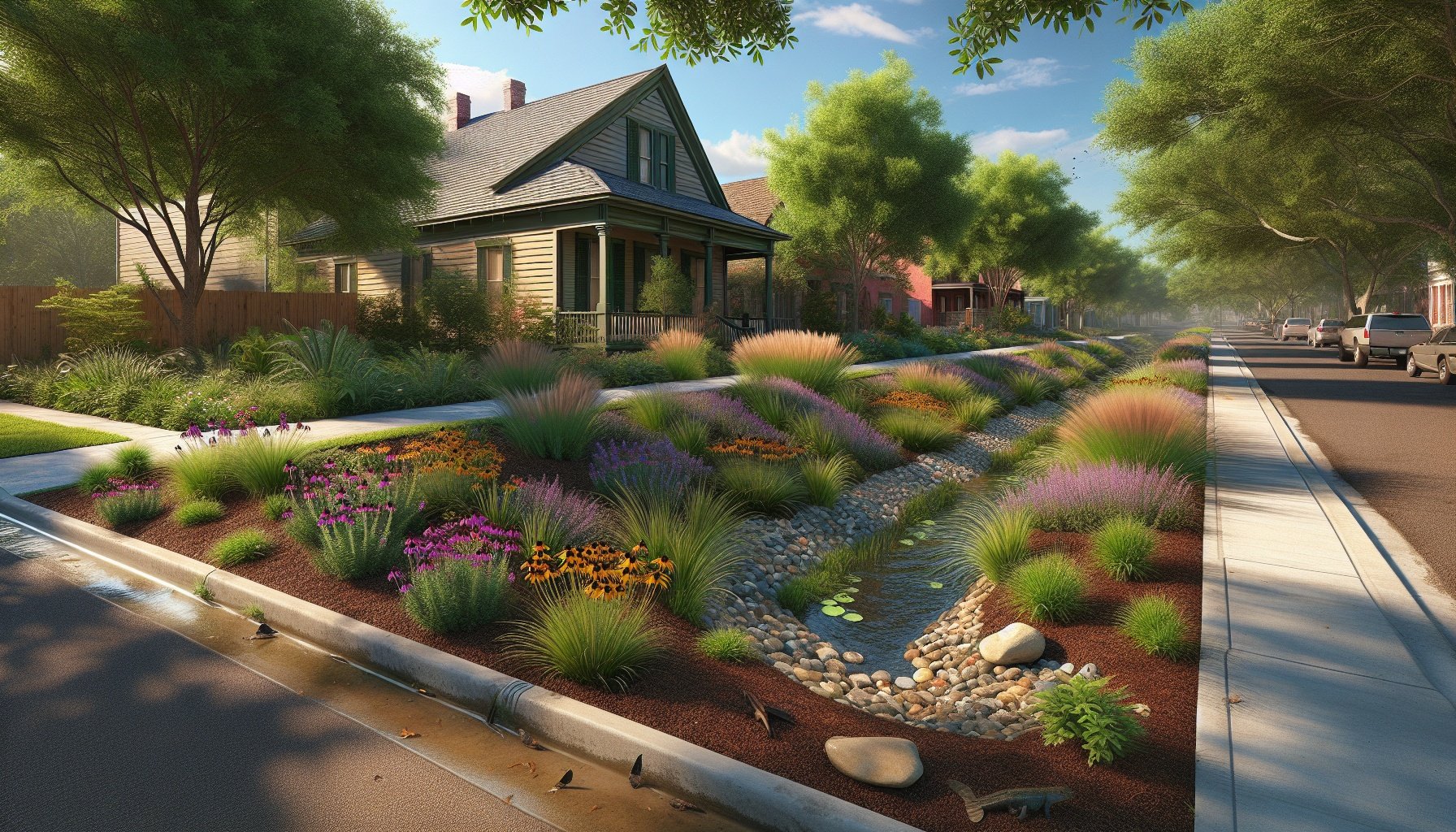
Worth Noting: Rain gardens can support up to three times more pollinator species than traditional lawns, unexpectedly turning urban yards into thriving habitats for bees and butterflies.
Source: Northwestern Engineering
Monitoring wildlife activity, adjusting plant choices, and adapting to changing weather
Monitoring wildlife turns a rain garden into a living classroom. Noting which birds, frogs, butterflies, and beneficial insects visit over the seasons shows which features work well and where gaps exist. If dragonflies and tree frogs appear but few pollinators, adding more blooming natives such as bee balm, black-eyed Susan, and purple coneflower shifts the balance toward nectar and pollen. Where standing water lasts a bit longer, buttonbush, swamp milkweed, and soft rush handle wetter pockets and invite even more species.
Weather shifts call for tweaks, not a full rebuild. After dry summers, deeper-rooted prairie plants and grasses improve drought resilience. Following back-to-back heavy storm seasons, expanding the basin slightly or planting extra sedges and switchgrass helps manage higher runoff while keeping the ecosystem stable.
Conclusion
Rain gardens can support a variety of native plants and wildlife by creating moist habitats that attract pollinators and birds. Unlike traditional beds, they link Central Louisiana yards with nearby bayous, prairies, and piney woods, turning everyday stormwater into a resource instead of a problem. Thoughtful matching of soil, slope, and storm patterns with the right mix of wet, medium, and dry zone plants builds a layered landscape that looks good and works hard year-round.
Rain gardens can be shaped to fit neighborhood streets in Alexandria, quiet lots near Cotile Lake, or shady corners under big pines. Each planted basin adds one more pocket of shade, color, and life. Choosing a spot, sketching the basin, and selecting native species starts the path to healthier, more vibrant local landscapes.
Frequently Asked Questions
- What is a rain garden and how does it help with stormwater in places like Central Louisiana?
- A rain garden is a shallow, landscaped basin designed to collect and absorb rainwater that runs off roofs, driveways, patios, and lawns. Instead of rainwater rushing into streets and storm drains, it slows down in the garden and soaks into the ground.
In a region like Central Louisiana, where heavy summer storms are common, rain gardens help by:
– Reducing localized flooding and standing water
– Allowing more water to infiltrate the soil instead of rushing into drainage ditches
– Filtering out pollutants such as oil, fertilizers, and lawn chemicals before they reach bayous and rivers
– Recharging shallow groundwaterPlants, mulch, and soil in a rain garden work together as a natural filter. That combination cleans and cools stormwater and helps protect local waterways across neighborhoods from Alexandria to Pineville and beyond.
- How do rain gardens support local biodiversity and wildlife?
- Rain gardens increase local biodiversity by creating small but powerful habitat zones right in residential and commercial landscapes. When planted with native trees, shrubs, grasses, and flowers, a rain garden can:
– Provide nectar and pollen for bees, butterflies, and moths
– Offer seeds and berries for songbirds
– Supply shelter and nesting spots for beneficial insects and small wildlife
– Support amphibians and dragonflies by keeping water on-site longer and reducing polluted runoff to nearby ditches and pondsNative plants are especially important because local pollinators, birds, and other wildlife evolved alongside them. In Central Louisiana, plants like purple coneflower, black-eyed Susan, switchgrass, Louisiana iris, and buttonbush turn rain gardens into busy, living ecosystems that change through the seasons and attract a steady stream of visitors with wings, fur, and tiny legs.
- What makes a good location for a rain garden on a property?
- A good rain garden location captures runoff easily, drains well, and stays a safe distance from buildings. Strong locations usually share these traits:
– Sits where downspouts, driveway edges, or low spots naturally collect water
– Lies at least 10 feet away from building foundations and basements
– Avoids septic systems, utility lines, and tree trunks
– Receives full sun to partial shade (most rain-garden plants prefer 6 or more hours of sun)
– Has soil that drains within 24–48 hours after a storm
– Slopes gently, not steeply (ideally 1–5% slope)On many Central Louisiana lots, a rain garden works well just downhill from a roof downspout or at the bottom of a front or back yard where water already gathers after an afternoon thunderstorm.
- What types of plants work best in a rain garden, especially for Central Louisiana’s climate?
- Strong rain garden plants tolerate both wet and dry conditions. After a storm, roots may sit in damp soil for a short time, then stay fairly dry until the next rain. Native plants handle this cycle best and support more local wildlife.
Popular rain garden plant choices for Central Louisiana and similar climates include:
Perennials and grasses:
– Black-eyed Susan
– Purple coneflower
– Swamp milkweed
– Louisiana iris
– Blue flag iris
– Switchgrass
– Little bluestemShrubs and small trees:
– Buttonbush
– Wax myrtle
– Virginia sweetspire
– Red buckeye
– Possumhaw hollyThese plants develop deep roots that help soak up water, stabilize soil, and filter pollutants. Native flowers also bring colorful blooms that boost curb appeal from spring through fall, even during the hot, humid months between local festivals and football season.
- How big and how deep should a rain garden be to work effectively?
- Rain garden size depends on how much roof or pavement drains into it and how fast the soil absorbs water. A common guideline is to make the garden area about 10–20% of the size of the surface that drains into it.
General sizing and depth tips:
– Depth: 4–8 inches deep in the center basin works for most homes
– Gentle slopes: Sides should slope gradually so water spreads out instead of cutting channels
– Overflow: One edge should serve as a safe overflow point so extra water can spill into the yard, not toward buildingsFor example, if a 500-square-foot roof section drains to one downspout, a 50–100-square-foot rain garden about 6 inches deep often handles normal storms. In Central Louisiana’s heavier downpours, going a bit larger or deeper and testing soil drainage first helps the system keep up with those strong summer cloudbursts.
- What maintenance does a rain garden need over time?
- Rain gardens stay low-maintenance once established, but still need some regular care to stay healthy and attractive.
Typical maintenance tasks include:
– Weeding: Pull invasive or unwanted plants, especially during the first year
– Mulching: Maintain 2–3 inches of shredded hardwood mulch to hold moisture and control weeds (avoid blocking inlets and outlets)
– Replanting: Replace any plants that do not survive the first season with tougher native options
– Pruning and deadheading: Trim back perennials and shrubs as needed to encourage new growth and keep a tidy look
– Sediment removal: Clear silt or leaves from the inflow area so water can enter freely
– Inspection after storms: Check for erosion, exposed roots, or standing water that lingers more than 48 hoursWith this basic care, a rain garden continues to soak up stormwater, support butterflies and birds, and stay looking sharp season after season.
- Can a rain garden help improve property value and curb appeal?
- A well-designed rain garden often boosts both property value and curb appeal. Instead of a plain low spot or muddy area, the space becomes an attractive landscape feature that also solves drainage issues.
Benefits related to value and appearance include:
– A lush planted area with colorful flowers, grasses, and shrubs that frames a home or business
– A more polished yard, especially along driveways, sidewalks, and near front entries
– Reduced erosion, fewer washouts, and a neater look after heavy rains
– A visible commitment to sustainable landscaping and environmental stewardshipIn communities across Central Louisiana, from neighborhoods near the Red River to rural backroads, more buyers and business owners appreciate properties that manage stormwater responsibly while still looking good. A rain garden delivers both function and beauty in one smart, green feature.
Categories
Home Improvement Tips & Tricks