Federal Funding Powers Winter Storm Recovery in Central Louisiana
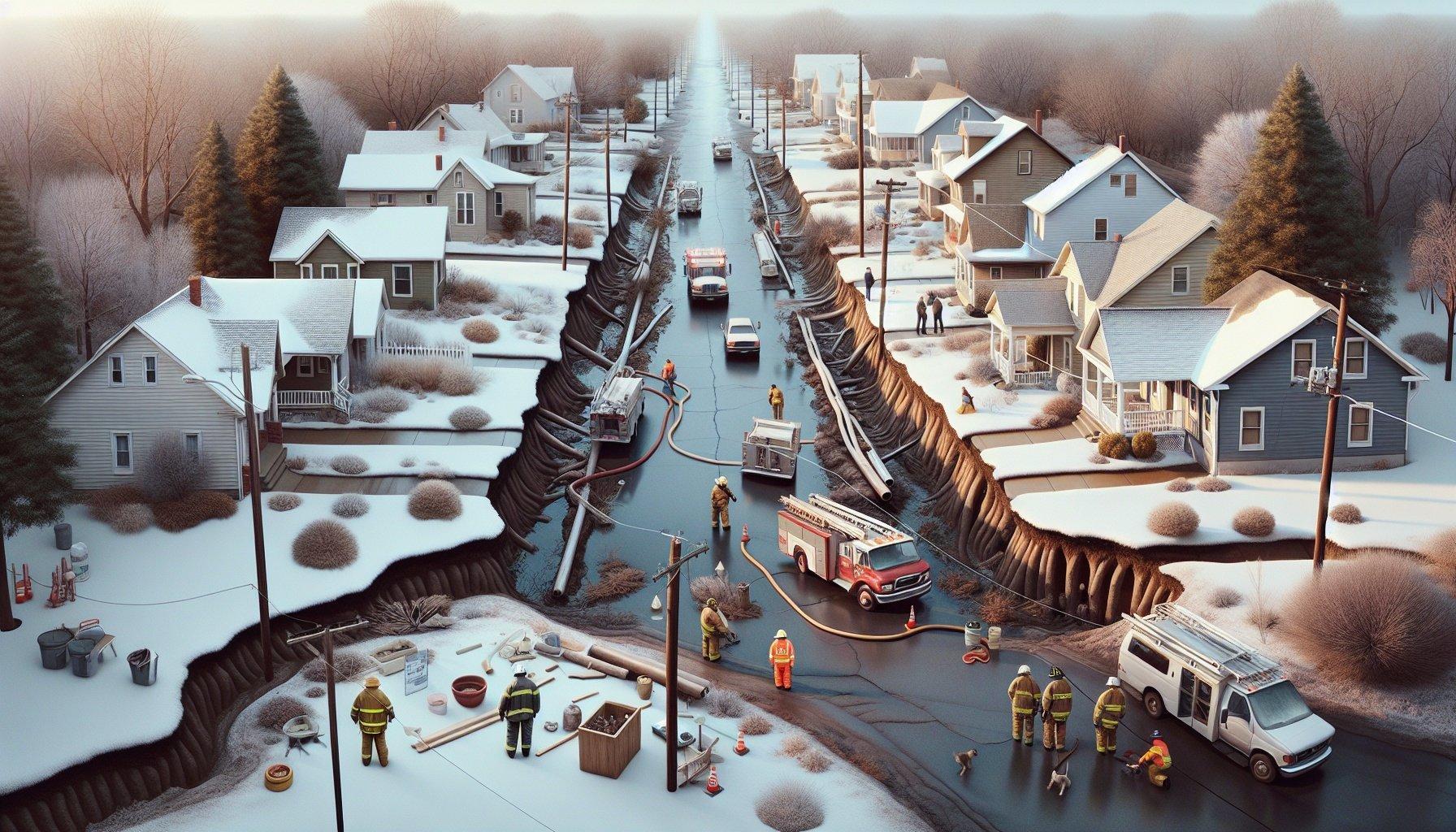
Ice didn’t just dust Central and North Louisiana in January 2026—it cracked pipes, buckled roads, and pushed families and small-town systems to the breaking point. Neighborhoods from Monroe to Alexandria woke up to burst water lines, leaking roofs, slab shifts, and trees down across yards and driveways. Power went out for tens of thousands, leaving homes cold and dark while water systems strained or failed. The recent Louisiana Gov. Jeff Landry seeks federal disaster declaration, more funding after winter storm (source) highlights that Louisiana Gov. Jeff Landry requested a major federal disaster declaration from President Trump after a late January 2026 winter storm struck nine north parishes, including Central Louisiana’s Ouachita Parish (Monroe), causing power outages for over 100,000 residents, water shortages, nine deaths, and ongoing recovery needs, with aid aimed at 30 days of snow assistance, debris removal, and infrastructure upgrades to handle future storms.
Quick Navigation:
Storm Damage Snapshot in Central and North Louisiana | Federal Disaster Declaration and Funding Pipeline | Turning Federal Aid into Real Repairs and Upgrades | Frequently Asked Questions
Roads heaved and cracked, bridges glazed over, and the power grid faltered right when homes and businesses needed it most. Smaller towns in parishes like Rapides, Catahoula, and Ouachita felt the hit hardest, as water plants froze up and rural systems struggled to keep up with emergency repairs. Crews worked around the clock, but broken mains, iced transformers, and damaged service lines meant long waits and mounting repair lists. Every new leak, outage, and closure added another layer of stress for homeowners, builders, and parish leaders already stretched thin.
That is why the push for federal funding matters so much for Central Louisiana, from Monroe’s busy streets to the neighborhoods around Alexandria’s hospitals, schools, and plants. Disaster dollars can be the difference between patching damage and truly rebuilding—stronger roofs, better-insulated walls, hardened plumbing, and infrastructure upgrades that stand up to the next hard freeze. With the right documentation and coordination, winter storm recovery can fuel local construction jobs, debris removal contracts, and smarter long-term planning. Federal help, local know-how, and careful reporting together can turn a painful storm season into a chance for lasting improvements across the region.
Storm Damage Snapshot in Central and North Louisiana
Behind the headlines and statewide numbers, each parish in Central and North Louisiana tells a different winter storm story. Some streets in Monroe and West Monroe dealt with silent slab movement under homes, while pockets of Rapides and Grant Parishes saw aging culverts collapse and old gas lines stressed by freeze–thaw cycles. Small towns leaned on volunteer fire departments and church crews to check on elders, clear side streets, and tarp roofs while waiting on outside help. This local snapshot of damage patterns, neighborhood hot spots, and hard–hit systems sets the stage for targeted repairs and smarter rebuilding priorities.
Interesting Fact: Twenty-three Louisiana parishes, including Central Louisiana’s Rapides Parish, are designated for Individual Assistance providing grants for home repairs following DR-4590 severe winter storms.
Source: FEMA.gov
January 2026 freeze impacts on homes, businesses, and utilities in parishes like Ouachita, Rapides, and Catahoula
The hard January 2026 freeze hit familiar places across Central and North Louisiana in different ways. In Ouachita Parish, older brick homes around Monroe and West Monroe saw attic supply lines split, soaking insulation and collapsing ceilings, while small shops along Louisville Avenue and Forsythe dealt with frozen fire-sprinkler mains and ruined flooring. In Rapides Parish, slab-on-grade houses from Alexandria to pineville shifted as deep frost heaved clay soils, cracking tile and misaligning doors. Catahoula’s rural communities faced frozen well pumps, snapped service lines, and small water systems that limped along with boil advisories for days. Those layered impacts on homes, businesses, and critical utilities set the stage for Governor Landry’s push for a major federal declaration focused on construction-heavy recovery and long-term resilience upgrades.
Interesting Fact: SBA offers low-interest federal disaster loans to businesses and private non-profits in parishes like Rapides Parish impacted by the January 2025 winter storm until October 25, 2025.
Source: SBA.gov
Common residential damage: burst pipes, roof leaks, slab shifts, and downed trees across neighborhoods from Monroe to Alexandria
From Monroe’s Garden District to newer subdivisions outside Alexandria, the same storm pattern left a different mix of damage on almost every street. Prolonged hard freeze and low water pressure turned small pipe weaknesses into full blowouts, soaking spray-foam attics in West Monroe and ruining vinyl plank floors in Pineville. Steep roofs around Sterlington and Swartz shed ice dams poorly, leading to slow roof leaks that stained ceilings long after the thaw. In south Rapides Parish, shifting shallow slabs showed up as stair-step cracks along brick veneer and stiff hallway doors that no longer latched. Downed pines and water oaks along Bayou DeSiard and around Buhlow Lake crushed carports, fences, and service entrances, creating debris piles that federal debris-removal funding now targets for faster cleanup.
Pro Tip: Severe winter storms affected Louisiana from February 11 to 19, 2025, resulting in FEMA major disaster declaration DR-4590 on March 9, 2025, for recovery funding.
Strain on local infrastructure: road heaving, bridge icing, power grid failures, and water system disruptions affecting small towns and rural communities
Outside city centers, the freeze pushed already thin infrastructure past its limit. Back roads in Caldwell and LaSalle parishes buckled as shallow base material expanded and contracted, leaving long frost heaves that cracked asphalt and shook apart aging culverts. Smaller bridges over Bayou DeSiard and Little River glazed with black ice, forcing closures that cut off school bus routes and work commutes. Co-op power lines across pine stands near Jena and Columbia sagged under ice, snapping crossarms and causing rolling outages that lasted well after city grids came back. In rural water systems from Ouachita’s fringe communities to Catahoula’s fishing camps, frozen wellheads, split PVC lines, and ice-jammed pumps dropped pressure, triggered boil advisories, and highlighted the need for deeper line burial and upgraded controls.
Federal Disaster Declaration and Funding Pipeline
Those parish-level stories set the stage for the next step: turning local damage reports into real federal dollars on the ground. A major disaster declaration is more than a headline; it unlocks a structured pipeline of funding that runs from Washington to Baton Rouge, then down to parish offices, city halls, and job sites across Cenla and the northern parishes. That pipeline decides how fast roads get rebuilt, which homes qualify for repair help, and how much work flows to local builders and trades. Understanding how that declaration activates programs and funding streams is key to shaping a stronger, more resilient Central Louisiana recovery.
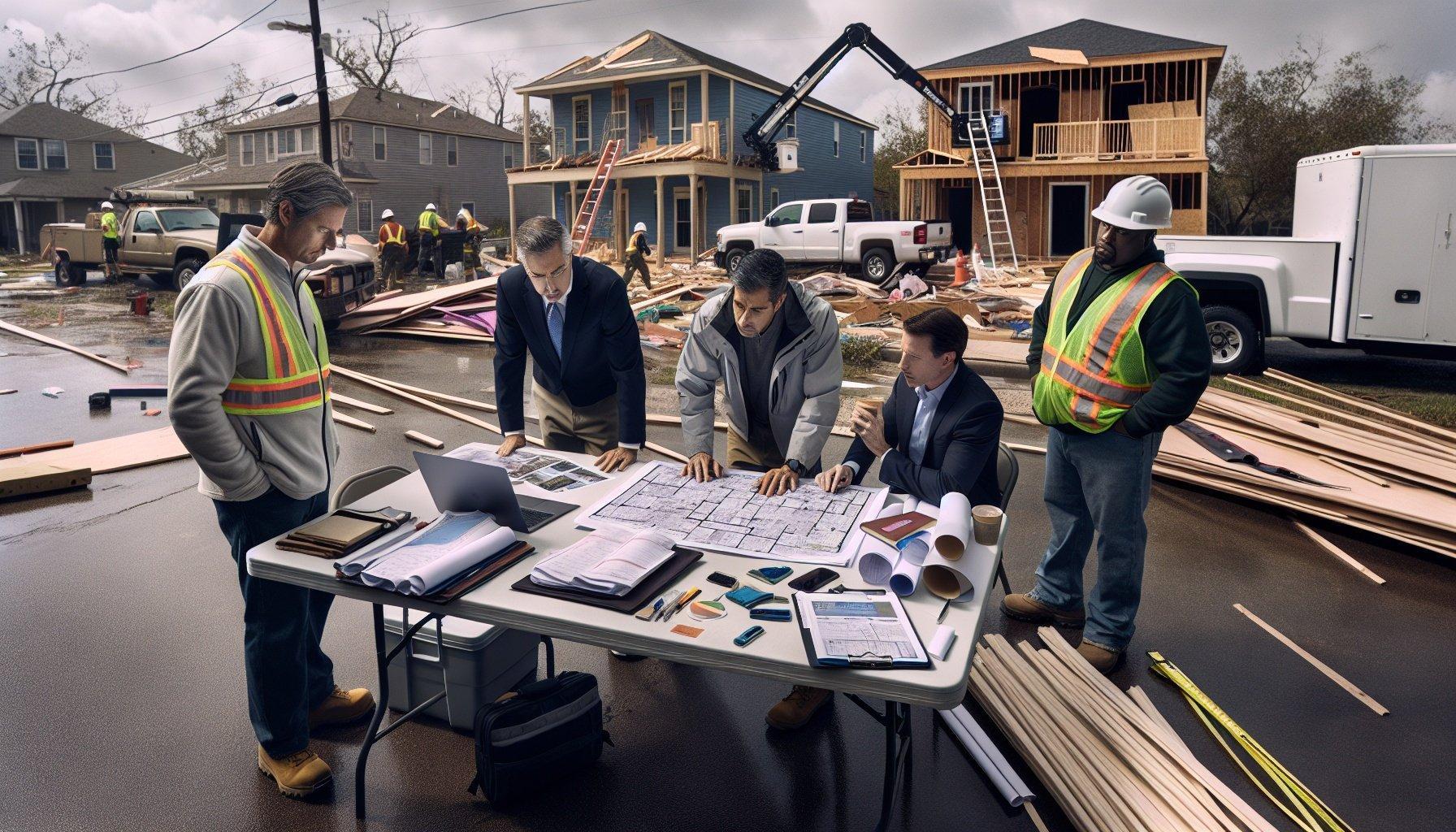
Interesting Fact: Rapides Parish in Central Louisiana qualifies for FEMA Individual Assistance to fund home repairs and Public Assistance for infrastructure upgrades after severe winter storms under DR-4590.
Source: FEMA.gov
Overview of Governor Landry’s disaster declaration request and what it unlocks: FEMA individual assistance, public assistance, and hazard mitigation funds
Governor Landry’s request to Washington pushed for three key tools: FEMA Individual Assistance, Public Assistance, and Hazard Mitigation funding. Individual Assistance helps households in places like West Monroe, Pineville, and rural Grant Parish with repair grants, temporary housing, and help replacing essential items ruined by burst pipes or roof failures. Public Assistance targets parish governments and small towns, reimbursing overtime for debris crews, repairing broken water mains, and rebuilding washed‑out parish roads that serve mill sites and farm operations. Hazard Mitigation dollars are the long‑game investment, aimed at upsizing culverts along Bayou Desiard, hardening lift stations in Alexandria, and elevating critical electrical equipment so the next hard freeze does less damage to homes, businesses, and public facilities across Central Louisiana.
Pro Tip: Over 1,500 Louisiana households secured FEMA grant approvals for recovery assistance including home repairs from the severe winter storms designated under DR-4590.
Source: FEMA.gov
How funding flows to parishes: coordination between the Governor’s Office of Homeland Security and Emergency Preparedness (GOHSEP), parish officials, and local contractors
Funding usually starts at GOHSEP in Baton Rouge, then moves out to parish emergency operations centers once Washington signs off. GOHSEP staff work with Ouachita, Rapides, Grant, LaSalle, and other parish officials to confirm damage totals, match each project to the right FEMA program, and assign priority to life‑safety work first. Parish presidents and mayors submit project worksheets for roads, culverts, public buildings, and critical utilities, while GOHSEP helps clean up paperwork so nothing stalls in review.
Local contractors step in once scopes and budgets are cleared. In Central Louisiana, that means debris haulers on Hwy 165, roofers in Alexandria, and utility crews in Pineville working under parish-managed contracts, with GOHSEP tracking invoices so FEMA reimbursement flows back steadily to keep projects moving.
Key timelines and documentation: why fast and accurate damage reporting matters for homeowners, builders, and parish governments
Fast, clean damage data starts the clock on nearly every federal program tied to the 2026 freeze. FEMA and GOHSEP work off hard timelines, often 30 days for initial damage estimates and tighter Windows for detailed project worksheets, so slow reporting in places like Ouachita, Rapides, and Catahoula can push back debris contracts, road repairs, and power system upgrades. Photos with dates, contractor estimates, permits, and receipts give FEMA enough proof to lock in funding, whether for a busted slab in West Monroe or a failed water line in Alexandria. When homeowners, builders, and parish offices document the same damage in consistent formats, GOHSEP staff can bundle it into clear packages, speeding Washington’s review and keeping construction crews working instead of waiting
Turning Federal Aid into Real Repairs and Upgrades
Federal aid does the most good when damage reports on paper turn into concrete, lumber, and upgraded utilities on the ground. After the January 2026 winter storm, that means lining up damage assessments, cost estimates, and contractor teams so funds can move quickly into actual work. Insurance payouts, FEMA programs, and state recovery grants often overlap, and smart coordination can stretch every federal dollar further across Central and North Louisiana. When local officials, builders, and homeowners document problems clearly and early, storm relief can support stronger slabs, safer gas lines, and modern drainage systems that are detailed in the next sections.
Steps for documenting damage and filing claims: photos, contractor estimates, receipts, and working with local adjusters and inspectors
Thorough records turn federal aid and insurance promises into real work on slabs, roofs, and frozen plumbing. After the January 2026 ice pushed trees into homes from Monroe to Alexandria, families and contractors began with photos: wide shots of each room, close-ups of split rafters, burst pipes, and ruined flooring, plus exterior shots showing snow, ice lines, and fallen limbs. Local builders in Ouachita and Rapides then prepared written estimates breaking out emergency tarp jobs, permanent roof replacement, electrical repairs, and code upgrades. Receipts for generators, hotel stays, heaters, and temporary plumbing kept small expenses from slipping through the cracks. When FEMA inspectors and parish or insurance adjusters arrived, these files helped confirm damage on the spot so funds could move faster to CenstruX crews and other local trades.
Good to Know: FEMA Public Assistance supports local governments in Central Louisiana with funding for repairing roads, bridges, and utilities damaged by ice and snow during DR-4590 winter storms.
Source: FEMA.gov
Opportunities for contractors and DIYers: debris removal, emergency repairs, and long-term rebuilding projects focused on resilience and code upgrades
As claims start getting approved across Ouachita, Rapides, and neighboring parishes, funded work opens steady opportunities for contractors and skilled DIYers. Tree crews tackle ice-snapped pines along neighborhood streets, clearing access and chipping debris so reconstruction can begin. Roofing and siding contractors lock in emergency dry‑in jobs first, then shift to full tear‑offs with upgraded underlayments, impact‑rated shingles, and fortified attic ventilation that handle future freezes and wind. Plumbers replace split copper and PVC with PEX, add shutoff valves, and insulate exposed runs to meet updated codes. Carpenters and remodelers rebuild porches, carports, and additions with stronger connections and better drainage. Small local crews that understand Louisiana codes and FEMA mitigation guidelines stand to stay busy for months rebuilding stronger than before the storm.
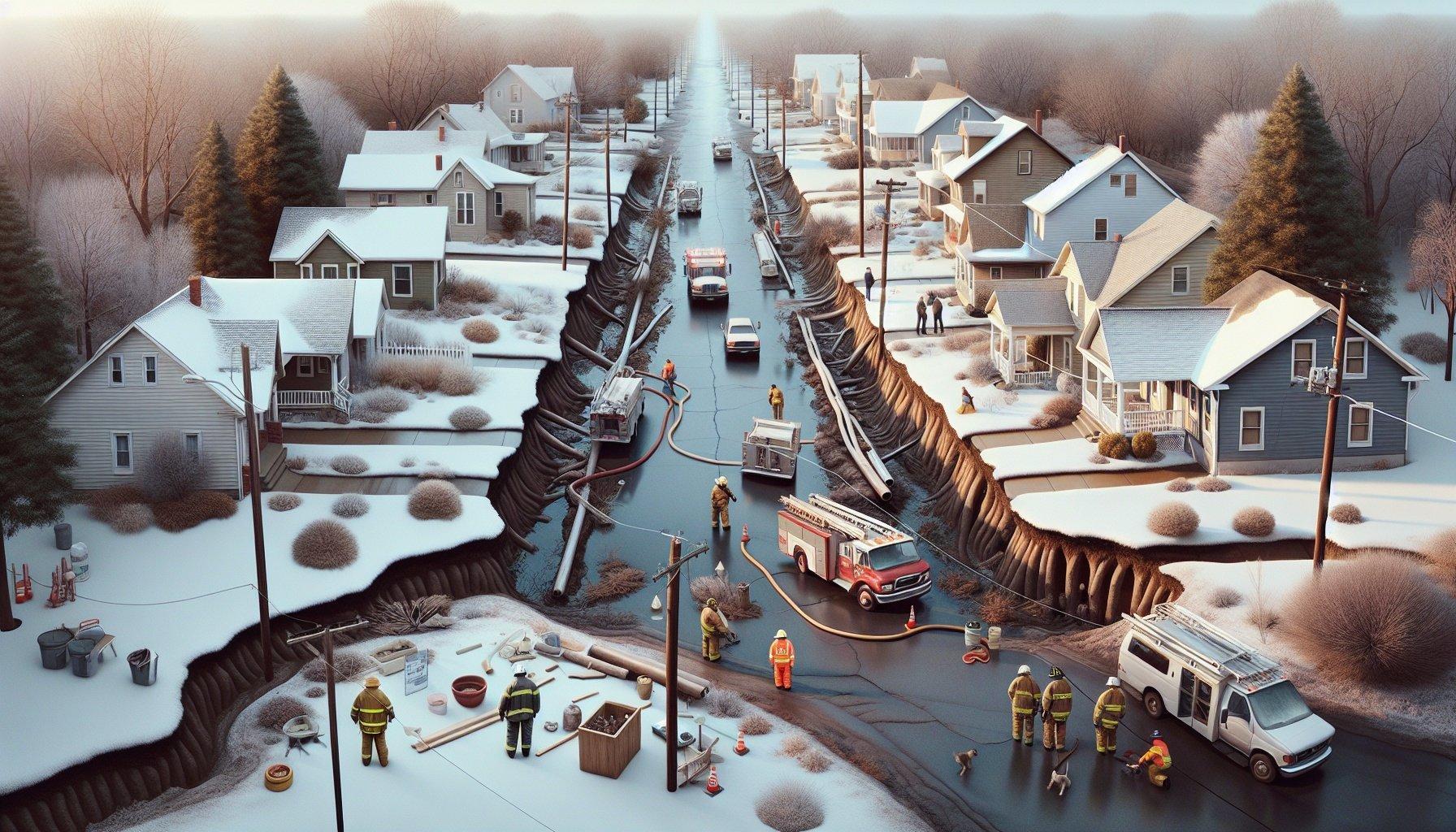
Using recovery dollars for smarter construction: updating insulation, hardening plumbing, roof reinforcement, and infrastructure improvements to handle future hard freezes
Recovery grants and low‑interest loans let North and Central Louisiana turn emergency fixes into long‑term protection. Attics in places like West Monroe, Alexandria, and Pineville can be brought up to modern R‑values with blown‑in insulation, sealed ductwork, and air‑sealed access hatches so heat stays where it belongs when temps dip into the teens. Frozen pipe blowouts become a chance to harden plumbing with PEX, deeper bury depths, foam‑wrapped hose bibs, and insulated crawlspace manifolds. Roof reinforcement goes beyond shingle swaps, adding ice‑ and water‑shield at eaves, upgraded decking fasteners, and better attic ventilation to prevent ice dams. At the street level, funded projects can upsize vulnerable water lines, add backup generators at lift stations, and install smarter valves so neighborhoods keep flowing through the next hard freeze.
Conclusion
Federal funding now stands at the center of winter storm recovery in north and Central Louisiana, guiding how parishes like Ouachita rebuild homes, clear debris, and restore key roads and utilities. Governor Landry’s disaster declaration request opened the door for FEMA assistance, state programs, and insurance dollars to flow into hard‑hit neighborhoods, business districts, and rural communities. As parish reports move up the chain and money returns as projects, every accurate damage log, photo, and cost estimate helps turn frozen pipes and downed lines into concrete, asphalt, and lumber on the ground.
With careful reporting, steady coordination, and strong local partners, this winter hit becomes a chance to rebuild smarter and stronger—so the next storm finds Central Louisiana ready, working, and wide open for progress.
Frequently Asked Questions
- What kinds of winter storm damage in Central Louisiana qualify for federal repair funding?
- Federal funding generally focuses on damage directly caused by the January 2026 winter storm, especially where ice and freezing temperatures created clear, documented problems. In Central and North Louisiana, this usually includes:
– Broken or burst water lines in homes and neighborhoods
– Sewer line backups or failures linked to frozen pipes
– Buckled or cracked roads, highways, and street surfaces from freeze–thaw cycles
– Damaged bridges, culverts, and drainage structures from ice and runoff
– Electrical system damage related to storm conditions and freezing moisture
– Roof leaks and structural problems triggered by ice accumulation
Priority often goes to essential systems: safe drinking water, basic home habitability, and public infrastructure such as roads and utilities. Cosmetic problems alone, like minor paint damage, typically do not qualify unless tied directly to a serious structural or safety issue created by the storm. - How does federal winter storm funding help homeowners repair damaged plumbing and pipes?
- Federal winter storm funding supports residential plumbing repairs by filling in the gaps between private resources and the cost of fixing serious damage. When ice in January 2026 cracked pipes around Central Louisiana, many homes ended up with:
– Burst supply lines in walls, attics, and crawl spaces
– Broken service lines running from the street to the house
– Water heater damage from freezing
– Water-damaged flooring, drywall, and insulation
Federal money can flow through several channels, including Individual Assistance programs, Small Business Administration (SBA) disaster loans, and state or parish-managed repair programs. These funds can help cover:
– Emergency plumbing repairs to restore running water
– Replacement of damaged piping with more resilient materials
– Related work like cutting and patching walls or ceilings to access pipes
– Limited restoration of basic finishes needed to make the home safe and sanitary again
Parishes often coordinate with local contractors and inspection offices to verify storm-related damage and ensure repairs meet code. Homeowners are usually expected to document damage with photos, repair estimates, and receipts. - What infrastructure projects around Central Louisiana are most likely to receive federal winter storm recovery funds?
- The January 2026 ice storm put heavy stress on public infrastructure across Central and North Louisiana, especially in areas like Alexandria, Pineville, Natchitoches, and smaller surrounding communities. Federal funding typically concentrates on projects that improve safety and long-term resilience, such as:
– Road and highway repairs where ice caused buckling, potholes, and surface failures
– Bridge inspections and structural fixes on crossings over the Red River, Cane River, and local bayous
– Water system upgrades, including main replacements, additional valves, and improved freeze protection at treatment plants
– Sewer and drainage upgrades to handle freeze–thaw damage and heavy runoff during melt periods
– Power reliability improvements, such as stronger utility poles, buried lines in key corridors, and modernized substations
Projects that connect to critical routes—like access to Rapides Regional, Christus St. Frances Cabrini, military and industrial areas, and major evacuation or freight corridors—often rise to the top of the list. - How will federal winter storm funds improve local roads and driving conditions in Central Louisiana?
- Freeze–thaw cycles from the 2026 winter storm put serious stress on asphalt and concrete across the region. Water seeped into small cracks, froze, expanded, and then left behind larger gaps and broken sections. Federal funding helps local and state transportation agencies move beyond quick patch jobs and focus on stronger fixes such as:
– Full-depth repairs in badly damaged sections instead of shallow surface patches
– Resurfacing key streets and highways with improved asphalt mixes designed to handle temperature swings
– Rebuilding road bases and subgrades where repeated freezes weakened the underlying support
– Reworking problem intersections, bridges, and overpasses where icing and structural stress have been chronic issues
Over time, these projects can reduce potholes, limit emergency closures during cold snaps, and improve day-to-day driving from Alexandria to rural roads in parishes like Rapides, Grant, Avoyelles, and Natchitoches. - What role do state and parish governments play in managing federal winter storm recovery money?
- Federal agencies usually provide the funds, but state and parish governments carry much of the responsibility for putting those dollars to work. In Central Louisiana, that means coordination among the State of Louisiana, parishes like Rapides, Grant, and Avoyelles, and cities such as Alexandria and Pineville. Common roles include:
– Assessing damage to homes, roads, utilities, and public buildings
– Prioritizing projects that protect health, safety, and critical services
– Applying for specific funding programs and grants
– Managing contracts with local construction and repair companies
– Ensuring projects meet state building codes and federal guidelines
Local leaders often hold public meetings, work with neighborhood groups, and coordinate with utility providers to decide where repairs and upgrades will have the greatest impact. This approach helps ensure that funding does not just patch problems but strengthens systems before the next hard freeze rolls through Central Louisiana. - How can homeowners in Central Louisiana prepare plumbing and homes to better handle future winter storms?
- The 2026 winter storm highlighted weak spots in many Central Louisiana homes, especially those built for heat and humidity rather than hard freezes. Simple upgrades and maintenance steps can greatly reduce the risk of burst pipes and water damage, including:
– Adding pipe insulation on exposed lines in attics, crawl spaces, garages, and exterior walls
– Sealing gaps and cracks around hose bibs, foundation penetrations, and wall openings
– Installing frost-resistant hose bibs and shutoff valves for exterior spigots
– Improving attic and wall insulation to keep interior temperatures more stable
– Ensuring proper roof flashing and gutter function so ice and meltwater drain safely
– Having a licensed plumber inspect vulnerable areas and recommend targeted upgrades
Many of these improvements can align with federal or state-supported repair work, allowing homeowners to rebuild smarter after storm damage while staying within code and funding rules. - Why is this federal funding important for the long-term resilience of Central Louisiana communities?
- Central and North Louisiana are more known for hot summers, Saturday nights under the stadium lights, and festivals along the Red River than for extended deep freezes. That can leave older homes and infrastructure underprepared when rare but severe winter events hit. Federal funding tied to the 2026 ice storm offers a chance to:
– Replace aging water and sewer lines with stronger, more freeze-tolerant materials
– Reinforce key roads, bridges, and drainage routes serving neighborhoods, hospitals, schools, and industry
– Modernize electrical and communication systems to reduce outage risks during extreme weather
– Support housing repairs that keep families safely in place rather than facing long-term displacement
By combining federal resources with local knowledge and contractors familiar with Central Louisiana’s soil, climate, and building traditions, communities can bounce back from the 2026 storm and stand stronger when the next cold snap moves down the Red River valley.
Categories
News