
Military Carpentry Skills Build Strong Civilian Careers
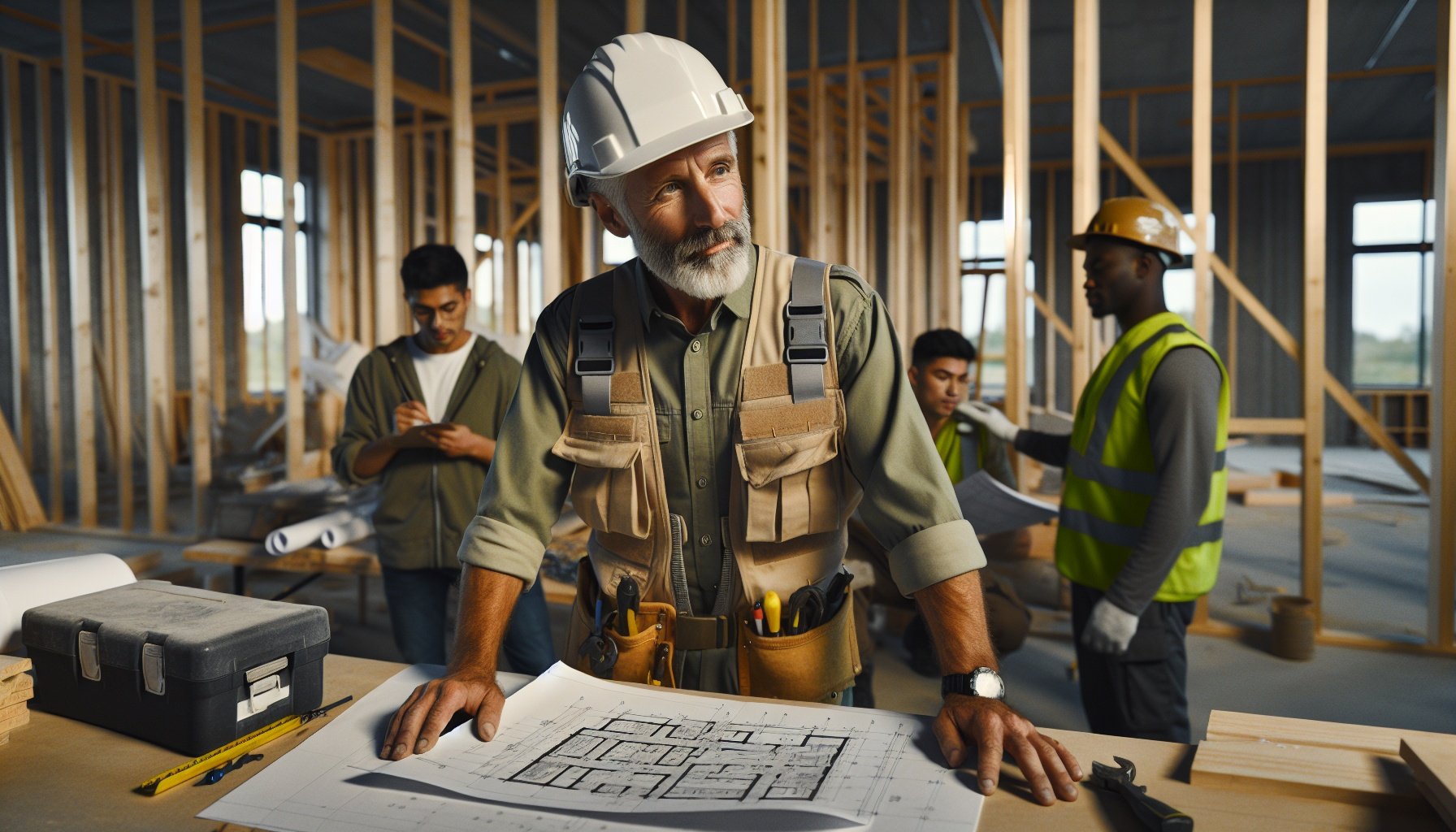
A solid career in carpentry often starts long before the first civilian job application gets filled out. For many veterans across Central Louisiana and beyond, the foundation was poured on deployments, remote bases, and fast-paced build sites where missions depended on sturdy structures and reliable craftsmanship. Framing barracks in harsh environments, repairing roofs under pressure, or assembling temporary bridges in the field all build the same core carpentry skills that keep homes, businesses, and community spaces standing strong from Alexandria to Fort Johnson. The challenge comes when that military carpentry experience is packed into a DD-214 instead of a clean civilian résumé. Job titles sound different, project photos sit on old hard drives, and employers may not fully understand what a Seabee can really do with a set of plans and a stack of lumber. With the right approach, that gap closes fast. Training programs, apprenticeships, and industry certifications help convert field-built skills into credentials that speak the language of contractors, inspectors, and building codes. Veteran networks and local construction leaders add another layer of support, turning service experience into steady work on real projects that shape neighborhoods and local landmarks. When those pieces come together, military carpentry skills do more than transfer; they create strong, respected civilian careers that keep serving communities long after the uniform is hung up.
Quick Navigation:
Recognizing Military Carpentry Experience as a Civilian Strength | Bridging the Gap with Training, Certifications, and Standards | Leveraging Veteran Networks and Local Opportunities in Central Louisiana | Frequently Asked Questions
Recognizing Military Carpentry Experience as a Civilian Strength
Military carpentry experience brings much more than the ability to swing a hammer. Years of building under tight timelines, adapting to changing missions, and working with diverse teams create habits that fit civilian jobs from day one. Precision, safety awareness, and problem-solving under pressure come standard. Veterans often step onto a jobsite already used to reading plans, coordinating with multiple trades, and keeping projects on schedule. When employers, training programs, and local contractors look past rank and job codes to see these strengths, military carpentry backgrounds become powerful assets that set veterans apart in both residential and commercial work.
Did you know? Many veterans find carpentry certifications faster than civilians due to transferable military engineering skills, completing programs in as little as six months through VA-approved apprenticeships.
Core skills from units like the Seabees that match residential and commercial carpentry work
Units like the Seabees develop core skills that line up directly with residential and commercial carpentry work. Reading construction drawings and turning them into clear cut lists connects smoothly with framing houses, garages, and small offices. Precise layout with tape, square, and level on uneven ground links to setting plates, laying out walls, and building stairs on civilian jobs. Frequent work with treated lumber, concrete forms, and embedded anchors lines up with decks, porches, shop slabs, and light commercial foundations. Habitual use of jobsite safety protocols, lockout/tagout, and tool inspections matches OSHA-focused expectations on modern worksites. Experience coordinating with electricians and plumbers in tight timelines fits general contractor needs on busy projects from Alexandria neighborhoods to larger commercial builds in Central Louisiana.
Good to Know: Modern carpentry training for veterans incorporates CAD software and CNC machinery, allowing military precision skills to adapt to digital fabrication techniques in sustainable building projects.
Source: U.S. Department of Labor
Translating military construction roles into civilian job titles and responsibilities
Military carpenters often carry titles like Builder, Steelworker, or Engineer Assistant, which rarely appear on civilian job boards. Those roles commonly line up with positions such as Carpenter, Framing Carpenter, Concrete Carpenter, Form Setter, or Construction Lead. A Seabee squad leader who planned work, tracked materials, and trained younger troops often fits the responsibilities of a Foreman or Working Supervisor on a residential crew. Experience coordinating with engineers and electricians supports roles like Assistant Superintendent or Project Engineer on commercial projects. Service records, evals, and logistics duties can back up applications for Estimator or Construction Scheduler positions. Translating tasks—such as “led a team building barracks in austere conditions”—into language like “managed a small crew on fast‑track structural and finish carpentry” helps civilian employers understand the full value of military experience.
Worth Noting: In American culture, military veterans entering carpentry embody a tradition of craftsmanship, contributing to community projects like Habitat for Humanity builds that foster social bonds and skill-sharing.
Source: Habitat for Humanity
Turning deployment projects into a civilian-ready portfolio of carpentry experience
Deployment projects create strong material for a civilian-ready carpentry portfolio when documented clearly and visually. Each major build can become a “project sheet” that mirrors what contractors expect: project name, location, mission, scope of work, tools and materials used, crew size, and specific responsibilities. A seawall repair in a coastal base, for example, can be reframed as formwork, rebar placement, and concrete finishing on a tight schedule. Photos, sketches, and before‑and‑after shots help show framing quality, layout accuracy, and jobsite organization. Copies of awards, safety records, and letters of commendation add proof of reliability. Combined with apprenticeship logs, OSHA cards, and NCCER or journeyman certificates, those deployment projects form a professional portfolio that hiring managers trust.
Bridging the Gap with Training, Certifications, and Standards
That strong on-site experience becomes even more powerful when backed by clear, recognized credentials. Modern construction firms, code inspectors, and project managers all rely on documented skills, safety training, and standardized practices to keep projects moving and crews protected. Veterans stepping into Central Louisiana’s carpentry scene often gain a major edge by pairing field-tested ability with NCCER cards, OSHA safety courses, and state-approved apprenticeship hours. These credentials speak the same language as contractors, bid packages, and building departments, turning real-world military work into qualifications that fit hiring checklists and pay scales, setting the stage for focused training, certifications, and standards.
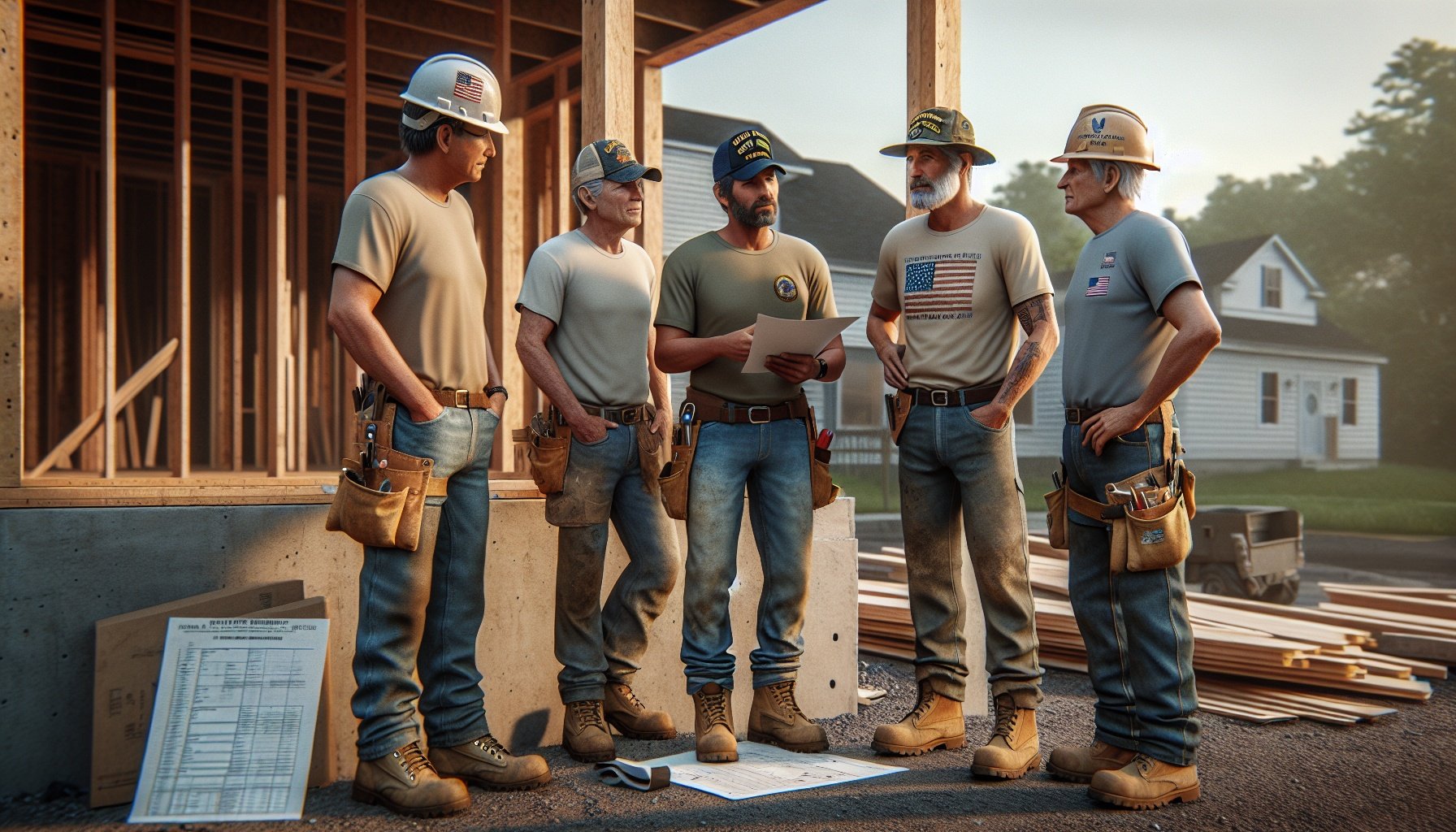
Quick Insight: In 2024, approximately 15% of U.S. construction workers are military veterans, with carpentry roles showing a 12% employment growth rate for transitioning service members per recent labor statistics.
Source: U.S. Bureau of Labor Statistics
Using carpentry apprenticeships and on-the-job training to align with industry best practices
Carpentry apprenticeships and structured on‑the‑job training give former military carpenters a clear roadmap for matching civilian industry best practices. Registered apprenticeship programs pair paid work with classroom instruction on current building codes, OSHA requirements, and standard installation methods for framing, Roofing, and finish work. Daily tasks follow step-by-step procedures that mirror regional and national standards, making it easier to adjust from mission-driven construction to code-driven projects. On job sites across Central Louisiana, journeyman carpenters often coach apprentices through layout techniques, tool maintenance, and material selection that meet local inspector expectations. Over time, this layered guidance turns military experience with speed and discipline into consistent, inspection-ready work that fits the expectations of commercial contractors and residential builders.
Worth Noting: Historically, post-World War II veterans in the United States received GI Bill benefits that funded vocational training in carpentry, enabling many to build thriving civilian careers in construction trades starting from 1944.
Key certifications, licenses, and safety training that convert field experience into credentials
Certifications, licenses, and safety cards turn military carpentry experience into credentials that Central Louisiana employers recognize right away. NCCER Core and Carpentry certifications document skills in framing, concrete, trim, and blueprint reading with written and hands‑on tests. State contractor or residential building licenses show readiness to handle larger projects under Louisiana regulations. OSHA‑10 and OSHA‑30 cards prove strong safety awareness around ladders, scaffolds, fall protection, and power tools on civilian jobsites. Forklift, aerial lift, and CPR/First Aid certifications add value on commercial and industrial projects across Alexandria, pineville, and Fort Johnson. When stacked together, these credentials validate years of field work and help military carpenters move quickly into lead carpenter, foreman, or superintendent roles.
Understanding building codes, blueprints, and inspection requirements in Central Louisiana
Louisiana’s residential and commercial projects lean heavily on building codes, accurate blueprints, and strict inspections, and Central Louisiana is no exception. Veterans with military carpentry backgrounds already understand chain of command and written orders, which lines up well with following the Louisiana State Uniform Construction Code and local parish amendments. Learning how these codes handle flood zones along the Red River, high humidity, hurricane wind loads, and energy efficiency around Alexandria, Pineville, and leesville helps military carpentry skills match local expectations. Reading architectural and structural plans, spotting load paths, and understanding call‑outs for treated lumber, fasteners, and fire blocking turns field experience into code‑compliant work. Knowing what parish inspectors look for at foundation, framing, and final inspections keeps projects moving and builds trust with Central Louisiana builders.
Leveraging Veteran Networks and Local Opportunities in Central Louisiana
Those same mission-ready carpentry skills become even more powerful when connected to the right people and places across Central Louisiana. Beyond formal training, veteran-focused groups, local unions, and regional builders’ associations help former Seabees and other military carpenters plug into real projects from Alexandria to Pineville and the surrounding parishes. Community events, job fairs, and word-of-mouth around Fort Johnson, the VA system, and local churches often lead straight to steady work with reputable contractors. Tapping into these veteran networks and hometown connections across Cenla creates a strong path into residential and commercial carpentry careers.
Connecting with veteran support groups, trade unions, and hiring programs focused on construction
Veteran-focused groups across Central Louisiana create a bridge between military carpentry experience and steady construction work. Local VFW and American Legion posts in Alexandria, Pineville, and Leesville often host job fairs and meet‑ups where contractors, framing crews, and remodelers actively look for disciplined workers. Trade unions, such as regional carpenters’ and laborers’ unions, connect veterans with structured apprenticeships that stack paid jobsite hours with classroom instruction. Programs coordinated through Fort Johnson transition offices and the Louisiana Workforce Commission help match former Seabees, engineers, and combat builders with commercial contractors, plant maintenance teams, and public-works projects. Many of these programs assist with résumés, interview prep, and translating MOS codes into clear carpentry skills that Central Louisiana employers understand.
Interesting Fact: Veterans transitioning to civilian carpentry roles often leverage military-acquired precision skills, which studies show improve accuracy in woodworking tasks by up to 25% compared to non-veteran trainees.
Source: RAND Corporation
Tapping into local contractors, home builders, and renovation firms around Alexandria and Fort Johnson
Local contractors and home builders around Alexandria and Fort Johnson often look for workers who already understand structure, discipline, and job-site safety. Firms like Tudor Construction, local custom home builders around Libuse and Deville, and renovation crews working historic properties near the Alexandria Garden District regularly team up with Fort Johnson transition programs and regional workforce offices to fill crews. Short, informal “ride along” days on remodels, concrete forms, or framing jobs let former Seabees and combat engineers show skills in real time. Many shops handling FEMA repair work, VA-related home modifications, or base-adjacent housing projects appreciate experience with rapid builds and field repairs, giving veterans a strong edge when stepping into steady carpentry roles.
Building a personal brand as a veteran carpenter through community projects and word-of-mouth
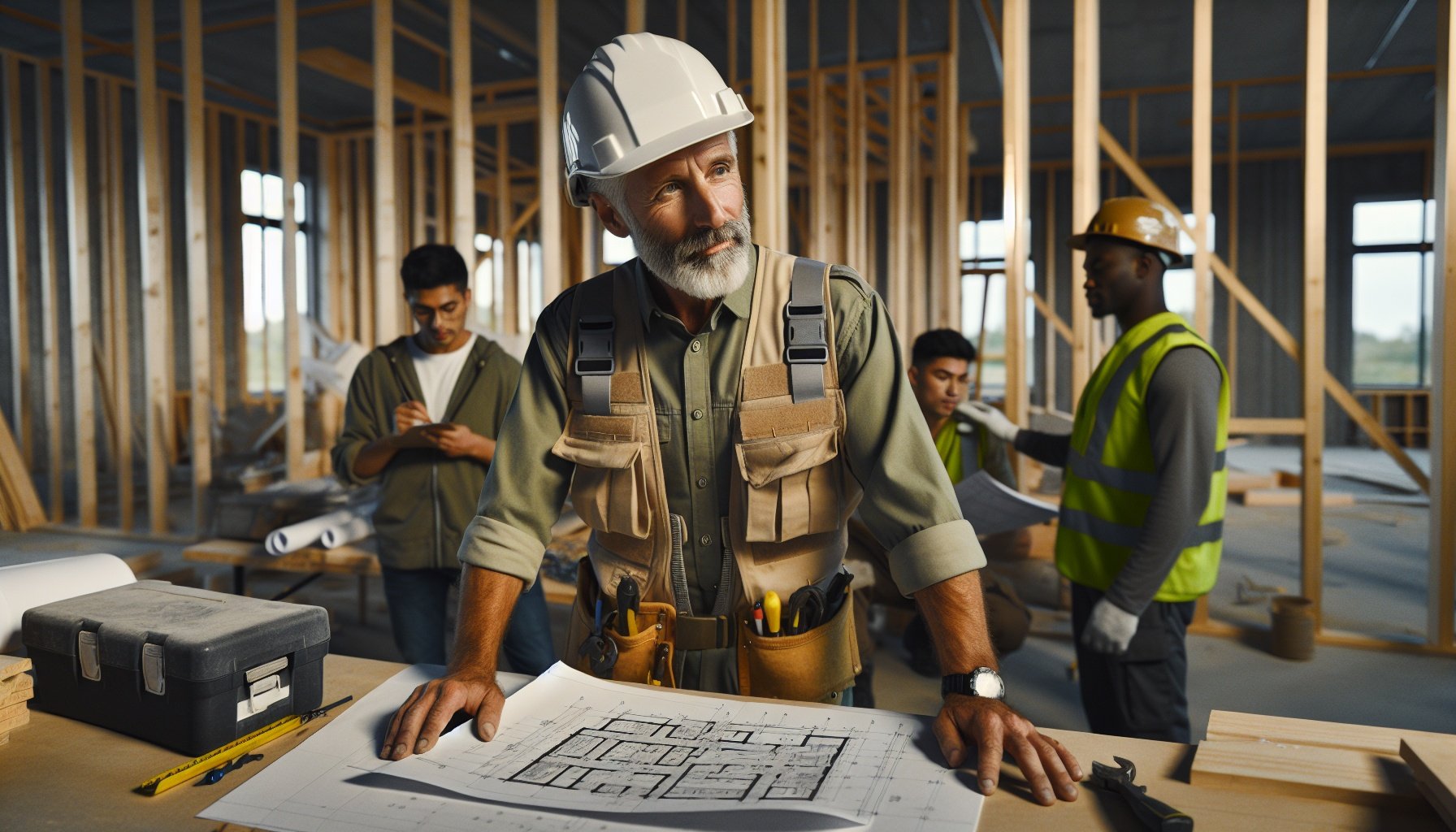
Veteran carpenters around Alexandria and Fort Johnson build strong personal brands by showing work where neighbors actually live, worship, and gather. Volunteer projects like repairing porches for older residents in Pineville, helping frame accessibility ramps for veterans through church groups, or pitching in on Habitat for Humanity builds along MacArthur Drive let the community see military-level craftsmanship up close. Word spreads fast at places like the VFW halls, LSU-A tailgates, and local festivals such as AlexRiverFête when a veteran consistently shows up on time, keeps job sites clean, and finishes work that lasts. Simple touches—stenciling a small logo on toolboxes, handing out basic business cards, or sharing before-and-after photos of projects—turn those community efforts into steady referrals and lasting respect.
Conclusion
Military carpentry experience builds a strong foundation for success in Central Louisiana’s construction scene. Precision, safety awareness, and problem-solving under pressure transfer naturally into residential and commercial carpentry work across the region. When on-site military experience is paired with respected industry credentials, it fits the expectations of today’s contractors, inspectors, and project managers. Local veteran networks, builders’ groups, and community connections help turn those skills and certifications into steady careers on real projects. Veterans with construction experience from military service, like the Seabees, often face challenges in translating their skills to civilian jobs, but there is a clear path forward. With the right training, credentials, and local support, military carpenters can build rewarding, long-term futures in Central Louisiana’s carpentry trade.
Frequently Asked Questions
- How do military carpentry skills translate into civilian carpentry jobs?
- Military carpentry skills match civilian carpentry needs in many ways. Service members often learn framing, concrete formwork, roofing, drywall, flooring, and basic finish work while in uniform. Missions demand fast, accurate work under pressure, which builds strong habits in planning, safety, and quality control.
In civilian carpentry, contractors value this discipline. Reading blueprints, following building codes, managing tools and materials, and working as part of a crew all line up closely with what many military carpenters already do. Experience building barracks, motor pools, bridges, or temporary structures gives a strong base for residential and light commercial projects like homes, decks, porches, garages, and small remodels.
Soft skills also carry over. Leadership, punctuality, problem-solving, and clear communication help veterans move quickly from entry-level roles into lead carpenter or foreman positions once they gain local building code knowledge and civilian jobsite experience.
- What steps help a transitioning service member start a civilian carpentry career?
- A strong civilian carpentry career often starts during the last year of service. Many bases offer transition assistance programs that help translate duties and training into civilian language. Building a focused resume that highlights carpentry tasks, leadership roles, and safety training creates a strong first impression.
Hands-on practice and credentials help as well. Joining a pre-apprenticeship, SkillBridge program, or base construction project near separation gives recent experience that catches an employer’s eye. Some service members enroll in community college carpentry programs or trade schools to fill any knowledge gaps about local codes, permitting, and modern building materials.
Networking makes a big difference. Talking with local contractors, union halls, building inspectors, and veteran job counselors can open doors to apprenticeships or entry-level carpenter positions. Many employers actively seek veterans for their strong work ethic and reliability, especially in construction-heavy regions like Central Louisiana, where companies such as CenstruX value mission-ready skills.
- Are military carpentry certifications recognized in the civilian construction industry?
- Some military carpentry training lines up closely with civilian standards, but it rarely transfers as a direct civilian license. However, many credentials gained in service improve hiring chances. Courses in construction safety, equipment operation, and leadership show employers that a candidate takes training seriously.
Programs such as NCCER (National Center for Construction Education and Research) or OSHA safety courses taken during service often carry weight with civilian contractors. If those were not available on active duty, similar courses can be completed quickly through local community colleges, trade schools, or contractor associations.
For licensed trades such as general contracting, codes often vary by state. Veterans usually still need to pass state exams and meet experience requirements. Military records can help prove relevant hours worked, helping shorten the path toward advanced roles.
- What advantages do veterans usually bring to civilian carpentry employers?
- Veterans bring a unique mix of technical skill and mindset. Mission-focused training creates carpenters who show up on time, follow through on tasks, and keep sites organized. Military culture stresses tool accountability, jobsite cleanliness, and safety, all of which reduce mistakes and injuries on civilian projects.
Many veterans are comfortable working outdoors in tough conditions, just like long hot days on a Central Louisiana jobsite near Alexandria or Pineville. Tight timelines and changing field conditions in service prepare them to handle schedule changes, material delays, and unexpected design issues without losing focus.
Teamwork is another major advantage. Crews rely on clear communication and trust, especially on complex builds like custom homes, remodels, or commercial fit-outs. Veterans are used to working in squads and platoons, so they adapt to crew-based carpentry work quickly and often grow into crew leads and foremen.
- Do veterans need additional training to work on residential and commercial carpentry projects?
- Most veterans benefit from some targeted training when moving into civilian carpentry. Military construction focuses mainly on mission needs, so some local building practices may feel new at first. Residential projects require familiarity with local building codes, energy codes, inspections, and regional materials.
Extra training helps close those gaps. Short-term courses on residential wiring clearances, plumbing penetrations, window and door flashing, and moisture control are valuable. Learning about local climate concerns—like moisture, heat, and storm resistance in Central Louisiana—helps veterans build longer-lasting homes and decks.
Many veterans start in apprenticeships or helper roles with established companies, learning regional standards on the job. Working under experienced carpenters while attending evening code or blueprint-reading classes offers a smooth path from military construction to high-quality residential and commercial work.
- How can a veteran highlight military carpentry experience on a civilian resume?
- Translating military experience into clear civilian language is key. Instead of listing job titles alone, describing specific tasks helps employers understand actual skills. Phrases like “framed wood and metal stud walls,” “installed doors, Windows, and trim,” “built and stripped concrete forms,” and “performed layout using construction drawings” speak directly to contractors.
Including numbers adds impact. Noting how many projects were completed, how many troops were supervised, or how many square feet of construction were involved shows the scale of experience. Mentioning safety records, quality awards, or commendations for construction work also builds trust.
Listing tools and systems used—such as power saws, nail guns, levels, lasers, scaffolding, and fall protection—gives hiring managers a clear picture of readiness. Adding any coursework, certifications, or leadership schools rounds out the profile and helps veterans stand out in a busy job market.
- What career paths can military carpenters pursue in the civilian sector over time?
- A military carpenter entering the civilian sector often begins as a carpenter’s helper or apprentice, then moves up to journeyman carpenter after building enough experience and training hours. From there, several paths open based on interest and local demand.
Some move into residential framing, custom home building, or remodeling, handling kitchens, baths, decks, and room additions. Others lean toward commercial work, helping build schools, hospitals, offices, and retail spaces. In regions like Central Louisiana, storm repair and restoration also provide steady work, especially after severe weather.
With experience, many veterans grow into foreman, superintendent, estimator, or project manager roles. Some eventually open their own small construction businesses or specialty carpentry shops. Leadership skills gained in the military support this growth, helping veterans oversee crews, manage budgets, and deliver strong results on both small neighborhood projects and large commercial builds.
Categories
News