
Low-Maintenance Yard Design: Easy Landscaping for Lasting Beauty
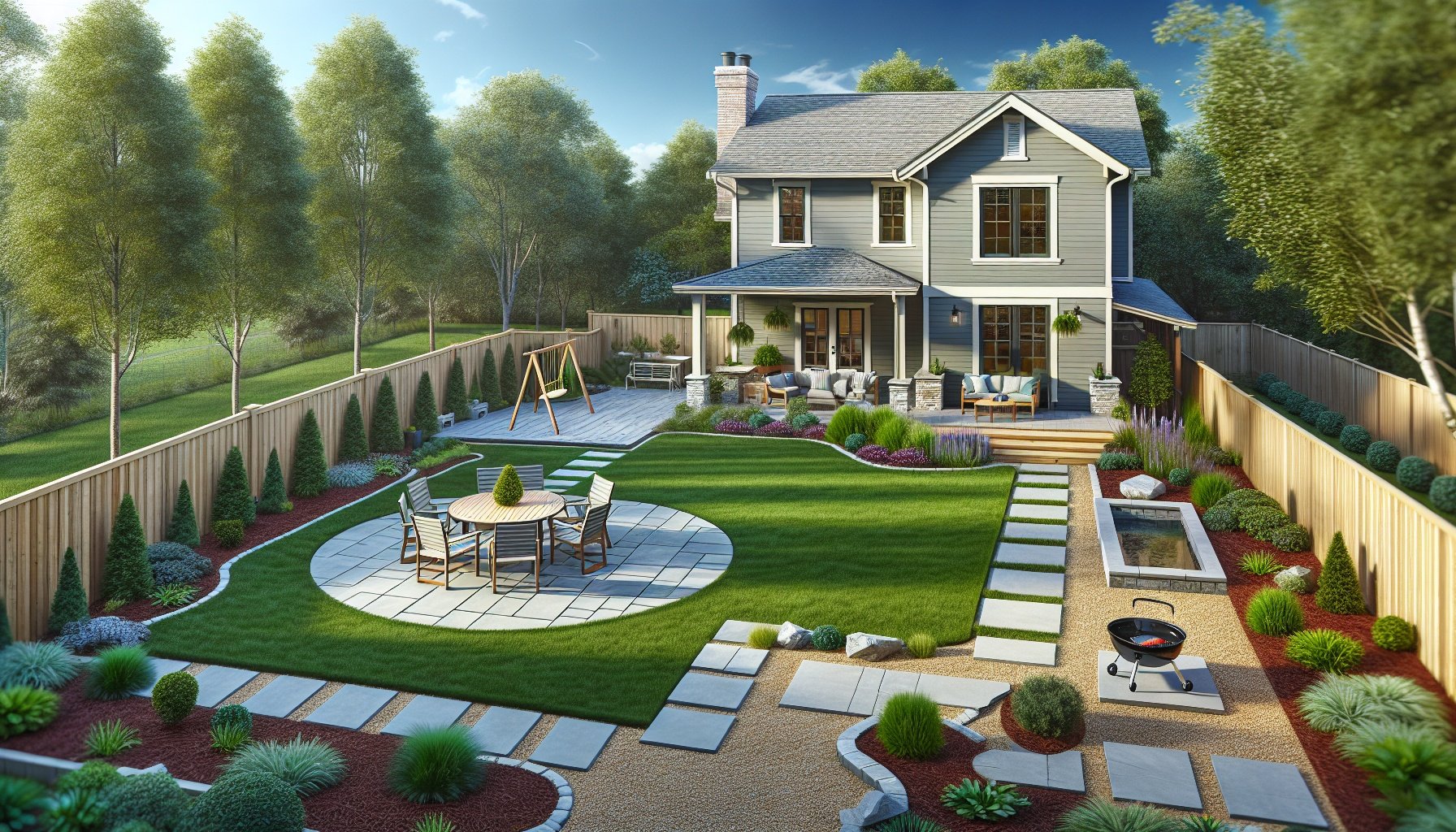
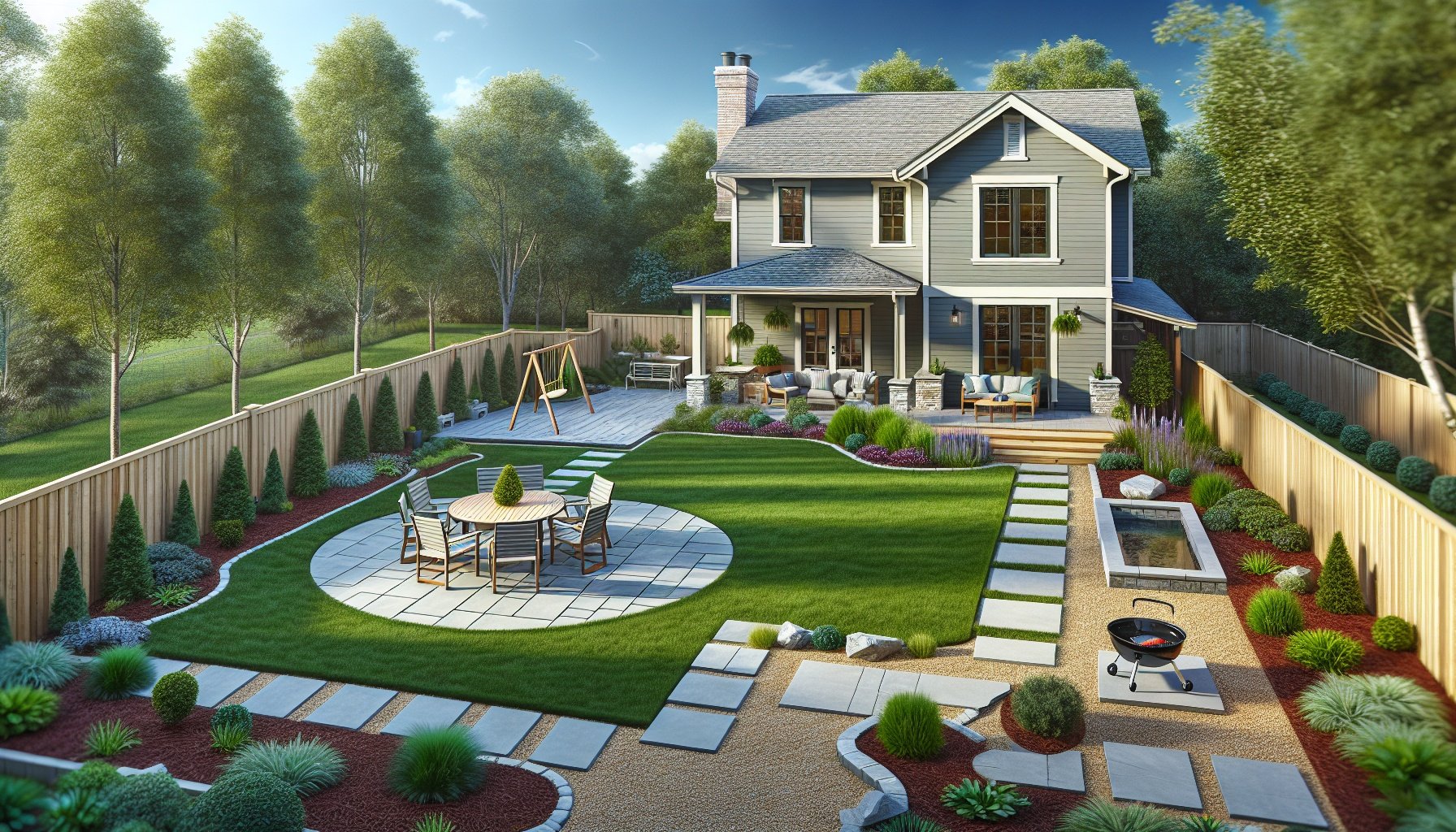
A low-maintenance yard focuses on smart planning, simple lines, and hard-working materials that keep outdoor spaces looking fresh without constant chores. Thoughtful design starts with understanding how Louisiana sun, shade, and rain move across the property, then shaping the yard to work with those patterns instead of fighting them. Clear, simple layouts, easy-to-mow edges, and well-placed outdoor living areas help create a landscape that feels inviting, organized, and easy to care for all year long.
Quick Navigation:
Planning a Low-Maintenance Yard Layout in Central Louisiana | Choosing Low-Care Plants and Groundcovers for Long-Term Performance | Smart Materials and Systems for Easy Landscape Upkeep | Frequently Asked Questions
Plant choices play a major role in long-term upkeep. A low-maintenance yard focuses on selecting plants and materials that require minimal effort while still providing strong curb appeal and everyday comfort. Incorporating native species and drought-resistant landscaping reduces watering and weeding needs, saving time and resources while staying in tune with Central Louisiana’s climate. Shrubs, ornamental grasses, durable perennials, and tough groundcovers can take over the work once done by high-maintenance turf, cutting back on mowing and seasonal replanting.
Materials and systems then bring everything together. Features like mulch beds, permeable pavers, and automated irrigation systems simplify care, protect the soil, and keep pathways and gathering spaces looking neat. Gravel, stone, and defined edging add structure while limiting weed growth and erosion, even through summer downpours. When layout, plant selection, and smart materials all work as a team, the result is a beautiful, relaxing yard that fits Central Louisiana’s weather, trims weekend workloads, and stays ready for family cookouts, football season, and quiet evenings on the porch with very little fuss.
Planning a Low-Maintenance Yard Layout in Central Louisiana
Planning a low-maintenance yard layout in Central Louisiana starts with deciding how each outdoor area should function, then shaping spaces around those everyday habits. Grouping plants by water and sunlight needs keeps care simple and cuts down on wasted effort. Wide, curving pathways make mowing and trimming easier around patios, play areas, and outdoor cooking spots, especially during long, humid summers. Simple, open sightlines help monitor drainage after heavy Gulf storms and reduce hidden problem zones. A clear layout that balances lawn, beds, and hardscape creates a calm, practical framework for every low-maintenance feature that follows.
Evaluating sun, shade, and drainage patterns in a Louisiana climate
Evaluating sun, shade, and drainage in Central Louisiana starts with simple observation across seasons. Summer afternoons often bring intense western sun, so heat-tolerant plantings and hardscape suit those zones, while deep shade from live oaks or pines fits ferns and shade-loving groundcovers. Morning sun with afternoon shade works well for many natives that prefer a break from peak heat. Afternoon thunderstorms and heavy downpours create low spots where water lingers; those areas fit rain gardens, bald cypress, or Louisiana iris instead of traditional turf. Slight slopes can guide runoff toward gravel swales, French drains, or permeable pathways. Matching each planting bed and sitting area to its real sun and moisture pattern keeps the layout attractive, stable, and low-maintenance over time.
Defining functional zones: lawn alternatives, pathways, and outdoor living spaces
Defining functional zones starts with grouping similar needs: dry, sunny areas become pathways and patios, while moist or shady spots become planted zones instead of lawn. Many Central Louisiana yards swap large turf sections for pine straw or mulch beds filled with native shrubs, sedges, and groundcovers that stay neat with a yearly refresh. Durable gravel, crushed limestone, or permeable pavers form walkways that handle summer storms and reduce muddy tracks. Outdoor living spaces often center around a small concrete or paver pad for grilling and seating, edged with low-maintenance plants like wax myrtle, muhly grass, and lantana. Clear edges between each zone keep mowing simple, limit weed creep, and create a clean, organized layout that holds up through Louisiana weather.
Designing simple shapes and clear lines that are easy to mow, edge, and maintain
Simple shapes and clear lines keep mowing and edging fast around Central Louisiana homes. Large, gentle curves or basic rectangles work better than narrow zigzags that trap mower wheels and catch weed trimmers. Beds set in broad arcs around patios, porches, or driveways avoid tight corners, so equipment can turn smoothly without scalping turf. Straight runs of edging along gravel paths, concrete pads, or mulch borders reduce hand trimming and make it easy to spot creeping weeds.
Materials also shape maintenance. Steel or concrete edging forms crisp boundaries that stop St. Augustine and centipede grass from creeping into beds. Wider borders along fences and around AC units leave space for a mower pass, preventing awkward hand work in Louisiana heat.
Choosing Low-Care Plants and Groundcovers for Long-Term Performance
With spaces mapped out and hardscape choices in place, plant selection becomes the key to keeping a Central Louisiana yard easy to care for year after year. Long-lasting performance starts with matching plant size and growth habits to each area, so beds do not outgrow walkways or block Windows. Disease-resistant varieties handle local humidity better and cut down on pruning and replacements. Well-chosen evergreen structure, seasonal color, and dense groundcovers also help keep the landscape looking full between blooms. Thinking about root systems, spread, and mature height guides smart choices for low-care plants and groundcovers in every zone of the yard.
Prioritizing native and drought-tolerant plants suited to Central Louisiana heat and humidity
Prioritizing native and drought-tolerant plants keeps Central Louisiana landscapes looking fresh without constant pampering. Species that evolved in the Red River and Atchafalaya Basin climate handle long, steamy summers and surprise dry spells with less watering and fertilizing. Core plants such as southern wax myrtle, yaupon holly, oakleaf hydrangea, and sweetspire anchor beds with reliable structure. Perennials like purple coneflower, Louisiana iris, rudbeckia, and muhly grass add color while shrugging off heat and humidity. Tough groundcovers such as Asiatic jasmine, frogfruit, and liriope spread to cover bare soil, cutting back weeds and erosion. Once established, these plants pair well with mulch and simple drip irrigation, turning hot Lafayette and Alexandria afternoons into easy-care growing conditions instead of a constant battle.
Using shrubs, ornamental grasses, and perennials to reduce mowing and seasonal replanting
Shrubs, ornamental grasses, and reliable perennials turn large lawn areas into planted beds that rarely need mowing or replanting. Deep-rooted shrubs form long-lived anchors along fences, porches, and property lines, shrinking turf into simple shapes that are quick to cut. Ornamental grasses and clumping perennials fill the spaces between shrubs, weaving together into dense masses that block weeds and hold moisture. In Central Louisiana, mixing evergreen shrubs with warm-season grasses and repeat-blooming perennials keeps beds attractive across seasons without swapping plants every spring. Grouping a few tough species in broad drifts simplifies trimming, feeding, and cleanup, since the same care routine can be used across the entire bed instead of juggling dozens of finicky, short-lived plants.
Replacing high-maintenance turf with groundcovers, clover blends, and reduced-lawn strategies
Replacing high-maintenance turf with low-care living groundcovers keeps Central Louisiana yards looking full without endless mowing, edging, and fertilizing. Creeping thyme, Asiatic jasmine, and dwarf mondo grass spread into soft, dense carpets that shrug off heat and short dry spells. White or micro clover blends mixed into remaining turf stay green longer, need less fertilizer, and handle light foot traffic around patios and play areas. Reduced-lawn strategies break big expanses of grass into smaller, useful zones surrounded by planting beds, gravel paths, and mulched seating areas. Permeable pavers, stepping-stone walkways, and wide mulch borders around beds limit mowing edges and bare spots, turning once-demanding lawn sections into relaxed, good-looking spaces that hold up season after season.
Smart Materials and Systems for Easy Landscape Upkeep
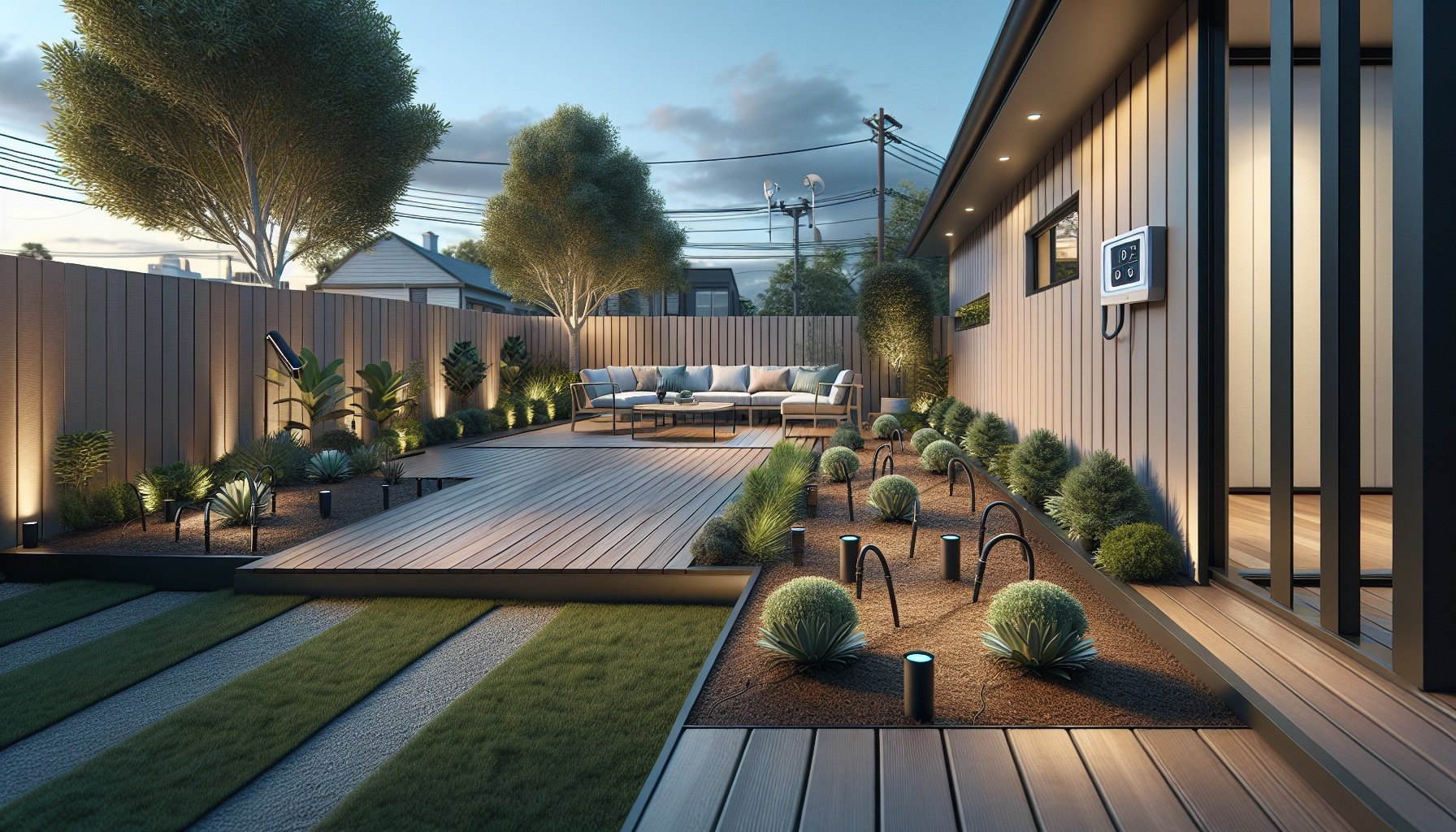
A low-maintenance yard focuses on selecting plants and materials that require minimal upkeep while still providing aesthetic appeal and functionality. Smart technology and advanced building products now make that goal even easier. Weather-sensing irrigation controllers, drip lines, and moisture meters adjust watering automatically to match real conditions, cutting down on both guesswork and wasted water. Long-lasting composites, corrosion-resistant fixtures, and UV-stable finishes keep fences, decks, and edging looking fresh with very little attention. Integrated lighting on timers or solar sensors boosts safety and nighttime charm without constant tinkering, creating a connected landscape where each smart material and system quietly handles its job in the background.
Installing mulch beds, landscape fabric, and rock accents to control weeds and stabilize soil
Mulch beds, landscape fabric, and rock accents work together as a quiet backbone for low-maintenance landscapes. A 2–3 inch layer of shredded bark or pine straw over a quality weed barrier fabric blocks sunlight from weed seeds while locking moisture into the soil, which supports healthy root systems with fewer watering cycles. In Central Louisiana, mulch also cushions soil against heavy rain, reducing erosion on gentle slopes. Around downspouts, AC units, and high-traffic edges, river rock or crushed granite over landscape fabric resists washouts and mud, keeping lines clean around patios and walkways. Rock borders also define planting zones, protect mower lines, and reduce soil splatter on siding, which keeps the whole yard looking tidy with very little ongoing effort.
Using permeable pavers, gravel paths, and edging to create durable, low-care hardscapes
Permeable pavers and gravel paths turn high-traffic zones into tough, low-care surfaces that still let rain soak into the ground instead of running off. Open-joint concrete pavers, brick-style grids, or honeycomb systems filled with small gravel handle foot traffic, wheelbarrows, and lawn equipment without turning to mud. A compacted gravel base keeps these surfaces level, while the gaps between stones reduce puddles and freeze–thaw damage. Along beds and lawn edges, steel, concrete, or heavy-duty plastic edging locks materials in place so gravel and mulch stay put during heavy Central Louisiana storms. Curved edging around patios, play areas, or fire pits creates clean lines and reduces trimming time, while also protecting nearby plants from mower and string trimmer damage.
Incorporating drip irrigation, smart controllers, and rainwater use for efficient watering with less work
Efficient watering starts with drip irrigation that delivers moisture straight to plant roots, reducing waste and keeping foliage dry to limit disease. Slow-release emitter lines can snake through mulch beds, shrub borders, and rock accents so soil stays evenly damp without constant hand-watering. Smart irrigation controllers pair with these systems, adjusting run times based on weather forecasts, recent rainfall, and seasonal changes, so lawns and planting zones never get soaked or stressed. Rain barrels or underground cisterns tied into downspouts capture roof runoff and can feed drip lines through simple pump kits or gravity systems. Combining these tools supports deep root growth, cuts water use, and keeps planting areas looking fresh with far less weekly attention.
Conclusion
A low-maintenance yard focuses on selecting plants and materials that require minimal upkeep while still providing aesthetic appeal and functionality. A smart layout that balances lawn, planting beds, and hardscape creates clear structure and reduces constant trimming or reshaping. Well-chosen plants with the right mature size, disease resistance, and evergreen structure keep beds tidy and attractive across Central Louisiana’s changing seasons. Seasonal color and dense groundcovers fill gaps so the landscape looks full without extra work.
Layering in smart technology and durable finishes lets every feature work harder and last longer with less attention. With a thoughtful plan and the right tools, any outdoor space can stay beautiful, practical, and easy to manage—ready for relaxing evenings instead of weekend chores.
Frequently Asked Questions
- What makes a yard truly low-maintenance?
- A yard becomes truly low-maintenance when every element is chosen to reduce regular chores like mowing, watering, pruning, and weeding.
Key features include:
– Simple layout and clean lines: Fewer curves, beds, and small sections make mowing and trimming faster and easier.
– Durable hardscaping: Patios, gravel paths, pavers, and stone reduce the amount of lawn that needs cutting and watering.
– Right plant in the right place: Plants chosen for the local climate, sun level, and soil need less babying and fewer replacements.
– Mulch and groundcovers: These block weeds, hold moisture, and cut down on frequent watering.
– Automatic watering systems: Drip irrigation or soaker hoses deliver water directly to roots with less waste and effort.
– Fewer high‑care plants: Limiting plants that need frequent pruning, spraying, staking, or seasonal protection lowers ongoing work.When all these pieces work together, the yard stays attractive with fewer hours of maintenance each week.
- Which plants are best for low-maintenance landscaping?
- Low-maintenance plants share a few traits: drought tolerance, pest resistance, and the ability to thrive in local conditions without constant care.
Good options by type:
– Shrubs: Boxwood, spirea, dwarf yaupon holly, loropetalum, abelia, and native shrub varieties that match the region.
– Perennials: Coneflower, black‑eyed Susan, daylily, hosta (for shade), salvia, coreopsis, and hardy ornamental grasses.
– Groundcovers: Creeping thyme, mondo grass, liriope, ajuga, and sedum help cover soil and block weeds.
– Native plants: Local natives are some of the best low‑maintenance choices because they are adapted to local rainfall, temperatures, and soil.Picking plants suited to the USDA hardiness zone, sun exposure, and soil type reduces replacement costs and cuts back on watering, fertilizing, and pruning.
- How can lawn care be reduced without losing curb appeal?
- Lawn care can be reduced by shrinking the grass area and making the remaining turf easier to manage while still keeping the front yard attractive.
Effective strategies:
– Reduce lawn size: Add planting beds, gravel areas, or a paver patio to cut back on weekly mowing.
– Choose low‑input grass: Use grass varieties suited to the region that need less water and fertilizer.
– Simplify lawn shape: Large, simple rectangles are much faster to mow than tight curves and narrow strips.
– Use edging: Steel, stone, or plastic edging between lawn and beds stops grass from creeping and reduces trimming.
– Raise mower height: Longer grass shades the soil, slows weeds, and holds moisture, so watering is needed less often.With a smaller, simpler lawn paired with attractive beds and hardscapes, curb appeal stays strong while lawn chores become more manageable.
- What kinds of hardscaping work best in a low-maintenance yard?
- Hardscaping is a key part of low‑maintenance landscaping because it replaces high‑care lawn and beds with durable surfaces.
Smart hardscaping choices include:
– Patios and sitting areas: Concrete, pavers, or stone create long‑lasting outdoor living space that only needs occasional cleaning.
– Gravel paths and areas: Crushed stone or gravel with a solid base and edging makes stable walkways that do not need mowing.
– Stone borders and retaining walls: These define planting beds, help control slopes, and limit erosion with little upkeep.
– Mulched or rock beds: Around trees and shrubs, these keep weeds down and reduce hand‑weeding.
– Decorative boulders and features: Large stones, simple water features, or metal accents add interest without seasonal care.Using more hardscape and less lawn, while still keeping some greenery, creates a balanced yard that looks polished and is easy to maintain.
- How does mulch help create a low-maintenance yard?
- Mulch is one of the simplest tools for building a low‑maintenance yard because it protects soil and reduces routine chores.
Benefits of mulch:
– Weed control: A 2–3 inch layer blocks sunlight, making it harder for weed seeds to germinate.
– Moisture retention: Mulch slows evaporation, so plants need less frequent watering.
– Temperature control: It keeps roots cooler in summer and more stable in winter.
– Soil improvement (for organic mulch): Wood chips, shredded bark, or pine straw slowly break down and improve soil structure.
– Cleaner beds: Mulch creates a finished look and reduces muddy splashes on plants during rain.Organic mulches like shredded bark or wood chips are common around shrubs and perennials. In very low‑maintenance or dry areas, rock mulch or gravel can be used, especially around heat‑tolerant or native plants.
- Can a low-maintenance yard still have color and seasonal interest?
- A low‑maintenance yard can still be full of color and changing interest through the seasons by using long‑blooming and structural plants instead of high‑care flowers.
Ways to add lasting color:
– Flowering shrubs: Azalea, hydrangea, spirea, and knock‑out style roses provide strong color with limited pruning.
– Perennials with long bloom times: Daylilies, coneflowers, and salvias return every year, cutting down on replanting.
– Ornamental grasses: These bring movement, fall color, and winter structure with only one cutback per year.
– Foliage color: Plants with variegated, burgundy, blue‑green, or golden leaves add interest even when not in bloom.
– Evergreens: Shrubs and small trees hold structure and color through winter, keeping the yard from looking bare.By leaning on shrubs, perennials, and evergreens rather than large annual flower displays, seasonal interest stays high without constant replanting and deadheading.
- What are some simple design tips for planning a low-maintenance yard from the start?
- Good planning at the beginning keeps a low‑maintenance yard easy to care for over the long term.
Helpful design tips:
– Use simple shapes: Straight lines and gentle curves are easier to mow and edge than tight, complicated patterns.
– Group plants by needs: Place plants with similar water and sun needs together so irrigation and care stay simple.
– Widen planting beds: Larger beds with more plants and mulch have fewer edges to trim and less open soil for weeds.
– Plan clear paths: Well‑defined walkways prevent foot traffic from compacting soil and damaging plants.
– Limit plant varieties: A smaller plant palette repeated through the yard looks cohesive and is easier to manage.
– Think long term: Choose plants that will fit the space at maturity to avoid constant pruning or removals.Starting with smart planning, simple lines, and hard‑working materials sets the stage for a landscape that stays attractive with minimal effort.