
Low-Maintenance Outdoor Entertaining Spaces for Effortless Gatherings
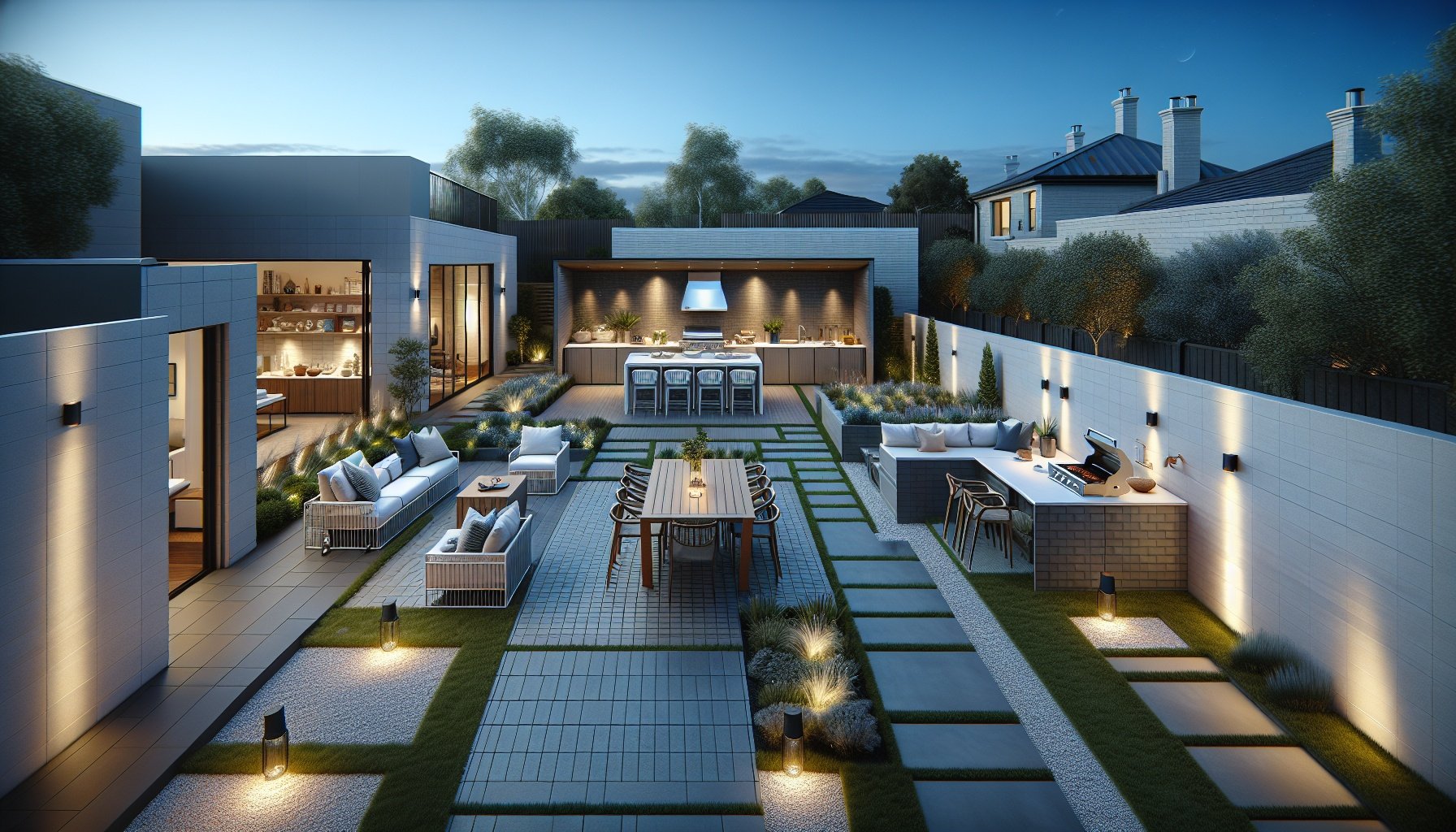
Low-maintenance outdoor entertaining areas turn backyards into easygoing gathering spots where the focus stays on friends, food, and fun instead of constant chores. A well-planned outdoor space supports relaxed cookouts after a Friday night football game, quiet family dinners, or larger get-togethers during Central Louisiana festivals and long warm seasons. Thoughtful design looks at how the space feels and functions from the ground up, tying together circulation, comfort, and style in a way that is simple to care for. Low-maintenance outdoor entertaining areas focus on durable materials and plants that require minimal upkeep while maximizing usability for gatherings. These designs often incorporate features like permeable pavers, native vegetation, and automated irrigation to reduce ongoing care. By prioritizing functionality and sustainability, homeowners can enjoy social spaces without the burden of constant maintenance. Hard surfaces, shade structures, and built-in elements work as a team, creating sturdy foundations that resist humidity and heavy rain while cutting down on repairs and replacements. Planting choices, lighting, and smart systems then layer on comfort and atmosphere, boosting beauty and safety without adding extra weekend projects. When each part of the space is designed to handle heat, moisture, and everyday use, outdoor entertaining becomes effortless, flexible, and ready at a moment’s notice for any gathering, from a quick backyard barbecue to a full family celebration.
Quick Navigation:
Site Planning and Layout for Effortless Outdoor Gatherings | Durable, Low-Upkeep Surfaces and Structures | Planting, Lighting, and Smart Systems for Minimal Care | Frequently Asked Questions
Site Planning and Layout for Effortless Outdoor Gatherings
Low-maintenance outdoor entertaining areas focus on durable materials and plants that require minimal upkeep while maximizing usability for gatherings. These designs often incorporate features like permeable pavers, native vegetation, and automated irrigation to reduce ongoing care. Once finishes and plant choices are set, the next step is planning how the space actually works during a party. Good site planning maps where guests enter, how they move between cooking, dining, and lounging zones, and where traffic naturally flows. Clear layouts, smart furniture placement, and well-sized zones prevent crowding, keep paths open, and make every gathering feel relaxed and easy from the moment guests arrive.
Keep in Mind: In Mediterranean cultures, low-maintenance outdoor terraces with olive trees and stone paving foster family gatherings, embodying traditions of al fresco dining that enhance social bonds.
Source: BBC Travel
Assessing sun, shade, drainage, and airflow in Central Louisiana backyards
Assessing climate conditions across a Central Louisiana backyard keeps entertaining zones comfortable with less work. Sun and shade shift through the day, especially with tall pines and live oaks common from Alexandria to Pineville, so mapping morning and late-afternoon light helps place patios, grills, and lawn areas where heat and glare stay manageable. After heavy Gulf storms, low spots often stay soggy; simple grading, French drains, or a gravel swale beside the patio keep water moving off hardscapes and away from the house. Humid summers make airflow just as important as drainage, so orienting seating to catch prevailing south and southeast breezes, leaving gaps between plant beds and fences, and using open-rafters or louvered pergolas supports cooler, drier, and lower-maintenance spaces.
Zoning spaces for cooking, dining, and lounging with simple circulation paths
Clear zoning keeps outdoor entertaining simple and low-stress. A compact cooking zone close to the house or utility connections limits long gas or electrical runs and keeps cleanup easy. A straight, wide walkway of concrete, brick, or permeable pavers between the grill and dining area prevents traffic cutting through plant beds or lawn. Dining works best on a level, hard surface large enough for chairs to slide back without catching on gravel. Lounging feels relaxed slightly off to the side, with seating grouped around a fire pit or coffee table, linked by a short, direct path. Aligning these zones along one or two main circulation routes reduces tripping hazards, soil compaction, and lawn wear during larger gatherings.
Quick Insight: Native xeriscaping techniques in arid regions reduce water usage by up to 50% in outdoor areas through drought-resistant plants and efficient irrigation, promoting sustainable entertaining spaces.
Planning for crowd flow, seating flexibility, and easy access from the house
Thoughtful crowd flow keeps gatherings relaxed instead of cramped. Wider paths between zones, around 4–5 feet, allow two people to pass without bumping chairs or planters. Extra space at transition points, like near doors or steps, eases congestion when guests move between the kitchen and patio. Flexible seating matters more than large, fixed benches. Stackable chairs, lightweight metal stools, and a couple of folding tables shift quickly for small family dinners or larger parties. Built-in benches along edges free up floor space while staying low-maintenance. Easy access from the house comes from a direct, level route from back door to main entertaining area, with good lighting, smooth pavers, and minimal thresholds that reduce tripping and simplify setup.
Durable, Low-Upkeep Surfaces and Structures
Durable, low-upkeep surfaces and structures turn a basic patio into a long-lasting outdoor hub that stands up to spills, foot traffic, and changing weather without fuss. Beyond material choices alone, smart construction details—like proper slope for drainage, reinforced edges, and solid footings—help decks, patios, and outdoor kitchens stay stable and attractive over time. Non-slip textures, stain-resistant finishes, and color-through materials keep wear and tear from showing. Well-built seating walls, counters, and steps can double as gathering spots and traffic guides, setting the stage for specific surface and structure options that support effortless entertaining.
Choosing hardscape materials: permeable pavers, textured concrete, and composite decking for humid climates
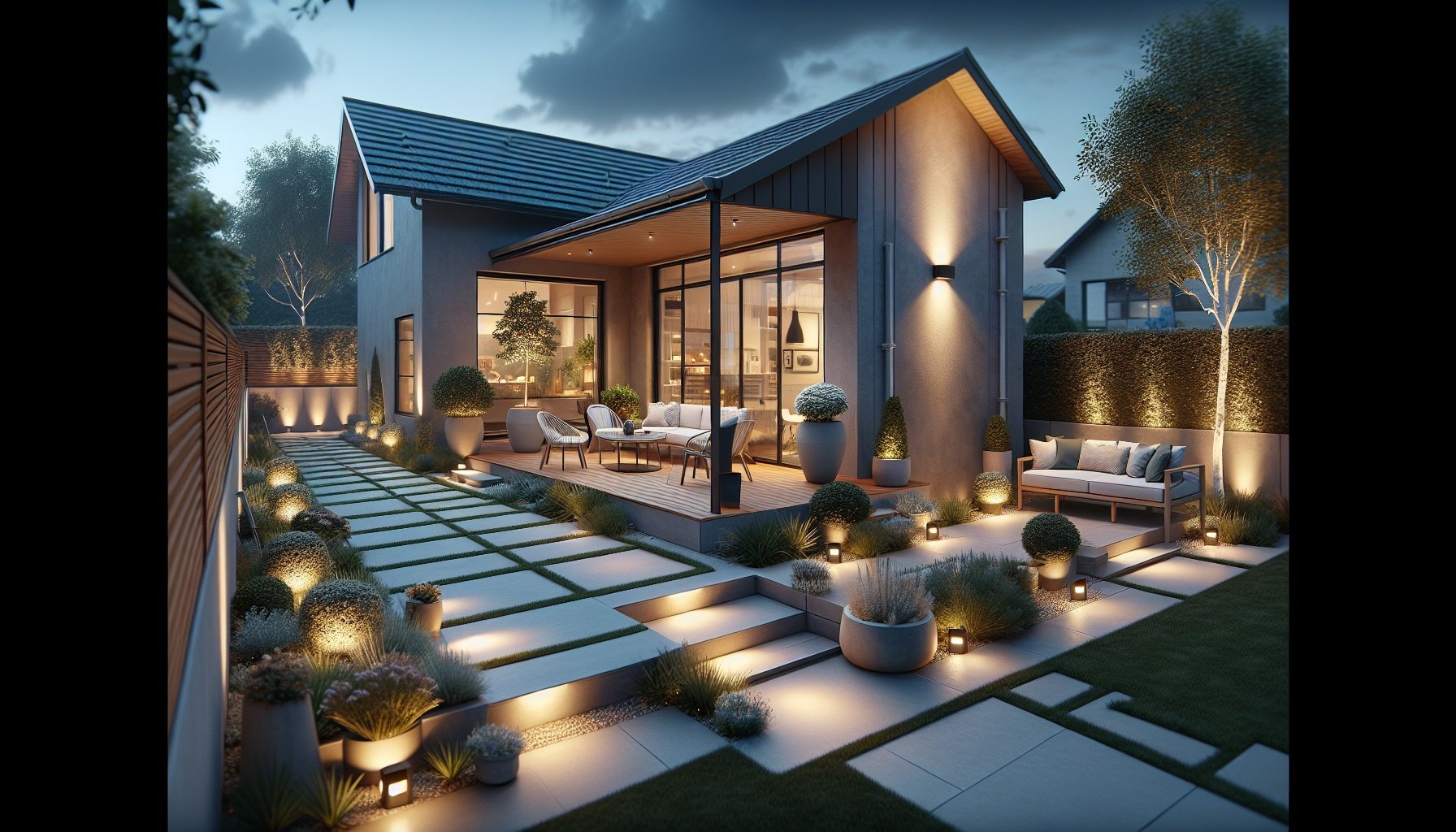
Material choice shapes how well an outdoor space handles humidity, heavy use, and sudden summer downpours. Permeable pavers create a solid surface for dining and lounge zones while letting rain soak through the joints into a gravel base, limiting puddles, slippery spots, and erosion around the patio. Textured or broom-finished concrete works well for grilling stations and high-traffic walkways, since a rougher surface improves traction when the air feels thick and the ground stays damp. Composite decking fits raised entertaining decks, resisting rot, termites, and warping that often strike traditional wood in muggy climates. Lighter colors, hidden fasteners, and proper airflow beneath the deck all help reduce heat buildup and moisture problems so gatherings stay comfortable and low-stress.
Good to Know: The U.S. outdoor living market reached $12.5 billion in 2024, driven by demand for low-maintenance patios and decks that extend home entertaining capabilities year-round.
Source: Statista
Designing simple, sturdy structures: patios, pergolas, and shade covers that resist rot and rust
Simple outdoor structures stay low-maintenance when frames and roofs are kept straightforward and built from rot- and rust-resistant materials. Patios with slightly sloped slabs or pavers shed water away from posts so wood bases do not sit in puddles. Pergolas and shade covers framed in powder-coated aluminum, fiberglass, or pressure-treated posts on metal post bases avoid long-term moisture damage in humid climates.
Clean, open designs with fewer tight joints help rain, pine needles, and oak leaves wash through instead of collecting and rotting. Metal shade panels, polycarbonate sheets, or tensioned fabric canopies mounted to sturdy beams offer cooling shade without shingles or heavy Roofing to maintain. Simple hardware, stainless or coated fasteners, and well-placed gutters round out a tough structure that stands up to Louisiana storms and steamy summers.
Good to Know: Integrating solar-powered LED lighting in outdoor entertaining areas cuts energy costs by 90% while providing ambient illumination, transforming backyards into efficient night-time venues.
Source: U.S. Department of Energy
Integrating built-in seating, steps, and planters to reduce furniture clutter and maintenance
Built-in elements turn patios into low-clutter, low-maintenance gathering zones. Permanent benches along edges or around a fire feature remove the need for bulky outdoor furniture and constant rearranging. Concrete or masonry seating caps finished with composite or stone stay put in heavy Louisiana rains and only need occasional rinsing. Wide, shallow steps between levels double as casual seating, limiting extra chairs and making traffic flow smoother during crawfish boils or game-day parties. Raised planters poured with the same concrete or block as nearby walls keep soil contained and reduce weeding along edges. Selecting hardy, drought-tolerant plants and drip irrigation inside those planters ties greenery to the structure, lowering upkeep while keeping the space organized and ready for entertaining.
Planting, Lighting, and Smart Systems for Minimal Care
Once the layout feels dialed in, the next step is choosing details that quietly handle the hard work. Thoughtful planting, layered lighting, and simple smart systems can keep an outdoor space party‑ready with very little attention. Selecting the right mix of shrubs, groundcovers, and containers limits weeding and trimming while still adding color and texture. Well-placed path and accent lights extend gatherings past sunset and boost safety without harsh glare. Smart timers, sensors, and app-controlled devices help manage watering, power, and ambiance automatically, creating an outdoor entertaining area that stays low-maintenance behind the scenes.
Quick Insight: Outdoor entertaining areas have evolved from ancient Roman peristyles, open courtyards designed for social gatherings, to modern patios, reflecting centuries of adapting spaces for communal leisure and relaxation.
Source: Wikipedia
Selecting native and hardy plants suited to Central Louisiana heat, rain, and soil
Selecting plants that thrive in Central Louisiana heat, heavy rain, and clay-based soils keeps entertaining areas looking fresh with very little work. Native and hardy choices like wax myrtle, yaupon holly, and dwarf yaupon form evergreen backdrops that handle humidity and occasional cold snaps. For color without constant pruning, many landscapes rely on Louisiana iris, lantana, and salvia, which attract butterflies while shrugging off heat and summer storms. Tough groundcovers such as Asiatic jasmine or frogfruit fill gaps between pavers, helping reduce mud and erosion around gathering zones. Deep-rooted natives manage seasonal downpours better than many imports, limiting standing water near seating and cooking areas and supporting a stable, low-maintenance setting for frequent get-togethers.
Worth Noting: Low-maintenance native plant gardens in outdoor areas boost local biodiversity by supporting pollinators, creating eco-friendly entertaining spaces that require minimal upkeep.
Source: National Geographic
Using mulch, gravel, and groundcovers to control weeds and erosion around entertaining areas
Mulch, gravel, and living groundcovers lock entertaining spaces in place so rain and runoff do not create bare spots or weed patches. A 2–3 inch layer of shredded pine or hardwood mulch around shrubs and perennials blocks sunlight from weed seeds while keeping Central Louisiana’s clay soil cooler and easier to work. Pea gravel or crushed limestone between stepping stones and along the edges of patios creates clean, mud-free transitions and lets water soak in instead of pooling on hard surfaces. In sloped or high-traffic spots, mixing low-growing groundcovers with mulch—such as Asiatic jasmine near seating areas and frogfruit along walkways—stabilizes soil, softens hardscape edges, and reduces the need for constant pulling, raking, and replanting.
Adding low-maintenance lighting and automated irrigation for reliable, hands-off comfort
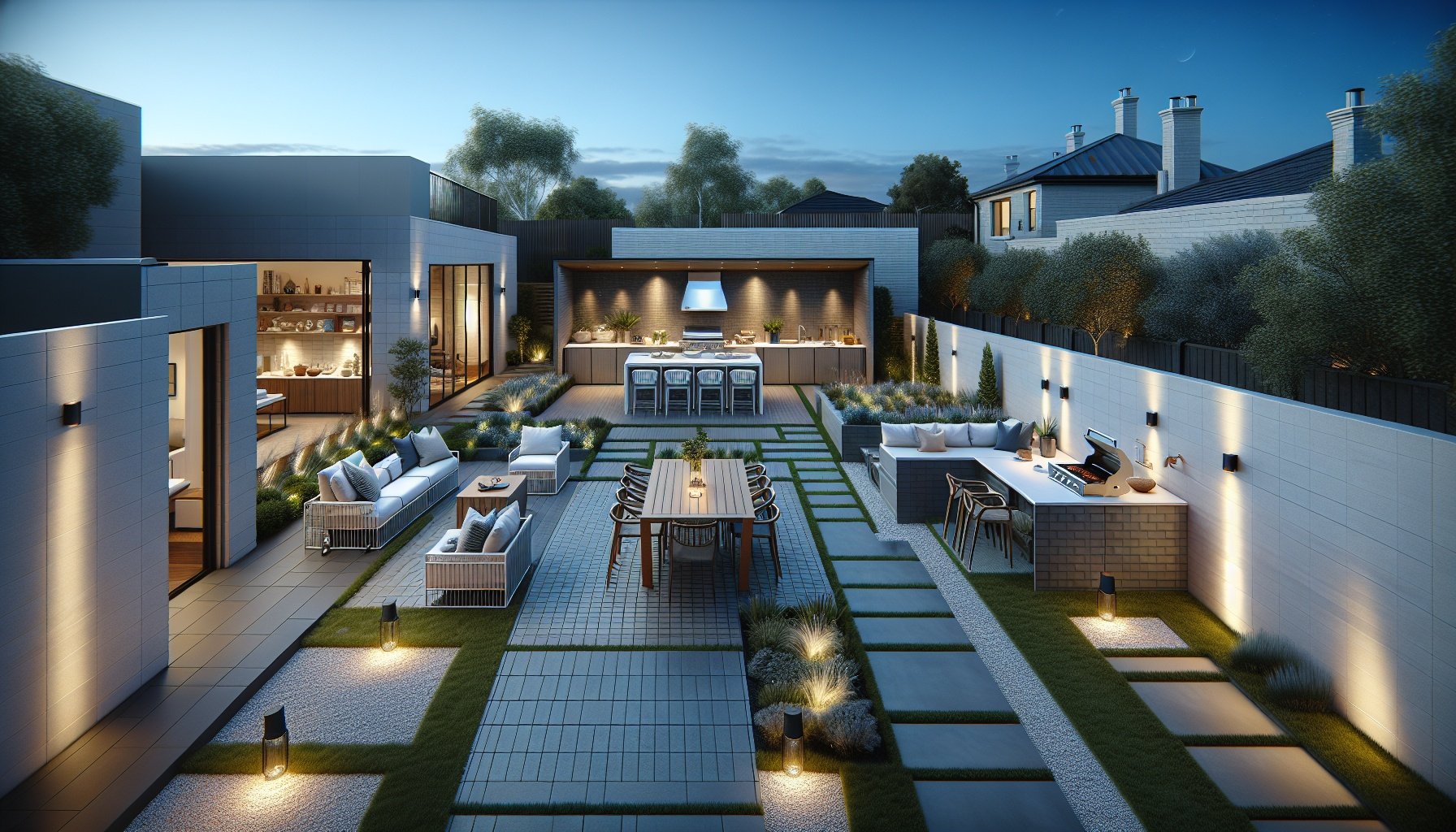
Low-maintenance lighting and automated irrigation keep outdoor gathering zones comfortable and ready without constant chores. LED path lights, step lights, and wall-mounted sconces with dusk-to-dawn sensors or timers turn on and off automatically, so patios and walkways stay safe even during late-night crawfish boils or backyard barbecues. Warm white fixtures with sealed housings handle Central Louisiana humidity and rain with little upkeep. Smart spotlights can highlight key trees or accent walls while using very little power.
Drip irrigation and soaker hoses tucked under mulch around planting beds give deep, efficient watering on a schedule, reducing hose dragging and overwatering. Simple smart controllers adjust run times after heavy Alexandria or pineville storms, keeping plants healthy while preventing muddy patches around seating areas.
Conclusion
Low-maintenance outdoor entertaining areas start with smart planning, durable construction, and simple, functional design. Clear layouts keep movement easy between cooking, dining, and lounging zones. Hardwearing materials, proper drainage, and solid footings protect patios from spills, foot traffic, and Louisiana-style weather swings without constant repairs. Non-slip, stain-resistant finishes and color-through surfaces keep everything looking sharp with less work. Layered planting, practical lighting, and automated systems support comfort and safety while cutting back on chores.
Thoughtful choices at the start turn an outdoor space into a reliable, all-season gathering spot. With a focus on function, durability, and easy-care details, every hangout can feel relaxed instead of rushed. Now is the perfect time to shape an outdoor area that quietly handles the hard work in the background so gatherings stay effortless up front.
Frequently Asked Questions
- What makes an outdoor entertaining space truly low-maintenance?
- A truly low-maintenance outdoor entertaining space is planned so that it needs minimal cleaning, repair, and seasonal work. The key is choosing durable materials, simple layouts, and smart features that handle weather and heavy use.
Common elements include:
– Hardscape over lawn: More patios, pavers, and gravel seating areas and less grass to mow and edge.
– Durable surfaces: Concrete, composite decking, porcelain pavers, and stone that resist stains, fading, and cracking.
– Simple furniture: Metal, high-quality resin, or teak furniture that wipes clean easily and does not need constant refinishing.
– Easy-care plants: Native or drought-tolerant shrubs and groundcovers instead of flower beds that need weekly attention.
– Built-in storage: Benches or cabinets to keep cushions, games, and serving pieces out of the weather.
– Good drainage: Grading and drains that prevent puddles, mud, and slippery surfaces.When these pieces work together, outdoor gatherings feel relaxed because the space stays ready with only quick touch-ups.
- What are the best low-maintenance materials for patios and decks?
- Low-maintenance patios and decks use materials that can handle sun, rain, and foot traffic without constant sealing or repairs.
Strong options include:
– Stamped or broom-finished concrete: Durable, budget-friendly, and easy to rinse off. Sealing every few years helps it last longer.
– Composite decking: Resists rot, termites, and fading better than most traditional wood. Usually needs just sweeping and occasional washing.
– Porcelain or ceramic outdoor pavers: Dense, stain-resistant, and less likely to fade. Great for modern, clean looks.
– Natural stone (like flagstone or travertine): Long-lasting and beautiful, especially for higher-end projects. Needs proper installation and sealing.
– Paver systems: Concrete pavers on a compacted base can be repaired by lifting and replacing single units instead of tearing out whole sections.In hot areas like Central Louisiana, lighter colors and textured finishes keep patios cooler underfoot and more comfortable for gatherings.
- How can landscaping be designed to stay attractive with very little upkeep?
- Low-maintenance landscaping around outdoor entertaining areas focuses on plants and layouts that do not need frequent watering, trimming, or replacing.
Helpful strategies include:
– Use native and drought-tolerant plants: Species adapted to local climate handle heat, humidity, and occasional cold snaps with less care.
– Group plants by water needs: Keeps irrigation simple and avoids over-watering hardy plants.
– Shrink the lawn: Replace some grass with gravel seating areas, paver paths, or mulched beds around the patio.
– Add mulch: A 2–3 inch layer around shrubs and trees reduces weeds, holds moisture, and protects roots.
– Choose evergreen structure: Boxwood, holly, or other evergreen shrubs provide year-round color without seasonal replanting.
– Limit fussy flowers: Use a few long-blooming perennials instead of large, high-maintenance flower borders.This type of planting design keeps outdoor zones green and inviting while cutting back on mowing, edging, and weeding.
- What kind of outdoor furniture works best for low-maintenance entertaining areas?
- Low-maintenance outdoor furniture holds up to sun, rain, and weekend gatherings without constant scrubbing or refinishing.
Popular choices are:
– Powder-coated aluminum: Lightweight, rust-resistant, and easy to move for flexible seating.
– All-weather wicker (resin): Has the look of woven furniture but resists fading, cracking, and moisture.
– High-quality plastic or poly lumber: Heavy enough to stay put, simple to clean, and available in many colors.
– Teak or other dense hardwoods: Long-lasting and naturally weather resistant; can be left to age to a silver tone instead of refinished every season.For cushions and fabrics:
– Choose outdoor performance fabrics that resist fading, mold, and stains.
– Pick neutral or medium tones that hide minor marks better than solid white.
– Store cushions in a deck box or built-in bench when not in use to extend their life.These choices keep seating comfortable and stylish while cutting cleaning time before guests arrive.
- How can lighting be set up outdoors to stay low-maintenance but still feel inviting?
- Low-maintenance outdoor lighting uses long-lasting fixtures and simple controls so entertaining areas feel warm and safe without complicated setups.
Strong lighting options include:
– LED fixtures: Long lifespans, low energy use, and less frequent bulb changes.
– Solar path lights: Easy to install along walkways and garden borders, with no wiring.
– String lights rated for outdoor use: Add a relaxed, festive feel to pergolas, porches, and trees.
– Wall-mounted sconces near doors and seating areas: Create a comfortable glow and improve safety.
– Step and deck lights: Built into risers or railings to prevent trips and falls.Smart controls can also help:
– Timers or photocells turn lights on at dusk and off at set times.
– Simple smart plugs make it easy to control string lights and lamps from one place.Thoughtful lighting design keeps evenings around the fire pit, pool, or patio cozy without a lot of fiddling with switches and cables.
- What design tips help outdoor entertaining areas stay clutter-free and easy to clean?
- Clutter-free outdoor entertaining areas are planned with storage, clear pathways, and smooth surfaces that do not trap dirt or debris.
Helpful design ideas include:
– Built-in benches with storage: Hide cushions, games, and small tools while providing seating.
– Simple layouts: Wide walkways and open zones that allow chairs and tables to move without blocking traffic.
– Large-format pavers or poured slabs: Fewer joints collect less dirt and weeds than many small stones.
– Defined zones: Separate cooking, dining, and lounging areas to keep items where they belong.
– Hooks and shelves near grills or outdoor kitchens: Keep tools and condiments organized.
– Outdoor rugs rated for the elements: Catch crumbs and dirt and can be shaken or sprayed off.These choices reduce visual clutter and cut down on sweeping and picking up before and after gatherings.
- How can weather in places like Central Louisiana be handled in a low-maintenance outdoor space?
- Warm, humid climates with sudden storms, like Central Louisiana, call for outdoor entertaining spaces that handle moisture, heat, and strong sun with minimal upkeep.
Useful approaches include:
– Covered areas: Roof extensions, pergolas with polycarbonate panels, or pavilions give shade and rain protection.
– Moisture-resistant materials: Composite decking, powder-coated metals, and sealed concrete stand up better to humidity.
– Good airflow: Ceiling fans under porches and open railings help reduce heat and mildew.
– Proper slopes and drains: Patios graded away from the house, French drains, and gravel borders manage heavy rain.
– Mold- and mildew-resistant fabrics: Outdoor cushions and umbrellas made for high-humidity regions.
– Rust-resistant hardware: Stainless steel or galvanized fasteners and hinges for longer life.These features let outdoor spaces around Alexandria, Pineville, and the rest of Central Louisiana stay ready for crawfish boils, barbecue nights, and game-day gatherings with less long-term effort.
Categories
Home Improvement Tips & Tricks