
Low-Maintenance Landscape Lighting Ideas for Effortless Curb Appeal
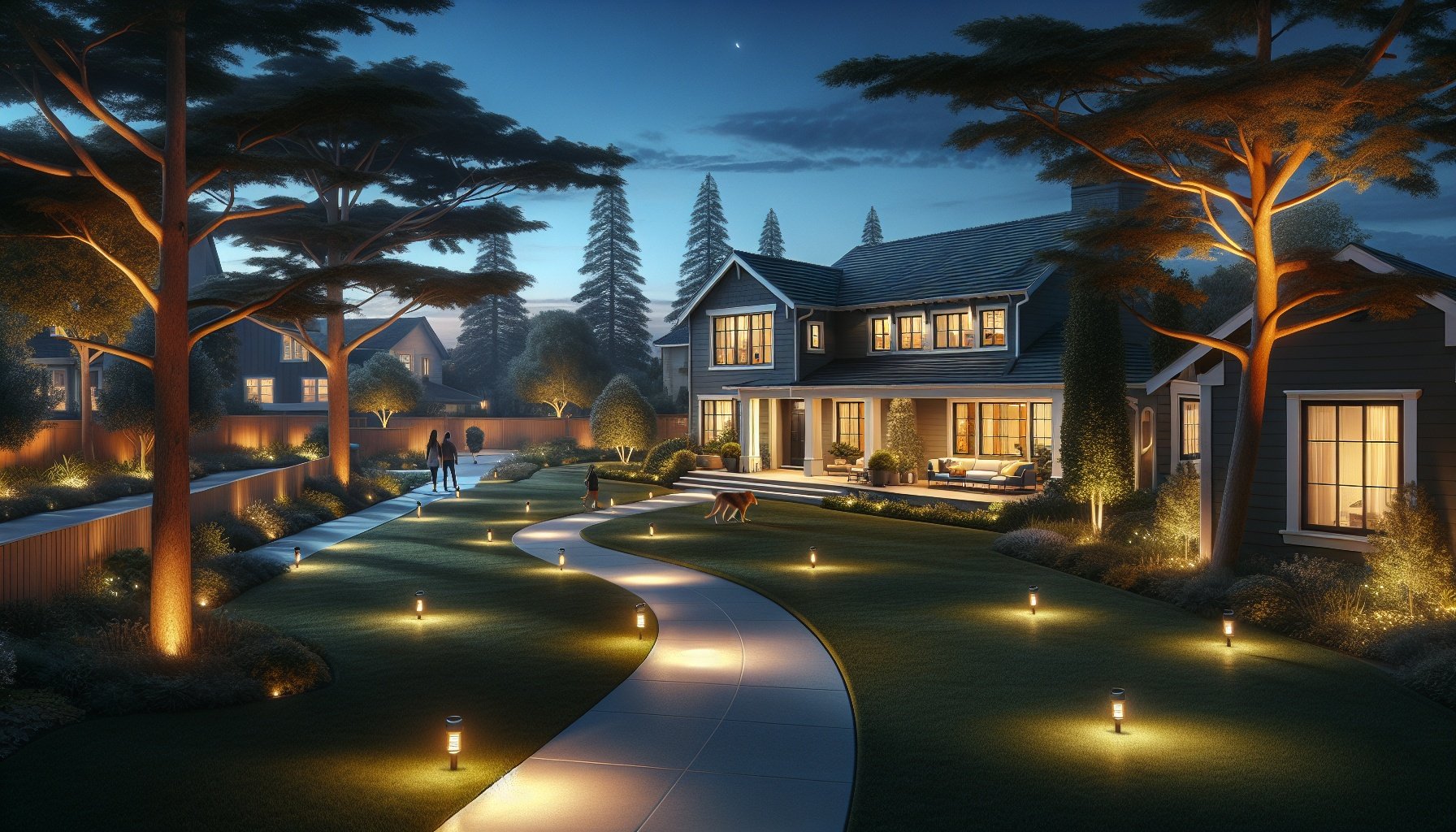
Landscape lighting can transform a Central Louisiana property from ordinary to outstanding, especially when every fixture is designed for low-maintenance, long-term performance. Tall live oaks, brick facades, wide porches, and winding drives all look more inviting and secure under a thoughtful lighting plan that does not demand constant attention. The goal centers on creating a simple, durable system that handles Louisiana’s heat, humidity, and surprise storms while still delivering warm, welcoming curb appeal night after night.
Quick Navigation:
Assessing the Landscape and Lighting Goals | Choosing Low-Maintenance Fixtures and Power Sources | Smart Layout, Wiring, and Control Strategies | Frequently Asked Questions
Planning begins with a clear vision of what should stand out after dark and how guests move through the space. Driveways, front walks, and garden paths benefit from consistent, glare-free illumination that boosts safety without feeling harsh. Architectural accents, landscape beds, and outdoor seating areas gain depth with layered light that highlights texture and shadow, not just brightness. Every choice, from fixture style to power source, works best when guided by ease of care and reliable performance.
Smart fixture selection, practical wiring routes, and simple control options all play a part in keeping upkeep low. Energy-efficient LEDs, well-built housings, and finishes that resist corrosion reduce the need for frequent replacement. Timers, photocells, and smart controls keep lights running on schedule without daily adjustments. With a solid plan, landscape lighting becomes a set-it-and-enjoy-it upgrade that brings effortless curb appeal to Central Louisiana homes, from quiet Pineville streets to busy Alexandria neighborhoods, long after the sun goes down.
Assessing the Landscape and Lighting Goals
Thoughtful planning starts with a clear look at the property as it actually functions after dark. Every yard has its own personality, from open lawns and long drives to shaded corners under pine and oak canopies, and each area calls for a different level of visibility and mood. It helps to note where guests tend to gather, where pets roam, and which spots feel too dim or forgotten once the sun goes down. Balancing these needs with simple, long-lasting fixtures allows each zone to serve a purpose, setting the stage for defining specific lighting goals by area.
Good to Know: LED landscape lights in 2024 use 80% less energy than traditional bulbs, promoting environmental sustainability by cutting carbon emissions in outdoor installations worldwide.
Source: EC&M
Identifying key features to highlight in Central Louisiana yards, from live oaks to brick facades
Central Louisiana yards often shine at night when lighting focuses on the details that define local character. Sprawling live oaks with thick, twisting branches respond well to ground-mounted accent lights that graze up the trunk and canopy, showing off texture without harsh glare. Brick facades and porches around Alexandria, pineville, and small-town main streets gain depth when narrow-beam lights skim across the surface, picking up every ridge and mortar line. Raised Acadian-style porches, cypress posts, and brick steps benefit from soft, low fixtures that outline edges while keeping walkways safe. Lakefront lots near Kincaid Lake or Cotile Lake can highlight dock edges, retaining walls, and silhouetted trees, creating a calm, low-maintenance glow that feels right at home in Central Louisiana’s warm evenings.
Expert Insight: In 2024, the global outdoor lighting market reached USD 39.4 billion and is projected to grow at a 5% CAGR through 2034, driven by demand for energy-efficient landscape solutions.
Source: Global Market Insights
Balancing safety, security, and aesthetics along driveways, porches, and garden paths
Balancing safety, security, and aesthetics along driveways, porches, and garden paths starts with clean, consistent light levels instead of harsh hot spots. Driveways in Central Louisiana neighborhoods work well with low bollard or stake lights set back from the pavement, guiding vehicles without blinding drivers or neighbors. Porches feel welcoming when wall sconces and recessed ceiling lights are shielded to reduce glare while still washing steps and thresholds with even light. Garden paths benefit from staggered, down‑facing fixtures that tuck into planting beds, keeping the beam on the walkway and away from the sky. Warm white LED fixtures, tied to dusk‑to‑dawn sensors or timers, create a calm, secure feel while preserving the charm of brick, gravel, and native plantings after dark.
Pro Tip: The third space concept in 2024 landscape lighting designs creates inviting outdoor areas with low-maintenance fixtures, fostering social gatherings and wellness in home environments.
Source: Cooper Lighting Solutions
Evaluating existing power access, drainage, and soil conditions before laying out fixtures
Evaluating existing power access, drainage, and soil conditions before laying out fixtures keeps a low‑maintenance lighting plan running smoothly long‑term. Power starts with finding existing exterior outlets, transformer locations, and clear routes for low‑voltage cable that avoid driveways, large roots, and heavy traffic zones. Drainage matters just as much. Low spots that stay soggy after a Central Louisiana storm can flood fixtures, short wiring connections, and stain lenses with mud. Soil type also affects durability. Loose, sandy soils may need deeper‑set stakes and heavier fixtures, while dense clay benefits from gravel at the base of each fixture for drainage and stability. Planning fixture locations around these realities helps prevent leaning lights, tripped breakers, and constant adjustments later on.
Choosing Low-Maintenance Fixtures and Power Sources
Once the layout feels dialed in, fixture and power choices start to determine how much time and money a system will demand down the road. Low-maintenance landscape lighting can enhance the beauty and safety of outdoor spaces without the high upkeep of water features or constantly failing hardware. Thoughtful selection of finishes, lens materials, and mounting styles helps resist fading, clouding, and damage from mowers or trimmers. Matching the right power source to each zone—whether hardwired, solar, or low-voltage plug-in—cuts down on troubleshooting and ongoing service. With the right combinations, each light quietly does its job while the system stays simple to live with.
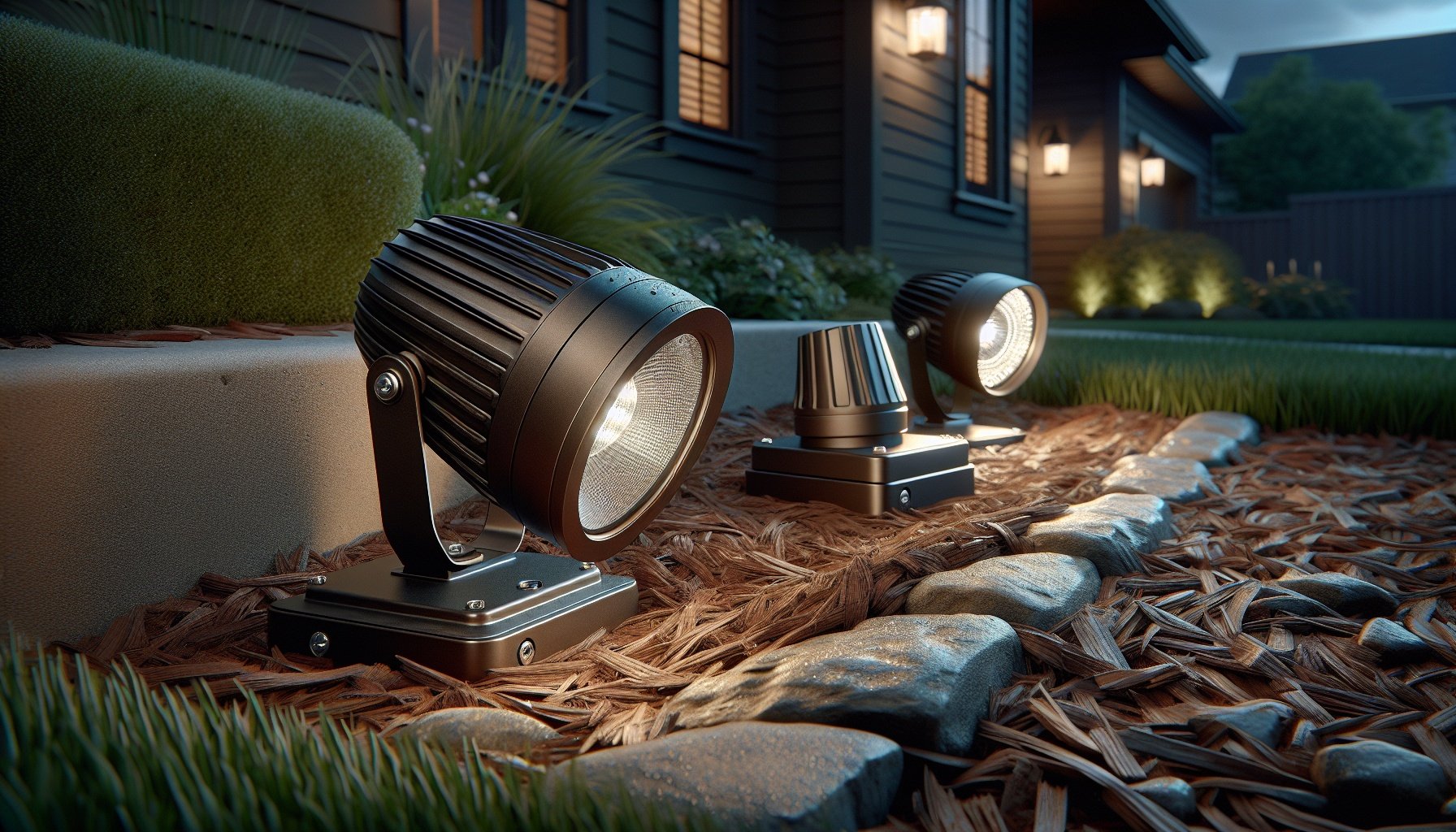
Selecting durable LED fixtures and finishes that handle Louisiana heat, humidity, and storms
Selecting durable LED fixtures and finishes makes a big difference in Louisiana’s heat, humidity, and stormy weather. Solid brass or marine-grade stainless steel housings resist corrosion better than thin aluminum or cheap painted metal. Powder-coated finishes in darker tones help hide dirt and water spots after summer downpours. Fully sealed, wet-rated LED fixtures with rubber gaskets keep out moisture, bugs, and wind-blown debris during Gulf storms. Look for impact-resistant lenses and sturdy stakes or heavy bases that stay put in soft, rain-soaked ground. Integrated LED fixtures with higher-quality drivers handle temperature swings from hot August afternoons to cool winter nights without constant bulb changes, keeping paths, driveways, and garden beds looking sharp through every Louisiana season.
Keep in Mind: Permanent outdoor residential lighting has surged in popularity by 2025, boosting property values by 10-15% through enhanced curb appeal and security in suburban landscapes.
Source: LightNOW Blog
Comparing solar-powered, low-voltage, and line-voltage systems for long-term ease of care
Solar-powered, low-voltage, and line-voltage systems each bring different levels of long-term care. Solar fixtures avoid buried wiring and transformers, so there is no need to worry about corrosion in wet soil, but panels must stay clear of leaves, pollen, and shade to charge well, and batteries eventually need replacement. Low-voltage (12V) systems usually offer the best balance for low maintenance, pairing durable LED fixtures with simple, shallow wiring that is easier to troubleshoot after heavy rain or a storm-toppled shrub. Line-voltage (120V) setups handle large commercial-style loads, but require deeper trenches, junction boxes, and code-level electrical work, which can complicate repairs and add future service costs compared to a well-designed low-voltage layout.
Did you know? Landscape lighting trends in 2024 emphasize linear LED strips integrated into hardscapes, enhancing safety and aesthetics with minimal upkeep for residential and commercial spaces.
Source: LightNOW Blog
Standardizing fixture types, color temperature, and beam spreads to simplify future changes
Standardizing fixture types, color temperature, and beam spreads keeps a landscape system easy to tweak as plants grow or outdoor spaces change. Using one primary fixture family for path lights, spotlights, and wall washes means replacement parts, stakes, and lenses stay consistent, instead of hunting for oddball components. Sticking with a unified color temperature, such as 2700K or 3000K, prevents patchy, mismatched light that can happen when mixing warm and cool tones. Choosing just a few common beam spreads—like narrow (15°) for tall trees, medium (30°) for architectural accents, and wide (60°) for beds—simplifies ordering and layout. A standardized “kit of parts” makes swapping a damaged light or adding a few new fixtures as simple as matching what is already in place.
Smart Layout, Wiring, and Control Strategies
After the yard’s nighttime patterns are clear, the next step is turning those ideas into a clean, low-fuss lighting plan. Smart layout keeps cables tucked out of the way, avoids glare in Windows, and prevents bright “hot spots” or patchy dark gaps along paths and beds. Thoughtful wiring choices, such as using shared low-voltage runs and well-placed junction points, simplify future changes and make troubleshooting easier. Layered control zones allow front walks, accent trees, and backyard hangout areas to run on different schedules, cutting waste while keeping key spaces reliably lit, which starts with smart layout decisions.
Designing zones for pathways, accent lighting, and seating areas to avoid dark spots and glare
Thoughtful zoning keeps outdoor spaces bright and comfortable instead of patchy and harsh. Pathway lighting works best as a steady “breadcrumb trail,” with fixtures spaced so light pools overlap slightly, preventing dark gaps that cause trips or missteps. Short bollards or low path lights aimed downward reduce glare and keep light out of neighbors’ windows. Accent lighting deserves its own zone, using narrow beams on trees, columns, or architectural details so highlights stand out without washing everything in brightness. Seating areas benefit from a separate, softer zone with indirect light bounced off walls, fences, or pergolas to avoid blinding faces. Layering these zones on individual circuits or transformers allows fine-tuning light levels without constant fixture adjustments.
Good to Know: For 2025, smart automation in landscape lighting allows remote control via apps, reducing energy use by up to 50% while providing customizable low-maintenance illumination patterns.
Source: Sterling Lighting
Planning wiring routes, junction points, and transformer placement for safe, hidden installs
Landscape lighting works best when wiring stays protected, out of sight, and easy to service. Wiring routes stay clear of mower paths, planting beds that get regular digging, and high-traffic walkways. Cables can follow hardscape edges, fence lines, or mulch borders, with low-voltage lines buried at least a few inches deep and marked on a simple yard sketch. Junction points stay above known wet spots and away from tree roots that can shift connections. Weatherproof junction boxes tuck behind shrubs, near downspouts, or along the back of landscape borders for fast access. Transformers mount near existing exterior outlets on solid walls or posts, with enough capacity for each zone and a clear, labeled layout that keeps future troubleshooting simple and quick.
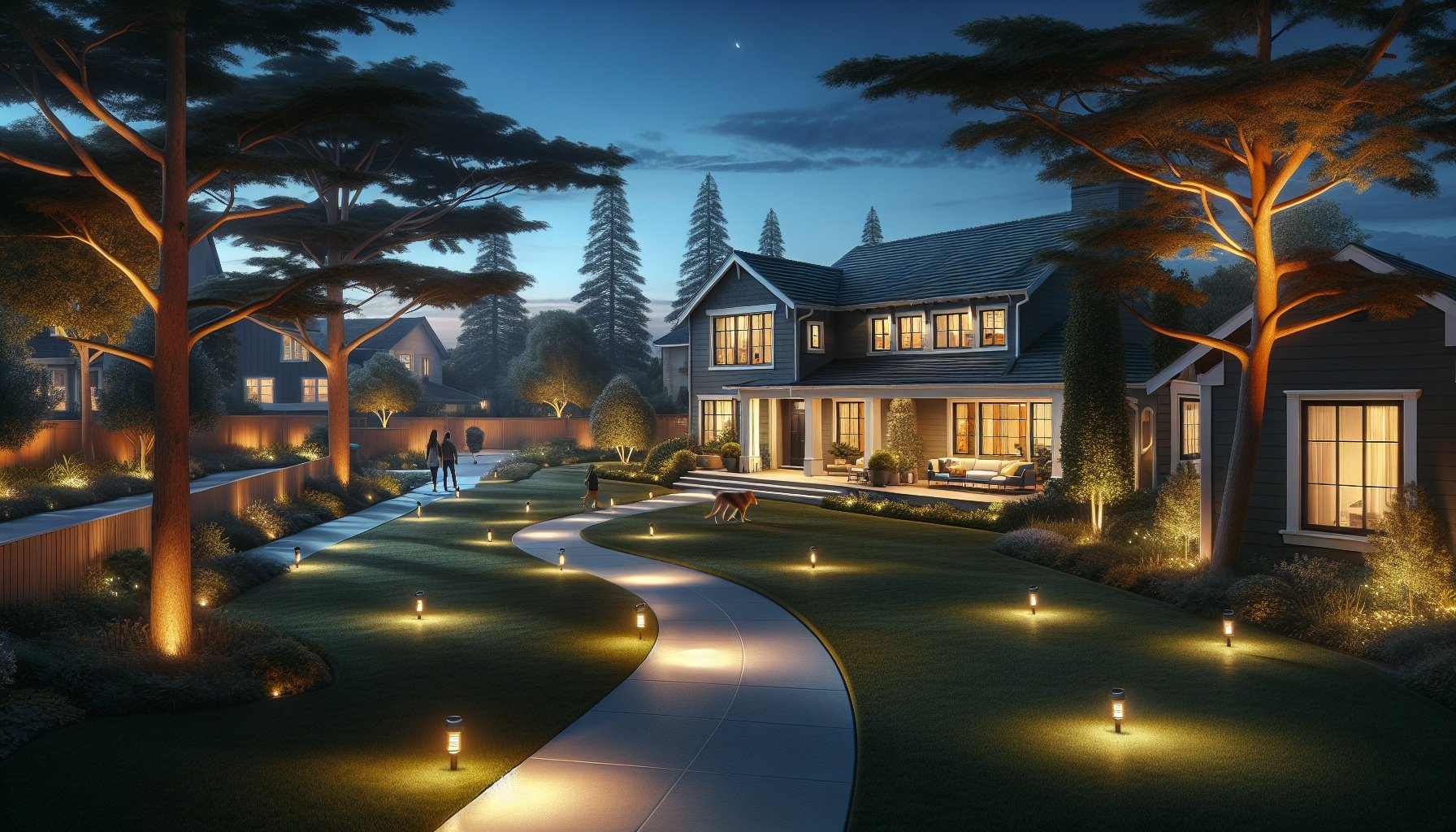
Using timers, photocells, and smart controls to automate operation and cut down on upkeep
Timers, photocells, and smart controls keep landscape lighting running smoothly without constant tinkering. Simple plug‑in or transformer‑mounted timers handle predictable schedules, such as pathway and entry lights that switch on at dusk and off around midnight. Photocells react to natural light levels, turning accent fixtures on only when it actually gets dark, which helps offset seasonal changes and reduces wasted energy. Smart controls layer in app or voice control, scene presets, and dimming for different zones, tying into the wiring layout already planned around pathways, beds, and seating areas. Grouping fixtures by use on separate channels lets low‑use zones, like far corners of a yard, run shorter schedules while key safety areas stay consistently lit with almost no hands‑on upkeep.
Conclusion
Landscape lighting can enhance the beauty and safety of outdoor spaces without the high upkeep of water features. Thoughtful planning turns simple fixture and power choices into a system that works quietly in the background, night after night. Durable finishes, strong lens materials, and smart mounting help resist fading, clouding, and damage from mowers or trimmers, keeping everything looking sharp with less fuss.
Energy-efficient LEDs and well-chosen power sources—whether hardwired, solar, or low-voltage plug-in—help control costs while supporting a cleaner footprint. When nighttime patterns around the yard guide the lighting layout and controls, key areas stay visible, welcoming, and comfortable. A low-maintenance plan today can deliver effortless curb appeal for years to come, ready for the next gathering after the sun goes down.
Frequently Asked Questions
- What makes a landscape lighting system low-maintenance?
- A low-maintenance landscape lighting system is designed to need very little time, effort, or money to keep it looking good and working properly.
Key features include:
– LED fixtures: Long life (often 25,000–50,000 hours), low energy use, and less frequent bulb changes.
– Durable materials: Fixtures made from brass, stainless steel, or heavy-duty composite resist rust, fading, and cracking in Central Louisiana heat and humidity.
– Weather-resistant components: Gaskets, seals, and outdoor-rated connectors keep moisture, mud, and insects from damaging wiring.
– Simple, smart controls: Photocells, timers, or smart transformers automatically turn lights on at dusk and off at dawn, reducing manual adjustments.
– Thoughtful placement: Fixtures installed away from lawnmower paths, weed trimmers, and heavy traffic are less likely to be knocked over or damaged.Together, these choices cut down on repairs, bulb changes, and troubleshooting while keeping curb appeal high year-round.
- Why are LED landscape lights recommended for Central Louisiana homes?
- LED landscape lights work especially well for Central Louisiana homes because they handle the local climate and deliver strong performance with minimal upkeep.
Benefits include:
– Heat and humidity resistance: LEDs stay cooler than halogen bulbs and are less affected by temperature swings during long summer seasons.
– Energy efficiency: LEDs use far less electricity, lowering utility bills even when lights run from dusk to dawn.
– Long lifespan: Many LED fixtures last for years without replacement, even in areas with frequent use such as front walkways and driveway edges.
– Consistent brightness: LED light output stays steady over time, helping homes in Alexandria, Pineville, or natchitoches keep that clean, welcoming glow.
– Low insect attraction: Many warm-white LEDs attract fewer bugs than older bulbs, which is helpful during muggy evenings on the porch or patio.These benefits support a low-maintenance design while highlighting trees, flower beds, and architectural features with reliable, even light.
- How can landscape lighting boost curb appeal without constant upkeep?
- Landscape lighting boosts curb appeal by focusing on a few key features instead of lighting everything, which keeps upkeep simple and costs low.
Effective, low-maintenance strategies include:
– Path and step lighting: Low, shielded fixtures along sidewalks, front steps, and driveways guide visitors and add a polished look to the entrance.
– Accent lighting on trees and facades: A few well-placed uplights under a live oak, crepe myrtle, or the front gable create a custom look without dozens of fixtures.
– Consistent color temperature: Using the same warm-white tone (around 2700K–3000K) across the yard creates a clean, professional appearance.
– Minimal fixture types: Sticking to a small set of fixture styles makes the system easier to maintain and expand later.This approach creates a strong first impression from the street—especially at dusk—without needing constant bulb changes, re-aiming, or rewiring.
- What are some low-maintenance fixture options for walkways, trees, and garden beds?
- Different areas around a home benefit from different low-maintenance fixture types, but each can be chosen and placed to reduce long-term care.
Common options include:
– Path lights: Short posts with a hat-style top that directs light downward onto walkways and borders. Heavy-duty brass or composite options resist damage from foot traffic, lawn tools, and weather.
– Well lights and in-ground lights: Fixtures set at or below ground level used to accent trees, walls, or columns. Covered with sturdy glass and trim rings, they stay protected while lighting trunks and architectural features.
– Spotlights (uplights): Adjustable fixtures pointed at trees, flagpoles, or stonework. When mounted on small stakes or ground pads away from mower paths, they stay secure and stable.
– Hardscape lights: Slim fixtures tucked under steps, retaining walls, or capstones. Perfect for brick or stone features common around patios, porches, and pool decks.Choosing fixtures with sealed housings, LED modules, and corrosion-resistant finishes keeps them working smoothly with only occasional cleaning.
- How can smart controls and timers reduce landscape lighting maintenance?
- Smart controls and timers take the guesswork out of operating a landscape lighting system, cutting down on constant manual adjustments.
Helpful options include:
– Photocell sensors: Turn lights on automatically at dusk and off at dawn based on outdoor light levels. No need to reset for changing sunset times.
– Astronomical timers: Use location and date to track sunrise and sunset precisely in Central Louisiana, adjusting schedules automatically through the seasons.
– Smart transformers and Wi‑Fi controllers: Allow schedules, dimming, and zones to be adjusted through a phone or tablet, reducing trips outside to the transformer box.
– Preset scenes: Different settings for everyday use, game-day gatherings, or holiday lighting created once and reused anytime.These tools help avoid burned-out bulbs from running too long, keep lighting consistent throughout the year, and reduce the need to manually switch systems on and off.
- What kind of maintenance schedule keeps landscape lighting working reliably?
- A simple, consistent maintenance schedule keeps a low-maintenance lighting system looking sharp without much hassle.
Typical tasks include:
– Seasonal cleaning (2–4 times per year): Gently wipe lenses to remove pollen, dust, and spider webs, especially in spring and summer.
– Visual inspections: Walk the yard at night a few times a year to check for dim fixtures, loose connections, or lights blocked by overgrown shrubs.
– Fixture adjustments: Re-aim any spotlights that shifted due to rain, pets, or lawn work, focusing on key features like front doors, accent trees, and house numbers.
– Vegetation trimming: Cut back plants that shade path lights or cover step lights, especially around fast-growing Central Louisiana greenery.
– System check after storms: After heavy rain or wind, make sure fixtures are upright and no wires are exposed.Following these simple steps keeps systems running for many years with minimal repairs.
- How does proper installation help avoid future landscape lighting problems?
- Proper installation greatly reduces future issues, especially in areas with heavy rain, clay soils, and strong sun like Central Louisiana.
Strong installation practices include:
– Buried, rated wiring: Using direct-burial, outdoor-rated cable buried at the correct depth prevents damage from shovels, pets, and shifting soil.
– Waterproof connectors: Gel-filled or heat-shrink connectors keep moisture out of wire joints, reducing corrosion and flickering lights.
– Correct transformer sizing: Matching transformer capacity to total wattage ensures consistent brightness and avoids overloading.
– Voltage balancing: Planning wire runs so fixtures at the far end receive enough power, preventing dim or uneven lighting.
– Stable mounting: Positioning fixtures on solid stakes, risers, or mounting plates helps them stay level and upright over time.These details create a rugged, low-maintenance system that holds up through local thunderstorms, summer heat, and everyday use while maintaining strong curb appeal.