
Louisiana Infrastructure Funding Spurs Central LA Construction Boom
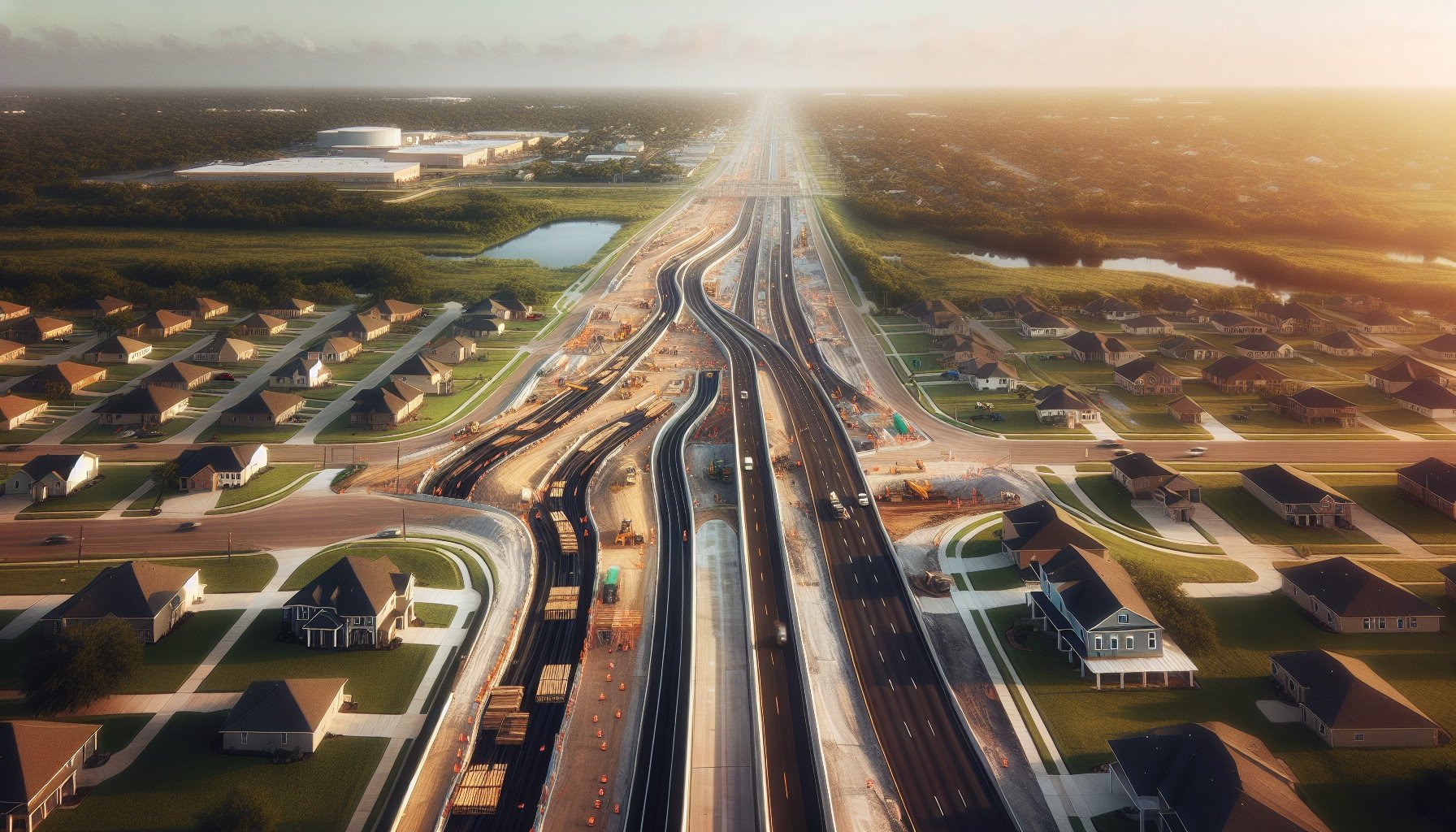
Orange cones, bumpy roads, and aging bridges keep slowing progress across Central Louisiana while backlogged sewer lines and chronic flooding strain already tight construction budgets. Too many projects stall because local builders, roofers, and remodelers struggle to match big-city firms when federal dollars finally arrive. Neighborhoods from Alexandria to Pineville watch storms peel shingles, flood ditches, and crack pavement while funding feels just out of reach. The recent Cassidy touts funding for Louisiana in 2026 bill – thenewsstar.com (Cassidy touts funding for Louisiana in 2026 bill – thenewsstar.com) highlights that U.S. Senator Bill Cassidy announced significant funding for Louisiana in the FY 2026 appropriations bills, including over $70 million for infrastructure improvements such as roads, sewer systems, and urban development projects across 14 parishes, turning those frustrations into real opportunity.
Quick Navigation:
Federal Infrastructure Funding Coming to Louisiana and Central LA | How Central Louisiana Construction and Home Improvement Markets Benefit | Positioning Central LA Contractors, Trades, and DIY Community for Opportunities | Frequently Asked Questions
Contractors and trades across Central LA often feel boxed out by complex federal rules, slow payment cycles, and big out-of-town firms snapping up the best jobs. Home improvement crews see storm damage from hurricanes and heavy rains but lack clear pathways into funded recovery work. Small shops and DIY-focused businesses along MacArthur Drive or Highway 28 wonder how to tap into major road, sewer, and flood protection projects happening just down the road. The disconnect between D.C. funding decisions and local jobsite realities has been a long-standing headache for the region.
These challenges matter because every missed contract means fewer steady paychecks, slower neighborhood upgrades, and homes left vulnerable when the next storm blows through the Red River Valley. Roads, bridges, and drainage systems shape where subdivisions grow, where new shops open, and where renovation demand surges. When federal dollars align with local skill, whole communities gain stronger infrastructure and safer homes. With new FY 2026 funding on the way, Central Louisiana sits at the edge of a construction boom that can reward prepared contractors, trades, and home improvement teams ready to step up.
Federal Infrastructure Funding Coming to Louisiana and Central LA
Fresh federal dollars are now lining up behind those long-delayed fixes, shifting Central Louisiana from waiting mode to work mode. Senator Bill Cassidy’s wins in the FY 2026 appropriations bills go beyond basic maintenance, directing more than $70 million statewide toward targeted upgrades that support safer roads, stronger drainage, and smarter hurricane recovery. Portions of this funding are expected to flow straight into Central LA corridors, neighborhoods, and flood‑prone pockets, opening the door for local construction and home improvement firms to handle follow‑up repairs, code upgrades, and storm‑hardening projects that spin off from these major infrastructure jobs.
Quick Insight: Federal infrastructure funding in Louisiana for 2025 supports resilient communities program, allocating resources for home improvement in flood-prone central areas to enhance living standards.
Source: Restore Louisiana
Overview of Senator Bill Cassidy’s FY 2026 appropriations wins for Louisiana infrastructure
Senator Bill Cassidy’s FY 2026 appropriations package steers more than $70 million into targeted Louisiana infrastructure, with a strong lift for Central LA’s construction market. Early breakdowns point to multi-million-dollar line items for highway resurfacing and bridge rehab along key freight and evacuation corridors, plus dedicated funds to replace failing water and sewer mains in smaller parishes. Additional dollars support flood-mitigation work such as pump-station upgrades, drainage canal cleaning, and levee strengthening in Red River Valley communities. Each project requires site prep, concrete, Roofing, siding, utility tie-ins, and post-construction repairs, opening steady work for local home improvement crews. As hurricane recovery overlaps with these upgrades, demand for roof replacements, elevation projects, and structural retrofits is set to climb across Central Louisiana.
Key dollar amounts earmarked for roads, bridges, water systems, and flood protection in Central Louisiana
Federal appropriations steer roughly $22 million toward Central Louisiana road and highway upgrades, including key stretches of US‑165 and LA‑28 that carry heavy commuter and industrial traffic. Another $11 million is tagged for bridge work across Rapides, Avoyelles, and Grant Parishes, targeting structurally deficient spans that slow freight and emergency vehicles. Water and sewer systems see about $18 million, with priority given to replacing aging cast‑iron mains, upgrading lift stations, and modernizing treatment plants that support growing subdivisions outside Alexandria and pineville. Flood protection and drainage receive close to $9 million for pump station overhauls along Bayou Rapides, canal widening in low‑lying neighborhoods, and levee tie‑ins near the Red River, opening steady work for site contractors, concrete crews, and home repair specialists.
Expert Insight: Central Louisiana benefits from $4 million in Delta Regional Authority funding in 2024 for 11 projects improving transportation and economic development, stemming from the Infrastructure Investment and Jobs Act.
Source: U.S. Senator Bill Cassidy
How new federal funding flows from D.C. to state agencies, parishes, and local contractors
Once Congress passes Senator Cassidy’s FY 2026 package, money first lands at federal agencies like DOT, EPA, and the Army Corps, then moves to Baton Rouge through formulas and competitive grants. The Louisiana Department of Transportation and Development programs highway and bridge dollars into specific contracts, while the Office of Community Development and Department of Environmental Quality guide water, sewer, and resilience funds. Parish governments in Rapides, Avoyelles, and Grant then apply for slices tied to shovel‑ready projects and hurricane recovery plans. As scopes are set, state and parish agencies bid out work to local contractors for paving, drainage, lift stations, and neighborhood street repairs, opening follow‑on jobs for roofers, elevation specialists, and home improvement crews across Central Louisiana.
How Central Louisiana Construction and Home Improvement Markets Benefit
Fresh federal allocations now push beyond basic road patching and pipe repair, opening the door to a larger wave of construction and home upgrade activity across Central Louisiana. Cassidy’s FY 2026 wins steer dollars toward projects that trigger follow‑on work: driveway rehabs after street rebuilds, foundation repairs tied to drainage upgrades, and roof and exterior improvements bundled with hurricane‑hardening efforts. As parishes plan out sewer replacements, flood protection, and corridor improvements, more contracts start breaking into right‑sized packages for local builders, remodelers, and specialty trades, setting the stage for stronger pipelines of bids, jobs, and long-term market growth.
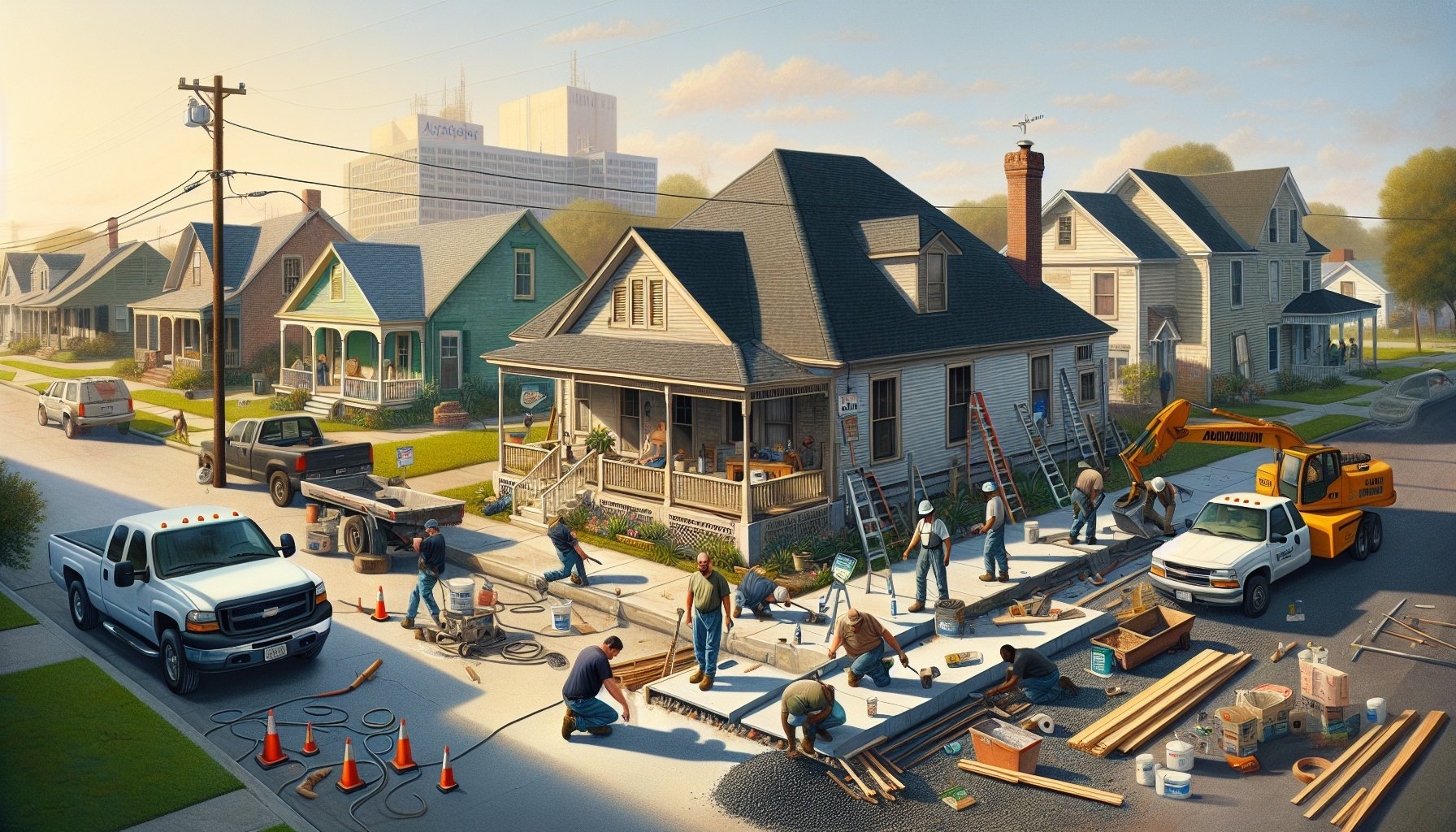
Did you know? A $3.2 billion manufacturing plant in Lake Charles, announced for 2025, creates thousands of construction jobs in central Louisiana, boosting home improvement sectors through economic spillover.
Source: Construction Owners
Roads, bridges, and utility upgrades that open new residential and commercial building corridors
New federal appropriations turn key highway and bridge upgrades into launch pads for fresh building activity across Central Louisiana. Improved connectors along US-165, LA-28, and parish roads around Alexandria, Pineville, and leesville shorten drive times and make previously overlooked tracts more attractive for subdivisions, small shopping centers, and light industrial sites. Bridge rehabs and new spans across bayous and drainage canals open access to higher ground that builders prefer for storm-resilient neighborhoods. At the same time, funded utility work—larger water lines, upgraded sewer mains, and modernized power and broadband corridors—gives lenders and developers confidence to greenlight projects. As these corridors fill in, demand grows for framers, finish crews, remodelers, and storm-hardening specialists on both residential and commercial jobs.
Sewer, drainage, and water system projects that drive repair, remodeling, and code-compliance work
Fresh federal dollars for sewer, drainage, and water systems across Central Louisiana turn hidden infrastructure into a major construction driver. Senator Bill Cassidy’s FY 2026 wins, including tens of millions for rural water and wastewater upgrades and FEMA-backed hazard-mitigation projects, push parishes from Alexandria and Pineville to Marksville and Leesville to replace aging lines, undersized culverts, and failing lift stations. As main trunks and treatment plants modernize, homes and small businesses often must upgrade tie-ins, backflow prevention, and outdated plumbing to stay code-compliant. Street drainage work in flood-prone neighborhoods near Bayou Rapides and along Cotile and Kincaid Lake watersheds also sparks foundation repairs, yard regrading, and gutter and roof-drain improvements that pair storm resilience with long-overdue remodeling and value-adding renovations.
Flood and hurricane resilience projects that expand demand for roofing, siding, elevation, and mitigation services
Senator Bill Cassidy’s push for stronger flood and hurricane defenses steers millions toward FEMA BRIC grants, Corps of Engineers levee work, and watershed protection across parishes from Alexandria to Marksville and Pineville. As berms, pump stations, and backwater gates rise, homeowners and small businesses tap Hazard Mitigation Grant Program dollars to harden building shells. That shift fuels demand for high-wind roofing systems, impact-rated shingles, and metal roofs rated for 130‑mph gusts, along with reinforced siding, house-wrap upgrades, and sealed soffits. Elevation projects in low-lying areas along Bayou Rapides and the Red River bring steady work lifting pier‑and‑beam homes, adding flood vents, and upgrading stairs and porches, while contractors skilled in dry floodproofing, wind retrofits, and secondary water barriers stay booked across Central Louisiana.
Positioning Central LA Contractors, Trades, and DIY Community for Opportunities
As major roadway, sewer, and flood-protection projects move from planning to bid, Central Louisiana builders, remodelers, and skilled trades face a rare chance to grow alongside this investment wave. Federal infrastructure dollars flowing through FY 2026 start to open doors for local crews on both public work and the private projects that follow. Neighborhoods from Alexandria to Pineville, Leesville, and Marksville can expect renewed demand for roof reinforcement, elevation work, concrete repairs, and interior restoration tied to hurricane recovery and drainage upgrades. Positioning contractors, supply houses, and even weekend DIYers now becomes the key to capturing this next phase of work.
Expert Insight: Louisiana secured America’s top industrial mega projects in 2024 and 2025, including Hyundai and Meta facilities, driving over $10 billion in construction investments focused on central areas.
Source: Shreveport Times
Bidding, pre-qualification, and teaming strategies for local contractors and specialty trades
As $50–$60 million sewer, levee, and corridor upgrades move from concept to bid in places like Alexandria, Pineville, and across Rapides and Avoyelles Parishes, local contractors gain an edge by getting pre-qualified early with DOTD, parish governments, and housing authorities. Solid safety records, bonding capacity, and clear past-project photos help smaller firms land on bid lists for sidewalk packages, small bridge approaches, or lift-station site work spun off from larger awards. Specialty trades—concrete, roofing, drainage, and elevation crews—benefit from teaming with larger primes as named subs, especially on hurricane recovery and flood-mitigation work tied to Cassidy-backed funds. Simple teaming agreements, shared estimating, and joint site walks turn “too big” infrastructure jobs into right-sized, repeat local opportunities.
Quick Insight: In 2025, Louisiana ranks among the top states for infrastructure spending per capita, with federal investments exceeding $284 million for transportation and economic development projects statewide.
Source: West Central’s Best
Skill sets, tools, and certifications most in demand for federally backed infrastructure and recovery work
Federally backed work tied to Senator Cassidy’s FY 2026 wins favors Central Louisiana crews with practical field skills and the paperwork to match. Sewer and water upgrades demand experienced pipe layers, equipment operators with GPS machine control skills, and techs familiar with trench safety and confined-space rules. Flood projects around the Red River and Bayou Rapides lean on survey crews, concrete finishers, and riprap installers using laser levels, total stations, and compaction testing tools. For both public work and hurricane recovery, OSHA 10/30, HAZWOPER, CPR/first aid, and Corps of Engineers EM 385-1-1 safety training rise to the top. Home improvement and repair outfits that add mold remediation, lead-safe renovation, generator installation, and wind-resistant roofing credentials stand out for storm repair contracts.
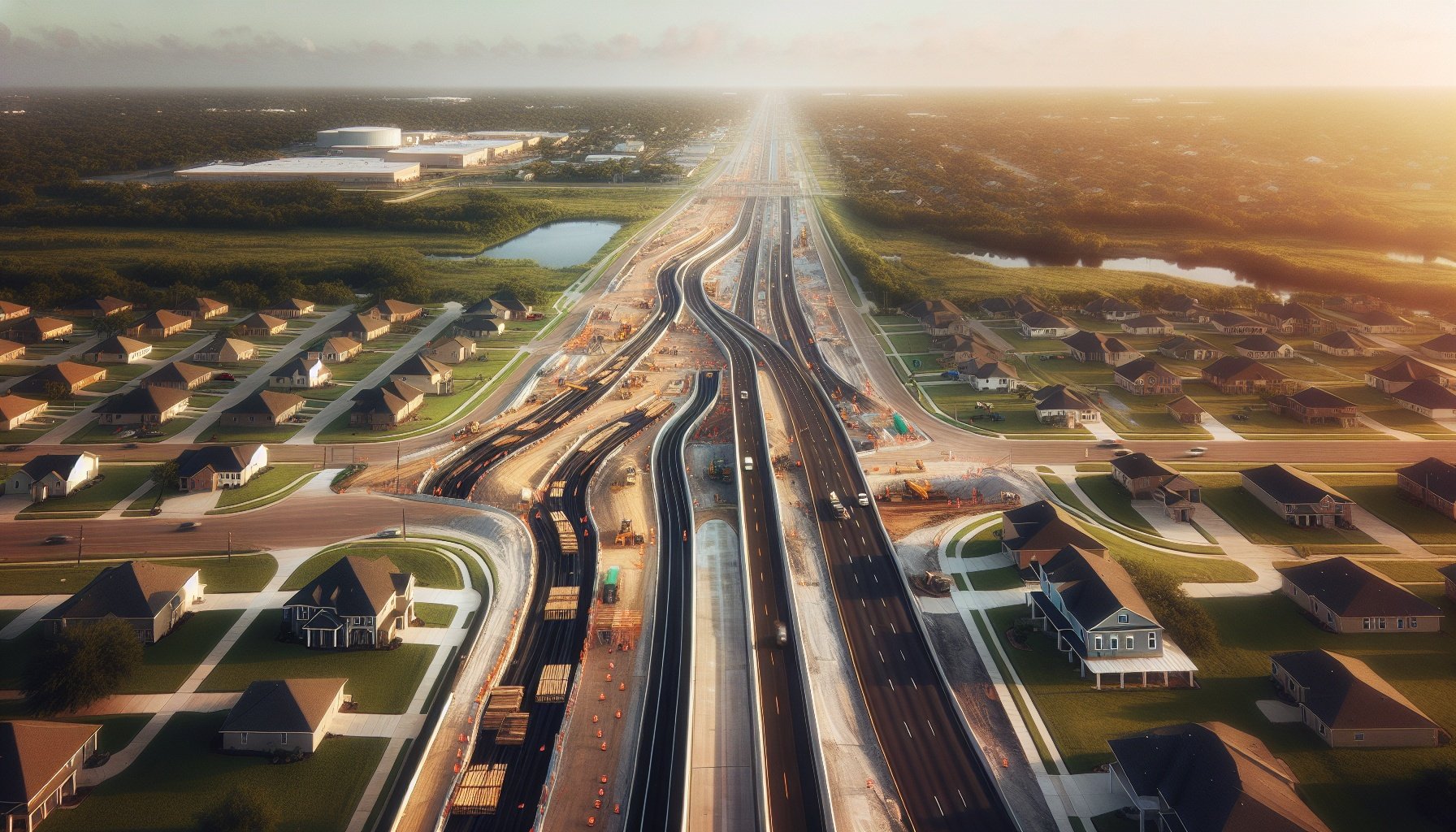
Good to Know: Louisiana received $59.8 million in federal funding from NOAA in 2024 to support coastal resilience projects, enhancing infrastructure against climate impacts in central regions.
Neighborhood-level opportunities for DIYers and small firms as major projects upgrade streets, utilities, and storm protection
As Senator Cassidy’s FY 2026 packages push $50–$60 million into sewer lines, drainage canals, and roadway upgrades across Central Louisiana, whole neighborhoods open up smaller-scale work that fits DIYers and compact crews. Fresh concrete streets in Alexandria and Pineville often mean new driveway tie-ins, sidewalk repairs, mailbox rebuilds, and fence resets. Utility replacements leave front yards needing grading, sod, small retaining walls, and crushed rock parking pads. Storm protection work along Bayou Rapides and Red River backwater areas creates demand for gutter upgrades, downspout extensions, French drains, and rain garden installs around older homes. Local handymen and home improvement shops can cluster services by block, offering post-construction touch-ups, minor accessibility ramps, and exterior painting where curb and drainage changes reshape how homes shed water during hurricane season.
Conclusion
Federal infrastructure funding tied to Senator Bill Cassidy’s FY 2026 wins is reshaping the construction landscape across Central Louisiana. Investments in roads, sewer systems, and flood protection unlock more than just public works; they open steady streams of repair, renovation, and hurricane recovery projects that fit the strengths of home improvement companies and specialty trades. Funding amounts directed to corridor upgrades, drainage improvements, and neighborhood resilience work support healthier housing, safer streets, and stronger local businesses from parishes across the region.
With this wave of work building through 2026, contractors and home improvement teams that organize, train, and partner now stand to grow along with the region. Central Louisiana is gearing up; this is the moment to get ready and build what comes next.
Frequently Asked Questions
- How does new federal infrastructure funding impact construction projects in Central Louisiana?
- New federal infrastructure funding channels billions of dollars into roads, bridges, drainage, broadband, and public facilities across Louisiana, and Central Louisiana is set to benefit in a big way. Dollars flow from federal programs to the state, then to parishes and municipalities through the Louisiana Department of Transportation and Development (DOTD), the Governor’s Office, and local planning agencies.
For Central Louisiana communities like Alexandria, Pineville, Leesville, and Natchitoches, this often means:
– More highway resurfacing and widening along major routes such as I‑49, US‑71, US‑165, and LA‑28
– Repair or replacement of aging bridges that slow traffic and commerce
– Upgraded drainage systems to reduce flooding in heavy Gulf storms
– Improved access roads around key areas like Fort Johnson (formerly Fort Polk), the Red River port areas, and industrial parks
As these projects ramp up, construction companies, subcontractors, and trades in Central Louisiana typically see increased demand for road work, concrete, site prep, carpentry, roofing, and finishing trades. That activity often carries over into nearby residential areas as more workers, suppliers, and local businesses invest in homes, shops, and facilities. - What types of infrastructure projects are Central Louisiana communities likely to see first?
- Central Louisiana tends to see the most urgent and shovel‑ready projects come first. Local officials and DOTD usually prioritize work that improves safety, supports commerce, and fixes the worst problem spots.
Common early‑phase projects include:
– Road resurfacing and lane improvements on heavily used corridors
– Bridge rehabilitation or replacement on rural routes serving timber, farming, and oilfield traffic
– Intersection upgrades with new signals, turning lanes, and safer crosswalks
– Drainage and culvert improvements in neighborhoods that see frequent street flooding
– Utility upgrades that run along or under roadways, such as water, sewer, and gas lines
As planning moves forward, more complex projects follow, such as multi‑phase highway expansions, industrial access roads along the Red River, and transit or pedestrian improvements around schools, downtown Alexandria, and community hubs like the Rapides Parish Coliseum and local hospitals. - How does large‑scale infrastructure funding create opportunities for home improvement in Central Louisiana?
- Big road and bridge investments do more than fix traffic and potholes. They usually bring long‑term growth that supports home improvement across Central Louisiana.
Key ways this happens include:
– Job growth: More construction work around highways, bridges, and public buildings puts more paychecks into local pockets. That often leads to more spending on roof repairs, additions, kitchen and bath remodels, and outdoor living spaces.
– Better access: Improved roads connecting neighborhoods to job centers, schools, and medical hubs like Christus St. Frances Cabrini Hospital and Rapides Regional Medical Center make nearby areas more attractive for renovation and new builds.
– Neighborhood upgrades: Once streets, drainage, and sidewalks improve, homeowners are more likely to invest in curb appeal, siding, driveways, and energy‑efficient windows and insulation.
– Property value gains: Modernized infrastructure tends to stabilize or raise property values, encouraging more serious remodeling instead of short‑term patchwork repairs.
In growing pockets around Alexandria, Pineville, Natchitoches, and Leesville, this ripple effect often shows up as upgraded homes, new construction, and better‑maintained neighborhoods. - What role do local contractors play in federally funded infrastructure and related home projects?
- Local contractors are a backbone of federally supported infrastructure upgrades because they understand Central Louisiana soils, weather, and building patterns. Large highway and bridge projects may be led by major primes, but smaller and mid‑sized contractors from the region often handle key pieces of the work.
Typical roles for local contractors include:
– Site preparation, grading, and drainage work on road and bridge jobs
– Concrete placement for sidewalks, curbs, foundations, and bridge decks
– Utility installation and relocation for water, sewer, and underground power
– Metal buildings, warehouses, and light commercial structures supporting logistics and industrial activity along corridors like I‑49
– Residential construction and renovation close to new job centers and transportation upgrades
Companies rooted in Central Louisiana bring familiarity with local codes, parish permitting, and regional hazards like high humidity, heavy rain, and hurricane‑driven winds. That experience helps public infrastructure and surrounding homes stay durable and low‑maintenance over the long term. - How might Louisiana infrastructure funding affect traffic and daily travel in Central Louisiana?
- Infrastructure funding often means some short‑term traffic headaches but long‑term gains in safety and travel time. When projects ramp up around Alexandria, Pineville, Natchitoches, and other Central Louisiana towns, residents usually see:
Short‑term effects:
– Lane closures and detours around orange cones on key routes and bridges
– Slower speeds near work zones and flaggers
– Changes in access to businesses or side streets during construction phases
Long‑term benefits:
– Smoother roads with fewer potholes and dips
– Stronger bridges rated for modern traffic loads
– Improved drainage that reduces pooling water on roadways after heavy downpours
– Shorter commute times on key connectors to schools, hospitals, Fort Johnson, and plants or mills
Once resurfacing and bridge improvements wrap up, Central Louisiana drivers often experience less wear on vehicles, fewer surprise delays, and safer travel during severe weather, especially in low‑lying or rural routes. - What safety and resilience benefits can Central Louisiana expect from upgraded infrastructure?
- Fresh investment in infrastructure across Louisiana is designed to improve both safety and resilience, which is especially important in Central Louisiana’s hot, humid, and storm‑prone climate.
Key benefits include:
– Safer bridges: Replacement of aging structures on rural highways and major crossings reduces load limits, detours, and risk from hidden structural issues.
– Better storm handling: Larger culverts, improved ditches, and upgraded drainage systems keep heavy rain from backing up onto streets and into homes.
– Stronger road bases: Modern construction methods and materials resist rutting and washouts during heavy storms or flooding events.
– Enhanced emergency access: Reliable roads help first responders reach small communities faster during hurricanes, tornadoes, and flood events common in the region.
– Modern standards: New design standards consider updated flood maps, wind loads, and traffic volumes, offering more protection for residents, schools, and businesses.
Together, these improvements support safer day‑to‑day travel and stronger community performance when Central Louisiana weather turns rough. - How can property owners in Central Louisiana prepare to take advantage of upcoming construction and home improvement opportunities?
- Property owners across Central Louisiana can position themselves to benefit from the construction boom sparked by infrastructure funding by focusing on planning and timing.
Helpful steps include:
– Tracking local projects: Watching parish council meetings, city updates from Alexandria, Pineville, or Natchitoches, and DOTD announcements helps identify where roads, bridges, or drainage will improve next.
– Evaluating property needs: Listing needed repairs or upgrades like roofing, siding, driveways, outdoor kitchens, or room additions makes it easier to act when conditions are right.
– Considering access and visibility: Properties near newly upgraded corridors or intersections may warrant improved parking, signage, or exterior facelifts to match higher traffic and activity.
– Planning for code and permitting: Understanding local building codes and permit requirements in Rapides, Vernon, Natchitoches, and surrounding parishes keeps projects smoother once work begins.
With clear plans and awareness of upcoming public projects, property owners are better positioned to boost comfort, efficiency, and long‑term value while Central Louisiana infrastructure investment is at its strongest.