
Louisiana Bridge Repair Initiative Boosts Jobs and Local Industry
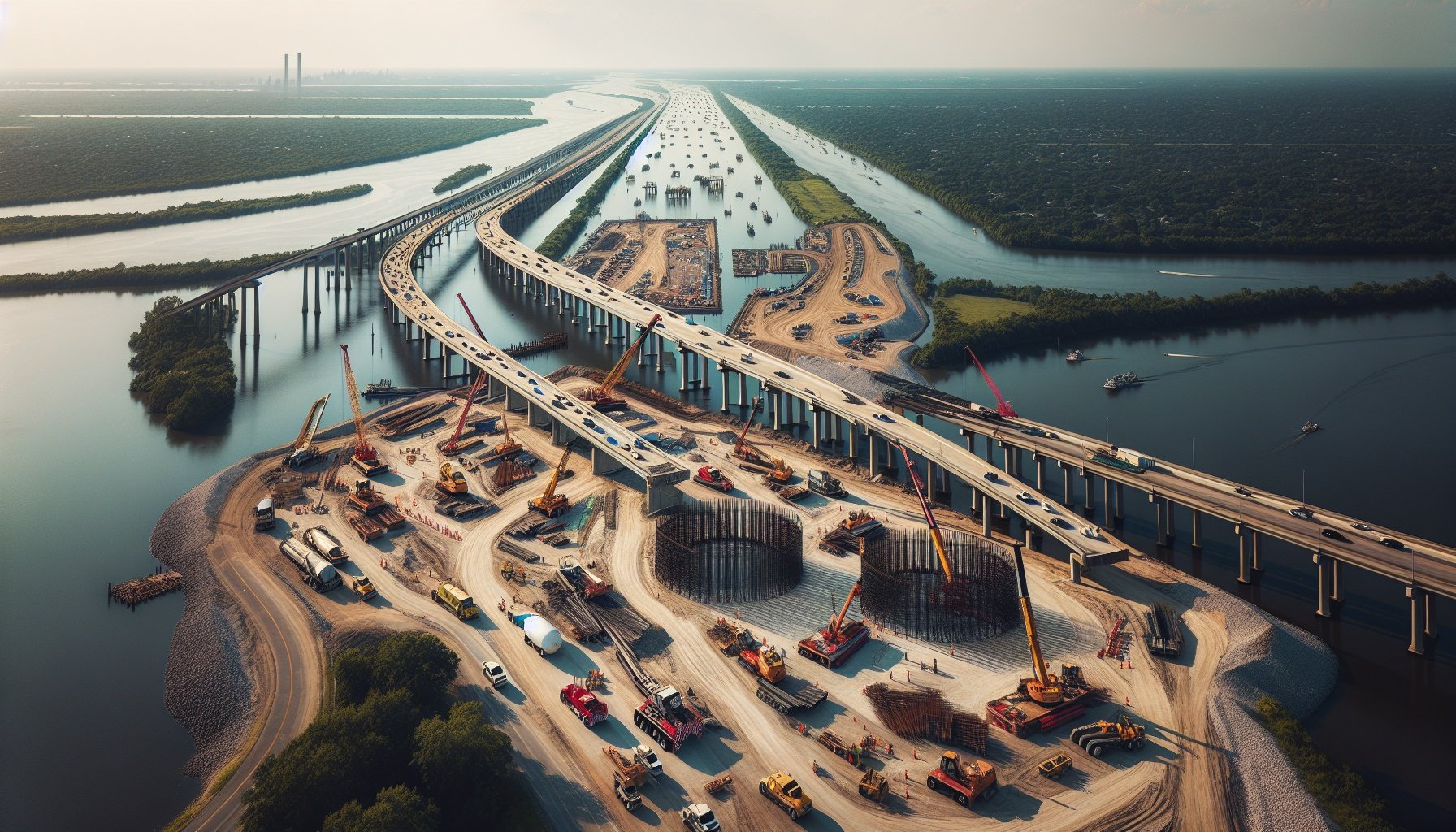
Orange cones, weight limits, and detour signs have become a familiar part of life across Louisiana, especially on the rural roads that keep small towns and industry connected. Bridge closures slow down concrete trucks headed to a job, stretch workdays for crews bouncing between Rapides, Avoyelles, and nearby parishes, and leave contractors waiting on long, uncertain timelines. The recent Louisiana starts sprint to fix or replace 62 bridges in a year under new process – shreveportbossieradvocate.com (Louisiana starts sprint to fix or replace 62 bridges in a year under new process – shreveportbossieradvocate.com) highlights that Louisiana’s newly established Office of Louisiana Highway Construction, led by Gov. Jeff Landry, has launched a plan to repair or replace 62 small bridges within one year using a streamlined bundling process, with bids opening soon. That promise sounds exciting, but it also raises real questions about workload, capacity, and whether local firms and suppliers will truly benefit from such an aggressive push.
Quick Navigation:
How the Louisiana Bridge Repair Initiative Works | Job Growth and Opportunities for Central Louisiana Construction Pros | Boost for Local Industry, Materials, and Building Standards | Frequently Asked Questions
Contractors and subs across Central Louisiana know how tough it is to plan crews and equipment when state jobs stall or shift without much warning. Smaller firms in places like Pineville, Alexandria, Marksville, and Bunkie worry about getting squeezed out when big statewide projects favor larger out-of-town players. Material suppliers face their own headaches, from juggling fluctuating demand for concrete, steel, and aggregates to keeping prices competitive while fuel and labor costs climb. On top of that, stricter safety and design standards for bridges demand more training, certifications, and paperwork, stretching already thin office staff and field teams.
These pressures matter far beyond a single project list or bid deadline. Bridge work touches everything from school bus routes and farm deliveries to heavy industry jobs tied to the Red River, local plants, and growing logistics hubs along I-49. The new bridge repair initiative has the potential to create steady work, raise skills, and push modern building standards across Central Louisiana, but only if the process fits real conditions on the ground. As the one-year sprint and bundled contracts roll out, crews, business owners, and suppliers across the region stand on the edge of a major shift in how infrastructure gets built, repaired, and paid for.
How the Louisiana Bridge Repair Initiative Works
As the Office of Louisiana Highway Construction moves from planning to action, its first major project becomes a real test of what this new approach can do for Central Louisiana. State officials describe the 62-bridge effort as an economic spark, built around an accelerated schedule and a bundling model that groups similar bridges into single contracts. That structure cuts down on repeated paperwork, speeds up procurement, and keeps crews and equipment moving from site to site without long gaps. Local contractors, concrete producers, rebar yards, and aggregate suppliers around Alexandria, pineville, and the Red River corridor all stand to feel the effects as new standards, job opportunities, and construction methods roll out under this initiative.
Good to Know: Louisiana’s new Office of Louisiana Highway Construction launched in 2025 targets repairing 62 small rural bridges by the end of 2026, marking the state’s initial major infrastructure bundling effort to enhance connectivity.
Source: NOLA.com
Overview of the Office of Louisiana Highway Construction’s first 62-bridge project
The first 62-bridge package targets mostly rural routes feeding into Central Louisiana hubs like Alexandria, leesville, and Pineville, where farm loads, timber trucks, and oilfield service rigs depend on reliable crossings. State officials describe the bundle as a “pilot mega-contract,” grouping similar small-span bridges with shared designs, standardized guardrails, and repeatable foundation systems. That approach shortens engineering time, cuts bid paperwork, and lets crews move efficiently from site to site with the same equipment, helping hit the one-year goal. The Office of Louisiana Highway Construction expects staggered work windows to keep local contractors in play while still attracting larger teams for complex spans. Concrete plants, rebar shops, aggregate pits, and precast yards across Central Louisiana anticipate steadier orders, while updated load ratings and safety specs set a higher bar for future commercial and residential access roads.
The accelerated one-year timeline and what “bundling” bridges really means
State transportation leaders describe the one-year target as “a hurricane-repair pace without the disaster,” compressing what once took four to six years into a single construction cycle. Bundling turns those 62 structures into a handful of standardized bridge “families,” each sharing the same girder sizes, guardrail systems, footing designs, and bid documents. Instead of dozens of small, stop‑and‑start contracts, one coordinated package lets crews roll from a bridge near DeRidder straight to another outside Marksville with the same tools, forms, and work plans. Officials expect this to keep concrete trucks in Rapides Parish running daily, lock in steady rebar orders in Alexandria, and support longer-term hiring by local contractors as modern bridge standards ripple into future subdivision roads and plant expansions across Central Louisiana.
Key engineering and safety priorities shaping bridge design and repair methods
Engineers leading the initiative stress that every bridge in the 62-structure bundle must handle heavier farm trucks, school buses, and emergency vehicles common on Central Louisiana routes. Designs favor wider shoulders, modern guardrails, and higher crash ratings, especially on approaches near two-lane parish roads feeding into Alexandria and Leesville. State officials also push for raised bridge decks and improved drainage to reduce washouts during Red River backwater events and Sabine Parish flash floods. Many replacements use precast concrete girders and standardized foundations, not just to move faster, but to improve long-term load capacity and reduce maintenance shutdowns. Stronger, more reliable crossings support safer school routes, steadier timber and aggregate deliveries, and more dependable access to growing industrial parks around Pineville and Rapides Parish.
Job Growth and Opportunities for Central Louisiana Construction Pros
As the first wave of bundled bridge contracts rolls out, the pace of work starts to look very different for Central Louisiana crews. State officials say the one‑year push to tackle 62 structures is built to create steady demand for carpenters, equipment operators, inspectors, and concrete finishers instead of short, stop‑and‑go jobs. The streamlined process also concentrates material orders, which could mean fuller order books for Alexandria and Pineville suppliers, ready‑mix plants, and steel fabricators. With updated standards baked into every bundle, this surge of work begins opening doors for training, promotions, and long-term career paths in the local construction trades.
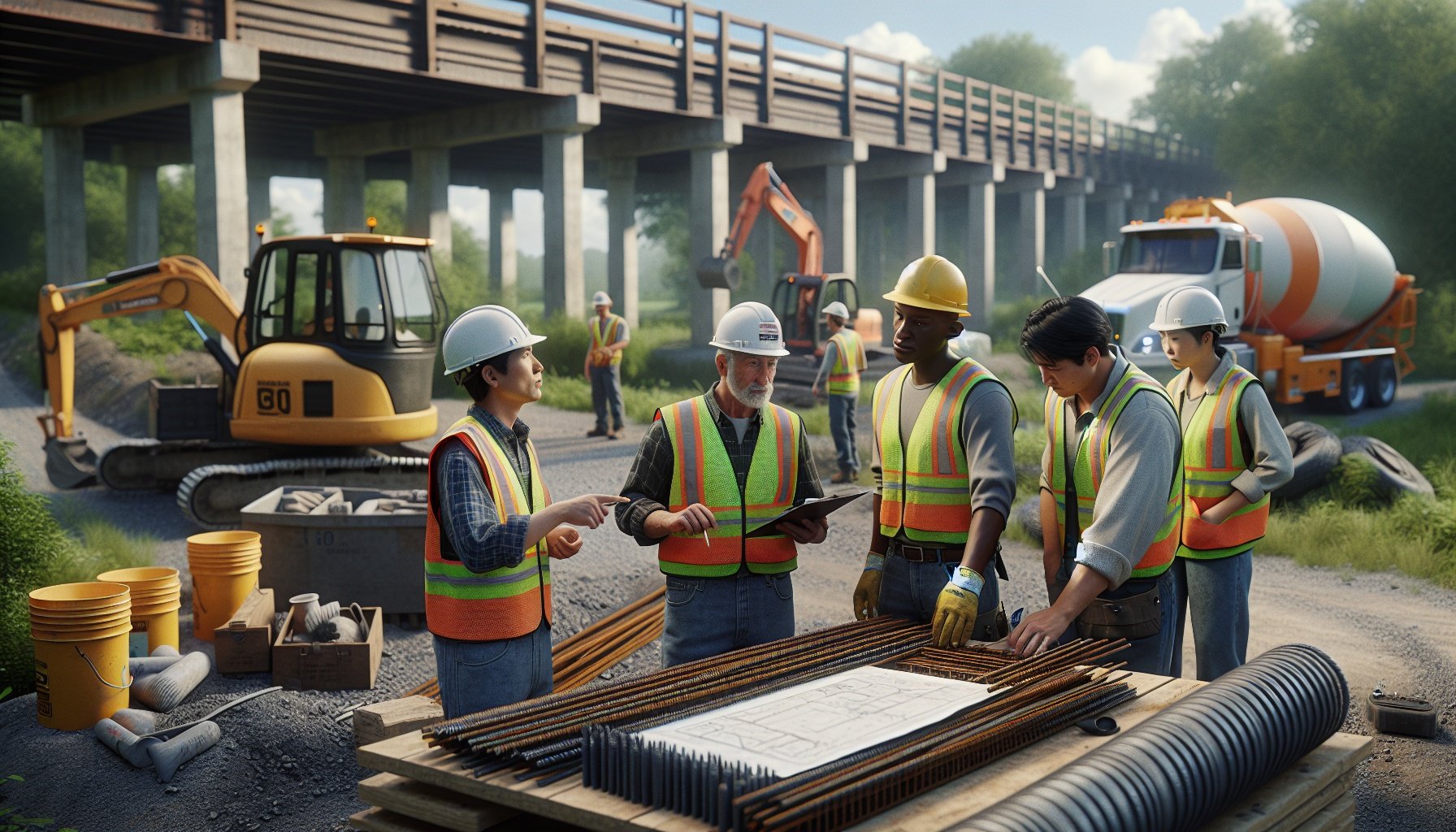
Interesting Fact: Compared to the national average, Louisiana’s 2024 bridge repair funding from the 2021 Infrastructure Law supports over 4,100 projects, positioning the state as a leader in rapid infrastructure renewal and industry expansion.
New roles for contractors, subs, and skilled trades across Rapides, Avoyelles, and neighboring parishes
Bundled bridge contracts push many Rapides and Avoyelles contractors into roles that look more like regional infrastructure partners than single-project bidders. Mid-sized firms around Alexandria and Pineville are being tapped as “bundle leads,” managing schedules, traffic control, and site logistics for clusters of small bridges stretching toward Marksville, Mansura, and neighboring parishes. Subcontractors that once handled only one trade on one site are now lining up multi-bridge scopes: pile driving along Bayou des Glaises, guardrail runs on rural parish roads, or standardized deck pours across several crossings.
State officials describe this as a shift toward repeatable crews and consistent methods. That means steady spots for concrete finishers, carpenters, welders, and inspectors, plus new opportunities for younger hands to learn DOTD standards while working close to home
Quick Insight: The 2025 Louisiana Legislature approved over $1.11 billion for major highway projects, including bridge repairs, stimulating economic growth through increased construction jobs and improved transportation networks across the state.
Source: ConstructConnect
Training, certifications, and upskilling driven by stricter bridge and roadway standards
Tighter DOTD bridge and roadway standards under the new Office of Louisiana Highway Construction push Central Louisiana crews to level up fast. The 62-bridge, one-year bundle demands certified traffic control technicians, ACI-certified concrete finishers, and workers trained on modern guardrail and crash-barrier systems, not just basic road crews. State officials describe it as “a training pipeline tied directly to paychecks,” with contractors encouraged to enroll field hands in DOTD-approved courses in Alexandria and online modules between shifts. Smaller firms from places like Marksville and Pineville lean on partnerships with community colleges and union halls to meet Welding, rigging, and OSHA certifications on compressed timelines. As standards climb, crews that keep up gain access to higher-value structural rehab work across future Central Louisiana infrastructure bundles.
Worth Noting: The $2 billion I-10 Calcasieu River Bridge project reached financial close in 2024, employing advanced design-build methods that accelerate construction timelines and integrate innovative materials for long-term durability.
Source: Roads & Bridges
Ripple effects on local hiring, wages, and long-term career paths in construction
As the first 62-bridge bundle ramps up, hiring patterns across Central Louisiana shift from short-term, boom-and-bust jobs to steadier payroll positions. Contractors around Alexandria and Marksville add full-time estimators, safety coordinators, and project engineers instead of relying only on day-rate hands. State officials note early signs of wage pressure, especially for certified bridge carpenters, crane operators, and concrete finishers, as firms compete to staff overlapping sites along key routes feeding the Red River and I-49. That bump in pay encourages younger workers from places like Pineville, ball, and Bunkie to see construction as a long-term career, not just seasonal work. With more predictable bundles on deck, clear paths form from laborer to lead, superintendent, and even small-business owner handling future DOTD structures work.
Boost for Local Industry, Materials, and Building Standards
As the 62-bridge effort around Central Louisiana moves from paperwork to pavement, state officials are signaling more than just smoother commutes. Compressing years of scattered bridge work into a single, one-year push is expected to concentrate demand for local labor, concrete, steel, aggregates, and fabrication shops from Alexandria to Pineville and along the Red River corridor. The Office of Louisiana Highway Construction describes the bundling process as a way to lock in consistent material specs, safety requirements, and inspection protocols across all sites, laying the groundwork for stronger building standards, steadier jobs, and a more resilient regional construction economy to build on in the next phase.
Demand surge for concrete, steel, aggregates, and equipment from Central Louisiana suppliers
Bundling 62 bridge jobs into a single push is already triggering a spike in bulk orders for concrete, rebar, structural steel, and aggregates from Central Louisiana yards. State officials note that ready-mix plants along MacArthur Drive and near Cottingham Expressway are extending shifts, lining up extra cement powder, and locking in gravel and sand from pits in Rapides and Grant parishes. Local steel fabricators are scheduling plate, beam, and guardrail runs months ahead, instead of waiting for scattered bid awards. Equipment dealers from Alexandria to Leesville report increased demand for excavators, cranes, and temporary shoring systems as contractors race to reserve fleets for the one-year window. That concentrated buying power keeps more material dollars circulating between Cenla suppliers rather than leaking to out-of-state brokers.
Expert Insight: Louisiana’s bridge repair initiatives in 2025 are projected to generate thousands of jobs in the construction sector, fostering skill development and supporting local economies in rural and urban areas alike.
Source: Louisiana Governor’s Office
How streamlined procurement and bundled contracts change bidding strategies for local firms
Streamlined procurement through the new Office of Louisiana Highway Construction shifts the way Central Louisiana firms approach the bid table. Instead of chasing dozens of small, scattered bridge jobs, local contractors now study a single, bundled package with unified specs, timelines, and payment terms. State officials note that this structure rewards firms that can team up, share crews, and standardize methods across Rapides, Avoyelles, Vernon, and Grant Parish sites. Joint ventures between mid-sized Cenla contractors become more attractive, combining bridge crews, cranes, and formwork to handle multiple spans at once. Subcontractors and materials suppliers lock in longer-term unit pricing, sharpening bids while protecting margins. Higher prequalification standards encourage upgrades to safety programs, QA/QC procedures, and equipment fleets so local teams can compete for repeat work under future bundles.
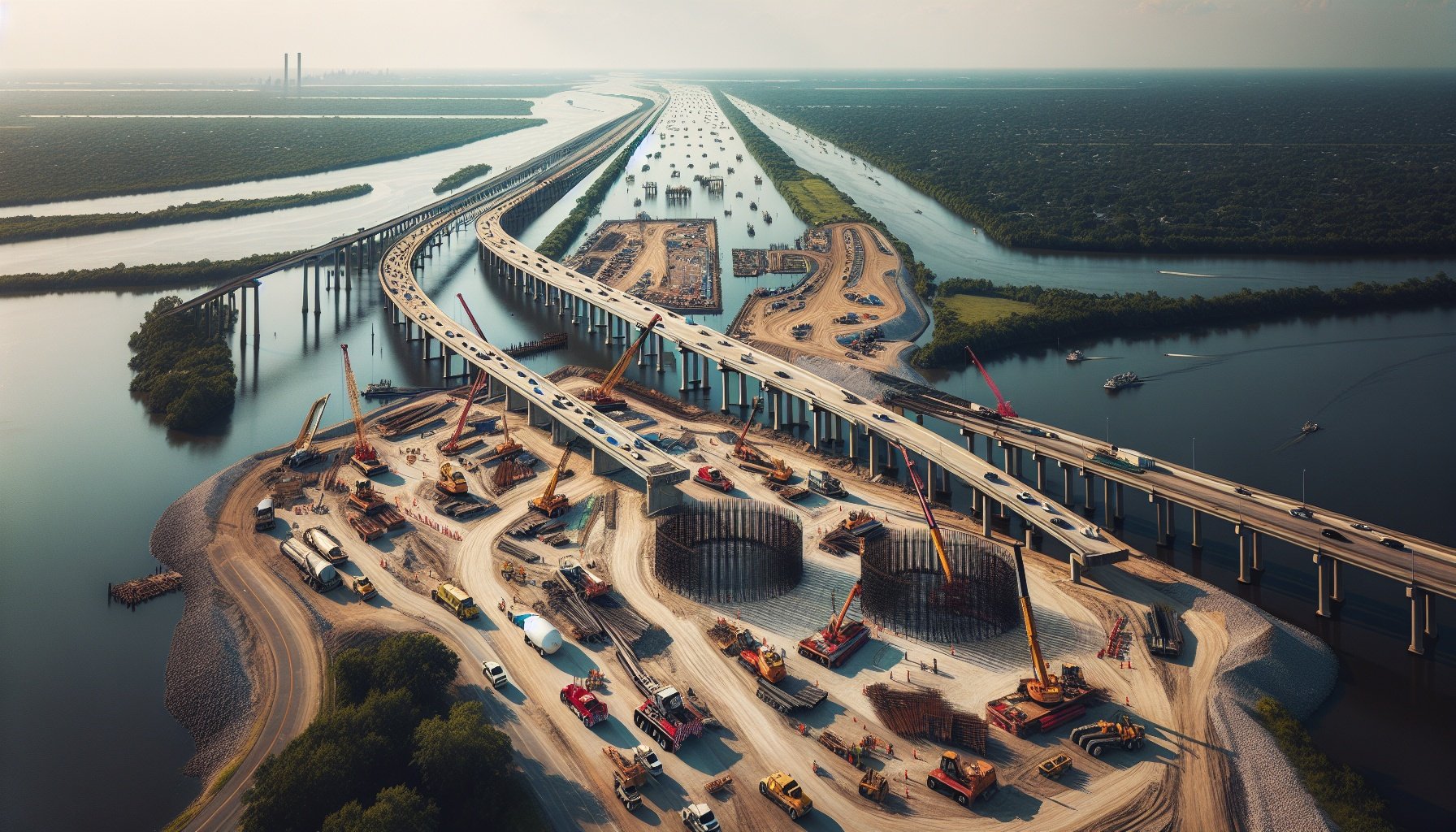
Worth Noting: In 2024, 12% of Louisiana’s 12,700 bridges were rated in poor condition, driving the New Bridge Repair Initiative to prioritize fixes that will boost the construction industry’s workload and expertise in structural rehabilitation.
Source: Axios New Orleans
Influence on future infrastructure projects, codes, and best practices across Central Louisiana
State officials see this first 62-bridge bundle as a proving ground that could reshape how highways, drainage structures, and even public buildings are planned across Central Louisiana. The one-year schedule forces tighter coordination between designers, inspectors, and contractors, setting a new expectation for faster delivery without cutting corners. Lessons from concrete curing schedules in humid Red River bottoms, traffic control near Fort Johnson, and pile driving along the Ouachita are expected to feed into updated DOTD specifications, standard details, and safety protocols. As inspectors document which mix designs, joint systems, and corrosion protections perform best under local conditions, those details are likely to become the benchmark for future parish road jobs, utility crossings, and regional freight routes.
Conclusion
Louisiana’s new bridge repair initiative marks a turning point for Central Louisiana’s construction industry. With the Office of Louisiana Highway Construction driving an accelerated, one‑year schedule, local contractors, crews, and suppliers stand to benefit from steadier work and clearer expectations. State officials see the bundling strategy as a smarter way to line up labor, materials, and inspections, keeping projects on track while raising the bar for safety and quality. Stronger bridges support school buses in Rapides Parish, farm trucks outside Alexandria, and daily traffic moving along the Red River. As this first bundled program proves itself, momentum can carry into future infrastructure upgrades that keep Central Louisiana working, connected, and ready for the next phase of growth.
Frequently Asked Questions
- What is Louisiana’s new bridge repair initiative and why was it launched?
- Louisiana’s new bridge repair initiative is a statewide program focused on repairing, reinforcing, or replacing aging bridges that have become structurally deficient or functionally outdated. Orange cones, weight limits, and detour signs are common across Louisiana because many bridges no longer meet modern safety or load standards.
The initiative was launched to:
– Improve public safety by addressing bridges with structural concerns
– Reduce long-term maintenance costs through modern materials and designs
– Support economic growth by keeping freight, agriculture, and commuter routes open and efficient
– Take advantage of new federal infrastructure funding and state transportation investments
Many of Louisiana’s bridges were built decades ago, during earlier highway expansion periods. Constant exposure to heavy truck traffic, humidity, storms, and river flooding has taken a toll. The new program creates a structured, funded plan to bring these crossings up to today’s safety and performance expectations. - How will the bridge repair initiative impact construction jobs and local employment in Louisiana?
- The bridge repair initiative is expected to boost construction jobs and related employment across the state. Funding for bridge work does not only benefit large contractors; it also supports local labor and small businesses.
Key job impacts include:
– Increased demand for skilled trades such as concrete finishers, equipment operators, ironworkers, carpenters, and welders
– Engineering, surveying, and inspection jobs connected to bridge design and quality control
– More work for trucking, material suppliers, fuel providers, and fabrication shops
– Administrative, safety, and project management positions with contractors and subcontractors
Projects along major corridors like I‑10, I‑49, US‑90, and state highways feed work into communities from Shreveport and Monroe down to Lafayette, Baton Rouge, and New Orleans. The steady flow of projects helps keep crews employed year‑round instead of facing long slowdowns between jobs. This stability encourages more workers to train and stay in the construction industry in Louisiana instead of leaving for out‑of‑state projects. - What kinds of construction work are typically included in a Louisiana bridge repair or replacement project?
- Bridge repair and replacement projects under this initiative cover a wide range of construction tasks, from minor upgrades to full rebuilds. Typical scopes of work include:
– Structural repairs: fixing or replacing cracked beams, corroded steel, damaged girders, and deteriorated concrete decks
– Substructure improvements: reinforcing or rebuilding piers, abutments, and foundations affected by erosion, settlement, or barge impacts
– Deck resurfacing and overlay: grinding, patching, and placing new concrete or asphalt overlays to restore a smooth, durable driving surface
– Guardrail and barrier upgrades: installing modern crash-tested railings, barriers, and impact attenuators
– Load capacity upgrades: strengthening bridges with steel plates, fiber-reinforced polymers, or additional beams to handle heavier truck traffic
– Drainage and erosion control: adding better drainage, riprap, and slope protection near bayous, rivers, and canals
– Seismic and wind improvements: enhancing connections and bearings to better handle strong winds and storm-related movement
For some smaller rural bridges in parishes like Avoyelles, Rapides, and Vernon, replacement with modern prefabricated spans is more cost-effective than constant patching. This kind of work requires coordination among designers, contractors, fabricators, and local agencies. - How does the bridge repair initiative affect local businesses, trucking, and overall economic activity?
- Bridge conditions and load limits have a direct effect on Louisiana’s economy, especially in industries like petrochemical, forestry, agriculture, and shipping. When a bridge is posted with a lower weight limit, heavy trucks may be forced onto long detours, increasing travel time and fuel costs.
The initiative helps local business and freight operations by:
– Restoring full load capacity on key routes, reducing detours for 18‑wheelers and log trucks
– Shortening delivery times for goods moving between ports, plants, and distribution centers
– Improving access to refineries and industrial sites along the Mississippi River corridor and near Lake Charles
– Supporting tourism routes that bring visitors to festivals and attractions, such as Mardi Gras in New Orleans, Festival International in Lafayette, and the Red River Revel in Shreveport
Better bridges protect supply chains tied to the Port of New Orleans, the Port of South Louisiana, and inland ports along the Red River and Atchafalaya. Businesses can plan shipping schedules with more confidence when there is less risk of sudden closures due to failing bridge structures. - What funding sources are being used for Louisiana bridge repairs, and how are projects prioritized?
- Louisiana’s bridge repair initiative relies on a combination of state transportation funds, federal infrastructure programs, and in some cases local or parish contributions. Recent national infrastructure legislation provided additional federal dollars that Louisiana can use specifically for bridges and major highway improvements.
Project prioritization usually considers:
– Structural condition: bridges rated poor or structurally deficient go higher on the list
– Traffic volume and importance: routes carrying heavy commuter or freight traffic move up in priority
– Safety history: locations with collision patterns, narrow lanes, or outdated railings receive special attention
– Economic impact: bridges that connect critical industrial zones, ports, and agricultural areas are weighed more heavily
– Regional balance: spreading projects among urban centers like Baton Rouge and New Orleans and rural areas in Central and North Louisiana
State transportation agencies use inspection data and bridge management systems to rank needs, then schedule work based on available funding and construction capacity. This creates a pipeline of projects that local contractors and workers can prepare for in advance. - What should drivers expect during bridge construction, and how are traffic delays managed?
- Bridge work almost always brings some level of disruption, especially on busy corridors such as the I‑10 Mississippi River crossings near Baton Rouge or the major bridges serving the New Orleans metro area. Drivers often encounter orange cones, lane shifts, temporary barriers, reduced speed limits, and detours.
Traffic is managed with several strategies:
– Staged construction that keeps at least one lane in each direction open when possible
– Night and weekend work to reduce daytime congestion on commuter routes
– Temporary signal adjustments and signage on alternate routes
– Use of message boards and traffic alerts to warn about closures or major lane reductions
On some projects, full closures for short periods provide faster, safer construction and may actually reduce total disruption time compared to years of partial-lane work. Law enforcement, flaggers, and traffic control specialists help maintain safety for drivers and work crews throughout the project. - How does the bridge repair initiative support local contractors and suppliers in Louisiana?
- The initiative creates steady demand for services that local construction companies and suppliers in Louisiana are well positioned to provide. Contractors based in Central Louisiana and surrounding regions handle a significant share of the work, especially on small to mid-sized bridge projects.
Benefits for local industry include:
– More bidding opportunities for general contractors and specialty bridge builders
– Stronger demand for concrete, rebar, aggregates, structural steel, and precast components from in‑state manufacturers
– Increased use of local equipment rental companies, fuel distributors, and maintenance providers
– Long-term partnerships between state agencies, engineers, and Louisiana-based firms familiar with the region’s soil, water, and weather conditions
With so many waterways—bayous, rivers, and canals—bridges are a constant need across parishes from Central Louisiana to the Gulf Coast. State investment in bridge upgrades helps keep local construction talent active close to home, builds experience with modern bridge technologies, and strengthens the regional construction industry for future projects.