
Inside the Making of America’s Favorite Home Renovation Shows
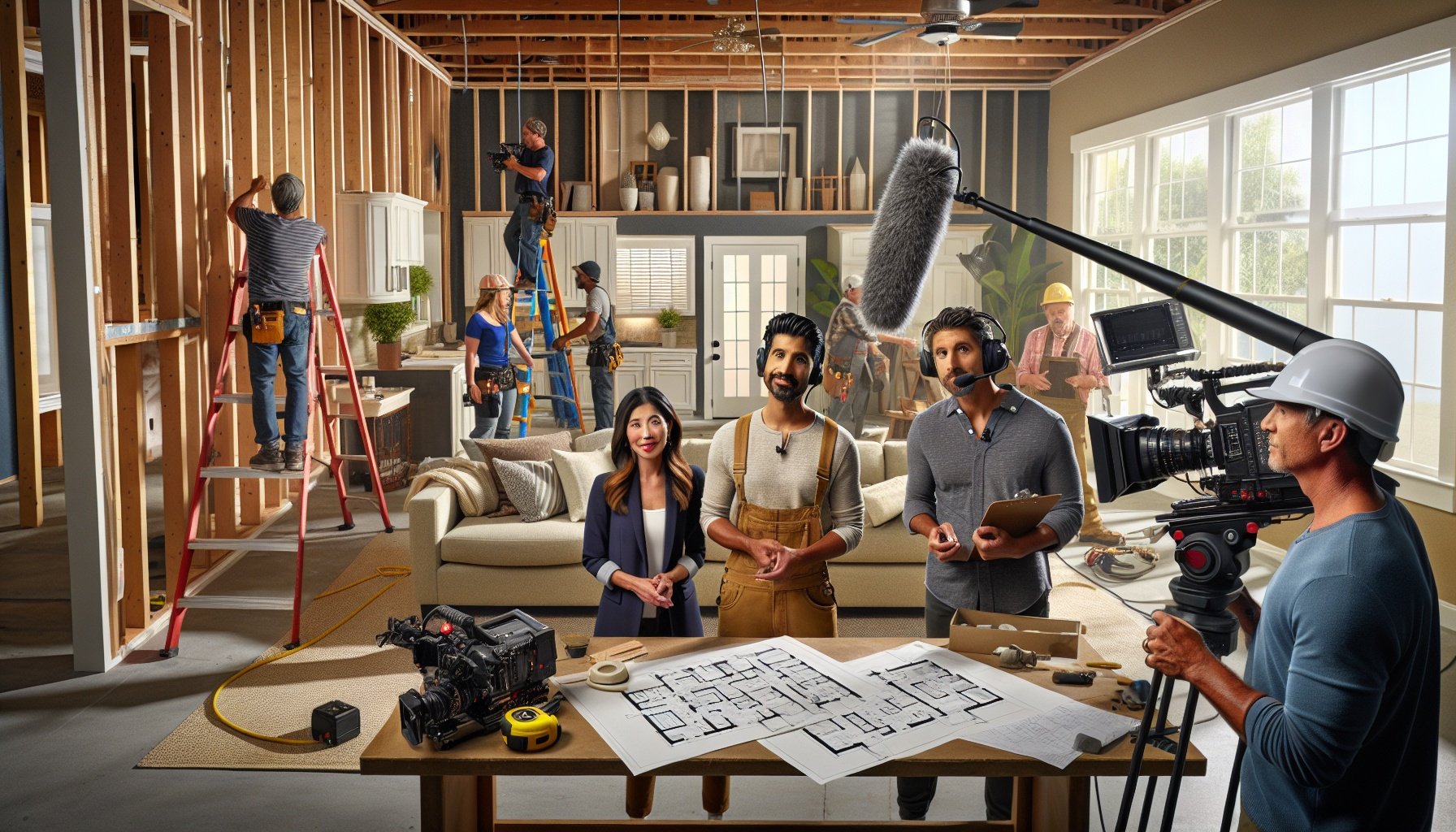
Home renovation shows make transforming a tired house into a dream home look almost effortless, but the real magic happens long before the cameras roll. Behind every dramatic reveal sits a maze of planning, coordination, and split-second decisions designed to keep projects honest, educational, and entertaining. Production teams comb through neighborhoods, from historic homes under the oak trees of Central Louisiana to newer builds needing smart upgrades, searching for renovation stories that feel familiar and real. Budgets, timelines, weather patterns, and inspection schedules all shape what viewers eventually see on screen, even when everything seems to come together in a single afternoon.
Quick Navigation:
How Renovation Shows Plan Projects That Feel Real | Coordinating Crews, Cameras, and Construction | Turning Real Jobsite Challenges into Teachable TV | Frequently Asked Questions
Crews work side-by-side with local contractors, carpenters, plumbers, and electricians, figuring out how to capture each critical step without slowing the jobsite to a crawl. Cameras, drones, lighting, and microphones have to fit into tight hallways, dusty attics, and active work zones, while tools buzz and sawdust flies. When hidden rot, code issues, or foundation problems show up, producers and hosts pivot fast, turning genuine jobsite headaches into clear lessons that help homeowners across the country understand what really goes into a solid remodel. Careful scripting, on-the-fly explanations, and long days of filming eventually funnel into episodes that feel both polished and down-to-earth. Behind every quick montage and satisfying before-and-after lies a complex process built to respect real construction while still delivering the kind of feel-good, can-do renovation energy that keeps fans tuning in week after week.
How Renovation Shows Plan Projects That Feel Real
Once projects, budgets, and timelines are locked in, renovation shows shift into a careful planning phase that keeps every episode feeling unscripted and honest. Story producers map out how homeowners live, what stresses them, and what excites them, then build renovation plans that reflect real priorities instead of perfect TV fantasies. Designers develop mood boards and product lists that match the home’s character and price point, while researchers track local building rules so choices stay believable. Hosts walk through likely problems and trade-offs ahead of time, shaping episodes around decisions real families actually face during renovation.
Did you know? Filming schedules for home renovation shows often complete major renovations in 72 hours using pre-staged materials, allowing crews to achieve timelines impossible in real-life scenarios.
Source: Reuters
Choosing homes, stories, and budgets that reflect everyday renovations in Central Louisiana
Producers hunting for relatable projects in Central Louisiana lean toward homes and stories that feel like everyday life, not fantasy. Modest ranch houses outside Alexandria, raised cottages near the Red River, and older brick homes in Pineville often make the cut because they mirror what many local families own. Instead of only chasing full gut jobs, teams spotlight upgrades like turning a dated carport into a closed-in bonus room, refreshing a worn kitchen without custom cabinets, or tightening up an older pier-and-beam foundation after a wet season. Budgets are kept close to what real households manage in the region, balancing big-impact changes—like new roofs before hurricane season or better insulation for brutal August heat—with smart, phased projects that stretch dollars without losing heart.
Balancing historical character with modern upgrades for TV-ready transformations
Renovation shows that feature historic cottages in places like Alexandria’s Garden District or older farmhouses along the Red River work hard to keep original soul while planning TV-ready updates. Production teams walk each property with preservation-minded contractors, deciding which details must stay on camera: beadboard ceilings, cypress trim, transom Windows, or classic brick chimneys. Modern comforts—smart TVs, recessed lighting, surround sound, stronger Wi‑Fi—get tucked into the plan with hidden wiring in baseboards, carefully routed chases, or faux beams. Storylines often center on one “hero” save, such as restoring a 1920s front door, while another area shows the contrast of sleek media walls or built-in TV cabinets, keeping both history buffs and gadget fans tuned in.
Designing timelines around real construction schedules, inspections, and weather delays
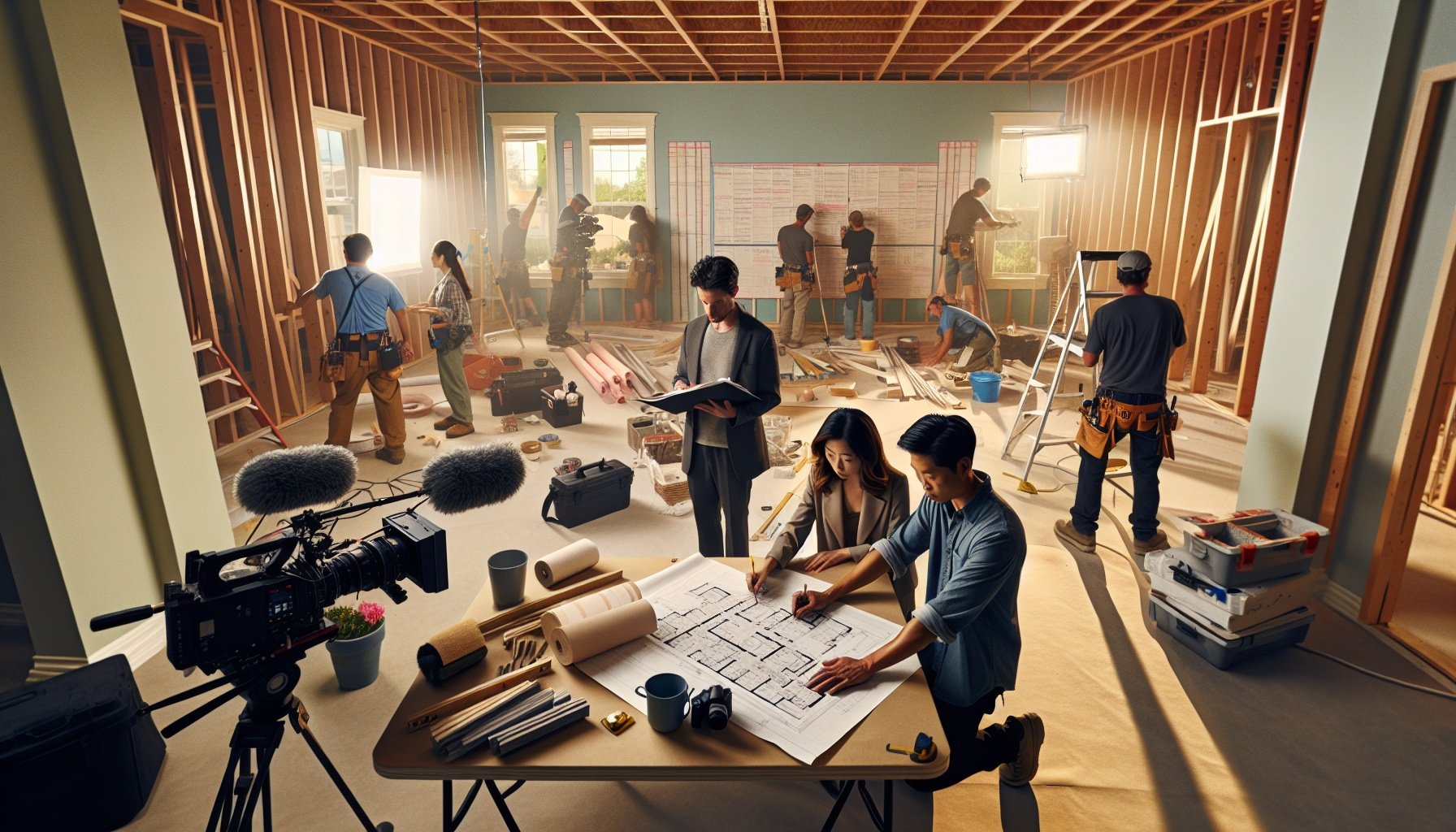
Production calendars on renovation shows start with real construction timelines, not TV wish lists. Contractors map out sequences for demo, rough-in, insulation, drywall, and finishes, then producers layer filming days around critical milestones like inspections. In Central Louisiana, that might mean scheduling electrical and plumbing rough-ins to line up with Rapides Parish inspection windows, then holding camera crews on standby until approvals clear. Weather adds another curveball. Summer thunderstorms around the Red River or a slow-moving tropical system can shut down exterior siding, Roofing, or concrete pours, forcing producers to rearrange call sheets and lean on indoor projects. Episodes often hide these calendar gymnastics, but the pacing that feels natural on-screen usually comes from weeks of tight coordination behind the scenes.
Coordinating Crews, Cameras, and Construction
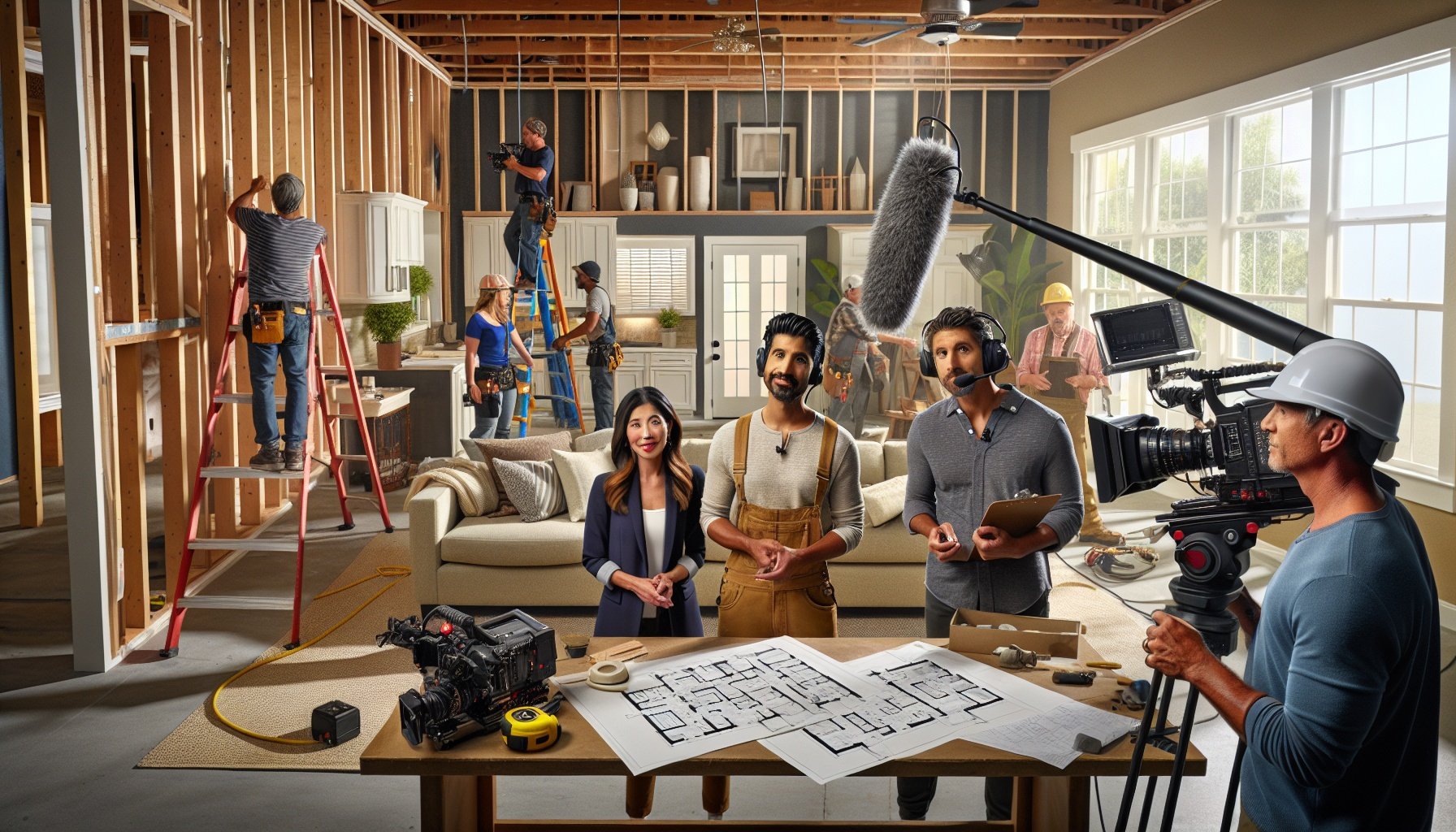
Once the plans, budgets, and rough timelines are set, the real juggling act begins: matching construction schedules with camera crews, hosts, and inspectors so every key moment gets captured once, not staged three times. Call sheets map out who is on site by the hour, from framers and tile setters to designers and sound techs, while production assistants track tool deliveries, paint colors, and even which wall will come down on which shooting day. Radio chatter, shared calendars, and fast walk-throughs keep everyone aligned, turning a noisy, dust-filled jobsite into a tightly coordinated stage for renovation storytelling.
Worth Noting: In 2024, the average budget for a single episode of major home renovation shows reached $500,000, covering materials, labor, and production costs across 15 filmed projects annually.
Source: Statista
Working with local contractors, trades, and inspectors while keeping jobsites safe
Production teams lean heavily on local crews who truly know the building codes, soil conditions, and weather quirks of each town. Licensed contractors and trades often run lead on the “real” renovation work, while camera-friendly moments are scheduled around critical tasks like structural framing, electrical rough-ins, and HVAC installs. Unions and guild rules sometimes shape call times and who handles specific tools on camera. Local inspectors usually visit twice: once during rough-in and again before final reveal, with producers adjusting shoot days so those inspections feel natural on screen. Safety officers walk jobsites daily, setting up exclusion zones around saws and scaffolding, checking dust control, and requiring hard hats and eye protection any time heavy demo or crane work happens on camera.
Staging work areas, tools, and materials so cameras can capture every key step
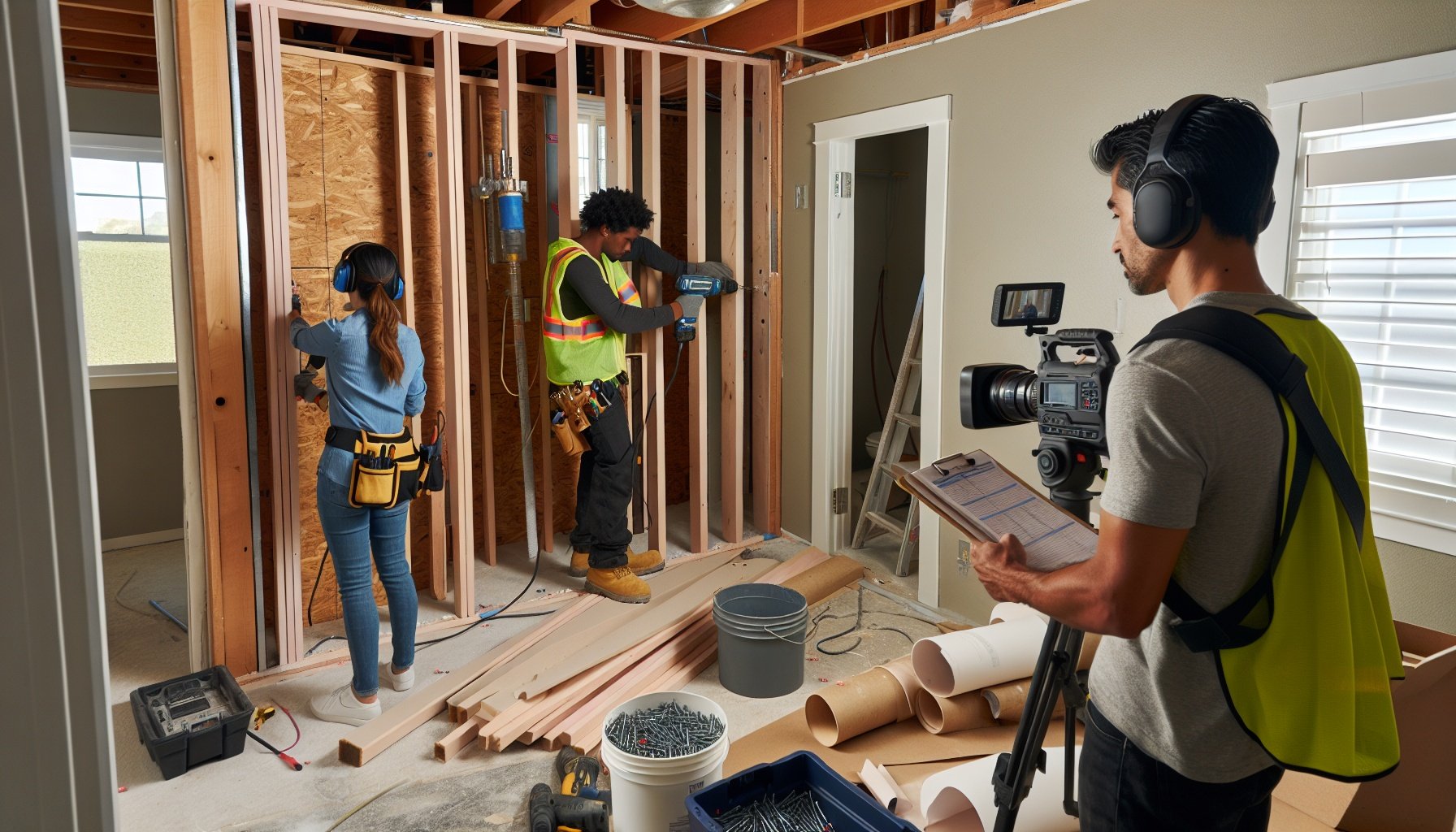
Staging each task starts long before a camera rolls. Production coordinators walk the jobsite with the general contractor, marking exact spots for saws, workbenches, and material stacks so key angles stay clean and well lit. Tool carts and lumber are positioned just off-frame, allowing a host or tradesperson to grab what is needed without blocking the shot. For a kitchen demo, for example, one wall might be cleared of debris so cameras can track the removal of each cabinet, outlet, and water line in sequence. Painters lay out brushes, rollers, and sample boards on a dedicated table that stays consistent across takes. Even simple steps like mixing thinset or cutting tile are staged twice—once at full speed, then again slower and closer—for tight, teachable visuals that still match real jobsite progress.
Good to Know: Home renovation reality shows emerged in the late 1990s, with early productions like ‘This Old House’ influencing modern formats by emphasizing craftsmanship and viewer education in the United States.
Source: Wikipedia
Using multiple camera angles, drones, and time-lapse to show complex builds clearly
Multiple cameras turn a chaotic build into a clear story the audience can follow. On big renovation days, directors often assign one camera to stay wide on the full room, another to float on a shoulder rig for close-ups of tools and hands, and a third on a slider or gimbal to capture smooth reveal shots as walls open up. Drones step in for roof framing, foundation pours, and exterior additions, showing how new work ties into the neighborhood and existing structure. For week-long processes like tiling, framing, or landscaping, locked-off cameras record time-lapse sequences that compress long hours into a few seconds, turning complex layering, sequencing, and coordination between trades into something easy to understand and surprisingly satisfying to watch.
Turning Real Jobsite Challenges into Teachable TV
Once stories, designs, and codes are squared away, the real test begins on the jobsite. Cameras roll while contractors open walls, uncover surprises, and solve problems on the fly, and producers work fast to turn those real headaches into clear, step‑by‑step lessons. Directors choose angles that reveal what tools are used, how materials go together, and why certain fixes cost more time or money. Safety coordinators and building inspectors stay close so every fix stays real and reliable, not just TV‑pretty. From there, each challenge is broken down into teachable beats that anchor the next set of scenes.
Interesting Fact: Production crews on home renovation shows use acoustic engineering to minimize on-site noise during filming, ensuring clear audio capture and reducing environmental sound pollution in residential areas.
Source: BBC
Scripting around unexpected problems like rot, code issues, and foundation surprises
When Demolition uncovers rotten sill plates, outdated wiring, or a cracked footing, story producers huddle with contractors to reshape the episode on the fly. A “problem board” tracks each surprise, the fix, cost impact, and who will explain it on camera. Writers then build simple, step-by-step segments around that real issue—maybe turning a failed inspection into a short lesson on GFCI protection, or a sagging beam into a moment on load paths and temporary shoring. Extra b-roll is captured of moisture damage, code citations, and repair details so editors can cut clean before-and-after sequences. Safety briefings and city inspectors often appear on screen, turning what could derail the schedule into a teachable, high-stakes chapter of the renovation story.
Keep in Mind: Drone technology and AI-assisted design software streamline location scouting and virtual renovations in 2025 productions, enhancing efficiency and precision in home renovation show planning.
Source: EDUCAUSE Review
Breaking down complicated techniques into clear DIY-friendly segments
Editors and field producers work with contractors to slice big, intimidating tasks into short, repeatable steps that feel manageable. A complex project like hanging cabinets gets broken into mini-lessons: finding and snapping level lines, locating studs, setting a ledger board, and finally fastening boxes in sequence. Multi-day projects, such as tiling a shower, are filmed in stages—layout and dry-fit one day, thinset and setting tile the next, then grouting and caulking—so each phase can become its own clear, DIY-friendly segment. On set, hosts ask “pause and explain” questions while tradespeople demonstrate slowly, then repeat moves from a second angle. Graphics, on-screen measurements, and simple checklists reinforce each step until the technique feels less like trade magic and more like a learnable skill.
Pro Tip: Home renovation shows reflect cultural shifts toward DIY empowerment, inspiring global audiences to value sustainable home improvements as a form of personal and community expression.
Source: AP News
Editing days or weeks of work into episodes that stay educational, honest, and engaging
Raw renovation footage often stretches across long, messy weeks, so post-production teams build tight timelines that still feel truthful. Assistant editors first organize hours of material by task—framing, rough-ins, inspections, finishes—then lead editors choose moments where key decisions or tradeoffs are explained on camera. Instead of hiding delays, smart shows briefly mention backordered windows, failed inspections, or change orders, then jump forward with on-screen dates or quick montages so progress feels honest, not staged. To keep episodes educational, editors hold on moments where a contractor explains layout math or code requirements, even if that means trimming repetitive hammering or sanding. Reaction shots from homeowners, hosts, and trades help connect the dots emotionally while the build races from bare studs to final walkthrough.
Conclusion
Home renovation shows like This Old House depend on far more than a fresh coat of paint and a big reveal. Each episode grows from careful planning, detailed designs, and code checks that shape what happens once cameras roll. Construction activity is scheduled around call sheets, inspectors, and camera crews so major milestones are captured once, without wasting time or materials. Production assistants track tools, finishes, and deliveries, while radio chatter and walk-throughs keep every trade in sync. Out of that busy, noisy jobsite, editors and producers craft clear, step-by-step stories that make complex projects feel approachable, safe, and inspiring. The next time a favorite renovation show comes on, let that behind-the-scenes coordination spark fresh ideas for the next project at home.
Frequently Asked Questions
- How real are the tight timelines shown on home renovation TV shows?
- Tight timelines on home renovation shows are usually compressed for TV. A project that looks like it takes two to three weeks on screen often takes several months in real life.
Filming schedules, inspections, permitting, and subcontractor availability all slow things down. Crews sometimes work long hours or in overlapping shifts to hit production deadlines. Some shows also complete only the “camera-ready” areas first, leaving less visible work—like extra trim, touch-ups, or landscaping—to be finished after filming wraps.
The fast turnarounds are designed to keep the story exciting and engaging on screen, not to represent a typical real-world construction schedule.
- Who actually pays for the renovations on these shows?
- Payment varies by show, but several common setups appear:
– Homeowners often contribute a set budget that covers materials and part of the labor.
– Production companies sometimes negotiate discounts or freebies from suppliers and brands in exchange for televised exposure.
– Some shows cover specific elements—like design fees, furniture, or special features—while the homeowner pays for structural work or upgrades beyond the basic plan.Contracts usually spell out what is covered, what belongs to the homeowner, and what may be removed after filming, such as rented furniture or staging pieces.
- Are the dramatic ‘before’ and ‘after’ transformations fully finished once the cameras stop rolling?
- The main spaces shown in the final reveal—kitchens, living rooms, primary suites—are usually complete and functional, but not every part of the house is always finished.
Often:
– Only the rooms featured in the episode get full design and staging.
– Some trim work, paint touch-ups, or exterior details might be completed after the big reveal for TV.
– Furniture and décor often include staged items that are borrowed or rented. A homeowner might keep some pieces, while others go back to vendors.The transformation is real, but the level of completion across the entire property can be different from what appears in the final edit.
- How much creative control do homeowners actually have during televised renovations?
- Homeowners usually have a voice, but the design team and producers guide many decisions to fit the show’s style, budget, and filming plan.
Typical boundaries include:
– Homeowners often set priorities, such as focusing on a kitchen, bathroom, or open-concept living area.
– Designers present options that align with the show’s look, sponsor products, and construction realities.
– Bold design choices sometimes happen to create strong visual moments, even if they push past the homeowner’s initial comfort zone.Most shows involve design approvals and discussions off-camera, but the final result tends to blend homeowner preferences with what works best on television.
- How do production crews make renovations look so effortless and clean on camera?
- Careful planning and editing keep the messy side of construction mostly off-screen.
Behind the scenes:
– Detailed schedules coordinate trades like electricians, plumbers, framers, and painters so filming flows smoothly.
– Unattractive but necessary tasks—demo dust, trash hauling, delays, and supply issues—are filmed briefly or skipped in editing.
– Scenes are shot out of order, then edited into a clear, simple story with only key steps highlighted.
– Extra crew members handle cleanup, staging, and lighting so every frame looks polished.Real construction includes noise, dust, and surprises. The show trims that chaos down to a neat, watchable story arc.
- Are the renovation budgets shown on TV accurate to real-life construction costs?
- Budgets shown on TV can be lower than what similar work would cost off-camera.
Reasons include:
– Discounted or donated materials from sponsors and local suppliers.
– Reduced design fees or waived labor costs in exchange for exposure.
– Focused scope: only a few high-impact rooms are renovated, even though it may feel like the entire house was transformed.Permits, engineering, and long-term maintenance rarely get detailed. Real-world homeowners often face higher costs because they pay full price, follow local code requirements, and may not receive sponsored products or labor.
- What happens after the cameras leave a renovated home on TV?
- After filming finishes, several follow-up steps usually occur:
– Construction teams handle any remaining punch-list items, such as small repairs, adjustments, and final inspections.
– Staging teams remove rented décor, lighting, or furniture that does not stay with the homeowner.
– Homeowners settle into the new layout and may slowly replace staged items with personal belongings.
– Some shows schedule follow-up visits months later to capture how the space lives over time.Once production wraps, the home functions like any other renovated property, with normal maintenance, warranty work, and occasional fixes that never appear on TV.