
How to Keep a Live Christmas Tree Fresh Indoors All Season
A live Christmas tree glowing in the corner of a cozy Central Louisiana home brings a special kind of holiday magic—fresh pine scent, deep green branches, and that feeling of celebration that just feels right. Keeping that tree healthy and vibrant all season takes more than a sturdy stand and a string of lights, though. A living tree is still a growing tree, and it reacts to indoor heat, dry air, and low light just like any plant pulled out of its natural environment. Caring for a live Christmas tree indoors during the holidays starts long before the first ornament goes on, continues through everyday attention while it stands in the living room, and finishes with a careful move back outdoors once the season winds down. From choosing a strong, healthy tree that can handle an indoor stay, to managing water, temperature, and light so the needles stay full and flexible, each step helps protect both its looks and long-term health. When the decorations come down, the focus shifts to helping that same tree adjust back to cooler air, brighter sun, and Central Louisiana’s mild, often damp winters so it can settle into the yard and grow for years to come. With a little planning and steady care, a live Christmas tree can shine all season inside, then keep the holiday spirit rooted in the landscape long after the last carol fades.
Quick Navigation:
Choosing and Preparing a Live Christmas Tree for Indoors | Daily Indoor Care to Keep the Tree Fresh All Season | Transitioning the Tree Back Outdoors After the Holidays | Frequently Asked Questions
Choosing and Preparing a Live Christmas Tree for Indoors
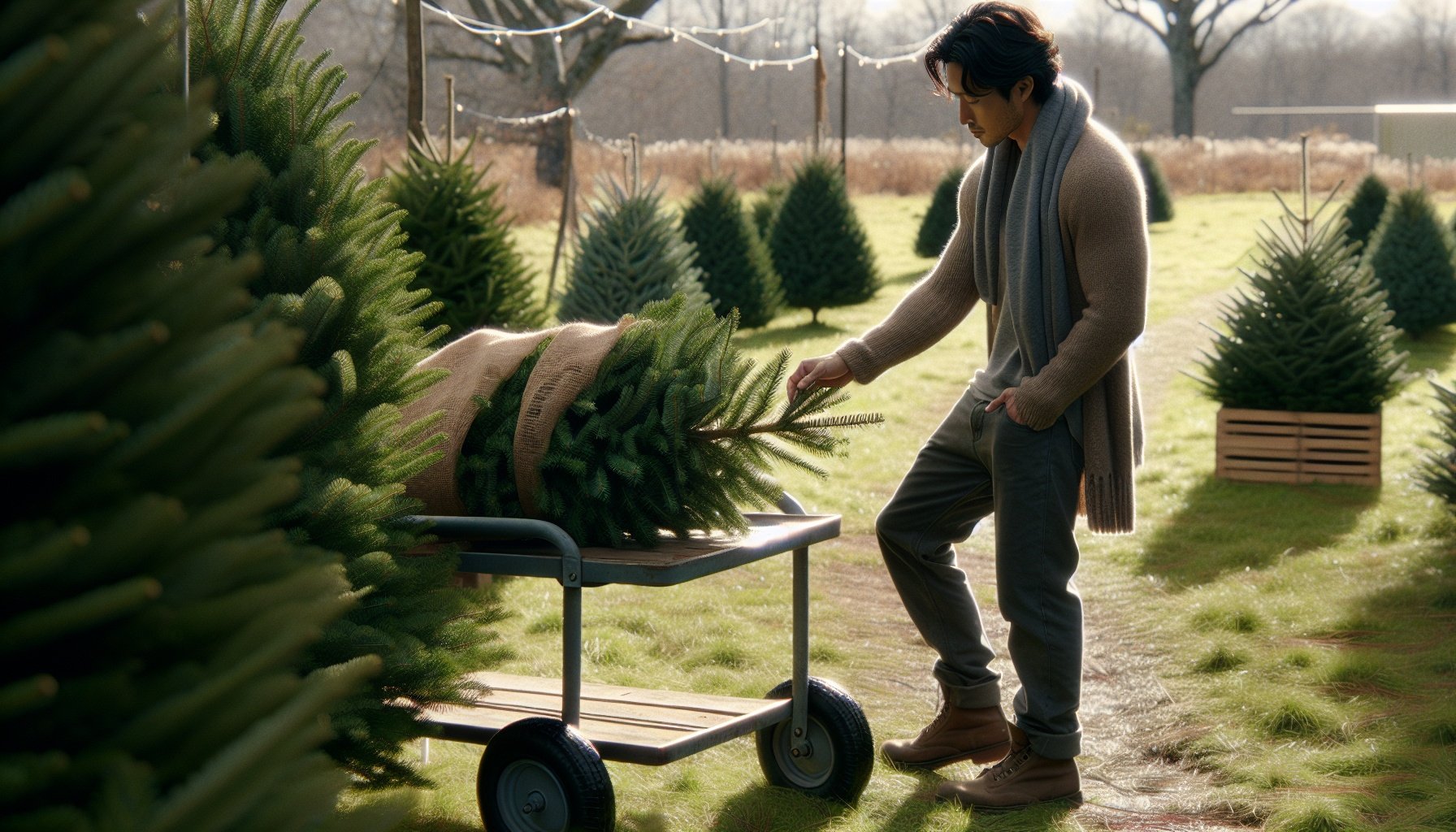
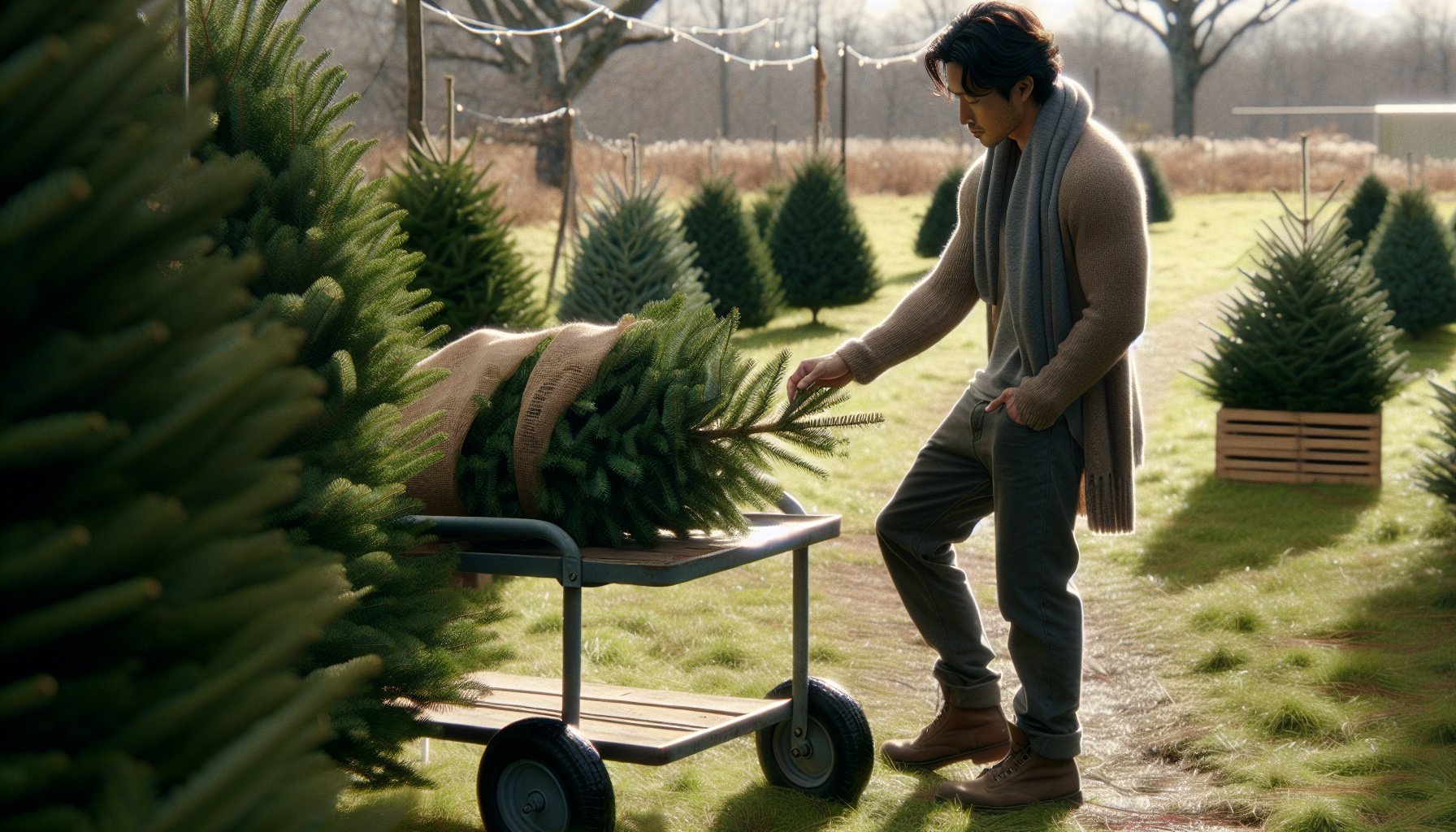
Before watering schedules and indoor care routines even begin, the process starts at the tree lot or local nursery. A live Christmas tree meant for indoor display needs strong roots, a balanced shape, and flexible branches that can handle lights and ornaments. The root ball, burlap wrap, and soil moisture all play a big role in how well the tree handles time inside a warm Central Louisiana home. Gentle preparation, like inspecting for pests, loosening the burlap, and planning the tree’s indoor spot ahead of time, sets the stage for choosing and preparing a live Christmas tree for indoors.
Did you know? Environmentally, caring for a live Christmas tree indoors involves recycling it after the holidays, with many communities offering programs that turn trees into mulch or wildlife habitats.
Source: The Nature Conservancy
Selecting the right species for Central Louisiana’s climate and indoor display
Selecting a live Christmas tree for Central Louisiana starts with matching the species to both the humid, mild winters and the warm, dry air found inside most homes. Southern favorites like Leyland cypress and Arizona cypress handle local soil and moisture well once planted, and their softer needles shed less indoors. Virginia pine offers that classic Christmas shape, but needs steady watering to stay fresh under indoor heat. For a potted, root-ball tree, compact types such as dwarf spruce or small cedar are easier to move in and out without stressing the roots. Choosing a tree with flexible, deep-green needles, strong branching, and a well-wrapped root ball helps it stay vibrant under holiday lights, then settle into the Central Louisiana landscape after planting.
Inspecting root ball, needles, and overall health before bringing the tree inside
Bringing a live Christmas tree indoors starts with a close check of its root ball, needles, and overall vigor. A strong root ball feels firm and heavy, wrapped tightly in burlap or set snugly in a pot, with no large gaps or loose, falling soil. Fine, hair-like roots near the surface signal active growth, while a sour or rotten smell warns of root rot. Needles should look glossy and flexible, with rich color from the inner branches to the tips, not gray-green or dull. Lightly running a hand along a branch should release only a few needles. Sturdy branches, moist but not muddy soil, and no signs of insects, mold, or cracked bark indicate the tree can handle the move indoors and a smooth transition back outside later.
Interesting Fact: In the United States, approximately 25 to 30 million real Christmas trees are sold annually for indoor holiday display, supporting local farming communities.
Acclimating the tree from outdoor conditions to the indoor environment gradually
Acclimating a live Christmas tree starts before it ever reaches the warmest room of the house. After time in a cool nursery or yard, a sudden jump into heated indoor air shocks tender roots and needles. A better approach uses a “staging area” such as a shaded carport, covered porch, or unheated garage for a day or two. The tree rests there in its pot or root ball wrapping, protected from wind but still in cooler air. After this pause, the tree moves into a cooler indoor space first, like a foyer or back room, before settling into the main living area. This step‑by‑step shift helps the tree adjust slowly, reducing stress and keeping moisture loss under control.
Daily Indoor Care to Keep the Tree Fresh All Season
Once a strong, healthy tree is settled into its stand and ready for lights and ornaments, steady indoor habits begin to make the real difference. Small choices made each day decide how long the branches stay full, green, and safe. Humidity levels, air movement from ceiling fans or vents, and even how often the water level is checked all play a quiet but powerful role. Central Louisiana homes that run space heaters, fireplaces, or central heat add another layer of daily attention. With a simple routine and a quick daily check, the tree stays fresh, bright, and ready for the season’s indoor care steps that follow.
Watering routines, container setup, and soil moisture management for live trees
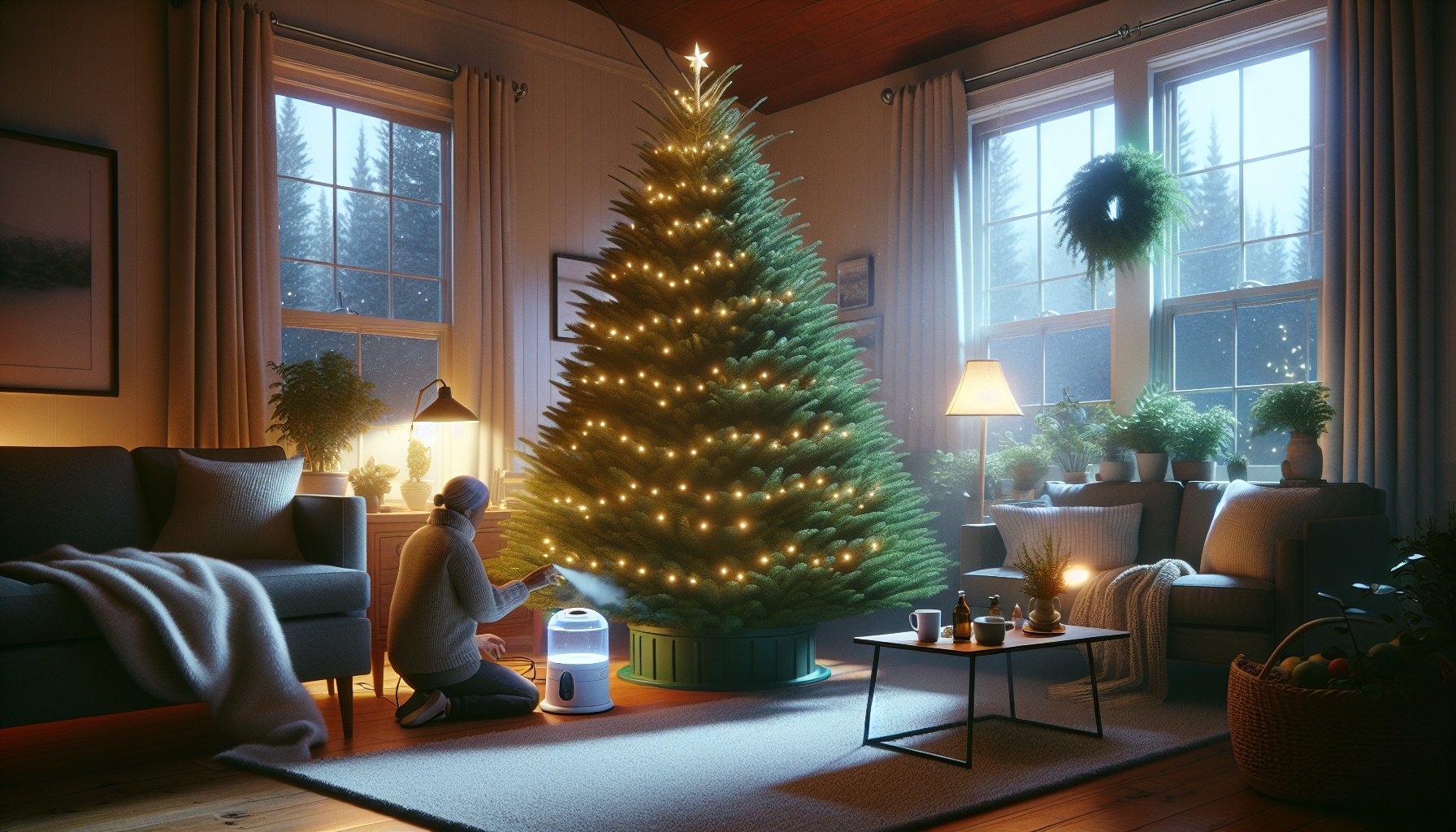
Watering starts with the right container. A sturdy tub or half whiskey barrel with a few drainage holes keeps the root ball stable and prevents standing water from building up. A shallow layer of gravel or broken brick under the burlap allows extra moisture to drain away while still holding the tree upright. Soil around the root ball stays evenly damp, never soggy. A small cup of water poured slowly around the base, once or twice a day, works better than flooding the container. In warm Central Louisiana homes, checking moisture by pressing a finger into the soil near the burlap helps catch dry spots early, keeping the root ball consistently hydrated and the tree ready for life outdoors again.
Pro Tip: Watering a live Christmas tree indoors requires checking the stand daily to maintain water levels, as trees can absorb up to a gallon of water per day during the first week after cutting.
Managing indoor temperature, humidity, and airflow to reduce stress and needle drop
Temperature swings stress a live Christmas tree faster than dry soil. A steady indoor range around 60–68°F keeps needles firm and reduces shock to the root ball. Heat vents, fireplaces, space heaters, and sunny south-facing Windows quickly dry foliage, so the tree does best a few feet away from these hot spots. Gentle humidity helps, especially in tightly sealed homes with central heat. A simple room humidifier set to 40–50% or a nearby tray of water and pebbles slows needle drop without soaking the soil. Airflow matters too: soft, indirect circulation from a ceiling fan on low is helpful, but direct blasts from fans or vents pull moisture from branches and create the kind of stress that shortens the tree’s indoor life.
Interesting Fact: Scientifically, live Christmas trees indoors release moisture into the air, acting as natural humidifiers that can improve indoor air quality during the dry holiday season.
Source: NPR
Positioning the tree away from heat sources, vents, and direct sunlight, while using safe lighting
Tree placement makes a big difference in how long a live Christmas tree stays bright and hydrated. A corner away from south-facing windows, space heaters, wood stoves, and the kitchen range keeps the needles from baking and the root ball from drying out. Floor registers, ceiling vents, and space-heater blowers should not point toward the branches; a few feet of distance and an angled vent deflector help protect tender new growth. Holiday lights also act like tiny heaters, so cool-burning LED strands rated for indoor use work best. UL-listed lights, checked for cracked insulation or loose sockets, reduce fire risk. A simple timer limits light hours, cuts extra heat, and keeps the tree on a steady, low-stress routine.
Transitioning the Tree Back Outdoors After the Holidays
Once the lights dim and the last ornament comes down, the real test for a live Christmas tree begins. A tree that has spent days in a cozy living room cannot handle a sudden move into cold, damp winter air without stress. Quick temperature swings, harsh wind, and bright sun can shock tender needles and roots that adjusted to indoor comfort. A calm, step‑by‑step transition helps the tree slowly toughen back up for life outside, whether in a Central Louisiana yard or a large container, and sets the stage for planning timing, placement, and protection during the move outdoors.
Good to Know: Historically, the tradition of bringing evergreen trees indoors for Christmas originated in 16th-century Germany, evolving into a widespread holiday practice by the 19th century.
Source: Scientific American
Reducing indoor time and using a step-down process to reintroduce outdoor temperatures
Reducing indoor time starts as soon as the holidays wind down. Each day, the tree spends a little less time in the warm living room and a little more time in cooler spots. First, the tree moves from the main heated area to a cooler room, hallway, or enclosed porch. After a few days, it can spend several hours in a garage, carport, or shaded patio where temperatures sit between indoor warmth and full outdoor chill. In Central Louisiana, mild winter days make this step-down process easier, but sudden cold fronts still matter. A gradual move over 5–7 days lets needles, buds, and roots adjust slowly, so the tree handles outdoor planting with less shock and stress.
Preparing a planting site suited to Central Louisiana soil, drainage, and weather patterns
A live Christmas tree headed for long-term life in Central Louisiana needs a planting spot that fits local soil and weather. Most yards around Alexandria, Pineville, and Opelousas have heavy, sometimes clay-based soil that stays damp after winter rains. A raised planting area or gentle mound helps roots breathe and keeps water from pooling. Digging a wide hole, loosening soil beyond the root ball, and mixing in pine bark fines or compost improves drainage without making the soil too fluffy. Choosing a location with morning sun and afternoon shade fits the region’s warm seasons and occasional winter swings. Avoiding low spots where Bayou Boeuf–style flooding lingers keeps roots healthier when the next Gulf storm system rolls through.
Keep in Mind: Culturally, in various European traditions, live Christmas trees indoors are adorned with symbolic ornaments like lights and baubles to represent hope and renewal during winter celebrations.
Source: BBC Future
Post-planting care to help the tree establish roots and recover from indoor stress
Post-planting care focuses on steady moisture, gentle protection, and low stress while the tree shakes off its indoor season. Soil stays evenly damp but never soggy, especially in that loosened, raised planting area. A slow trickle from a hose or a soaker hose set on low works better than quick, heavy soakings that run off dense Central Louisiana clay. A light mulch ring of pine straw or shredded bark helps hold moisture and buffer temperature swings, but mulch never touches the trunk. For the first few months, strong pruning, fertilizer spikes, and heavy traffic around the root zone are avoided. A simple windbreak of burlap or temporary fencing on the north and west sides helps shield tender needles while the root system gets anchored.
Conclusion
Bringing a live Christmas tree indoors requires specific care to keep it healthy and fresh throughout the holiday season. Proper watering, attention to the root ball and burlap, and a smart choice of indoor location all work together to protect the tree’s health. Watching indoor conditions such as heat from fireplaces or central systems, airflow from vents or ceiling fans, and overall humidity helps reduce stress and needle drop. After the holidays, careful acclimation back outside supports long-term survival, whether the tree ends up in a Central Louisiana yard or a large container. With thoughtful care from start to finish, a live Christmas tree can shine all season and then continue growing as a lasting reminder of holiday memories.
Frequently Asked Questions
- How long can a live Christmas tree stay fresh indoors during the holidays?
- Most fresh-cut Christmas trees stay in good shape indoors for about 3–5 weeks when cared for properly. The exact time depends on the type of tree, how fresh it was when purchased, and how well it is watered and protected from heat.
Key points that help a tree last longer:
– Choose a fresh tree: Soft, flexible needles and a strong evergreen smell are signs of a fresh tree.
– Make a fresh cut: Saw off about ½–1 inch from the bottom of the trunk before placing it in water. This opens the pores so the tree can drink.
– Get it into water fast: Place the tree in water within an hour of the fresh cut. If it sits too long without water, sap can seal the base.
– Water every day at first: Most trees drink a lot of water during the first week.
– Keep away from heat: Heat vents, fireplaces, and direct sunlight dry out a tree quickly.With these steps, many homes in Central Louisiana enjoy a live tree that looks full and green from early December through New Year’s.
- How much water does a live Christmas tree need, and how often should the stand be refilled?
- A live Christmas tree needs plenty of water to stay green, soft, and safe. A good rule is that a tree can take up about 1 quart of water per inch of trunk diameter each day during the first few days.
Basic watering tips:
– Check water level daily: The stand should never run dry. If the cut end is exposed to air, sap can harden over the base and block water.
– Use a large stand: The stand should hold at least 1 gallon of water for average-sized trees.
– Keep the base covered: Make sure the bottom 2–3 inches of the trunk stay completely under water.
– Use plain tap water: Additives are usually not needed. Clean, fresh water works best.In warm Central Louisiana homes where heaters and fireplaces run often, trees dry out faster and drink more. Larger trees and those placed near warm rooms need more frequent checks and refills.
- What is the best location in the house for a live Christmas tree to stay fresh and safe?
- Placement has a big impact on how long a live Christmas tree lasts indoors. The goal is to keep the tree cool, away from strong heat sources, and protected from damage.
Ideal placement tips:
– Away from heat: Keep the tree several feet away from fireplaces, wood stoves, space heaters, and heat vents.
– Avoid direct sunlight: Strong sun through a window can heat and dry the tree.
– Use a level, stable spot: A solid floor area helps prevent tipping and stand leaks.
– Keep clear of high-traffic paths: Corners of living rooms, dens, or near a window that overlooks the yard in Central Louisiana neighborhoods work well.
– Consider pets and kids: A spot where branches will not be pulled, bumped, or climbed keeps needles and ornaments intact.A cool, shaded corner of the main living space usually keeps the tree fresh longer, while still showing it off near the heart of the home.
- How can needle drop and dry branches be reduced on a live Christmas tree indoors?
- Needle drop cannot be stopped completely, but it can be slowed down with good care and smart choices.
Steps to reduce needle drop:
– Start with the right species: Some trees, like Fraser fir, Noble fir, and Nordmann fir, tend to hold needles better than others.
– Check freshness when buying: Avoid trees that drop a lot of needles when shaken or have dry, brittle branches.
– Make a fresh cut and water: Cutting off ½–1 inch from the trunk and placing it in water right away helps the tree stay hydrated.
– Keep it cool: Lower room temperatures and keeping the tree away from fireplaces and heaters slow drying.
– Use LED lights: LED lights give off less heat than older incandescent bulbs.
– Avoid heavy ornaments on weak branches: This keeps branches from breaking and losing clusters of needles.In Central Louisiana’s mild winters, homes can still get warm inside. Lowering the thermostat a bit in the main room and closing nearby vents help keep the tree soft and green longer.
- What type of stand and support works best for a live Christmas tree indoors?
- A sturdy, well-designed stand is important for both safety and tree health.
Features of a good Christmas tree stand:
– Large water reservoir: At least 1 gallon capacity for average trees, more for taller ones.
– Strong, wide base: A wide footprint helps prevent tipping, especially on smooth floors.
– Secure trunk clamps or bolts: These keep the trunk straight and stable.
– Rust-resistant materials: Plastic or coated metal stands hold up better and are easier to clean.Extra support for bigger trees:
– Use fishing line or clear cord: Attach discreetly from the trunk to hooks in the wall for added stability.
– Check for wobble: Gently push the tree from different sides after decorating to make sure it does not sway.Homes in Central Louisiana often have busy gatherings during Christmas, with kids running around and family visiting after festivals like Alexandria’s holiday events. A solid stand and backup support keep the tree safe through all the celebrations.
- Are Christmas tree preservatives or additives helpful, or is plain water enough?
- Plain, clean water is usually the best and safest choice for a live Christmas tree. Many tests have shown that most homemade mixes and commercial additives do not work better than simple tap water.
Guidelines for watering:
– Plain water first: Fill the stand with cool, fresh tap water and keep it full.
– Avoid sugar or soda: These can promote mold and bacteria growth in the stand.
– Skip household chemicals: Bleach, aspirin, fertilizer, and similar additives can harm the tree and create safety risks for pets and kids.
– Change water if dirty: If the water becomes cloudy or slimy, empty the stand and refill with fresh water.In Central Louisiana’s holiday season, with homes filled with cooking aromas from gumbo pots and baked goods, it helps to keep one thing simple: clean water in the tree stand keeps the Christmas tree fresher and safer than anything else.
- How can a live Christmas tree be handled safely after the holidays, and what are eco-friendly disposal options?
- Once the holidays end and the tree starts to dry out, safe removal and recycling keep the home and yard in good shape.
Safe removal steps:
– Unplug lights first: Make sure all lights and decorations are removed before moving the tree.
– Lay down a sheet or tarp: Wrapping the tree in an old sheet or plastic helps catch falling needles while carrying it outside.
– Watch for dry branches: Dry limbs can snap, so moving the tree with two people is safer for larger sizes.Eco-friendly disposal ideas:
– Local recycling programs: Many cities and parishes, including areas around Alexandria and pineville in Central Louisiana, offer Christmas tree recycling or drop-off points.
– Mulch and compost: Some services chip old trees into mulch for parks, gardens, or walking trails.
– Backyard habitat (where allowed): Clean, undecorated trees can be placed in a corner of the yard as a temporary shelter for birds and small wildlife.Avoid burning Christmas trees in fireplaces or wood stoves. Evergreen sap burns hot, creates heavy creosote, and can increase chimney fire risk. Recycling and mulching keep the holiday spirit going a little longer by helping local landscapes and wildlife.
Categories
Home Improvement Tips & Tricks