Home Office Retreat Ideas for Comfort, Productivity, and Style
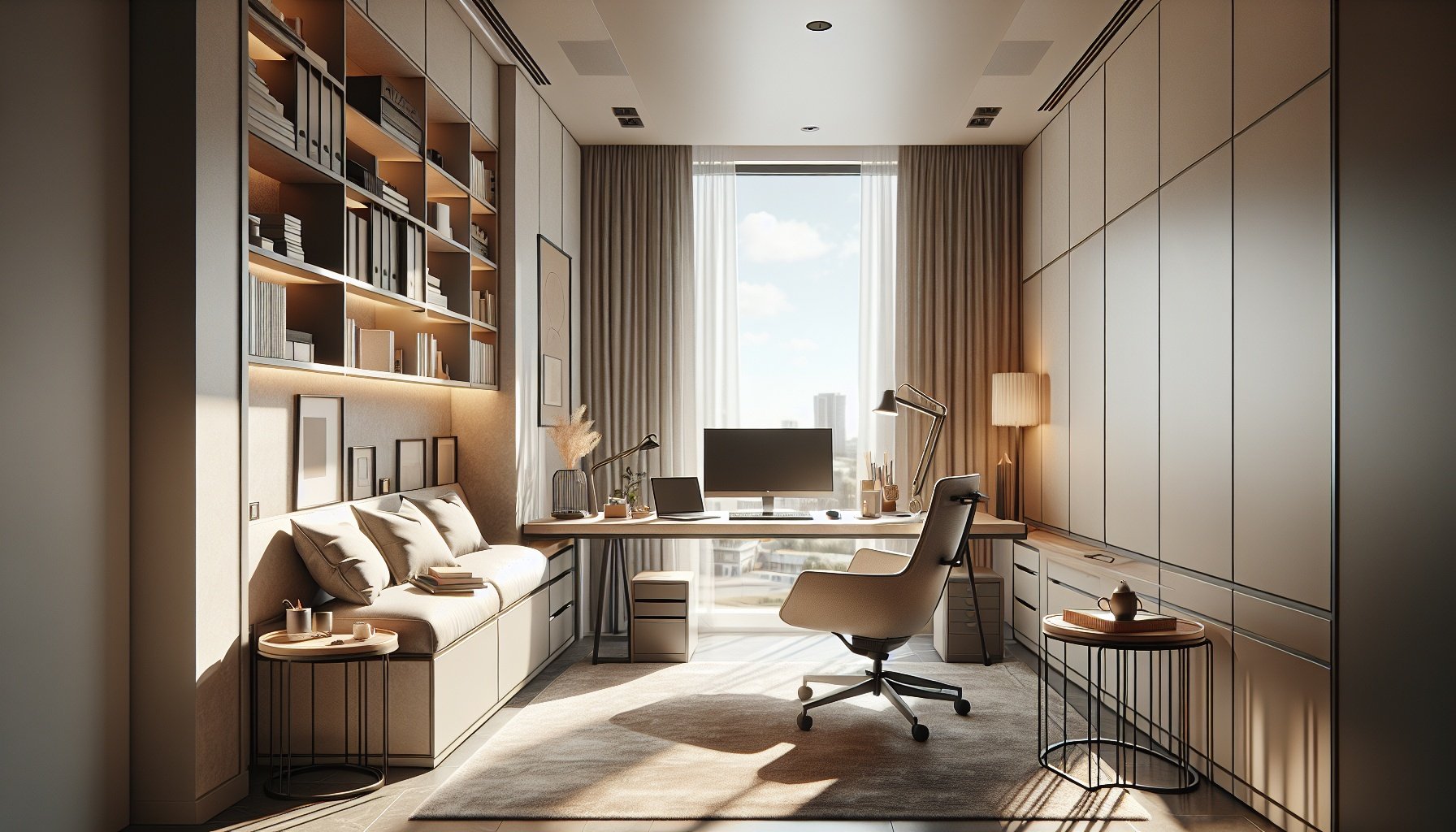
A home office retreat brings together comfort, focus, and personal style so work never feels boxed into a dull corner of the house. Instead of a basic desk and chair, this type of space becomes a calm, inviting zone where tasks get done efficiently while stress stays low. A thoughtful layout, cozy finishes, and smart upgrades help separate work from the rest of daily life, even when everything happens under the same roof. For homes in Central Louisiana, that might mean catching soft natural light through pine trees, feeling a gentle breeze from a ceiling fan, and enjoying colors that echo the bayou and warm Southern sunsets.
Quick Navigation:
Planning a Home Office Retreat Layout for Comfort and Flow | Building a Productive and Comfortable Workspace | Adding Style, Personality, and Relaxation to the Office Retreat | Frequently Asked Questions
Designing a home office retreat starts with finding the right spot, then shaping it to support long work sessions without sacrificing comfort. Light, temperature, and quiet all play a big role, along with furniture that keeps the body supported and the mind clear. Storage, display areas, and a few personal touches keep supplies organized and inspiration close at hand. A small relaxation corner with plants, soft seating, or a favorite piece of local art turns quick breaks into real mental resets.
The goal is a space that feels peaceful but still ready for business, blending productivity with a sense of retreat. Every choice—from where the desk sits to the colors on the wall—works together to create a setting that feels grounded, stylish, and uniquely personal, whether located in downtown Alexandria, near Kincaid Lake, or along a quiet back road in Central Louisiana.
Planning a Home Office Retreat Layout for Comfort and Flow
A home office retreat gains real power when the layout supports natural movement, focus, and unwinding without constant rearranging. Beyond comfort and decor, the way zones are placed—desk, tech, storage, and break areas—affects how smoothly each task shifts into the next. Clear walkways, smart cord routes, and sightlines that avoid distractions all help reduce mental clutter. Windows, doors, and traffic patterns inside the home also play a role, shaping where screens, seating, and shelving make the most sense. With a solid layout plan, the space functions as a calm, well-organized retreat from the moment work begins to the final sign-off.
Keep in Mind: Voice-activated smart lighting and ergonomic adjustable desks in home offices boost efficiency by allowing hands-free adjustments, fostering a more intuitive and productive workspace.
Source: HKS Architects
Choosing the right room or corner for privacy, quiet, and natural light in a Central Louisiana home
Selecting the best spot starts with distance from household noise. A spare bedroom at the back of the house often works better than one near the kitchen, living room, or a busy carport. Corners facing away from pineville Expressway or MacArthur Drive help cut down on traffic sounds, especially during school and game-day rush.
Natural light stays strong in Central Louisiana, so a room with east- or north-facing windows brings in brightness without too much afternoon glare and heat. A corner that looks toward trees, a backyard garden, or a quiet view of the Red River area feels calmer than one facing a busy street. Solid doors, area rugs, and curtains help soften sound and create a private, retreat-style workspace.
Worth Noting: Home office designs incorporating natural elements and flexible layouts improve mental health by reducing isolation and promoting work-life balance in remote settings.
Source: Facility Executive
Zoning the space for focused work, storage, and relaxation within one cohesive layout
Zoning a home office retreat starts with mapping clear areas for work, storage, and unwinding, all flowing together in one calm layout. A focused work zone fits best against a solid wall, with a desk facing a window or artwork instead of household activity. A low bookshelf or credenza can sit behind the chair, creating a soft boundary while keeping files, printers, and supplies close for a dedicated storage zone. A small relaxation nook tucks into a corner with a comfy chair, side table, and floor lamp, angled away from screens. A single rug or repeating color palette across all three zones keeps the space feeling unified instead of chopped up, supporting both productivity and easy mental breaks.
Maximizing square footage with smart furniture placement, clear walkways, and multi-use pieces
Maximizing square footage starts with hugging furniture tight to walls and corners so the center of the room stays open and airy. A slim desk with built‑in drawers or a shallow hutch saves floor space while keeping work tools close. Clear walkways at least 3 feet wide let movement flow easily between the work, storage, and relaxation zones, even in a smaller Central Louisiana bungalow or cottage. Multi‑use pieces work hard in a home office retreat: an ottoman with hidden storage holds files and doubles as a footrest, a sleeper chair hosts guests, and a narrow console can serve as printer station, display shelf, and snack spot during long project days.
Building a Productive and Comfortable Workspace
A home office retreat combines functionality with relaxation, allowing individuals to separate work from leisure in a dedicated space. Once the layout and basic comfort are in place, real productivity grows from the details that support daily routines. Task zones for deep focus, quick meetings, and creative work help cut down on distractions and constant setup changes. Cable management, tech placement, and flexible surfaces keep tools close without crowding the desk. Sound control through soft finishes and thoughtful door or room placement supports steady concentration. Together, these choices create a workspace that works as hard as the person using it.
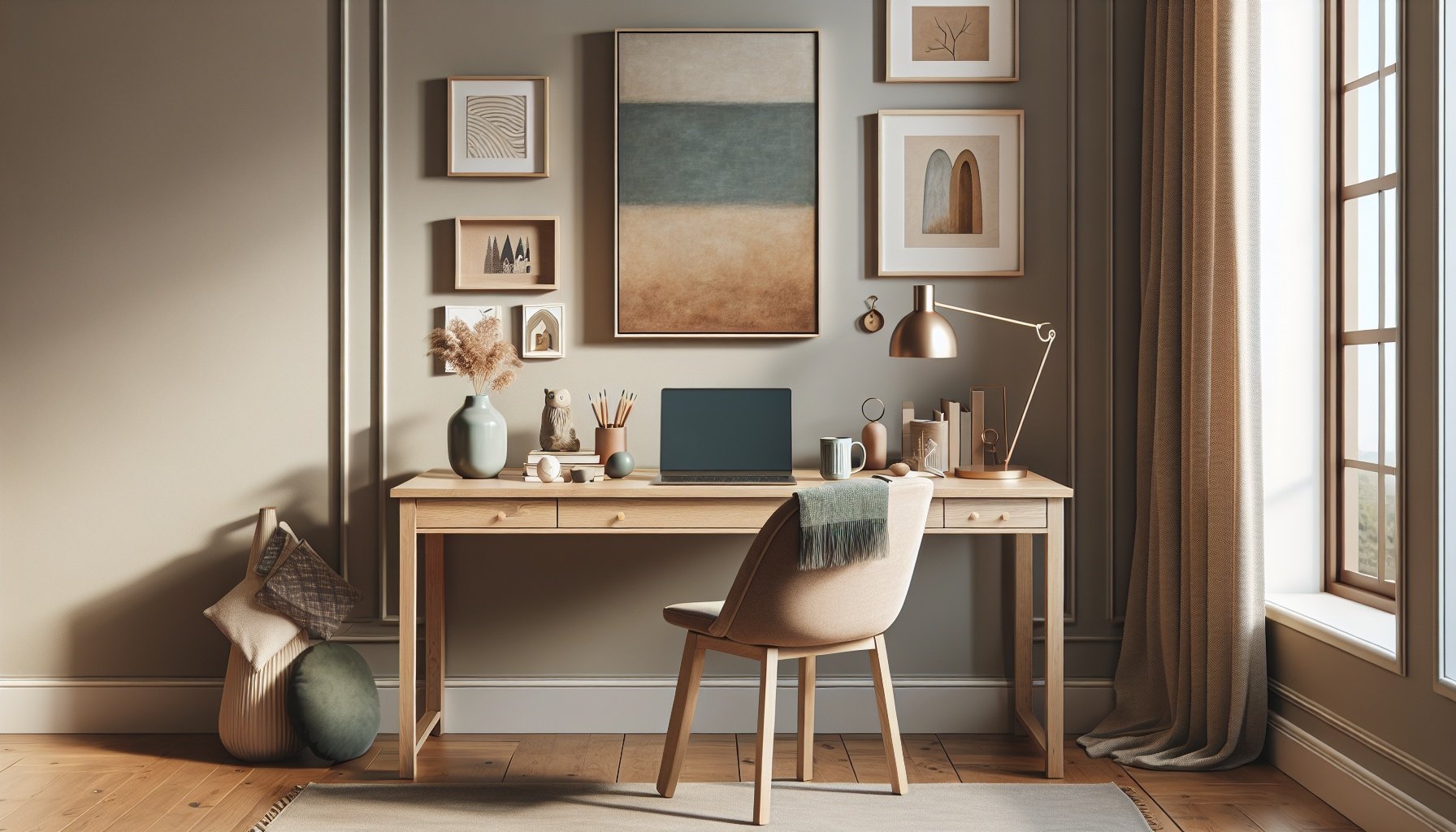
Pro Tip: The shift to home offices during the COVID-19 pandemic marked a significant evolution in residential architecture, with many households converting spaces into dedicated workspaces to support remote work.
Source: PMC (PubMed Central)
Selecting ergonomic desks, chairs, and monitor setups that support long work sessions
Ergonomic furniture keeps long work sessions from wearing down the body, so the desk, chair, and monitor work as a single system. A height‑adjustable desk lets many body types keep elbows at a relaxed 90 degrees while typing, with enough depth to hold a keyboard, mouse, and a large monitor without crowding. A supportive task chair with adjustable seat height, lumbar support, and tilt helps maintain a neutral spine instead of slouching. Armrests set just below desk height reduce shoulder strain. Monitors work best at arm’s length, with the top of the screen at or slightly below eye level, often helped by a riser or monitor arm, which keeps the head level and focus steady across long stretches of deep work.
Using natural light, task lighting, and warm-toned fixtures for comfort and reduced eye strain
Balanced lighting keeps a comfortable posture from going to waste. Natural light from a side window works best, spreading brightness across the desk without creating harsh glare on the monitor. Sheer curtains or light-colored blinds soften direct sun and help reduce squinting during long work sessions. A focused task lamp beside the keyboard or notebook fills in shadows, especially during early mornings and late evenings. Adjustable arms and dimmers fine-tune brightness as the day changes.
Warm-toned LED bulbs around 2700K–3000K keep the space calm and reduce eye strain compared to harsh, cool light. Layering a ceiling fixture, task lamp, and soft accent light creates an even glow that supports focus while still feeling relaxed and retreat-like.
Keep in Mind: In 2025, 58% of U.S. workers report preferring hybrid work arrangements, driving demand for multifunctional home office designs that integrate seamlessly with living spaces.
Source: GOV.UK
Controlling temperature, humidity, and noise with insulation, fans, and sound-dampening upgrades
Comfort in a home office retreat depends heavily on steady temperature, healthy humidity, and quiet. Insulated walls, weatherstripped doors, and double‑pane windows keep conditioned air inside and outdoor heat, cold, and street noise outside. A quiet ceiling fan or wall‑mounted fan keeps air moving around the workstation, preventing that stuffy feeling even during long projects. In humid regions like Central Louisiana, a small dehumidifier helps prevent sticky air, musty smells, and warping of wood desks and shelving. For sound control, dense area rugs, acoustic panels, and fabric curtains soften echoes and dampen noise from nearby rooms. Together, these upgrades protect focus, support well‑planned lighting and furniture, and help the space feel like a calm, dedicated retreat.
Adding Style, Personality, and Relaxation to the Office Retreat
A well-planned layout sets the foundation, but style and personality turn a home office into a true retreat. Thoughtful colors, textures, and finishes shape the mood of the space, helping work feel calmer and more enjoyable. Artwork, meaningful objects, and favorite books introduce a sense of identity that standard office furniture never provides. Soft lighting, layered fabrics, and gentle background sounds encourage the body to unwind between tasks and at the end of the day. When visual details, comfort features, and personal touches work together, the office begins to feel less like a workstation and more like a relaxing, inspiring escape from daily stress.
Choosing color schemes, finishes, and materials that reflect a calm, Southern-inspired retreat
A calm, Southern-inspired home office retreat leans on soft, nature-based color schemes and relaxed textures. Gentle hues such as Spanish moss green, warm magnolia cream, and dusty sky blue echo shaded porches and quiet bayous across Central Louisiana. Walls in a muted neutral keep the space light, while an accent in soft blue or green frames the main work zone and signals focus. Finishes with a matte or eggshell sheen reduce glare and feel more soothing than high-gloss surfaces. Natural materials such as white oak desks, woven cane chair backs, and seagrass or jute rugs add subtle texture without visual clutter. Linen curtains, cotton slipcovers, and clay or ceramic accessories complete the retreat feel while keeping the space practical for everyday work.
Keep in Mind: Biophilic design elements in home offices, such as natural light and plants, reduce stress and improve cognitive function by mimicking natural environments, enhancing overall productivity.
Source: Frontiers in Psychology
Incorporating built-ins, shelving, and display areas for tools, books, and personal decor
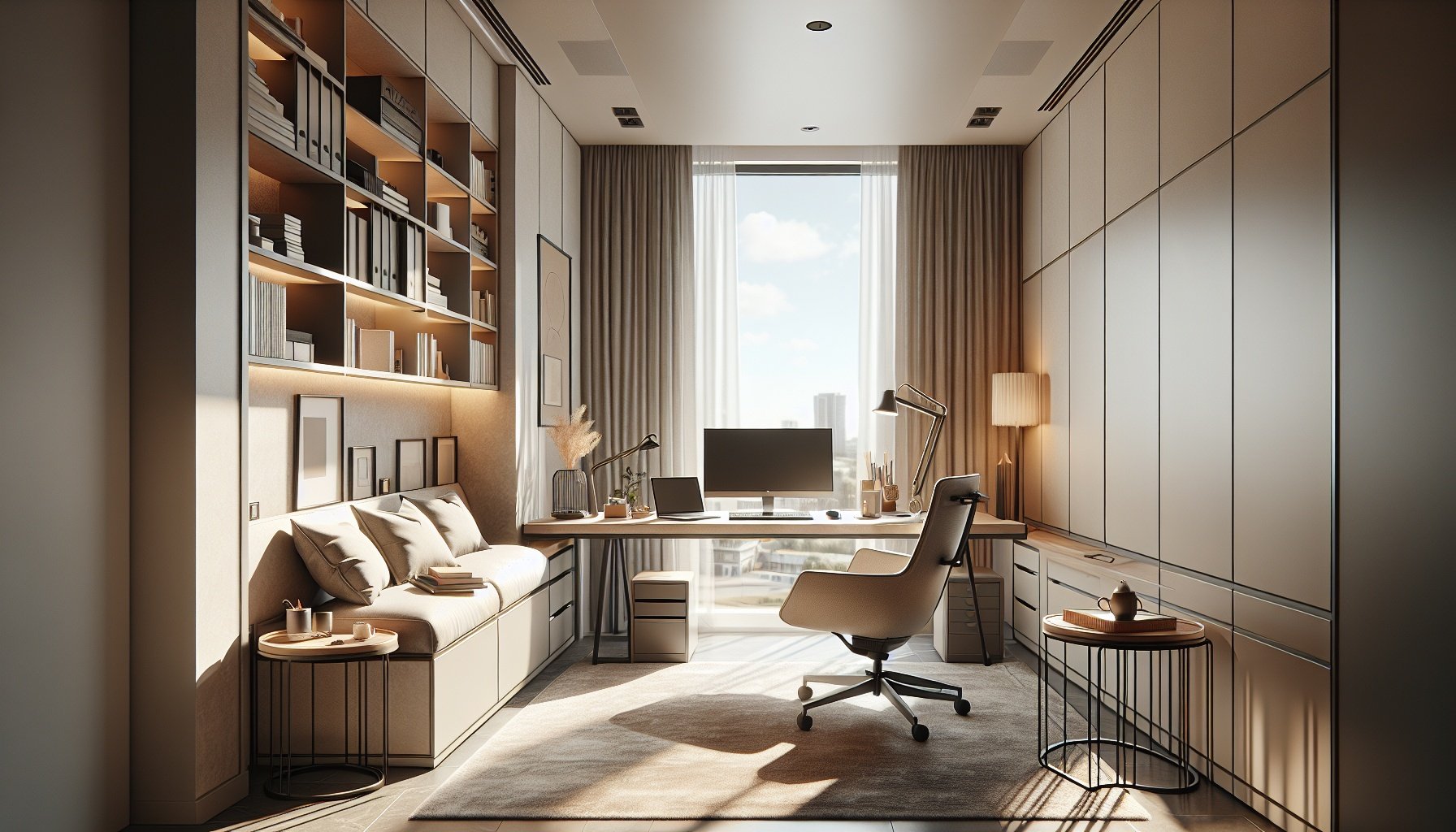
Built-ins and well-planned shelving turn a home office retreat into a calm, organized workspace that still feels personal. A wall of painted cabinetry in a soft neutral frames the desk and hides printers, cables, and files behind simple shaker doors, keeping surfaces clear and stress low. Open shelves above can hold daily tools in labeled baskets, stacked reference books, and a few framed photos or travel mementos. A slim picture ledge near a window displays small artwork or inspirational quotes without adding visual clutter. Deep lower cabinets with adjustable shelves handle reams of paper and gear, while a narrow counter between uppers and lowers becomes a landing zone for chargers and notebooks, supporting productivity without disturbing the relaxed retreat feel.
Good to Know: Sustainable materials like reclaimed wood and low-VOC paints in home office retreats minimize environmental impact while creating cozy, eco-friendly personal sanctuaries.
Source: ScienceDirect
Creating a mini relaxation zone with soft seating, greenery, and stress-reducing design touches
A mini relaxation zone turns a hard‑working home office retreat into a place where tension eases quickly. A compact lounge chair, upholstered bench, or plush porch-style rocker with a small ottoman creates a soft landing spot separate from the main desk. A narrow accent table holds a lamp with a warm bulb, a favorite book, or a cup of coffee. Greenery adds instant calm: a snake plant in a clay pot near a window, a trailing pothos on a stool, or a small herb planter on the sill keeps the space feeling alive. Stress-reducing touches, such as a textured throw, a woven rug underfoot, soft instrumental music, or a subtle lavender diffuser, encourage brief, restful breaks between tasks.
Conclusion
A home office retreat combines functionality with relaxation, allowing individuals to separate work from leisure in a dedicated space. A calm layout, clear task zones, and smart cable and tech placement keep the room organized and focused, while meeting and creative areas support different kinds of work without clutter or distraction. Design details then carry the space even further, as colors, textures, finishes, and personal décor shift the room from a simple workstation into a peaceful, inspiring hideaway. When productivity planning and retreat-style comfort come together, the home office starts to feel like a place that gives energy back instead of draining it. Now is a great time to reimagine that workspace as a true retreat that supports both focus and well-being.
Frequently Asked Questions
- What is a home office retreat, and how is it different from a regular home office?
- A home office retreat is a workspace designed to feel relaxing, inspiring, and functional all at once. It blends comfort, productivity, and personal style so work time feels less like a chore and more like a calm daily routine.
A regular home office often focuses only on basics: a desk, a chair, a computer, and storage. A home office retreat goes further by:
– Adding comfort elements such as a supportive ergonomic chair, footrest, soft throw, or cozy rug.
– Using calming colors, warm lighting, and natural materials to reduce stress.
– Including personal touches such as art, plants, family photos, or collectibles that reflect personal taste.
– Creating a clear layout that separates focused work zones from reading or thinking areas.The goal is a space that feels like a small getaway inside the home, where focus comes easier and long work sessions feel less draining.
- What are the most important elements for comfort in a home office retreat?
- Comfort in a home office retreat starts with how the body feels during long work sessions. Key elements include:
1. Ergonomic seating
– A chair with lumbar support, adjustable height, and armrests.
– A seat cushion if the chair is firm, plus a small pillow for the lower back if needed.2. Desk height and layout
– A desk height where forearms can rest parallel to the floor.
– Enough space for a keyboard, mouse, and writing area without feeling cramped.3. Lighting that reduces eye strain
– A mix of natural light and warm task lighting.
– A desk lamp with adjustable brightness aimed away from screens to cut glare.4. Soft finishes and textures
– A rug under the desk, especially on hard floors, to cut echo and add warmth.
– Curtains or shades that soften daylight while preventing screen glare.5. Temperature and airflow
– A small fan or space heater, depending on the climate.
– A layout that does not block air vents.Combining these elements turns the office area into a place where the body stays relaxed and energy lasts longer through the day.
- How can a home office retreat be set up to boost productivity?
- Productivity in a home office retreat depends on layout, organization, and how well the space limits distractions.
Helpful strategies include:
– Zoned layout: A main workstation for computer tasks and a separate chair or corner for reading, calls, or planning. Changing zones helps the brain switch tasks more easily.
– Clear desk surfaces: Only daily tools stay on the desktop: computer, notepad, pen cup, and perhaps one plant or lamp. Everything else has a designated drawer, shelf, or bin.
– Cable control: Cable trays, clips, or sleeves keep cords off the floor and out of sight, which reduces visual clutter and trip hazards.
– Task-based storage: Bins or files labeled by project or category so items can be reached fast and put away fast.
– Sound control: Soft furnishings, door seals, or white noise to block household sounds. In busy homes, a solid-core door or weatherstripping around the frame helps a lot.
– Routine-friendly design: A wall calendar, pinboard, or whiteboard within arm’s reach to track priorities without constant app switching.This kind of setup supports deep focus, reduces time wasted searching for items, and helps work wrap up more smoothly at the end of the day.
- What design choices help a home office retreat feel stylish without losing function?
- Style in a home office retreat works best when it supports comfort and focus instead of fighting it. Strong choices include:
– Color palette with purpose: Soft neutrals (grays, creams, warm whites) with one or two accent colors, such as deep blue or forest green, keep the space calm and polished.
– Coordinated storage: Matching baskets, file boxes, or cabinets keep paperwork and supplies hidden while adding a clean, finished look.
– Statement piece: One standout item—like a wood desk, a modern light fixture, or a bold piece of wall art—adds personality without clutter.
– Balanced decor: A few framed prints, a plant or two, and one personal photo create a lived-in feel. Shelves stay partly open to prevent a busy, crowded look.
– Consistent materials: Repeating wood tones, black metal, or brushed brass throughout hardware and furniture ties the room together.These design moves create a stylish space that still performs as a serious workplace, with beauty and practicality working hand in hand.
- How can a home office retreat fit into a small space or shared room?
- A home office retreat works even in tight spaces with smart space planning and multi-use furniture.
Approaches that help:
– Wall-mounted or compact desks: Fold-down desks or narrow writing tables fit into corners, hallways, or under windows.
– Vertical storage: Floating shelves, pegboards, or wall grids move supplies off the floor and keep the footprint small.
– Room dividers: Bookshelves, curtains, or folding screens create a visual boundary between work and living areas, which helps with focus.
– Dual-purpose furniture: A storage bench that holds office supplies, or a console that doubles as a desk during work hours.
– Color and lighting separation: Using a slightly different paint color on the office wall, or a distinct desk lamp, makes the area feel like its own retreat even inside a bedroom or living room.Even a small nook can become a calm, focused spot when clutter is limited and every item has a clear job.
- What role does natural light and greenery play in a home office retreat?
- Natural light and greenery add both comfort and health benefits to a home office retreat.
Natural light:
– Helps regulate the body’s internal clock, supporting better energy during the day and sleep at night.
– Reduces eye strain compared to harsh overhead lighting.
– Makes colors and materials in the room feel more inviting and true.Keeping a desk near a window, using light-filtering shades, and placing monitors perpendicular to the light source help capture sunlight without glare.
Greenery:
– Houseplants soften sharp lines from technology and furniture.
– Certain plants, like snake plants and pothos, tolerate low light and need little maintenance.
– A couple of plants on a windowsill, shelf, or floor stand create a more natural, relaxed atmosphere.Together, daylight and plants turn the office into a fresher, calmer setting that supports steady focus and a better mood through long workdays.
- How can a home office retreat stay organized over time instead of becoming cluttered again?
- Long-term organization in a home office retreat comes from simple systems that are easy to keep up with.
Strong habits and setups include:
– Daily reset: A 5–10 minute tidy at the end of each workday to file papers, close notebooks, and clear the desk surface.
– Defined landing spots: A single tray or bin for incoming mail, receipts, and loose notes so they do not spread across the desk.
– Labeling everything: Clear labels on file folders, bins, drawers, and shelves reduce guesswork and make it simple to put items back.
– Paper limits: Scanning documents and saving digital copies keeps file drawers from overflowing. Only essential hard copies stay on hand.
– Supply check: A quick weekly look at printer ink, paper, pens, and sticky notes to avoid last-minute scrambles.
– Seasonal review: Once each season, old projects are archived or recycled, and unused items are donated or stored elsewhere.These routines keep the retreat feeling spacious, calm, and ready for focused work day after day.
Categories
Home Improvement Tips & Tricks