
Home Improvement TV Shows: From DIY Classics to Modern Makeovers
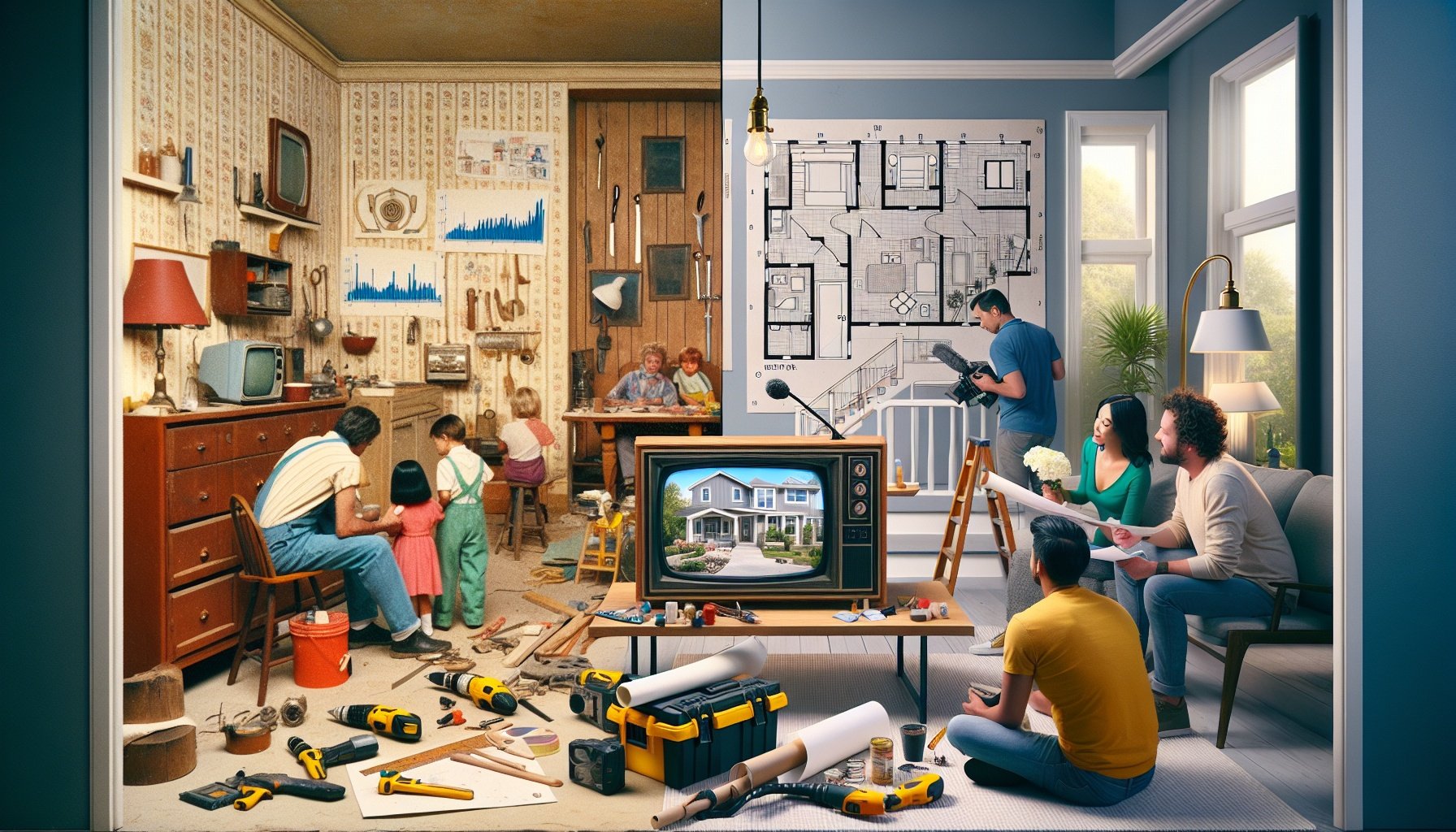
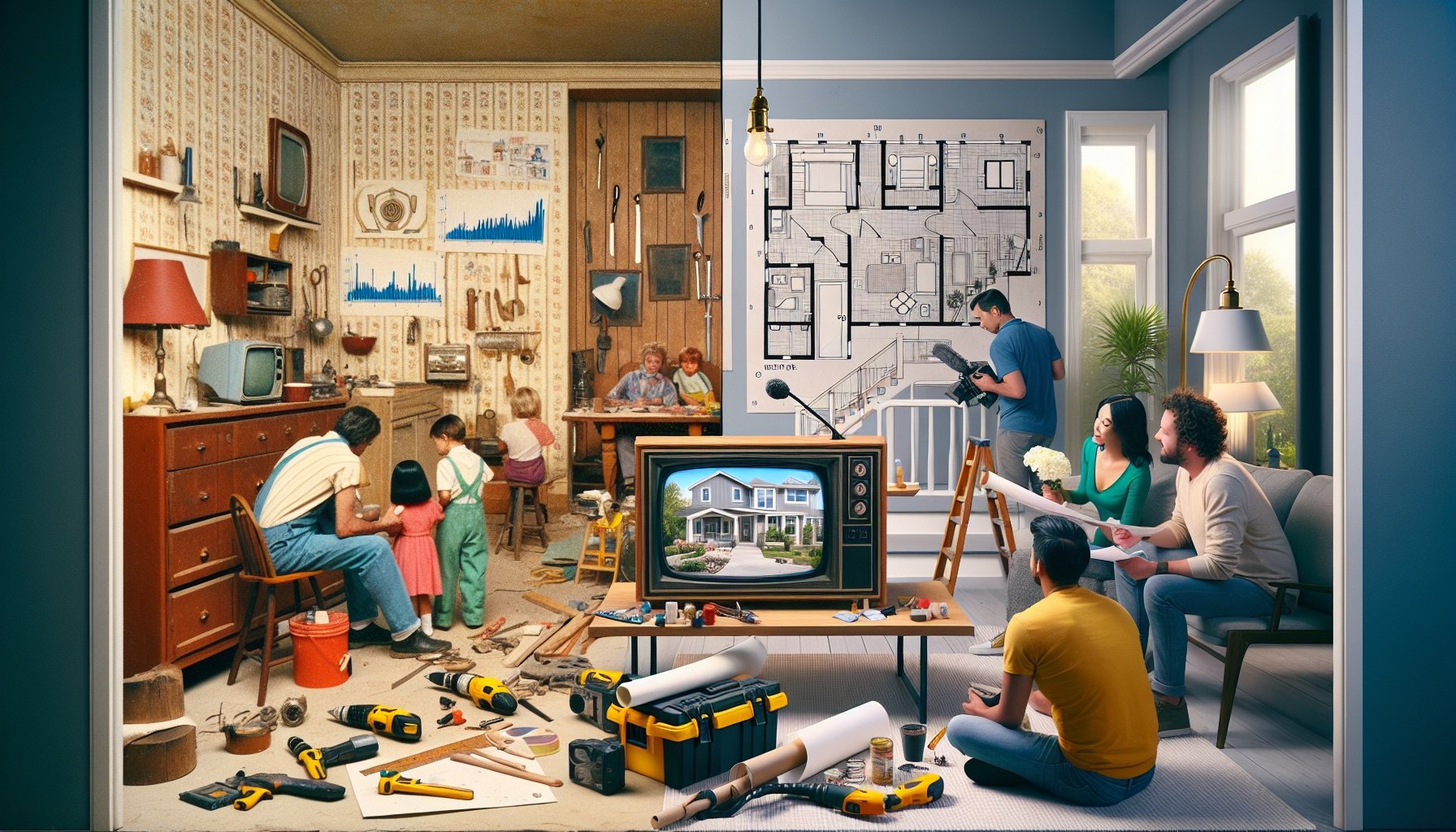
The genre of Home improvement television has grown significantly since the 1970s, starting with educational formats focused on simple DIY projects and gradually transforming into high-energy, high-style reality and streaming hits. Early programs brought skilled carpenters, gardeners, and repair experts into living rooms, turning step-by-step demonstrations into something that felt both friendly and attainable. Those roots set the stage for more ambitious storytelling built around full-home renovations, from aging farmhouses in New England to storm-weathered cottages on the Gulf Coast. As the years passed, charismatic hosts, design duos, and contractor teams turned sawdust and blueprints into drama, emotion, and big reveal moments that reshaped taste, trends, and even neighborhood curb appeal. Modern series now push the evolution even further, mixing smart home technology, energy-efficient upgrades, and eco-friendly materials with a strong sense of place, whether it is a sleek city loft or a colorful Central Louisiana bungalow built to handle heat and humidity. Streaming platforms and social media keep projects and personalities in the spotlight long after the credits roll, while regional design—from Southern porches and metal roofs to raised foundations and bold Creole colors—adds fresh character to every makeover. From early how-to lessons to today’s binge-worthy renovations, home improvement TV keeps finding new ways to blend education, creativity, and entertainment, turning everyday houses into stories worth watching.
Quick Navigation:
From Instructional Beginnings to Renovation Storytelling | Reality TV Era: Personalities, Drama, and Design Trends | Modern Makeovers: Technology, Sustainability, and Local Influence | Frequently Asked Questions
From Instructional Beginnings to Renovation Storytelling
As simple how-to lessons gave way to full-scale makeovers, home improvement shows also began shifting how renovation stories were told. Instead of just teaching a skill, producers started following families, neighborhoods, and even whole towns as homes changed alongside lives. Budgets, timelines, and unexpected setbacks became part of the tension, turning projects into mini-dramas with personal stakes. Music, editing, and before-and-after comparisons added emotional impact, making each transformation feel like a fresh start. This move from pure instruction to rich storytelling shaped new formats, from budget flips to luxury overhauls, setting the stage for a deeper look at how renovation narratives are built.
1970s–1980s: Public TV how‑to shows and the birth of on-screen DIY education
During the late 1970s and 1980s, public television became the classroom for a new kind of on‑screen DIY education. Viewers gathered around programs like PBS’s *The Victory Garden* and *Hometime*, where projects were broken into clear, manageable steps and explained with patient, teacher‑style pacing. *This Old House*, which debuted in 1979, stood out by following a single property through an entire renovation season, mixing job‑site lessons with tours of lumberyards, millwork shops, and historic neighborhoods. Workshops, basements, and real backyards replaced glossy studio sets, making the work feel attainable. Basic tool safety, material selection, and code‑conscious building became regular topics, laying the foundation for later home improvement shows to push beyond simple fixes into full‑scale, narrative‑driven transformations.
Pro Tip: Home improvement television shows originated in the 1970s with public broadcasting programs like ‘This Old House,’ which popularized DIY renovations and ran continuously for over 40 years, influencing modern series on cable networks.
Source: Wikipedia
This Old House and the shift from simple tips to full-scale renovations
This Old House pushed home improvement TV far beyond quick tips by treating each house as a long‑term character. Instead of isolated repairs, crews tackled full-scale renovations, from gutting kitchens to rebuilding foundations, while cameras followed every stage. Expert hosts like Bob Vila and later Norm Abram and Tom Silva walked through plumbing reroutes, structural fixes, window retrofits, and energy‑efficiency upgrades that most shows never touched. Complex topics such as moisture control, HVAC planning, and historic preservation entered living rooms alongside paint colors and trim choices. Budgets, timelines, and homeowner decision‑making became part of the narrative, turning renovation into an unfolding story rather than a single weekend project and setting the blueprint for modern makeover formats that balance drama with technical depth.
Pro Tip: Technological advancements in 2024-2025 home improvement TV include augmented reality integrations, allowing viewers to visualize renovations on their devices through apps linked to shows like ‘Fixer Upper’ reboots.
Source: IEEE Xplore
Expansion into specialty niches: woodworking, gardening, and repair-focused series
As whole‑house renovation formats gained traction, home improvement TV also branched into specialty niches that drilled deep into specific skills. Woodworking shows such as The New Yankee Workshop highlighted precision joinery, shop safety, and furniture building, turning the workshop into its own stage. gardening programs like The Victory Garden shifted focus outdoors, guiding planting plans, soil prep, and seasonal maintenance while tying landscapes to regional climates. Repair‑focused series zeroed in on appliance fixes, tool use, and preventive maintenance, proving that small, targeted jobs could stretch a home’s lifespan. These niche programs complemented large renovation narratives by giving viewers detailed, task‑level knowledge and building a wider ecosystem of shows that covered nearly every corner of home care and improvement.
Reality TV Era: Personalities, Drama, and Design Trends
As renovation stories grew bigger and more emotional, a new phase arrived where home improvement started to look a lot like reality TV. Cameras followed families through tight budgets, surprise problems behind the walls, and the pressure of fast turnarounds, turning construction setbacks into weekly cliffhangers. Designers became celebrities with signature looks, catchphrases, and instantly recognizable color palettes. Trend cycles sped up as open-concept layouts, farmhouse sinks, shiplap walls, and bold “before-and-after” styling spread from TV screens into neighborhoods, setting the stage for a reality-driven era built on personalities, drama, and ever-changing design trends.
Expert Insight: Economically, U.S. home remodeling spending influenced by TV shows rose 5% in 2025 to USD 450 billion, with programs emphasizing sustainable materials boosting eco-friendly project investments.
Source: Fixr.com
Rise of host-driven shows: charismatic experts, contractor duos, and design stars
As reality-style formats took off, host-driven home improvement shows became the main attraction. Charismatic experts turned construction knowledge into entertainment, translating contractor jargon into clear, confident plans. Dynamic contractor duos appeared on screens across the country, playing off each other’s strengths as they solved problems, argued over budgets, and pulled long nights to finish reveal-day deadlines. Design stars stepped into the spotlight with strong personal styles—modern farmhouse, mid‑century cool, or bold New Orleans color—and built loyal followings that shaped national trends. Their names became brands, leading to paint lines, tool endorsements, and curated furniture collections. Instead of just watching a project, audiences followed favorite personalities from one renovation adventure to the next, season after season.
Competition formats, timed challenges, and the influence of makeover reveals
Reality-style competition formats pushed home improvement TV into faster, higher-pressure territory. Timed challenges turned construction and design into a race, forcing crews to demo, rebuild, and decorate entire spaces in days or even hours instead of weeks. Bracket-style contests, elimination rounds, and scoring from judges or guest experts rewarded bold choices, dramatic transformations, and tight budgeting. The clock became a character, driving suspense as teams rushed to finish tile work, paint, and staging before the final countdown. Makeover reveals then delivered the emotional payoff, using dramatic music, sweeping camera moves, and before-and-after shots to highlight every change. That reveal moment shaped audience expectations, making instant, high-impact transformations feel normal and pushing design trends to flip faster from season to season.
Quick Insight: Surprisingly, streaming platforms in 2025 captured 45% of home improvement show viewership, surpassing traditional cable by enabling interactive features like real-time tool tutorials and viewer-submitted projects.
Source: DataReportal
Impact on trends: open-concept living, farmhouse style, and curb appeal makeovers
As reality-driven formats gained steam, design trends started moving in fast, highly visible waves. Open-concept living became a default goal, with walls knocked down in dramatic demo scenes to create “one big gathering space.” Farmhouse style, boosted by shiplap walls, sliding barn doors, and matte black fixtures, spread from a regional look to a national craze as the same elements appeared episode after episode. Curb appeal makeovers turned front yards and facades into mini-reveals of their own, using quick fixes like bold front door colors, new house numbers, and simple landscaping to create instant “wow” moments that matched the pace of the on-screen timelines and made exterior upgrades feel as essential as interior transformations.
Modern Makeovers: Technology, Sustainability, and Local Influence
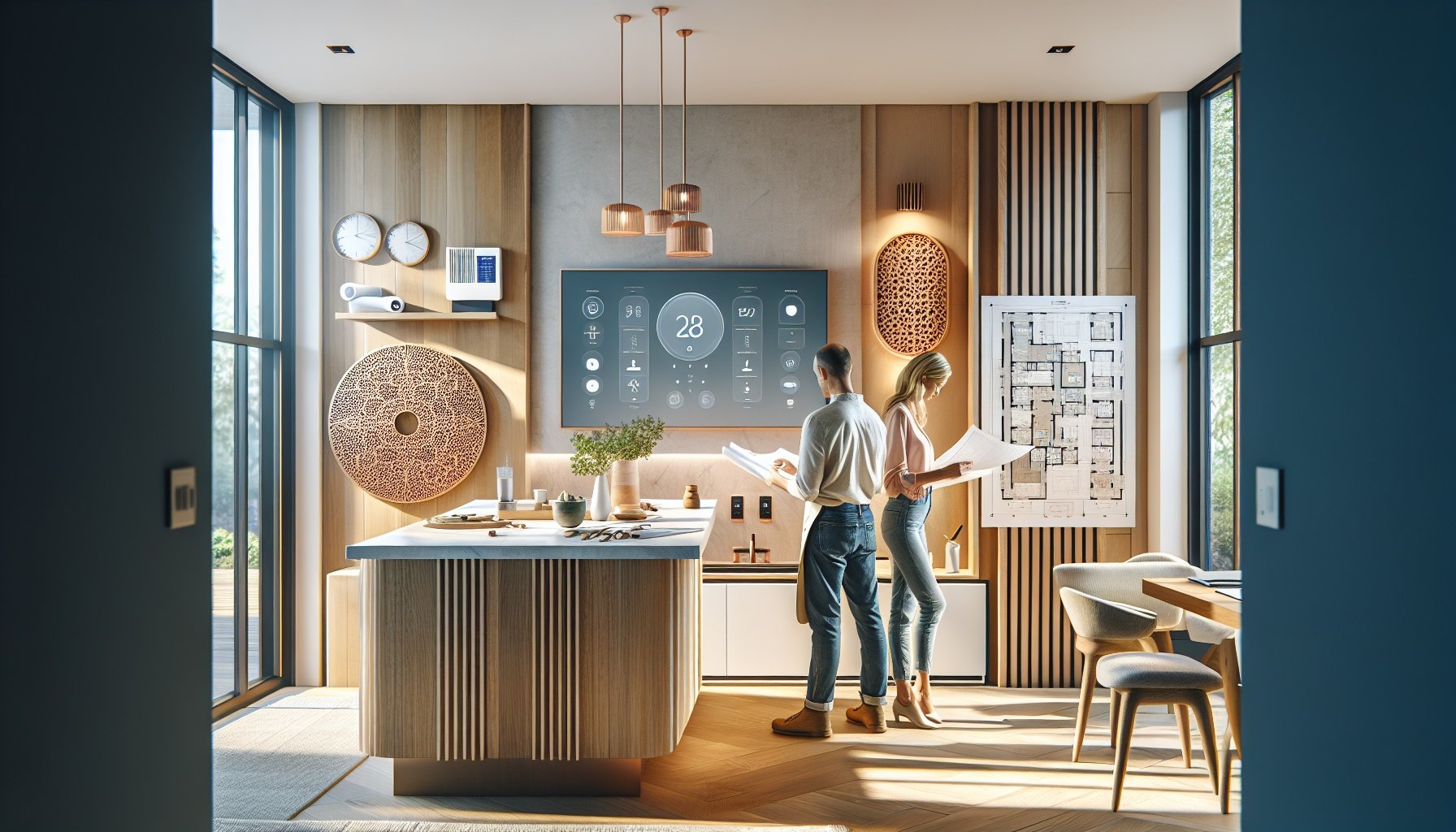
As story-driven renovations took center stage, home improvement shows began leaning into a new kind of makeover, shaped by technology, sustainability, and local culture. Smart thermostats, app-controlled lighting, and whole‑home Wi‑Fi now share screen time with reclaimed wood, high‑efficiency Windows, and low‑VOC paints. Designers balance sleek, modern comforts with the character of each place, from solar‑ready roofs in sunny parishes around Central Louisiana to storm‑resistant upgrades along the Gulf. Local artists, craftspeople, and regional building codes increasingly guide these projects, turning every renovation into a showcase of how modern homes can be connected, efficient, and rooted in their communities.
Quick Insight: Home improvement TV shows have culturally shifted from male-dominated narratives in the 1990s, like ‘Home Improvement’ with Tim Allen, to inclusive formats in 2025 featuring diverse hosts and family-focused projects.
Source: BBC Culture
Smart home tech, energy efficiency, and eco-friendly building materials on screen
Recent renovation series layer smart home tech and sustainability into the storytelling, turning gadget choices and green upgrades into key plot points. Tablets on camera control app-based thermostats, smart lighting scenes, video doorbells, and leak sensors, while experts explain how automation trims energy use over time. Energy-Efficient windows, spray-foam insulation, and high‑SEER heat pumps show up in side-by-side utility bill comparisons, making efficiency as dramatic as a big reveal. Eco-friendly building materials move from niche to normal: low-VOC paints, reclaimed wood beams, recycled-glass countertops, and metal roofs designed for solar panels. Some episodes highlight net‑zero-ready homes, EV chargers in garages, and rainwater collection, turning sustainability into part of the “after” shot right alongside fresh tile and new furniture.
Worth Noting: In 2024, the global home improvement market reached USD 894.2 billion, driven partly by television shows that inspire viewers to undertake renovations, with projections to hit USD 1.32 trillion by 2034.
Source: Global Market Insights
Streaming platforms, binge-worthy series, and social media tie-ins
Streaming platforms turned home improvement into true binge material, shifting from weekly episodes to full-season drops that follow a renovation from Demolition to décor without long breaks. Services like Netflix, Max, and Hulu stack design competitions, small-space makeovers, and fixer-upper series side by side, so viewers jump from smart tech upgrades to budget-friendly flips in a single night. Many shows build second lives on social media, where designers post before-and-after reels, product links, and bonus tours that extend the story beyond the final reveal. Hashtags guide fans to room-by-room breakdowns, paint colors, and appliance brands, while TikTok challenges and Instagram polls let audiences vote on tile patterns, cabinet stains, and even smart thermostat locations, tightening the loop between screen, style, and real homes.
Spotlight on regional styles, including Southern and Central Louisiana design, climate, and culture in televised renovations
Modern renovation shows increasingly treat location as a main character, and regional style often drives the entire makeover concept. Southern projects lean into wide porches, tall windows, and shady outdoor rooms that handle long, humid summers while keeping energy use in check. Central Louisiana homes on screen often feature raised foundations, metal roofs, and durable siding that can stand up to heavy rain, heat, and the occasional storm season. Designers blend Acadian and Creole influences with contemporary layouts, mixing cypress beams, brick floors, and soft neutral palettes with modern fixtures. Storylines highlight crawfish boils on new patios, LSU game-day gatherings in refreshed living rooms, and kitchen layouts built around gumbo pots and family-size dining tables, turning cultural traditions into design priorities.
Conclusion
Home improvement television has come a long way since the early days of simple DIY how‑to segments. Educational classics laid the groundwork, then reality-style renovations brought big personalities, tight budgets, and nail‑biting setbacks to the screen. Trendsetting designs, from shiplap walls to open‑concept layouts, turned TV projects into national style movements.
Today’s shows push even further, pairing design drama with smarter planning, better materials, and story-driven makeovers that fit each local community. From modest starter homes to high-end dream spaces, every format highlights what is possible with clear vision and thoughtful upgrades.
With so many ideas and inspirations on screen, this is the perfect time to look at any space with fresh eyes and imagine the next great transformation waiting to happen.
Frequently Asked Questions
- How did home improvement TV shows get started, and what were the early programs like?
- Home improvement TV shows began gaining momentum in the 1970s with educational, how‑to style programs focused on basic repair and maintenance. Early shows were often filmed in simple studio settings or real workshops, with hosts demonstrating skills step by step.
These early series:
– Focused on skills like carpentry, plumbing, painting, and simple electrical work
– Used straightforward language and slower pacing so viewers could follow along
– Put more emphasis on learning than on dramatic makeovers or personal storiesPublic television played a big role in this era. Programs tended to feature craftsmen and contractors rather than TV personalities. The goal was to teach homeowners the basics so small repairs and upgrades at home felt less intimidating.
This educational foundation laid the groundwork for later shows that added bigger transformations, more personality, and eventually full design‑driven renovations.
- How did home improvement shows change from simple DIY lessons to full makeover and renovation shows?
- Home improvement TV slowly shifted from basic DIY lessons to makeover formats as audiences started looking for more entertainment and visual impact.
Key changes included:
1. Bigger before‑and‑after transformations
Instead of only showing how to patch drywall or install a faucet, shows started focusing on full room or whole‑house makeovers. The dramatic reveal at the end became the highlight.2. Design and décor at center stage
Interior designers joined contractors and carpenters on camera. Color palettes, furniture choices, lighting, and layout became just as important as the construction work.3. Faster timelines and tighter editing
Renovations that take weeks or months in real life were edited into a single episode. This created more excitement and a sense of instant transformation.4. Personal stories and emotional angles
Families, their struggles, and their goals for a home started driving the narrative. Projects became about comfort, lifestyle, and dreams, not just fixing problems.House‑flipping series, competition shows, and luxury renovation programs grew out of this shift, all built on the original DIY foundation but with a stronger focus on visual drama and storytelling.
- What are the main types of home improvement TV shows seen today?
- Modern home improvement television covers several popular formats, each focusing on different parts of construction and design.
Common types include:
1. How‑to and instructional shows
These still teach skills like tiling, framing, painting, and basic repair, often with tool tips, safety notes, and step‑by‑step demonstrations.2. Makeover and renovation shows
These shows transform kitchens, Bathrooms, living rooms, or entire homes. They highlight floor plan changes, structural upgrades, and updated finishes.3. House‑flipping and real estate renovation shows
These track investors or couples who buy distressed properties, renovate them, and try to sell for a profit. Budgets, timelines, and market value are major themes.4. Design‑focused and luxury build shows
These programs lean into custom homes, high‑end finishes, and architectural details. Unique materials, large outdoor spaces, and special features like pools or smart systems are often highlight points.5. Competition and challenge shows
Designers, DIYers, or builders compete to create the best room, tiny house, or outdoor space within strict budgets and short deadlines.6. Niche and specialty shows
These focus on cabins, tiny homes, historic properties, off‑grid builds, or specific trades like landscaping, concrete work, or woodworking.Across all types, modern shows tend to balance construction know‑how with design inspiration and storytelling.
- How accurate are home improvement TV shows compared to real‑life renovation projects?
- Home improvement TV often compresses and simplifies real‑life renovation work. The core construction tasks shown are usually real, but the full process behind them is much longer and more complex than it appears on screen.
Key differences from real projects include:
– Timeline: Renovations on TV can appear to finish in days or a few weeks. Off camera, planning, permits, inspections, ordering materials, and resolving issues can take months.
– Budget: Some costs are reduced through sponsorships, discounts, or partnerships. Labor may be partially covered for the production, which does not reflect typical homeowner expenses.
– Crew size: Behind each on‑screen host, there is usually a large crew of skilled tradespeople working long hours to meet filming schedules.
– Hidden issues: Shows often show a single surprise like bad wiring or rot for drama, but real projects can reveal multiple issues that increase time and cost.
– Design decisions: Many design choices have been made in advance of filming. Viewers often see only the highlights instead of the full planning process.
The excitement and inspiration are very real, but actual renovations require more planning, patience, and contingency budgeting than television suggests.
- How have streaming platforms changed home improvement TV?
- Streaming platforms have reshaped home improvement television by changing how, when, and what audiences watch.
Major changes include:
1. On‑demand viewing and binge‑watching
Viewers can watch full seasons of renovation shows back‑to‑back. This makes trends, design styles, and certain personalities spread faster.2. More niche and specialized content
Streaming services support shows focused on tiny homes, container houses, cabins, sustainable building, or very specific design styles. Niche topics that might not fill a network schedule can still find strong audiences.3. Global influences
Viewers can watch renovation and design shows from other countries and pick up different approaches to layout, materials, and space planning.4. Cross‑over with social media
Many streaming hosts also share behind‑the‑scenes content, how‑to clips, and product links on platforms like YouTube, Instagram, and TikTok.5. Flexible episode styles
Streaming allows shorter or longer episodes, limited series, and experimental formats that do not have to fit a strict broadcast time slot.The result is a wider range of home improvement content, from quick DIY tips to long‑form series that follow multi‑year builds.
- What impact have home improvement TV shows had on real‑life home design and renovation trends?
- Home improvement TV has a major influence on how homes across the country are updated, furnished, and decorated.
Common impacts include:
– Popular materials and finishes: Choices like white shaker cabinets, subway tile, quartz countertops, open shelving, and luxury vinyl plank flooring spread quickly after frequent TV exposure.
– Open‑concept layouts: Wall removals to combine kitchens, dining rooms, and living areas became highly desirable after being showcased repeatedly on renovation shows.
– Outdoor living spaces: Decks, patios, outdoor kitchens, and fire pits gained more attention as shows highlighted backyard makeovers.
– Focus on resale value: Many programs talk about return on investment, which encourages homeowners to think more about future buyers when planning projects.
– Smart home features: Cameras, smart thermostats, keyless entry, and integrated lighting systems appear more often as technology becomes part of the design conversation.
– Bolder design choices: Accent walls, patterned tile, statement lighting, and mixed metals feel more approachable after being seen completed successfully on screen.
These trends move fast, so some designs that became popular through television can also start to feel dated if repeated too often.
- How do modern home improvement shows balance DIY education with entertainment?
- Modern home improvement shows blend teaching and entertainment by weaving practical tips into engaging stories and high‑impact visuals.
Common ways this balance works:
1. Step highlights instead of full tutorials
Instead of showing every single cut or measurement, shows highlight key steps, tool choices, and safety tips, then jump ahead through editing.2. On‑screen graphics and animations
Floor plan animations, material callouts, and measurement graphics help explain what is happening without slowing the pace too much.3. Personality‑driven hosting
Hosts share jokes, mistakes, and personal preferences while working. This keeps things light while still showing real techniques and construction sequences.4. Before‑and‑after focus
The emotional impact of a reveal keeps audiences engaged, while quick cutaways show important parts of the build, such as framing, rough‑ins, and finishing details.5. Short project tips within larger makeovers
Many episodes drop in small segments about painting tricks, tool maintenance, material selection, or layout planning within the bigger renovation story.This mix keeps experienced builders interested in the construction details while still appealing to casual viewers who watch mainly for inspiration and the dramatic transformations.