Ancient Cob Houses: Affordable, Sustainable Building Solutions
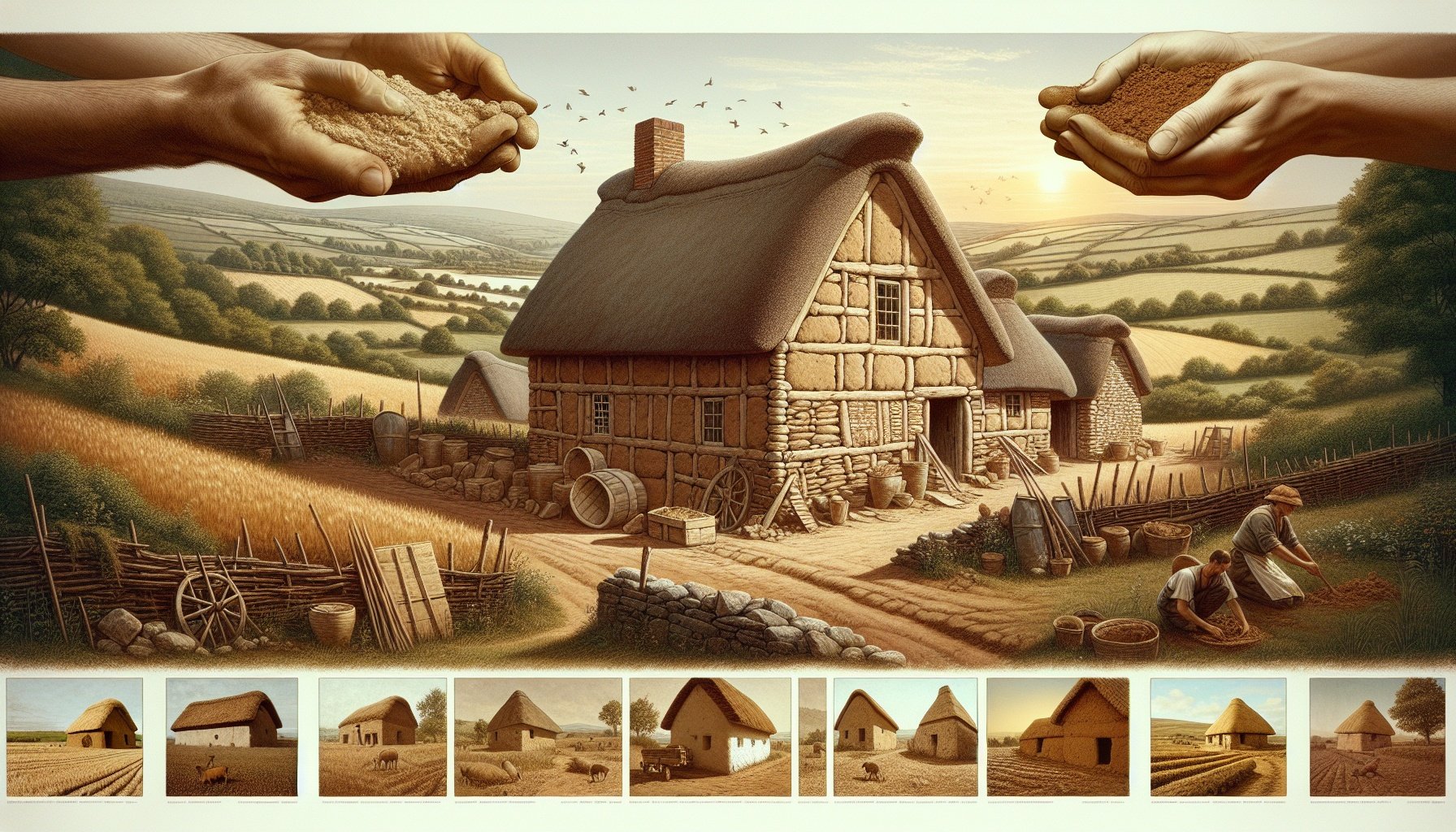
Sky‑high construction costs and flimsy, cookie‑cutter houses leave many families stuck between overpriced mortgages and homes that just do not feel grounded or lasting. Rising energy bills, stuffy indoor air, and worry about hurricanes, heavy rains, and wildfires only add to the stress of planning a new build. Ancient cob construction, made from simple ingredients like sand, clay, straw, and water, offers a very different path that feels both sturdy and down‑to‑earth. The recent feature Ancient ‘cob house’ building technique may be key to cheap sustainable homes: ‘All the comforts of home and the natural world’ highlights how this 10,000‑year‑old method is gaining traction as a low‑cost, fire‑resistant, and highly customizable option that stands apart from synthetic concrete and drywall.
Quick Navigation:
Origins and Core Principles of Cob House Construction | Affordable, Sustainable Advantages of Cob Homes | Practical Challenges and Modern Solutions for Cob Construction | Frequently Asked Questions
Many homeowners dream of a space that stays cool through a Central Louisiana summer, feels warm and solid in a damp winter, and does not off‑gas chemicals into the air. Instead, projects often run into expensive materials, complicated HVAC systems, and constant worries about mold, rot, or storm damage. There is also frustration with designs that cannot bend or curve, forcing square rooms and straight walls that do not match a more natural style. Cob construction promises thick earthen walls with thermal mass, organic shapes, and built‑in features that feel more like sculpture than standard framing.
Still, a lot of questions stand in the way: how to work with local soils from Louisiana’s river plains, how to protect earthen walls from heavy Gulf Coast rains, and how to satisfy building codes and inspectors who may not know cob. There is concern about getting utilities, wiring, and insulation right without losing the natural benefits of the material. Balancing old‑world building wisdom with modern safety standards, comfort expectations, and long‑term durability can seem overwhelming. Exploring the roots of cob, its cost‑saving advantages, and practical modern solutions creates a clear path toward affordable, sustainable homes that feel connected to the land.
Origins and Core Principles of Cob House Construction
Long before concrete trucks and nail guns, cob homes rose from farm fields and riverbanks using knowledge passed down by hand and habit. From the cliffs of the British Isles to sun‑baked villages in the Middle East and Africa, families shaped thick earthen walls that stayed comfortable through hot days, cool nights, and changing seasons. This long history created a clear set of rules: how to balance ingredients, stack walls safely, protect the base from ground moisture, and keep roofs wide and sheltering. These origins and core principles still guide successful cob construction today.
Good to Know: Cob buildings date back over 4,000 years with evidence from ancient Iran and continuous habitation at Taos Pueblo in New Mexico for more than 1,000 years.
Source: Wikipedia
Historical roots of cob building and its relevance to Central Louisiana’s climate
Cob’s story stretches back thousands of years to damp, windy regions of England, Wales, and coastal Europe where thick earthen walls stood up to driving rain and cool, humid air. Similar earthen mixes appear in North Africa and the Middle East, where builders learned to shape dense, breathable walls that stayed cooler by day and warmer at night. Those same principles match Central Louisiana’s humid subtropical climate surprisingly well. High thermal mass in cob slows heat gain during long, hot afternoons, then releases it as temperatures drop, easing summer temperature swings. The vapor-permeable walls help manage indoor humidity when paired with deep roof overhangs, high foundations, and good drainage, creating a sturdy shell suited to Alexandria-to-Lafayette heat, Gulf moisture, and strong storm seasons.
Basic cob recipe: sand, clay, straw, and water working together for strength
Traditional cob relies on a simple mix: sharp sand for bulk and compressive strength, clay as the natural binder, straw as tensile reinforcement, and just enough water to pull everything together. Sand prevents excessive cracking and gives the wall its stone‑like feel once dry. Clay wraps around each grain of sand, locking the mix into a solid mass that resists fire and pests. Long straw fibers act like rebar in concrete, tying the cob together so it can flex slightly during minor ground movement or strong winds. Water activates the clay and allows thorough mixing, but the recipe stays stiff enough to stack in hand‑sized “loafs,” forming monolithic walls that cure into a dense, long‑lasting structure.
Quick Insight: Cob achieves thermal conductivity from 0.12 to 1.06 W/m·K and compressive strength up to 2.02 MPa, providing excellent insulation and structural integrity.
Source: Cardiff University
Passive design principles: thick earthen walls, thermal mass, and natural indoor comfort
Thick cob walls act as a natural battery for heat, soaking it up and releasing it slowly as temperatures shift. During a hot Central Louisiana afternoon, dense earthen walls absorb exterior heat while shaded interiors stay noticeably cooler, especially when paired with deep roof overhangs and porches common across the region. At night or on chilly winter mornings, that stored warmth moves back into the rooms, reducing the need for constant mechanical heating or cooling. This passive design works best when Windows and doors are placed to catch breezes, manage sun exposure, and protect from heavy rain. Properly designed cob homes create a steady, comfortable indoor climate that feels grounded, quiet, and naturally balanced through every season.
Affordable, Sustainable Advantages of Cob Homes
As traditional construction prices climb and energy codes tighten, cob begins to stand out not just as an old idea, but as a smart modern strategy. Beyond simple material savings, cob walls can reduce ongoing utility costs, shrink a home’s carbon footprint, and ease reliance on big-box building supplies that keep getting more expensive. Local earth and on‑site labor cut long trucking distances, while non‑toxic ingredients support healthier living spaces over decades instead of just a few seasons. Step by step, the real value of cob shows up in long-term durability, lower lifetime costs, and gentler impact on the land.
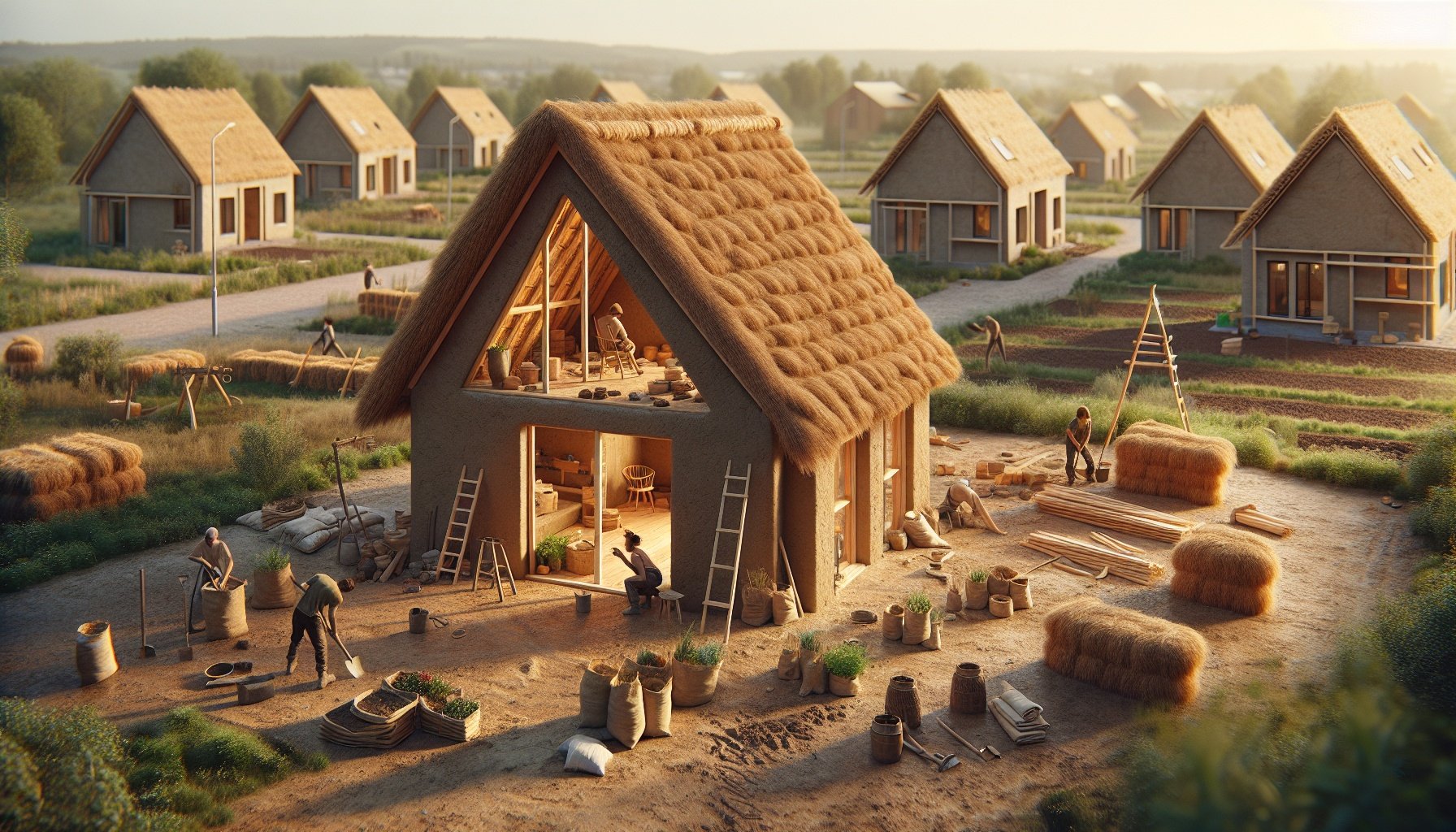
Interesting Fact: Cob construction leverages free local materials like subsoil and straw, enabling affordable homes such as the 2,150 sq ft Baird house built for $210,000 CDN.
Source: Wikipedia
Material sourcing on a budget: using local soils, river sands, and agricultural straw
Material costs for cob drop sharply when ingredients stay close to the building site. Many successful projects start with simple soil tests, using shovels and jars, to locate subsoils with enough clay and sand on the property or nearby. A small amount of imported clay or sand can tune the mix, but most volume usually comes straight from the ground, avoiding long-haul trucking and stacked markups.
River and creek sands often provide the sharp, angular grains that lock cob together, especially where gravel bars or sandbanks are exposed during dry seasons. Farmers frequently welcome buyers for surplus straw from rice, wheat, or oats, turning what might become waste into a structural fiber. Baled straw from local fields supports rural economies and keeps cob walls both affordable and low-carbon.
Energy efficiency, fire resistance, and healthy indoor air compared to synthetic methods
Thick cob walls act as a natural thermal battery, soaking up daytime heat and slowly releasing it as temperatures drop. This thermal mass reduces the need for constant heating or cooling, unlike thin synthetic wall systems packed with foam or fiberglass. Cob also holds no petrochemicals, so it does not off‑gas VOCs or plastic fumes into living spaces. Lime plasters and breathable finishes let moisture pass through instead of trapping it, which helps prevent mold growth and that stale, closed‑up smell common in tightly sealed conventional homes. Dense, mineral‑rich cob and clay plasters resist flame, charring slowly without releasing toxic smoke, giving far more time for escape and limiting fire spread compared to plastic siding, spray foam, and vinyl finishes.
Good to Know: The 2019 International Residential Code appendix approves cob for single-story residential structures, facilitating modern adoption of this ancient technique.
Source: Wikipedia
Customizable designs: curves, niches, built‑in benches, and natural finishes for unique spaces
Cob behaves almost like sculptable stone, so floor plans rarely stay stuck in straight lines. Gently curving walls flow around corners, soften narrow halls, and create cozy inglenooks that standard framing would waste as dead space. Window and door reveals can be thickened into arched niches for books, plants, or lanterns, turning plain openings into practical storage. The same mix that forms the walls can be shaped into built‑in benches around a hearth, along a sunny south wall, or under a deep window seat, reducing the need for extra furniture. Natural plasters, earth pigments, and exposed straw textures add warmth and character, letting each cob home feel like a one‑of‑a‑kind handmade space instead of a copy‑and‑paste box.
Practical Challenges and Modern Solutions for Cob Construction
Traditional cob rules still guide modern builders, but real projects today face a different set of hurdles. Building codes, engineering requirements, and permit reviews expect clear data on strength, fire ratings, and energy performance that ancient cob homes never had to prove on paper. Modern families also ask for indoor plumbing, wiring, insulation upgrades, and sometimes even smart-home features. Weather extremes, longer mortgage terms, and insurance rules raise fresh concerns about durability and risk. These practical challenges have inspired new tools, testing methods, and design tweaks that keep cob’s natural character while meeting today’s standards and expectations.
Moisture and rain protection: roofs, foundations, and plasters suited to Louisiana weather
Cob walls handle Louisiana’s humidity best when kept high, dry, and well‑covered. Builders often pair cob with raised concrete or stone foundations that sit at least 12–18 inches above grade, shedding splashback from hard summer rains. Generous roof overhangs, sometimes 2–3 feet wide, shield walls from Gulf storms, while metal Roofing holds up well against heavy downpours and hurricane‑force winds across Central Louisiana. Breathable exterior plasters become the first line of defense: lime‑based or clay‑lime mixes flex with the cob, allow vapor to escape, and resist mold far better than trapped, plastic-like coatings. At openings, deep earthen window returns, sloped sills, and carefully detailed drip edges move water away fast, preserving both structure and finish over decades.
Did you know? Devon, England, preserves between 30,000 and 40,000 cob buildings including houses, barns, outbuildings, and boundary walls from medieval periods.
Source: WIT Press
Building codes, engineering considerations, and working with local inspectors
Modern cob homes must meet the same building codes as any other house, so most projects start with an engineer’s stamped plans. Many designers treat thick cob walls as a kind of masonry, combining them with reinforced concrete footings, hurricane‑rated connections, and engineered roof systems. This helps satisfy structural, seismic, and high‑wind requirements without losing the natural character of the walls. In places like Central Louisiana, plans often reference International Residential Code (IRC) standards, plus local amendments for hurricane loads and flood zones. Successful projects often invite inspectors to review soil testing, wall samples, and small test panels early. Clear communication, load calculations, and documented fire and structural performance data make inspectors more comfortable approving a cob structure as a safe, code‑compliant home.
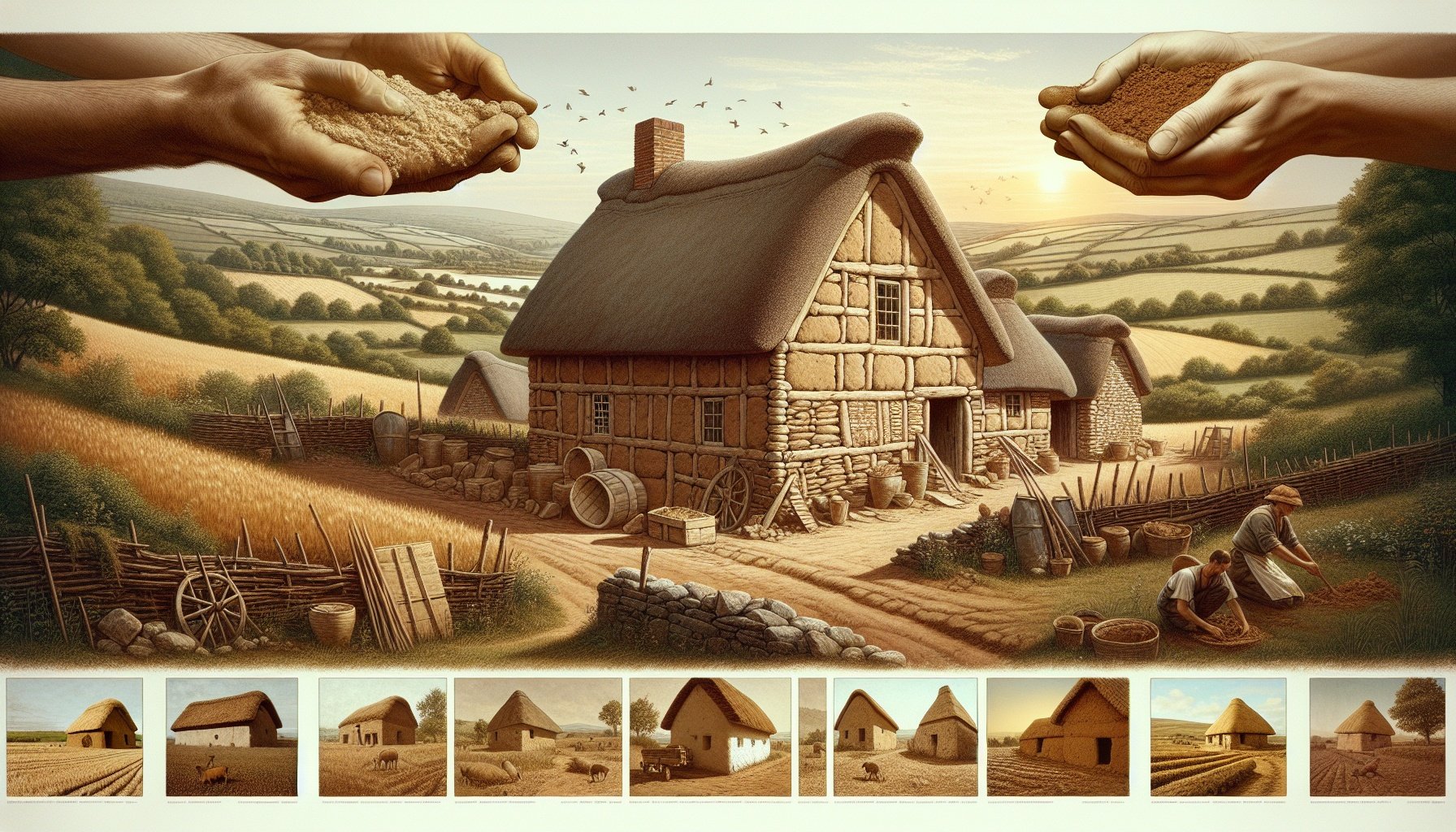
Keep in Mind: Cob walls, typically 24 inches thick, deliver superior thermal mass to maintain stable indoor temperatures, reducing heating and cooling energy needs.
Source: Wikipedia
Blending cob with modern systems: utilities, insulation strategies, and hybrid wall assemblies
Modern cob homes often run electrical and plumbing in planned chases instead of carving into finished walls. Many builders set conduits and boxes on the stem wall, then bury them in a light cob or earthen plaster layer, keeping main cob masses clean and solid. For better energy performance, especially in humid climates, cob’s thermal mass is paired with insulation rather than thickened endlessly. A common approach uses cob on the interior for strength and temperature buffering, with exterior wood-framed Larsen trusses or straw-bale panels providing extra R‑value and a ventilated rain screen. Hybrid wall assemblies might mix cob with light‑clay infill, structural insulated panels on upper stories, or framed south walls with large windows, turning ancient earthen cores into high‑performance, code‑compliant envelopes.
Conclusion
Ancient cob houses show how simple materials like sand, clay, and straw can form strong, beautiful homes that last for generations. The article explores how those same ingredients still create durable, fire-resistant, and highly customizable structures that stand up well when designed with care. Rising construction costs and stricter energy expectations make cob’s low material expenses, thermal performance, and smaller carbon footprint especially appealing. Local soils, on-site labor, and non-toxic mixes support healthier, more sustainable living environments while keeping building grounded in the landscape. Ancient cob wisdom continues to guide modern design, proving that natural building can stay practical, efficient, and inspiring. Exploring cob construction offers a powerful way to reimagine homebuilding as affordable, sustainable, and deeply connected to place.
Frequently Asked Questions
- What is cob, and how is it different from modern building materials like concrete or wood framing?
- Cob is a natural building material made from a simple mix of clay soil, sand, straw, and water. When blended together, these ingredients form a thick, moldable substance that dries into a solid, stone‑like wall.
Unlike concrete, cob contains no Portland cement or industrial additives. It relies on the clay’s natural binding power and the straw’s fiber reinforcement. This gives cob walls strength, flexibility, and impressive durability when protected from heavy, long‑term moisture.
Compared to wood framing, cob does not need stud walls, insulation batts, or sheathing. The wall itself is solid and can be sculpted into curves, niches, benches, and arches. Wood can rot or attract termites if not treated, while cob is mostly soil and does not serve as food for pests.
Cob also offers higher thermal mass than most modern framing systems. Thick cob walls store heat and release it slowly, helping stabilize indoor temperatures. For climates with warm days and cool nights, this can reduce heating and cooling needs when the home is designed correctly. - How affordable are cob houses compared to conventional homes?
- Cob houses can be significantly more affordable than conventional homes, especially when local, on‑site soil is suitable for building and when labor is partly or mostly owner‑built. The main cost savings come from:
- Materials – Clay soil, sand, and straw are typically far cheaper than lumber, drywall, insulation, and manufactured siding. In many areas, subsoil can be excavated directly from a building site.
- Finishes – Cob walls can be finished with natural plasters made from clay or lime, often eliminating the need for expensive interior wallboard and paint systems.
- Energy efficiency – Thick, high‑mass cob walls can help lower ongoing heating and cooling bills when combined with good roof insulation, proper orientation, shading, and ventilation.
However, cob is labor‑intensive. Paying a professional crew to hand‑build cob walls can raise costs, especially in regions with high labor rates. In some cases, a professionally built cob house may cost similar to or slightly less than a conventional custom home but deliver more sustainable, non‑toxic materials and distinctive design. The biggest financial advantage appears when owners participate heavily in the building process and local codes support alternative construction.
- Are cob houses durable and safe, especially in harsh weather or over many decades?
- Cob houses are known for long‑term durability when designed and maintained correctly. Examples in parts of Europe, the Middle East, and Africa have stood for hundreds of years. Their strength comes from:
- Thick solid walls – Cob walls are heavy and monolithic, which helps them resist strong winds and impacts.
- Proper foundations – A raised, water‑resistant foundation (often stone, concrete, or stabilized earth) keeps the cob above splash zones and ground moisture.
- Big roof overhangs – Wide eaves protect walls from heavy rain, snow, and intense sun.
In wet or storm‑prone climates, careful detailing is essential. Cob should not sit directly on the ground or be left unprotected under constant driving rain. Lime plasters, proper drainage, and robust roof design greatly increase longevity.
Safety also depends on meeting structural requirements. With proper engineering, cob can be designed to handle wind loads, roof loads, and, in some regions, seismic forces. Many cob builders use buttresses, curved walls, and integrated wood or bamboo elements for extra reinforcement in earthquake‑prone zones. - How energy‑efficient and comfortable are cob homes in different climates?
- Cob homes offer strong thermal mass, which means walls absorb heat slowly and release it slowly. This trait creates a buffering effect on indoor temperatures.
• Hot days and cool nights: Cob performs especially well where there is a big difference between daytime and nighttime temperatures. The walls soak up excess heat during the day and release it at night, helping keep indoor spaces more stable.
• Cold climates: On its own, thermal mass is not enough in very cold areas. Cob walls need additional strategies like extra insulation in the roof and sometimes on the exterior of the wall, airtight construction details, passive solar design, and high‑performance windows. When combined correctly, these features can create warm, energy‑efficient homes that use far less heating fuel.
• Hot and humid regions: Cob can still work, but shading, wide eaves, cross‑ventilation, and moisture management become critical. Roof insulation and good ventilation help keep interior spaces cooler.
Comfort also involves indoor air quality. Cob is vapor‑permeable, so walls can “breathe,” reducing trapped moisture and helping prevent mold when detailing is done properly. - What are the main steps involved in building an ancient‑style cob house today?
- A modern cob house inspired by ancient methods usually follows these main steps:
- Site assessment and design – Evaluate soil, drainage, climate, and local codes. Design the floor plan, wall thickness, roof style, window placement, and passive solar strategy.
- Foundation construction – Build a sturdy, moisture‑resistant foundation, often stone or concrete, raised above grade to keep cob dry.
- Cob mix testing – Test local soil by making small sample bricks with different ratios of clay, sand, and straw, then adjust the recipe for best strength and minimal cracking.
- Wall building – Mix cob in batches and place it by hand or with simple tools, building up the walls in layers. Sculpt openings for doors, windows, shelves, and benches as the wall rises.
- Structural and roof framing – Install lintels above openings, integrate any necessary posts or beams, and build the roof structure. Many builders install the roof as early as possible to protect walls from rain.
- Plastering and finishes – Apply clay or lime plasters to seal and protect the walls. Add natural or conventional floors, electrical and plumbing systems, and any custom built‑ins.
- Detailing for weather protection – Finish with good gutters, drainage, roof overhangs, and sometimes exterior treatments that help shed water and protect from long‑term moisture.
- What are the main building code and legal challenges with cob construction in the United States?
- Cob construction faces several regulatory challenges, but conditions are improving.
- Building codes – Many local building departments rely on standard codes that assume conventional wood framing or concrete. Cob has not always been clearly addressed, which can make approval slower or more complex.
- Alternative materials approvals – In many jurisdictions, cob must be approved as an “alternative” material. This can require engineering reports, structural testing data, or consultation with inspectors who are willing to consider non‑standard methods.
- Regional differences – Some states and counties are more open to natural building. Oregon and a few other states have taken steps toward formal code recognition. The International Residential Code (IRC) now includes a Cob Construction Appendix (Appendix AU) in certain editions, which offers prescriptive guidelines. When local authorities adopt or reference this appendix, permitting cob homes becomes simpler.
- Professional support – Working with architects, engineers, or builders who have cob experience can smooth the permitting process. Proper documentation of structural design, insulation strategies, and life‑safety features is key to gaining approval.
- What maintenance does a cob house need over time, and how can long‑term performance be protected?
- Cob homes usually require modest but consistent maintenance, focused mostly on keeping water away from the walls and preserving exterior finishes.
Typical maintenance tasks include:- Plaster repair – Small cracks or chips in clay or lime plaster should be patched before water can penetrate deeply. Natural plasters are usually easy to repair with simple tools and fresh mix.
- Roof and gutter care – Clear gutters, check downspouts, and inspect roof coverings so rainwater is directed away from walls and the foundation.
- Drainage checks – Confirm that ground around the home slopes away from the foundation and that no standing water collects against exterior walls.
- Re‑coating exterior finishes – Limewash or other breathable protective coatings may need fresh applications every few years, depending on climate exposure.
When these basics are handled, cob walls can remain strong for generations. The material itself does not rot in the way wood does, as long as it stays reasonably dry. Thoughtful design, good construction details, and regular light upkeep help preserve both the structure and the natural beauty of cob over the long term.
Categories
Home Construction