
Historic Home Renovations: Stunning Transformations With Timeless Charm
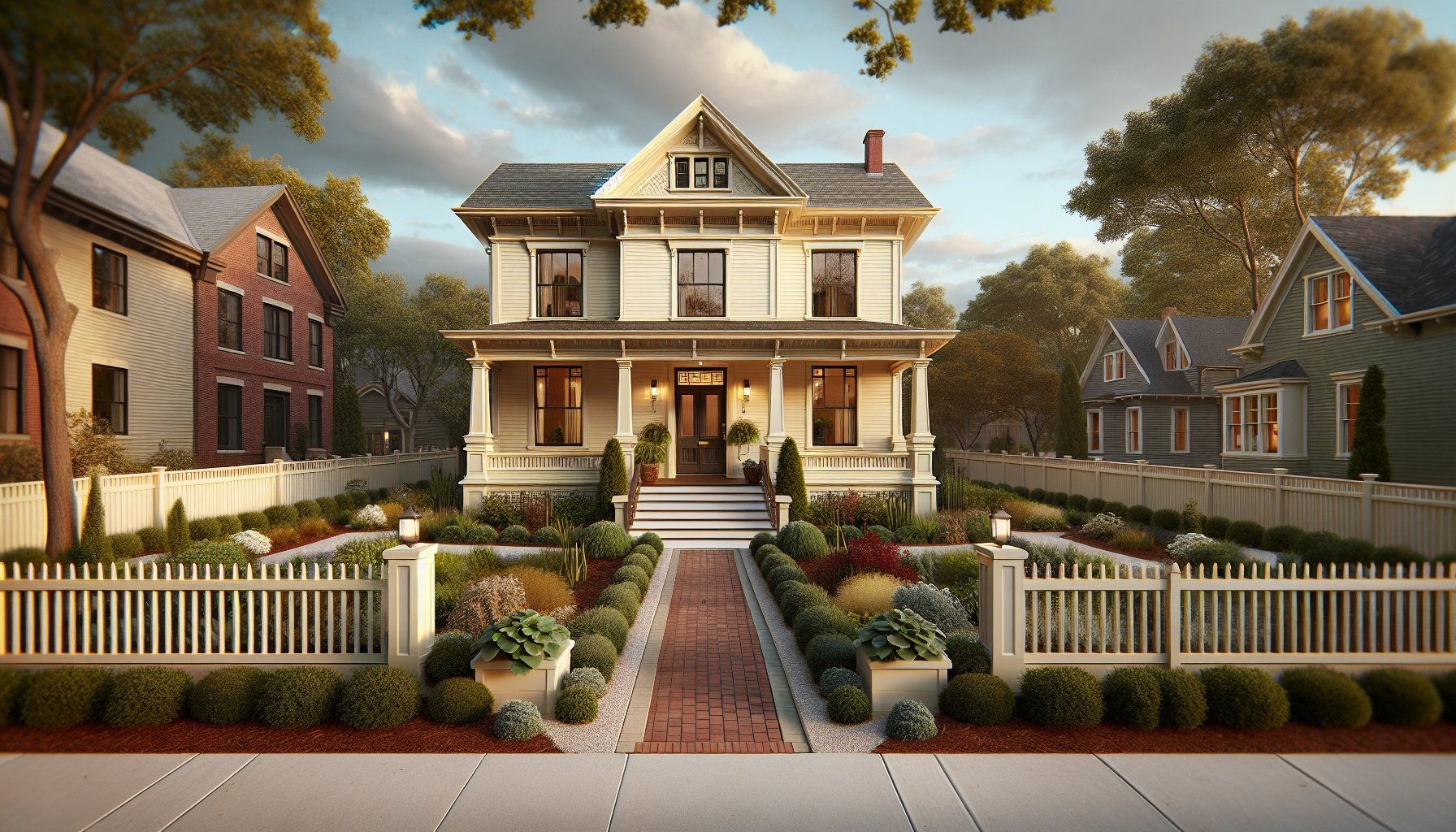
Fresh paint, leveled porches, and glowing Windows often mark the moment a tired historic house becomes a true showpiece again. After renovation transformations of historic homes showcase how outdated structures are modernized while preserving their architectural heritage. From the sidewalk, renewed exteriors reveal crisp lines, repaired details, and carefully chosen materials that echo the past while standing strong against today’s weather and wear. Every revived cornice, straightened column, and rebuilt balcony tells a story of respect for craftsmanship and a commitment to lasting curb appeal.
Quick Navigation:
Reviving Historic Exteriors With Lasting Curb Appeal | Modern Interiors That Protect Original Craftsmanship | Hidden System Upgrades Behind Historic Walls | Frequently Asked Questions
Step through the front door and the transformation continues. Light-filled rooms flow more easily, yet crown molding, transoms, pocket doors, and heart pine floors still anchor each space in its original era. Modern kitchens and baths share space with cast-iron tubs, antique mantels, and classic trim, proving that everyday comfort and historic charm can live side by side. Fresh finishes highlight the character that was always there, just waiting beneath layers of paint and patchwork repairs.
Behind the walls, the changes run even deeper. Updated wiring, efficient plumbing, stronger framing, and carefully planned insulation work quietly out of sight, making these beautiful old homes safer, sturdier, and more comfortable in Central Louisiana’s heat and humidity. Hidden upgrades allow original plaster, woodwork, and brick to stay front and center, while modern systems carry the load. The end result is a house that looks like it has always belonged on the street, yet finally lives like it was built for today.
Reviving Historic Exteriors With Lasting Curb Appeal
Once structural work and hidden upgrades are complete, the real transformation starts showing at the curb. Thoughtful landscaping, restored walkways, and period‑appropriate lighting pull every architectural detail into focus. Worn metal railings gain new life with careful repair and custom color, while rebuilt steps and landings echo the home’s original lines. Brick paths, picket fences, and reclaimed pavers create a graceful approach that feels both historic and fresh. Even practical updates—like concealed drainage, low‑maintenance siding options, and durable exterior finishes—are chosen to protect the home for decades, setting the stage for each specific curb‑appeal upgrade to shine.
Good to Know: Old market industrial heritage projects in urban areas transform abandoned spaces into vibrant cultural hubs, fostering economic revitalization and social engagement through adaptive reuse.
Source: Taylor & Francis Online
Restored facades: fresh siding, limewash brick, and repaired wood details that respect original character
After renovation, restored facades often become the most striking proof that a historic home can feel fresh without losing its soul. New fiber-cement or wood siding is milled to match original profiles, so clapboards line up with existing trim and corner boards instead of looking patched in. Old, tired brick gets a soft limewash rather than heavy paint, allowing the masonry to breathe through Central Louisiana’s heat and humidity while adding a velvety, timeworn finish that fits Craftsman cottages and raised Acadian homes alike. Rotten brackets, porch beams, and gable ornaments are carefully copied in cypress or treated wood, then reinstalled so scrollwork, eave returns, and beadboard ceilings read as original details instead of modern add-ons.
Porches, columns, and balconies: rebuilding sagging structures while reusing railings, beadboard, and millwork
After renovation, sagging porches, tilting balconies, and spongy steps are rebuilt from the framing up while the best historic elements are carefully saved. Rotten joists and rim boards are replaced with pressure-treated lumber or steel brackets, then wrapped so finished edges still match the original profile. Existing porch railings, turned balusters, and newel posts are cataloged, stripped, and reinstalled, with missing pieces milled to match the old patterns instead of swapped for generic parts.
Original beadboard porch ceilings, often stained or watermarked, are removed in sections, repaired on sawhorses, and reinstalled over a stronger structure. Decorative columns are reinforced with concealed steel or fiberglass sleeves, so classic fluted shafts, box columns, and bracketed capitals keep their historic look while carrying modern structural loads with confidence.
Expert Insight: In 2025, smart home technologies like IoT sensors and automated climate controls are increasingly integrated into historic home renovations to enhance energy efficiency without altering original structures.
Source: This Old House
Energy-efficient windows and doors: upgrading drafts and leaks while matching historic profiles and trim
After renovation, drafty sashes and swollen doors are replaced or rebuilt with high-performance units that still look straight out of the home’s original era. Custom wood or fiberglass windows are ordered with true divided-lite or simulated divided-lite grids, sized to match existing openings so original brickmold, casings, and trim profiles stay intact. Low-E insulated glass, weatherstripping, and tight-fitting jambs cut down on energy loss without shifting the proportions of the façade. Historic doors gain new life with insulated cores, hidden sweeps, and adjustable thresholds while original panels, beveled glass, and trim patterns are copied or reused. Hardware upgrades bring keyed security and smooth operation, yet hinges, knobs, and backplates mirror the period style for a seamless curb-side view.
Modern Interiors That Protect Original Craftsmanship
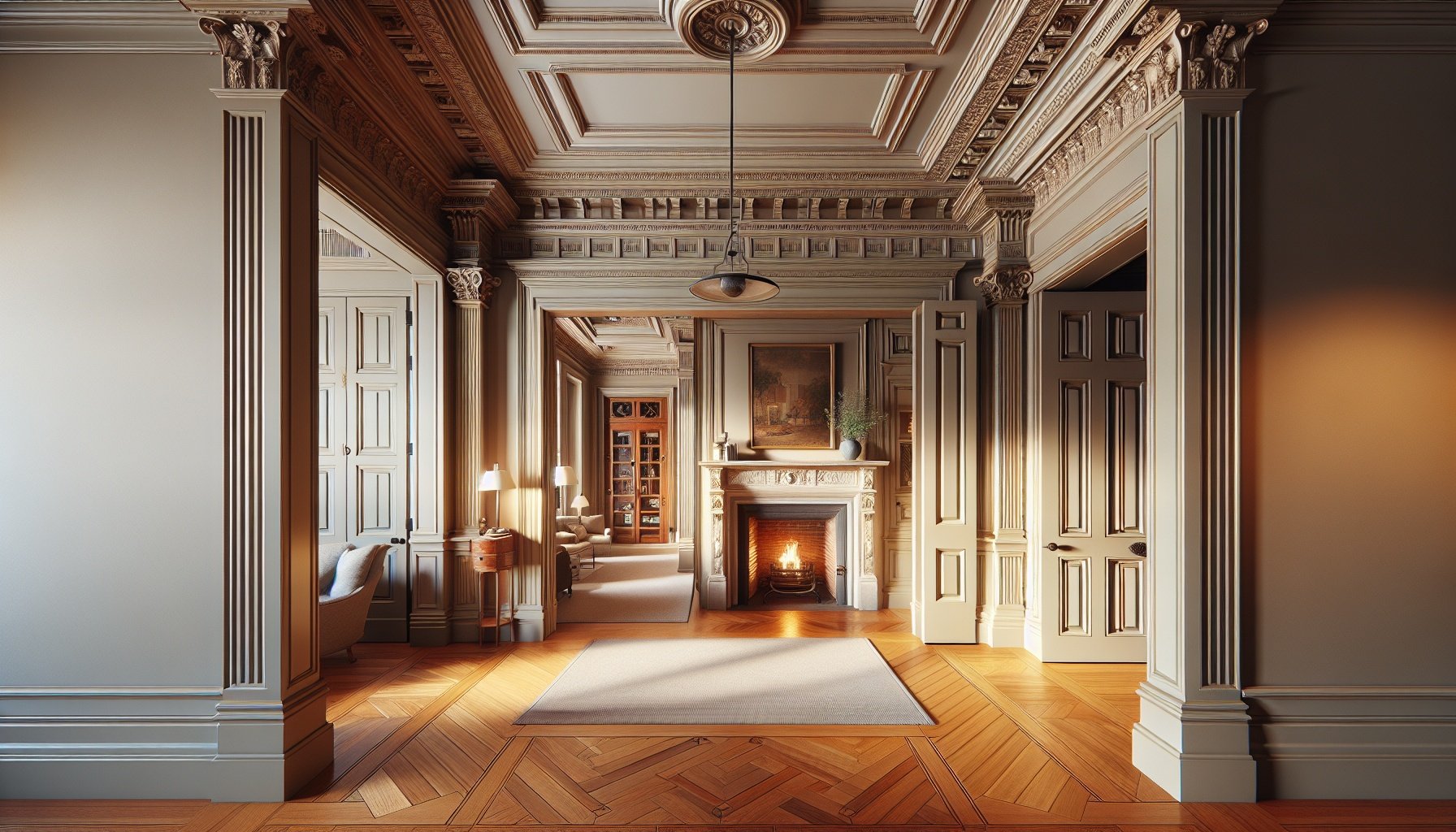
Once the porch railings are straight and the brick paths are reset, attention turns inside, where old-world craftsmanship meets smart, everyday living. Modern interiors in historic Central Louisiana homes now feature discreet lighting plans, slim-profile HVAC vents, and built-in storage that tucks neatly around original trim and mantels. Openings between rooms are widened without tearing out solid wood casings, and new walls stop short of ornate ceilings to keep original plaster patterns in view. Thoughtful layouts place busy modern spaces away from delicate finishes, allowing historic details to shine while daily life runs smoothly around them.
Keep in Mind: Renovations of historic districts in Northern China incorporate human-centered indicators to improve residential environments, boosting community well-being and tourism appeal.
Source: Taylor & Francis Online
Open yet traditional floor plans: removing walls without losing ceiling medallions, transoms, and pocket doors
After renovation transformations often reveal floor plans that feel spacious and connected while still honoring original craftsmanship. Load-bearing walls between parlors and dining rooms are replaced with discreet support beams, allowing ceiling medallions, curved crown molding, and ornate plasterwork to stay exactly where they belong. Instead of removing transom windows, openings are widened beneath them, keeping that classic filtered light and cross-breeze so beloved in older Central Louisiana homes. Pocket doors are carefully pulled, repaired, and rehung in new cased openings, so they can still slide closed for privacy even in a more open layout. Wide cased openings, matching trim profiles, and aligned sightlines help modern living areas feel fresh while every historic detail continues to tell the home’s original story.
Quick Insight: Renovating historic homes in Europe can reduce energy consumption by up to 50% while preserving architectural heritage through targeted insulation and ventilation upgrades.
Source: BUILD UP
Kitchen and bath transformations: modern layouts that keep cast-iron tubs, built-ins, and classic tile patterns
After renovation transformations in kitchens and baths often center on honoring original fixtures while reshaping the layout for everyday comfort. Cast-iron tubs are reglazed, fitted with new plumbing, and paired with frameless glass panels so classic curves sit comfortably beside modern fixtures. Built-in hutches, plate racks, and linen cabinets stay in place but gain soft-close hardware, interior lighting, and hidden outlets for small appliances or grooming tools. Checkerboard, hex, or basket-weave floors are patched with salvaged tile, then carried into new pantry nooks or walk-in showers to visually link old and new. Islands, double-vanities, and walk-through showers are planned around these historic anchors, creating efficient circulation while keeping the room’s original soul front and center.
Refinished surfaces: reviving heart pine floors, antique mantels, and original trim with careful repair instead of replacement
After renovation transformations give worn heart pine floors, antique mantels, and original trim a second life instead of sending them to the landfill. Deep sanding is often skipped to protect the old growth grain, with pros choosing gentle refinishing that lifts stains while keeping the slight waves and nail marks that show a home’s age. Gaps are filled with reclaimed slivers from salvaged boards, keeping color and density consistent across long Central Louisiana hallways. Carved mantels with chipped edges are repaired with custom wood patches and hand-tinted stains rather than heavy paint, so detailing around fireboxes still reads crisp. Window and door casings with layers of old paint are carefully stripped, repaired, and sealed, tying new color palettes back to original craftsmanship.
Hidden System Upgrades Behind Historic Walls
Fresh paint, revived porches, and character-filled paths tell only part of the renovation story; the biggest changes often stay tucked behind plaster and paneling. Hidden system upgrades turn drafty, outdated structures into safe, comfortable homes that quietly meet modern codes. Old knob-and-tube wiring makes way for grounded circuits, carefully routed through existing walls to protect original trim. Aging plumbing lines are replaced with reliable piping that supports updated kitchens and baths. Discreet insulation, soundproofing, and climate-control solutions help stabilize temperature and moisture, setting the stage for detailed looks at how these invisible improvements preserve both history and everyday livability.
Electrical and lighting improvements: rewiring knob-and-tube safely while adding discreet recessed lights and period-style fixtures
Electrical upgrades in historic homes often start with carefully removing old knob-and-tube wiring hidden in plaster and lath. Licensed electricians map each circuit, protect decorative moldings, and use existing chases—such as closets, chimney chases, and floor cavities—to snake in modern, grounded wiring without tearing into finished walls. Once safe power is in place, lighting quietly steps forward. Ultra-shallow recessed LED cans tuck between joists, washing coved ceilings and wainscoting with soft, even light instead of spotlight glare. In parlors and dining rooms, reproduction schoolhouse pendants, brass picture lights, and fabric-wrapped cords echo early-1900s style while meeting today’s code. Dimmer controls and hidden junction boxes keep attention on stained glass, millwork, and fireplaces rather than on switches and hardware.
Quick Insight: Energy-efficient renovations in historic U.S. homes yield a return on investment of 60-90% within 10 years, combining property value increases with long-term utility savings.
Source: PMC (PubMed Central)
Plumbing, HVAC, and insulation: routing new systems through crawlspaces, attics, and chases to protect plaster and woodwork
After renovation transformations of historic homes often rely on careful routing of plumbing, HVAC, and insulation through less visible areas so original plaster and woodwork stay untouched. New supply and drain lines tuck through crawlspaces and existing chases, slipping up inside stud bays behind baseboards instead of cutting decorative wainscoting or crown. Slim ducted or high-velocity HVAC systems snake through attic joists and closet corners, delivering quiet comfort through small, paintable ceiling or floor outlets that blend with old trim. Spray foam or dense-pack cellulose fills attic slopes and floor cavities from above or below, avoiding plaster removal while tightening the envelope. These hidden upgrades bring stronger water pressure, steady temperatures, and lower energy bills, all while keeping historic rooms looking period-perfect.
Pro Tip: The global home renovation market is projected to grow from USD 830 billion in 2025 to reach significant expansion by 2029 at a CAGR of 4.5%, driven by sustainable upgrades in older properties.
Source: Technavio
Structural reinforcement: shoring up foundations, framing, and roof systems so historic homes handle Central Louisiana heat, storms, and humidity
Structural reinforcement quietly prepares historic Central Louisiana homes for harsh summers, heavy storms, and long-term settling. Crews often start under the house, adding concrete footings, steel piers, or helical piles to stabilize old brick or pier-and-beam foundations stressed by shifting red clay soil and high groundwater. Sill plates and rim joists damaged by moisture or termites get replaced with treated lumber, then tied to new anchor bolts and metal connectors. Inside walls, hidden steel straps, LVL beams, and discreet shear panels strengthen aging framing without disturbing original paneling or plaster. At the roof, upgraded rafters, hurricane ties, and modern sheathing help resist high winds and driving rain common during Gulf storm season, keeping historic gables, dormers, and chimneys firmly in place.
Conclusion
After renovation, historic homes stand as proof that Central Louisiana character and modern comfort can share the same address. Original woodwork, mantels, and plaster ceilings stay front and center, while discreet lighting, slim-profile vents, and smart built-ins keep daily life running smoothly. Room openings feel wider and brighter, yet solid casings and vintage details stay intact. Thoughtful layouts guide busy living toward durable spaces, protecting fragile finishes and preserving that timeless charm. Behind the scenes, upgraded systems quietly support safer, more comfortable living, letting each house age with grace instead of decay. Every successful transformation shows how honoring the past can still welcome the future—and how one well-planned renovation can bring a historic home back to life.
Frequently Asked Questions
- What are the first steps to take before starting a historic home renovation?
- Historic home renovations work best with a clear plan and a careful inspection.
Key first steps:
1. Full home assessment
– Check the foundation for cracks or settling.
– Inspect roof, gutters, and chimneys for leaks and rot.
– Look at porches for sagging, uneven steps, or loose railings.
– Test windows and doors for drafts and sticking frames.2. Electrical, plumbing, and HVAC review
– Have licensed professionals evaluate old wiring, knob-and-tube systems, or overloaded panels.
– Check for galvanized or deteriorating pipes.
– Assess heating and cooling systems for efficiency and safety.3. Historical research
– Find original floor plans, old photos, or records from local historical societies.
– Identify original features like trim profiles, porch details, window styles, and paint colors.4. Permit and code requirements
– Confirm local building codes for structural work, electrical upgrades, egress, and insulation.
– Check if the property sits in a historic district or on a historic register, which can add design rules but may offer grants or tax credits.5. Budget and priority list
– Rank projects: structure and water control first, then systems, then finishes like paint and trim.
– Set aside a contingency fund, often 15–25% of the budget, for hidden issues behind walls and floors.Starting with structure, safety, and research keeps historic charm intact while preparing the home for modern comfort.
- How can a historic home keep its original charm while getting modern updates?
- Historic homes can feel fresh and functional without losing their soul when key features stay in the spotlight.
Strong ways to balance old and new:
1. Preserve signature details
– Keep original wood windows when possible and add storms or weatherstripping for efficiency.
– Repair instead of replace original doors, moldings, stair railings, and built-ins.
– Retain unique porch columns, balusters, and trim profiles.2. Use period-appropriate materials and styles
– Choose paint colors that match or complement shades common to the home’s era.
– Select tile, lighting, and hardware with classic lines that blend instead of compete.
– Match new trim and casings to existing sizes and shapes.3. Hide modern systems where possible
– Route new wiring and plumbing through basements, attics, and closets to protect original plaster and woodwork.
– Place HVAC equipment and ductwork in less visible areas and use low-profile vents.4. Respect original floor plans while improving flow
– Widen doorways carefully instead of tearing out every wall.
– Open small spaces selectively, keeping important hallways, staircases, and room shapes.5. Choose subtle energy upgrades
– Add insulation in attics and crawlspaces first.
– Use interior storm windows on historic sashes.
– Seal gaps around baseboards, window casings, and foundation penetrations.The most successful transformations highlight original craftsmanship and character while integrating modern comfort in a quiet, thoughtful way.
- What common structural problems appear during historic home renovations?
- Aging homes, especially those in humid regions like Central Louisiana, often reveal hidden structural concerns once work begins.
Frequent issues include:
1. Foundation settling and moisture damage
– Uneven or sloping floors.
– Cracks in brick piers or perimeter walls.
– Rot in sill plates from long-term moisture or poor drainage.2. Rotten porch framing and steps
– Sagging porches, bouncy decking, or leaning railings.
– Water-damaged beams where porches meet the main structure.
– Termite or carpenter ant damage in shaded, damp areas.3. Roof and framing problems
– Old leaks leading to rotten rafters, ceiling joists, or sheathing.
– Undersized or damaged framing that no longer meets current loads.
– Chimneys pulling away or deteriorating at the roofline.4. Outdated or unsafe structural modifications
– Removed walls or cut joists from past remodels without proper support.
– Makeshift beams or posts in basements and crawlspaces.5. Damage from long-term humidity and flooding
– Mold in wall cavities and under flooring.
– Warped doors, trim, and window sashes.
– Corroded metal fasteners and hangers.Addressing drainage, roof integrity, and structural reinforcement early keeps the rest of the renovation stable and protects new finishes from future damage.
- How do fresh paint and new finishes transform a tired historic home without erasing history?
- Fresh paint and updated finishes can make an old home look bright and welcoming while still honoring its age.
Key approaches:
1. Respect original surfaces
– Clean and repair existing wood siding or brick before painting.
– Strip loose or failing paint only as needed to create a sound surface.
– Patch plaster walls instead of covering everything with drywall whenever possible.2. Choose smart color palettes
– Use colors that suit the home’s style—soft creams, sage greens, and classic whites for farmhouses; richer tones for Victorians and Craftsman homes.
– Highlight trim, window sashes, and doors with complementary accent colors.
– Avoid heavy, trendy shades that might fight with existing architectural details.3. Revive porches and entries
– Rebuild or level sagging porch floors and steps.
– Refinish railings, columns, and beams to showcase original lines.
– Replace unsafe or mismatched fixtures with simple, classic lighting.4. Refresh interior finishes
– Refinish wood floors instead of replacing with new materials.
– Use satin or eggshell paints to soften older walls and trim.
– Keep historic door knobs, hinges, and latches when they still function, cleaning or restoring instead of discarding.5. Update without over-modernizing
– Blend classic tile, timeless cabinets, and simple hardware in kitchens and baths.
– Let original features—like transom windows or pocket doors—remain visible as focal points.The result is a home that feels renewed and bright, with glowing windows and crisp lines, while the original craftsmanship still stands front and center.
- What permits or rules can affect renovations on a historic home?
- Renovating a historic home often involves extra layers of review compared to a standard remodel, especially in designated historic districts.
Typical requirements include:
1. Standard building permits
– Needed for structural changes, additions, new electrical panels, major plumbing work, and HVAC replacements.
– Local inspectors review for safety and code compliance.2. Historic district or preservation commission approvals
– Exterior changes visible from the street—such as siding, Roofing style, windows, porches, and additions—may need design approval.
– Some areas require use of certain materials or profiles to match original appearances.3. Zoning and setback regulations
– Limits on how far additions can extend toward streets or neighboring properties.
– Rules for accessory buildings, garages, or carports in older neighborhoods.4. Environmental and safety rules
– Lead-safe practices for paint removal in homes built before 1978.
– Asbestos testing and abatement for certain old floor tiles, siding, or insulation.
– Energy codes that may apply to new windows or insulation.5. Historic tax credits or grant programs
– Some state and federal incentives help offset renovation costs.
– These programs often require detailed project plans, documentation, and review to ensure historic character stays intact.Checking local rules and working with professionals familiar with historic properties prevents costly delays and protects both safety and character.
- How can Energy efficiency be improved in a historic home without replacing all the windows?
- Historic homes can gain major comfort and efficiency upgrades while keeping original windows and woodwork.
Effective strategies:
1. Weatherstripping and air sealing
– Add high-quality weatherstripping around window sashes and doors.
– Seal gaps at baseboards, electrical outlets on exterior walls, and around plumbing penetrations.
– Use caulk where trim meets walls and where siding meets foundation.2. Storm windows
– Install interior or exterior storm windows to create an insulating air layer.
– Choose low-profile designs that do not cover up historic window details.3. Insulation upgrades
– Focus on attics and crawlspaces for the biggest impact.
– Use proper vapor barriers and ventilation to avoid trapping moisture in old framing.
– Consider dense-pack insulation for certain wall cavities after a moisture and framing check.4. Efficient HVAC systems
– Upgrade to high-efficiency furnaces, heat pumps, or mini-splits sized correctly for the home.
– Use programmable or smart thermostats.5. Shading and solar control
– Add awnings, shutters, or well-placed trees for natural shading.
– Use lined curtains or shades inside to reduce heat loss in winter and heat gain in summer.6. Lighting and appliance choices
– Switch to LED bulbs in historic-style fixtures.
– Select Energy Star appliances that fit classic kitchens without overpowering them.These steps keep original sash profiles, wavy glass, and trim while bringing down energy bills and making spaces more comfortable season after season.
- What makes renovating historic homes in Central Louisiana unique?
- Central Louisiana brings its own character and climate to historic home renovations, from Alexandria’s charming older neighborhoods near the Red River to classic homes in small towns across Rapides and surrounding parishes.
Distinct factors include:
1. Heat, humidity, and storms
– Long, humid summers challenge old paint, wood siding, and porches.
– Strong storms and heavy rains highlight the need for solid roofs, good drainage, and secure windows.2. Raised foundations and crawlspaces
– Many older homes sit on piers, making access to plumbing and wiring easier but also exposing wood to moisture and pests.
– Proper ventilation, moisture control, and termite protection stay critical.3. Local architectural styles
– Mix of Southern cottages, Craftsman bungalows, farmhouses, and mid-century homes.
– Deep front porches, tall windows, and high ceilings originally designed for airflow still shine after careful restoration.4. Cultural and community value
– Historic homes near landmarks, churches, and long-standing local businesses help shape neighborhood identity.
– Renovations often aim to keep the familiar street view that residents recognize from festivals, parades, and Friday night ball games.5. Material choices suited to the region
– Durable, moisture-resistant exterior paints and stains.
– Rot-resistant porch materials and thoughtful roof designs for quick drainage.
– Window and door details that balance traditional looks with storm resistance.Renovations in Central Louisiana succeed when they respect local history and style, stand up to the climate, and keep those classic, porch-filled streets looking as inviting as ever.
Categories
Home Improvement Tips & Tricks