Hidden Dangers of Orphaned Solar Panels in Home Buying
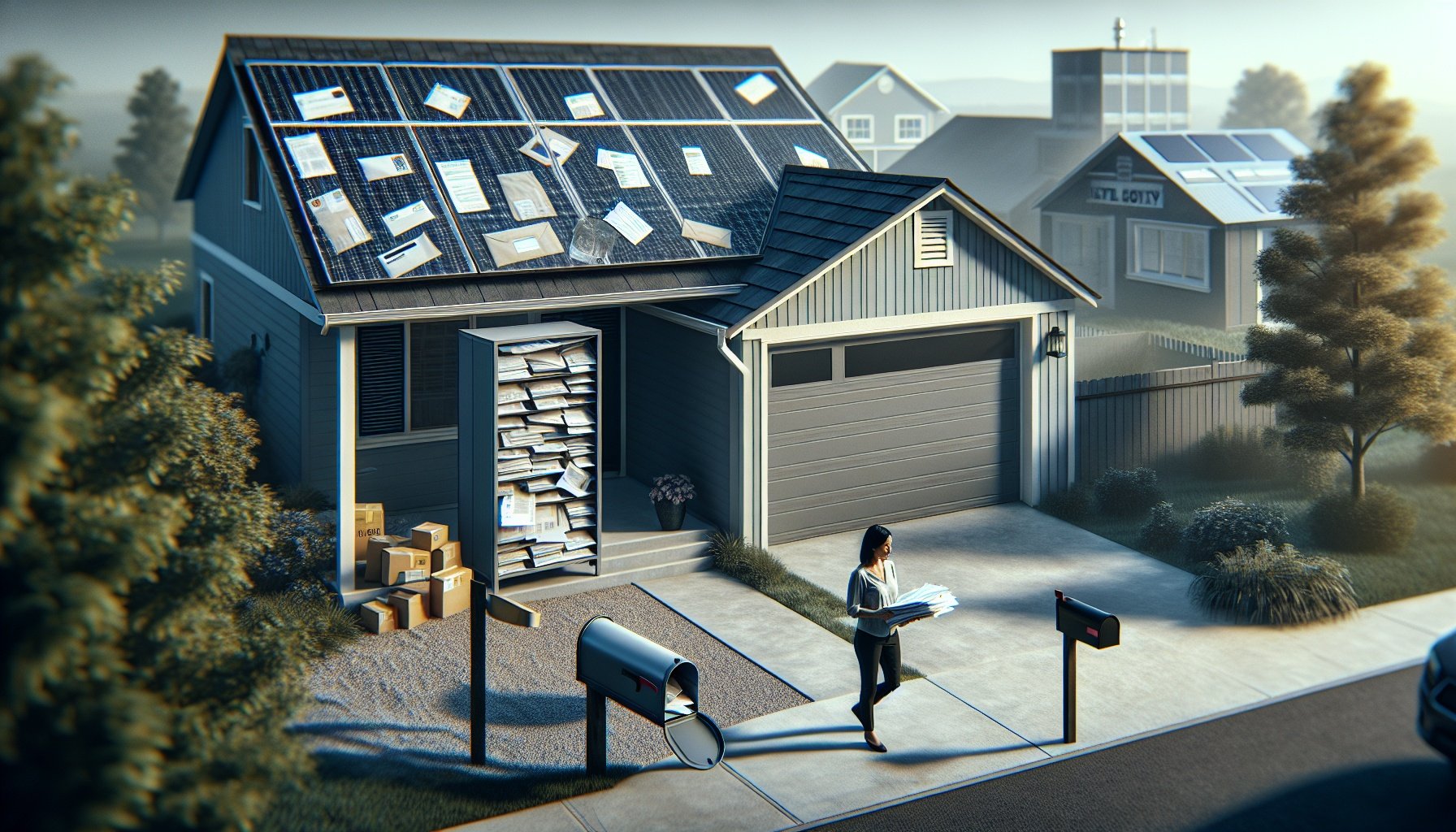
A rooftop full of shiny solar panels can look like a dream upgrade, right up until it turns into a dead weight on the first power bill. Many buyers step into a new house excited about “free” solar energy, only to discover silent inverters, dead monitoring apps, and a finance company still expecting payment for a system that does not work. Some learn after closing that the installer went bankrupt, warranties vanished, and service lines were cut with no one left to call. The recent Homebuyer searches for answers after discovering ‘orphaned’ renovation attached to new house: ‘I learned of … [the] bankruptcy after we moved in’ highlights how a leased Sunnova solar setup became unusable and “orphaned,” leaving the new owner stuck with equipment, payments, and zero support after the seller kept quiet about the bankruptcy.
Quick Navigation:
Reddit Story: Discovering an Orphaned Solar System After Closing | Hidden Risks When Solar Installers Go Bankrupt | Protecting a Home Purchase from Orphaned Solar Headaches | Frequently Asked Questions
For many buyers, the trouble starts with surprises that surface only after move‑in day: unexplained breakers labeled “PV,” mystery boxes on the wall, and a rooftop array that clearly has not produced power in months. Title documents often skip over solar leases, PACE loans, or transfer requirements, leaving new owners to untangle complex contracts and payoff amounts alone. Missing permits, no interconnection approval, and no clear ownership of the equipment turn what looked like an energy upgrade into a legal and financial mess. Behind the scenes, every unanswered question raises stress about safety, roof leaks, electrical hazards, and long-term costs that were never part of the original plan.
These hidden problems matter because they hit where it hurts most: the budget, the home’s safety, and the peace of mind that should come with a fresh set of keys. An orphaned solar system can derail financing, delay move‑in projects, and drain savings meant for more enjoyable renovations. Buyers in growing solar markets across the country—places like Central Louisiana, Texas, Arizona, and California—face these risks more often as older systems outlive their original installers. Careful steps before and during a purchase help turn a mystery solar array from a hidden liability into a managed situation instead of a costly surprise.
Reddit Story: Discovering an Orphaned Solar System After Closing
Those big-picture risks become much clearer when seen through one owner’s experience. A popular Reddit thread walked through the shock of moving in, assuming a modern, money-saving solar upgrade was ready to go, then slowly uncovering a maze of missing records, broken promises, and fine print. The installer had vanished into bankruptcy, but the real trouble started when lenders, real estate agents, and even the utility all pointed fingers elsewhere. Conflicting paperwork, vague disclosures, and confusing lien documents turned a simple rooftop feature into a full-blown consumer mess, setting the stage for a closer look at what actually went wrong step by step.
Expert Insight: In 2024, several prominent US solar companies including SunPower and iSun filed for bankruptcy protection, reflecting a wave of industry challenges amid rising interest rates and policy shifts.
Source: Law360
Walking the property after move‑in and spotting the dead solar array
Boxes still stacked in the living room, the new owner took a first slow lap around the place, checking fences, rooflines, and breaker labels. The solar array looked impressive from the yard—clean panels, straight rails, conduit tucked neatly along the wall. Up close, the story changed. The production meter on the side of the house sat at zero, even under a bright afternoon sky. The inverter lights, which should blink or glow green, stayed dark. A disconnect switch next to the main panel was taped in the “ON” position but felt loose, almost decorative. The old monitoring app from the listing photos no longer accepted logins. What had been sold as a “turnkey, bill‑slashing solar setup” felt more like an abandoned appliance permanently bolted to the roof.
Finding out the installer went bankrupt and service lines were disconnected
A few phone calls turned confusion into a sinking feeling. The company name on the inverter label pulled up stale search results, then a string of complaints, then a public bankruptcy filing from two years earlier. The listed customer service number rang once and dropped to a generic carrier message: “This line has been disconnected.” The sales rep’s email bounced back as undeliverable. Even the “24/7 emergency” sticker on the disconnect box traced to a dead VOIP account. The utility confirmed that the installer’s contractor license had lapsed and no active service agreements remained on record. What looked like a clean, turn‑key solar upgrade was actually an orphaned system with no warranty, no monitoring support, and no one legally responsible for fixing it.
Realizing the system was financed but nonfunctional and not disclosed clearly at sale
The next surprise came from the paperwork, not the roof. While digging through closing documents and the seller’s old mail, the new owner noticed loan statements with the solar company’s name on them. The balance was still active, payments still due, yet the array produced nothing but error codes. The listing had bragged about “solar included,” but no one had clearly explained that the system was tied to a separate finance agreement and might not be working at all. The purchase contract mentioned a “paid-up solar upgrade” in vague language, and the settlement sheet simply folded the remaining loan into the overall numbers. What looked like a green energy bonus had actually been a nonfunctional, financed asset riding quietly inside the deal.
Hidden Risks When Solar Installers Go Bankrupt
That Reddit story is only one snapshot of a much bigger pattern. When a solar installer goes under, problems do not stop at a dead monitoring app or a confusing lease contract. Bankrupt companies often leave behind missing design files, unregistered product warranties, and unfinished inspections that no one is obligated to complete. Utility records, lien releases, and manufacturer registrations can be stuck in limbo, making basic tasks like upgrading Roofing, selling the house again, or switching electric plans much harder. Those breakdowns in paperwork, responsibility, and technical support create several hidden risk zones that deserve a closer look.
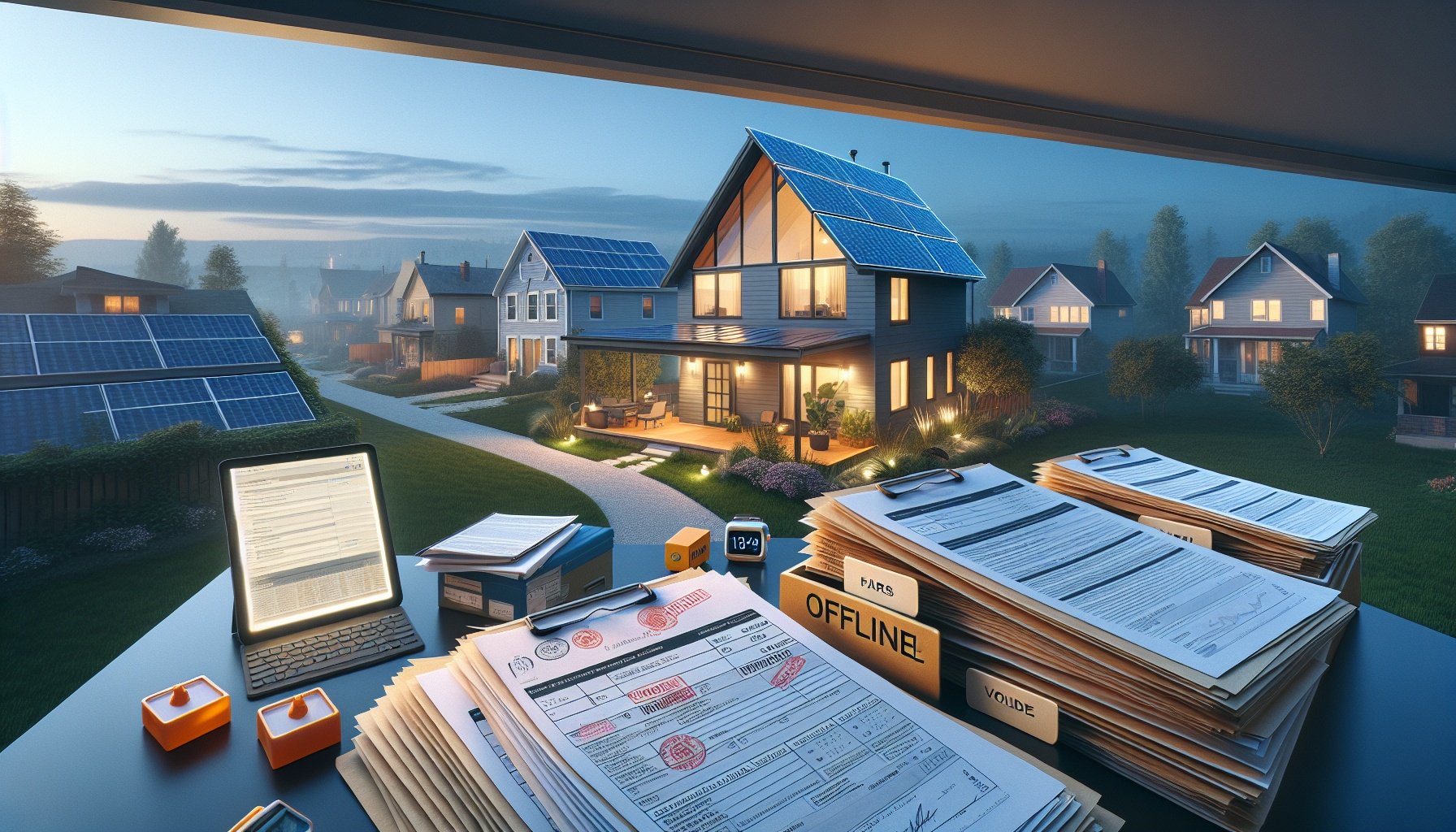
Pro Tip: Buyers of homes with pre-installed solar panels from failed companies in 2024-2025 discovered innovative third-party monitoring technologies to ensure ongoing system performance and energy output.
Source: Bloomberg Law
No warranty, monitoring, or tech support for repairs or updates
Once the installer disappeared, the solar array became a stranded piece of hardware on the roof. The original “25‑year warranty” meant almost nothing without a company standing behind it. Monitoring portals stopped updating, login credentials no longer worked, and production data that lenders and buyers had relied on was suddenly gone. When an inverter failed or a panel started underperforming, there was no dedicated tech line, no service ticket system, and no scheduled maintenance visits. Local electricians might be willing to help, but often at full retail rates and without access to original system design files, proprietary settings, or firmware updates. What looked like a low‑maintenance, high‑tech upgrade quietly turned into a pay‑out‑of‑pocket problem with no clear support path.
Lack of documentation: missing permits, plans, and interconnection agreements
Once the installer vanished, basic paperwork turned into a serious weak spot. The Reddit homeowner learned there were no stamped plans on file, no clear electrical diagrams, and no record of how the array tied into the main service panel. City permit numbers were missing or incomplete, so inspectors had no easy way to confirm the system was ever properly approved. The utility interconnection agreement was also unclear, which made net‑metering credits and safety shut‑off rules a gray area. That gap tied directly into the earlier problems with repairs and monitoring: without plans, any electrician had to guess wire runs, breaker sizes, and inverter settings. A system that once seemed straightforward turned into a risky mystery hanging over the sale and future upgrades.
Pro Tip: Texas experienced a surge in solar company bankruptcies in 2025, with Sunnova’s collapse leaving many homeowners to navigate unresolved financing and system integration during property transactions.
Source: Lone Star Solar Services
Electrical and roof safety concerns from abandoned wiring, penetrations, and mounting
Loose junction boxes, cut conductors, and mystery conduit runs turned the orphaned array into a real safety question mark. The Reddit buyer’s electrician found dead‑ended DC runs still live in sunlight, random splices buried under the roof deck, and abandoned disconnects that no longer matched anything on the service panel. Each roof penetration for racking and wiring became a potential leak path, with cracked seals and missing flashing where the original crew had cut corners. Old lag bolts had started to pull away from rafters, stressing shingles and underlayment. Without the original installer to verify torque specs, waterproofing, or grounding paths, every mounting foot, cable clip, and junction box on that roof became something that had to be checked and possibly rebuilt before the house could be called safe.
Protecting a Home Purchase from Orphaned Solar Headaches
That Reddit story shows how fast a “bonus” solar upgrade can turn into a tangle of bills, broken promises, and stalled repairs. The next step is figuring out how a home purchase can be shielded before problems start. Simple checks during house hunting, tighter contract language, and smarter questions for sellers and agents help expose hidden solar obligations long before closing day. Clear proof of ownership, service responsibility, and system performance becomes just as important as a clean inspection report. With the right safeguards, an inherited solar system can stay an asset, not a lawsuit waiting to happen.
Worth Noting: Homeowners inheriting solar systems from bankrupt installers in 2025 often face disruptions in warranty services, requiring them to seek alternative providers for maintenance and repairs.
Source: NerdWallet
Demanding full solar paperwork: contracts, financing, warranties, and payoff status
Purchase contracts, loan documents, and warranty registrations reveal whether a solar system is an asset or a long-term headache. A purchase agreement should clearly spell out if panels are owned outright, under a lease, or tied to a power purchase agreement, since each brings different monthly obligations and transfer rules. Financing paperwork shows if a lender still holds a lien, whether a “no payments for 18 months” promo quietly restarted, and if a balloon payment hides at the end. Manufacturer and labor warranties confirm coverage length, transfer rules, and any required maintenance logs to keep protection valid. A written payoff letter or zero‑balance statement from the solar lender or PACE program is often the only proof that the system is truly debt‑free and cleanly owned with the property.
Interesting Fact: In California, 75% of rooftop solar companies were at high risk of bankruptcy in early 2024 due to state policy adjustments affecting the residential solar market’s stability.
Source: Environmental Working Group
Requiring inspection by a licensed electrician or solar pro before closing
A licensed electrician or qualified solar installer can uncover problems that don’t show up in paperwork at all. A full inspection should include checking string voltages at the inverter, confirming each breaker is correctly sized, and opening the main panel to see if the solar backfeed was installed safely within busbar limits. Inspectors often find scorched lugs from loose connections, double‑tapped breakers, missing disconnect labels, or rooftop junction boxes with water intrusion that never got documented.
A solar pro can also verify that rapid shutdown devices, grounding, and roof penetrations meet current code, and that the system layout matches what the utility approved. Their written report gives solid leverage to request repairs, price concessions, or a holdback at closing, instead of inheriting a dead or dangerous system with no installer left to call.
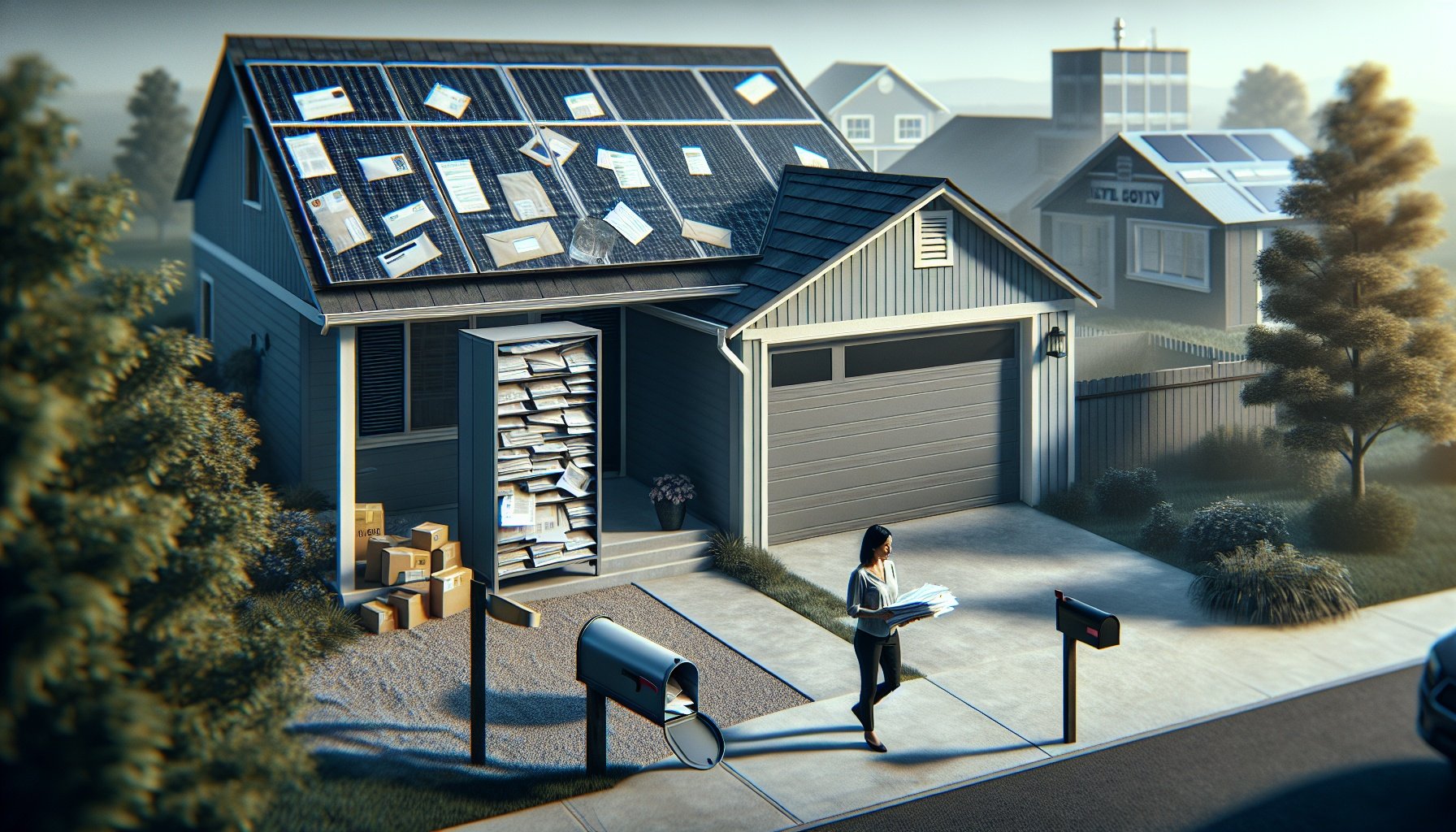
Pro Tip: By late 2025, over a dozen major solar firms like Sunnova and Pine Gate Renewables entered bankruptcy, impacting thousands of residential installations across the United States.
Source: Renewables Now
Using contingencies, seller credits, or removal agreements to manage orphaned systems
Purchase offers can be written so an orphaned solar system never turns into an expensive surprise. A solar contingency lets a buyer walk away or renegotiate if inspection or paperwork uncovers dead inverters, expired warranties, or untransferable leases. Another route is a seller credit at closing, earmarked for rewiring, inverter replacement, or full removal if the system proves useless after move‑in. Some buyers go further and require a signed removal agreement: the seller pays to have the panels, rails, and unsafe wiring taken down by a licensed contractor before closing, with patching of roof penetrations included. Clear language about who pays what, and by when, keeps a broken, unsupported system from becoming a long‑term financial anchor.
Conclusion
The article presents a firsthand account from a Reddit user detailing the discovery of an unusable solar panel system after buying a home. It emphasizes the complications caused by the installing company’s bankruptcy, which left the renovation “orphaned” and without support. Missing design files, unregistered product warranties, unfinished inspections, and utility or lien paperwork stuck in limbo show how one failed installer can ripple through every part of homeownership, from roof work to resale and power bills.
Solar power still holds real value when the system’s ownership, service obligations, and performance are clearly documented and verified. With careful questions, strong contracts, and a bit of extra homework before closing, inherited solar can stay a smart upgrade instead of a hidden headache waiting to surface.
Frequently Asked Questions
- What are “orphaned” solar panels in a home purchase?
- “Orphaned” solar panels are solar energy systems left behind by a company that is no longer in business, has been sold, or has stopped honoring its contracts. The panels and equipment still sit on the roof or in the yard, but the original installer or service provider is gone.
This can create several issues:
– No original company to honor warranties or performance guarantees
– No clear contact for repairs, monitoring, or support
– Confusing paperwork on ownership, leases, or power purchase agreements (PPAs)
– Possible trouble transferring agreements to a new homeowner
In a real estate deal, an orphaned system can shift from being a selling point to a liability if legal rights, maintenance responsibilities, and long‑term costs are not fully understood. - What financial risks come with buying a home that has solar panels from a bankrupt company?
- When a solar company goes bankrupt, the panels and contracts linked to that system can create unexpected costs for a buyer.
Key financial risks include:
– Unclear ownership or liens: Panels might be leased, financed, or subject to a UCC filing. A lender or third party may still have a claim on the equipment, even if the installer is gone.
– Ongoing payments: A lease or PPA may continue to require monthly payments, even when service and support vanish. A buyer can end up stuck paying for power savings that do not fully materialize.
– Loss of warranties: If product or workmanship warranties were held through the bankrupt company, those protections may be weakened or lost, shifting repair and replacement costs onto the homeowner.
– Lower resale value or buyer hesitation: Future buyers may discount the price of the home, or demand repairs or contract changes, after seeing a solar system backed by a defunct provider.
A detailed review of the solar contracts, utility bills, and title records helps reveal the true cost of the system over time. - How can an inherited solar contract affect a home sale or mortgage approval?
- Solar contracts can have a direct impact on financing and closing a property purchase.
Common issues that show up during a sale:
– Transfer approval requirements: Many leases or PPAs require the solar company’s approval to transfer the agreement to a new owner. If the company is bankrupt or unresponsive, transfer can stall or fail.
– Debt‑to‑income calculations: Lenders often count monthly solar payments as part of a buyer’s debt load. High solar payments can reduce the loan amount a lender is willing to approve.
– Title complications: UCC filings or recorded documents tied to the solar equipment may appear in a title search. These must be resolved, paid off, or formally transferred before closing.
– Contract terms locked in for decades: Some agreements run 20–25 years with built‑in price escalators. A buyer may be forced into long‑term, rising payments linked to a system that no longer has strong support.
Clear documentation, lender communication, and a full contract review by a real estate attorney greatly improve the chances of a smooth closing. - What maintenance and repair problems can arise with orphaned solar systems?
- An orphaned solar system often lacks a reliable service pathway, which can turn even small problems into big headaches.
Typical maintenance and repair concerns include:
– No dedicated service provider: Without the original installer, locating a qualified contractor familiar with that specific brand or configuration may take time and cost more.
– Limited parts availability: Bankrupt or discontinued brands can make replacement panels, inverters, or optimizers harder to source, especially for older systems.
– Monitoring and software shutdowns: Online monitoring platforms linked to the original provider may stop working, reducing visibility into system performance and making faults harder to spot.
– Roof and mounting issues: Improperly installed racking, flashing, or penetrations may cause leaks or roof damage. Without warranty coverage, all repair costs fall on the homeowner.
A professional solar inspection and roof evaluation helps identify current problems, future risks, and realistic maintenance budgets before finalizing a purchase. - How can a buyer check if solar panels on a property are fully owned, leased, or financed?
- Ownership status is one of the most important details to confirm before buying a house with solar. Several steps help clarify the picture:
– Request all solar documents: Contracts, purchase agreements, leases, PPAs, warranties, and loan documents show who really owns the system and who gets to make decisions about it.
– Review utility bills: Bills may show solar credits, net metering details, or separate charges for a PPA or lease.
– Order a title search: Title companies often catch UCC filings and recorded documents tied to solar equipment. These records can reveal financing or third‑party interests.
– Check for separate loan statements: If the seller has a solar loan, statements or payoff letters clarify outstanding balances and whether that loan must be paid off before or during closing.
Clear proof of ownership and clean paperwork reduce the chance of future disputes with lenders, installers, or previous owners. - Are product warranties and performance guarantees still valid when the original solar installer goes out of business?
- The status of warranties and guarantees depends on how they were originally structured.
Main possibilities:
– Manufacturer warranties: Many panel and inverter warranties come directly from the manufacturer, not the installer. These may still be active, but claim processes can become more complicated without the original contractor to handle them.
– Workmanship or labor warranties: These are often issued by the installer and may expire when the company closes its doors. That can leave roof penetrations, wiring, and racking issues fully uncovered.
– Performance guarantees or production promises: Agreements that promised a certain level of energy production are often tied to the now‑defunct provider. Those guarantees usually become difficult or impossible to enforce.
– Extended or third‑party protection plans: Some systems are covered by separate insurance or warranty companies. Those plans can remain valid if premiums are current and the provider remains in business.
Collecting all warranty paperwork and contacting manufacturers directly helps confirm which protections remain in force and how to file claims going forward. - What steps help reduce the risk of taking on hidden solar problems when buying a home?
- Several practical steps can greatly lower the risk of unpleasant surprises from orphaned or troubled solar systems:
– Hire a solar‑savvy inspector: A standard home inspection often gives only a basic overview. A specialized solar inspection checks wiring, inverters, racking, roof penetrations, and actual energy production.
– Obtain full documentation early: Contracts, warranties, utility bills, interconnection agreements, and loan or lease paperwork should be available for review during the option or due‑diligence period.
– Consult a real estate attorney: Legal review helps flag risky clauses, transfer conditions, early‑termination fees, and any conflicts with state or utility rules.
– Talk with the utility company: Verifying net metering status, interconnection approvals, and any special rate plans shows how the system is actually integrated with the grid.
– Negotiate repairs or contract changes: If problems surface, the purchase agreement can be negotiated to include system repairs, contract buyouts, price reductions, or removal of the panels before closing.
Taking a careful, documented approach turns a potentially risky inherited solar setup into a known quantity with fewer surprises down the road.