
Handmade Ornament Crafts for Heartfelt Holiday Home Decor
Handmade ornament crafts offer a personalized way to decorate homes during the holidays, using simple materials like felt, wood, and even leftover hardware to create unique, meaningful pieces. Each ornament becomes more than just a pretty accent on the tree or mantel; it turns into a small story that reflects family traditions, favorite colors, and the spirit of the season. Scraps from construction projects, fabric remnants, and everyday household items can be transformed into warm, festive decor that feels right at home in Central Louisiana, where holiday gatherings often blend comfort, creativity, and local culture. Classic reds and greens can mix with earthy wood tones and metallic finishes, matching existing holiday decor while adding fresh, handcrafted charm. Simple techniques like layering felt, sanding wood slices, or wiring together shiny washers keep the process fun and approachable for makers of all ages. Ornament-making sessions can quickly become favorite holiday traditions, filled with laughter, shared ideas, and the satisfaction of creating long-lasting keepsakes. Names, dates, and personal touches turn each piece into a memory that comes back year after year, decorating trees, mantels, and entryways with a sense of history and heart. Handmade ornament crafts bring together material choices, easy projects, and thoughtful display ideas to create festive home decor that feels both stylish and deeply personal, season after season.
Quick Navigation:
Choosing Materials and Themes for Handmade Holiday Ornaments | Simple Ornament Projects Using Common Jobsite and Household Materials | Family-Friendly Craft Sessions and Display Ideas for Festive Home Decor | Frequently Asked Questions
Choosing Materials and Themes for Handmade Holiday Ornaments
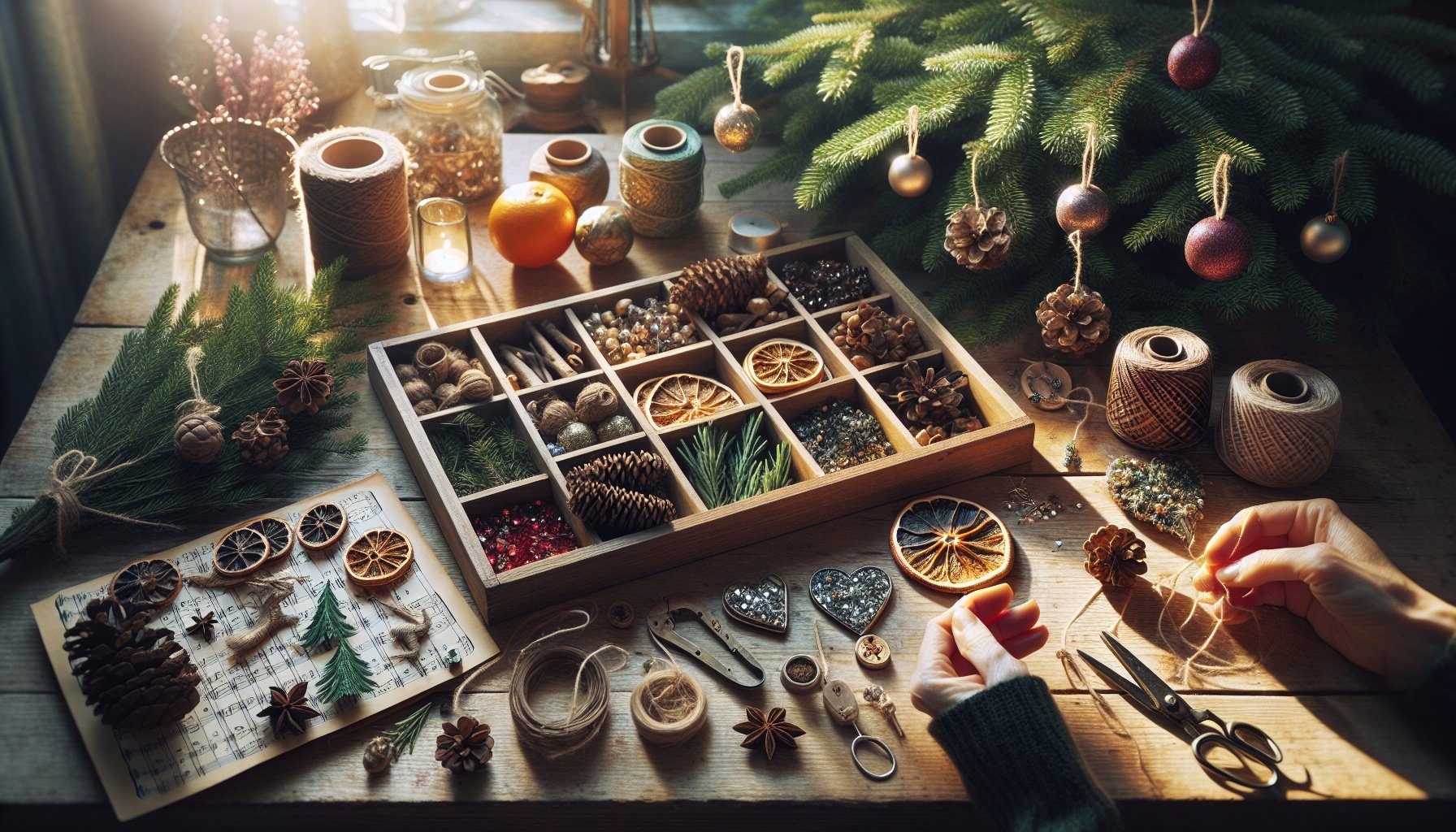
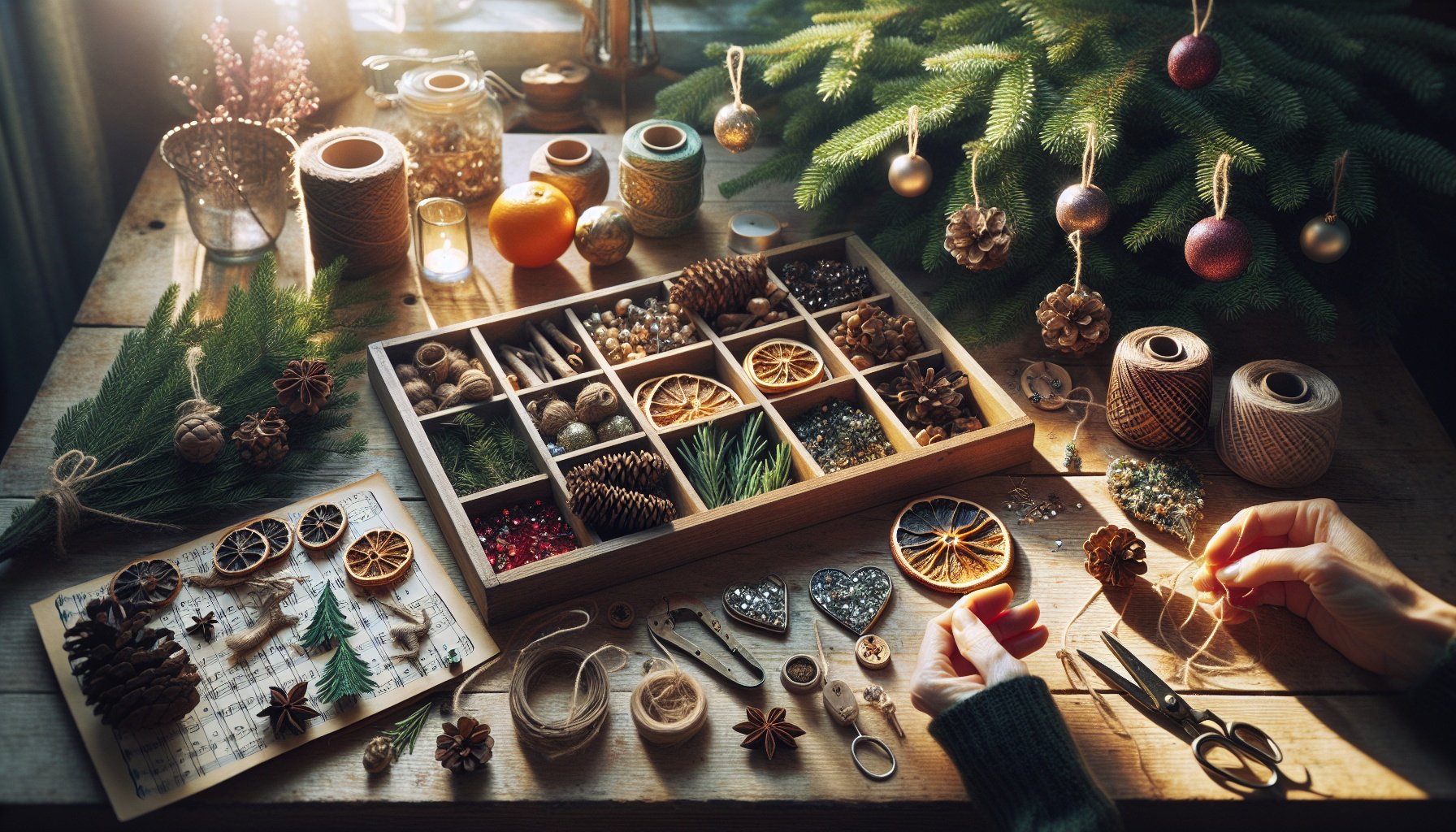
Once the basics are gathered, the next step is choosing materials and themes that tell a clear story through each ornament. Natural elements like pinecones, twigs, and dried citrus can bring a cozy, handcrafted feel that pairs well with both rustic and modern spaces. Shimmering glass beads, sequins, and ribbon add light-catching detail that stands out against evergreen branches. Themes might follow favorite holiday songs, local wildlife, bayou scenes, or even hobbies and sports teams, tying decorations to everyday life. Thoughtful choices in texture, pattern, and motif help each ornament feel intentional, setting the stage for specific material and theme ideas.
Selecting durable materials for long‑lasting ornaments: felt, wood scraps, and construction offcuts
Durable materials turn simple crafts into heirlooms that handle years of decorating, packing, and storage. Felt works especially well because it does not fray, holds stitching firmly, and stays soft even when handled by small children; double-layered felt shapes, lightly stuffed and edged with blanket stitches, keep their form season after season. Small wood scraps from shelving, trim, or fencing can be sanded smooth, stained or painted, and sealed with a clear finish to resist moisture and warping. Construction offcuts—like leftover molding, plywood circles, or shingle pieces—can be drilled for hanging and dressed up with paint, woodburned designs, or metal accents. Around Central Louisiana, these sturdy, repurposed materials echo the resourceful spirit found on local jobsites and front porches.
Pro Tip: Handmade ornaments trace back to ancient Egypt around 2000 BCE, where glass baubles were crafted as decorations for evergreen trees during winter festivals, symbolizing life and renewal.
Source: Wikipedia
Designing ornament themes that reflect Central Louisiana culture and traditions
Designing ornament themes that reflect Central Louisiana culture and traditions turns a tree into a snapshot of home. Local life offers endless ideas: cypress trees along Bayou Rapides, herons and egrets, or small wooden pirogues cut from leftover trim. Felt shapes can celebrate regional foods like crawfish, boudin, pecan pie, or a classic gumbo pot, stitched with deep reds, golds, and mossy greens to echo bayou sunsets. Painted wood scraps become tiny versions of Alexandria’s downtown bridges, Kisatchie National Forest pines, or a nod to Christmas parades and holiday lights at local festivals. Mixing faith symbols, French and Creole phrases, and rustic textures from repurposed jobsite materials creates a holiday theme rooted deeply in Central Louisiana’s story.
Keep in Mind: In 2024, the global handicrafts market reached USD 739.95 billion, with festive ornaments contributing significantly due to rising demand for personalized home decor items.
Source: Grand View Research
Color palettes and finishes that match existing holiday decor and home style
Color palettes and finishes that match existing holiday decor and home style keep handmade ornaments from feeling random. Soft neutrals like cream, taupe, and warm gray blend easily with farmhouse or cottage interiors, especially when paired with unfinished wood, jute twine, and matte paint. Bold reds and deep greens suit classic Christmas themes, while metallic accents in brushed gold, copper, or pewter echo more modern or traditional Southern homes with brass fixtures or ironwork. Satin ribbon, velvet scraps, and glossy varnish help ornaments coordinate with formal mantels or polished dining rooms. For relaxed spaces, chalk paint, stained wood, and frayed fabric edges fit casual bayou-inspired decor. Matching tree skirts, stockings, and throw pillows to ornament colors ties every corner of the house into one peaceful holiday story.
Simple Ornament Projects Using Common Jobsite and Household Materials
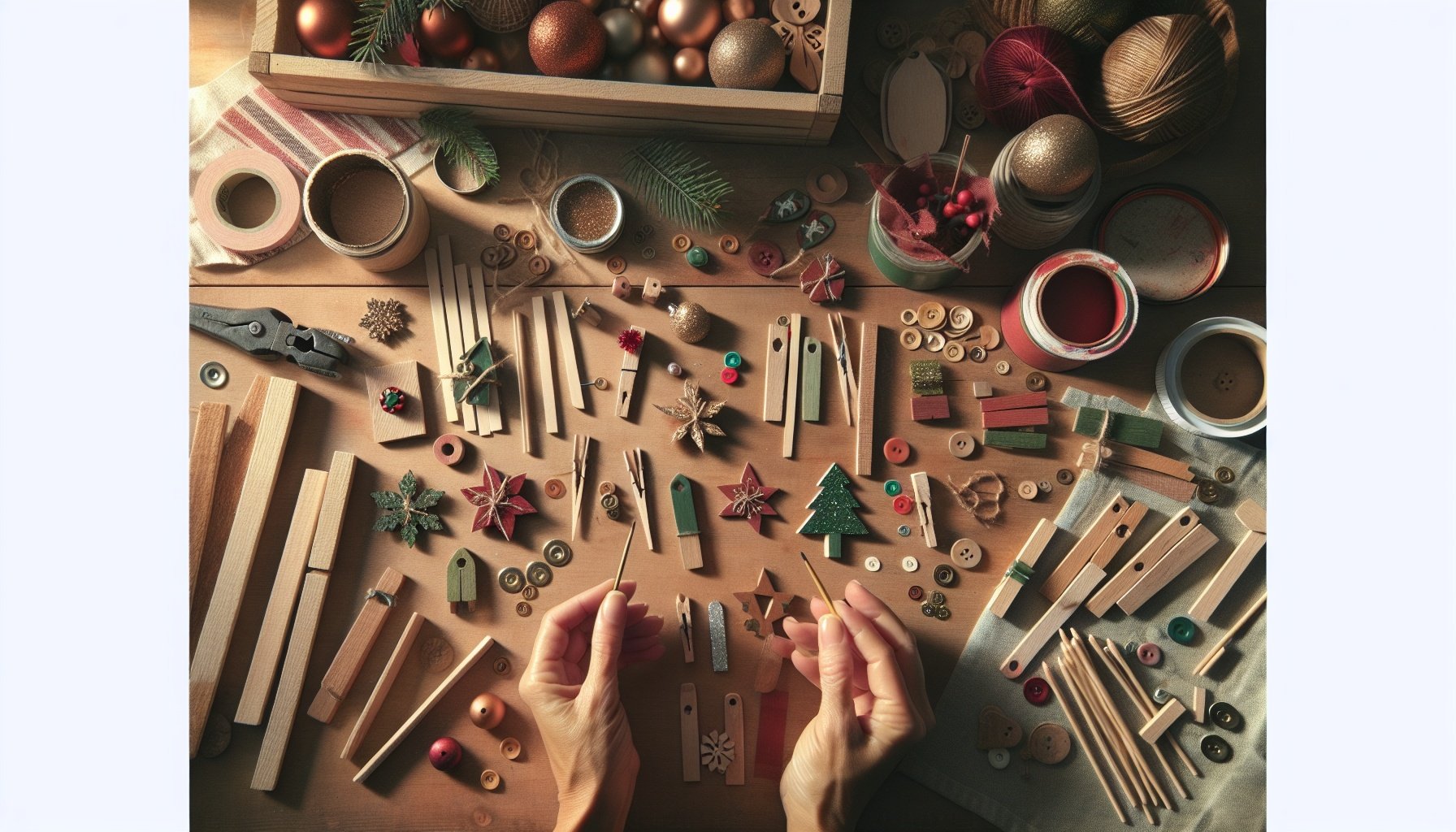
Once colors and themes feel settled, attention can turn to the tools and odds‑and‑ends already on hand. Scrap lumber from a CenstruX-style remodel, extra nails, washers, paint stir sticks, and even leftover drywall tape can be transformed into festive ornament crafts with just a bit of imagination. Around the house, jar lids, buttons, clothespins, and ribbon pieces become easy building blocks for simple, budget‑friendly projects. This approach keeps waste down, stretches the holiday budget, and gives everyday materials a second life on the tree, setting the stage for a series of quick, practical ornament ideas using common jobsite and household supplies.
Worth Noting: The handicrafts sector in India supported over 7 million artisans in 2025 through platforms like India Handmade, boosting rural economies via digital sales of festive ornaments.
Source: Caleidoscope India
Felt and fabric scrap ornaments: patterns, layering, and simple stitching techniques
Felt and fabric scrap ornaments turn leftover materials into soft, colorful accents that mix beautifully with wood, metal, and natural branches. Simple paper templates work well for cutting classic shapes like stars, doves, bayou-inspired fish, or little cabin silhouettes. Layering two or three colors of felt creates depth: a dark green tree base, a lighter green top layer, and a tiny metallic fabric “garland” stitched across. Basic stitches keep everything secure and decorative. A running stitch outlines edges, blanket stitch adds a bold border, and tiny “x” stitches hold on buttons, beads, or sequin “berries.” Fabric scraps can be stacked for patchwork hearts or LSU- and Saints-colored motifs, turning even the smallest pieces into meaningful, one-of-a-kind keepsakes.
Wood slice and trim offcut ornaments: drilling, sanding, and safe finishing methods
Wood slice and trim offcut ornaments turn leftover framing scraps, fence pickets, or fallen branches into warm, rustic decorations. Thin slices drilled near the top with a 1/8″ or 3/16″ bit hang easily on ribbon, twine, or leftover electrical wire. Light sanding with 120–220 grit smooths rough grain and softens sharp corners, keeping them safe for small hands during decorating. Clear water-based polyurethane, food-safe mineral oil, or beeswax polish brings out the rings without harsh fumes, making indoor projects more comfortable. Names, dates, or little pine trees can be burned in with a woodburning pen or drawn on with paint pens, tying the look back to felt stars, stitched doves, or other soft ornaments already on the tree.
Quick Insight: Handmade ornaments from sustainable materials like recycled paper and natural fibers reduce holiday waste by up to 70%, promoting eco-friendly festive home decor practices.
Source: The Guardian
Hardware and recycled-material ornaments using washers, wire, and leftover fasteners
Hardware and recycled-material ornaments turn humble leftovers into shiny, modern accents that mix well with soft fabric and warm wood pieces. Flat washers stacked on wire or twine create snowflake-style stars, wreath rings, or simple geometric shapes. Old nuts, bolts, and small screws grouped by size form tiny Christmas trees, bells, or bundled “icicles” that catch the light on a branch. Thin wire bends into hearts, stars, or initials, then wraps around a few washers or beads for contrast. Soda can tabs, bottle caps, and scrap chain add extra texture when linked, dangled, or layered. A quick polish with a rag removes dust, while keeping the natural patina that gives each metal ornament a story of its own.
Family-Friendly Craft Sessions and Display Ideas for Festive Home Decor
Handmade ornament crafts offer a personalized way to decorate homes during the holidays, using simple materials like felt, yarn, and recycled items to create unique pieces that invite everyone to join in. After colors, themes, and textures are chosen, family-friendly craft sessions turn the table into a creative workshop where small hands and seasoned makers can work side by side. Short, manageable projects keep the mood light, while simple tools and step-by-step setups make success easy for every age. Once finished, ornaments become part of the celebration through thoughtful display ideas that highlight each handmade treasure throughout the home.
Organizing ornament-making sessions as low-mess, family-friendly activities
Organizing ornament-making sessions as low-mess, family-friendly activities starts with simple setups that keep supplies contained and stress low. A vinyl tablecloth, a few shallow trays, and pre-portioned kits of materials—like pre-cut felt shapes, short yarn pieces, ribbon snippets, and a small cup of beads or buttons—help limit clutter and spills. Washable glue sticks, peel-and-stick foam shapes, and painter’s tape replace runny glue and messy paint. Clear “stations” work well: one for tying ribbon hangers, one for decorating with sequins or jar-lid frames, and one for writing names or dates on the back of each ornament. Background holiday music, local favorites from Louisiana artists, and a final “show-and-tell” on the tree or garland turn the crafting time into a relaxed tradition that families look forward to each year.
Worth Noting: Indian artisans craft terracotta and clay ornaments inspired by Diwali traditions, using natural dyes and motifs from ancient folklore to adorn homes during the festival of lights.
Source: The Hindu
Adding names, dates, and stories to turn ornaments into yearly keepsakes
Adding small details like names, dates, and short stories turns simple ornaments into a living family timeline. A fine-tip paint pen or metallic marker works well on wood slices, clear plastic balls, and flat clay shapes, creating clean, readable labels that last. Names of children, pets, and visiting relatives can go on one side, while the year or age goes on the other. A tiny note such as “first Christmas in Alexandria,” “grandma’s recipe ornament,” or “road trip to natchitoches lights” adds a memory cue that sparks conversation every season. A simple index card or digital photo of each ornament with its story keeps everything organized so the tree slowly becomes a record of milestones, traditions, and shared celebrations.
Interesting Fact: 3D printing technology enables custom handmade ornaments by allowing designers to create intricate patterns from recycled plastics, blending traditional craftsmanship with modern precision for festive decor.
Creative ways to display handmade ornaments on trees, mantels, and entryways
Creative displays turn handmade ornaments into the highlight of trees, mantels, and entryways. On the tree, clusters of similar ornaments can form mini “story zones,” like a bunch of Central Louisiana camping ornaments grouped together or a section dedicated to baby milestones. Ribbon garlands strung with clothespins hold flat felt pieces, kids’ drawings sealed in clear ornaments, or photo tags. On mantels, clear glass vases or wide-mouth jars filled with ornaments create an easy focal point, especially when mixed with pinecones or magnolia leaves. Entryways feel welcoming when branches from the yard are set in a weighted bucket and decorated with lightweight ornaments, or when a simple framed chicken wire board holds hanging ornaments as a holiday “gallery wall.”
Conclusion
Handmade ornament crafts offer a personalized way to decorate homes during the holidays, using simple materials and leftover household or construction supplies to create meaningful pieces with less waste and less cost. Natural textures, shimmering accents, and thoughtful themes come together to match any style, from rustic to modern, while still feeling warm and welcoming. Color palettes, local inspirations, and family traditions shape each design, turning simple supplies into story-filled decorations. Crafting ornaments as a group keeps the season relaxed and connected, from the first cut of ribbon or scrap to the final display on the tree or mantel. A small box of materials and a little imagination can turn this year’s decorating into a heartfelt tradition worth repeating.
Frequently Asked Questions
- What makes handmade ornament crafts special for holiday home decor?
- Handmade ornament crafts create a warm, personal touch that store-bought decorations rarely match. Every piece reflects the maker’s taste, memories, and creativity, so the tree, mantel, or garland feels more meaningful.
Handmade ornaments:
– Tell a story: A simple salt dough star or fabric heart can remind a family of a specific year, trip, or milestone.
– Blend with any decor style: Simple materials like twine, wood slices, buttons, and fabric scraps fit rustic, farmhouse, modern, or traditional holiday themes.
– Encourage creativity: Kids, teens, and adults can all participate, making the decorating process an activity instead of just a shopping trip.
– Can turn into traditions: Making one or two new ornaments each season slowly builds a collection that feels unique and heartfelt.Instead of just filling space, each ornament feels like a small piece of the home’s story.
- What simple materials work best for handmade holiday ornaments at home?
- Simple, easy-to-find materials create beautiful handmade ornaments without a big budget. Common options include:
– Paper: Cardstock, scrapbook paper, kraft paper, and old book pages work well for stars, snowflakes, and layered shapes.
– Ribbon and twine: Jute twine, satin ribbon, and fabric ribbon create hangers, bows, or simple wrap details.
– Natural items: Pinecones, cinnamon sticks, dried orange slices, acorns, and small branches give a cozy, rustic holiday look.
– Fabric and felt: Felt sheets, cotton scraps, flannel, and burlap are perfect for hearts, trees, and other stitched shapes.
– Beads and buttons: Wood beads, glass beads, and mismatched buttons add color, texture, and shine.
– Air-dry or salt dough: Great for shaped ornaments stamped with cookie cutters, imprints, or hand-carved patterns.
– Wood: Thin wood slices, craft sticks, and small pre-cut shapes can be painted, stamped, or burned with simple designs.These materials keep projects affordable while still looking polished and festive.
- How can handmade ornaments match different holiday decor styles?
- Handmade ornaments can fit almost any style by adjusting color, texture, and detail. A few simple changes help ornaments blend with different holiday looks:
– Rustic or farmhouse: Use twine, burlap, wood slices, pinecones, dried oranges, and simple neutral paint colors like white, cream, and soft green.
– Classic red-and-green: Add plaid ribbon, red buttons, felt holly leaves, and gold touches like bells or metallic paint.
– Modern and minimal: Choose clean shapes like circles, stars, and trees. Stick to a tight palette such as white, black, and metallics, and keep details simple.
– Whimsical and colorful: Mix bright felt, pom-poms, sequins, and colorful yarns. Playful shapes like gingerbread people, candy, and animals fit this style well.
– Nature-inspired: Focus on greens, browns, and soft whites. Use leaves, small branches, pressed flowers, and simple linen or cotton fabrics.By planning colors and materials before crafting, ornament collections feel intentional and pulled together.
- What are some easy handmade ornament ideas for beginners and kids?
- Many ornament projects stay simple enough for beginners and children while still looking special on the tree or mantel. Popular starter ideas include:
– Salt dough shapes: Mix flour, salt, and water, cut shapes with cookie cutters, bake, then paint or stamp designs. A small hole at the top holds ribbon or twine.
– Paper snowflakes: Fold and cut white or patterned paper into snowflakes, then hang with clear thread or thin ribbon.
– Cinnamon stick bundles: Tie three cinnamon sticks with twine, add a small sprig of faux greenery or a tiny bell for a fragrant, rustic ornament.
– Button wreaths: String green buttons onto a thin wire, form a ring, and finish with a small ribbon bow.
– Felt hearts or trees: Cut two matching shapes from felt, stitch or glue around the edges, and lightly stuff with cotton or scrap fabric.
– Pinecone ornaments: Attach a loop of twine to the top of a pinecone and add a bit of white paint or glitter to the tips for a snowy effect.These projects use basic supplies and simple steps, so families can craft together without stress.
- How can handmade holiday ornaments be preserved and stored so they last for years?
- Good storage and a few protective steps help handmade ornaments last season after season.
Helpful tips:
– Seal delicate surfaces: A thin layer of clear craft sealer or Mod Podge on paper or painted salt dough adds durability.
– Let glue and paint fully cure: Ornaments should dry completely before packing to prevent sticking or smudging.
– Use tissue or bubble wrap: Wrap fragile ornaments individually, especially those made with glass beads, dried fruit, or thin wood.
– Choose sturdy containers: Plastic bins with lids protect from moisture, dust, and pests better than soft bags or basic cardboard.
– Store in a cool, dry place: Avoid areas that get damp or very hot, which can warp paper, crack paint, or attract pests.
– Label sections: Keep similar ornaments together—paper in one area, dough in another—so unpacking and re-hanging goes smoother.With a little care, even simple handmade pieces stay beautiful and ready for future holidays.
- Are there budget-friendly ways to make handmade ornaments look high-end?
- Handmade ornaments can look polished and high-end without spending much by focusing on a few design tricks:
– Stick to a limited color palette: For example, all white and gold, or natural wood with soft green. Consistent color looks intentional and elegant.
– Use simple shapes: Clean circles, stars, and geometric forms often look more refined than very busy designs.
– Add small metallic accents: A touch of gold or silver paint, a metallic pen outline, or a few tiny bells elevates simple materials.
– Upgrade hangers: Replace plain string with thin velvet ribbon, narrow satin ribbon, or neat twine tied in a tidy knot or bow.
– Sand and finish wood: Even basic craft wood looks upscale when lightly sanded and finished with clear coat, stain, or whitewash.
– Avoid clutter: A few strong elements—like one bow and a small charm—often appear more stylish than many competing details.With thoughtful color, texture, and finishing touches, even low-cost ornaments feel special and display-ready.
- Can handmade holiday ornaments be given as meaningful gifts or keepsakes?
- Handmade ornaments work very well as gifts and keepsakes because each one carries a personal connection.
Ways they become meaningful:
– Mark special years: An ornament with the year written or stamped on it can honor a first home, a new baby, or a memorable trip.
– Reflect local style: Using natural items from a specific area—like pinecones from a favorite park or dried citrus common in Southern holiday decor—adds local character.
– Capture kids’ milestones: Handprints, fingerprints, or simple drawings turned into ornaments become treasured reminders as children grow.
– Honor traditions: Shapes like hearts, stars, angels, or family-specific symbols connect to long-standing customs and beliefs.
– Personal touches: Initials, short messages, or meaningful colors and patterns show thought and care.Because they are made with intention, handmade ornaments often stay in rotation on the tree or garland for many years, turning into small but powerful family mementos.