
French Drains: The Smart Solution for Yard Drainage Problems
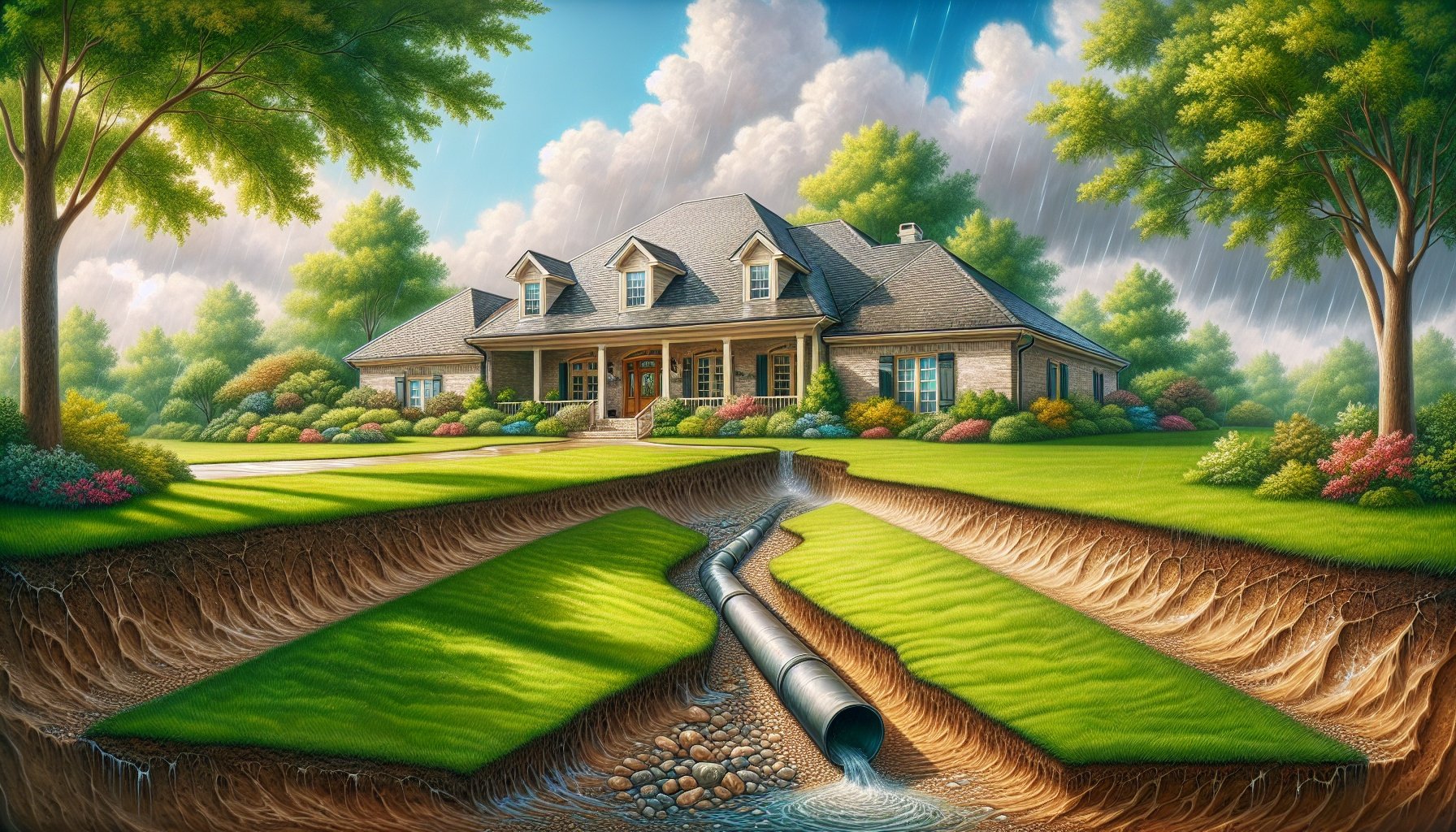
After a hard Central Louisiana downpour, many yards start to look more like shallow ponds than places for kids to play or pets to run. Low spots hold water for days, clay soil stays soggy, and grass turns to mud that never really dries out. French drains are underground systems that redirect excess water away from problem areas using perforated pipes surrounded by gravel. They are particularly useful in yards with poor soil drainage or sloped terrain where surface water accumulates. Unlike dry wells that store and slowly release water into the ground, French drains actively channel water to a safer discharge point like a storm sewer or dry stream bed. By taking pressure off the surface and moving water where it can drain without causing damage, a well-designed French drain turns a constantly wet yard into a healthier, more usable outdoor space. Thoughtful planning around local soil, rainfall, and yard layout helps each system match the unique conditions of Central Louisiana weather. Smart installation and simple seasonal maintenance then keep water moving, even through those heavy storms and hurricane remnants that roll across the region. With the right approach, French drains become a quiet, hidden partner beneath the grass, working around the clock to keep standing water under control and protect the landscape for the long term.
Quick Navigation:
How French Drains Solve Yard Drainage Problems in Central Louisiana | Planning a French Drain System for Local Soil and Weather Conditions | Best Practices for Installing and Maintaining French Drains | Frequently Asked Questions
How French Drains Solve Yard Drainage Problems in Central Louisiana
French drains do more than just move water; they change how a yard handles every storm that rolls through Central Louisiana. Instead of letting rain spread out across the surface, a well‑placed French drain quietly collects water below ground, easing pressure on soil, roots, and foundations. This helps prevent standing water around slabs, reduces erosion along driveways and walkways, and keeps low spots from turning into long‑term mud pits. When designed around local slopes, tree lines, and hard surfaces, French drains work with the natural flow of the yard, creating a controlled path that guides excess water exactly where it should go next.
Worth Noting: Modern French drains incorporate filter fabric socks around perforated pipes, preventing sediment clogging and extending system lifespan up to 50 years without maintenance in stable soil conditions.
Source: Drainage Pipe Co
Common drainage issues in Central Louisiana yards: low spots, clay soil, and standing water
Central Louisiana yards often develop deep low spots where foot traffic, mowing patterns, or old tree roots have compacted the ground. These depressions collect runoff from surrounding higher areas, turning small dips into stubborn puddles. Clay-rich soil makes the problem worse by acting almost like a shallow bowl; water sits on top instead of soaking in. Homes built on former timber or farm land around Alexandria, Pineville, and Marksville often have this heavy subsoil just a few inches below the grass. When repeated storms roll through, standing water lingers along fence lines, beside driveways, and near patios. That constant saturation stresses St. Augustine and centipede grass, invites fire ants and mosquitoes, and slowly softens the soil under slabs and walkways.
Expert Insight: Groundwater levels in European aquifers rose in 57% of observation points by December 2025, partly due to effective drainage systems like French drains aiding recharge during wet periods.
Source: BRGM
How a French drain works: perforated pipe, gravel trench, and gravity flow
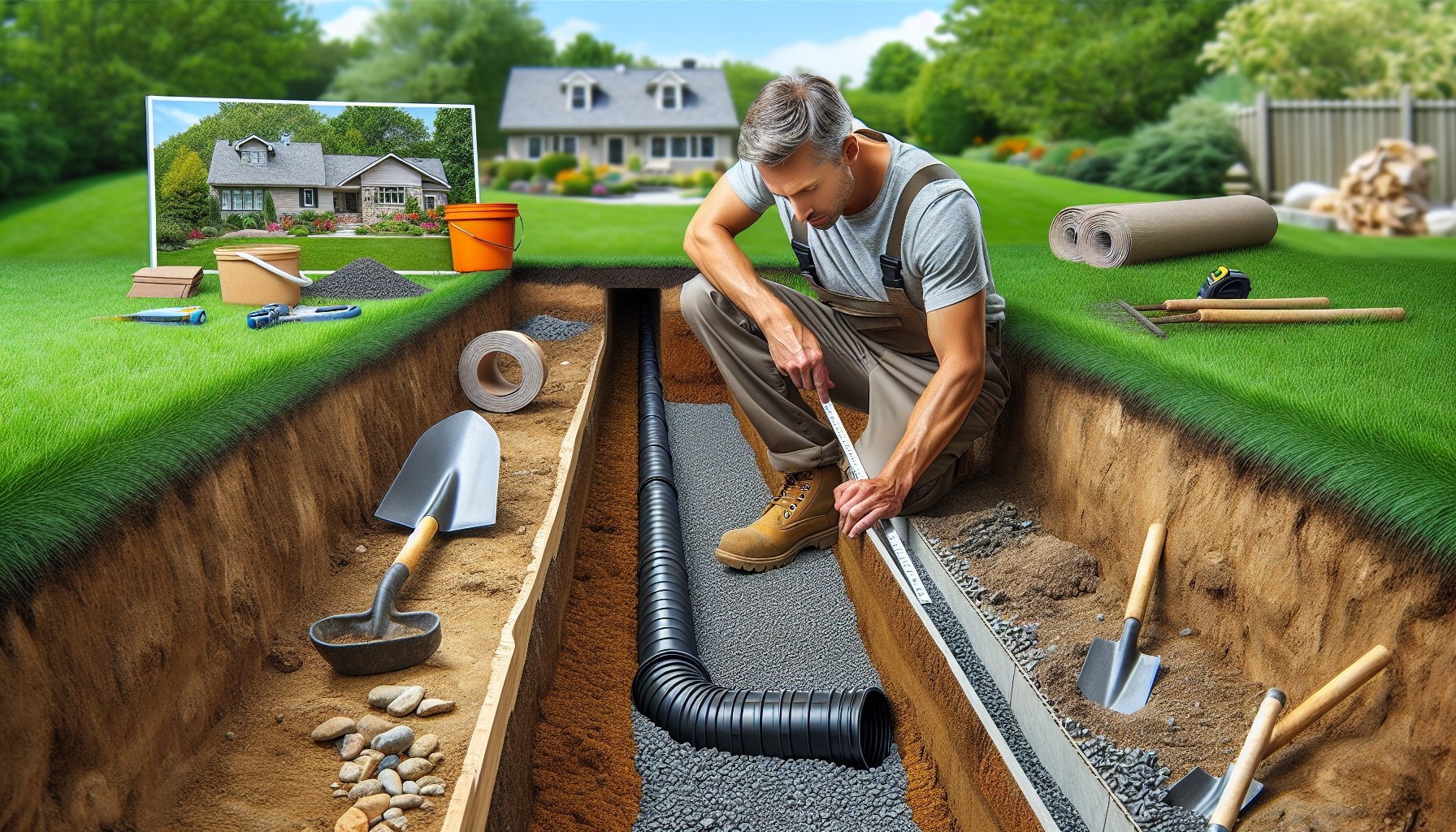
A French drain works like an underground gutter system, quietly collecting and carrying away water that would otherwise sit in soggy spots. A narrow trench is dug on a gentle slope, then lined and filled with washed gravel to create a free-draining path through tight Central Louisiana soil. A perforated PVC pipe is set in the gravel with the holes facing down or to the sides, so water seeps in as the trench fills. The gravel filters out sediment and keeps the pipe from clogging, while also giving water plenty of space to move. Gravity does the rest, pulling water downhill through the pipe to a lower, safe discharge point such as a ditch, swale, or wooded area.
French drains vs surface drains, swales, and sump pumps for yard water control
French drains handle the water that soaks into the ground, while other drainage tools deal mostly with what runs across the surface. Surface drains and catch basins work like floor drains in a patio or driveway, grabbing fast-moving runoff from concrete and tight spaces. Swales are shallow, grassed channels that gently guide rain across a yard, ideal along fence lines or between neighboring lots in pineville or Alexandria. A sump pump sits in a pit and pushes water out using electricity, usually under or beside a slab or crawlspace. French drains pair well with all of these, quietly lowering groundwater around foundations, keeping heavy Central Louisiana rains from turning low spots into mud pits again and again.
Planning a French Drain System for Local Soil and Weather Conditions
French drains work best when matched to the ground under the grass and the weather rolling across Central Louisiana skies. A system in Alexandria’s tight clay will not look the same as one near piney, sandy spots outside Pineville. Rainfall totals, storm intensity, slope, and even how shade or trees affect wet areas all shape a smart layout. Pipe depth, gravel size, fabric choice, and outlet location each depend on local conditions instead of a one-size-fits-all plan. With a little upfront planning around soil and weather patterns, a French drain can be sized and placed to handle the next big storm with confidence.
Interesting Fact: Henry Flagg French first described the trench drain in his 1859 book Farm Drainage, crediting an earlier design by American farmer Benjamin Franklin, who used buried perforated pipes for water diversion.
Source: Wikipedia
Evaluating yard slopes, water flow paths, and problem areas before digging
Evaluating yard slopes, water flow paths, and problem areas starts with watching how water behaves during and after a good Louisiana-style rain. Even a gentle slope can push a surprising amount of runoff toward a house, driveway, or patio. A simple string level, long straight board, or laser level shows where the ground dips, rises, and funnels water. Dark, squishy turf, algae stains on concrete, mulch washed out of beds, and silt lines along fences or patios mark existing water paths. Low “bowls” in the lawn often signal future mud pits, while narrow channels cutting through soil show active erosion. Mapping these slopes and flow lines helps position the French drain exactly where water naturally wants to travel, instead of fighting against it.
Choosing pipe type, gravel size, and filter fabric for Central Louisiana’s heavy rains
French drains handle Louisiana downpours best with a solid, perforated pipe instead of the flimsy, corrugated flex kind. A rigid SDR-35 or Schedule 40 pipe keeps a steady slope and resists collapse when heavy clay soils swell and shrink. Washed gravel matters just as much. Clean ¾-inch angular rock creates strong voids so stormwater from those fast summer thunderstorms can move quickly without clogging. Pea gravel tends to pack tight and slow flow in Rapides and Grant Parish clay. A quality non-woven geotextile fabric wraps the gravel bed like a breathable burrito, keeping Central Louisiana’s fine silt out of the system while still letting water rush through toward the discharge point after every heavy rain.
Did you know? French drains reduce soil erosion around yard foundations by redirecting up to 90% of surface runoff, preserving local biodiversity and preventing habitat disruption from waterlogging in residential areas.
Source: French Drain Man
Locating safe discharge points: ditches, storm drains, and low-impact runoff areas
Every French drain needs a safe place to send all that collected water. The discharge point must sit lower than the yard problem areas so gravity can do all the work. Roadside ditches along Central Louisiana parish roads are common outlets, especially where they already carry stormwater away from neighborhoods. Where city storm drains exist, tying into a curb-side catch basin or approved storm sewer connection keeps runoff out of foundations and low spots. On larger, open lots, a low-impact runoff area works well, such as a shallow swale leading to a dry creek bed, rain garden, or wooded edge with good natural drainage and soil that can handle repeated wetting without washing out or eroding.
Best Practices for Installing and Maintaining French Drains
French drains work best when installed with careful planning, correct slope, and durable materials that match local conditions. Proper trench depth, high‑quality perforated pipe, and the right gravel or rock size all affect how efficiently water moves through the system. A strong filter layer, such as landscape fabric, also helps keep soil from clogging the line over time. Once in the ground, regular inspections, simple seasonal maintenance, and quick repairs keep the drain performing well through heavy rains and changing seasons. The following best practices highlight how smart installation and ongoing care protect that investment for the long term.
Interesting Fact: French drains function through capillary action and gravity, where water percolates through gravel layers into a perforated pipe, creating a pressure gradient that draws moisture away from saturated soil areas.
Source: Practical Engineering
Excavation, trench depth, and slope guidelines for effective water movement
Excavation sets the stage for smooth water flow. Most French drain trenches work well at 12–24 inches deep, with deeper digs around chronic wet spots or near foundations. The trench should be wide enough for a solid gravel bed on both sides of the pipe, usually 8–12 inches. Consistent slope matters more than extreme drop. A common guideline is about 1 inch of fall for every 8–10 feet of run, enough to keep water moving without washing out soil. Laser levels or string lines help hold a steady grade. Excavation also needs a stable bottom, free of soft pockets or high spots, so the pipe rests evenly and water flows without pooling or backing up.
Did you know? In the UK, French drains form part of traditional garden landscaping since the 19th century, often integrated into estate designs to manage rainwater and enhance aesthetic water features in rural properties.
Source: Terra Firma Landscapes London
Preventing clogs with fabric wraps, cleanouts, and proper backfill methods
Clog prevention starts with a quality fabric wrap. Non-woven filter fabric lines the trench first, then folds over the gravel and perforated pipe like a burrito, keeping soil and roots out while still letting water pass. The pipe itself should face perforations down and be set in washed, angular gravel, not sand or dirt that can wash into the holes. Cleanouts add another layer of protection. Vertical riser pipes with caps at key locations, like the start of the system or direction changes, allow future flushing if silt builds up. Backfill also matters: a thick gravel layer above the pipe, then a barrier fabric, then soil and sod on top helps the French drain stay open and flowing for years.
Seasonal inspection and maintenance after big storms and hurricanes
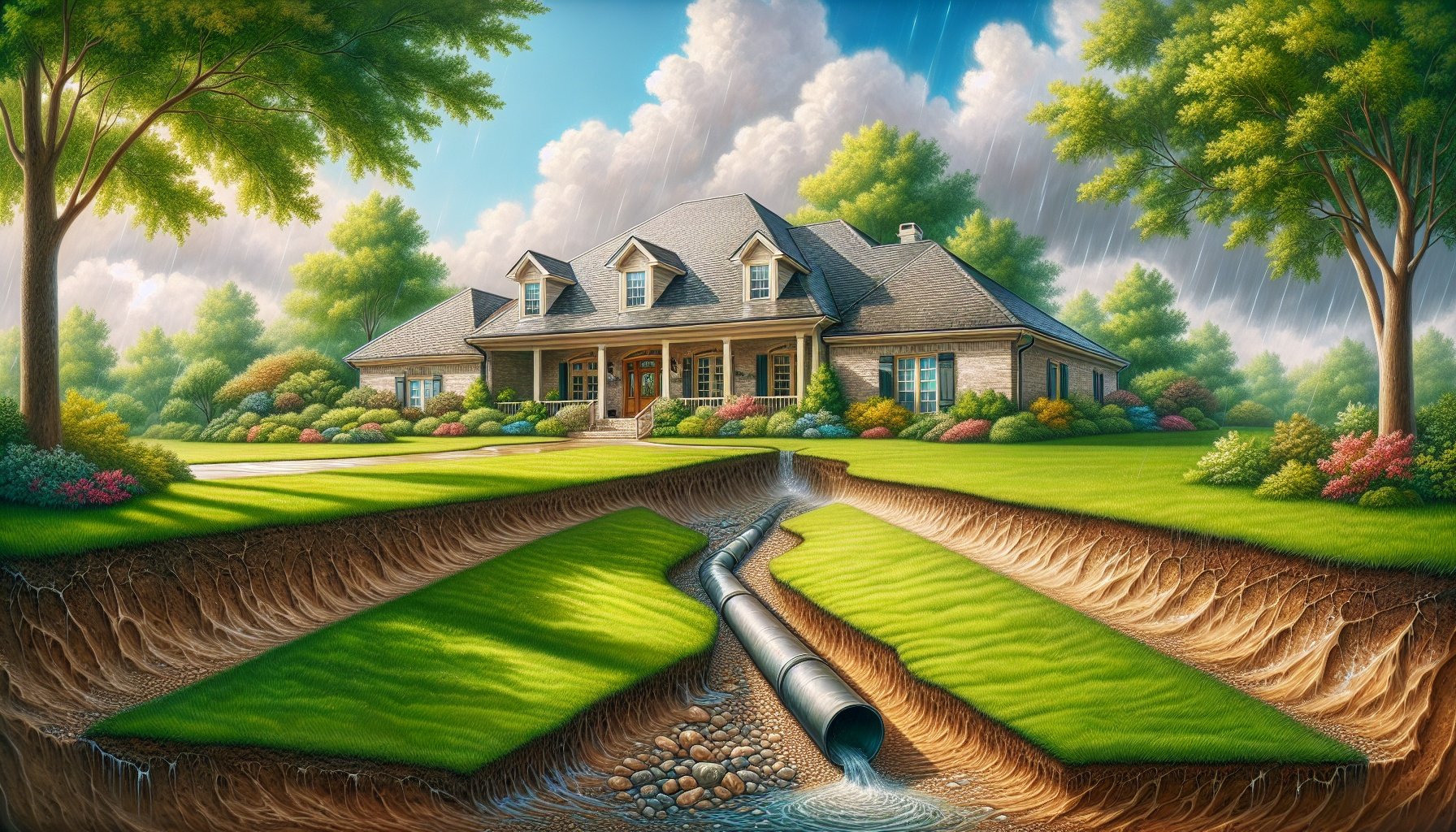
Seasonal inspection matters most after major storms and hurricanes, when French drains take on heavy loads and hidden damage can start. After water recedes, drain outlets and discharge points get checked first for blockages from pine straw, branches, and displaced mulch. Standing water or soggy ground above the trench signals a partial clog or crushed section that needs attention. Cleanout risers installed during construction allow quick flushing of sediment, roof grit, and silt that big Louisiana rains often wash into the system. Along fence lines and under driveways, shifting soil or cracked concrete can hint at settlement around the trench. Catching these signs early keeps water moving away from slabs, patios, and low spots through the next storm season.
Conclusion
French drains are underground systems that redirect excess water away from problem areas using perforated pipes surrounded by gravel. They are particularly useful in Central Louisiana yards with poor soil drainage or sloped terrain, from Alexandria’s tight clay to the sandier ground near Pineville. Thoughtful design around local soil, rainfall, shade, and tree roots helps the system fit the property instead of fighting it. When pipe depth, gravel selection, fabric, and outlet location are all tuned to site conditions and then supported with simple, ongoing care, a French drain can quietly protect landscaping, foundations, driveways, and walkways for years. Standing water does not have to be a fact of life; a smart French drain layout can turn a soggy yard into a solid, dependable space again.
Frequently Asked Questions
- What is a French drain and how does it solve yard drainage problems?
- A French drain is a simple drainage system designed to move excess water away from low spots, wet areas, and foundations. It usually consists of a sloped trench filled with gravel and a perforated pipe. Water from soggy soil flows into the trench, enters the pipe through the small holes, and is carried away to a better drainage area.
For yards in rainy areas like Central Louisiana, a French drain helps in several ways:
– Reduces standing water after storms
– Protects grass, plants, and landscaping from root rot
– Helps keep patios, walkways, and driveways drier
– Lowers the risk of water seeping toward the house foundationInstead of allowing water to sit on the surface and create muddy spots or puddles, a French drain gives that water a clear path to move underground and away from problem areas.
- How can a yard’s drainage problems be identified before installing a French drain?
- Several signs point to poor yard drainage that may be helped by a French drain:
– Puddles that linger for more than a day or two after normal rain
– Mushy, soft ground that stays wet even after sunny weather
– Grass turning yellow or dying in certain low spots
– Water flowing toward the house instead of away from it
– Mold, mildew, or damp smells near the base of exterior walls
– Dirt or mulch washing away during heavy stormsDuring a Central Louisiana downpour, problem spots tend to show up fast. Watching where water collects, how it flows across the yard, and where it drains can help decide the best place for a French drain trench and where the water should discharge safely.
- Where should a French drain be installed in a yard for best performance?
- Placement makes a big difference for French drain performance. Common locations include:
– Along the low side of the yard where water naturally collects
– Between neighboring properties where runoff tends to flow
– Parallel to the house foundation if water is pooling against exterior walls
– Behind retaining walls to relieve water pressure
– Around patios, driveways, or walkways that trap waterThe trench should follow the natural slope of the land whenever possible. Water should always be directed toward a safe discharge point such as:
– A lower part of the yard with good drainage
– A dry well or gravel pit designed to absorb water
– A drainage ditch or approved storm drain system (where local codes allow)The exact layout depends on the property grade, soil type, and local regulations, which are especially important in areas with frequent heavy rain, like Central Louisiana.
- What materials are used to build a French drain and why are they important?
- A well-built French drain uses several key materials that work together to move water efficiently:
– Perforated drain pipe: Usually a 4-inch pipe with small holes along the sides that collect water and carry it through the system.
– Gravel or crushed stone: Surrounds the pipe to create open spaces where water can flow freely. Washed gravel is typically used to avoid clogging.
– Filter fabric (landscape fabric): Wraps the gravel and pipe to keep soil and sediment from entering the system and causing clogs.
– Solid drain pipe (optional): Sometimes used at the discharge end to carry water to its final outlet without letting more water enter.These materials help the drain collect water quickly, move it underground, and resist clogging. In areas with heavy clay soils, like much of Central Louisiana, good gravel and filter fabric are especially important because clay can easily block cheaper, poorly built drains.
- How deep and how long should a French drain be for a typical residential yard?
- Depth and length depend on the specific drainage issue and the yard layout, but there are common guidelines:
– Depth: Many residential French drains are 18–24 inches deep. For serious drainage problems or areas close to a foundation, the trench may be deeper. The top of the gravel is often kept several inches below the soil surface so grass can grow over it if desired.
– Width: Trench width is commonly 8–12 inches to allow space for the pipe and plenty of gravel.
– Slope: The pipe usually needs a slope of about 1% (about 1 inch of drop for every 8 feet of length) so water flows steadily toward the outlet.
– Length: The length depends on the size of the wet area and where the water will be discharged. It may run along part of the yard, follow a property line, or wrap around a portion of the house.A professional installer will measure the grade, calculate the slope, and design the length to match the specific drainage pattern on the property.
- How long does a French drain last, and what maintenance is needed?
- A properly installed French drain can last many years, often 15–25 years or more, especially when built with quality materials and filter fabric. Lifespan depends on soil type, the amount of runoff, and how well the system is protected from debris.
Basic maintenance helps keep the system working well:
– Keep the drain’s outlet clear of leaves, soil, and lawn debris
– Avoid planting deep-rooted trees or shrubs directly over the drain line
– Prevent heavy vehicles from driving over the drain path where possible
– Watch for new low spots or pooling water that may signal a partial clogIn some cases, the drain line can be flushed or cleaned if sediment builds up. Regular checks are especially useful in storm-prone regions like Central Louisiana, where sudden heavy rainfall can test any drainage system.
- Is a French drain always the best solution, or are there other drainage options to consider?
- A French drain is a strong, flexible solution for many yard drainage problems, but it is not the only option. Other methods may be used alone or combined with a French drain:
– Regrading the yard: Adjusting the slope of the soil so water naturally flows away from the house and low spots.
– gutters and downspout extensions: Moving roof runoff farther away from the foundation before it can soak into the ground near the house.
– Catch basins and surface drains: Collecting surface water from patios, driveways, or low-lying corners and routing it into underground pipes.
– Dry creek beds or swales: Shallow, landscaped channels that guide water through the yard in a controlled, attractive way.
– Dry wells: Underground gravel-filled pits that allow water to soak into the ground slowly.For many wet yards in Central Louisiana, a French drain combined with better grading and proper roof drainage creates a strong overall system that handles both everyday rain and intense storms.