Fire Pit Design and Placement Tips for the Perfect Backyard Gathering
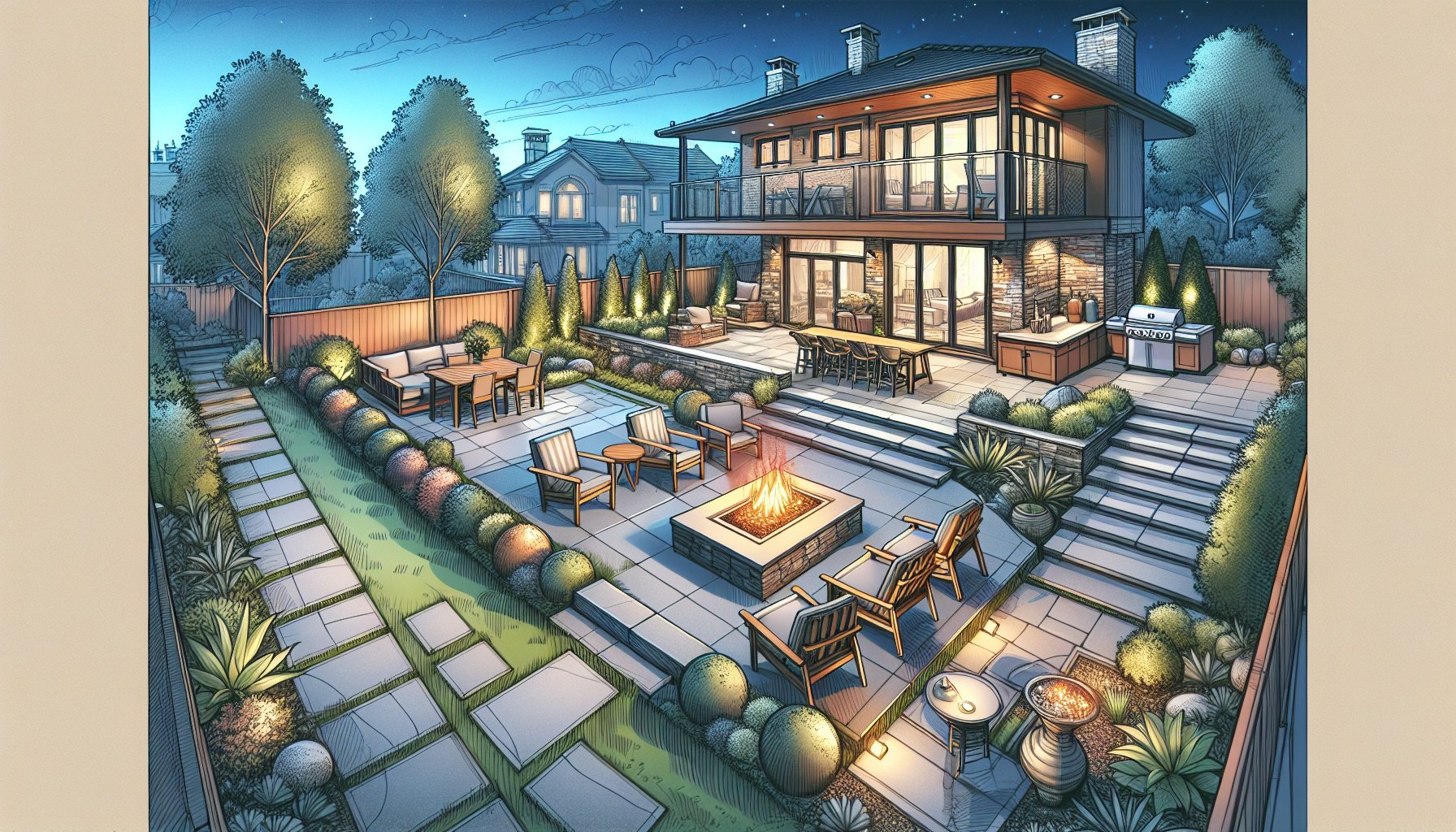
A glowing fire pit has a way of turning an ordinary backyard into a favorite gathering spot, where stories stretch late into the night and cool Central Louisiana evenings feel a little warmer. Thoughtful fire pit design and placement brings that atmosphere to life, blending shape, size, and style with the layout of patios, pools, and garden spaces so everything feels connected instead of crowded. A well-planned fire feature respects the flow of the yard, keeps seating comfortable, and leaves room for kids to run and adults to move without dodging smoke or stumbling over edges. Material choices and construction details matter just as much, especially in a climate that sees heavy rain, strong sun, and changing temperatures. Brick, concrete, and stone, paired with the right liners and base, create a fire pit that stays safe, solid, and attractive season after season. Smart placement adds another layer of success, aligning the fire pit with favorite views, shade patterns, and wind direction while staying in step with local codes and burn rules. When all of these elements come together, the result is more than a fire pit; it becomes the heart of the backyard, ready for football nights, holiday cookouts, and relaxed evenings under the pine trees and big Louisiana sky.
Quick Navigation:
Designing a Fire Pit That Fits the Backyard Layout | Material Choices and Construction Details for Long-Lasting Fire Pits | Smart Placement for Safety, Comfort, and Local Conditions | Frequently Asked Questions
Designing a Fire Pit That Fits the Backyard Layout
Once size, safety, and general placement are mapped out, the layout of the backyard starts to guide the finer design details. A fire pit can anchor an outdoor room, line up with an existing walkway, or tuck into a corner as a cozy retreat. Level changes, steps, and retaining walls can become built‑in seating or visual borders around the fire. Lighting, nearby grilling space, and access from the house all shape how the feature actually gets used. Thoughtful planning pulls these pieces together so the fire pit feels like it truly belongs in the backyard layout, from the first sketch to the final stone.
Choosing shapes that complement patios, pools, and garden lines
Shape works best when it follows the main lines already set by patios, pools, and garden beds. A round fire pit mirrors curved pool edges, half‑moon steps, and sweeping flower borders, creating a soft, relaxed feel that fits well around free‑form pools common across Central Louisiana. A square or rectangular pit lines up cleanly with straight patios, deck edges, and modern landscaping, keeping everything looking neat and organized. Long, narrow pits parallel to a pool or fence help define an outdoor “room” without wasting space. For yards that mix curves and straight runs, a rounded square or gently curved retaining wall around the pit can bridge both styles and keep the whole backyard layout feeling connected and intentional.
Keep in Mind: Modern fire pit designs incorporate gas burners that reduce emissions by up to 90% compared to traditional wood-burning models, promoting cleaner outdoor heating options.
Selecting fire pit sizes that match seating areas and yard scale
Size works best when it reflects both the seating layout and the scale of the yard. A compact courtyard with two chairs often feels balanced with a 24–30 inch fire bowl, leaving enough space for side tables and safe walking room. A medium patio that supports a small group usually suits a 36–40 inch pit, allowing a comfortable ring of seating without feeling cramped. Large backyards in Central Louisiana, like those stretching out behind homes near Kincaid Lake or around pineville, can handle 42–48 inch pits or long linear burners that anchor bigger conversation areas. Keeping at least 3–4 feet of open space between the fire edge and chairs maintains clear circulation while matching the fire feature to the overall yard proportions.
Keep in Mind: Fire pits in Scandinavian cultures symbolize hygge, fostering communal warmth and storytelling during long winters, a tradition that influences contemporary global designs.
Source: BBC Travel
Coordinating finishes and colors with existing hardscape and siding
Finishes and colors work best when they echo the tones already built into patios, walkways, and siding. A brick home with warm tan pavers often feels most cohesive with a fire pit faced in matching brick or a stone veneer that repeats those beige and rust notes. A modern home with gray concrete and cool siding pairs nicely with smooth charcoal block, black steel, or light gray stone caps. Even small details matter: choosing cap stones that match the porch steps, or metal trim that ties into window frames, keeps the feature from looking “stuck on.” Mixing textures can still look unified when one main color is repeated from house to patio to fire pit.
Material Choices and Construction Details for Long-Lasting Fire Pits
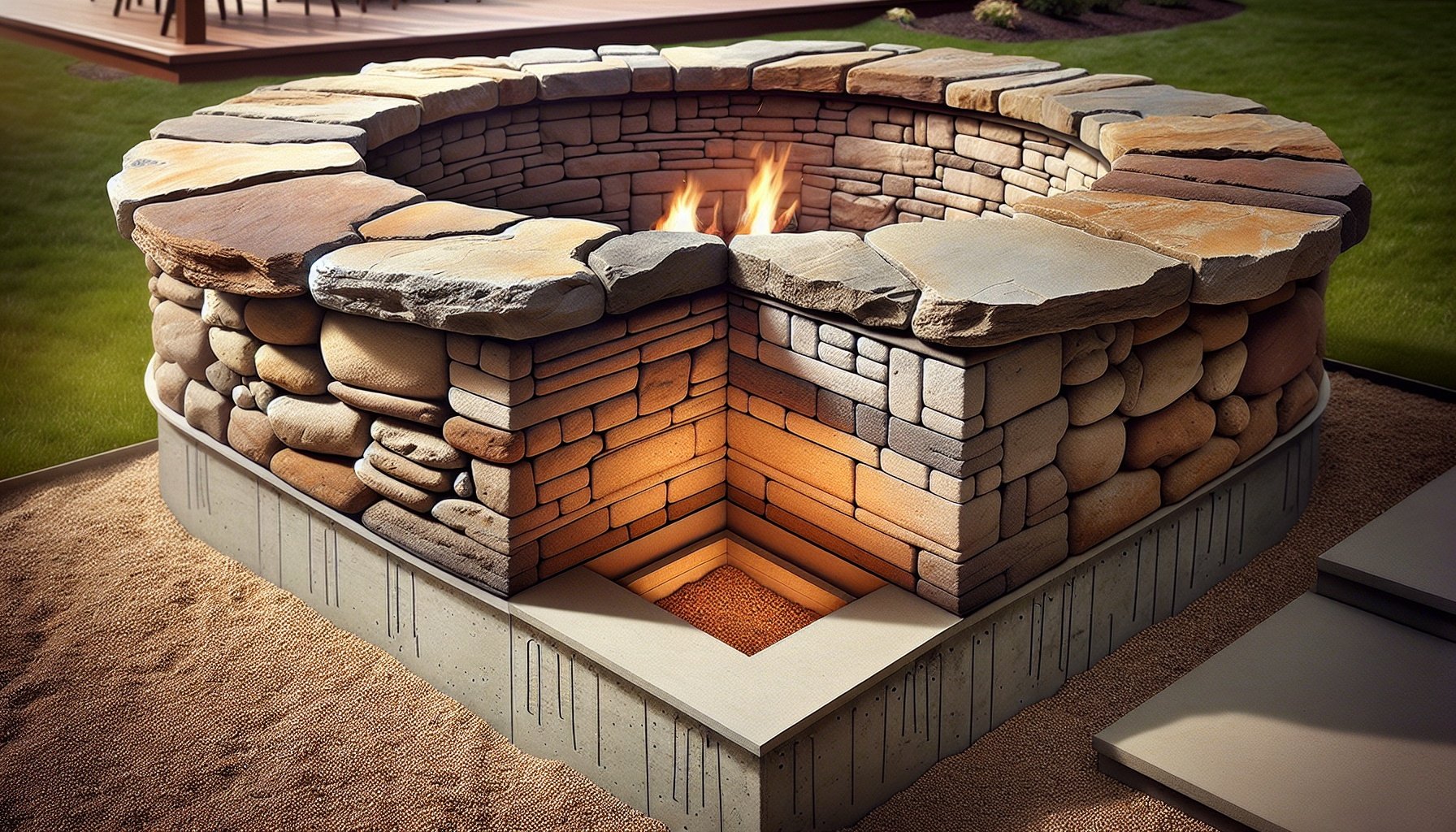
Once the perfect spot is chosen and the fire pit layout feels right, the real staying power comes from what sits under the flame and behind the walls. Material choices and construction details decide how well a fire pit handles daily use, surprise storms, and years of backyard gatherings. Heat-resistant liners, proper drainage, reinforced footings, and the right joint materials keep cracks, stains, and shifting to a minimum. Even small decisions, like coping thickness or capstone overhang, change both comfort and durability, setting the stage for long-lasting performance in every part of the fire feature.
Worth Noting: In 2024, the global fire pits market reached USD 7.2 billion, with projections for steady growth driven by rising demand for outdoor living enhancements through 2030.
Source: Mordor Intelligence
Comparing brick, concrete, and natural stone performance in Central Louisiana’s climate
Central Louisiana’s heat, humidity, and heavy rain test every fire pit material differently. Clay brick handles high temperatures well but must be rated as “fire brick” to avoid cracking and spalling. Standard face brick works better as a veneer around a proper fire-rated liner. Poured concrete and precast blocks offer clean lines and modern shapes, yet repeated heating and cooling can lead to hairline cracks if mixes are not high‑strength and properly reinforced. Natural stone, especially dense options like granite or sandstone, resists weathering and looks right at home with pine trees and live oaks, but softer stones and some flagstone can flake near the flame. Combining a durable fire-rated liner with brick or stone facing delivers long-term performance through Central Louisiana’s muggy summers and sudden cold snaps.
Selecting liners, fire bricks, and gravel bases for heat and drainage control
Selecting the right inner liner starts with matching material to heat exposure. Steel inserts rated for wood-burning temperatures protect outer brick or stone from direct flame and allow a smoother, easier-to-clean surface. Thicker-gauge steel with a rolled top edge resists warping and sharp edges, especially during repeated hot-and-cold cycles. Fire bricks belong inside that ring wherever flame or coals touch. A simple running bond pattern with tight joints and high‑temperature refractory mortar creates a stable, heat-resistant shell. Beneath everything, a 4–6 inch compacted gravel base handles both drainage and thermal movement. Angular washed gravel, not pea gravel or sand, lets rainwater move away from the pit, reduces frost heave, and keeps the structure from shifting over time.
Quick Insight: Eco-friendly fire pits made from recycled materials lower carbon footprints by 30%, supporting sustainable outdoor recreation trends in urban green spaces worldwide.
Source: Journal of Cleaner Production
Designing seating ledges, caps, and coping for comfort and durability
Seating ledges, caps, and coping work best when sized for relaxed sitting and built tough enough for constant use. A seat-friendly ledge usually measures 12–16 inches deep with a smooth, slightly rounded front edge to avoid pressure points behind the knees. Stone or concrete caps should overhang the fire pit wall by 1–1½ inches to shed water away from joints and protect mortar from Central Louisiana’s heavy rain. Dense limestone, cast concrete, or bullnosed brick cope well with repeated heating and cooling, especially when paired with the fire brick and liners already managing inner temperatures. Light-colored caps stay cooler on bare skin, while a textured, non-slip finish helps when surfaces get damp after an afternoon thunderstorm.
Smart Placement for Safety, Comfort, and Local Conditions
Designing a fire pit involves more than appearance and layout; smart placement also responds to safety, comfort, and local Louisiana conditions. Beyond views and basic access, distance from structures, overhangs, fences, and property lines matters for preventing stray sparks and heat damage. Wind patterns, humidity, and seasonal burn restrictions around Central Louisiana guide how close seating should sit and how smoke drifts across a yard. Thoughtful spacing from play areas and pet zones keeps the area relaxed and low-stress. With these details in mind, each fire pit can be positioned to handle real-world conditions before the first flame is lit.
Good to Know: Fire pits originated in ancient Rome around the 1st century AD, evolving from central hearths to portable designs that facilitated social gatherings in public spaces.
Source: Wikipedia
Meeting local codes, clearance requirements, and burn restrictions in Central Louisiana
Designing a fire pit in Central Louisiana means matching great looks with rules that keep neighborhoods safe. Most parishes follow basic guidelines: permanent fire pits stay a set distance from homes, sheds, property lines, and overhead utilities, with extra space around vinyl siding, decks, and fences that can warp or melt. Local fire marshals often expect a clear zone above the flame, so branches, porch roofs, and carports stay well outside the heat column. Many areas allow only seasoned wood or approved gas systems, especially during dry spells when Rapides Parish or nearby parishes issue burn bans. Integrating these limits into the layout helps the fire feature feel intentional instead of forced, and avoids last‑minute changes once construction starts.
Pro Tip: Placing fire pits at least 10 feet from structures and vegetation minimizes fire spread risks, ensuring safe integration into backyard landscapes for family enjoyment.
Positioning the fire pit to manage wind, smoke paths, and shade patterns
Positioning a fire pit goes beyond clearances and setbacks, especially in breezy Central Louisiana yards. Smoke tends to follow the prevailing south and southeast winds, so placing the pit upwind of common seating and play areas keeps smoke from drifting across hangout spaces. Locating the pit slightly downwind of taller hedges or privacy fences can also help break up gusts, keeping flames steady. Shade patterns matter too. An open spot that gets afternoon shade from live oaks or a porch roof keeps gatherings cooler during long Pineville or Alexandria summers, while still leaving enough open sky so rising smoke can clear. Marking the sun’s path for a day or two before building often reveals the most comfortable location.
Aligning with views, traffic paths, and gathering zones for easy entertaining
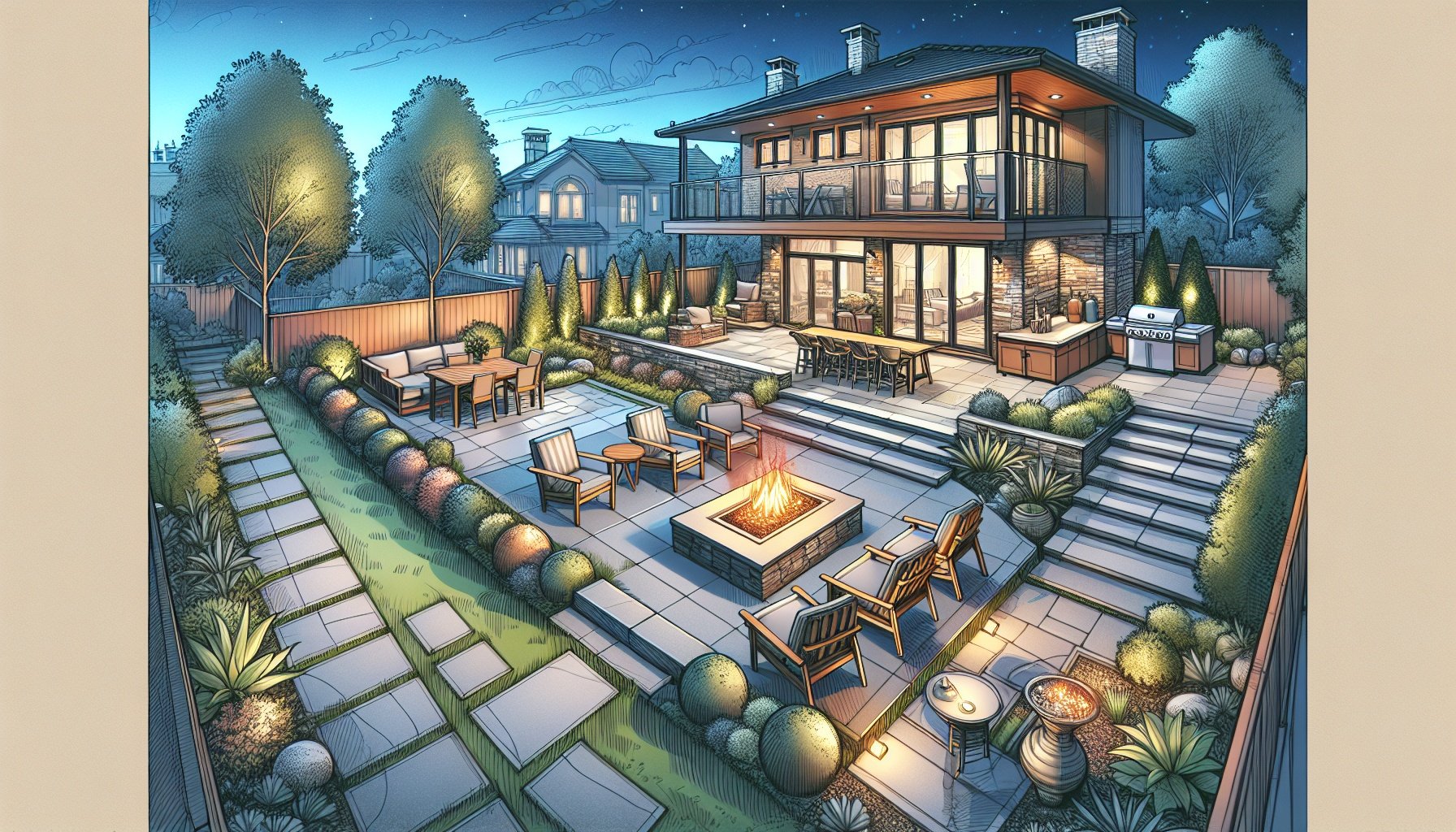
Designing a fire pit involves more than distance and wind; alignment with views and movement patterns shapes how the space actually gets used. A pit placed to face a favorite sight line—a stand of pines, a farm field, or a view toward the sunset—turns an ordinary burn into a relaxed Central Louisiana evening. Positioning the pit just off the main patio keeps conversations close to the kitchen or grill without blocking the route to the door. Locating it near existing gathering zones, like a covered porch or pool deck, encourages larger groups to spread out but stay connected. Thoughtful spacing between chairs, walkways, and the fire bowl prevents crowding so guests flow smoothly around the flame instead of squeezing past it.
Conclusion
Designing a fire pit involves selecting materials and shapes that complement the outdoor space while prioritizing both aesthetics and function. Solid construction choices below and behind the flame support a feature that handles heat, weather, and frequent gatherings without warping or shifting. Smart layouts make use of steps, level changes, and low walls as natural borders and seating, creating a cozy, organized setting instead of clutter. Thoughtful planning for lighting, grilling, and clear access keeps evenings around the fire easy and enjoyable. With careful attention to structure, layout, and comfort, a Central Louisiana backyard transforms into a reliable gathering spot season after season. Now is the perfect time to refine that fire pit plan and turn everyday outdoor space into a favorite hangout.
Frequently Asked Questions
- What are the safest locations for placing a fire pit in a backyard?
- A safe fire pit location stays far enough away from anything that can catch fire and allows smoke to move up and away. A fire pit is best placed at least 10–20 feet from the house, sheds, garages, fences, wood piles, and low-hanging tree branches. It should never sit directly under a porch roof, awning, balcony, or power lines.
The ground under and around the fire pit should be level and solid so chairs do not tip and sparks do not roll downhill. A nonflammable surface such as concrete, pavers, compacted gravel, or a fire-rated patio is ideal. Grass can be damaged by heat, and dry grass can ignite, so a stone or gravel pad at least 3–5 feet wider than the pit on all sides creates a safer zone.
Wind direction matters as well. A spot that is somewhat sheltered from strong prevailing winds helps keep flames controlled and smoke more comfortable for guests. When space allows, a fire pit is often placed at the back or side of a yard, creating a cozy “destination” area that is safely separated from doorways and high-traffic paths.
- How far should seating be from a fire pit for comfort and safety?
- Seating distance depends on the size and height of the fire pit, but a general comfort and safety range is 2–3 feet from the edge of the pit to the front of each chair. This gap keeps legs and clothing away from direct flames while still allowing a nice amount of warmth.
For many backyards, a seating circle with a 6–8 foot radius from the center of the pit works well. Lower, wider fire pits tend to spread heat out more gently, so seating can be a little closer. Taller or narrow fire pits push more heat to one spot, so an extra 6–12 inches of distance can prevent overheating.
Seat height makes a difference too. Chairs or benches that keep guests at or slightly above the top edge of the fire pit are usually most comfortable. Very low seating can cause smoke and heat to hit faces more directly, while very high stools make it harder to see and enjoy the flames.
- What materials work best for building a durable and safe fire pit?
- Durable, safe fire pits rely on materials that can handle repeated high heat without cracking or burning. Common choices include fire-rated brick, natural stone, poured concrete, and steel. A fire pit ring or liner made from steel or fire brick is often used inside the wall to protect the outer materials from intense direct flame.
Bricks or blocks used for the outer circle should be rated for high temperatures, not standard landscaping brick that may crack under heat. Natural stones such as granite or dense river rock can be used, but soft stones that trap moisture may crack or even pop when heated.
The base layer under the fire pit is just as important. A bed of compacted gravel, sand, or lava rock allows drainage and reduces heat transfer to the ground. Combustible materials such as wood, untreated decking, or artificial turf should stay away from the immediate fire pit zone. When using a metal bowl or portable pit, a heat-resistant pad or pavers under the unit can protect patios and decks.
- What is the ideal size and depth for a backyard fire pit used for gatherings?
- Backyard fire pits designed for conversation and relaxation usually work best with an inside diameter between 30 and 42 inches. This size provides enough flame and warmth for a group while still fitting in most yards. Smaller pits around 24–30 inches are good for compact spaces or more intimate seating areas, while larger pits may require more fuel and clearances.
Depth typically ranges from 12 to 18 inches from the top edge to the floor of the pit. A pit that is too shallow lets logs roll out and can produce more flying sparks. A pit that is too deep can choke airflow and make the flames hard to see or enjoy from seats. Many builders aim for the top edge of a built-in fire pit to sit 12–18 inches above the surrounding patio, which is a comfortable resting height for feet and works well with most outdoor chairs.
Choosing the right size also depends on how often the fire pit will be used and how many people regularly gather around it. For family-sized gatherings of 4–6 people, a 36-inch inside diameter is a very common sweet spot.
- Should a fire pit be wood-burning or gas, and what are the pros and cons of each?
- Both wood-burning and gas fire pits create a cozy focal point, but they offer different benefits. Wood-burning fire pits deliver the classic crackle, smell, and look of a campfire. They typically cost less to build, especially when using a simple metal ring or stone circle. Wood is easy to source in many areas, especially in regions with lots of trees.
However, wood fires produce smoke, sparks, and ash. They require frequent tending, proper storage of firewood, and careful cleanup. Local burn bans during dry seasons can also limit use.
Gas fire pits, whether natural gas or propane, are cleaner and easier to control. They start with a simple ignition, adjust with a knob, and create very little smoke or ash. This makes them great for tighter neighborhoods where smoke can bother nearby homes. Gas pits can be built into elegant stone or concrete surrounds and often use lava rock or glass media for a polished look.
On the downside, gas systems cost more up front because of gas lines, burners, and controls. Local codes may require permits and professional installation. Flames from gas fire pits are usually more even and controlled but may not feel as wild and rustic as a wood fire. The best choice depends on budget, local regulations, and how often the fire pit will be used.
- What safety features and accessories help make a backyard fire pit safer for families and pets?
- Several simple safety features greatly reduce risks around a backyard fire pit. A sturdy spark screen or mesh lid over a wood-burning fire pit helps contain embers and reduce the chance of stray sparks landing on dry grass, furniture, or clothing. A nonflammable border of pavers, gravel, or stone around the pit acts as a buffer zone and trip-free surface.
Fire tools such as tongs, a poker, and a shovel allow logs to be moved without getting too close to the flames. A metal ash bucket with a tight-fitting lid provides a safe place to cool and store ashes for at least 24 hours before disposal. A garden hose, fire extinguisher, or large bucket of water should always stay within easy reach.
For families and pets, a clear boundary around the pit helps prevent accidental falls. Built-in seating walls, low planters, or decorative stones can guide foot traffic. Many households also establish firm rules such as no running, no unattended fires, and no throwing items into the flames. When a fire pit is not in use, a solid cover keeps rain out of the bowl and discourages curious kids and animals from getting too close.
- Are there local codes or regulations that affect where and how a fire pit can be installed?
- Most communities have regulations for open flames, and fire pits often fall under those rules. Local building departments or fire marshals typically set minimum distance requirements from structures, trees, and property lines. Some areas restrict wood-burning fire pits in small yards or multi-family properties, while others limit the size of the pit or the type of fuel.
HOAs and neighborhood associations may add their own rules about smoke, appearance, and hours of use. In places with high fire danger, such as during droughts or strong wind events, temporary burn bans can halt use of wood-burning pits altogether.
Gas fire pits are usually treated more like outdoor appliances, but they still must follow fuel-gas codes and manufacturer guidelines. Permits and inspections may be required when running a natural gas line from the house to a permanent fire feature.
Before building, homeowners commonly check with local code offices, fire departments, or HOA boards to understand setbacks, fuel restrictions, and permit needs. Following those rules from the start helps avoid fines, forced removal, or unsafe conditions.
Categories
Home Improvement Tips & Tricks