
Fall Perennial Division Tips for Stronger, Healthier Gardens
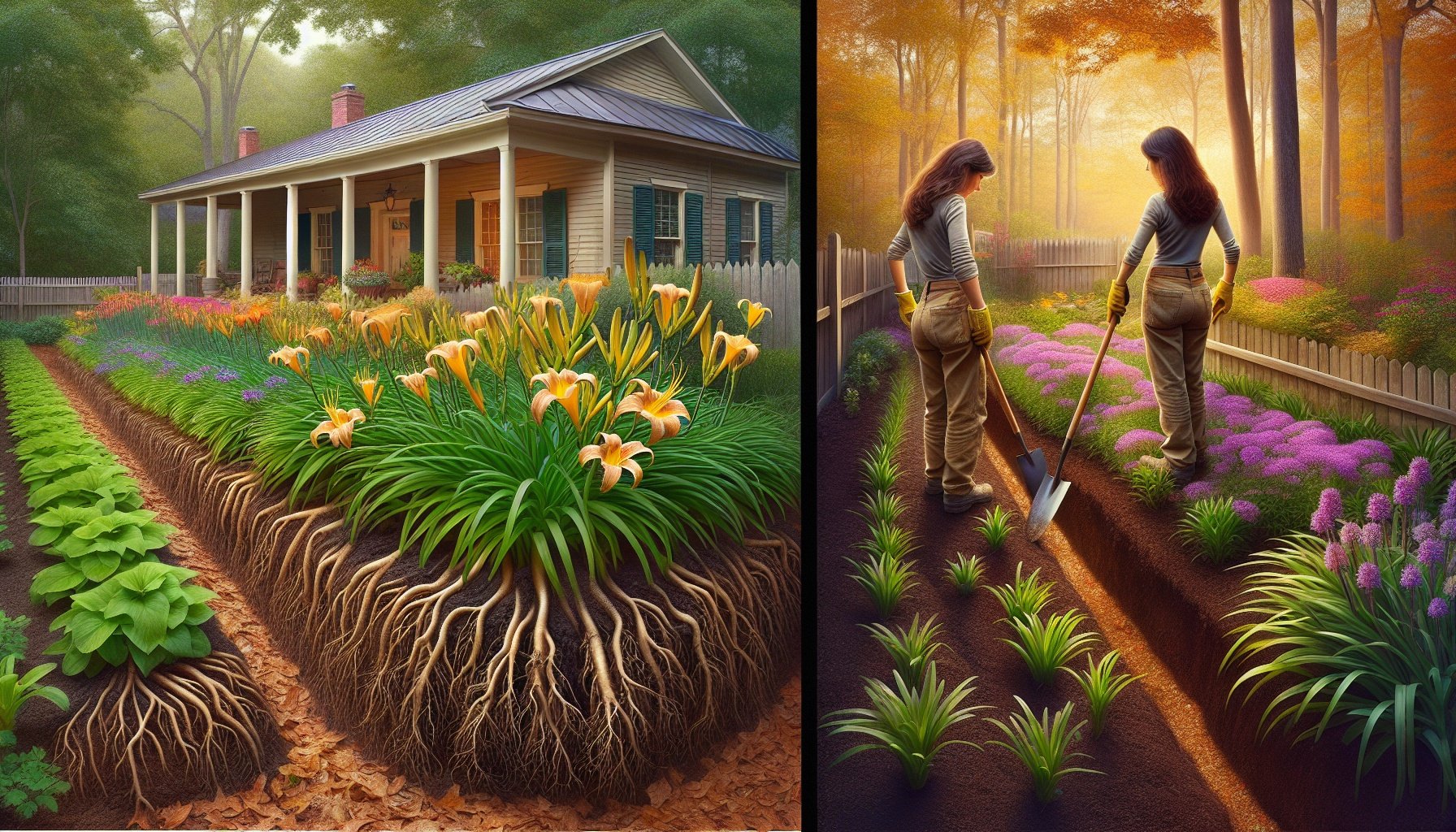
Fall perennial division turns a tired planting bed into a fresh, thriving landscape with stronger color and fuller foliage. Garden beds across Central Louisiana, from Alexandria neighborhoods to quiet country roads, often hold daylilies, irises, coneflowers, and other long‑lived favorites that have slowly grown into crowded clumps. Over time, bloom quality fades, centers die out, and plants begin to compete for water and nutrients. Dividing perennials in fall brings those plantings back to life, creating healthier root systems and more balanced growth for seasons ahead.
Quick Navigation:
Understanding Fall Perennial Division in Central Louisiana Conditions | Step‑by‑Step Division Techniques for Stronger, Healthier Perennials | Replanting, Aftercare, and Layout Planning for Long‑Term Garden Health | Frequently Asked Questions
Fall perennial division helps rejuvenate overcrowded plants by separating them into smaller clumps for healthier growth. This process typically involves digging up the plants, cutting the root balls with a sharp tool, and replanting the divisions in prepared soil. Proper timing in early fall allows the roots to establish before winter, leading to stronger blooms in the following season. When fall temperatures cool but the Central Louisiana soil still holds warmth, divided perennials settle in quickly and respond with vigorous root growth.
Thoughtful division goes beyond simply slicing up plants. Bed preparation, careful handling of roots, and smart placement of divisions all work together to build long‑term garden health. Fresh compost, solid soil contact, deep watering, and a layer of mulch help new clumps take hold before the first real cold snap. With the right approach, once‑crowded perennials transform into a series of sturdy, well‑spaced plants that frame patios, walkways, and outdoor living spaces with renewed energy and rich, reliable color year after year.
Understanding Fall Perennial Division in Central Louisiana Conditions
Fall perennial division in Central Louisiana conditions starts with understanding how local heat, humidity, and rainfall shape plant behavior. Long growing seasons around Alexandria and pineville push perennials to spread faster, which changes how often clumps need attention. Clay-heavy or sandy soils across Rapides Parish also affect root spread, moisture levels, and stress during division. Late-summer storms, surprise dry spells, and the timing of the first real cold snap all play a role in choosing division days and aftercare needs. With these regional patterns in mind, each step of fall perennial division can match Central Louisiana’s unique growing rhythm.
Good to Know: Over 70% of U.S. home gardeners perform fall perennial division annually, contributing to a $5.2 billion ornamental plant market in 2024 according to recent horticultural surveys.
Recognizing overcrowded clumps and declining bloom quality in established beds
Established perennial beds across Central Louisiana start sending clear signals when clumps have outgrown their space. Flower stalks on daylilies and coneflowers shorten, bloom clusters thin out, and colors lose that bold, saturated look common after a fresh planting. Irises begin to lean or flop after a heavy Alexandria rain, with more leaves than flowers along the rows. In long‑standing beds, soil between plants often disappears under a solid mat of foliage, leaving almost no bare ground visible. New shoots crowd in around the edges while the oldest growth in the center turns pale, patchy, or moss‑covered. When regular feeding and watering no longer restore strong flowering, those tired, dense clumps are ready for fall division in Central Louisiana conditions.
Keep in Mind: Fall division of perennials, practiced since the 18th century in European botanical gardens, became widespread in North America by the early 20th century to propagate hardy plants like hostas and daylilies.
Source: Wikipedia
Choosing ideal fall timing around local first frost dates in Central Louisiana
Fall perennial division in Central Louisiana works best when planned around local first frost dates, which typically fall between late November and early December. Dividing perennials about 6–8 weeks before that first frost gives new root systems time to settle into the warm Rapides and Vernon Parish soils while daytime temperatures still sit comfortably in the 70s and 80s. Late September through mid‑October usually offers that sweet spot across Alexandria, Pineville, and surrounding rural communities. Divisions recover faster when nighttime lows regularly stay above 50°F and soil remains slightly moist, not saturated from heavy storms. Waiting until just after peak summer heat breaks, but before real cold fronts push through from Shreveport and North Louisiana, keeps stress low and root growth strong.
Selecting which perennials to divide based on root type, age, and site performance
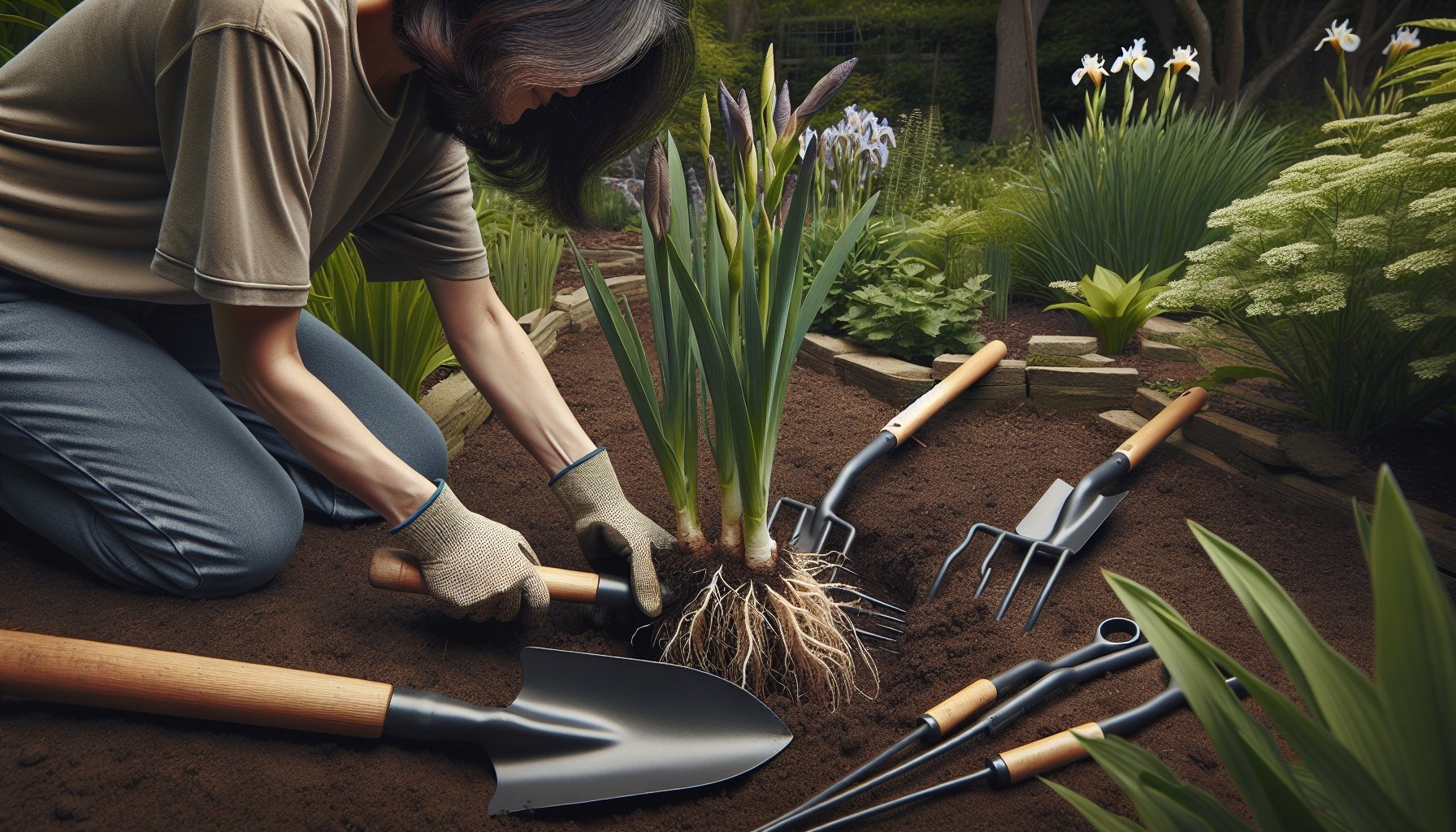
Fall perennial division in Central Louisiana starts with choosing which plants respond best based on root type, age, and performance in the bed. Fibrous‑rooted perennials like coreopsis, Shasta daisy, and asters divide easily and bounce back fast in warm fall soil. Clumping, fleshy‑rooted plants such as daylilies and Siberian iris handle splitting well once clumps are six to eight inches wide or older than three to four years. Tough, woody‑crowned plants like agapanthus or hardy mums benefit from division when centers turn bare or blooms slide downhill, even if foliage still looks full. Plants that sulked through the last season, flopped in summer storms, or leaned toward brighter spots on the lot move to higher‑performing sites during fall division for better long‑term growth.
Step‑by‑Step Division Techniques for Stronger, Healthier Perennials
Central Louisiana beds stay healthier when perennial division follows a simple, careful routine instead of rushed, guesswork digging. Beyond timing and soil prep, the way each step is handled—where the shovel goes, how the clump is lifted, and how the roots are handled—makes a big difference in long‑term plant strength. Clean tools, calm handling, and smart spacing keep divisions from stressing and reduce chances of disease. Matching each step to the plant’s growth habit, from tight iris fans to loose daylily clumps, builds thicker, longer‑lasting displays, so the next phase walks through clear, step‑by‑step division techniques.
Preparing the bed with loosened soil, compost, and proper drainage for replanted clumps
Replanted clumps settle best into a bed that feels loose, rich, and well-drained. Soil around Alexandria and Pineville often benefits from a deep loosening 8–10 inches down so new roots spread easily instead of circling in tight clay or slipping through dry sand. A layer of compost or well-rotted pine bark mixed into the top few inches adds steady nutrients and improves structure, helping beds handle both heavy rain bands and quick dry spells. In low spots or heavier Rapides Parish clay, a slight raised bed or shallow trench filled with coarse sand or expanded shale under the planting area improves drainage and keeps crowns from sitting in standing water after a hard fall storm, leading to stronger, more resilient perennials.
Digging, lifting, and cleaning root balls without damaging viable growth buds
Digging starts with a wide circle around the clump so feeder roots and fresh buds stay intact. A sharp spade or garden fork slides straight down about 6–8 inches deep, then rocks gently to loosen the soil, especially in those heavier Alexandria and Pineville beds. The clump lifts from underneath, never yanked by the stems, so crowns and growth buds stay attached. Once out of the ground, loose soil shakes or rinses away with a light spray, revealing buds and main roots. Any dead, mushy, or circling roots trim off with clean pruners, working around firm white or pale-colored roots and the small, swollen buds at the crown that will push fresh fall and spring growth.
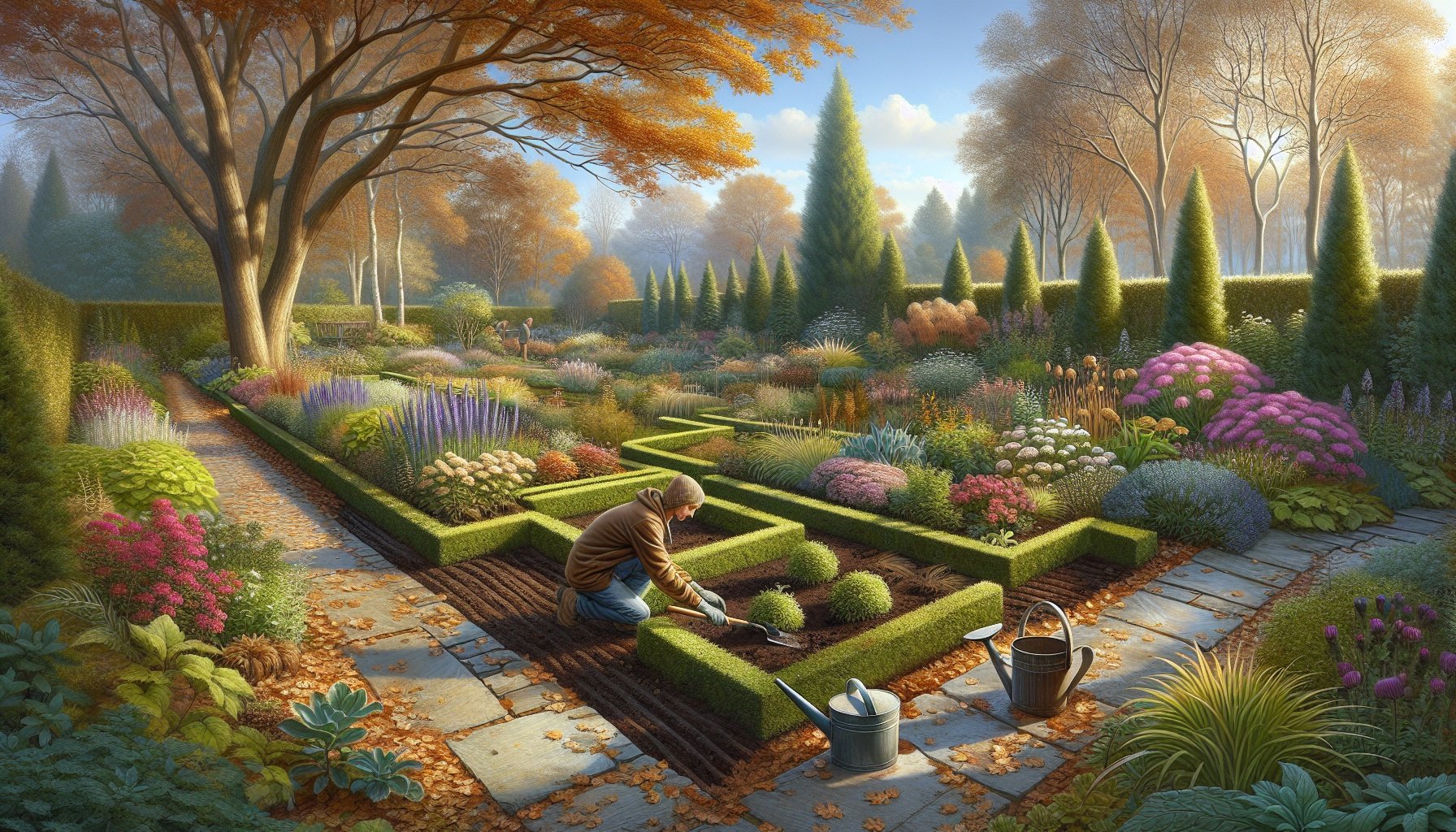
Keep in Mind: Modern tools like ergonomic spades and automated soil aerators introduced in 2024 streamline fall perennial division, reducing labor time by 40% while minimizing root damage in urban gardens.
Source: Hortidaily
Cutting and separating clumps with hand tools, keeping 3–5 healthy shoots per division
Once roots and buds stand clearly exposed, hand tools make clean, controlled cuts. A hand pruner or sharp garden knife slices straight down through the crown, instead of tearing or twisting. Each new piece works best with 3–5 strong shoots attached to a solid wedge of roots about the size of a fist. Smaller pieces often struggle in Central Louisiana heat, while oversized chunks keep crowding and bloom less. Thick clumps of daylilies, Shasta daisies, and iris usually split neatly into several divisions by following the natural lines between buds. Any soft, hollow, or dark sections get trimmed away, so every division going back into that loosened, compost‑rich bed carries only firm, healthy growth and a fresh start.
Replanting, Aftercare, and Layout Planning for Long‑Term Garden Health
Fall perennial division creates a perfect chance to refresh planting beds, not just thin them. Once clumps are split, thoughtful replanting sets the stage for stronger color, better airflow, and easier upkeep year after year. Spacing divisions to match mature size helps prevent future crowding, while grouping plants by sunlight and moisture needs keeps maintenance simple. Gentle aftercare—steady moisture, light mulch, and watching for stress—helps roots settle in before cooler weather deepens. This is also the ideal moment to rethink the garden layout, adjust pathways, and plan long-term layers of height, texture, and bloom time for lasting health.
Keep in Mind: Dividing perennials in fall stimulates root growth during dormancy, enhancing plant resilience to winter cold as rhizomes and crowns develop fibrous networks underground before spring.
Replanting divisions at the correct depth with firm soil contact and thorough watering
Replanted divisions settle best when crowns sit at the same depth they grew before, with roots spread naturally instead of jammed in a tight wad. Crowns buried too deep often rot, while those set too high dry out or heave in winter. Soil pressed firmly—yet not packed hard—around the roots removes air pockets so new feeder roots can reach moisture quickly. A slow, deep watering right after planting helps soil settle around every root strand and encourages roots to grow outward, not circle in place. A light mulch layer, kept just off the crown, holds that moisture and buffers temperature swings, giving each division a steady, secure start heading into colder weather.
Good to Know: In Japanese gardening traditions, fall division of perennials like asters and chrysanthemums aligns with seasonal aesthetics, promoting harmonious landscapes that reflect autumn’s transient beauty.
Mulching, labeling, and fall feeding strategies for strong root establishment before winter
Mulch around new divisions with a 2–3 inch layer of shredded leaves, pine straw, or compost, keeping a small bare ring around each crown so stems stay dry. This blanket slows temperature swings, holds moisture from earlier deep watering, and keeps soil workable during freeze–thaw cycles, which helps roots knit into surrounding ground. Weather‑proof labels placed beside each clump prevent confusion later, especially when foliage dies back; include plant name, color, and bloom time to guide future layout tweaks. Light fall feeding supports root growth without pushing soft top growth, so a low‑nitrogen, slow‑release fertilizer or a thin layer of compost scratched into the soil works best, giving divided perennials a steady supply of nutrients heading into winter.
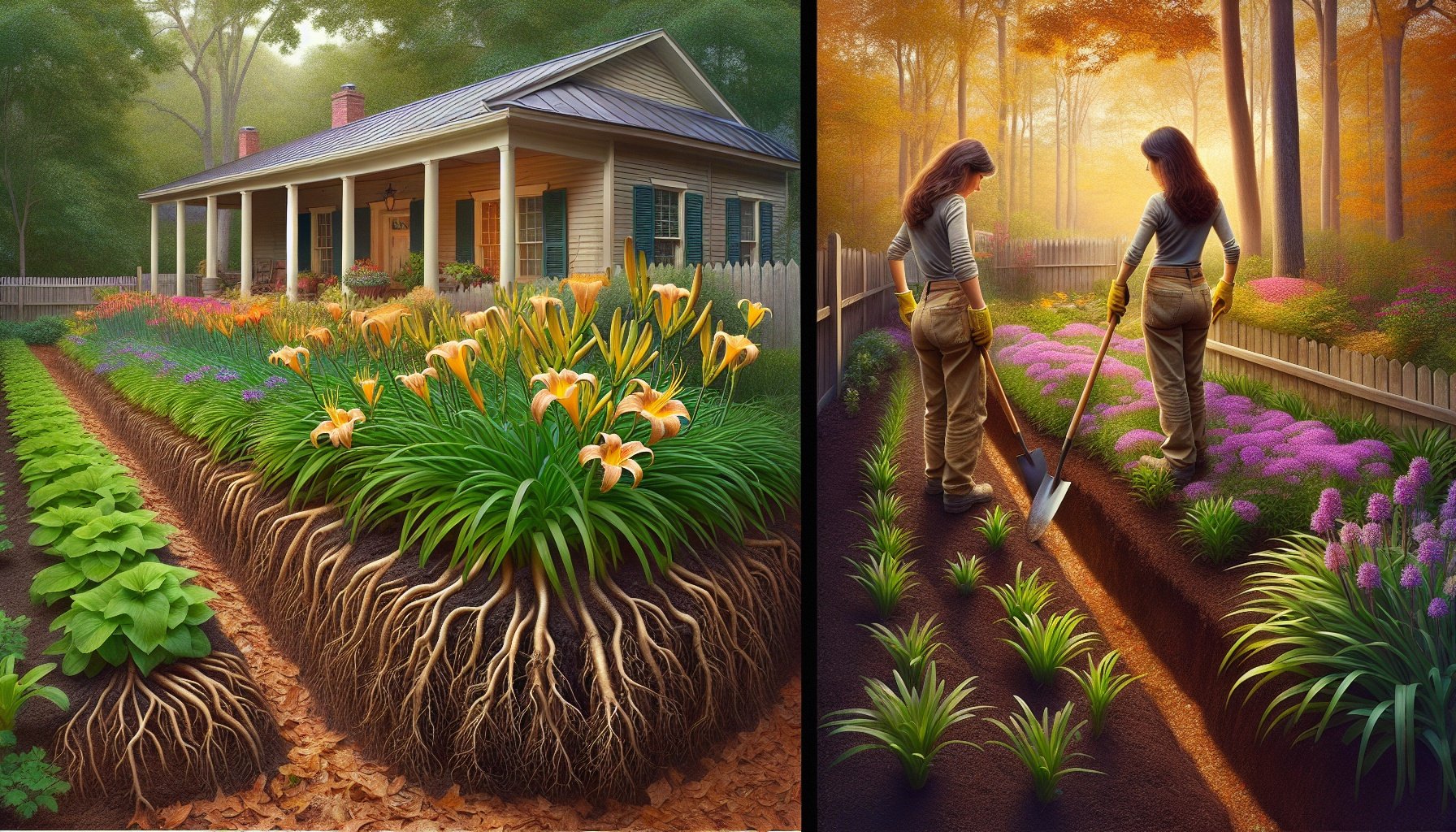
Pro Tip: Fall division rejuvenates perennials that bloom less vigorously after three years, unexpectedly increasing flower production by up to 50% in the following season for species like peonies.
Source: Missouri Botanical Garden
Arranging divisions for balanced height, color, and traffic flow around patios and walkways
Arranging divisions around patios and walkways works best when plant height steps down like stadium seating. Tall perennials such as daylilies, rudbeckia, or divided ornamental grasses fit along fences or the back edge, with medium growers like salvias and coreopsis in the middle, and low groundcovers or creeping thyme right at the paving. Group fall‑blooming or bright foliage plants where they frame seating areas or fire pits, then repeat the same colors down the path for a pulled‑together look. Fragrant divisions such as lavender or garden phlox belong near frequently used routes. Keep divisions with stiff stems and tidy habits close to high‑traffic spots so paths stay open and safe even after heavy rain or strong growth.
Conclusion
Fall perennial division helps rejuvenate overcrowded plants by separating them into smaller clumps for healthier growth. When beds in Central Louisiana are handled with a calm, steady routine instead of rushed digging, roots stay stronger and plants settle in with less stress. Details such as clean tools, smart shovel placement, and gentle lifting protect crowns and reduce disease problems down the road.
Matching techniques to each plant’s growth habit keeps iris fans, daylily clumps, and other favorites performing at their best. Thoughtful division turns mature beds into fresher, healthier plantings that are easier to care for season after season. This fall is the perfect time to sharpen tools, plan a simple division routine, and give every perennial a fresh start for next year’s blooms.
Frequently Asked Questions
- What is fall perennial division and why is it important for a healthy garden?
- Fall perennial division is the process of digging up mature perennial plants and splitting them into smaller sections, then replanting them. This process refreshes the planting bed and keeps the garden strong and productive.
Over time, many perennials become crowded, woody, or thin in the center. Growth slows, blooms become smaller, and plants can start to flop or die out in patches. Dividing perennials in fall:
– Encourages stronger, healthier root systems
– Restores full, even growth and better flowering
– Prevents overcrowding that can invite pests and disease
– Renews tired planting beds without buying new plants
– Allows expansion of garden areas with free, cloned plantsFall temperatures are cooler and soil is still warm, which reduces transplant stress and helps new divisions establish roots before winter. This sets the stage for vigorous growth and blooms once spring returns.
- Which perennials are best divided in fall instead of spring?
- Many hardy perennials benefit from fall division, especially those that bloom in late spring or summer. Dividing them after the main bloom season gives them time to settle in before winter. Common perennials often divided in fall include:
– Daylilies
– Hostas
– Coneflowers (Echinacea)
– Black-eyed Susans (Rudbeckia)
– Garden phlox
– Shasta daisies
– Bee balm (Monarda)
– Russian sage
– Coreopsis
– Sedum (especially taller varieties)As a general rule, summer- and fall-blooming perennials handle fall division well. Early spring bloomers such as peonies or bearded irises are usually divided after they bloom, not in fall. Always check care information for each plant type before deciding on timing.
- How can a gardener tell when a perennial needs to be divided?
- Several clear signs show a perennial is ready for division. Common symptoms include:
– A dead or thin patch in the center of the clump while the outer edges still grow
– Fewer flowers than in previous years, or smaller blooms
– Plants flopping open or falling over more easily
– Crowded clumps that are spreading into neighboring plants
– Reduced vigor, slow growth, or increased pest and disease problemsMost perennials benefit from division every 3–5 years, but some fast spreaders may need it more often. When a planting bed looks tired and overgrown, with plants competing for space, fall division often restores energy and balance.
- What basic tools and supplies are needed for dividing perennials in fall?
- Dividing perennials does not require fancy equipment, but sturdy tools make the job easier and safer. Helpful items include:
– Spade or digging shovel for lifting clumps
– Garden fork for loosening soil and lifting roots with less damage
– Sharp knife, hand saw, or soil knife for cutting tough root masses
– Pruners for trimming damaged or dead stems and roots
– Garden gloves to protect hands from rough roots and soil
– Buckets or tubs to carry divisions and keep roots shaded and moist
– Compost or well-rotted organic matter to enrich the replanting holes
– Mulch to help insulate new divisions and conserve soil moistureClean, sharp tools reduce stress on plants and help prevent disease spread from one clump to another.
- What are the steps for properly dividing a perennial in fall?
- A simple, steady process protects plants and increases the success of divisions. A typical fall division sequence:
1. Water the garden area thoroughly the day before division so soil is easier to dig and roots stay hydrated.
2. Cut stems back to a manageable height, usually to 4–6 inches, so foliage does not get in the way.
3. Dig a wide circle around the plant, staying a few inches outside the visible clump to protect roots.
4. Lift the entire root ball from the ground using a shovel or fork, rocking gently to loosen it.
5. Shake or wash off excess soil so the root structure is visible.
6. Split the clump into smaller sections using hands, a garden fork, or a sharp knife. Each division should have several healthy shoots and a solid root portion.
7. Remove and discard any dead, mushy, or diseased roots.
8. Replant divisions at the same depth as the original plant in loosened, enriched soil.
9. Water thoroughly to settle soil around roots and eliminate air pockets.
10. Apply a light layer of mulch, keeping it slightly away from plant crowns to reduce rot risk.Careful handling and immediate replanting help divisions recover faster and take hold before winter.
- How should newly divided perennials be cared for after planting in fall?
- Post-division care plays a major role in how well plants establish before cold weather arrives. Key steps include:
– Watering: Keep soil evenly moist but not soggy for the first few weeks. Regular deep watering encourages roots to reach down into the soil.
– Mulching: Add 2–3 inches of mulch around, but not touching, plant crowns. Mulch helps regulate soil temperature and protects roots during freeze-thaw cycles.
– Fertilizing: Avoid heavy fertilizing in fall, which can push soft new growth that winter may damage. A light application of compost or a balanced, slow-release fertilizer is usually enough.
– Protection: In colder regions, an extra layer of mulch or straw over the root zone after the ground begins to cool can offer winter protection.
– Monitoring: Watch for signs of stress, such as wilting that does not improve after watering. Remove any broken stems and keep weeds from competing with new divisions.With this support, most divided perennials settle in well and respond with fuller, more vigorous growth in spring.
- What common mistakes should be avoided when dividing perennials in fall?
- A few frequent errors can weaken plants or reduce success rates. Important mistakes to avoid:
– Dividing during heat waves, drought, or hard freezes, which adds stress and slows root recovery
– Breaking clumps into pieces that are too small, leaving divisions with weak or limited root systems
– Letting roots dry out while working; divisions should stay shaded and slightly damp until replanted
– Replanting too deeply or too shallow, which can lead to rot or poor anchoring in the soil
– Over-fertilizing right after division, which can burn tender roots
– Ignoring plant health; diseased or insect-infested clumps should be cleaned up or discarded, not spread around the gardenCareful timing, gentle handling, and respect for root health lead to stronger divisions, healthier planting beds, and more vibrant blooming displays the following seasons.