
Essential Fall Home Maintenance Tips for a Cozy Winter
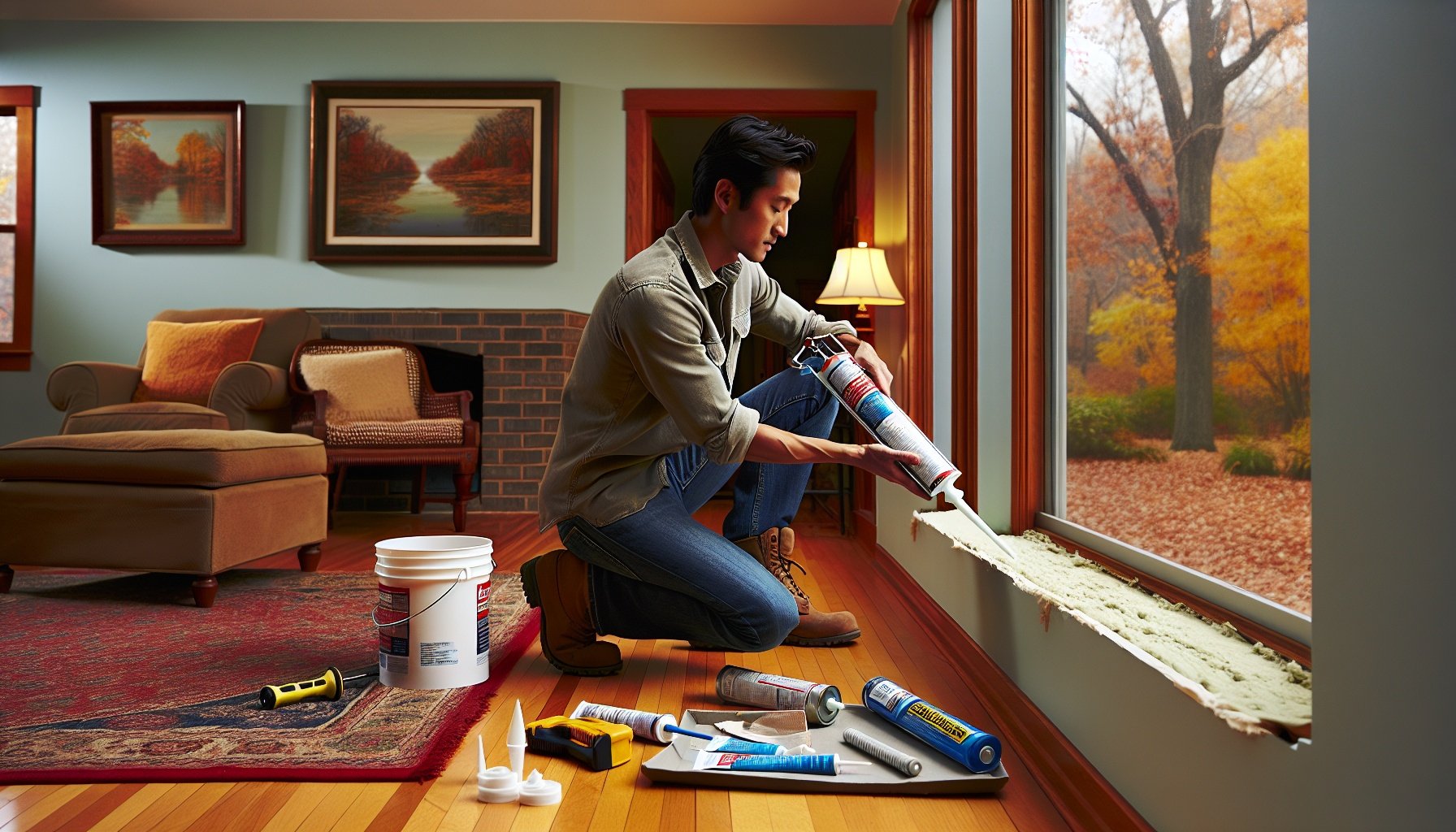
Crisp air, colorful leaves, and shorter days signal more than just the start of football season and fall festivals across Central Louisiana—they signal that winter is right around the corner. A little work during fall sets up a home for a warm, stress‑free cold season, whether the forecast calls for mild chills or a deep freeze. As temperatures drop, focus on insulating Windows and doors to prevent heat loss. Clear gutters and downspouts to avoid ice dams and water damage during winter storms. Inspect the heating system and stock up on supplies to ensure a cozy and safe indoor environment throughout the cold months.
Quick Navigation:
Seal and Insulate to Keep the Cold Out | Protect the Exterior From Winter Storms | Prepare Indoor Systems for a Warm, Safe Season | Frequently Asked Questions
Thoughtful fall home maintenance brings everything together: a tighter, more efficient building shell, a stronger exterior ready for heavy rain and wind, and indoor systems tuned up for steady, dependable heat. Small steps like sealing gaps, checking the roofline, and preparing plumbing for freezing temperatures can prevent costly repairs and uncomfortable surprises later. A well‑prepared home feels calmer, runs smoother, and handles rough weather with ease.
From attic to crawl space, front door to backyard spigot, fall becomes the ideal time to button things up before winter settles in. The goal is simple—keep warmth inside, keep moisture and damage outside, and keep every room ready for relaxed evenings, holiday gatherings, and quiet weekends when it is too cold to be out and about. With a smart fall checklist, even the harshest winter conditions become easier to face, and every cold snap feels a little more like an invitation to get cozy and stay in.
Seal and Insulate to Keep the Cold Out
As temperatures keep dipping and north winds cut across Central Louisiana, small gaps and thin insulation start to matter a lot more. Even a tiny crack around a baseboard, attic hatch, or electrical outlet can let in drafts and run up energy bills. Sealing these hidden trouble spots with caulk, foam, and weatherstripping helps the entire house feel more solid and snug. Adding insulation where it is missing or worn-down keeps floors warmer, rooms more even in temperature, and heaters from working overtime. With the right sealing and insulating steps, every corner of the home stands ready to block out the cold.
Interesting Fact: In colder U.S. regions like the Northeast, fall furnace tune-ups in 2024 extended equipment lifespan by an average of 5 years through preventive maintenance.
Source: U.S. Department of Energy
Inspect and weatherstrip windows and doors to stop drafts and heat loss
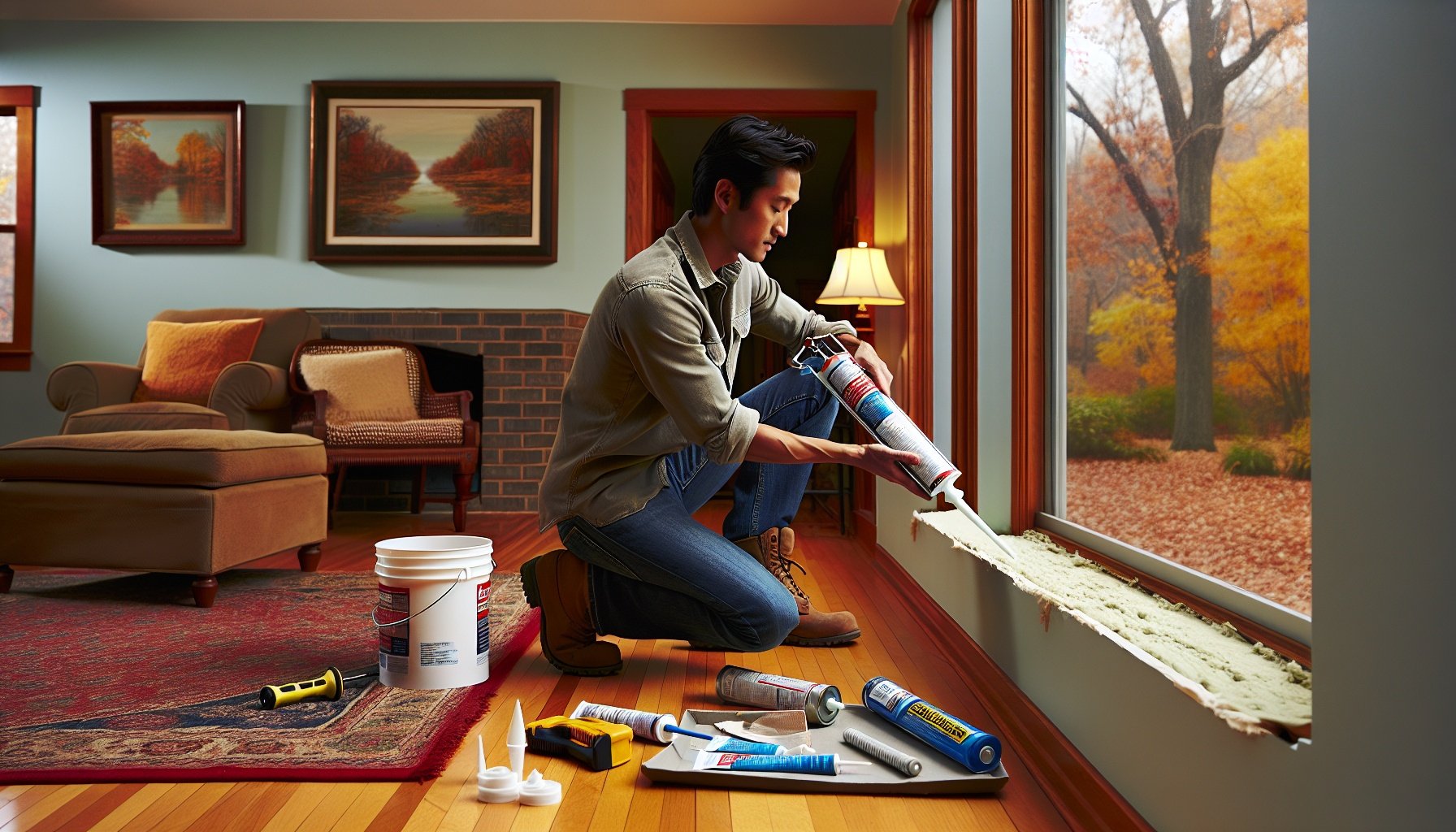
Drafty windows and doors let hard-earned heat slip outside, especially on those damp Central Louisiana nights when north winds cut through. A simple inspection goes a long way. On a breezy fall day, run a hand along window frames and door edges to feel for cool air, or hold a lit incense stick and watch for smoke movement. Gaps around frames, loose locks, and worn thresholds signal trouble. Self-adhesive foam or rubber weatherstripping seals most light leaks, while door sweeps block drafts along the floor. For older single-pane windows, plastic window film and caulk around trim add another layer of protection. These small upgrades tighten the building envelope so the heater runs less and rooms stay steady and comfortable.
Pro Tip: Smart thermostats installed in fall 2024 models can learn household routines and adjust heating automatically, saving up to 10% on winter energy bills through AI optimization.
Source: CNET (via Reuters partnership)
Add insulation to attics, crawl spaces, and rim joists for better energy efficiency
Attic, crawl space, and rim joist insulation make a huge difference once north winds start sliding through Central Louisiana. Heat loves to rise, so a poorly insulated attic lets warm air drift out through the roof. Adding blown-in cellulose or fiberglass batts over existing attic insulation helps create a thicker blanket that keeps rooms below steadier and more comfortable. Under the house, insulating open crawl spaces around floor joists cuts down on cold floors and chilly drafts sneaking up through gaps in old wood. Rim joists, where the house framing meets the foundation, often stay bare and leaky, so sealing cracks with spray foam and adding rigid foam boards there helps tighten the whole building envelope and reduce energy waste.
Quick Insight: Environmental benefits from fall yard mulching in 2024-2025 include retaining soil moisture and enriching ecosystems, reducing the need for winter watering by 30%.
Check exterior siding, trim, and penetrations for gaps and seal with caulk or foam
Exterior walls leak heat anywhere siding, trim, and penetrations pull away from the structure. As temperatures drop, focus on siding transitions, around exterior light fixtures, hose bibs, and where electrical, cable, or HVAC lines enter the house. Even a thin gap along brick mold or corner boards lets cold north winds in and warm air out. High‑quality exterior caulk works well for narrow cracks around siding and trim, while low‑expansion spray foam fills larger openings around pipes and vents without bowing the material. Any failing, cracked, or missing sealant around dryer vents, meter bases, and service panels should be removed and replaced. A careful lap around the house before those damp Central Louisiana fronts roll through helps lock in heat and cut winter energy waste.
Protect the Exterior From Winter Storms
As temperatures drop and north winds roll through Central Louisiana, the outside of a house takes the first hit. Once drafts, insulation, and indoor comfort are handled, attention turns to the exterior, where siding, Roofing, paint, and concrete all face hard rain, sudden cold snaps, and the occasional winter storm. Loose shingles, peeling caulk, and cracked driveways can let water creep in, then expand when it freezes, turning small wear-and-tear into big repairs. A focused check of the roofline, walls, foundation, and outdoor structures helps the entire exterior stand strong when winter weather shows up in a hurry.

Clear gutters, downspouts, and roof valleys to prevent ice dams and backups
Clear gutters, downspouts, and roof valleys keep melting rain and frost moving away from the house instead of backing up under shingles. Leaves, pine needles, and acorns from big Central Louisiana trees around places like Kisatchie National Forest pile up fast, so debris removal before the first hard cold snap matters. Screens or gutter guards reduce buildup, but a fall cleaning with a scoop, hose, and sturdy ladder gives water a clear path. Downspouts need tight connections and extensions that carry runoff several feet from the foundation to prevent soggy soil and siding stains. Roof valleys, where two roof slopes meet, deserve special attention; packed leaves there trap moisture, rot shingles, and create icy spots when temperatures bounce above and below freezing.
Worth Noting: Fall gutter cleaning prevents over 70% of water damage to home foundations during winter thaws, as reported in 2025 residential maintenance guidelines.
Source: This Old House
Trim trees, secure fences, and inspect roofs for storm readiness
Trimmed branches and stable fences help a house stand strong when winter storms roll across Central Louisiana. Long limbs hanging over the roof or driveway can snap during high winds or a surprise freeze, tearing shingles, power lines, or siding. Cutting back branches away from the roof and removing dead or leaning trees lowers that risk. Fences also deserve a close look, especially older wood panels and posts set in soft or shifting soil. Tightened hardware, replaced pickets, and re‑set posts keep sections from blowing loose. A slow walk around the roofline with binoculars or a roofer’s inspection can catch lifted shingles, cracked flashing, and loose ridge caps so they get fixed before strong north winds and heavy rain test every weak spot.
Winterize outdoor plumbing, irrigation, and exterior hose bibs to avoid freezing
Winterize outdoor plumbing, irrigation, and exterior hose bibs to avoid freezing by clearing lines and adding protection before the first hard cold snap. Garden hoses should be disconnected, drained, and stored so trapped water does not freeze and split fittings. Exterior hose bibs benefit from insulated covers or foam boots that slide over the faucet and reduce exposure to wind and cold rain. Irrigation systems work best when backflow preventers are wrapped with foam or fiberglass insulation and secured with weatherproof tape. Automatic sprinkler lines can be shut off at the main valve, then drained through low-point drains or opened heads so standing water does not crack buried PVC elbows and fittings when temperatures swing below freezing overnight.
Prepare Indoor Systems for a Warm, Safe Season
Sealed gaps and stronger insulation set the stage, but indoor systems carry the real workload once cold fronts settle in. As temperatures drop, attention turns to the furnace, filters, vents, and safety devices that keep a home warm, breathable, and protected. A heating system running smoothly uses less energy, delivers steady comfort, and reduces the risk of mid-season breakdowns. Clean air, good ventilation, and reliable backup plans matter just as much as cozy blankets and hot drinks. With fall in full swing, this becomes the perfect time to prepare indoor systems for a warm, safe season ahead.
Service central heating units, heat pumps, and space heaters for reliable performance
Service keeps central heating units, heat pumps, and space heaters ready before the first real cold snap hits. Furnaces and air handlers benefit from a professional check of burners, blower motors, and safety switches, along with a fresh filter to keep airflow steady and energy bills in check. Heat pumps need coil cleaning, refrigerant checks, and thermostat calibration so they do not struggle on damp, chilly Central Louisiana nights. Portable space heaters should have intact cords, tip-over protection, and plenty of clearance from curtains and furniture. Gas units need proper ventilation and carbon monoxide detectors nearby. Regular attention to this equipment works hand in hand with good insulation and air sealing, creating a reliable, efficient shield against winter’s chill.
Expert Insight: Scientific studies show that sealing home drafts during fall reduces heat loss by up to 20%, improving indoor comfort and lowering energy use in winter months.
Source: U.S. Department of Energy
Test smoke alarms, carbon monoxide detectors, and electrical panels for safety
Test smoke alarms, carbon monoxide detectors, and electrical panels for safety
As temperatures drop, focus on testing safety devices so they work when needed most. Smoke alarms benefit from a monthly test button check and fresh batteries every fall, with units older than 10 years replaced completely. Carbon monoxide detectors near bedrooms and gas appliances deserve the same attention, especially after servicing furnaces, fireplaces, or gas heaters. Combo smoke/CO units should show a clear indicator light and sound a strong alarm. Electrical panels stay safer when kept clear of storage, with all breakers clearly labeled and tripped breakers investigated rather than repeatedly reset. GFCI outlets in kitchens, Bathrooms, and garages deserve a quick test, helping prevent shocks when moisture and holiday power use both increase.
Quick Insight: In 2024, U.S. homeowners spent an average of $1,200 on fall home maintenance tasks to prepare for winter, focusing on insulation and HVAC servicing for energy efficiency.
Source: Statista
Stock up on filters, weatherproofing materials, and emergency supplies for cold snaps
Stocking up before the first hard freeze keeps indoor systems running smoothly when cold snaps hit fast. Extra HVAC filters on hand make regular changes simple, which helps furnaces and heat pumps push warm air efficiently without strain. A small bin with pipe insulation, weatherstripping, clear plastic window film, and door sweeps makes quick work of drafts or cold spots that show up during sudden temperature drops. Simple emergency supplies also support safety and comfort if power flickers or roads ice over. Flashlights with fresh batteries, a battery-powered radio, space blankets, and a stash of bottled water and nonperishable snacks reduce stress when storms roll across Central Louisiana or anywhere winter weather turns rough in a hurry.
Conclusion
As temperatures drop, focus on insulating windows and doors to prevent heat loss. Clear gutters and downspouts to avoid ice dams and water damage during winter storms. Inspect rooflines, siding, and foundations so small cracks, loose shingles, and worn caulk do not turn into expensive repairs when cold rain and freezing nights hit Central Louisiana. Upgrade insulation where needed to keep floors warmer and rooms more even in temperature, so heating systems work smarter instead of harder. Schedule maintenance for furnaces and indoor air systems to support comfort, efficiency, and safety all season long. A little fall effort creates a cozy, reliable home base when north winds pick up, making winter feel less like a struggle and more like a season to enjoy.
Frequently Asked Questions
- Why is fall the best time to prepare a home for winter?
- Fall brings cooler temperatures, less humidity, and more predictable weather, which makes it ideal for tackling maintenance before winter hits. Sealants, caulks, and exterior paints cure better in mild weather, so cracks and gaps close up properly. Roofing and gutter work also go more smoothly and safely when surfaces are dry and not icy.
Early checks in fall help catch small issues before cold weather makes them worse. Drafty windows, loose shingles, or minor plumbing leaks in October can turn into high heating bills, roof leaks, or frozen pipes in January. Heating systems, fireplaces, and insulation also work more efficiently and safely after a fall inspection and tune‑up.
Tackling maintenance in fall protects the home’s structure, reduces energy use in winter, and keeps living spaces warmer and more comfortable when temperatures drop.
- What are the most important exterior maintenance tasks to handle in fall?
- Exterior fall maintenance focuses on keeping water, cold air, and debris away from the home so winter weather causes less damage.
Key tasks include:
– Cleaning gutters and downspouts so rain and melting snow can flow away from the roof and foundation, reducing the risk of ice dams, leaks, and basement moisture.
– Inspecting the roof for missing, loose, or damaged shingles, cracked flashing, and soft spots. Small repairs in fall help prevent snow and ice from working into the roof system.
– Sealing gaps and cracks around windows, doors, siding, and utility openings with caulk or weatherstripping to block drafts and pests.
– Checking exterior paint and wood for peeling, rot, or exposed bare wood, especially around trim and fascia boards. Touch‑up painting and wood repair help shed water and snow.
– Trimming trees and shrubs away from the house, roof, and power lines to limit damage from falling branches during winter storms.These steps help protect the home’s shell, reduce maintenance emergencies, and set up a smoother winter season.
- How can fall maintenance help lower winter heating bills?
- Fall maintenance targets air leaks, insulation gaps, and inefficient equipment, which all raise heating costs. Even a few basic upgrades can noticeably lower energy use during cold months.
Helpful steps include:
– Weatherstripping doors and windows to stop drafts that let heated air escape and cold air seep in.
– Adding or improving insulation in attics, crawl spaces, and around ductwork so heated air stays inside longer.
– Scheduling a furnace or heat pump tune‑up so burners, filters, and blowers operate efficiently, using less fuel or electricity to reach the same temperature.
– Using a programmable or smart thermostat to lower the temperature slightly during sleep and away hours, then warming the home before people wake up or return.
– Closing and locking windows tightly so seals compress fully and air leaks are reduced.Together, these fall actions help maintain steady indoor temperatures, reduce strain on heating systems, and cut monthly energy bills once winter sets in.
- What should be checked on a heating system before winter?
- A careful fall check of the heating system improves safety, comfort, and performance during winter. Both gas and electric systems benefit from a professional inspection, but several items can be checked regularly.
Important steps include:
– Replacing or cleaning air filters to improve airflow and indoor air quality while reducing strain on the blower motor.
– Testing the thermostat to confirm it turns the system on and off properly and holds the set temperature.
– Listening for unusual noises such as banging, grinding, or whistling from the furnace or ducts, which can signal loose parts or airflow problems.
– Checking registers and vents to make sure they are open, unobstructed, and dust‑free.
– Having a licensed HVAC technician inspect burners, heat exchangers, and electrical connections to verify safe operation and check for carbon monoxide risks in fuel‑burning systems.Starting the system at least once during fall and letting it run briefly helps make sure it is ready when the first real cold front rolls through.
- How important is gutter and roof maintenance for winter preparation?
- Gutter and roof maintenance rank among the most critical fall tasks because water and ice create major winter damage when they have nowhere to go.
When gutters and downspouts clog with leaves and debris, water backs up under shingles or overflows near the foundation. As temperatures drop, this water freezes, expands, and can lift shingles, damage roofing underlayment, and form ice dams. Ice dams trap melting snow on the roof, leading to leaks inside ceilings and walls.
Regular fall maintenance should include:
– Removing leaves and debris from gutters and checking downspouts for blockages.
– Confirming downspouts drain away from the foundation, using extensions or splash blocks if needed.
– Inspecting roof edges, valleys, and flashing where leaks often start.
– Checking attic ventilation and insulation around eaves so roof temperatures stay more even and snow melts more slowly, reducing ice dam risk.These steps help roofs handle Louisiana rain, occasional cold snaps, and, in colder regions, heavier snow loads without costly leaks.
- What indoor tasks help create a cozy and safe home for winter?
- Indoor fall tasks focus on warmth, air quality, and safety so winter living feels comfortable rather than cramped or stuffy.
Helpful projects include:
– Testing smoke and carbon monoxide detectors, replacing batteries, and adding detectors outside sleeping areas and on every level of the home.
– Having fireplaces, wood‑burning stoves, and chimneys inspected and cleaned to remove creosote buildup and confirm proper drafting before regular use.
– Reversing ceiling fans to a clockwise direction on low speed so warm air near the ceiling recirculates down into living spaces.
– Sealing gaps around attic hatches, baseboards, and electrical outlets on exterior walls with foam gaskets or caulk to limit drafts.
– Cleaning vents, baseboards, and radiators so dust does not burn off and create odors when the heat first turns on.These steps support a warm, welcoming atmosphere and help families relax when cold weather keeps everyone indoors longer.
- Are yard and outdoor living areas part of fall home maintenance for winter?
- Yard and outdoor living areas play a big role in winter readiness because they influence drainage, safety, and how well outdoor features hold up until spring.
Valuable fall yard tasks include:
– Raking leaves and clearing debris away from drains, walkways, porches, and around the foundation to improve drainage and reduce slipping hazards when surfaces get wet or icy.
– Aerating and overseeding lawns in suitable climates to strengthen grass roots before winter dormancy.
– Draining and storing garden hoses, shutting off outdoor water valves in colder regions, and insulating exposed exterior pipes to prevent freezing.
– Covering or storing patio furniture and grills to protect finishes from moisture and temperature swings.
– Checking walkways, steps, and handrails for cracks, loose boards, or wobbly rails so entrances stay safe during wet or icy conditions.A little attention in fall keeps yards neater, protects outdoor investments, and supports a smoother transition back to outdoor living when warmer weather returns.
Categories
Home Improvement Tips & Tricks