
Eco-Friendly Water Features for Sustainable Louisiana Landscapes
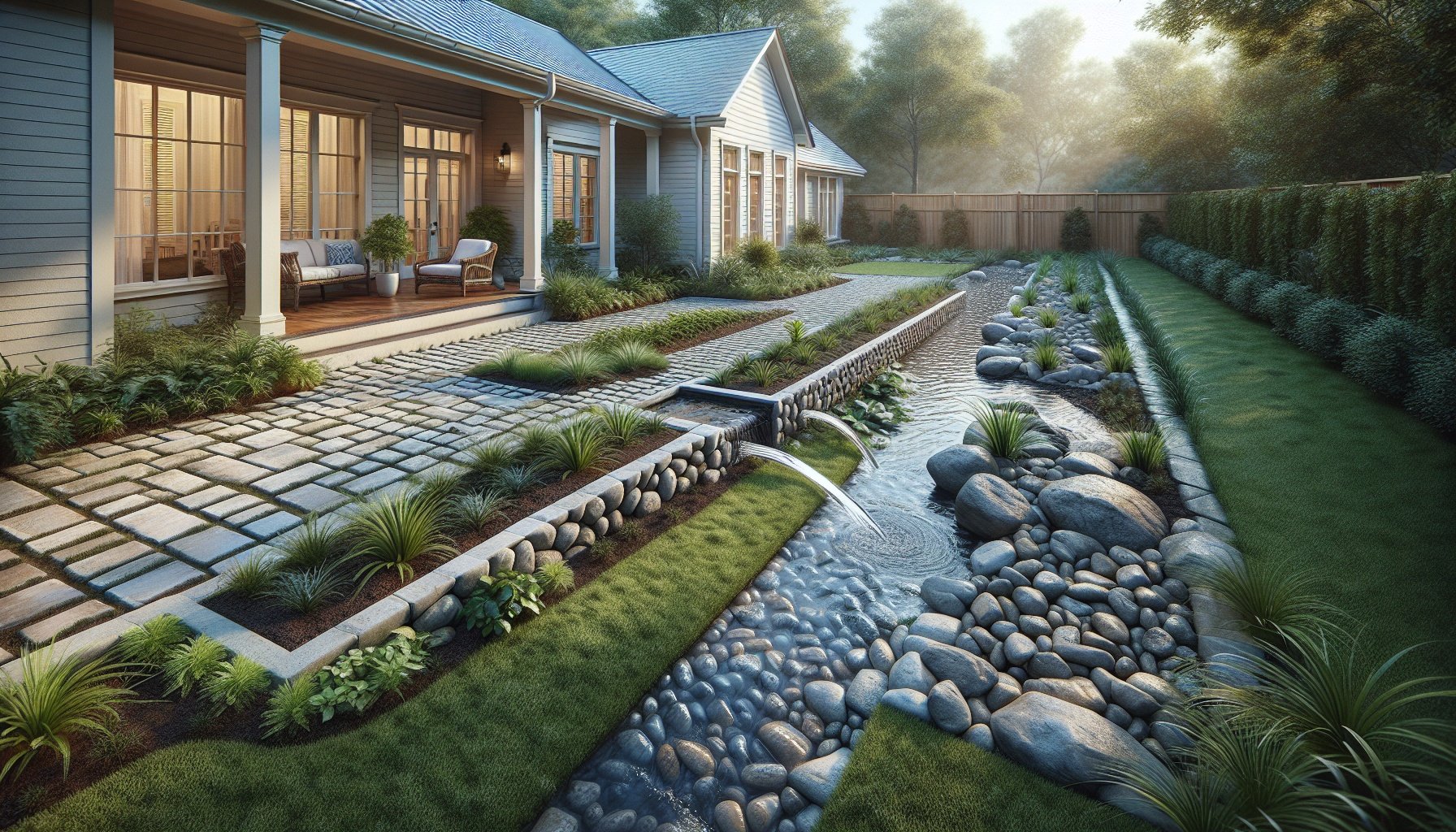
Eco-friendly water features bring a refreshing twist to sustainable landscaping across Louisiana, turning everyday backyards into calm, climate-smart retreats. Sustainable landscaping with water elements focuses on integrating eco-friendly materials and designs that minimize environmental impact while creating serene outdoor areas. Thoughtful ponds, bubbling fountains, and slow-moving streams can work with Louisiana’s hot summers and sudden downpours, not against them, easing runoff while adding cooling shade, reflection, and movement. When water features blend naturally with existing slopes, soil types, and drainage, they help manage stormwater instead of creating puddles and erosion problems.
Quick Navigation:
Designing Low-Impact Water Features for Louisiana’s Climate | Eco-Friendly Materials, Systems, and Construction Methods | Water Conservation, Native Planting, and Maintenance Strategies | Frequently Asked Questions
Sustainable landscaping with water elements focuses on integrating eco-friendly materials and designs that minimize environmental impact while creating serene outdoor areas. This approach emphasizes using recycled or natural resources for constructing ponds and fountains to reduce water waste and support local biodiversity. Reclaimed stone, locally sourced gravel, and durable liners made from recycled content lower the footprint of construction while giving each landscape a unique Louisiana character. Smart technology, such as solar-powered pumps and low-voltage lighting, keeps water moving and safely lit without driving up energy use.
Native plants, from hardy grasses to moisture-loving shrubs, frame these features with color and texture while quietly filtering water, cooling the air, and anchoring soil. When paired with recirculating systems, rainwater collection, and low-chemical care routines, water elements become an ally for pollinators, birds, and amphibians instead of a drain on local resources. The result is a landscape that feels peaceful and inviting, reflects the spirit of Central Louisiana, and supports healthier yards, neighborhoods, and ecosystems for years to come.
Designing Low-Impact Water Features for Louisiana’s Climate
Designing low-impact water features for Louisiana’s climate starts with sizing and shaping each element to match the region’s heat, humidity, and frequent storms. Shallow basins, slow-moving streams, and shaded placements help limit evaporation while still delivering a relaxing look and sound. Thoughtful layouts steer roof and patio runoff toward features that can temporarily hold and slowly release water, easing stress on local drainage systems. Gentle slopes, overflow channels, and hidden dry wells keep patios, lawns, and garden beds from staying soggy after summer thunderstorms, setting the stage for specific design strategies that fit Louisiana’s unique conditions.
Worth Noting: Incorporating bioswales and retention ponds in sustainable landscaping designs improves biodiversity by attracting pollinators and supporting aquatic habitats in residential areas.
Choosing scale and placement to handle heavy rain and summer heat
Choosing the right size and location for a water feature in Louisiana makes a big difference when storms roll through and when temperatures push past 90 degrees. Oversized ponds or deep basins can overwhelm small yards and collect too much runoff, while a modest rain garden, shallow bog area, or narrow rill along a slope slows water and spreads it out safely. Placing features slightly away from building foundations, driveways, and low doors keeps backed‑up stormwater from causing damage. Positioning ponds or streams where afternoon shade from live oaks or crepe myrtles falls across the surface cuts evaporation and keeps water cooler for fish and native aquatic plants, even during long stretches of summer heat.
Blending water elements with existing topography and drainage patterns
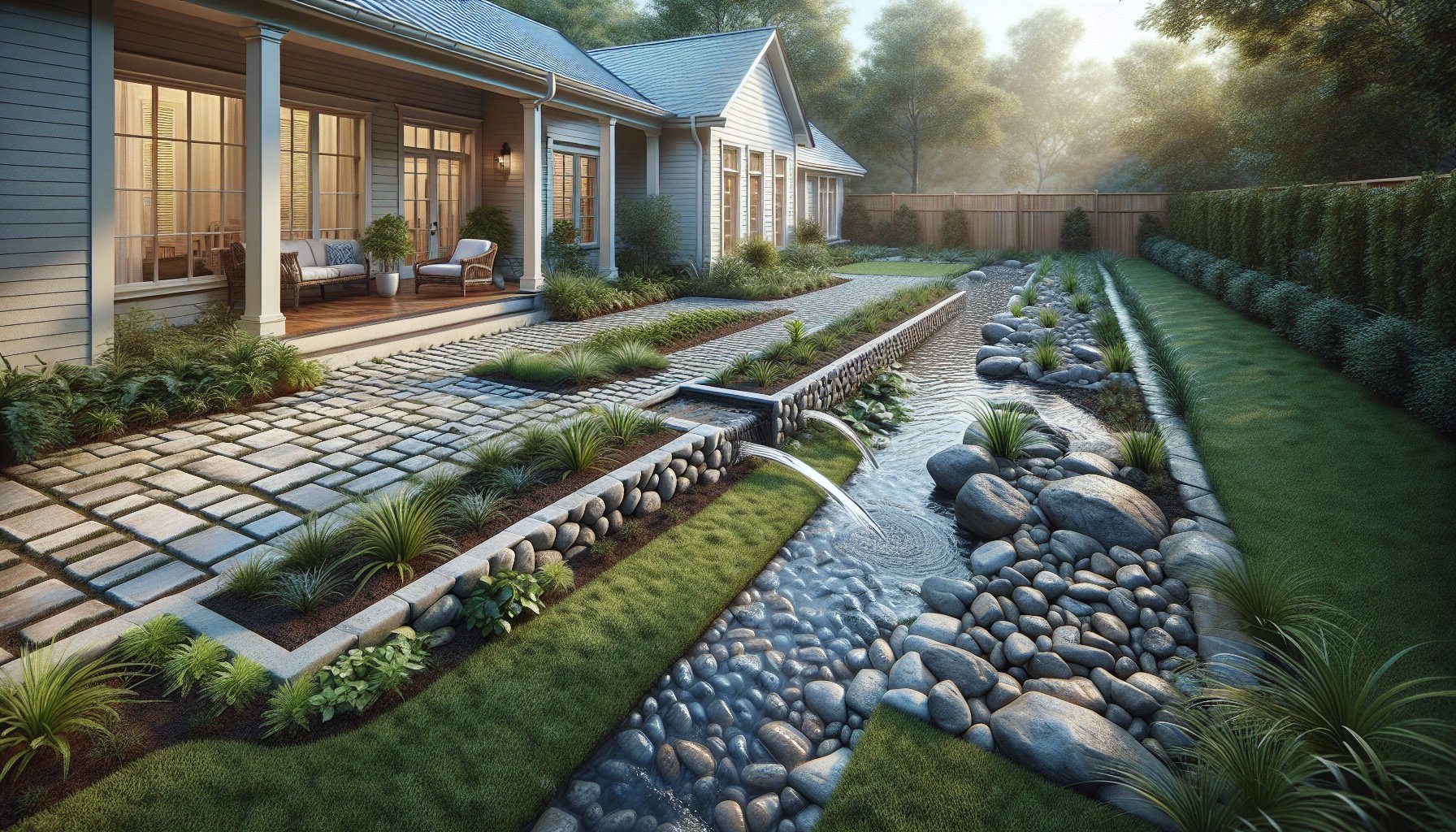
Blending water elements with existing slopes, swales, and low spots turns natural drainage into a steady asset instead of a problem. Gentle hills can guide a stone-lined channel toward a small pond or wetland pocket, slowing storm runoff before it reaches city drains. Low-lying areas that stay damp after Louisiana thunderstorms work well as native wet meadows with iris, pickerelweed, or soft rush that soak up excess water. Existing ditches can be softened with gravel, river rock, and native grasses to create a cleaner bioswale that filters oil, debris, and lawn chemicals. Following the land’s natural flow reduces grading, preserves healthy soil structure, and keeps water features working with Louisiana’s heavy rain patterns instead of fighting against them.
Expert Insight: The U.S. landscaping industry saw a 15% increase in sustainable water-efficient projects in 2024, driven by innovations like smart irrigation systems that optimize usage based on weather data.
Source: MowMore Industry Review
Prioritizing permeable patios, paths, and edging around ponds and fountains
Prioritizing permeable patios, paths, and edging around ponds and fountains keeps water where the landscape needs it instead of pushing it into storm drains. Permeable pavers, crushed limestone, and decomposed granite let Louisiana’s frequent downpours soak into the soil, easing pressure on clay-heavy yards and nearby bayous. Gaps filled with sand or small gravel between stones allow runoff from splashing fountains and pond overflows to filter into the ground. Along pond edges, natural stone set with wide joints, recycled brick on a permeable base, or gravel bands act like mini infiltration trenches. These materials pair well with native rain garden plants, so every step around the water feature becomes part of a quiet, built-in drainage system that handles storms gracefully.
Eco-Friendly Materials, Systems, and Construction Methods
Designing for Louisiana’s heat and storms sets the stage, but real long-term sustainability depends on what actually goes into and under each water feature. Beyond recycled liners and solar gadgets, eco-friendly construction leans on permeable bases, high-efficiency filtration, and low-toxicity sealants that protect both soil and waterways. Thoughtful system design limits water loss through evaporation and leaks, while modular construction methods make repairs easier and reduce Demolition waste. Choosing durable, region-appropriate materials also cuts down on long-haul shipping and frequent replacement. Together, these materials, systems, and construction methods turn simple ponds and fountains into truly resilient landscape investments.
Selecting recycled liners, reclaimed stone, and locally sourced gravel
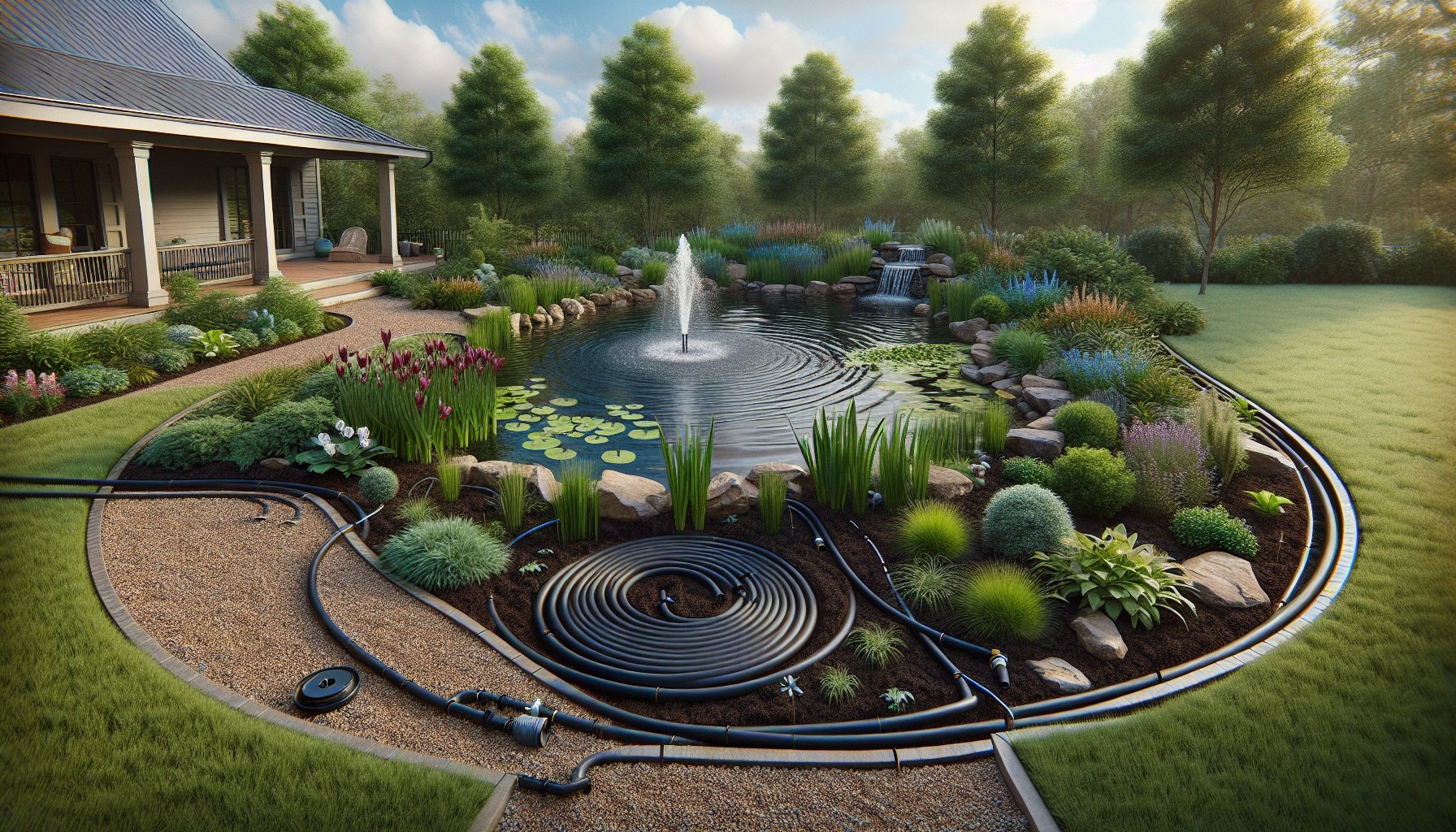
Selecting recycled liners, reclaimed stone, and locally sourced gravel reduces the overall footprint of a Louisiana water feature while still delivering strength and beauty. Recycled rubber or polyethylene liners made from post‑consumer plastics keep waste out of landfills and often perform as well as new products when protected with an underlayment. Reclaimed brick, river rock, and salvaged flagstone from old patios or demolition projects bring character that fits naturally beside cypress trees and native grasses. Locally sourced pea gravel and crushed stone from Central Louisiana pits or nearby parishes lower transport emissions and usually match regional soil colors, helping ponds and streams blend into the surrounding landscape. This mix of materials supports sustainable construction without sacrificing durability or style.
Quick Insight: In 2025, global trends in sustainable landscaping emphasize native plants around water features, conserving water by 50-70% compared to traditional lawns through xeriscaping techniques.
Source: Wikipedia
Using solar-powered pumps, low-voltage lighting, and smart timers
Using solar-powered pumps, low-voltage lighting, and smart timers turns a simple pond or fountain into an efficient, low-impact system that fits Louisiana’s sunny, humid climate. Solar pumps keep water circulating without tapping the grid, which helps reduce algae growth and supports fish and beneficial insects, even during long, hot summers. Compact battery backups keep water moving through brief afternoon storms that often roll across places like Alexandria and Lafayette. Low-voltage LED path and underwater lights gently highlight rock edges, spillways, and plant groups while using far less energy and producing less heat than older fixtures. Smart timers and controllers adjust run times to cooler hours, cut operation during heavy rain, and coordinate pumps and lights, lowering energy use while keeping water features healthy and active.
Building wildlife-friendly edges, shelves, and shallow zones for habitat
Building wildlife-friendly edges, shelves, and shallow zones turns a basic pond or stream into a living habitat that supports Louisiana’s rich biodiversity. Gentle, sloped edges lined with flat reclaimed stones or locally sourced gravel give frogs, turtles, and dragonflies safe access while preventing sudden drop-offs that can trap small animals. Wide planting shelves 6–12 inches below the surface create stable platforms for native aquatic plants like pickerelweed, Louisiana iris, and soft rush, which provide shade, oxygen, and hiding cover for fish and beneficial insects. Shallow zones only a few inches deep warm quickly in the sun, attracting pollinators, wading birds, and amphibians while using less material than deep basins and reducing erosion around the water feature’s perimeter.
Water Conservation, Native Planting, and Maintenance Strategies
Sustainable landscaping with water elements focuses on integrating eco-friendly materials and designs that minimize environmental impact while creating serene outdoor areas. Building on smart placement and storm-ready layouts, the next step involves how water moves, how plants are chosen, and how each feature is cared for over time. Drip irrigation, mulch, and permeable paths help reduce water demand while keeping soil healthy around ponds and fountains. Grouping native Louisiana plants by moisture needs limits wasted watering and supports long-term plant health. Simple, seasonal maintenance routines then keep pumps, liners, and planting zones working efficiently, setting up each feature for lasting performance.
Quick Insight: Sustainable landscaping with water elements integrates rain gardens and permeable pavements to capture stormwater, reducing urban runoff by up to 90% in cities adopting these designs.
Source: U.S. Department of Energy
Collecting rainwater and using recirculating systems to reduce demand
Collecting rainwater and using recirculating systems turns Louisiana’s frequent showers into a steady water supply for ponds, rills, and decorative fountains. Simple roof gutters can feed into covered cisterns or rain barrels, then gravity or a small pump moves that stored water into the feature. First-flush diverters and leaf screens keep debris out, supporting cleaner operation and less filter maintenance. Recirculating pumps send the same water through waterfalls, spillways, and bubbling rocks, so fresh tap water is only needed for occasional top-offs. Pairing rain storage with shaded basins, dark liners, and native aquatic plants limits algae growth and evaporation, keeping systems stable through hot Central Louisiana summers while easing strain on municipal and well water resources.
Pro Tip: Urban expansion worldwide has degraded water quality in 80% of studied rivers over the past two decades, but sustainable water elements in landscaping can mitigate pollution by enhancing filtration.
Source: European Commission Environment
Integrating Central Louisiana native plants for filtration and erosion control
Integrating Central Louisiana native plants around water features turns shorelines into natural filters and erosion barriers. Dense, fibrous roots from species like soft rush (Juncus effusus), pickerelweed (Pontederia cordata), and Louisiana iris (Iris giganticaerulea) hold soil in place along pond edges and slow runoff during heavy summer storms. Buttonbush, bald cypress, and swamp tupelo work well on slightly higher banks, where deep roots stabilize sloped ground and help absorb excess water. Marginal plants such as blue flag iris and lizard’s tail trap sediment and leaf litter before it reaches open water, improving clarity with less mechanical filtration. Grouped in layered bands from deep edge to high bank, these natives create a living buffer that fits Central Louisiana’s climate and rainfall patterns.
Quick Insight: In 2025, landscape architects use AI-driven modeling to integrate water elements that adapt to local climates, enhancing resilience against droughts in over 60% of new urban projects.
Source: Nature Water Journal
Establishing low-chemical, low-maintenance routines to protect local ecosystems
Establishing low-chemical, low-maintenance routines to protect local ecosystems starts with treating ponds and streams as living systems instead of decorative tubs. Simple habits go a long way. Skimming leaves, pruning dead plant material, and cleaning filters on a schedule keeps water clear without shock treatments. Organic methods, like barley straw pellets for algae control or beneficial bacteria products, support healthy microbes instead of wiping them out. Around the edges, mulched planting beds and slow-release, phosphorus-free fertilizers prevent nutrient runoff that can trigger green water. Choosing pest-resistant native plants reduces the need for sprays, and when problems appear, spot-treating with insecticidal soap or horticultural oil keeps dragonflies, frogs, and songbirds safe. Regular observation becomes the main “tool,” allowing small issues to be handled before they require harsh chemicals.
Conclusion
Sustainable landscaping with water elements focuses on integrating eco-friendly materials and designs that minimize environmental impact while creating serene outdoor areas. Thoughtful grading, overflow channels, and dry wells help manage heavy Louisiana rains, keeping yards drier and more usable. Permeable bases, efficient filtration, and low-toxicity sealants protect nearby soil and waterways, while durable, region-appropriate materials limit waste over time.
Native Louisiana plants add color, wildlife habitat, and natural balance around ponds and fountains, especially when grouped by moisture needs. Paired with smart irrigation and simple seasonal care, these features stay beautiful and efficient through long, hot summers and sudden storms.
Every yard in Louisiana, from Alexandria to Baton Rouge, can turn water into a clean, calming centerpiece that works with the land instead of against it.
Frequently Asked Questions
- What makes a water feature eco-friendly in a Louisiana landscape?
- A water feature becomes eco-friendly when it is designed to conserve water, support local wildlife, and use energy wisely. In Louisiana landscapes, eco-friendly water features often:
– Recycle water through a closed-loop system, so the same water is pumped again and again.
– Use native aquatic plants, such as pickerelweed, Louisiana iris, and swamp milkweed, to filter water naturally and provide habitat.
– Rely on efficient pumps, timers, and sometimes solar power to cut down on electricity use.
– Avoid harsh chemicals that can harm beneficial insects, birds, fish, and amphibians.
– Are sized correctly for the yard and local climate, so they do not waste water or energy.When all these elements work together, the water feature fits the Louisiana environment, stays healthy with less maintenance, and supports a sustainable landscape.
- How can a water feature conserve water in Louisiana’s hot, humid climate?
- Smart design and the right materials help a water feature conserve water, even through a Central Louisiana summer. Key strategies include:
– Closed-loop systems: Fountains, pondless waterfalls, and bubbling rocks recirculate the same water instead of needing a constant supply.
– Proper sizing: A feature that matches the yard and microclimate reduces evaporation and over-splash.
– Shaded placement: Locating ponds or fountains near trees or on the north or east side of a home reduces sun exposure and slows evaporation.
– Efficient liners: High-quality rubber or PVC liners prevent leaks into the soil.
– Automatic refill systems: Small float valves or smart controllers add only the water that has been lost, preventing waste.
– Native plants around the feature: Plants help cool the surrounding area and may shade parts of the water, supporting lower evaporation.These practices help keep water features looking full and fresh without constant topping off, even during the hottest months when the Saints are playing preseason ball and the humidity feels like a wet blanket.
- Which eco-friendly water features work best for small Louisiana yards?
- Small yards in Louisiana neighborhoods, from Alexandria and pineville to Baton Rouge and Shreveport, can still enjoy sustainable water elements. Good options include:
– Pondless waterfalls: Water flows over rocks into a hidden underground reservoir, saving space and reducing standing water.
– Bubbling urns or column fountains: A single urn, pot, or stone column sends water bubbling over the surface into a small recirculating basin.
– Wall fountains: Mounted to a fence, brick wall, or courtyard wall, these features take up very little ground space.
– Container ponds: Large ceramic or stock-tank containers filled with water, native aquatic plants, and maybe a few mosquito fish create a mini-ecosystem.
– Rain chains with small catch basins: Rainwater from the roof runs down decorative chains into stone-filled basins or small cisterns, turning a typical downspout into a water feature.These designs stay compact, easy to maintain, and still provide the sound and motion of water that fits well with Louisiana’s relaxed, porch-sitting lifestyle.
- How do eco-friendly water features support wildlife and pollinators in Louisiana?
- A well-planned sustainable water feature becomes a small wildlife haven, especially in a state known for its bayous, wetlands, and rich biodiversity. Eco-friendly design supports wildlife by:
– Providing clean drinking water for birds, butterflies, bees, and beneficial insects.
– Creating habitat with shallow shelves, rocks, logs, and native aquatic plants that offer cover for frogs, dragonflies, and small fish.
– Using native plants such as Louisiana iris, blue flag iris, frogfruit, and cardinal flower to attract hummingbirds, bees, and butterflies.
– Avoiding pesticides and chemical algaecides that harm amphibians, birds, and insects.
– Including gentle slopes or “critter ramps” so small animals can climb out easily.Around Central Louisiana, even a small backyard water feature can quickly attract tree frogs, dragonflies, and songbirds, adding life and movement that reflects the natural feel of the Kisatchie National Forest and local bayou ecosystems.
- What role do native plants play in sustainable water features in Louisiana?
- Native plants are a key part of eco-friendly water features because they are adapted to Louisiana’s heat, humidity, and heavy rains. They help water features thrive by:
– Filtering and cleaning water: Roots absorb excess nutrients, which reduces algae growth and keeps water clearer.
– Stabilizing edges: Plants hold soil in place around ponds or streams, preventing erosion during strong Gulf Coast storms.
– Supporting local wildlife: Native species provide food and shelter for birds, butterflies, and beneficial insects.
– Reducing maintenance: Since they are adapted to local conditions, native plants are more resilient to droughts, downpours, and temperature swings.Popular native choices around Central Louisiana include pickerelweed, soft rush, spider lily, and Louisiana iris. When tucked around rocks and along pond edges, these plants help water features blend into the landscape and feel like a natural part of the Red River region.
- How can energy use be reduced when running pumps and lighting for a water feature?
- Energy-efficient technology keeps water elements sustainable without running up the power bill. Common strategies include:
– Energy-efficient pumps: Modern variable-speed or high-efficiency pumps move water with less electricity and can be adjusted to different flow rates.
– Timers: Pumps and lights can be set to run only during certain hours, such as evenings when family and friends are outside.
– Solar-powered pumps or lights: In sunny parts of Louisiana, small solar systems can power accent fountains or low-voltage lighting.
– LED lighting: LED fixtures draw far less energy than halogen or incandescent bulbs and last longer in humid conditions.
– Thoughtful design: Shorter plumbing runs, proper pipe sizing, and minimizing elevation changes reduce the pump work needed.With these steps, a water feature delivers the soothing sound of water and nighttime ambiance during backyard cookouts, crawfish boils, or LSU game-day gatherings, while still supporting sustainable living.
- How can mosquitoes be controlled around eco-friendly water features in Louisiana?
- Mosquito control is essential in the Louisiana climate, especially around Alexandria, Lake Charles, and New Orleans where standing water is common. Eco-friendly water features manage mosquitoes without harsh chemicals by:
– Keeping water moving: Circulating pumps, waterfalls, or bubblers prevent the still water mosquitoes need for laying eggs.
– Using mosquito dunks (Bti): These biological larvicides target mosquito larvae but are safe for fish, pets, and other wildlife when used correctly.
– Adding mosquito fish or compatible small fish: In larger ponds, fish eat mosquito larvae and help balance the ecosystem.
– Avoiding stagnant puddles nearby: Good grading, French drains, and rain gardens prevent extra standing water around the feature.
– Planting wisely: Avoid extremely dense plant thickets right at the water’s edge where air cannot move; allow some airflow to discourage mosquitoes.With simple design choices and natural controls, water features across Louisiana can stay eco-friendly, attractive, and comfortable, even on warm summer nights when the cicadas and crickets are singing.