
Eco-Friendly Toys for Sustainable Family Fun
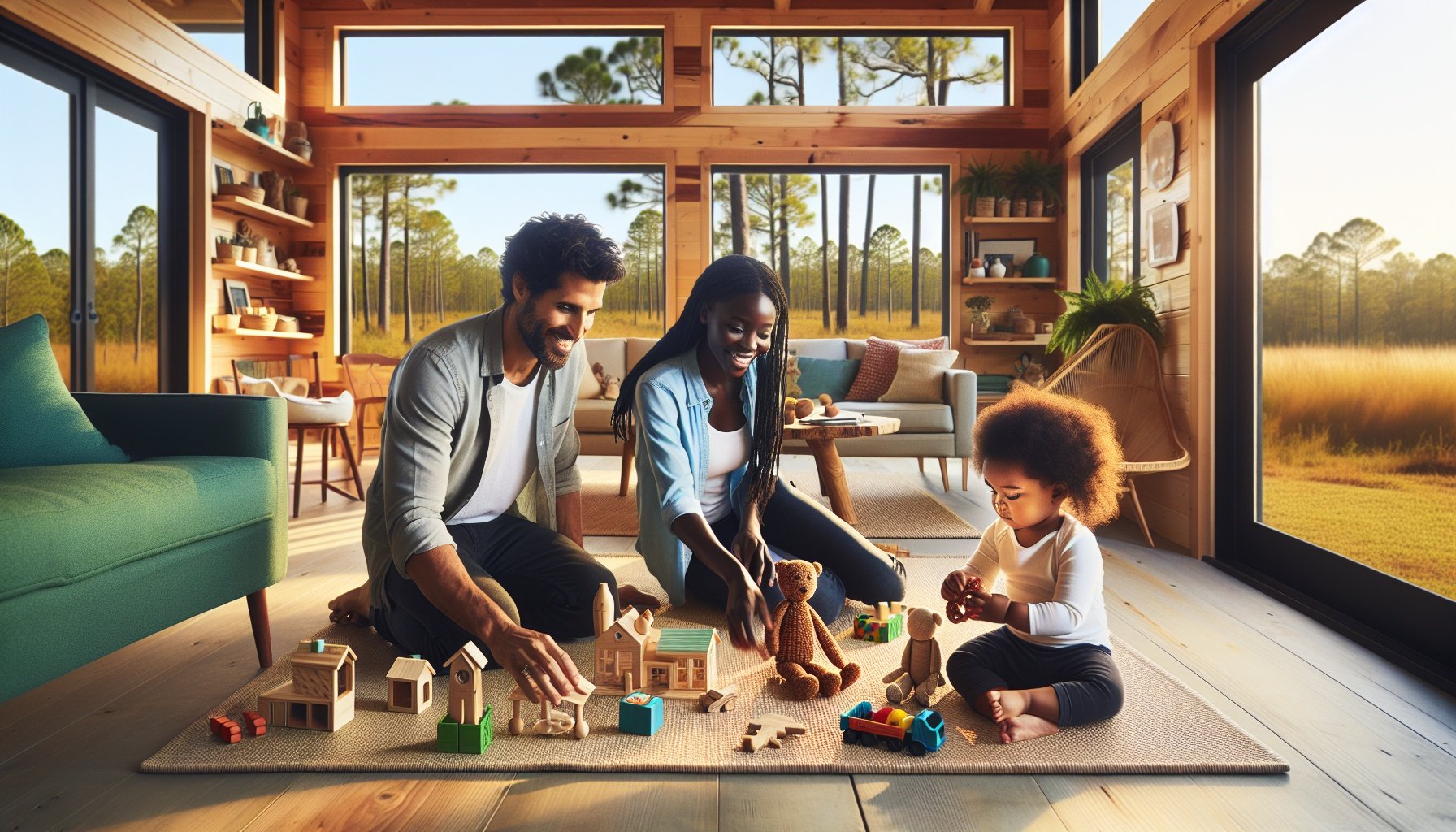
Saturday mornings around Central Louisiana often mean scattered blocks on the floor, toy trucks parked under the couch, and kids turning the living room into a busy jobsite. When those toys are eco-friendly, every building project and backyard adventure also becomes a small step toward a cleaner, greener community. Sustainable toys for eco-conscious families focus on environmentally friendly materials and designs that reduce waste while promoting imaginative play. These playtime favorites are crafted from natural woods, bamboo, recycled plastics, and organic fabrics that hold up to rough use while staying gentle on kids and the planet.
Quick Navigation:
Benefits of Eco-Friendly Toys for Central Louisiana Families | Sustainable Toy Materials and Designs That Stand Up to Rough Play | Practical Eco-Friendly Toy Ideas for Construction-Minded Households | Frequently Asked Questions
Families across Central Louisiana, from Alexandria to Pineville, are finding that choosing smarter toys can lower clutter, cut down on broken plastic in the trash, and turn everyday fun into a hands-on lesson in conservation. Thoughtful toy choices support safer homes with non-toxic finishes and sturdy construction that can be repaired, shared, and passed down instead of tossed out. Construction-themed sets, pretend tool kits, and creative building toys made from sustainable materials fit right in with a region that takes pride in solid craftsmanship, strong homes, and looking after the land.
As more households look for ways to live greener without sacrificing fun, eco-friendly toys offer a simple, practical way to align playtime with those values. From the first wooden block tower to well-loved plush toys and imaginative backyard builds, sustainable play can shape habits that last a lifetime while keeping Central Louisiana families laughing, learning, and building together.
Benefits of Eco-Friendly Toys for Central Louisiana Families
Sustainable toys for eco-conscious families go beyond materials and build lasting benefits into everyday play. For Central Louisiana households balancing school, church, sports, and long days along the Red River, fewer broken toys and smarter choices can mean less stress and more relaxed family time. Thoughtfully designed eco-friendly toys often encourage open-ended play, helping kids problem-solve, work together, and build confidence without flashing lights or loud batteries. Many brands also support fair labor and responsible forestry, so each purchase can support healthier communities at home and beyond. These advantages all add up to powerful benefits for Central Louisiana families.
Did you know? In Turkey, caregivers prioritize toys with eco-certifications and biodegradable packaging, influencing e-commerce best-sellers to incorporate sustainable sourcing practices.
Source: Journal of Consumer Behaviour
Teaching sustainability and resource conservation through everyday play
Teaching sustainability and resource conservation through everyday play becomes easy when toys naturally invite questions and small daily habits. A wooden play kitchen in an Alexandria home can include pretend recycling bins, compost containers, and reusable cloth “towels,” turning make-believe meals into chances to sort, save, and reuse. Building sets made from recycled plastic or locally sourced wood around Central Louisiana can spark talk about how materials get a second life instead of heading to a landfill. Bath toys that measure water, simple wind-up boats, or solar-powered toy cars show how energy and water are limited resources. Even sharing toy libraries between cousins in pineville or neighbors in Tioga reinforces that toys can be borrowed, traded, and cared for instead of always bought new.
Expert Insight: The eco-friendly toys market reached USD 1.2 billion in 2024 and is projected to expand at a 12.5% CAGR through 2034, fueled by growing parental focus on sustainable play options.
Source: Global Market Insights
Supporting child safety with non-toxic, durable materials
Supporting child safety with non-toxic, durable materials means fewer worries during long afternoons of play in Central Louisiana homes. Eco-friendly toys often use solid wood finished with water-based stains, plant oils, or beeswax instead of harsh lacquers, so little hands and curious mouths stay safer. Organic cotton stuffed animals filled with natural fibers reduce exposure to flame retardants and chemical fragrances, which can be especially important for children with allergies along the humid Red River corridor.
BPA-free, phthalate-free recycled plastics offer sturdy options for bath toys, outdoor trucks, and sand sets that stand up to backyard mud, bayou water, and summer heat. Fewer cracks, breaks, and sharp edges mean less risk of injury and fewer toys ending up in Central Louisiana landfills.
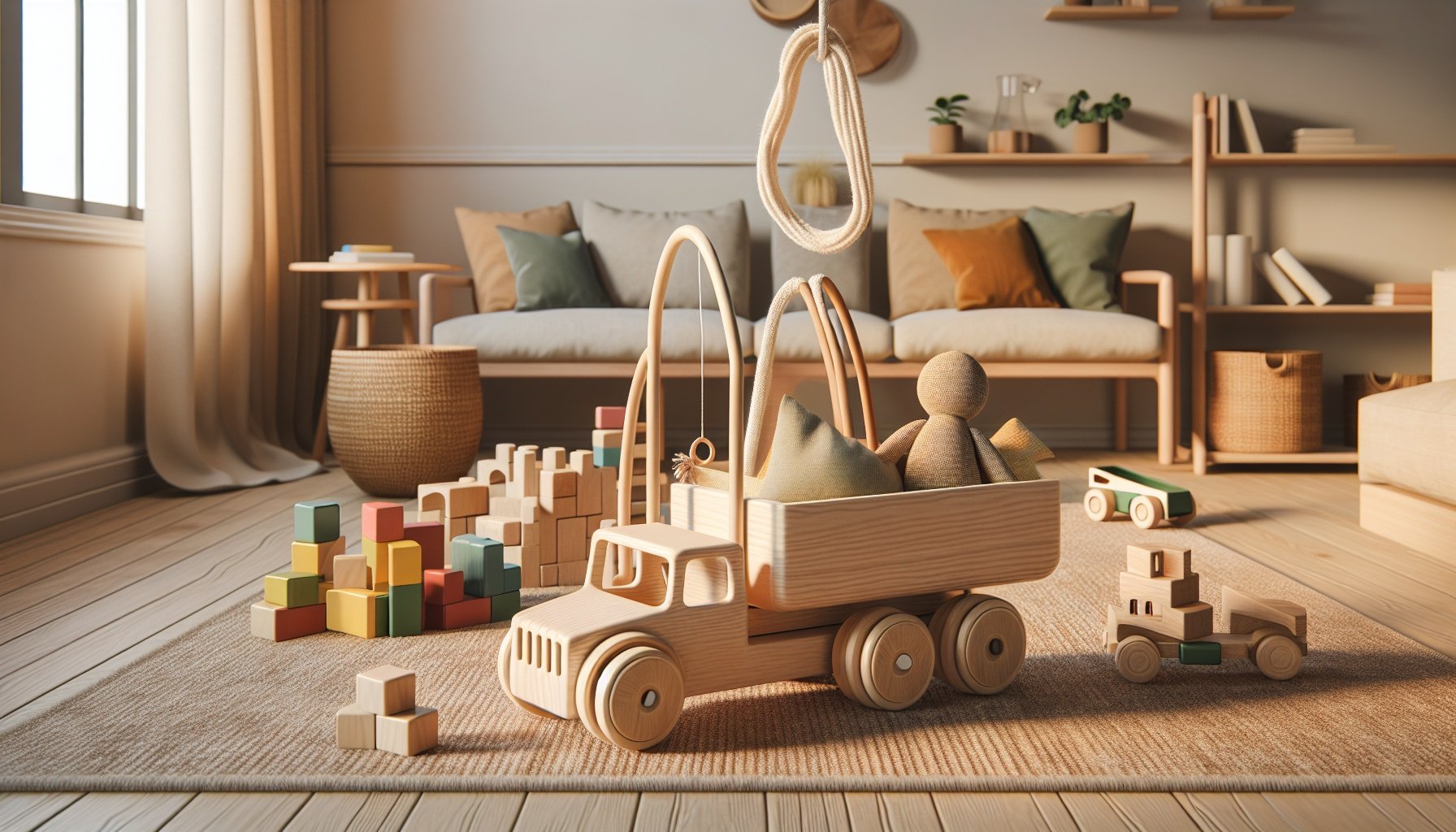
Interesting Fact: Bamboo-based building blocks offer a renewable alternative to wood toys, providing similar durability while sequestering carbon during growth for eco-benefits.
Source: The Lancet
Reducing household waste and clutter with long-lasting toy choices
Reducing household waste and clutter with long-lasting toy choices starts with selecting pieces designed to stay in rotation for years, not months. Open-ended toys made from solid wood, recycled plastic, or organic fabric often grow with children, shifting from simple stacking or sorting games to complex pretend play. Fewer single-use, battery-heavy gadgets means fewer broken items headed to Central Louisiana landfills and donation centers. Multi-purpose toys—like wooden blocks that double as bridge supports for toy cars or scenery for doll play—cut down on the need for separate sets for every activity. Compact, well-made toys also store neatly in baskets or bins, helping Central Louisiana homes feel calmer, cleaner, and more organized while supporting sustainable family routines.
Sustainable Toy Materials and Designs That Stand Up to Rough Play
Sustainable toys for eco-conscious families focus on environmentally friendly materials and designs that reduce waste while promoting imaginative play. Beyond basic material choices, smart construction details keep trucks rolling, blocks stacking, and dolls adventuring long after many mass-market toys give out. Thick joinery, reinforced seams, and rounded edges help toys survive drops off the sofa, backyard missions, and rainy-day building marathons. Clever modular designs also allow parts to be swapped, upgraded, or rebuilt instead of tossed. From rugged pull-along trucks to stackable building sets, thoughtful eco-friendly engineering keeps playsets tough enough for everyday roughhousing while staying kind to the planet.
Pro Tip: Sustainable toys made from recycled plastics and natural materials reduce landfill waste by up to 50% per toy lifecycle compared to conventional plastic alternatives.
Source: UNICEF Innocenti
Natural woods, bamboo, and responsibly sourced lumber for blocks, cars, and building sets
Natural woods, bamboo, and responsibly sourced lumber turn simple blocks, cars, and building sets into long-lasting favorites. Hardwoods like maple, beech, and rubberwood resist dents and splintering, keeping edges smooth after countless tower crashes and race track wipeouts. Bamboo grows back quickly, making it a strong, renewable option for lightweight ramps, bridges, and stacking pieces. Many brands use FSC- or PEFC-certified lumber, meaning forests are managed to protect wildlife, water quality, and local communities. Solid wood vehicles with real axles, chunky block sets with non-toxic paints, and unfinished building planks all stand up well in busy playrooms from Alexandria to Pineville. When pieces finally wear out, natural wood can often be repaired, refinished, or composted instead of tossed in the trash.
Recycled plastics and upcycled components for outdoor toys and bath toys
Recycled plastics and upcycled components turn everyday waste into tough toys that handle splashes, sand, and sunshine. Outdoor trucks, beach sets, and garden tools made from post-consumer plastic bottles or milk jugs resist fading, cracking, and warping, even after long afternoons in the yard or at the park. Bath toys crafted from recycled polypropylene or polyethylene skip flimsy seams and hollow joints that trap water, reducing mold and mildew. Some brands upcycle discarded fishing nets into bright buckets or sand sifters, giving ocean plastic a new purpose. Modular designs with simple shapes clean easily in hot, soapy water and dry quickly on a rack, so families keep the same set in rotation instead of tossing worn, grimy toys in the trash.
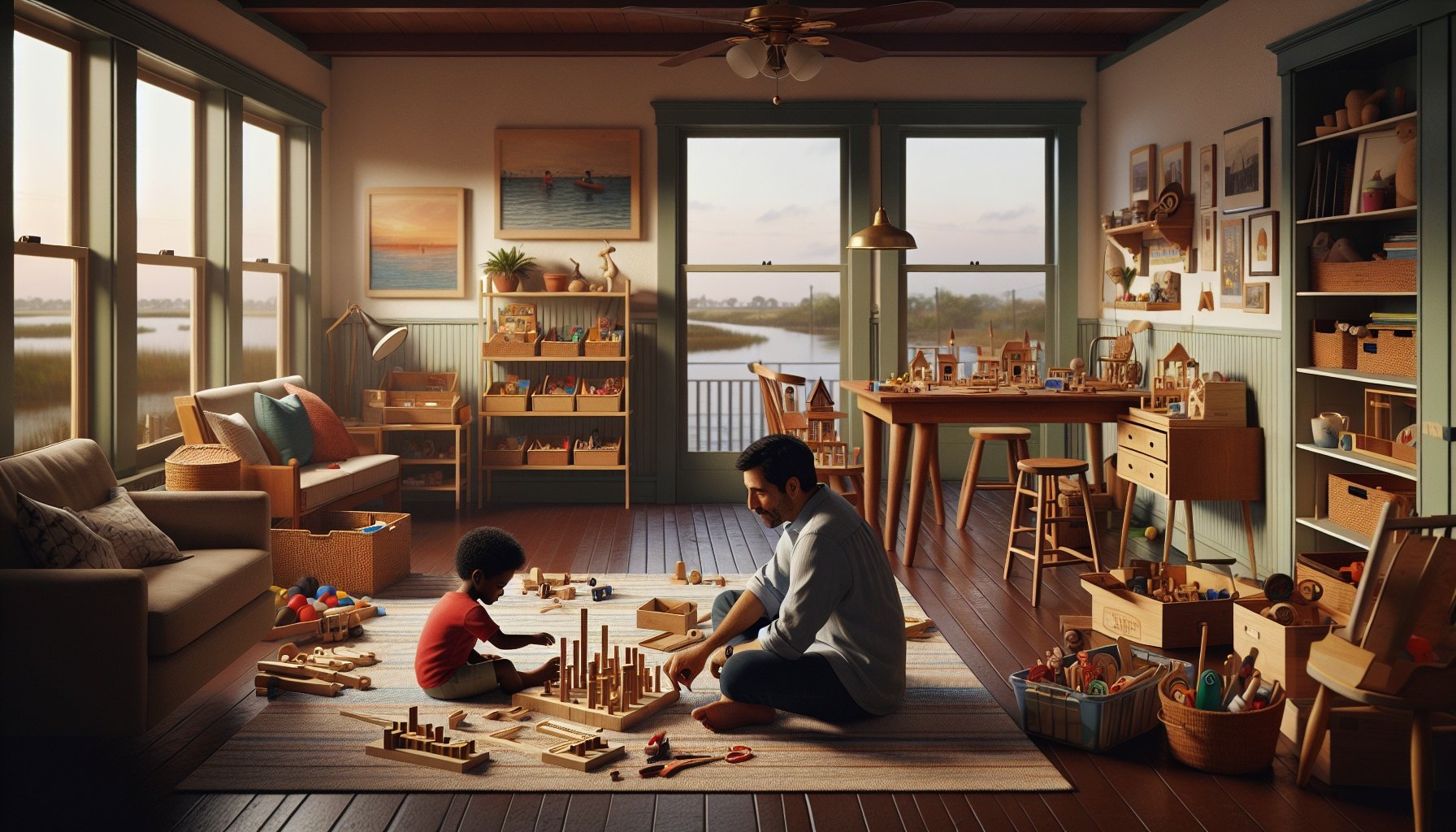
Good to Know: Eco-friendly toys support child development by encouraging outdoor play and creativity, aligning with global goals for healthier, sustainable childhood experiences.
Source: UNICEF Innocenti
Organic fabrics and natural fillings for dolls, plush toys, and play tents
Organic fabrics and natural fillings turn dolls, plush toys, and play tents into soft, safe companions that still stand up to daily adventures. Certified organic cotton and linen avoid harsh pesticides and finishes, reducing irritants against sensitive skin while holding stitching and seams firmly over time. For stuffing, natural materials like organic cotton batting, kapok fiber, and ethically sourced wool keep plush animals and doll bodies springy without synthetic foam. Wool filling also helps regulate temperature and resists odors, keeping toys fresher between washes. Sturdy canvas-style organic cotton makes durable play tents and fabric tunnels that handle crawling, tugging, and frequent setup, while removable, machine-washable covers and simple tie or snap closures extend use through multiple kids and stages of imaginative play.
Practical Eco-Friendly Toy Ideas for Construction-Minded Households
After exploring the bigger picture of why sustainable toys matter, everyday choices start to feel a lot more practical. Construction-minded households can turn that love of building into small, steady steps that protect the bayous, pine forests, and neighborhoods that mean so much across Central Louisiana. Simple shifts—like choosing modular sets that grow over time, storage solutions that keep pieces out of the trash, and toys that can be repaired instead of replaced—stretch each purchase further. Hand-me-down building kits, shared community tool benches, and DIY upgrades with safe finishes all support greener play spaces and set the stage for practical eco-friendly toy ideas that fit real family life.
Construction-themed toys made from sustainable materials, like tool sets and building kits
Construction-themed toys made from sustainable materials turn everyday building play into a hands-on lesson in resource care. Wooden tool sets crafted from FSC-certified pine or rubberwood replace flimsy plastic hammers and wrenches, giving small builders real weight and balance while keeping forests protected. Building kits made from recycled plastic, bamboo blocks, or cork bricks snap together smoothly and resist warping, so projects can be rebuilt again and again instead of tossed out. Many sets come unfinished or colored with water-based, low-VOC stains that stay safe during long build sessions on the living room floor. Some brands even package nails, bolts, and “blueprints” in recycled cardboard boxes, encouraging kids to design small bridges, houses, or job sites with minimal waste.
DIY and handmade toy projects using scrap wood, leftover fasteners, and safe finishes
DIY and handmade toy projects turn scrap wood and leftover fasteners from home repairs into low-waste play pieces. Short offcuts of pine or cypress become chunky construction blocks, small ramps, or simple vehicles when paired with spare screws as axles and bottle caps as wheels. Sanded edges and rounded corners keep each piece safe for everyday play. Low-VOC, water-based stains or food-safe oils like mineral or walnut oil protect the wood while letting the grain show through. Families around Central Louisiana often use leftover fence boards or deck planks to create balance beams, stacking planks, or “mini studs” that mimic real framing lumber, turning weekend projects into a steady supply of durable, eco-friendly toys.
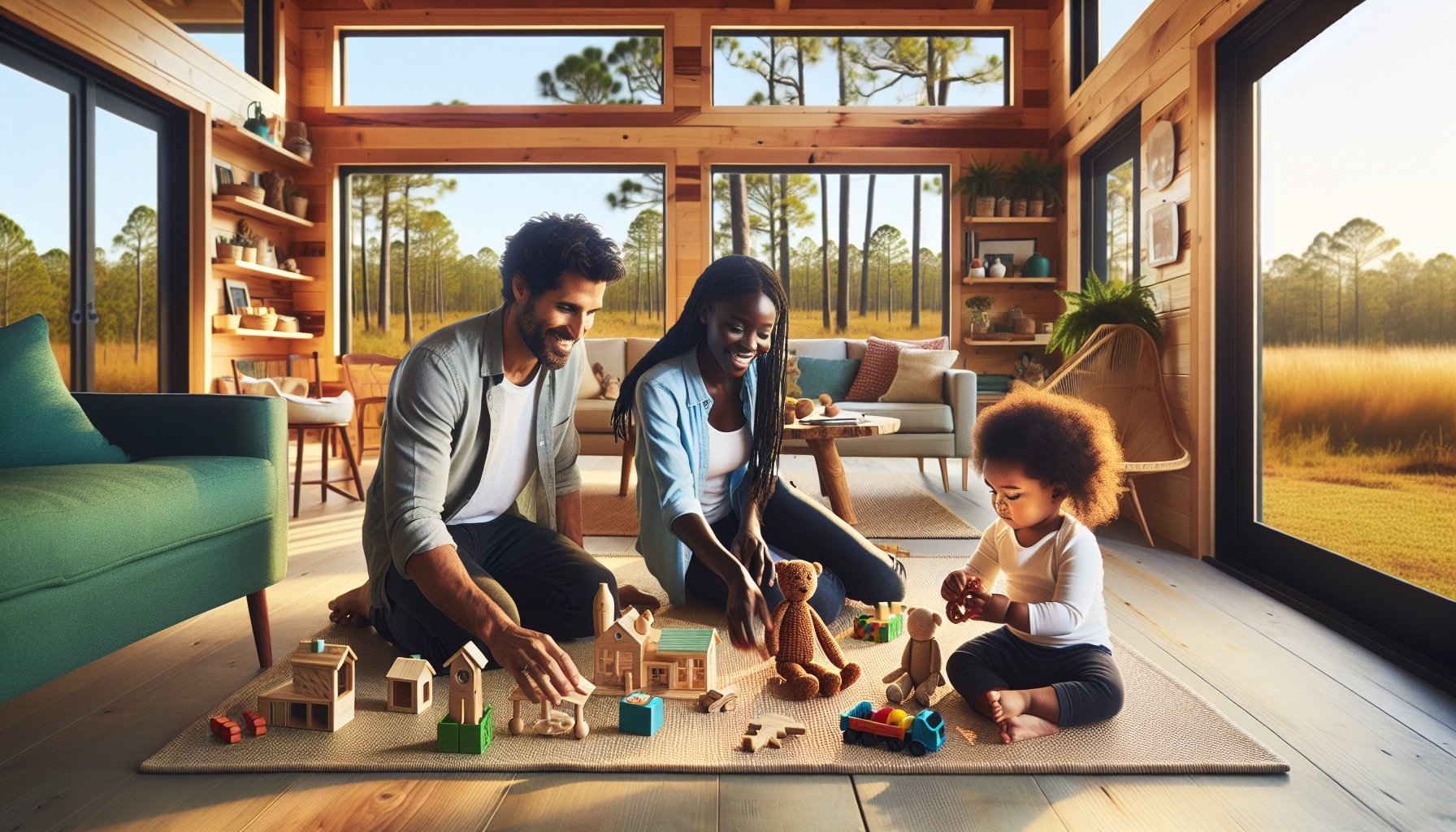
Quick Insight: Consumers globally express willingness to pay a 9.7% premium for sustainably produced toys and goods, reflecting heightened eco-awareness amid economic pressures.
Source: PwC
Organizing, repairing, and passing down toys to extend lifespan and cut landfill waste
Organized toy storage keeps eco-friendly play pieces in good shape longer and makes repairs easier. Clear bins labeled by type—blocks, vehicles, tool parts—help keep every screw, wheel, and wooden offcut together instead of scattered or broken underfoot. A small “fix-it” box with spare screws, non-toxic wood glue, sandpaper, and extra bottle-cap wheels turns loose parts into a repair station instead of trash. When kids outgrow wooden tool sets and block collections, simple touch-ups like tightening fasteners, re-sanding edges, and refreshing with a light coat of low-VOC finish get them ready for cousins, neighbors, or church nursery rooms. Toys that stay in circulation like this cut landfill waste and turn each hand-me-down into a lesson in stewardship and resource care.
Conclusion
Sustainable toys for eco-conscious families focus on environmentally friendly materials and designs that reduce waste while promoting imaginative play. Thoughtful options made from natural woods, organic fabrics, or recycled plastics pair strong, durable construction with child-safe finishes. Features like thick joinery, reinforced seams, and rounded edges help toys stand up to everyday knocks and outdoor adventures. Modular building sets and rugged pull-along trucks keep creative play fresh while limiting what ends up in the landfill. When families in Central Louisiana choose toys that last, support fair labor, and respect responsible forestry, every play session becomes a small investment in cleaner neighborhoods and healthier forests. Each eco-smart toy on the shelf can help build lifelong respect for the environment, one project at a time.
Frequently Asked Questions
- What makes a toy truly eco-friendly for sustainable family fun?
- A toy is considered eco-friendly when it is made from safe, sustainable materials, produced responsibly, and designed to last. Key signs of a truly eco-conscious toy include:
– Natural or recycled materials: Solid wood (often rubberwood, beech, or maple), organic cotton, bamboo, wool, and recycled plastic help reduce waste and pollution.
– Non-toxic finishes: Water-based paints, plant-based dyes, and finishes that are free from PVC, BPA, phthalates, and heavy metals are safer for kids and the environment.
– Minimal, recyclable packaging: Cardboard boxes, paper wrap, and soy-based inks are better than plastic clamshells or foam.
– Durable construction: Toys that survive years of play, sibling hand-me-downs, or resale mean fewer broken items heading to landfills.
– Responsible manufacturing: Brands that share details about factory conditions, fair wages, and environmental standards offer more transparency.
– Repairable and reusable: Toys that can be fixed, repainted, or re-imagined encourage longer life instead of quick disposal.Families in Central Louisiana often like toys that can handle rough play across tile, wood, and porch concrete, so durability and safe materials matter just as much as the eco-label on the box.
- Which materials are safest and most sustainable for children’s toys?
- Several materials stand out as both safe for children and better for the environment:
– Solid wood: Look for FSC-certified or sustainably harvested wood. Wooden blocks, cars, and train sets handle years of play and can be sanded or refinished.
– Bamboo: Fast-growing and renewable, bamboo works well for kitchen play sets, puzzles, and baby toys.
– Organic cotton: Plush toys, dolls, and soft rattles made from organic cotton avoid the pesticides used in regular cotton farming.
– Natural rubber: Good for baby teethers and bath toys, as long as they are free from harmful additives.
– Recycled plastic: When plastic is needed, recycled plastic reduces the demand for new petroleum-based materials. Many recycled plastic toys are tough enough for sand, dirt, and water play.
– Wool and felt: Often used in play food, dolls, and animal figures. Choose untreated or minimally treated wool when possible.Families across Central Louisiana, from Alexandria to Pineville and the smaller towns along the Red River, often gravitate toward solid wood and recycled plastic toys because they survive long play sessions and frequent cleanups.
- How can families in Central Louisiana find eco-friendly toys locally?
- Eco-friendly toys are becoming easier to find, even outside big metro areas. In Central Louisiana, helpful strategies include:
– Local toy and gift shops: Smaller stores near places like the Alexandria Mall, downtown Alexandria, or around busy corridors often carry wooden toys, puzzles, and organic plush animals from sustainable brands.
– Farmer’s markets and craft fairs: Events around Alexandria, natchitoches, or along the Red River sometimes feature local woodworkers and crafters selling handmade toys, blocks, and outdoor game sets.
– Museum and zoo gift shops: Spots like the Alexandria Zoological Park may stock nature-themed toys, wildlife puzzles, and eco-friendly stuffed animals.
– Church and school fundraisers: Some local groups sell wooden toys, outdoor game kits, or STEM sets from companies that focus on sustainable products.
– Online orders shipped locally: Many eco-conscious families order from brands that clearly list materials, certifications, and manufacturing details, then support local delivery services or pickup lockers to cut down on multiple trips.Combining local shopping with selective online orders often gives Central Louisiana families the best mix of sustainability, variety, and budget control.
- Are eco-friendly toys more expensive, and how can families manage the cost?
- Eco-friendly toys can sometimes cost more upfront because they use better materials, safer finishes, and often come from smaller or more responsible manufacturers. However, several factors help balance the cost:
– Longer life: Solid wood blocks or trucks can handle years of weekend play on tile, rugs, and porches, often outlasting cheaper plastic alternatives.
– Fewer replacements: A durable toy that stays in good condition reduces the need for constant replacement.
– Hand-me-down potential: Quality toys can be passed between siblings, cousins across Central Louisiana, or friends at churches and schools.
– Secondhand buying: Thrift stores, consignment shops, and neighborhood swap groups often carry wooden toys, puzzles, and games at a fraction of the original price.
– Prioritizing open-ended toys: Items like blocks, magnetic tiles, and simple figurines support many types of play and reduce the need for multiple single-purpose toys.Many families choose a smaller number of sturdy, eco-friendly toys instead of a large pile of cheaper items, saving money over time while reducing clutter.
- How do sustainable toys support children’s development while staying eco-conscious?
- Sustainable toys often focus on simplicity, open-ended play, and natural materials, which line up well with healthy child development:
– Open-ended play: Blocks, wooden trains, and simple figures encourage creativity, problem-solving, and storytelling.
– Sensory experience: The feel of wood grain, natural fabrics, and wool offers a richer sensory experience than hard plastic alone.
– Fine motor skills: Puzzles, stacking toys, lacing sets, and building kits help develop hand–eye coordination and finger strength.
– Outdoor connection: Eco-friendly gardening kits, bug catchers, bird feeders, and nature exploration toys draw children outside, where they connect with the local environment.
– Imaginative and social skills: Play kitchens, dollhouses, and pretend play sets made from wood and fabric foster social interaction and role play.In Central Louisiana, kids can roll wooden trucks across the carport, build block cities inspired by downtown Alexandria, or act out outdoor adventures along the Red River, all while using toys that respect the environment.
- How can families reduce toy waste without taking away playtime fun?
- Reducing toy waste does not mean reducing fun. Smart choices keep playtime lively while cutting clutter and trash:
– Choose fewer, better toys: Focus on durable, versatile items that work across ages and interests.
– Rotate toys: Store some toys in a closet and bring them out on rotation so they feel fresh again, especially during long, rainy Central Louisiana weekends.
– Repair instead of replace: Tighten screws, sand rough wood edges, repaint chipped areas with non-toxic paint, or replace missing parts.
– Share and swap: Organize toy swaps through schools, churches, neighborhood groups, or local events near popular spots like Bringhurst Park or Kincaid Lake.
– Donate: Pass gently used toys to shelters, daycare centers, or community centers when children outgrow them.
– Avoid single-use items: Skip toys that break quickly, rely heavily on thin plastic, or come with many tiny disposable pieces.This approach keeps toy collections manageable, saves money, and keeps more items out of landfills across Central Louisiana.
- What are some examples of eco-friendly toy ideas for Central Louisiana families?
- Many sustainable toy options fit the lifestyle and climate of Central Louisiana, from quiet indoor mornings to active backyard evenings:
– Wooden blocks and building sets: Classic block sets, log-style building kits, and wooden train tracks that can be rearranged again and again.
– Outdoor play gear: Sturdy wooden or metal wagons, biodegradable sidewalk chalk, kites, and nature exploration kits for parks, trails, and backyards.
– Nature-themed toys: Animal figurines, bird and insect puzzles, and plant-growing kits that reflect local wildlife and gardening traditions.
– Eco-friendly art supplies: Crayons made from beeswax or soy, recycled paper sketchbooks, and non-toxic paints for rainy-day projects.
– Sustainable pretend-play sets: Wooden or bamboo kitchen sets, dollhouses, and tool benches that echo real homes and workshops around Central Louisiana.
– Recycled plastic vehicles: Trucks, boats, and sand toys made from recycled plastic that can handle mud, sand, and water play along creeks and lakes.These options bring plenty of fun to living rooms, porches, and yards while supporting eco-conscious values and long-lasting play.