
Eco-Friendly Kitchen Backsplash Ideas for Sustainable Homes
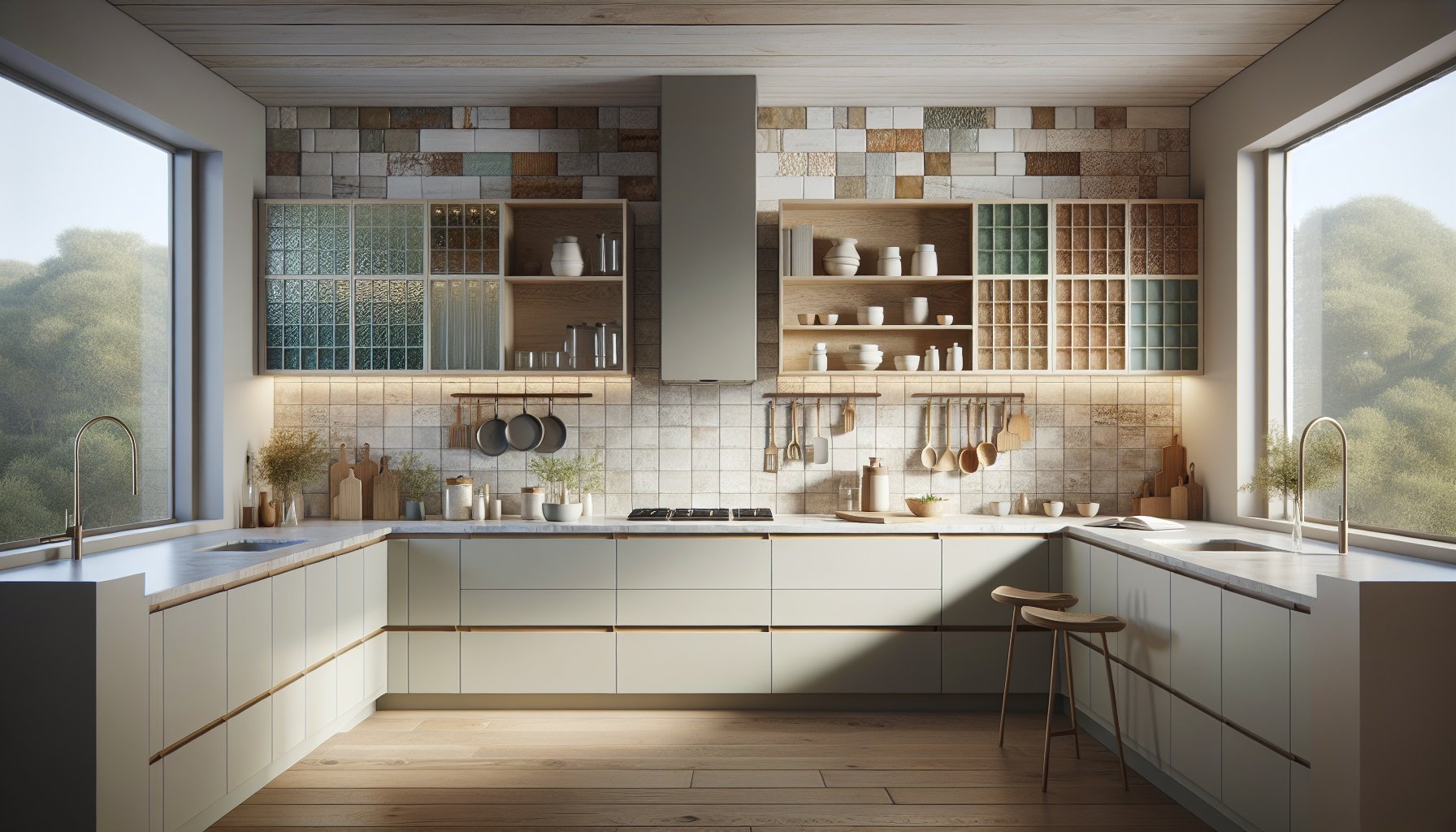
A kitchen backsplash can do a lot more than protect the wall from splashes and stains. It can reflect personal style, support a healthier home, and even cut down on environmental impact. Sustainable kitchen backsplash materials turn an everyday surface into a quiet workhorse for green living, blending durability, comfort, and smart resource use. From homes in Central Louisiana to busy city apartments across the country, more households are looking for finishes that look sharp and tread lightly on the planet.
Quick Navigation:
Recycled and Reclaimed Backsplash Materials for Sustainable Kitchens | Rapidly Renewable and Natural Backsplash Options | Low-Impact Installation Systems and Finishes | Frequently Asked Questions
Eco-friendly backsplash choices lean on materials that reuse what already exists, rely on rapidly renewable resources, or demand fewer chemicals to install and maintain. Thoughtful options help reduce landfill waste, lower energy use, and support better indoor air quality, all while staying tough against daily cooking and cleaning. Reflective surfaces can brighten work areas and cut the need for extra lighting, while natural textures add warmth and character without harsh finishes.
Sustainable backsplashes also respect the full life cycle of a product, from where it comes from to where it ends up. Materials that are responsibly sourced, installed with low-VOC products, and designed for long life or easy reuse turn a simple upgrade into a long-term investment in both comfort and conservation. Every tile, panel, or slab becomes part of a bigger story—one that blends modern style with practical performance and environmental responsibility, creating kitchen spaces that feel fresh, efficient, and built for the future.
Recycled and Reclaimed Backsplash Materials for Sustainable Kitchens
Beyond responsibly sourced new products, some of the most planet-friendly kitchen backsplash materials have already lived another life. Recycled and reclaimed options give existing resources a second chance, turning old bottles, bricks, barn wood, or factory offcuts into fresh, character-filled surfaces. These materials often carry subtle color variations, patina, and texture that can’t be duplicated in brand‑new products, adding warmth and story to a kitchen. They also support local salvage yards and regional recycling programs, keeping useful material in circulation. Recycled glass, reclaimed tile, metal, and wood each offer distinct benefits and design possibilities worth a closer look.
Quick Insight: The global market for eco-friendly kitchen materials, including sustainable backsplashes, is projected to grow at a CAGR of 7.5% from 2024 to 2030, driven by consumer demand for green innovations.
Source: Grand View Research
Recycled glass tiles that boost light reflection and reduce waste from Louisiana construction and bottle recycling streams
Recycled glass tiles turn Louisiana’s construction and bottle recycling streams into bright, durable kitchen backsplashes. Crushed glass from beverage bottles, old windows, and building offcuts is melted and formed into new tiles, cutting demand for freshly mined sand and lowering landfill pressure. Many regional manufacturers near places like Baton Rouge and Lake Charles blend clear and colored glass, creating terrazzo-style mosaics that scatter light across counters and sinks. This strong light reflection can reduce the need for extra task lighting, especially in tighter kitchens or older Alexandria homes with smaller windows. Low-VOC mortars and grouts pair well with glass tile, and at the end of its long service life, glass can be crushed and recycled again into new building products.
Reclaimed ceramic and porcelain tiles sourced from remodels and surplus yards to cut landfill impact
Reclaimed ceramic and porcelain tiles from remodels, surplus yards, and contractor overstock keep tons of solid material out of Louisiana landfills. Salvaged backsplash tile from kitchens in Alexandria, pineville, or older Baton Rouge homes often arrives in classic subway shapes, checkerboard patterns, or hand-painted pieces that add instant character to modern cabinets and countertops. Many surplus yards near busy corridors like I-49 and Highway 28 stock unopened boxes from cancelled jobs, so tiles arrive in near-new condition without the environmental cost of fresh manufacturing. Combining these reclaimed tiles with low-VOC thinset and grout creates a durable, heat-resistant backsplash that stands up to daily cooking while supporting green building goals and preserving resources for the long term.
Metal backsplashes from recycled aluminum or stainless steel with high durability and low maintenance
Metal backsplashes from recycled aluminum or stainless steel bring industrial strength to sustainable kitchens with very little upkeep. Sheets or tiles made from post-consumer cans, scrap metal, and restaurant-grade steel reduce demand for new mining and smelting, lowering overall carbon impact. Polished, brushed, or matte finishes bounce light around cooking areas much like recycled glass, cutting dependence on overhead fixtures. In Central Louisiana, metal panels pair well with popular gas ranges and crawfish boils, standing up to steam, grease, and high heat without warping. A simple wipe-down keeps the surface clean, avoiding harsh chemicals and saving water. When design trends change, metal backsplashes can be removed, re-cut, and recycled again, keeping materials in circulation instead of heading to landfills.
Rapidly Renewable and Natural Backsplash Options
Beyond recycled and reclaimed choices, some kitchen backsplashes start with materials that grow back fast and stay gentle on the planet from day one. Rapidly renewable resources such as bamboo, cork, and certain grasses mature in just a few years, so fields and forests bounce back quickly after harvest. Natural options like clay, stone, and lime-based surfaces often pair with simple, low-toxicity finishes that keep kitchens feeling fresh instead of chemical-heavy. Many of these materials also help regulate temperature and humidity around busy cooktops and sinks, setting the stage for a closer look at standout rapidly renewable and natural backsplash options.
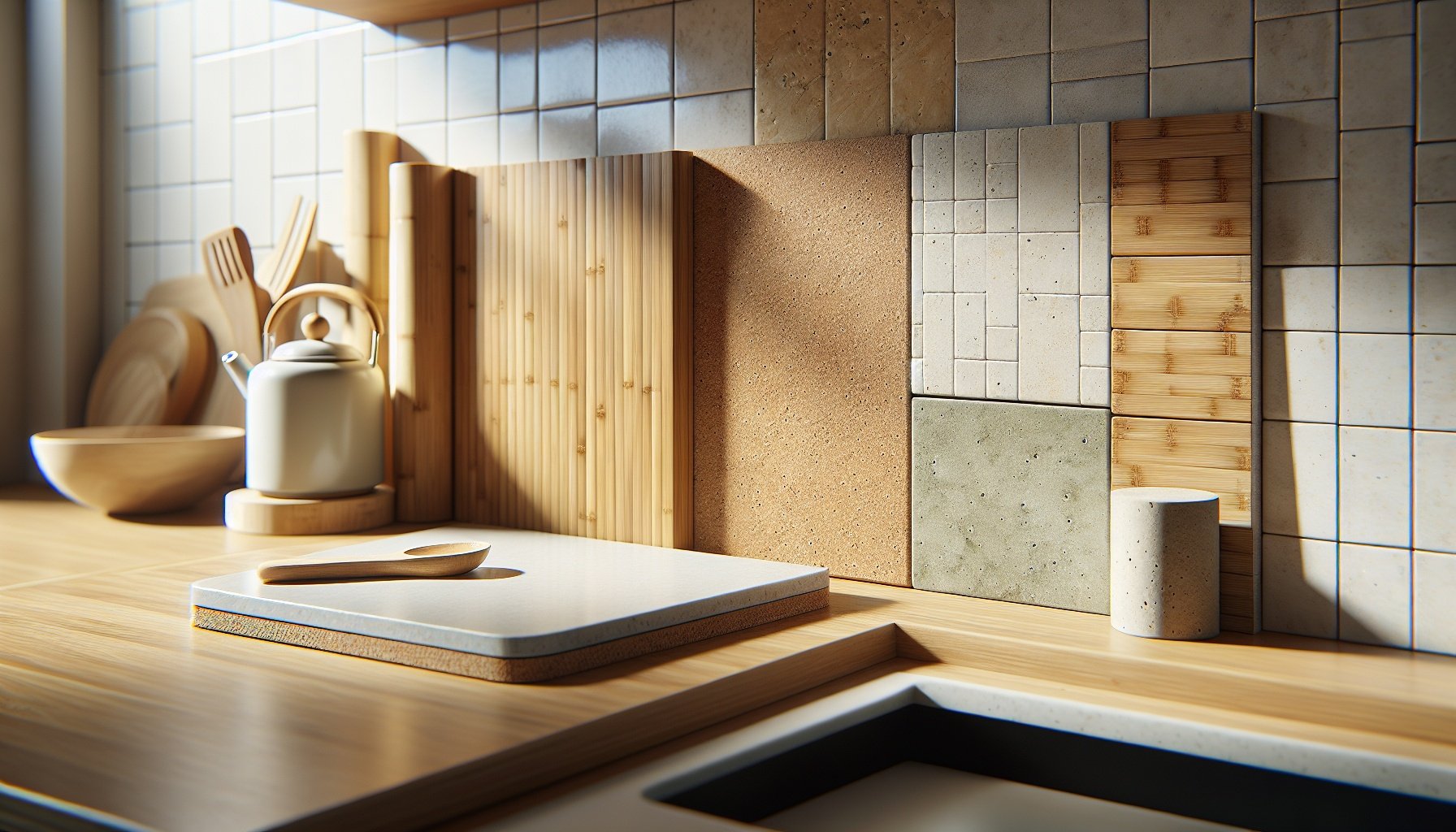
Good to Know: Sustainable backsplash materials like bamboo, sourced primarily from Asia-Pacific regions, support local economies and promote biodiversity through rapid renewable harvesting practices in 2024-2025.
Bamboo panels and tiles as fast-growing, low-impact alternatives to traditional hardwoods
Bamboo panels and tiles offer a rapidly renewable backsplash option, since bamboo matures in about 3–5 years compared to several decades for hardwoods. Many products use strand-woven or cross-laminated construction, creating dense, durable surfaces that handle everyday splashes and heat from nearby appliances. When sourced from responsibly managed groves and manufactured with low-VOC binders, bamboo backsplashes keep indoor air cleaner while keeping embodied carbon lower than most hardwoods or ceramic tiles. Narrow planks can mimic shiplap, while larger panels or mosaic tiles create modern, spa-like kitchens with subtle grain patterns and warm tones. Some lines even come pre-finished with water-based sealers, reducing job-site emissions and simplifying long-term maintenance for busy, energy-conscious households.
Expert Insight: Advancements in 2025 include nanotechnology-infused sustainable backsplash tiles that offer self-cleaning properties and enhanced durability, revolutionizing maintenance in modern kitchens.
Source: ArchDaily
Cork backsplash applications that offer natural insulation, sound absorption, and warm texture
Cork backsplashes bring a soft, natural look while adding performance upgrades that support a sustainable kitchen. Cork is harvested from the bark of cork oak trees without cutting them down, allowing the bark to regenerate and keeping the tree alive for repeated harvests. As a backsplash material, cork sheets or tiles create a quiet, cushioned surface that absorbs sound from blenders, dishwashers, and vent hoods, helping calm a busy cooking space. The cellular structure of cork traps air, adding a thin layer of insulation that can buffer heat from ovens and reduce cold transfer from exterior walls. Waxed or low-VOC polyurethane finishes protect against splashes and stains, and patterned cork tiles can introduce warm texture that pairs well with bamboo, wood, or matte metal accents.
Worth Noting: Cork and recycled ceramic backsplashes provide superior thermal insulation compared to traditional materials, helping reduce energy consumption for kitchen heating and cooling by up to 15%.
Source: U.S. Department of Energy
Natural stone with responsible quarrying, local or regional sourcing, and long product life
Natural stone backsplashes become a sustainable choice when paired with responsible quarrying and smart sourcing. Stone extracted from quarries that restore landscapes, manage water run‑off, and reduce blasting impacts helps protect local ecosystems. Choosing stone from local or regional suppliers cuts transportation emissions and often supports smaller, community-based operations. In Central Louisiana and across the South, materials like regional granite, limestone, or soapstone bring a rooted, natural character that pairs well with bamboo and cork. Stone’s long product life also boosts sustainability, since it resists heat, stains, and daily wear for decades with minimal maintenance. When sealed with low‑VOC products and installed with low‑VOC adhesives or grout, natural stone offers a durable, eco-conscious backsplash that ages gracefully.
Low-Impact Installation Systems and Finishes
Recycled and reclaimed surfaces set a strong foundation for a greener kitchen, and low‑impact installation systems take that commitment even further. Sustainable backsplash materials perform best when paired with eco‑conscious adhesives, grouts, and finishes that keep indoor air clean. Low‑VOC or zero‑VOC products limit harsh fumes, while water‑based sealers and primers cut down on petroleum use and off‑gassing. Some mounting systems even allow panels or tiles to be removed and reused instead of ending up in the landfill. Together, these softer installation methods and finishes protect both the environment and everyday living spaces, creating a smooth path into specific low‑impact options.
Expert Insight: In 2025, kitchen design trends emphasize sustainable backsplash materials like recycled glass and bamboo, reflecting a shift towards eco-friendly practices that reduce environmental impact while enhancing aesthetic appeal.
Source: Decorilla Online Interior Design
Low-VOC and non-toxic thinset mortars, mastics, and grouts that support healthier indoor air quality
Low-VOC and non-toxic thinset mortars, mastics, and grouts keep sustainable backsplash systems from off-gassing harsh fumes long after installation. Products labeled Low-VOC, GreenGuard Gold, or meeting SCAQMD Rule 1168 limits typically contain fewer solvents and plasticizers, which supports healthier indoor air quality around stoves and sinks. Cement-based thinsets with low-VOC liquid additives pair well with recycled glass or porcelain tile, while plant-based or waterborne mastics work for lightweight backsplash panels. Unsanded or fine-grain grouts with low-VOC sealers reduce lingering odors and dust, which helps sensitive households breathe easier. Many eco-focused lines also avoid added formaldehyde, phthalates, and isocyanates, creating a tighter, cleaner system from substrate to finish tile that supports long-term indoor comfort.
Reflective and light-colored finishes that reduce the need for artificial lighting in Central Louisiana kitchens
Reflective, light-colored backsplash finishes brighten Central Louisiana kitchens without relying heavily on overhead fixtures. Pale recycled glass tiles, glossy white ceramic made with recycled content, and polished metal panels bounce sunlight from Windows over the sink or back door, helping spaces feel cooler and more open during long, hot Rapides Parish afternoons. Soft tones like oyster, sand, and pale sage fit the relaxed feel of Alexandria and Pineville homes while maximizing daylight from smaller windows often shaded by porches. Satin or semi-gloss sealers on reclaimed brick or concrete panels add light reflectivity without harsh glare. By carefully combining color, sheen, and sustainable materials, backsplash surfaces support lower lighting needs and help trim energy use during Louisiana’s long cooling season.
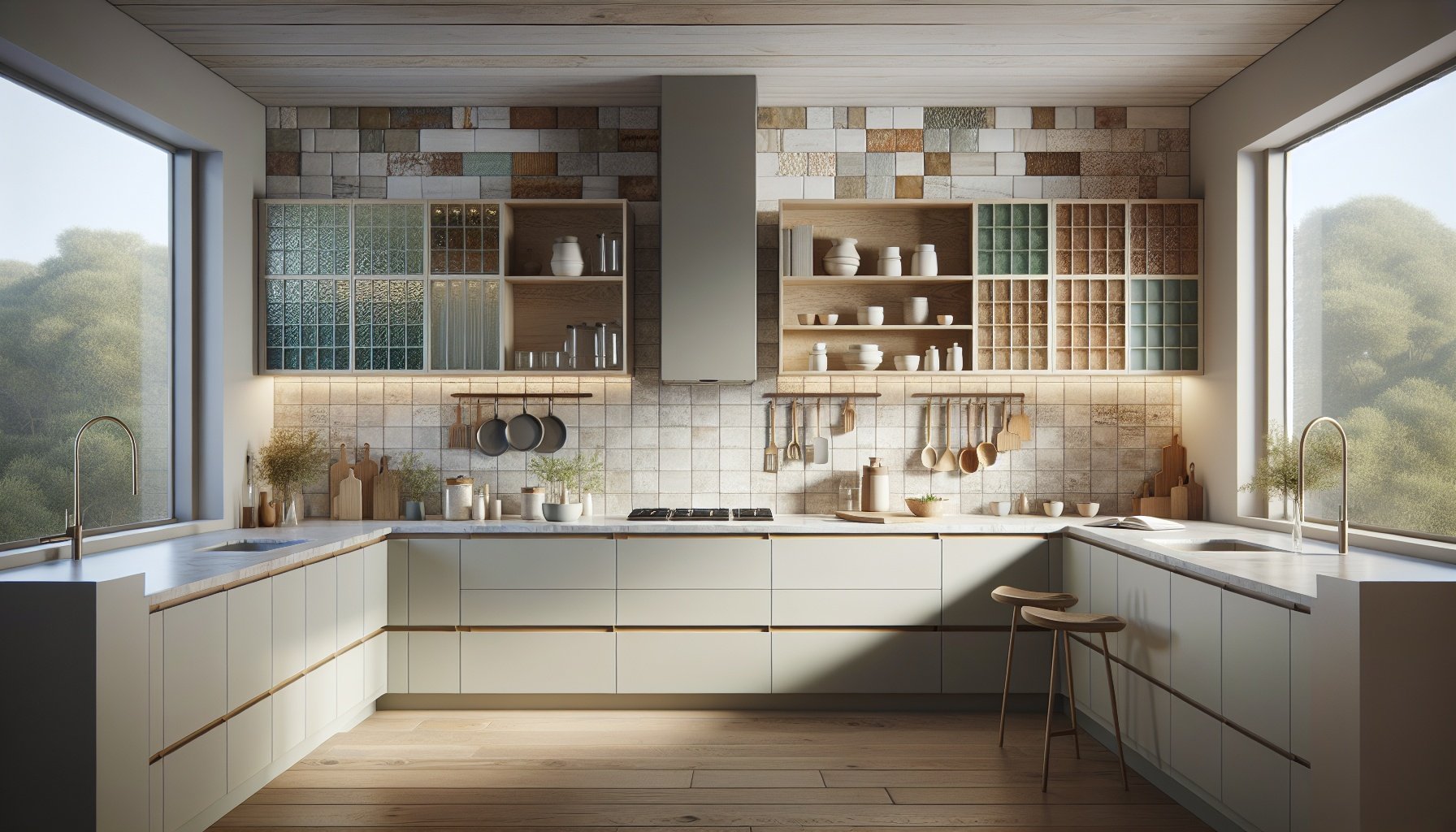
Keep in Mind: Sustainable kitchen backsplashes using low-VOC tiles and reclaimed wood have gained popularity in 2025, contributing to healthier indoor air quality by minimizing harmful emissions in home environments.
Source: Lioher
Modular and easily removable systems that support repair, reuse, and material recycling at end of life
Modular backsplash systems use panels, rails, or clip-on tiles that attach with screws or mechanical fasteners instead of heavy adhesives. When a section cracks or stains, only that piece is swapped out, keeping most of the wall intact and out of the landfill. Recycled aluminum tracks with recycled glass or composite panels create a sturdy, low-waste setup that comes apart with basic hand tools. Magnetic steel panels, bamboo slat systems, or click-together recycled plastic tiles also lift off cleanly, leaving drywall ready for reuse. At the end of life, individual materials separate easily—metal to scrap recycling, glass to local processors, and bamboo or wood composites to reuse or composting streams—supporting a true circular approach to sustainable kitchen backsplash design.
Conclusion
Sustainable kitchen backsplash materials focus on eco-friendly options like recycled glass tiles or bamboo that minimize environmental impact while maintaining durability and style. From reclaimed glass and brick to barn wood and factory offcuts, waste is turned into long-lasting, attractive surfaces. Rapidly renewable choices such as bamboo, cork, and certain grasses grow back quickly, helping fields and forests recover after harvest. Natural materials like clay, stone, and lime-based finishes keep spaces feeling fresh and help balance temperature and humidity around busy cooking zones.
Thoughtful material and installation choices turn the backsplash into more than decoration. Every panel, tile, and finish becomes a step toward a greener, healthier home, making the next kitchen upgrade a real opportunity to build with the planet in mind.
Frequently Asked Questions
- What makes a kitchen backsplash material eco‑friendly?
- A kitchen backsplash material is considered eco‑friendly when it reduces environmental impact across its life cycle. Key factors include:
– Sustainable sourcing – Materials that are rapidly renewable (like bamboo), reclaimed (like salvaged wood or brick), or responsibly harvested.
– Recycled content – Glass, ceramic, or metal tiles made with post‑consumer or post‑industrial recycled content keep waste out of landfills.
– Low embodied energy – Materials that require less energy to manufacture and transport, such as locally sourced stone or clay tiles.
– Non‑toxic composition – Options that are free of heavy metals and harsh chemicals, paired with low‑VOC (volatile organic compound) adhesives and grouts, help maintain healthy indoor air quality.
– Durability and longevity – Long‑lasting surfaces that resist stains, moisture, and heat reduce the need for frequent replacement, saving resources over time.A truly sustainable backsplash balances all these elements while still fitting the kitchen’s style and function.
- What are some popular eco‑friendly materials for kitchen backsplashes?
- Several materials work well for a sustainable kitchen backsplash while still looking stylish:
– Recycled glass tile – Made from recycled bottles and industrial glass, it offers bright colors, shine, and easy cleaning.
– Recycled ceramic or porcelain tile – Tiles that contain recycled content use less virgin material and often come in classic subway or mosaic designs.
– Natural stone with responsible sourcing – Options like granite, marble, or slate from quarries with responsible practices, especially when sourced regionally to cut down on transport.
– Bamboo panels – Bamboo grows quickly and renews fast, making it a popular green option when properly sealed for kitchen use.
– Reclaimed wood – Salvaged barn wood, old flooring, or trim can become a warm, rustic backsplash when treated for moisture resistance.
– Stainless steel with recycled content – Durable, heat‑resistant, and easy to clean, especially when made with a high percentage of recycled metal.
– Concrete with eco additives – Concrete that uses fly ash or slag in place of some cement reduces emissions and creates a modern, industrial look.Each option offers a different style, so the choice often depends on budget, design goals, and maintenance preferences.
- How durable are eco‑friendly backsplash materials compared to traditional options?
- Eco‑friendly backsplash materials can be just as durable as traditional ones, and sometimes even more so, when chosen and installed correctly:
– Recycled glass tile – Very durable and resistant to stains and moisture. It can chip if struck hard, but performs well for everyday kitchen use.
– Recycled ceramic and porcelain – Extremely tough, long‑lasting, and heat‑resistant, similar to standard tile products.
– Natural stone – Strong and long‑lasting, especially granite and slate. Regular sealing helps protect against stains and etching.
– Bamboo and reclaimed wood – More sensitive to moisture and heat, but modern sealers and finishes greatly improve resistance. Best used away from direct stove flames and heavy water exposure.
– Stainless steel – Highly durable and heat‑proof, often used in commercial kitchens. It may show fingerprints and minor scratches over time but still performs well.
– Concrete – Very tough once cured and properly sealed, but can form hairline cracks if not mixed or supported correctly.Durability often comes down to proper installation, quality sealers or finishes, and simple routine cleaning.
- Are eco‑friendly backsplash materials harder to maintain and clean?
- Most eco‑friendly backsplash materials are easy to maintain with basic care:
– Recycled glass tile – Wipes clean with a mild, non‑abrasive cleaner and a soft cloth. Strong chemicals are usually unnecessary.
– Recycled ceramic and porcelain – Cleaned with mild soap and water or pH‑neutral cleaners. Grout may need occasional scrubbing and resealing, just like standard tile.
– Natural stone – Requires a stone‑safe cleaner and periodic sealing to protect against stains and moisture, especially in cooking zones.
– Bamboo and reclaimed wood – Cleaned with a damp cloth and gentle cleaner, avoiding soaking the surface. A quality finish or sealant protects against splashes.
– Stainless steel – Cleans easily with mild detergent or vinegar‑based sprays, though a microfiber cloth helps reduce streaks and fingerprints.
– Concrete – Needs a good sealer and periodic resealing. Clean with mild, non‑acidic cleaners to protect the surface.Overall, eco‑friendly does not mean high‑maintenance. Regular, gentle cleaning usually keeps these materials in good shape for many years.
- Do eco‑friendly kitchen backsplashes cost more than standard options?
- The cost of an eco‑friendly kitchen backsplash varies by material and brand. Some green options cost more upfront, while others are very affordable:
– Recycled glass tile – Often priced higher than basic ceramic but comparable to mid‑range designer tiles.
– Recycled ceramic or porcelain – Frequently similar in price to standard tiles, especially when produced at scale.
– Natural stone – Can be higher in price, though local or common stones are often more budget‑friendly than rare imports.
– Bamboo panels – Usually mid‑range in cost, with price depending on thickness, finish, and brand.
– Reclaimed wood – Varies widely. Locally salvaged materials can be affordable, while specialty reclaimed products can be higher due to processing.
– Stainless steel – Sheet metal backsplashes are often moderately priced, though custom fabrication can raise costs.
– Concrete – Costs depend on whether it is a DIY product (like tiles or panels) or a custom installation.Many homeowners find that better durability, healthier indoor air quality, and a smaller environmental footprint help justify slightly higher upfront costs.
- How can a kitchen backsplash help create a more sustainable home overall?
- A thoughtfully chosen backsplash contributes to a more sustainable home in several ways:
– Lower resource use – Recycled and reclaimed materials reduce demand for new raw resources.
– Reduced waste – Using materials made from waste products, or choosing long‑lasting surfaces, means fewer replacements and less landfill material.
– Improved indoor air quality – Low‑VOC adhesives, sealers, and finishes release fewer harmful chemicals into the home.
– Energy savings in production and transport – Locally sourced tiles, stone, or reclaimed materials cut transportation emissions.
– Design that lasts – Timeless styles stay appealing longer, discouraging frequent remodels and reducing future material use.Even though a backsplash is a relatively small part of a kitchen, combining eco‑friendly materials with smart installation practices helps support broader sustainability goals for the entire home.
- What should be considered when installing an eco‑friendly kitchen backsplash?
- Several factors help an eco‑friendly backsplash perform well and stay sustainable over time:
– Non‑toxic adhesives and grout – Low‑VOC mastics, thin‑sets, and grouts support healthier indoor air.
– Proper surface preparation – A smooth, dry, and stable wall base helps the backsplash last longer, reducing the chance of early replacement.
– Moisture and heat zones – Materials like reclaimed wood or bamboo may need extra protection or placement away from areas with constant steam or open flame.
– Sealing where needed – Natural stone, wood, and concrete benefit from eco‑friendly sealers that guard against stains and water.
– Local climate and lifestyle – High‑humidity areas may favor tiles and stone, while drier climates might suit sealed wood or bamboo more comfortably.
– Skilled installation – Proper layout, cutting, and fitting reduce waste and ensure that sustainable materials live up to their full lifespan.Careful planning during installation helps eco‑friendly backsplash materials stay attractive, functional, and truly sustainable for many years.