
Eco-Friendly DIY Projects: Reclaimed Materials for Sustainable Homes
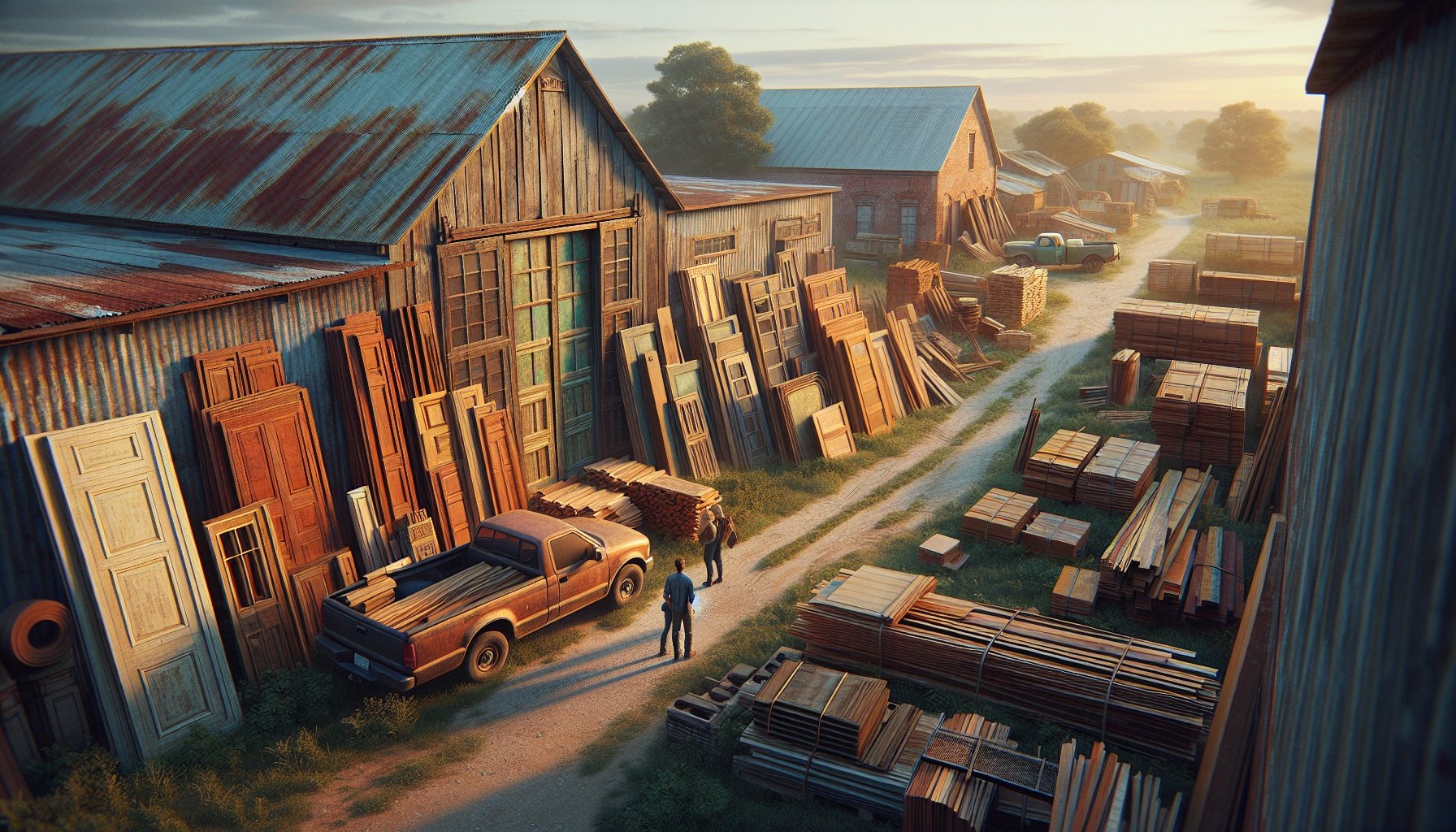
A sustainable home often starts with simple, hands-on changes, and reclaimed materials make that transformation both practical and inspiring. Eco-friendly DIY projects using salvaged wood, metal, and old fixtures turn what many see as waste into one-of-a-kind features with real character. From back roads lined with aging barns to Central Louisiana neighborhoods full of stories in every weathered board, discarded building materials hold new life for creative home upgrades. Reclaimed pieces bring warmth and texture to interiors, reduce demand for new resources, and keep valuable materials out of landfills, all while adding a rustic, lived-in charm that feels grounded and authentic.
Quick Navigation:
Sourcing Reclaimed Materials in Central Louisiana | Eco-Friendly DIY Projects for Functional Home Upgrades | Decor and Accent Projects that Highlight Sustainable Style | Frequently Asked Questions
With a little effort, reclaimed lumber, old doors, shutters, Windows, and vintage hardware can become sturdy, functional upgrades that fit everyday living. Open shelving, storage benches, countertops, and custom tables gain a unique look that can’t be bought off the shelf. Smaller accent pieces and décor made from salvaged finds help tie spaces together, from wall art and ceiling details to lighting and outdoor planters that support native plants and outdoor living. Each project becomes a way to blend sustainability with style, turning salvaged materials into a reflection of local history and personal taste. As more homeowners look for greener, more budget-friendly ways to improve their spaces, reclaimed materials stand out as a smart, creative path toward homes that feel both modern and mindful.
Sourcing Reclaimed Materials in Central Louisiana
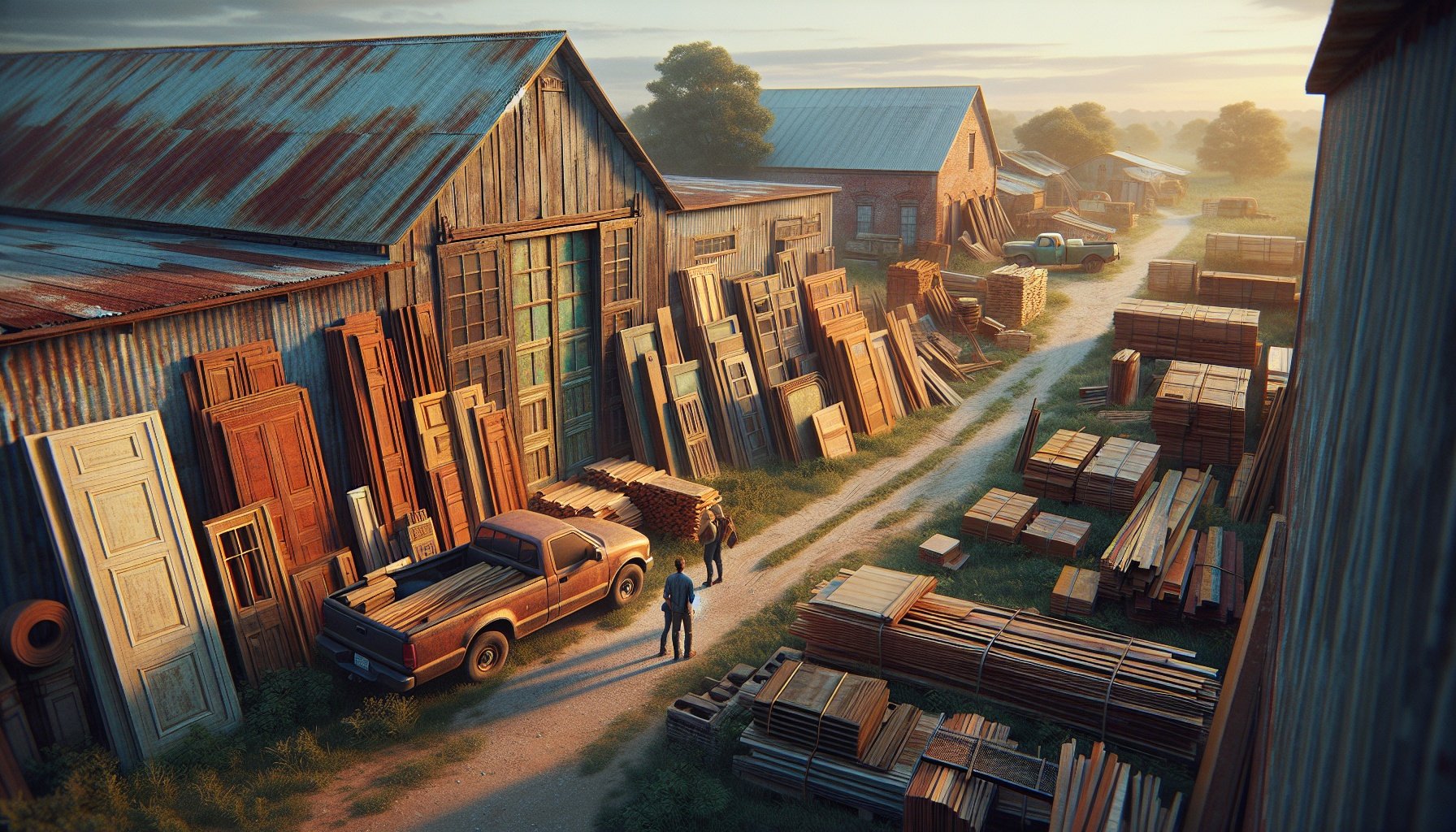
Turning reclaimed materials into beautiful, useful pieces starts with knowing where to find the good stuff close to home. Across Central Louisiana, old barns, historic homes, and aging commercial buildings offer a steady supply of weathered lumber, tin roofing, and vintage brick ready for a second life. Local architectural salvage yards, Habitat ReStores, estate sales, and even small-town auctions around Alexandria, Pineville, and Natchitoches often hold treasures with real local history baked in. Partnering with regional contractors and demolition crews also opens doors to larger finds, creating a reliable path to reclaimed materials that the next sections explore in more detail.
Good to Know: In Scandinavian cultures, reclaimed wood from old barns is traditionally used in DIY projects to create functional art pieces, reflecting a deep-rooted value of resourcefulness and environmental harmony.
Source: BBC Culture
Finding quality salvaged wood, metal, and fixtures at local salvage yards, recycling centers, and deconstruction sites
Finding good reclaimed materials in Central Louisiana often starts at local salvage yards and metal recycling centers scattered around towns like Alexandria, pineville, and Opelousas. Old cypress beams pulled from farm sheds, tin roofing from barns, and cast-iron tubs or sinks from historic homes regularly show up at these spots. Careful inspection for rot, deep rust, or structural cracks helps make sure each find is solid enough for long-term use. Some remodeling contractors and deconstruction crews along the Red River corridor will even sell lumber, brick, and fixtures directly from tear-down jobs, especially from older homes in neighborhoods near Bolton Avenue or around downtown Alexandria. Early visits, a tape measure, and clear project plans make scoring quality materials much easier.
Leveraging storm-damaged structures, old barns, and rural properties for safe, legal material recovery
Storms across Central Louisiana often leave barns, sheds, and outbuildings damaged but still full of reusable materials. Rural backroads outside Alexandria, woodworth, and Lecompte hold weathered tin, old-growth framing lumber, and livestock gates that work well in eco-friendly DIY projects. Safe, legal recovery always starts with written permission from the property owner, especially after hurricanes or tornadoes when insurance claims and adjusters may still be involved. Hazards like loose roofing, leaning walls, and hidden nails call for sturdy boots, gloves, and eye protection. Once structures are cleared for cleanup, crews can carefully pull straight rafters, metal roofing panels, and solid barn doors for use in wall art, garden trellises, rustic tables, and accent walls that keep local materials out of landfills.
Worth Noting: Reclaimed materials from construction sites have been repurposed into eco-friendly DIY home decor since the 1970s, evolving into a global movement that promotes circular economy principles in modern crafting.
Source: Wikipedia
Cleaning, de-nailing, and prepping reclaimed materials to remove hazards, pests, and contaminants before use
Reclaimed boards, metal panels, and old fixtures from Central Louisiana yards and farms usually need a deep clean before turning into eco-friendly décor or furniture. Loose nails, screws, and staples come out first with a pry bar and nail puller, then surfaces get checked again by running a magnet along cracks and edges. Mud, oil, and old paint wash off with a stiff brush, mild soap, and plenty of fresh water, then everything dries fully in the Louisiana sun to prevent warping and mold. Lumber with signs of termites or carpenter ants gets heat-treated, frozen, or discarded, and flaking finishes from older houses around Alexandria get treated as potentially lead-based, using a scraper, respirator, and wet-sanding methods to keep dust and contaminants out of the home.
Eco-Friendly DIY Projects for Functional Home Upgrades
Once the best reclaimed finds are gathered, simple, eco-friendly DIY projects start turning them into real, everyday workhorses around the house. Salvaged boards become space-saving shelves, old metal can frame entryways, and retired fixtures step into new roles as storage, lighting, or organization solutions. Thoughtful planning helps each piece fit modern needs, whether the goal is cutting energy use, opening up tight rooms, or taming clutter. With a bit of sanding, sealing, and smart hardware, reclaimed materials shift from “rescued” to “reliable,” setting the stage for specific project ideas that blend sustainability with daily function.
Interesting Fact: Technological advancements in 2025 enable 3D scanning of reclaimed metals for precise DIY fabrication, allowing hobbyists to create custom tools with up to 90% material efficiency.
Source: Reuters
Transforming old doors, shutters, and windows into dining tables, desks, and headboards with a rustic, reclaimed look
Old doors, shutters, and windows turn into standout furniture with a few smart upgrades. Solid wood doors work well as dining tables or desks once sanded, sealed, and paired with simple metal or 4×4 wood legs for a sturdy base. Narrow doors or tall shutters can be joined side by side to form a headboard, keeping the weathered paint and dings for a rustic, reclaimed look that feels right at home from Alexandria to natchitoches. Old window frames become table insets or wall‑mounted headboards by backing the panes with reclaimed boards or fabric. A low‑VOC clear coat, natural oil finish, or lime wash protects the surface while letting the original character and age marks stay front and center.
Building open shelving, storage benches, and mudroom organizers from reclaimed lumber and pallets
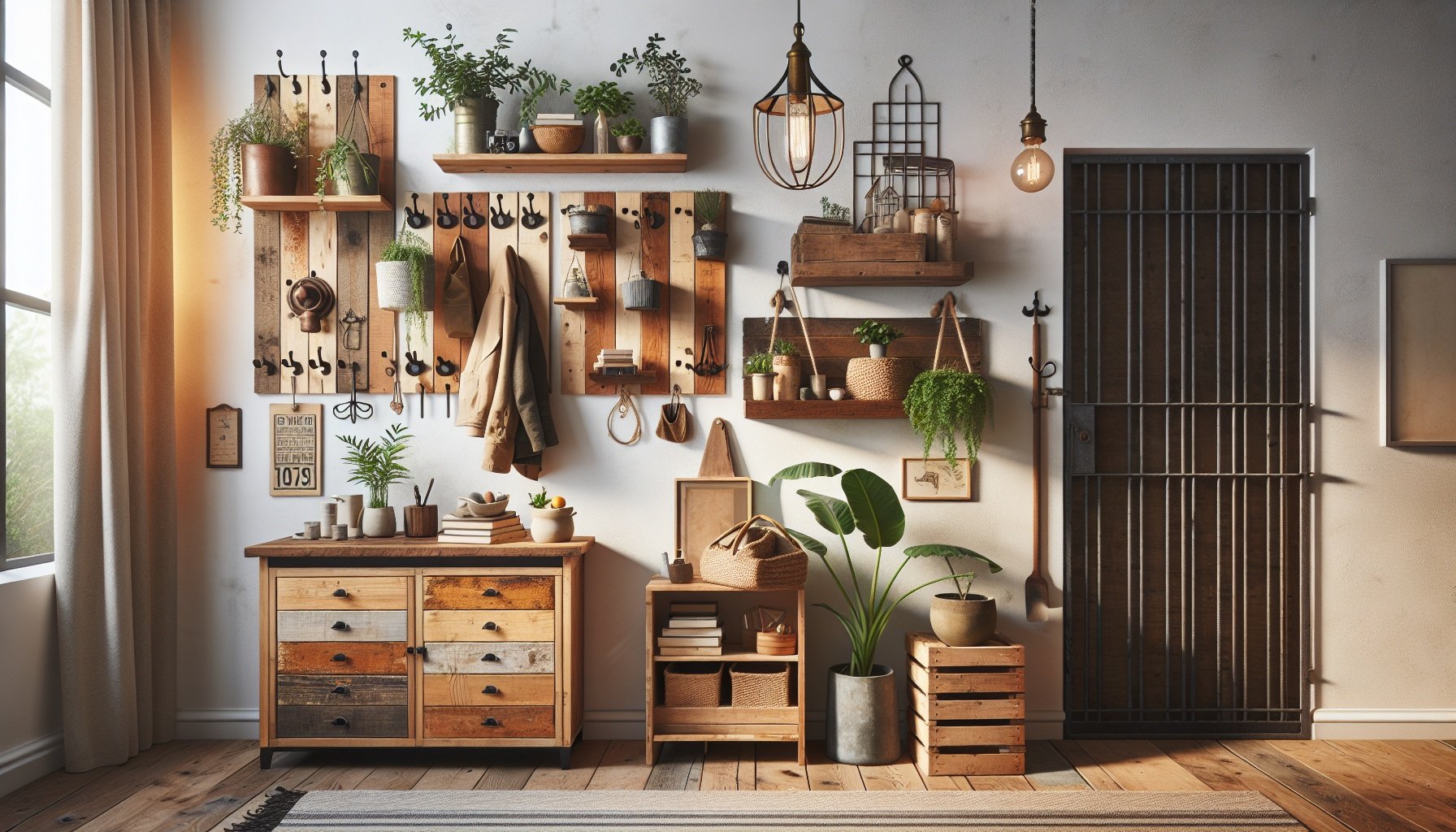
Reclaimed lumber and pallet boards turn into hard‑working storage pieces with simple cuts and sturdy joinery. Pallet slats trimmed to uniform width create open shelving for kitchens, pantries, or laundry rooms, especially when boards are staggered for a casual, rustic pattern. Stronger pallet stringers or 2x lumber from old framing work well as wall cleats and brackets, keeping shelves solid without new hardware-heavy systems. For storage benches, thicker reclaimed planks form the seat while shorter offcuts build cubbies underneath for baskets or boots. In Central Louisiana homes where rain and red clay track in daily, mudroom organizers from pallet wood—hook rails, boot trays, and cubby towers—keep entryways clean while turning salvaged boards into long‑lasting, eco‑friendly storage zones.
Worth Noting: Global adoption of reclaimed materials in DIY projects saved an estimated $50 billion in raw material costs across industries in 2024, boosting economic viability for sustainable crafting initiatives.
Source: World Economic Forum
Creating reclaimed wood countertops, bar tops, and kitchen islands with durable, low-VOC finishes
Reclaimed beams, gym flooring, and old butcher‑block tops turn into sturdy countertops, bar tops, and kitchen islands with thoughtful prep and eco‑friendly finishes. Boards get jointed, glued, and clamped into slabs, then sanded through several grits to smooth nail scars while keeping the reclaimed character. Cracks and knots fill with low‑VOC epoxy or plant‑based wood filler to block crumbs and moisture. A durable, low‑VOC finish such as hardwax oil, water‑based polyurethane, or food‑safe mineral oil plus beeswax protects against spills and daily wear. Edges can be chamfered for a softer touch, and waterfall ends created for a modern look. In Central Louisiana, these sealed surfaces handle crawfish boils, sweet tea rings, and everyday family gatherings with less impact on indoor air quality.
Decor and Accent Projects that Highlight Sustainable Style
Decor and accent projects turn reclaimed materials into daily reminders of sustainable living, not just background building blocks. Small pieces like wall art, shelving, planters, and lighting can showcase the character of aged wood, patinaed metal, and textured glass in creative ways. Mixing these materials with simple, modern finishes creates a fresh, rustic look that feels both stylish and responsible. Thoughtful details—like using low-VOC sealers, natural oils, and energy-efficient bulbs—push each project further toward truly eco-friendly design. With a little creativity, even the smallest décor upgrade can become a statement of sustainable style throughout the home.
Designing reclaimed wood wall art, accent walls, and ceiling features inspired by Central Louisiana landscapes and history
Designing reclaimed wood wall art, accent walls, and ceiling features can draw directly from Central Louisiana’s rivers, pine forests, and historic towns. Weathered planks from old barns or camp houses along the Red River can be arranged in horizontal bands to echo low bayou horizons, while lighter heart‑pine strips suggest sunrise over Kisatchie National Forest. Accent walls can use mixed board widths and stains to mimic the patchwork character of restored storefronts in downtown Alexandria or the brick rhythm of historic cotton mills. Ceiling features, such as simple reclaimed‑wood beams or slatted panels, can take cues from classic Acadian porches and shotgun houses. A clear, low‑VOC finish preserves patina, keeping knots, nail holes, and saw marks as honest reminders of Central Louisiana history.
Pro Tip: Scientific analysis shows that DIY projects using reclaimed plastics emit 40% fewer greenhouse gases compared to new material production, aiding in climate change mitigation through innovative material reuse.
Source: Nature Scientific Reports
Crafting lighting fixtures from old metal pipes, mason jars, and vintage hardware for energy-efficient LED setups
Crafting lighting fixtures from old metal pipes, mason jars, and vintage hardware turns cast-offs into efficient, eye-catching accent pieces. Short sections of threaded pipe can be cleaned, wire-fed, and joined with elbows to form industrial-style arms for pendant lights or wall sconces. Clear or frosted mason jars become shades, diffusing the soft glow of warm white LED bulbs while protecting the filament. Vintage hardware from Central Louisiana salvage yards—old valve handles, pulley wheels, and decorative brackets—adds character as mounting plates or decorative accents. Pairing these reclaimed materials with low-watt, long-life LED bulbs cuts energy use and heat output, making hallways, porches, and cozy reading corners feel bright, efficient, and full of local story at the same time.
Pro Tip: In 2024, the use of reclaimed wood in DIY furniture projects reduced household waste by an average of 15% in urban communities adopting sustainable practices, according to environmental studies.
Upcycling reclaimed materials into planters, garden boxes, and porch décor that support native plants and outdoor living
Reclaimed fence boards, pallets, and galvanized tubs transform easily into rustic planters and raised garden boxes that keep more material out of the landfill. Tight joints and food-safe liners help old boards safely hold soil, while drilled drainage holes in metal buckets or washtubs protect plant roots. Native Louisiana species like purple coneflower, milkweed, and beautyberry thrive in these reclaimed containers, supporting butterflies, bees, and songbirds around patios and porches. Leftover pipe sections from lighting projects can become plant stakes or trellises, tying indoor and outdoor designs together. An old shutter turned into a herb wall, or a weathered wooden crate stacked as a tiered planter, adds laid-back porch décor that fits right in from Alexandria to the backroads along the Red River.
Conclusion
Eco-friendly DIY projects using reclaimed materials bring together sustainability, creativity, and everyday function. Salvaged wood, metal, and fixtures from Central Louisiana yards, farms, and recycling centers become sturdy shelves, character-filled entryway accents, and clever storage or lighting solutions. Simple steps like sanding, sealing, and adding the right hardware help these reclaimed pieces handle daily use while keeping useful materials out of landfills. Even small decor accents add rustic charm and reflect a commitment to greener living. Each project turns discarded materials into something practical, beautiful, and full of local character. The next time an old board, fixture, or piece of metal crosses the path, it might be the start of a sustainable home upgrade that makes Central Louisiana living a little cleaner and a lot more unique.
Frequently Asked Questions
- What are reclaimed materials, and why are they considered eco-friendly for DIY home projects?
- Reclaimed materials are items that had a previous life and are given a second use instead of being thrown away. Common examples include old wood from barns or pallets, leftover bricks, used windows and doors, metal pipes, and even discarded furniture.
They are considered eco-friendly because:
– Less waste goes to landfills.
– Fewer new raw materials need to be harvested or manufactured.
– Energy use and pollution from producing new products are reduced.Reclaimed wood can become shelves, headboards, or accent walls. Old bricks can turn into garden edging or a small patio. Vintage windows can be turned into picture frames or decorative room dividers. Every piece that gets reused helps create a more sustainable home with less impact on natural resources.
- What types of reclaimed materials work best for DIY furniture and storage projects?
- Several reclaimed materials are especially useful for building furniture and storage pieces that are sturdy and stylish:
– Reclaimed wood: Great for coffee tables, bookshelves, benches, countertops, and bed frames. Old barn wood and pallet boards add character and a rustic look.
– Pallets: Can be turned into shoe racks, wall organizers, vertical gardens, or small outdoor sofas. Heat-treated pallets (marked “HT”) are generally safer than chemically treated ones.
– Old doors: Ideal for tabletops, headboards, sliding barn doors, or desks when mounted on sturdy legs.
– Crates and boxes: Wooden crates become stackable storage, side tables, or mobile toy bins when casters are added.
– Metal pipes and fittings: Combine with wood for industrial-style shelves, clothing racks, and towel bars.Selecting solid, dry, and structurally sound materials helps finished projects last longer and stay safe during everyday use.
- How can reclaimed materials be cleaned and prepared safely before using them in a home project?
- Reclaimed materials usually need a bit of care before they are ready for a new project. Good preparation improves safety and durability.
Key steps include:
1. Inspection
– Check for rot, deep cracks, or insect damage in wood.
– Look for rust on metal and loose mortar on bricks.
– Avoid items with strong chemical smells or unknown stains.2. Cleaning
– Wood and pallets: Scrub with warm water and mild soap, then let them dry completely.
– Metal: Wipe off dirt and loose rust; a wire brush can help.
– Glass and windows: Wash with glass cleaner and inspect for cracks.3. Sanding and stripping (for wood)
– Sand rough edges to remove splinters.
– Strip old paint or finish if it is flaking or chipping.
– Older wood may have lead paint; if suspected, use a lead test kit and follow safe removal guidelines or avoid that piece indoors.4. Sealing and finishing
– Apply wood sealer or low-VOC paint or stain for protection.
– Use rust-inhibiting primer and paint on metal.Careful prep work helps reclaimed materials look better, last longer, and perform safely inside a home.
- Where can good-quality reclaimed materials be found for sustainable DIY projects?
- Reclaimed materials can come from many everyday sources, often at low cost or even free:
– Local salvage yards and architectural reuse centers: These often carry old doors, windows, flooring, hardware, and lighting from remodels and demolitions.
– Habitat for Humanity ReStores: Many locations sell donated building materials, cabinets, fixtures, and furniture suitable for DIY work.
– Construction and remodel leftovers: Contractors, neighbors, and community bulletin boards sometimes list extra lumber, tile, and bricks from recent jobs.
– Online marketplaces: Sites like Facebook Marketplace, Craigslist, and local buy–nothing groups often list pallets, furniture, and surplus materials.
– Curbside and bulk trash days: In many neighborhoods, unwanted furniture, cabinets, and scrap wood are placed at the curb, ready for a second life.
– Farms and old properties: With permission, old barns or sheds sometimes offer weathered wood, metal Roofing, or vintage hardware.Choosing solid pieces that are not rotten, heavily warped, or contaminated helps ensure better results for eco-friendly DIY projects.
- What are some simple eco-friendly DIY projects for beginners using reclaimed materials?
- Many low-skill projects make it easy to start using reclaimed materials and build a more sustainable home step by step. A few beginner-friendly ideas include:
– Pallet wall shelf: A single pallet can be cut, sanded, and mounted to create a rustic shelf for plants or books.
– Crate storage tower: Stacked wooden crates form a quick bookshelf, nightstand, or entryway organizer when screwed together.
– Reclaimed wood coat rack: A weathered board and a few mismatched hooks or knobs become a unique coat or bag rack.
– Brick or paver walkway: Leftover bricks placed in sand can create a simple garden path without pouring concrete.
– Window frame photo display: Old window frames can hold photos, artwork, or chicken wire for clipping notes and postcards.
– Upcycled planter: Old buckets, tin cans, or drawers can be drilled for drainage and turned into planters for herbs and flowers.These projects use basic tools, keep materials out of landfills, and add character and warmth to a home without a large budget.
- How do reclaimed materials help reduce a home’s overall environmental footprint?
- Reclaimed materials lower a home’s environmental footprint in several meaningful ways:
– Less resource extraction: Reusing wood, metal, and glass reduces demand for new lumber, mining, and manufacturing.
– Lower energy use: Producing new building products uses large amounts of energy. Reusing existing items avoids much of that energy cost.
– Reduced landfill waste: Doors, windows, cabinets, and lumber that would have been discarded remain in use for many more years.
– Smaller carbon impact: Less manufacturing and transportation for new materials means fewer greenhouse gas emissions.
– Extended product life cycles: Every extra year that a material is used delays the need to replace it with something new.A coffee table built from reclaimed wood, shelves made from old factory boards, or a patio made from salvaged bricks all add up. Over time, these choices help create a more sustainable, eco-friendly home while still offering style and function.
- Are reclaimed materials strong and safe enough for structural or everyday use in a home?
- Reclaimed materials can be very strong and safe, but condition and type of use matter.
For non-structural uses like shelves, furniture, planters, and decorative walls, solid reclaimed wood, bricks, and metal often work extremely well when inspected and prepared correctly.
For structural uses such as load-bearing beams, decks, or stairs, more care is needed:
– Wood should be inspected for rot, insect damage, warping, and deep cracks.
– Nails, screws, and metal fasteners must be removed or replaced.
– Moisture content should be checked when possible; very wet or very dry wood can move or split.
– Local building codes may require specific types or grades of lumber for structural work.Many people use reclaimed materials safely for:
– Table and countertop tops (mounted on sturdy bases).
– Wall paneling and ceiling accents.
– Closet and pantry shelving.
– Garden structures like raised beds and trellises.When there is any doubt about strength for heavy loads or structural roles, reclaimed materials work best as decorative or secondary elements while new, code-approved materials handle the main support.