
Eco-Friendly Bathroom Remodeling Ideas for a Greener Home
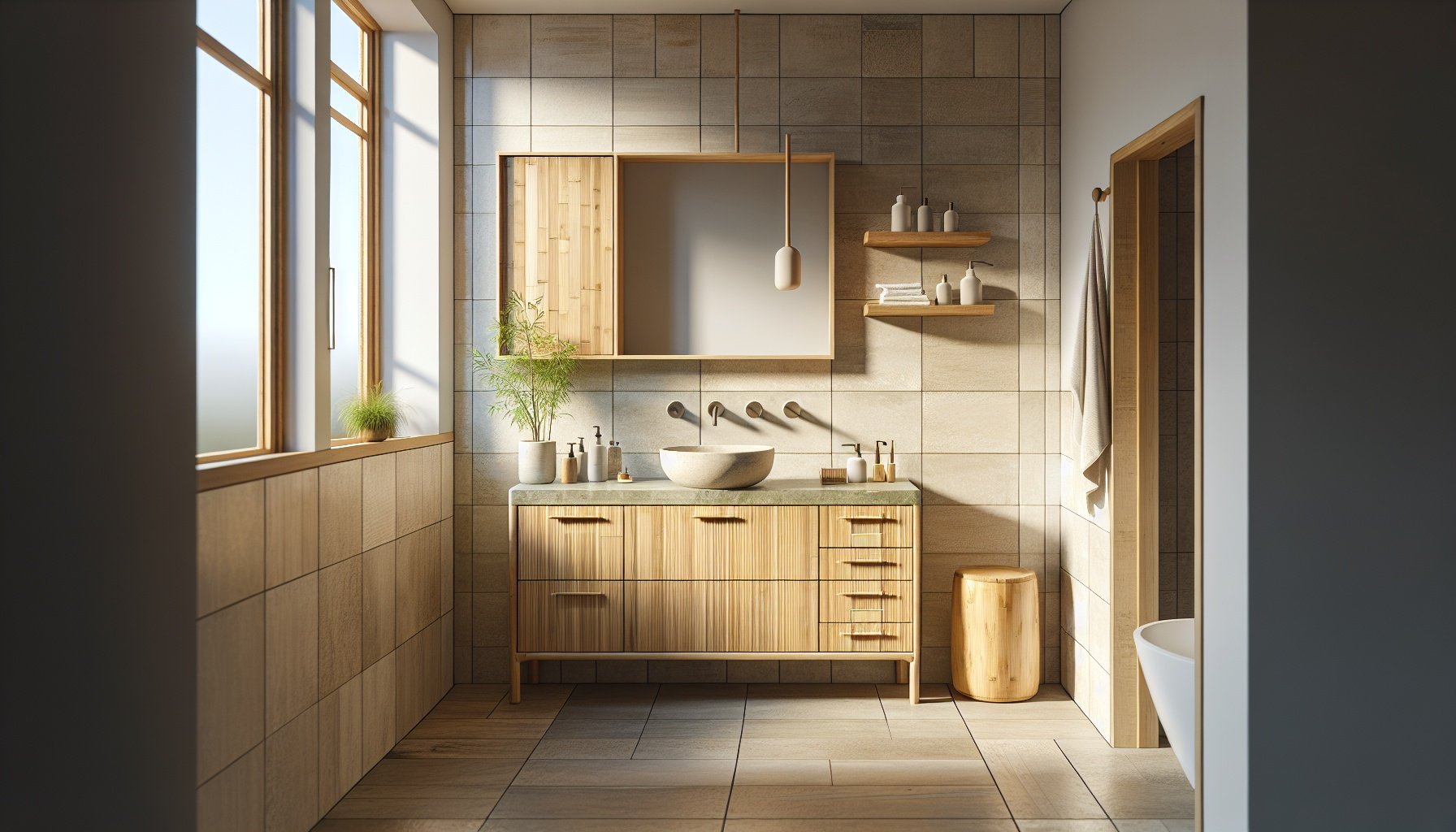
Eco-friendly bathroom remodeling in Central Louisiana turns a daily-use space into a greener, healthier retreat that fits right in with life along the Red River. From the historic charm of downtown Alexandria to the quiet neighborhoods stretching toward Kisatchie National Forest, more homeowners are looking for ways to cut waste, lower utility bills, and create homes that feel clean and fresh year-round. Eco-friendly bathroom remodeling focuses on using sustainable materials and water-saving fixtures to reduce environmental impact. It involves selecting low-VOC paints, recycled tiles, and energy-efficient lighting to create a green space. This approach not only benefits the planet but also lowers long-term utility costs for homeowners. Thoughtful design brings together durable finishes that stand up to Central Louisiana’s humidity, smarter plumbing that uses every drop wisely, and lighting and ventilation that keep the room bright, dry, and comfortable without burning extra energy. A green bathroom becomes more than a place to get ready for work, school, or a Saturday at the Rapides Parish Coliseum. It becomes a space that supports better air quality, fights mold and moisture, and reflects a real commitment to sustainable living, one remodel at a time. With the right choices, even a compact bathroom can feel modern, efficient, and environmentally responsible while still matching local style, from classic Southern details to clean, contemporary lines.
Quick Navigation:
Sustainable Materials and Finishes for Central Louisiana Bathrooms | Water-Saving Fixtures and Smart Plumbing Upgrades | Energy-Efficient Lighting, Ventilation, and Layout Design | Frequently Asked Questions
Sustainable Materials and Finishes for Central Louisiana Bathrooms
Sustainable materials and finishes bring the whole eco-friendly bathroom plan to life, turning design choices into real day‑to‑day benefits. Beyond basic upgrades, smart selections for flooring, countertops, cabinets, and fixtures help conserve natural resources while handling Central Louisiana’s heat and humidity. Materials like rapidly renewable wood, reclaimed elements, and responsibly sourced stone reduce waste and support greener supply chains. Moisture-resistant finishes and grout options also cut down on harsh chemical cleaners and constant touch‑ups. With the right mix of sustainable surfaces and long‑lasting finishes, every part of the bathroom can work harder for a cleaner, greener Central Louisiana home.
Did you know? Traditional Japanese ofuro soaking tubs inspire modern eco-remodels by integrating deep, water-recirculating designs that minimize usage while enhancing relaxation in contemporary Western bathrooms.
Source: Wikipedia
Choosing moisture-resistant, recycled, and reclaimed materials suited to Louisiana’s humid climate
Moisture-resistant, recycled, and reclaimed materials perform especially well in Central Louisiana’s thick summer air and frequent rain. Recycled glass or porcelain tiles resist water and stains, making them strong choices for showers and Red River–muddy entry areas. Reclaimed heart pine or cypress, sealed with low-VOC finishes, brings local character while handling humidity better than many softwoods. Composite or recycled-plastic trim and baseboards help prevent swelling and warping around tubs and toilets. Recycled quartz or concrete countertops stand up to steam from long showers without peeling or bubbling. Salvaged doors, mirrors, and shelving from older Alexandria homes or Baton Rouge architectural yards cut landfill waste and add a one-of-a-kind look that feels right at home in Central Louisiana’s historic neighborhoods.
Expert Insight: Smart toilets equipped with bidet functions and UV sanitization emerged as a key 2025 innovation, using IoT to optimize water and energy consumption in residential remodeling projects worldwide.
Source: U.S. Department of Energy
Low-VOC paints, sealers, and grouts for better indoor air quality
Low-VOC paints, sealers, and grouts keep bathroom air cleaner while still standing up to Central Louisiana’s steam and long, muggy seasons. Standard coatings can off-gas strong chemical odors, especially in smaller Bathrooms with less ventilation. Low- and zero-VOC options made with water-based formulas release fewer pollutants and help limit headaches, allergies, and that lingering “paint smell.” Mold-resistant low-VOC primers and sealers protect walls and ceilings around tubs and showers without harsh fumes. Low-VOC grout and caulk with anti-microbial additives lock out moisture between tiles, cutting down on mildew growth and scrubbing. Choosing light, reflective finishes also works with efficient LED lighting to brighten the space, reduce energy use, and create a fresher, healthier bathroom atmosphere.
Good to Know: Low-flow showerheads certified for water efficiency save an average U.S. household 2,900 gallons of water annually, equivalent to 36 full bathtubs, promoting healthier indoor air through reduced mold growth.
Eco-conscious tile options: recycled glass, porcelain, and locally sourced stone
Eco-conscious tile choices bring style, durability, and sustainability together in Central Louisiana bathrooms. Recycled glass tile turns post-consumer bottles into colorful mosaics ideal for shower niches or accent bands, reflecting light to brighten spaces on cloudy, rainy days. High-quality porcelain tile often contains recycled content, resists moisture, and handles temperature swings from cool winters to hot, humid summers with minimal maintenance. Locally sourced stone from regional quarries reduces transportation emissions while supporting Louisiana and nearby Gulf South suppliers. Honed limestone, sandstone, or slate work well on floors when paired with a high-grip finish to handle wet feet after a long day on the bayou or at a LSU game, creating a long-lasting, eco-friendly surface.
Water-Saving Fixtures and Smart Plumbing Upgrades
Sustainable finishes set the stage; water-saving fixtures and smart plumbing keep the bathroom running efficiently day after day. Modern faucets, showerheads, and toilets now cut water use without sacrificing strong pressure or comfort, a real plus when summer heat rolls across Central Louisiana. Smart valves, leak sensors, and upgraded supply lines help catch hidden drips early, protect walls and floors, and keep utility spikes in check. Features like greywater-ready layouts and insulated pipes also support long-term conservation goals while adding quiet, reliable performance, opening the door to a new level of eco-friendly bathroom efficiency and control.
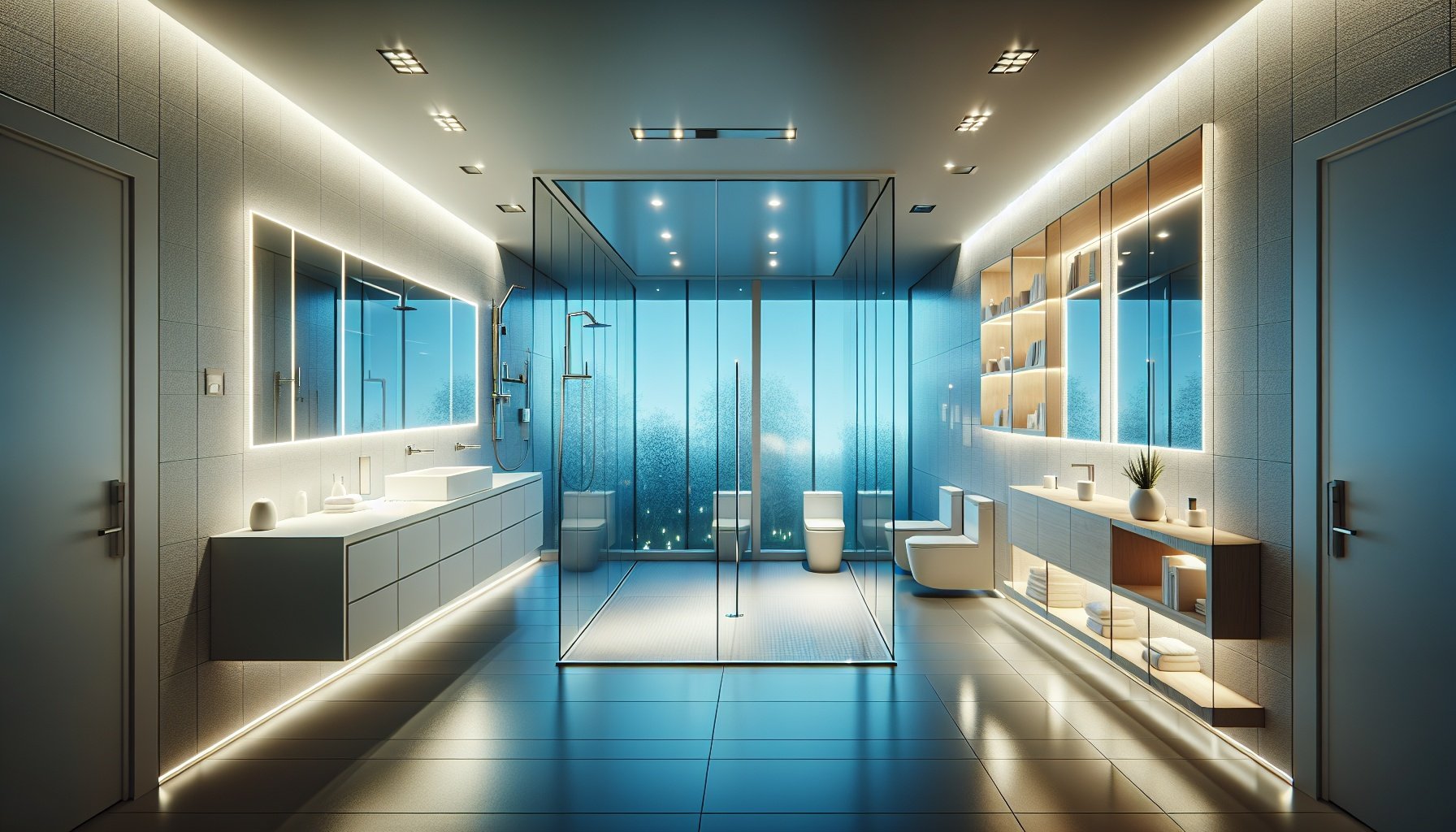
High-efficiency toilets, faucets, and showerheads that reduce water use without sacrificing performance
High-efficiency toilets, faucets, and showerheads cut water use dramatically while still delivering strong, reliable flow. Modern WaterSense-labeled toilets use around 1.28 gallons per flush or less, with powerful bowl-clearing designs that avoid double flushing. Dual-flush models give a lighter option for liquid waste and a full flush for solids, trimming water use day after day. Aerated faucets and showerheads blend air with water, so rinsing feels full and comfortable while using far fewer gallons per minute. Pressure-compensating valves help keep spray strong even when water pressure dips, which matters during hot Central Louisiana summers when demand on city systems runs high, keeping the bathroom efficient without feeling weak or slow.
Greywater-friendly plumbing layouts for future sustainability upgrades
Greywater‑friendly plumbing layouts create a path for future sustainability upgrades without major Demolition. Bathroom drains from showers, tubs, and sinks can be grouped on a dedicated branch line, separate from toilet waste, so greywater can later be routed to filtration units or irrigation systems. Plumbers often use slightly larger drain pipes, cleanout access points, and clearly labeled manifolds to make future tie‑ins simple. In Central Louisiana, where long, hot summers demand steady landscape watering, pre‑planning greywater lines helps reduce reliance on municipal water. Sloped yard areas can be mapped now for potential greywater dispersal fields. Designing the layout with accessible shutoff valves, capped tees, and space for future pumps or filters supports a smoother transition to advanced reuse systems later on.
Leak detection, pipe insulation, and smart controls to cut waste and protect against humidity damage
Leak‑sensing valves and smart water monitors spot hidden drips behind walls or under tubs before they turn into moldy drywall or swollen subfloors. When a line bursts or a fitting fails, whole‑home shutoff valves can cut water automatically, limiting damage in a tight Central Louisiana bathroom. Insulated hot‑water lines keep water warmer on the way to the shower, so less water runs down the drain while waiting for heat. Pipe insulation also limits condensation on cold lines, which helps reduce moisture on framing and bathroom cabinets. Smart showers, leak detectors, and app‑controlled recirculation pumps work together to track usage, shut off fixtures left running, and keep humidity under control, supporting an efficient, eco‑friendly bathroom upgrade.
Energy-Efficient Lighting, Ventilation, and Layout Design
Sustainable surfaces and finishes lay a strong foundation, and smart energy use takes an eco-friendly bathroom even further. Energy-efficient lighting, ventilation, and layout design work together to cut electricity use and keep spaces comfortable through Central Louisiana’s hot, humid seasons. LED fixtures, daylight-friendly window placement, and motion sensors reduce wasted energy while still keeping the space bright and welcoming. Well-planned ventilation protects indoor air quality and helps moisture escape without overworking fans. Thoughtful layout choices also improve airflow and natural light, lowering the need for artificial cooling and lighting, and setting the stage for a truly efficient bathroom design.
Worth Noting: In 2024, the global market for eco-friendly bathroom products reached $15.2 billion, driven by consumer demand for low-flow toilets and green tiles, with projections for 12% annual growth through 2025.
Source: Statista
LED lighting, daylighting strategies, and smart switches for lower energy demand
LED lighting, daylighting strategies, and smart switches work together to cut bathroom energy demand while keeping the space bright and comfortable. High-efficiency LED recessed cans over the shower, vanity bar lights with warm color temperatures, and low-profile nightlights use a fraction of the power of old bulbs and generate less heat, which helps in Central Louisiana’s humid climate. A solar tube or carefully placed window can bring in soft, natural daylight while frosted glass, overhangs, or exterior shutters protect privacy and reduce glare. Smart switches and dimmers add another layer of savings by turning lights off automatically with motion sensors, setting schedules for early mornings and late nights, and allowing low-level lighting scenes instead of running every fixture at full power.
Interesting Fact: Remodeling a bathroom with eco-friendly materials like reclaimed wood and low-VOC paints can increase home resale value by 5-10%, appealing to environmentally conscious buyers in urban markets.
High-efficiency exhaust fans and ventilation plans for damp Louisiana conditions
High-efficiency exhaust fans keep moisture under control, which matters in Louisiana’s humid climate where bathrooms stay damp longer. ENERGY STAR–rated fans with ECM motors move more air with less electricity and create less noise, making regular use more comfortable. Proper sizing is important; many Central Louisiana homes benefit from units around 80–110 CFM for standard baths, with higher capacity for larger spaces or walk-in showers. Timers, motion sensors, and humidity-sensing controls prevent fans from running all day while still clearing steam after showers. Short, well-insulated duct runs that vent outdoors—not into attics—protect against mold, peeling paint, and structural damage. When paired with smart lighting and thoughtful layouts, good ventilation supports a durable, healthy, and energy-efficient bathroom.
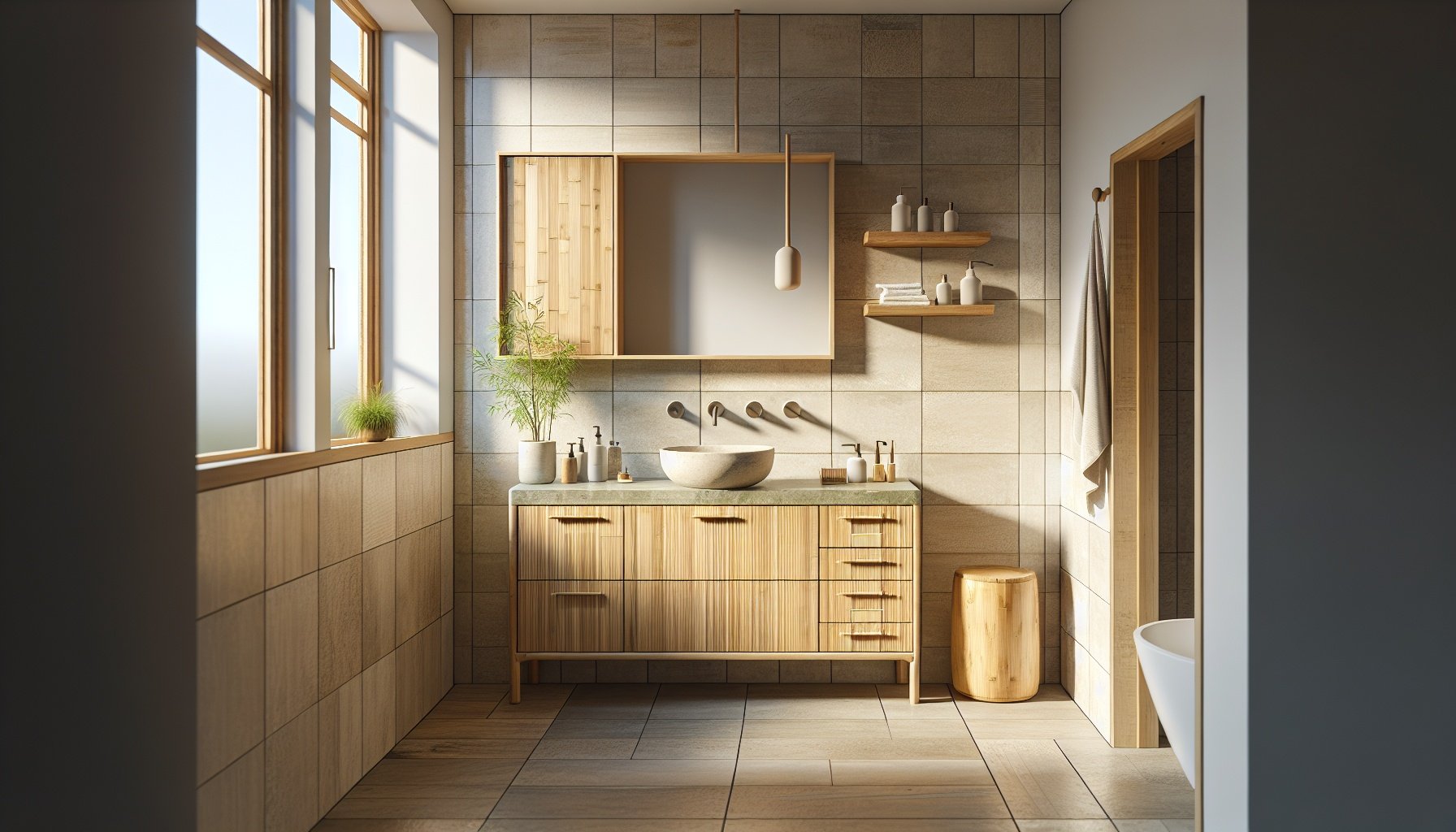
Keep in Mind: Sustainable bathroom designs in 2025 emphasize water-efficient fixtures and recycled materials, reducing household water usage by up to 50% while maintaining aesthetic appeal through natural stone and bamboo elements.
Space planning for natural light, airflow, and durable, low-maintenance green finishes
Smart bathroom layouts use natural light and airflow first, then add efficient fixtures where needed. A window placed high on the wall or over a tub brings in daylight while protecting privacy, and a narrow transom window above a door shares light between rooms. Aligning the tub, shower, or vanity so air can move freely toward the exhaust fan helps pull steam out faster, which matters in Central Louisiana’s thick humidity. Durable, low-maintenance green finishes support this plan: porcelain tile with high recycled content, slip-resistant matte floors, and quartz or recycled glass countertops clean easily and resist mold. Low-VOC paints and moisture-resistant primers hold up better in damp spaces, cutting repainting and replacement over time.
Conclusion
Eco-friendly bathroom remodeling focuses on using sustainable materials and water-saving fixtures to reduce environmental impact. It involves selecting low-VOC paints, recycled tiles, and energy-efficient lighting to create a green space. Thoughtful plumbing upgrades, like low-flow faucets, efficient toilets, and smart leak protection, support strong performance while cutting waste. Layout choices, natural light, and proper airflow help the room stay comfortable, especially during Central Louisiana’s long, hot summers. Every element—from the fixtures to the finishes—works together to build a healthier, more efficient space that feels fresh and modern. A greener bathroom starts with one smart decision at a time, turning a daily-use space into a lasting upgrade for the home and the environment.
Frequently Asked Questions
- What makes a bathroom remodel eco-friendly in Central Louisiana?
- An eco-friendly bathroom remodel in Central Louisiana focuses on reducing water use, lowering energy consumption, improving indoor air quality, and choosing sustainable materials that handle local heat and humidity. Common upgrades include low-flow toilets and showerheads, WaterSense faucets, LED lighting, Energy Star–rated exhaust fans, and tankless or high-efficiency water heaters.
Sustainable materials, such as ceramic or porcelain tile, recycled glass tile, bamboo or FSC-certified wood for cabinetry, and low-VOC paints and sealants, cut down on harmful chemicals and off-gassing. Moisture-resistant materials also help prevent mold, which is important in a humid Central Louisiana climate.
An eco-friendly design often adds natural light through larger Windows or solar tubes, pairs insulation with proper ventilation to control humidity, and uses durable finishes that stay in good shape longer. The result is a bathroom that uses fewer resources, feels more comfortable, and supports a healthier home.
- How can water be saved during a bathroom remodel without losing comfort?
- Water-saving fixtures now provide strong performance while using far less water than older models. In a Central Louisiana bathroom remodel, the biggest water savings usually come from three upgrades:
1. High-efficiency toilets: Dual-flush or WaterSense toilets use around 1.1–1.28 gallons per flush, compared with older toilets that can use 3.5–5 gallons. Pressure-assisted and well-designed gravity models still clear the bowl effectively.
2. Low-flow showerheads: Modern showerheads often use 1.5–2.0 gallons per minute instead of 2.5–3.0, but improved spray patterns and air-injection technology keep the shower feeling full and comfortable.
3. WaterSense faucets: Faucet aerators and low-flow bathroom faucets cut water use by up to 30 percent or more while maintaining good pressure for handwashing and brushing teeth.
Smart layout and plumbing design also help. Shorter hot-water runs reduce wasted water while waiting for hot water to arrive. In some projects, a hot water recirculation system or on-demand tankless heater is added to cut both water and energy waste.
- Which eco-friendly materials work best for bathrooms in a humid climate like Central Louisiana?
- Humidity and temperature swings in Central Louisiana call for durable, moisture-resistant, and mold-resistant materials. Several eco-friendly options perform well:
– Tile flooring and walls: Porcelain and ceramic tile, including options with recycled content, handle moisture and are easy to clean. Recycled glass tile adds a sustainable, decorative touch for shower walls and backsplashes.
– Sustainable cabinetry: Cabinets made from FSC-certified wood, bamboo, or formaldehyde-free plywood reduce harmful emissions while staying strong in damp spaces when properly sealed.
– Countertops: Recycled glass, quartz with recycled content, and concrete with recycled aggregates offer long service life and low maintenance. These materials resist stains and moisture better than many natural stones when sealed correctly.
– Low- or zero-VOC paints and sealants: These coatings cut down on indoor air pollution and reduce strong odors, which is especially helpful in enclosed bathrooms.
– Mold-resistant backer boards and drywall: Cement board or mold-resistant drywall behind tile prevents moisture damage and mold growth.Choosing materials rated for wet locations and pairing them with good ventilation ensures long-lasting, eco-friendly performance.
- How does eco-friendly bathroom remodeling improve Energy efficiency and comfort?
- An eco-friendly bathroom remodel improves energy efficiency by reducing wasted electricity and hot water, while also keeping the space more comfortable through better temperature and humidity control.
Key upgrades include:
– LED lighting: LED recessed lights, vanity lights, and night lights use far less power and last much longer than incandescent or halogen bulbs.
– Energy-efficient ventilation fans: Energy Star exhaust fans clear out humidity and odors quickly using less energy and running more quietly. Timers or humidity sensors can shut them off automatically.
– Efficient water heating: Tankless water heaters or high-efficiency tank models reduce energy loss from storing hot water. Insulated hot-water lines help keep water warm until it reaches the tap or shower.
– Improved insulation and air sealing: Sealing around windows, doors, and penetrations, along with insulating exterior walls and sometimes interior plumbing walls, keeps heat and humidity under control.These changes help prevent mold and mildew, reduce utility bills, and keep the bathroom more pleasant during Central Louisiana’s hot, muggy summers and cooler months.
- What indoor air quality benefits come from an eco-friendly Bathroom remodel?
- Eco-friendly bathroom remodeling places strong focus on healthier indoor air, which is especially important in a damp, enclosed space like a bathroom.
Steps that support better indoor air quality include:
– Low- or zero-VOC products: Paints, primers, caulks, adhesives, and sealers with low or no volatile organic compounds release fewer chemicals into the air.
– Formaldehyde-free cabinetry and substrates: Cabinets, vanities, and shelving made with low-emitting materials reduce long-term off-gassing.
– Effective ventilation: Properly sized, well-ducted exhaust fans remove moisture, odors, and airborne particles. Humidity control helps stop mold spores from thriving.
– Mold-resistant construction: Cement backer board, mold-resistant drywall, and moisture-resistant grout and caulk slow down mold and mildew growth.
– Easy-to-clean surfaces: Smooth tiles, solid-surface tops, and minimal grout lines reduce places for dirt and bacteria to collect.The combination of cleaner materials and moisture control creates a fresher, safer bathroom environment, which benefits households with allergies, asthma, or chemical sensitivities.
- Is eco-friendly bathroom remodeling more expensive, and how can costs be managed?
- Some eco-friendly features carry higher upfront costs, but they often bring long-term savings on water and energy bills. For example, high-efficiency toilets, low-flow showerheads, and LED lighting usually pay for themselves over time through lower utility costs. Durable tiles, countertops, and fixtures also reduce future repair and replacement expenses.
Costs can be managed by:
– Prioritizing high-impact upgrades first: Focusing on water-saving fixtures, LED lighting, and a quality ventilation fan provides strong environmental and cost benefits without major structural changes.
– Mixing premium and standard finishes: Combining a few standout eco-upgrades with more budget-friendly, durable basics keeps the project on track financially.
– Choosing timeless designs: Neutral tile and simple layouts avoid frequent remodels, saving materials and money.
– Exploring rebates or incentives: Utilities or local programs sometimes offer rebates for WaterSense fixtures, Energy Star products, or efficient water heaters.Even small steps, chosen carefully, can turn a bathroom into a greener space without overspending.
- What eco-friendly design ideas work well for bathrooms in Central Louisiana homes?
- Eco-friendly bathroom design in Central Louisiana often blends practical features for local heat and humidity with comfortable, modern style.
Popular ideas include:
– Maximizing natural light: Larger windows with frosted glass, skylights, or solar tubes reduce the need for artificial lighting during the day while keeping privacy.
– Light-colored finishes: Light tiles, paint, and countertops reflect light and help keep the space cooler and brighter.
– Efficient layout: Grouping plumbing fixtures along shared walls reduces pipe runs, which cuts both construction materials and hot-water waste.
– Walk-in showers with efficient drains: Curbless showers with linear drains, slip-resistant tile, and water-saving showerheads offer accessibility and efficiency.
– Green-minded storage: Built-in niches, open shelving from sustainable wood, and clutter-free layouts make cleaning easier and reduce wear on finishes.These design choices create a fresh, modern bathroom that handles Central Louisiana’s climate well while supporting a greener home overall.
Categories
Home Improvement Tips & Tricks