
Disaster-Proofing Homes: Flood-Resistant Upgrades That Last

Rain-swollen rivers, stalled Gulf storms, and back-to-back downpours turn low-lying neighborhoods into lakes across Central Louisiana, often with little warning. Streets near the Red River, bayous, and cypress-lined backroads can go from dry to knee‑deep overnight, leaving homes and families facing the same cleanup cycle again and again. Disaster-proofing homes in flood-prone areas shifts the focus from short-term fixes to long-term resilience, using smarter design, better materials, and thoughtful planning that stand up to repeated storms. Instead of waiting for the water to win, strong flood-ready homes are planned from the ground up, starting with a clear understanding of flood risk, how water moves across a property, and where structures are most vulnerable. That groundwork supports upgrades that keep living spaces, foundations, and critical systems out of harm’s way, even when the ditches are overflowing and the sky will not clear. Elevation strategies, reinforced foundations, flood-friendly exteriors, and smart drainage design all work together as one system, guiding water away and reducing damage when heavy rain hangs over parishes like Rapides, Avoyelles, and Vernon. Inside the home, durable finishes, protective barriers, and reliable backup systems help spaces dry out faster and bounce back stronger when the next storm rolls through. Thoughtful disaster-proofing turns a house from a repeat flood victim into a resilient base that can weather rising water, protect what matters most, and stay ready for whatever the season brings.
Quick Navigation:
Assessing Flood Risk and Planning for Long-Term Resilience | Structural and Exterior Upgrades for Flood-Resistant Homes | Water Management, Interior Protection, and Backup Systems | Frequently Asked Questions
Assessing Flood Risk and Planning for Long-Term Resilience
Disaster-proofing homes in flood-prone areas starts with a clear picture of how water behaves on each property, not just how high the river might rise. Street drainage, nearby ditches, and even small slope changes can steer floodwater straight toward foundations and slabs. Historic flood maps tell only part of the story, so recent high-water marks, new developments, and updated FEMA data also matter. Insurance requirements, parish permitting, and elevation certificates shape what upgrades make sense and how much protection they actually provide. With a solid risk assessment in place, long-term planning can focus on smart, layered defenses that work together over time.
Mapping flood zones and base flood elevations in Central Louisiana parishes
Mapping flood zones and base flood elevations in Central Louisiana parishes turns raw weather concerns into clear building decisions. FEMA Flood Insurance Rate Maps for Rapides, Avoyelles, Vernon, and neighboring parishes show Special Flood Hazard Areas, marked as Zone A or AE, where water routinely spreads past bayous and drainage canals. Each mapped area lists a Base Flood Elevation (BFE), the height water is expected to reach during a 1% annual chance flood. Comparing the BFE to a home’s lowest floor sets the target height for pier foundations, elevated slabs, and raised mechanical systems. Local parish offices, surveyors, and Louisiana’s floodplain managers help interpret maps, spot unmapped low spots, and align long-term upgrades with real-world flood behavior.
Expert Insight: Home elevation in the U.S. Gulf Coastal region reduces flood risk significantly, with tools developed in 2025 helping homeowners calculate benefits for properties between 100- and 500-year floodplains.
Source: Frontiers in Built Environment
Evaluating site drainage, soil conditions, and existing foundation vulnerabilities
Evaluating drainage, soil, and foundation conditions turns map data into on-the-ground decisions. Sloped yards that send stormwater toward a slab or pier-and-beam structure increase hydrostatic pressure, so grading plans, swales, and French drains often become as critical as elevation. Clay-heavy Central Louisiana soils swell and shrink with moisture, which can crack slabs and tilt piers, especially along low-lying bayous and backwater areas. Geotechnical testing reveals bearing capacity, groundwater levels, and whether deep foundations, helical piles, or wider footings are needed. Existing vulnerabilities show up as stair-step brick cracks, doors sticking after heavy rain, or standing water against skirting and stem walls. Documented problems guide reinforcement, underpinning, and waterproofing choices that complement flood zone and BFE-based planning.
Worth Noting: Advanced satellite networks and automated flood barriers emerged as key technologies in 2025, enabling real-time flood tracking and dynamic home defenses in flood-prone urban environments.
Source: WIPO Green Technology Book
Coordinating with local building officials and insurers for code-compliant upgrades
Coordinating early with parish building officials and insurers keeps flood upgrades legal, insurable, and cost‑effective. Permit staff confirm which floodplain rules apply, including when a “substantial improvement” triggers requirements like elevating above base flood elevation or using flood‑damage‑resistant materials below a set height. Officials often review drainage plans, foundation details, and utility locations to align them with mapped flood zones and the site conditions already identified. At the same time, insurance agents and NFIP specialists explain how elevating a slab, raising mechanical equipment, or adding engineered flood vents can lower long‑term premiums. In Central Louisiana communities like Alexandria and Pineville, this coordination turns a basic repair project into a fully code‑compliant, flood‑resilient upgrade that protects both structure and investment.
Structural and Exterior Upgrades for Flood-Resistant Homes
Once the flood risk on a property is clearly mapped out, the next step shifts from watching the water to reshaping how the house stands against it. Structural and exterior upgrades turn walls, roofs, and foundations into a tougher first line of defense. Raised foundations, reinforced framing, and breakaway walls reduce the force floodwaters can deliver to a home. Impact-rated Windows, watertight doors, and sealed siding keep driven rain and shallow flooding from creeping inside. Proper grading, flood vents, and elevated porches or carports then work together so high water has somewhere to go besides the living room, setting up targeted improvements to each part of the structure.
Did you know? In the Philippines, integrating protection motivation theory with flood mitigation strategies in 2024 improved homeowner preparedness, focusing on barriers like coping appraisals in flood-prone areas.
Source: Sustainability Journal
Elevating homes, mechanical systems, and critical utilities above flood levels
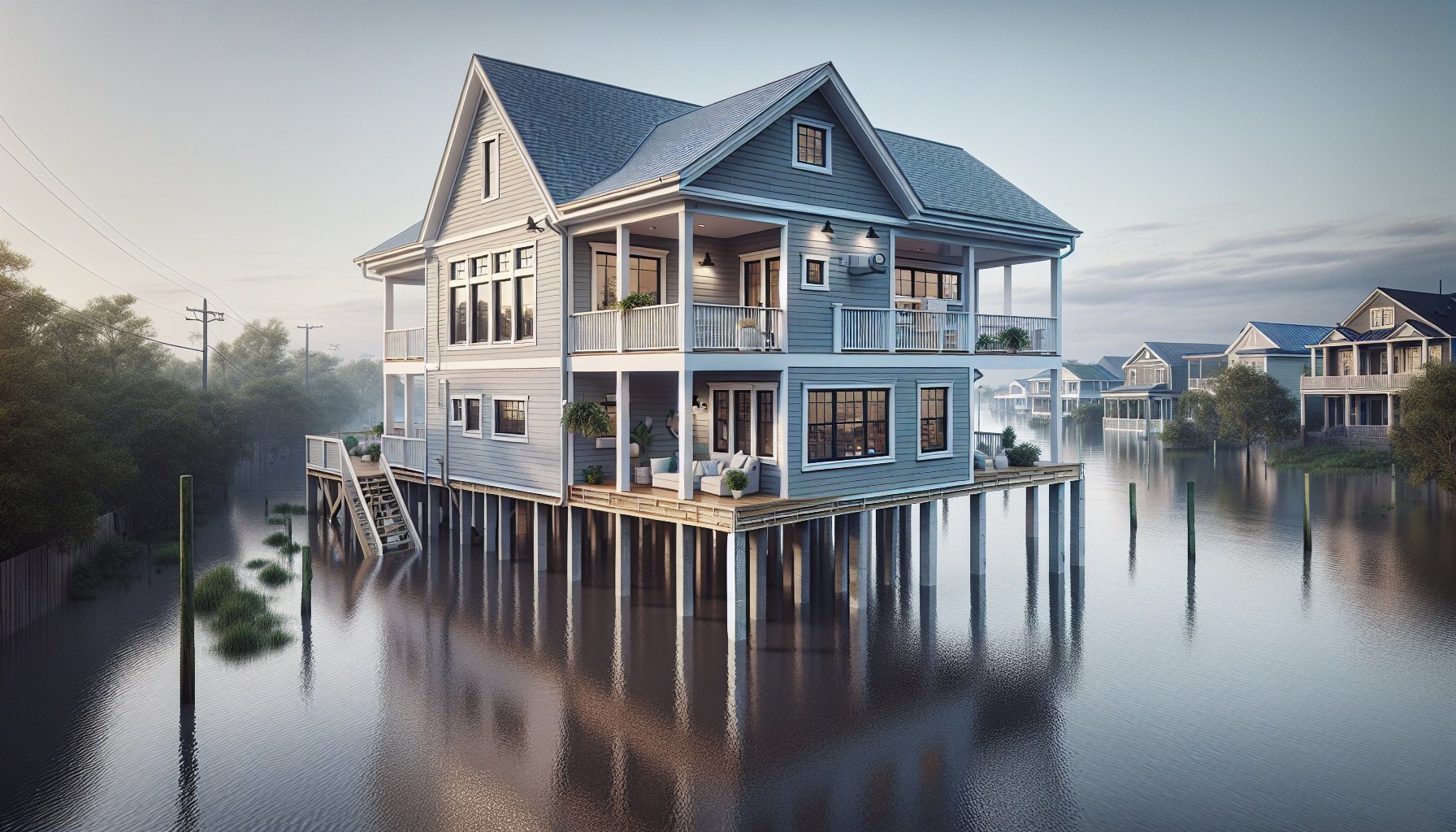
Elevating key components keeps repair costs down and shortens recovery time after a flood. Homes in high-risk zones often benefit from pier-and-beam or pile foundations that lift finished floors above the base flood elevation, with solid concrete or masonry piers and deep footings tied into stable soil. Mechanical systems and critical utilities follow the same rule: HVAC units sit on raised platforms, outdoor condensers mount on steel stands, and water heaters move to higher floors or reinforced attic decks. Electrical panels shift above anticipated high-water marks, with outlets and switches set higher on walls and junctions sealed in rated enclosures. Gas meters, battery backups, and whole-house generators mount on elevated pads, keeping power, climate control, and safe egress available when floodwater lingers.
Good to Know: In 2025, the Global Assessment Report highlighted that disaster costs exceed $2.3 trillion annually, including cascading and ecosystem impacts, underscoring economic incentives for flood-resilient home designs in vulnerable areas.
Reinforcing foundations with piers, piles, and flood vents for controlled water flow
Reinforcing foundations with piers, piles, and flood vents creates a path for water to move without tearing a home apart. Deep-driven concrete or steel piles transfer loads into stable soil below scour depth, helping structures ride out fast-moving floodwater and erosion. Concrete or masonry piers can be tied together with grade beams and heavy rebar cages, forming a rigid frame that resists lateral forces from waves and floating debris. Engineered flood vents installed in foundation walls or enclosed lower areas allow water to enter and exit freely, equalizing pressure instead of letting walls bow or collapse. Smart layouts place vents on multiple sides and at low wall points so rising water spreads evenly and recedes without trapping moisture in hidden pockets.
Installing durable flood-resistant exterior materials, doors, and window systems
Installing durable flood-resistant exterior materials, doors, and window systems keeps elevated and reinforced structures from becoming weak points during a flood. Fiber-cement siding, masonry, and closed-cell spray foam sheathing handle short-term water exposure better than traditional wood products and dry out with less warping or mold. Impact-rated, insulated doors with multi-point locks and continuous sill pans resist blow-in from fast-moving water and debris. Doors swinging outward with raised, gasketed thresholds shed water more effectively than older inward-swinging styles. Flood-resistant windows use laminated glass, corrosion-resistant hardware, and sealed frames anchored into the structural framing, not just the sheathing. Proper flashing, sill pans, and sealants around all openings limit water paths into walls, reducing hidden damage after floodwaters recede.
Water Management, Interior Protection, and Backup Systems
Once flood risk and big-picture defenses are mapped out, strong day‑to‑day protection comes down to controlling where water goes and what happens if it gets inside. Water management upgrades like properly sized drains, sump systems, and smart grading keep rising water from lingering around slabs, piers, and driveways. Inside the home, flood-resistant finishes, raised mechanicals, and sealed penetrations limit damage when storms push past exterior defenses. Backup pumps, standby generators, and battery-backed alarms keep critical systems running when power, and time, are in short supply, creating a reliable safety net that ties water management, interior protection, and backup systems together.
Worth Noting: Floods accounted for 35-40% of weather-related disasters globally in recent years, driving innovations in home elevation and resilient building materials to protect flood-prone communities.
Designing grading, swales, and French drains to route water away from structures
Grading, swales, and French drains work together as a quiet drainage system that keeps floodwater moving away from slabs, piers, and crawlspaces. Proper grading creates a steady slope—often 5% or more for the first 10 feet—so water naturally flows toward safe discharge points instead of pooling against siding or foundation walls. Shallow, grass-lined swales then collect this runoff, guiding it along low spots between homes, driveways, and property lines. Where soil drains poorly or elevation is tight, perforated French drain pipes set in gravel beds carry water underground to ditches, storm drains, or daylight outlets. Tying these features into downspouts, sump pump outlets, and existing flood vents forms a continuous path that moves water away before it can become a problem inside.
Applying waterproofing membranes, sealants, and flood-resistant finishes inside
Waterproofing from the inside starts with continuous barriers on the “wet side” surfaces. Cementitious or sheet membranes on basement or crawlspace walls bridge hairline cracks and tie into floor slabs, limiting seepage when exterior drains and grading reach capacity. Elastomeric sealants at slab joints, pipe penetrations, and sill plates create flexible seals that move with minor shifting instead of splitting open under hydrostatic pressure. Flood-resistant finishes then add a sacrificial, easy-to-clean layer: epoxy or polyaspartic floor coatings bond tightly to concrete, closed-cell spray foam and mineral wool handle brief wetting better than fiberglass batts, and masonry or fiberglass-reinforced wall panels recover faster than paper-faced drywall, helping interior spaces bounce back faster after high water recedes.

Did you know? Political development, including stronger institutions and peace, reduced predicted flood mortality by enhancing community resilience and home preparedness measures from 2000 to 2018 data analyzed in 2025.
Source: Nature Communications
Integrating sump pumps, backflow preventers, and emergency power for storm events
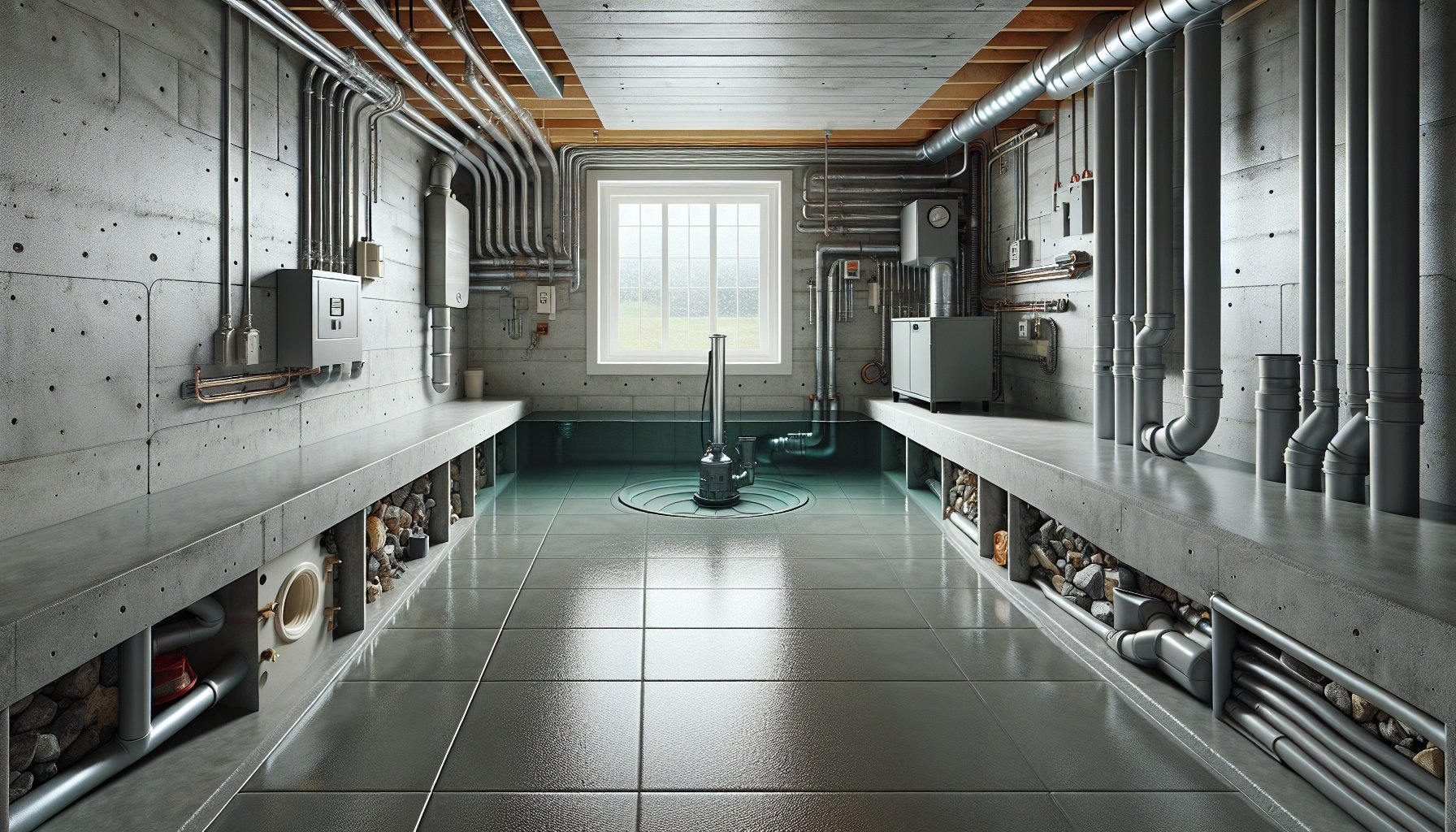
Sump pumps, backflow preventers, and emergency power work as the interior “last line” when outside defenses and interior coatings meet heavy stormwater. A properly sized sump pit at the low point of a basement or crawlspace collects seepage and rising groundwater, then discharges it through a dedicated line with a check valve so floodwater does not return. Backflow preventers on sewer laterals and floor drains stop municipal systems from forcing wastewater back into tubs, toilets, and slab drains when lines are overwhelmed. To keep pumps and controls running when thunderstorms knock out the grid, many homes in flood-prone areas pair primary pumps with battery backups or natural-gas standby generators, protecting finished spaces, mechanical rooms, and stored belongings during extended storm events.
Conclusion
Disaster-proofing homes in flood-prone areas brings together strong structures, smart exteriors, and reliable backup systems into one long-lasting plan. Raised foundations, reinforced framing, breakaway walls, and elevated porches help buildings stand firm when water rises. Impact-rated windows, watertight doors, sealed siding, and proper grading keep most water outside, while interior protections and well-planned drainage handle what slips past. When storms knock out power, backup pumps, generators, and alarms keep critical safeguards working.
Disaster-proofing homes in flood-prone areas involves elevating structures and using flood-resistant materials to minimize damage from future storms. Homeowners can implement barriers like levees or waterproofing techniques to protect foundations and utilities. Consulting local experts ensures compliance with building codes tailored to regional risks, promoting long-term resilience and a safer home for the next storm season and beyond.
Frequently Asked Questions
- What are the most effective flood-resistant upgrades for homes in low-lying or flood-prone areas?
- Strong flood-resistant upgrades focus on keeping water out, limiting damage when water gets in, and helping the structure dry quickly.
Key upgrades include:
1. Elevating key systems
– Lift electrical panels, outlets, and switches above the Base Flood Elevation (BFE).
– Raise HVAC units, water heaters, and washers/dryers on platforms or move them to higher floors.
– Protect outside condensers with elevated stands and braced mounts.2. Flood-resistant materials
– Use concrete, tile, closed-cell spray foam, fiber-cement board, masonry, and pressure-treated lumber in basements and first floors.
– Avoid paper-faced drywall, carpet, and insulation that holds water below the BFE.3. Proper flood vents and openings
– Install engineered flood vents in crawlspaces or enclosed areas below the home.
– Vents allow water to flow through instead of pushing against walls, reducing foundation damage.4. Backflow prevention
– Add backwater valves and check valves on sewer lines to stop sewage from backing into the home.
– Install sump pumps with battery backup for basements and low spots.5. Exterior grading and drainage
– Regrade yards so water flows away from the foundation.
– Add French drains, swales, and extended downspouts to move water off the lot.6. Elevating the structure (where needed)
– In high-risk zones, lifting the entire house above flood levels can provide long-term protection and can lower flood insurance costs.Stacking several of these upgrades together creates a stronger, more reliable flood-resilient home than relying on a single solution.
- How do flood vents help protect a home’s foundation during a flood?
- Flood vents are small openings installed in crawlspace or enclosure walls below the elevated floor. Their job is to balance water pressure inside and outside the foundation walls.
During a flood:
1. Water rises outside first
Without vents, water pushes hard against solid walls, creating hydrostatic pressure.2. Flood vents open or allow flow
– Engineered vents either stay open or automatically open when water reaches a certain level.
– Water flows through the vents, filling the enclosed space under the home.3. Pressure equalizes
– When water levels inside and outside the crawlspace match, side pressure on the walls drops.
– This reduces the risk of cracked walls, shifted piers, or total foundation failure.Best practices for flood vents:
– Place vents on at least two sides of each enclosed area so water can both enter and leave.
– Install them at the correct height and number according to local codes and FEMA guidance (square inches of vent per square foot of enclosed area).
– Keep vents clear of mud, leaves, and landscaping.Properly installed flood vents allow rising water to move under the structure instead of slamming into it like a solid wall, protecting the foundation during repeated flood events.
- What building materials hold up best when a home is exposed to frequent flooding or standing water?
- Some materials handle water far better than others and are ideal for lower levels and flood-prone spaces.
Stronger flood-resistant options include:
1. Walls and structure
– Concrete block (CMU) and poured concrete
– Pressure-treated or naturally rot-resistant lumber (such as some treated Southern Yellow Pine)
– Fiber-cement siding and trim2. Insulation
– Closed-cell spray foam (resists water absorption and retains R-value better than many options)
– Rigid foam boards rated for below-grade or damp locations3. Interior wall finishes
– Cement board instead of standard paper-faced drywall below the BFE
– Fiberglass-mat drywall (more mold-resistant) if gypsum is required
– Removable wainscoting panels that can be taken off and dried after a flood4. Flooring
– Ceramic or porcelain tile with waterproof underlayment
– Sealed concrete floors
– Luxury vinyl plank rated for wet locations (not all vinyl is equal; look for full waterproof ratings)5. Cabinets and trim
– PVC or composite trim boards
– Plywood cabinets with water-resistant finishes, mounted off the floor on blocks instead of direct contactMaterials to avoid in flood-exposed areas:
– Paper-faced drywall near floors
– Traditional carpet and pad
– MDF trim and particleboard cabinets
– Standard fiberglass batts in areas likely to get wetChoosing flood-tough materials in the lowest parts of the home makes cleanup faster, reduces mold risk, and often means repairs after a flood cost less and move faster.
- Is elevating a home above flood level worth the cost, and what benefits does it bring long term?
- Elevating a home above the Base Flood Elevation (BFE) is one of the most durable long-term solutions in high-risk flood zones, especially in areas hit repeatedly by Gulf storms, swollen rivers, and back-to-back heavy rain events.
Key long-term benefits:
1. Less damage from future floods
– Raised living areas stay above most floodwaters.
– Repairs after a storm are usually limited to lower structural elements and not the main living space.2. Lower flood insurance premiums
– Insurance under the National Flood Insurance Program (NFIP) often drops significantly when a home’s lowest floor is built higher than the BFE.
– Over time, savings can offset a portion of the elevation cost.3. Higher property resilience and value
– Elevated homes can be more attractive to buyers in flood-prone regions.
– A raised slab or pier-and-beam system signals that flood risks were taken seriously.4. Better access to under-floor systems
– Raised homes allow easier access to plumbing, electrical lines, and HVAC ductwork for maintenance and upgrades.Cost considerations:
– Elevation projects range widely in price depending on house size, foundation type, soil conditions, and local code requirements.
– Some homeowners may qualify for grants, mitigation funding, or local programs aimed at reducing community flood losses.For properties that flood repeatedly, the combination of reduced damage, lower ongoing insurance costs, and peace of mind often makes elevation a strong long-term investment.
- How can plumbing and drainage systems be upgraded to prevent sewer backup and indoor flooding during heavy storms?
- Plumbing and drainage play a big role in keeping stormwater and sewage out of living spaces when rain is relentless and drainage systems are stressed.
Effective upgrades include:
1. Backwater valves
– Installed on the main sewer line leaving the home.
– A one-way flap blocks sewage from flowing back into drains and toilets when municipal lines are overloaded.2. Check valves on branch lines
– Placed on specific drain lines that are especially vulnerable, such as basement floor drains.
– Help stop reverse flow into lower fixtures.3. Sump pumps with battery backup
– Installed in a pit at the lowest part of the basement or crawlspace.
– Pump out groundwater or seepage before it rises to floor level.
– Battery or generator backup keeps the system running during power outages.4. Proper grading and surface drainage
– Yard grading slopes away from the foundation.
– Downspouts extend at least several feet from the house or empty into underground drains.
– Swales, French drains, and catch basins help direct water toward safe discharge points.5. Sealing vulnerable penetrations
– Pipe penetrations through foundations are sealed with appropriate waterproofing materials.
– Cracks in basement floors and walls are repaired and, when needed, lined with interior drainage channels.Regular inspections by licensed plumbers and drainage pros help ensure valves open and close correctly, pumps remain functional, and underground lines stay clear before the next big storm hits.
- What role does landscaping and yard design play in protecting a home from flood damage?
- Well-planned landscaping helps control how water moves across a property, which can reduce flood risk and foundation stress.
Helpful yard and landscape strategies include:
1. Regrading for proper slope
– Soil around the home slopes gently away from the foundation.
– Low spots that collect water are filled or turned into managed drainage features.2. Drainage features
– Swales (shallow, grassed channels) guide water toward ditches, storm drains, or detention areas.
– French drains collect water below the surface and pipe it away.
– Dry creek beds use rock and stone to handle overflow while adding curb appeal.3. Rain gardens and planting beds
– Depressed planting areas with deep-rooted native plants soak up runoff from roofs and driveways.
– Native plants in Louisiana and other flood-prone regions often tolerate both heavy rain and short dry spells.4. Permeable surfaces
– Permeable pavers, gravel paths, and open-joint hardscapes let water soak into the ground instead of running straight toward the home.
– Reducing large solid concrete areas helps cut down on fast surface runoff.5. Protecting foundations
– Keep mulch and plantings pulled back a bit from foundation walls.
– Avoid large tree roots too close to the house, which can disturb soil and drainage.Landscaping designed with water in mind turns the yard into part of the flood-protection system instead of just decoration.
- How can mold growth be minimized after a flood, and what design choices help homes dry out faster next time?
- Mold growth becomes a major concern after floodwater enters a home, especially in warm, humid climates along the Gulf Coast and across much of the South.
To minimize mold after a flood event:
1. Remove wet materials quickly
– Pull out soaked carpet, padding, and damaged drywall.
– Remove wet insulation that cannot be dried fully.2. Clean and disinfect surfaces
– Wash hard surfaces with clean water and detergent.
– Follow up with a disinfectant approved for post-flood cleanup.3. Dry the structure thoroughly
– Use fans, dehumidifiers, and open windows when conditions outside are not too humid.
– Run HVAC systems carefully once they are safe and ducts are inspected.Design and construction choices that help next time:
1. Use flood-resistant finishes
– Cement board, tile, and sealed concrete are easier to clean and dry than porous finishes.
– Install drywall on metal studs with a gap above the floor so lower sections can be removed if flooded.2. Improve air circulation
– Add vents, louvered doors, or transfer grilles to promote airflow in closets, utility rooms, and crawlspaces.
– Include mechanical ventilation where code requires it.3. Elevate equipment and storage
– Place storage shelves, cabinets, and mechanical units higher than known flood levels so fewer items get wet in the first place.4. Seal and insulate correctly
– Use closed-cell foam or moisture-tolerant insulation in lower walls and rim joists.
– Seal gaps where humid outside air can leak into cooler spaces and condense.Fast removal of wet materials, strong airflow, and smart material choices greatly cut down the chance of serious mold problems after future floods.
Categories
Home Improvement Tips & Tricks