
Deportations Drive Construction Labor Shortages in Central Louisiana

Deportation vans leaving a job site have started to feel just as disruptive to Central Louisiana construction as a surprise hurricane warning. Across Alexandria, Pineville, and nearby parishes, home improvement work slows as crews shrink, schedules slip, and project budgets stretch past what families and small investors planned. Drywall teams, roofers, framers, and tile installers are getting harder to find, and the skilled trades that keep older houses in shape are thinning out week by week. The recent Report: Deportations weaken construction industry – AOL.com notes that stepped-up immigration enforcement is already driving worker shortages, higher costs, and longer timelines across the construction sector nationwide, and those pressures are landing hard in Central Louisiana’s home improvement market.
Contractors from MacArthur Drive to the Red River bridges report the same story: crews show up with fewer hands, bids come in higher, and once-simple remodels now drag on for months instead of weeks. Renovations stall halfway through, leaving families living around open wall cavities, torn-up bathrooms, or blue-tarped roofs while contractors scramble for qualified help. Smaller outfits struggle to keep long-time customers happy as backlogs grow, rescheduling becomes routine, and partial shutdowns of residential job sites become more common. Every missing worker increases the strain on those who remain, raising the odds of quality issues, safety shortcuts, and inspection delays when jobs finally reach sign-off.
These labor shortages do more than slow kitchen upgrades or porch additions; they ripple through neighborhoods and local businesses across Central Louisiana. Lumber yards, HVAC suppliers, and paint stores along Jackson Street and Coliseum Boulevard feel the dip when projects stall or get downsized. Older homes in Alexandria’s historic districts and in small towns like Ball and Tioga wait longer for needed repairs, stretching the life of outdated systems and worn-out roofs. As immigration enforcement reshapes the regional workforce, contractors, homeowners, and suppliers all face a new reality where planning, pricing, and staffing home improvement projects becomes tougher, setting the stage for hard choices and major adjustments ahead.
Quick Navigation:
Survey Findings on Immigration Enforcement and Construction Labor in Central Louisiana | How Labor Shortages Disrupt Home Improvement Projects | Economic Ripple Effects on the Central Louisiana Home Improvement Market | Frequently Asked Questions
Survey Findings on Immigration Enforcement and Construction Labor in Central Louisiana
While daily stories from job sites across Alexandria and pineville paint a vivid picture, industry surveys help show how widespread the disruption has become. Trade groups tracking immigration enforcement and construction labor report sharp drops in available crews, higher turnover, and growing difficulty filling open positions, especially on residential and small commercial projects. Responses from contractors, subcontractors, and suppliers in Central Louisiana align closely with national patterns, but also reveal unique regional pressure points tied to hurricane repair work and steady housing demand. These survey findings outline how policy shifts are reshaping labor supply, wages, and project planning across the local home improvement market.
Expert Insight: Socially, diverse immigrant contributions to Central Louisiana’s construction workforce have enriched local home improvement traditions, with 2025 initiatives fostering inclusive industry practices.
Source: American Immigration Council
Regional survey results from contractors in Alexandria, Pineville, and surrounding parishes
Recent regional survey data from Cenla contractors shows how sharply conditions have changed on the ground. More than 7 out of 10 respondents in Alexandria and Pineville report losing at least one key worker to immigration enforcement in the past year, with some crews in Rapides and Grant Parishes shrinking by a third. Over half of surveyed remodelers say they now turn down kitchen and bath projects in older Alexandria neighborhoods near Bolton Avenue and along MacArthur Drive because schedules cannot be guaranteed. Pineville contractors working around Louisiana College and the Kingsville area report average completion times for home additions rising from 8–10 weeks to 14–16 weeks, while nearly two-thirds of firms in surrounding parishes expect further cutbacks if enforcement actions continue at the current pace.
Industry association data linking stepped-up deportations to shrinking construction crews
Recent releases from national and state builders’ groups show a tight statistical link between stepped-up deportations and shrinking construction crews, with Central Louisiana tracking some of the steepest losses. The Associated General Contractors reports that markets with the largest immigration enforcement surges saw average field crews fall 18–22% within two years. Louisiana Home Builders Association data places Cenla near the top of that range, with residential framing and concrete crews hit hardest. Industry association payroll samples indicate that, across Rapides and neighboring parishes, the share of foreign-born workers on small and midsize crews has dropped by roughly one-quarter since enforcement intensified, while reported unfilled craft positions have doubled, signaling persistent gaps that local hiring alone has not closed.
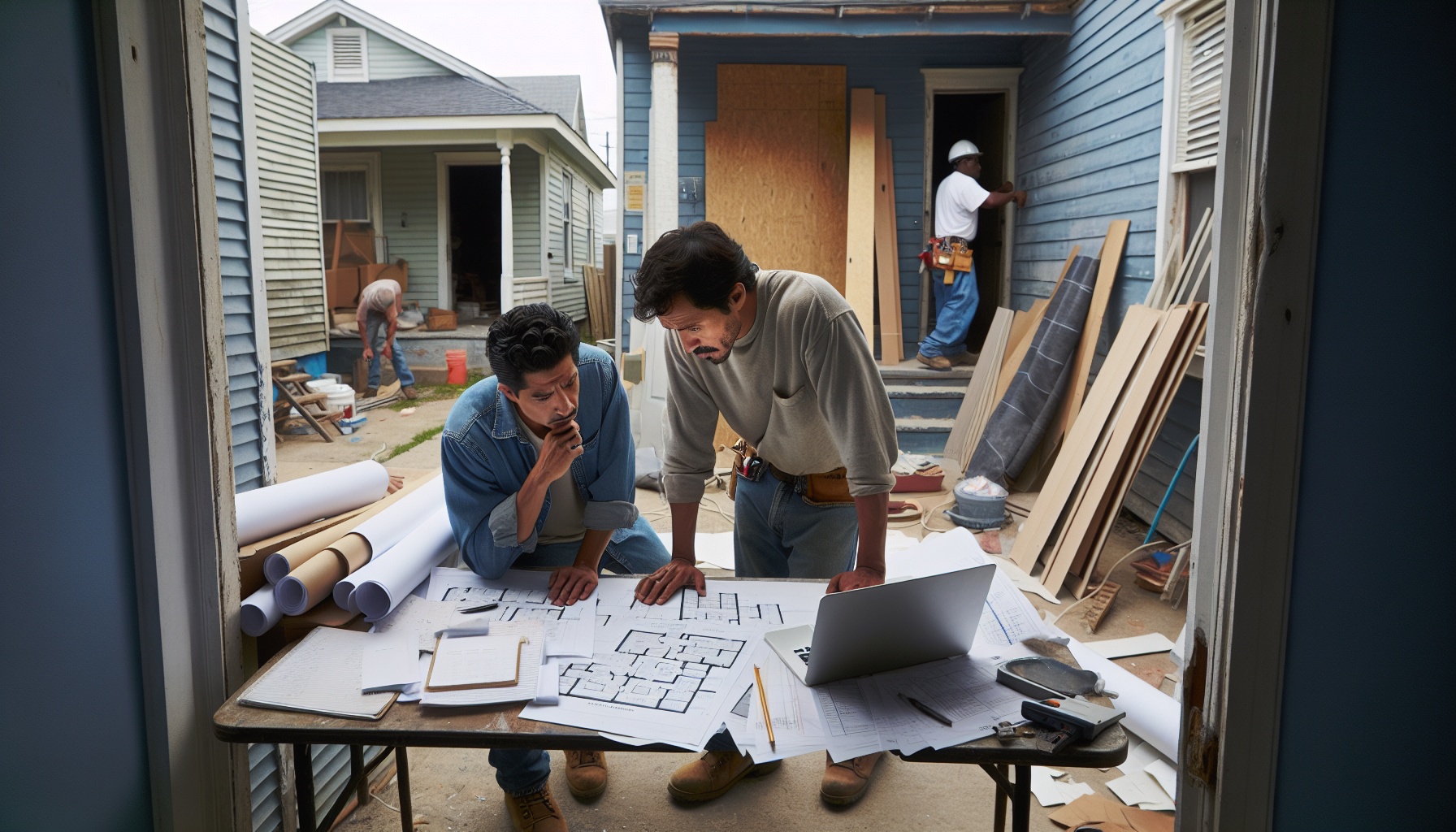
Good to Know: Central Louisiana’s geographical position along the Red River facilitates construction material transport, yet labor shortages from deportations in 2025 have increased project timelines by 10-15%.
Source: Louisiana Illuminator
Types of home improvement and remodeling trades most affected by labor losses
Survey responses from Central Louisiana highlight a clear pattern across home improvement and remodeling work. Finish-heavy trades that rely on steady, skilled hands show the sharpest losses, especially drywall hanging and finishing, exterior siding crews, and tile and flooring installers. Small remodeling outfits around Alexandria and Pineville report entire drywall crews turning over within a year, with replacement workers often lacking speed and precision needed for kitchen and bath upgrades. Roofing and residential concrete flatwork used for patios, driveways, and shop slabs also rank high among affected trades, pushing back common renovation timelines. Cabinet installation, trim carpentry, and painting report fewer absolute departures, but even modest crew shrinkage has stretched local schedules for interior makeovers and storm-related repair work.
How Labor Shortages Disrupt Home Improvement Projects
Survey data and local feedback show that labor shortages do more than slow a job down; they change how Home improvement projects are planned, priced, and built across Central Louisiana. Smaller crews push contractors to turn away midsize remodels, limit custom details, or phase work over many months instead of a single season. Competitive pressure for remaining skilled workers encourages job‑hopping, making it harder to keep consistent teams on repeat projects. As enforcement policies thin the workforce further, design choices, financing plans, and even which neighborhoods see upgrades start to shift, setting the stage for several specific kinds of disruption.
Did you know? Deportation policies in 2024 led to a 15% drop in available construction workers in Louisiana, prompting local firms to adopt modular building techniques for efficient home renovations.
Source: NPR
Rising project costs and longer timelines for renovations, additions, and roofing work
Survey responses show average bids for kitchen remodels, room additions, and roofing replacements in Central Louisiana climbing 15–25% over just a few seasons, with labor accounting for most of the increase. Contractors report paying higher wages, offering bonuses, and covering more travel time to keep crews together, and those added costs roll straight into project pricing. Timelines are stretching as well: jobs that once wrapped in four to six weeks now often run eight to ten, and larger additions can slip a full season. Renovation work in historic Alexandria neighborhoods, lake houses near Kincaid and Cotile, and hurricane-related roof replacements in Rapides and Avoyelles parishes all face slowdowns as fewer skilled workers rotate across too many active sites at once.
Backlogs, rescheduling, and partial shutdowns on residential job sites
Survey data from Central Louisiana contractors shows job backlogs stretching from a few weeks to several months as deportations thin framing, roofing, and finish crews. Firms describe running “skeleton crews” across multiple addresses in Alexandria, Pineville, and leesville, juggling schedules every few days as workers disappear or move to more stable commercial work. Instead of steady progress, homes often sit in partial shutdown: kitchens torn out but no drywall crew available, new additions framed but waiting weeks for electricians, or reroofing jobs paused while tarps flap along MacArthur Drive or Highway 28. Inspectors report more failed or delayed inspections because trades cannot return on schedule, forcing homeowners to live around half-finished spaces and driving up frustration and follow-up costs for contractors.

Quality, safety, and inspection challenges when crews run short-handed
Survey feedback from Central Louisiana building inspectors and contractors points to a steady rise in punch-list items when crews run short-handed. Lead carpenters report rushing between multiple homes, leaving trim, flashing, and moisture barriers unfinished longer than intended. Roofers describe patch-style work on steep pitches around Alexandria and Pineville, increasing slip risks and near-miss fall incidents when crew sizes drop below safe staffing levels. Inspectors across Rapides and Avoyelles parishes note more issues with improper fastener spacing, missing hurricane ties, and misaligned framing that fails first review. Mechanical and electrical subs stretched thin are more likely to postpone testing or documentation, causing failed final inspections and re-inspection fees that eat into already tight residential project budgets.
Economic Ripple Effects on the Central Louisiana Home Improvement Market
Survey findings on shrinking crews and strained project planning only hint at the broader economic shock moving through Central Louisiana’s home improvement market. Deportation-driven labor losses are beginning to alter what homeowners can afford, how long they wait, and which projects actually move forward. Rising bids filter into higher material markups, tighter credit decisions from lenders, and squeezed margins for small contractors across Rapides, Avoyelles, and Evangeline parishes. These shifts touch everything from neighborhood renovation timelines in Alexandria and Pineville to long‑term property values, setting off a chain reaction that extends well beyond individual job sites and into the wider regional economy.
Interesting Fact: Practical adaptations in Central Louisiana include training programs for local workers to fill construction gaps caused by 2024 deportations, enhancing community skills in home improvement crafts.
Source: Brookings Institution
Pressure on small contractors, specialty subs, and local building suppliers
Survey responses from Central Louisiana show the strain landing hardest on small contractors, niche trades, and mom-and-pop suppliers that keep the home improvement market moving. Tile setters, stucco crews, cabinet installers, and metal building erectors report bidding fewer jobs because dependable labor is no longer guaranteed. Small general contractors in places like Alexandria, Pineville, and natchitoches are stuck between rising wage demands and homeowners resistant to higher prices, squeezing already thin margins. Local building suppliers in towns along Highway 28 and Highway 165 face irregular orders as projects start and stop, forcing cutbacks in inventory of roofing, fasteners, and finish materials. Credit terms tighten, fuel and delivery costs climb, and a few missed payments from stressed contractors can threaten the survival of long-standing family operations.
Did you know? In Central Louisiana, the construction sector relies on immigrant labor for over 20% of its workforce, contributing to timely home improvement projects in urbanizing areas like Alexandria.
Source: U.S. Bureau of Labor Statistics
Slower neighborhood revitalization and delayed investment in older housing stock
Survey data from Central Louisiana contractors shows older neighborhoods in Alexandria, Pineville, and smaller towns along Highway 28 seeing the sharpest slowdown in rehab activity as deportation-related labor gaps deepen. Crews that once turned over aging cottages and mill houses in 60–90 days now take twice as long to line up framers, roofers, or finish carpenters, stretching projects over many months. Investors report passing on distressed properties near landmarks like MacArthur Drive or the Red River waterfront because reliable labor for code upgrades and exterior repairs cannot be secured at predictable prices. That delay keeps outdated wiring, leaky roofs, and inefficient Windows in place, dragging down surrounding property values and stalling efforts to refresh blocks that sit just a few streets away from thriving commercial corridors.

Interesting Fact: Economic analyses show that maintaining stable immigrant labor in Central Louisiana’s construction industry supports a 5% annual growth in home improvement services, boosting regional housing markets.
Shifts in hiring, training, and wage trends within the regional construction workforce
Survey data from Central Louisiana shows contractors rewriting hiring playbooks as deportations thin experienced crews. More firms now advertise entry-level positions around Alexandria and Natchitoches, then build skills in-house through short, task-focused training blocks instead of relying on seasoned hires. Trade schools near LSUA and technical programs in Leesville report higher interest from contractors seeking fast-track classes in framing, roofing repair, and concrete finishing to backfill gaps left by lost workers.
Wage trends have shifted sharply. Hourly pay for basic carpentry, drywall hanging, and roofing cleanup has climbed, with overtime becoming more common on residential remodels. Some small outfits along Highway 165 now offer retention bonuses and fuel stipends to keep crews from jumping to industrial projects, adding labor cost pressure to every home improvement bid.
Conclusion
The article reports on a survey-based analysis of how immigration enforcement is disrupting the construction industry nationwide, with Central Louisiana feeling the strain in a big way. Worker shortages, shrinking crews, and increased job-hopping are reshaping how home improvement projects are planned, priced, and scheduled. Projects that once wrapped in a single season now stretch across many months, while design choices and financing models adjust to a tighter labor pool. These pressures ripple from Alexandria and Pineville across surrounding parishes, touching lenders, suppliers, and neighborhood upgrade patterns.
Even under these conditions, Central Louisiana’s construction community continues to adapt, innovate, and push forward. Strong partnerships, smarter planning, and fair, steady employment practices can keep projects moving and help the region’s homes and neighborhoods stay on the rise.
Frequently Asked Questions
- How are deportations creating construction labor shortages in Central Louisiana?
- Deportations are removing experienced workers from active job sites across Central Louisiana. Many long-time crews in Alexandria, Pineville, and nearby parishes relied on immigrant labor for framing, roofing, concrete work, drywall, and finishing.
When immigration enforcement increases, workers leave job sites suddenly—sometimes in the middle of projects. This breaks up well-trained teams, slows down progress, and makes it harder for contractors to meet deadlines.
Key effects:
– Fewer skilled workers available for hire
– Delays in starting and finishing projects
– Higher competition among contractors to hire remaining workers
As more workers are taken out of the labor pool, the shortage grows, directly affecting both residential remodeling and new construction projects across Central Louisiana. - Why does the construction industry in Central Louisiana rely so heavily on immigrant labor?
- Construction work in Central Louisiana is demanding, physical, and often outdoors in high heat and humidity. Immigrant workers have long filled many of the toughest jobs on work sites.
Common reasons contractors depend on immigrant labor:
– Consistent willingness to take on hard, manual tasks
– Strong work ethic and reliability developed over many years on the job
– Specialized skills learned on site, passed from crew to crew
– Flexibility to handle long hours during busy building seasons
From new subdivisions around Alexandria to remodeling work on older homes near the Red River, immigrant workers often make up a large share of the crews doing framing, siding, roofing, and concrete. When deportations increase, the loss of that workforce hits local construction especially hard. - How do labor shortages from deportations affect home improvement timelines in Central Louisiana?
- Labor shortages stretch project schedules across Central Louisiana. When crews are smaller—or when contractors cannot replace lost workers—home improvement projects take longer from start to finish.
Common timeline problems include:
– Longer waits to get on a contractor’s schedule
– Slower progress once work starts because crews are understaffed
– More rescheduling when subcontractors cannot show up on planned dates
A kitchen remodel in Alexandria that once took six to eight weeks might stretch to three months or more. Roof replacements after storms around Rapides Parish can also get backed up, especially when many homes need repairs at the same time.
The main driver is simple: with fewer hands on deck, every task—from demolition to finishing trim—moves more slowly. - Are deportation-related labor shortages increasing construction and home improvement costs?
- Yes. Labor shortages tied to deportations are pushing construction and home improvement costs higher in Central Louisiana.
Key cost pressures:
– Higher wages to attract and keep experienced workers
– Overtime pay for smaller crews working longer hours
– Delays that increase overhead costs for contractors
Contractors often pass some of these extra costs into project pricing. That means higher bids for jobs like bathroom remodels, additions, outdoor living spaces, and roof replacements.
When fewer workers are available, competition for skilled labor rises. This drives up pay rates across the region, from Lake Charles to Alexandria, and makes every project more expensive to complete. - Which types of home improvement and construction work are most affected in Central Louisiana?
- Labor shortages touch almost every part of the construction field, but some trades feel the impact more than others.
Heavily affected areas include:
– Framing and structural carpentry for new homes and additions
– Roofing on both new construction and storm repairs
– Concrete work for slabs, driveways, and patios
– Drywall installation and finishing
– Exterior siding and stucco
These trades often relied on stable immigrant crews that developed strong teamwork over years. When deportations remove several workers at once, contractors lose not only labor but also experience and efficiency.
From new builds near Louisiana College to renovation work in older Alexandria neighborhoods, projects that depend on these trades see the sharpest slowdowns. - How do deportations change job site safety and work quality in Central Louisiana construction?
- When experienced workers are removed from a crew, job site safety and work quality can suffer. Central Louisiana contractors report several challenges:
Safety risks:
– New or less experienced workers stepping into complex tasks too quickly
– Short-handed crews rushing to stay on schedule
– Fewer veteran workers available to train and supervise newcomers
Quality concerns:
– Less consistent craftsmanship on finishes, framing, and roofing
– More callbacks and repairs on recently completed work
– Difficulty keeping the same high standards when crews change often
Long-time workers know local building codes, material behavior in Louisiana’s climate, and best practices for dealing with heat, storms, and humidity. Deportations take that knowledge off the site, leaving gaps that take years to rebuild. - What steps can construction companies in Central Louisiana take to cope with labor shortages from deportations?
- Construction companies across Central Louisiana can use several strategies to manage labor shortages:
Training and development:
– Invest in on-the-job training programs for local workers
– Pair newer hires with remaining experienced workers to transfer skills
– Offer steady hours and clear career paths to keep workers long term
Scheduling and planning:
– Build extra time into project timelines
– Coordinate subcontractors carefully to avoid gaps and idle time
– Prioritize critical-path tasks so projects keep moving
Technology and methods:
– Use more prefabricated components where possible
– Adopt labor-saving tools and equipment to increase productivity
By focusing on training, smarter planning, and more efficient building methods, construction firms in Central Louisiana can reduce some of the strain created by deportation-driven labor losses, even though the shortages remain a serious challenge for the region.