
Cracked Stucco Retaining Wall Repair for Stronger, Lasting Walls
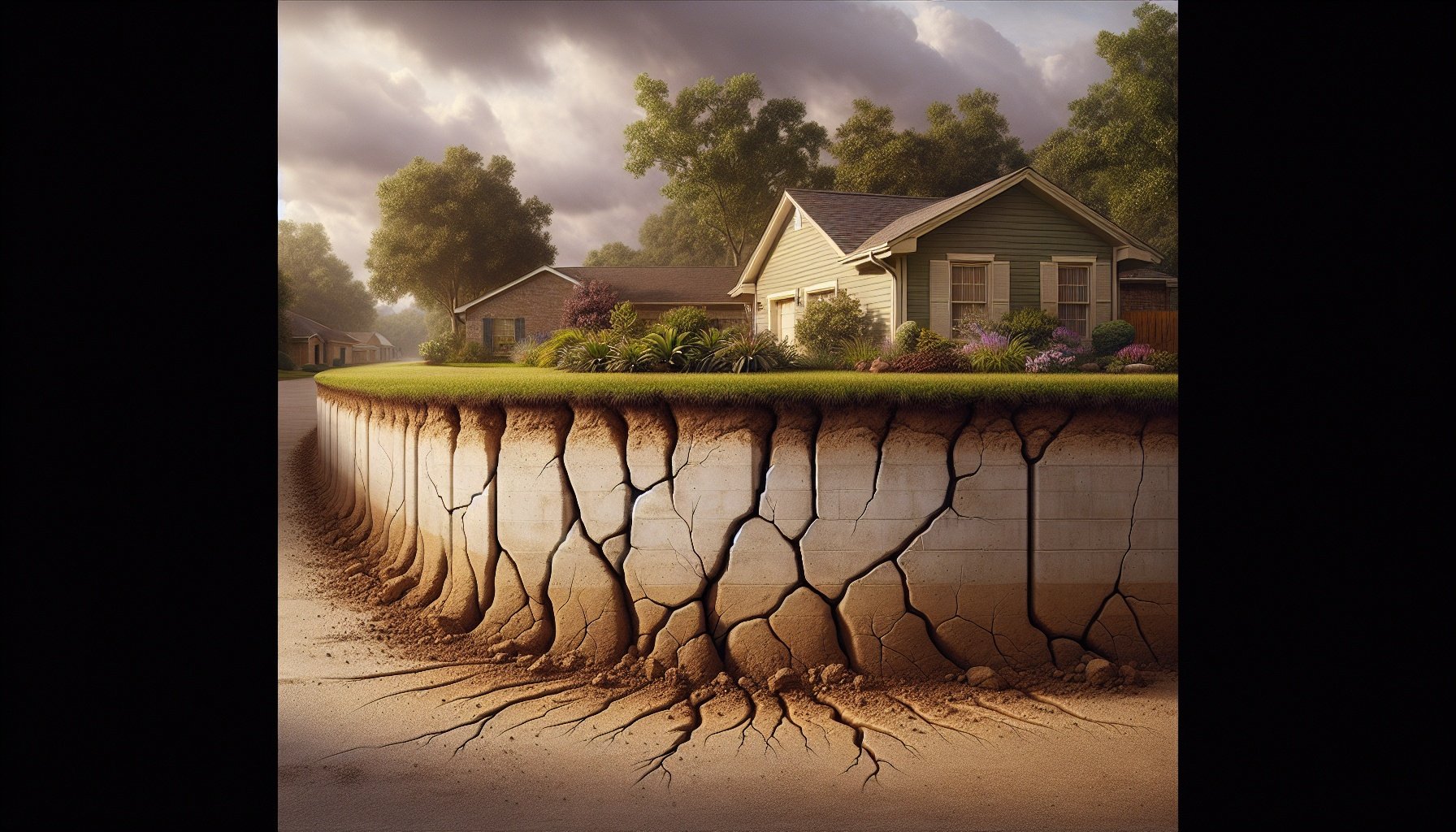
Cracked stucco on a retaining wall changes more than just curb appeal. Once those lines start creeping across the surface, they can signal soil pressure, heavy Central Louisiana rain cycles, and shifting ground all working against the structure. Left alone, small hairlines can widen, water can seep in, and the wall can slowly lose the strength needed to hold back soil safely. A solid repair plan brings that wall back to life, restores its toughness, and keeps it ready for the next hard storm that rolls through Rapides Parish, Pineville, or Alexandria.
Quick Navigation:
Understanding Cracked Stucco Retaining Walls in Central Louisiana | Step‑by‑Step Repair Process for Cracked Stucco Retaining Walls | Preventing Future Cracks and Strengthening Stucco Retaining Walls | Frequently Asked Questions
Repairing cracked stucco retaining walls means more than smearing on fresh material and hoping for the best. Strong, lasting walls depend on understanding what caused the cracks, checking whether the structure behind the stucco is sound, and using repair methods that bond tightly and shed water away from the surface. Matching the existing stucco texture and color keeps the wall looking clean and consistent, while smart upgrades to drainage, control joints, and maintenance habits help stop new cracks from forming. With the right approach, a worn stucco retaining wall can stand firm again against Central Louisiana’s heavy rains, clay soil, and thick vegetation, holding its shape, strength, and beauty for many seasons to come.
Understanding Cracked Stucco Retaining Walls in Central Louisiana
Once the first surface damage is spotted, the next step is understanding what cracked stucco is actually revealing about a retaining wall in Central Louisiana. Local clay soils around places like Tioga, ball, and Deville expand when soaked and shrink when dry, creating powerful movement behind the wall. Summer heat, sudden cold snaps, and strong thunderstorms off the Red River add more stress, especially on older construction. Even landscaping choices, sprinkler placement, and nearby driveways or parking pads can influence how the wall behaves. Looking at crack patterns, locations, and surrounding conditions starts to tell the story this wall is trying to share before repairs begin.
Common causes of stucco cracks: soil pressure, expansive clay, and heavy rain cycles
Stucco cracks on retaining walls often trace back to what happens behind the wall, especially in Central Louisiana’s mixed soils. Constant soil pressure pushes against the wall, and when backfill is placed too tightly or without drainage, that pressure builds until the stucco starts to fracture. Expansive clay common around Alexandria and pineville swells when saturated, then shrinks during dry spells, creating a steady cycle of movement that shows up as stair-step or diagonal cracking. Heavy rain cycles, like those during summer storms and hurricane season, quickly soak the soil, add weight, and trap moisture against the wall. When those rains are followed by rapid drying, the repeated expansion and contraction steadily weakens the stucco surface and the wall behind it.
Did you know? Modern stucco repairs for retaining walls now incorporate fiber-reinforced polymers, allowing flexible bonding that adapts to soil shifts without fracturing.
Spotting structural vs. cosmetic cracks on a retaining wall
Spotting structural cracks on a stucco retaining wall starts with watching how the crack behaves across the whole wall, not just on the surface finish. Structural cracking usually cuts through multiple blocks or concrete sections, stays the same width for long stretches, or widens from top to bottom. Horizontal cracks near the middle or lower third of the wall, bulging or bowing stucco, and stepped cracks that line up with block joints often signal movement from soil pressure and expansive clay, common around Central Louisiana yards. Cosmetic cracks usually stay hairline, random, and shallow in the stucco only, without shifting, leaning, or gaps between blocks, and they do not follow a clear pattern tied to how the wall was built.
How Louisiana climate, drainage, and vegetation impact stucco longevity
Louisiana heat, humidity, and storm cycles push stucco retaining walls hard all year. High humidity keeps stucco from drying out quickly, so small cracks stay damp and widen as moisture works into the base material. Sudden summer downpours in Central Louisiana dump water against walls, and if drainage is poor, standing water builds pressure and seeps through tiny gaps, softening stucco from the back side. Nearby vegetation adds more stress. Large crepe myrtles, oaks, and shrubs along the wall hold moisture at the base, trap leaves against the stucco, and send roots into backfill soils, shifting the wall just enough to open new cracks and shorten the lifespan of the stucco finish.
Step‑by‑Step Repair Process for Cracked Stucco Retaining Walls
Once the cause of the cracking is understood and the retaining wall is judged stable, the work shifts to a clear, hands‑on repair sequence. This is where method matters. Each step—from opening and cleaning the cracks to rebuilding the stucco surface—helps tie new material to old and lock out future moisture. Tools, materials, and timing all play a role, especially with Central Louisiana’s humidity and sudden downpours. Careful prep, the right bonding products, and proper curing protect the wall’s structure, appearance, and lifespan. The following steps walk through that repair process from first cut to final finish coat.
Worth Noting: Stucco repair costs in the US averaged $8 to $50 per square foot in 2025, with retaining wall projects often exceeding $1,000 due to structural reinforcements.
Source: HomeGuide (Industry Report)
Preparing the wall: cleaning, crack chasing, and assessing underlying block or concrete
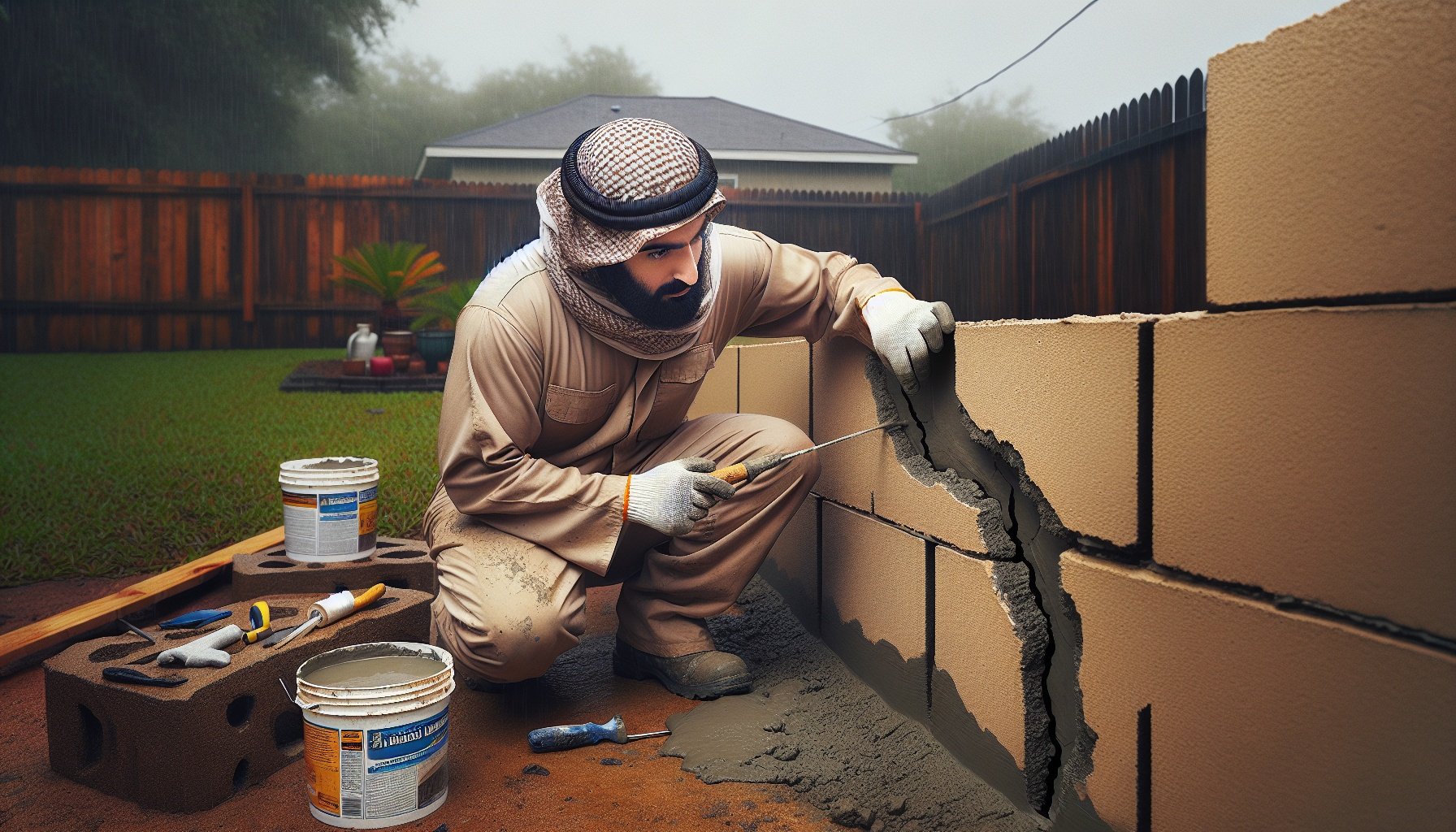
Preparing a cracked stucco retaining wall starts with a clean, solid surface. Loose stucco, peeling paint, algae, and dirt are brushed or pressure‑washed away so fresh material bonds properly. After cleaning, cracks are “chased” with a cold chisel or grinder, opening them into a V‑ or U‑shaped groove and exposing firm stucco instead of weak, crumbly edges.
Once opened, each crack reveals what is happening behind the finish. Hollow sounds when tapped, rust‑stained streaks, or damp, dark patches can signal trouble in the block or concrete core. Blocks may show stair‑step fractures, exposed rebar, or separated mortar joints. These signs help decide if repairs stay at the stucco layer or if deeper work on the structural wall is needed for a lasting fix.
Quick Insight: Stucco walls resist cracking through alkali-silica reactions, where cement hydration forms a paste that bonds aggregates, but proper moisture control prevents expansive gel formation in retaining structures.
Applying bonding agents, repair mortar, and stucco base coat for solid adhesion
After the wall is cleaned and weak stucco removed, a bonding agent is brushed or rolled onto bare concrete, block, and exposed crack edges so new materials lock firmly to the old surface. Acrylic or latex bonding agents work well and are kept out of heavy dust and standing water. While the bonding agent is tacky, a repair mortar is packed into deeper cracks and missing sections, pressing hard to fill behind and around rebar or rough block. The surface is left slightly recessed to accept the stucco base coat. A fiber‑reinforced stucco base is then applied in a thin, even layer, pressed firmly into the grooves and feathered past the crack to create a continuous, well‑bonded shell.
Expert Insight: In Mediterranean architecture, stucco retaining walls symbolize enduring craftsmanship, blending seamlessly with terraced landscapes to create harmonious outdoor living spaces.
Source: Encyclopædia Britannica
Matching existing stucco texture and color for seamless, durable repairs
Once the base coat sets, the finish coat is built to blend into the old stucco so the repair disappears. The existing texture is studied first: smooth trowel, light sand, heavy dash, or rough lace. A small batch of finish stucco is mixed and tested on a scrap board or hidden spot, then dabbed, brushed, floated, or knocked down to copy that pattern. Timing matters; many textures are formed as the stucco firms up, not when it is too wet or fully dry. For color, a paint chip or loose stucco piece is matched at a local supplier, or the entire wall section is repainted to avoid “patchwork” shading and create a durable, even finish that holds up to sun and rain.
Preventing Future Cracks and Strengthening Stucco Retaining Walls
Once cracks are repaired and the stucco finish looks solid again, the real strength of a retaining wall comes from what happens next. Long‑lasting walls depend on reinforcing the structure, not just patching the surface. Steel reinforcement, proper footing depth, and well‑compacted backfill help the wall stand firm when loads change over time. Surface protection also matters. Elastomeric coatings, breathable sealers, and well‑placed expansion details keep moisture out while allowing minor movement without damage. Smart upgrades during repair turn a tired wall into a tougher system, setting the stage for specific ways to prevent future cracking and boost strength.
Good to Know: Stucco originated in ancient times as a versatile plaster made from lime, sand, and water, evolving into a durable finish for retaining walls by the Renaissance period in Europe.
Source: Wikipedia
Improving drainage and runoff: French drains, weep holes, and grading near the wall
Improved drainage keeps repaired stucco from fighting the same moisture problems again. French drains work well behind retaining walls, especially along sloped yards in rainy Central Louisiana. A perforated pipe sits in a gravel trench at the base of the wall, wrapped in fabric so soil does not clog it, then carries water away to a safe discharge point. Weep holes near the bottom course of the wall give trapped water a path to escape, reducing hydrostatic pressure that can pop stucco loose. Proper grading also matters; soil and landscaping should slope gently away from the wall, never toward it, so surface runoff does not pool, soak the footing, or stain freshly repaired stucco.
Reinforcing the wall: control joints, mesh, and appropriate stucco thickness
Reinforcing a stucco retaining wall starts with planning control joints so movement happens in predictable lines instead of random cracks. These joints are usually placed at regular spacing and at changes in height or direction, then sealed with flexible material to absorb slight shifts in the wall. Behind the stucco, corrosion‑resistant metal lath or fiberglass mesh helps lock the cement layers together and bridge small gaps in the block or concrete face. Proper stucco thickness also matters: scratch and brown coats build a solid base, and the finish coat stays thinner to reduce weight and shrinkage. For retaining walls exposed to heavy soil pressure, slightly thicker base coats provide extra strength without making the surface prone to new cracking.
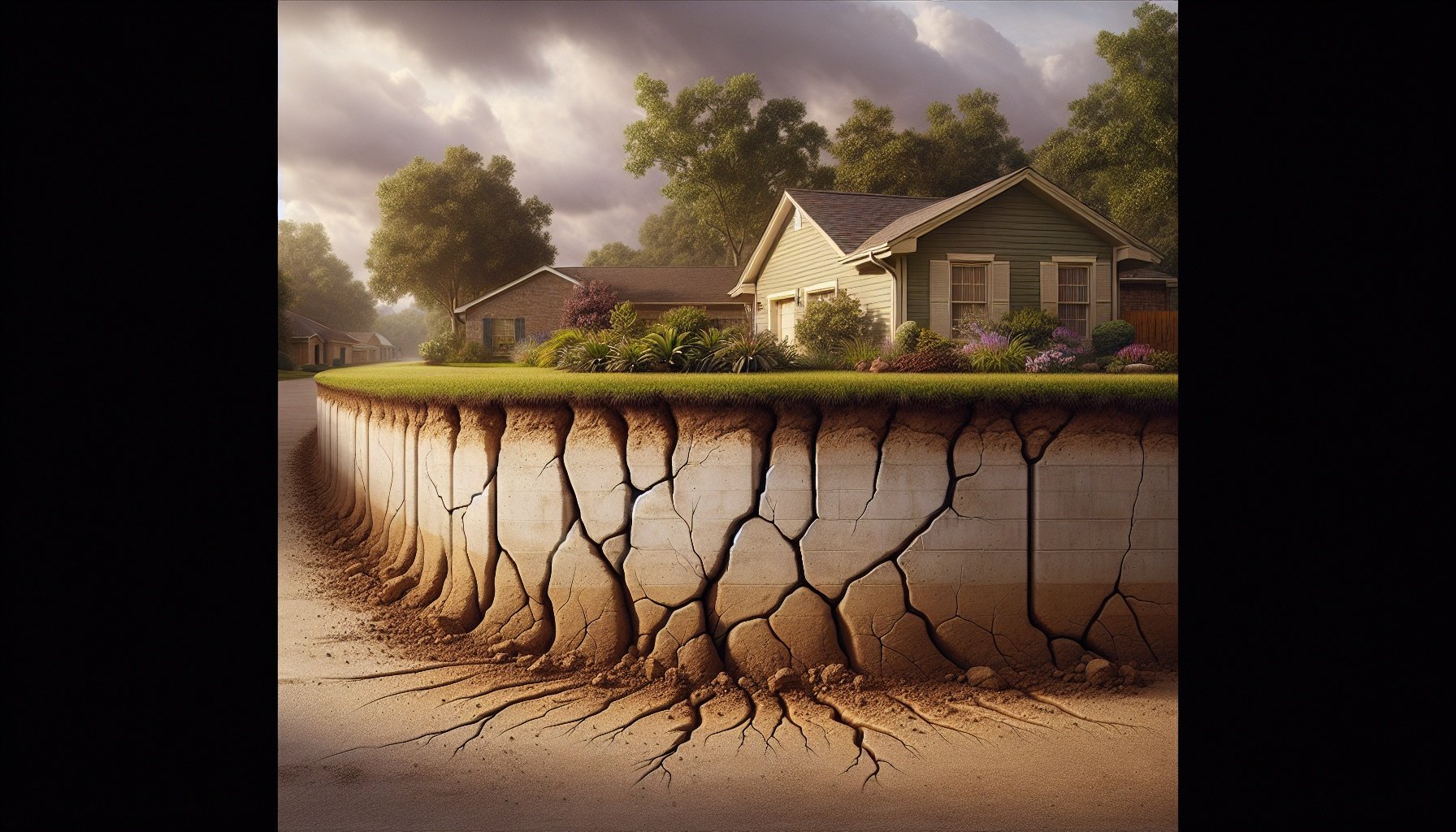
Worth Noting: Repairing stucco retaining walls enhances urban green spaces by stabilizing slopes, reducing erosion and supporting biodiversity in coastal regions like California.
Maintenance habits for Central Louisiana: inspections after storms, sealing, and vegetation control
Central Louisiana’s hot sun, heavy Gulf storms, and clay soils make routine maintenance critical after repairs. After strong thunderstorms or a tropical system, walls benefit from quick visual checks for new hairline cracks, fresh rust stains, bulging areas, or washed‑out soil near the base. Any small gaps at control joints or around weep holes stay protected when resealed with a quality elastomeric sealant every few years, especially on walls facing west toward the afternoon heat. Vegetation control matters just as much as drainage. Tree roots near the wall, thick azalea beds, or ivy climbing the stucco trap moisture and add pressure. Keeping plants trimmed back and roots away from the footing helps the reinforced stucco perform as designed.
Conclusion
Cracked stucco retaining walls tell a story about soil pressure, drainage, and movement behind the scenes. Once the cause of cracking is found and the wall is confirmed stable, a careful, step‑by‑step repair process restores strength and appearance. Opening and cleaning the cracks, using the right bonding agents, and rebuilding the stucco in layers help lock out moisture and keep damage from spreading. Thoughtful material choices and proper curing make a big difference, especially in Central Louisiana’s heat, humidity, and heavy rain. Cracked stucco on retaining walls often results from soil pressure, water infiltration, or settling foundations, leading to structural weaknesses if left unaddressed. Taking action early turns a problem wall into a solid, longer‑lasting asset for the property.
Frequently Asked Questions
- What causes stucco retaining walls to crack in the first place?
- Stucco cracks on retaining walls usually start with movement or pressure behind the wall. Common causes include:
– Soil pressure and shifting – Wet Louisiana clay soil expands when soaked and shrinks when dry. That constant push-and-pull puts stress on the wall and the stucco.
– Poor drainage – Water building up behind the wall adds weight and pressure. Hydrostatic pressure slowly forces the wall to bow or shift, creating cracks.
– Improper base or footing – If the original wall base was not compacted well, or the footing is too small or shallow, the wall can settle unevenly and crack the stucco.
– Temperature changes – Hot summers and cooler winters cause materials to expand and contract. Without proper control joints, hairline cracks form over time.
– Low‑quality or thin stucco application – Stucco that was applied too thin, without proper lath, or with a weak mix is more likely to crack.Cracks are often the first sign that the wall structure might be under stress, not just that the surface finish is aging.
- Are all stucco cracks on a retaining wall serious, or are some just cosmetic?
- Not every crack on a stucco retaining wall means major failure, but every crack is worth a close look.
Mostly cosmetic cracks:
– Hairline cracks smaller than about 1/16 inch
– No bulging or leaning in the wall
– No flaking or hollow sound when tapping the area
– No signs of water staining or rustThese usually come from normal shrinkage or minor temperature changes. They still need sealing, but the structure may be sound.
Potentially serious cracks:
– Wider than 1/8 inch, especially if growing over time
– Zig‑zag or stair‑step cracking
– Cracks that run through corners or across large sections
– Cracks paired with leaning, bowing, or bulging areas
– Stucco separating from the wall, sounding hollow when tappedLarger or spreading cracks can point to movement in the wall, poor drainage, or footing problems. Those call for a more detailed inspection and often more than just a surface patch.
- How does water and drainage affect cracked stucco retaining walls?
- Water is often the main hidden problem behind cracked stucco on a retaining wall.
How water causes damage:
– Hydrostatic pressure – When water collects behind a wall, it pushes hard on the structure. Over time, that pressure can crack both the wall and the stucco.
– Freeze–thaw cycles (in colder snaps) – Water that seeps into cracks can freeze, expand, and force the cracks wider.
– Stucco breakdown – Constant moisture weakens stucco, softens the bond to the wall, and encourages mold or efflorescence (white powdery stains).Signs of drainage trouble:
– Damp or muddy areas near the base of the wall after rain
– Water stains, streaks, or algae on the stucco
– No visible weep holes, drain pipes, or gravel backfillProper repair usually includes more than patching the surface. A long‑lasting fix often involves improving drainage with items like drain pipes (French drains), gravel backfill, weep holes, or surface grading to move water away from the wall.
- What is the typical process for repairing a cracked stucco retaining wall?
- Repairing a cracked stucco retaining wall the right way follows several key steps:
1. Inspection
– Check for leaning, bowing, or bulging.
– Look for wide or spreading cracks, rust stains, or hollow areas.
– Evaluate drainage and soil conditions around the wall.2. Address structural or drainage issues first
– Add or clear drain lines or weep holes if water is building up.
– Regrade soil or add gravel backfill where needed.
– In serious cases, reinforce or rebuild parts of the wall.3. Prepare the damaged stucco
– Remove loose, crumbling, or hollow stucco until solid material is reached.
– Clean dust and debris from the area.
– Treat exposed metal lath or rebar for rust if visible.4. Repair cracks and missing areas
– Fill smaller cracks with a compatible stucco repair material or elastomeric crack filler.
– Rebuild larger missing sections with new stucco in one or more coats, matched to the original system.5. Match texture and finish
– Use tools and techniques that recreate the original stucco pattern as closely as possible.
– Allow each coat to cure properly.6. Seal and protect
– Apply a breathable, high‑quality masonry or stucco coating to help shed water while allowing moisture to escape.
– Choose a color that blends with the rest of the property or gives the wall a fresh look.Following these steps helps turn a cracked, tired wall back into a strong, long‑lasting feature.
- When is it better to repair a stucco retaining wall instead of replacing it?
- Repair is usually a smart option when the main structure of the retaining wall is still solid. Situations that often favor repair include:
– Cracks are mostly in the stucco layer and the wall is not leaning or bowing.
– Footing and base feel stable with no major settlement or sinkholes.
– Drainage issues can be corrected with added drains, gravel, or regrading.
– Damage is limited to certain sections rather than the entire wall.Replacement or major reconstruction becomes a stronger option when:
– The wall is leaning noticeably or has shifted out of alignment.
– Large sections are bulging or separating.
– The footing has failed or is badly undersized.
– Cracking is severe, widespread, and getting worse quickly.
– Water pressure cannot be relieved without rebuilding.A careful inspection helps determine whether targeted repair will extend the life of the wall, or whether a full rebuild is the safer long‑term solution.
- How long do repairs on a cracked stucco retaining wall usually last?
- The lifespan of a repair depends heavily on how well the underlying issues are handled.
Well‑done repairs with proper prep and drainage:
– Often last many years and sometimes match the remaining life of the wall.
– Stucco patches blend in and stay tight without re‑cracking quickly.
– Protective coatings keep moisture out while allowing the wall to breathe.Quick surface patches without fixing the cause:
– May look good at first but often re‑crack within a short time.
– Water pressure, poor soil, or movement in the wall keeps stressing the stucco.
– Repeated patching can become more expensive than proper repair.Regular maintenance—like keeping drains clear, watching for new cracks, and recoating the stucco when needed—helps those repairs last much longer.
- What maintenance helps prevent new cracks in a stucco retaining wall after repair?
- Simple, steady maintenance goes a long way toward keeping a repaired stucco retaining wall in good shape:
– Keep drainage clear – Make sure drain pipes, weep holes, and nearby ditches are free of leaves, mud, and debris, especially after heavy Central Louisiana storms.
– Control water flow – Direct roof runoff, sprinkler spray, and surface water away from the wall whenever possible.
– Watch the soil level – Avoid piling heavy soil or mulch directly against the wall higher than planned. Extra weight adds pressure.
– Inspect regularly – Check for small cracks, flaking, or stains and take care of them before they grow.
– Maintain coatings – Reapply stucco or masonry coatings as they age, following the product’s lifespan or whenever signs of wear appear.Consistent care helps protect both the stucco finish and the structure behind it, keeping the wall strong and looking sharp for the long run.