
Composting Leaves: A Greener Choice for Healthy Louisiana Gardens
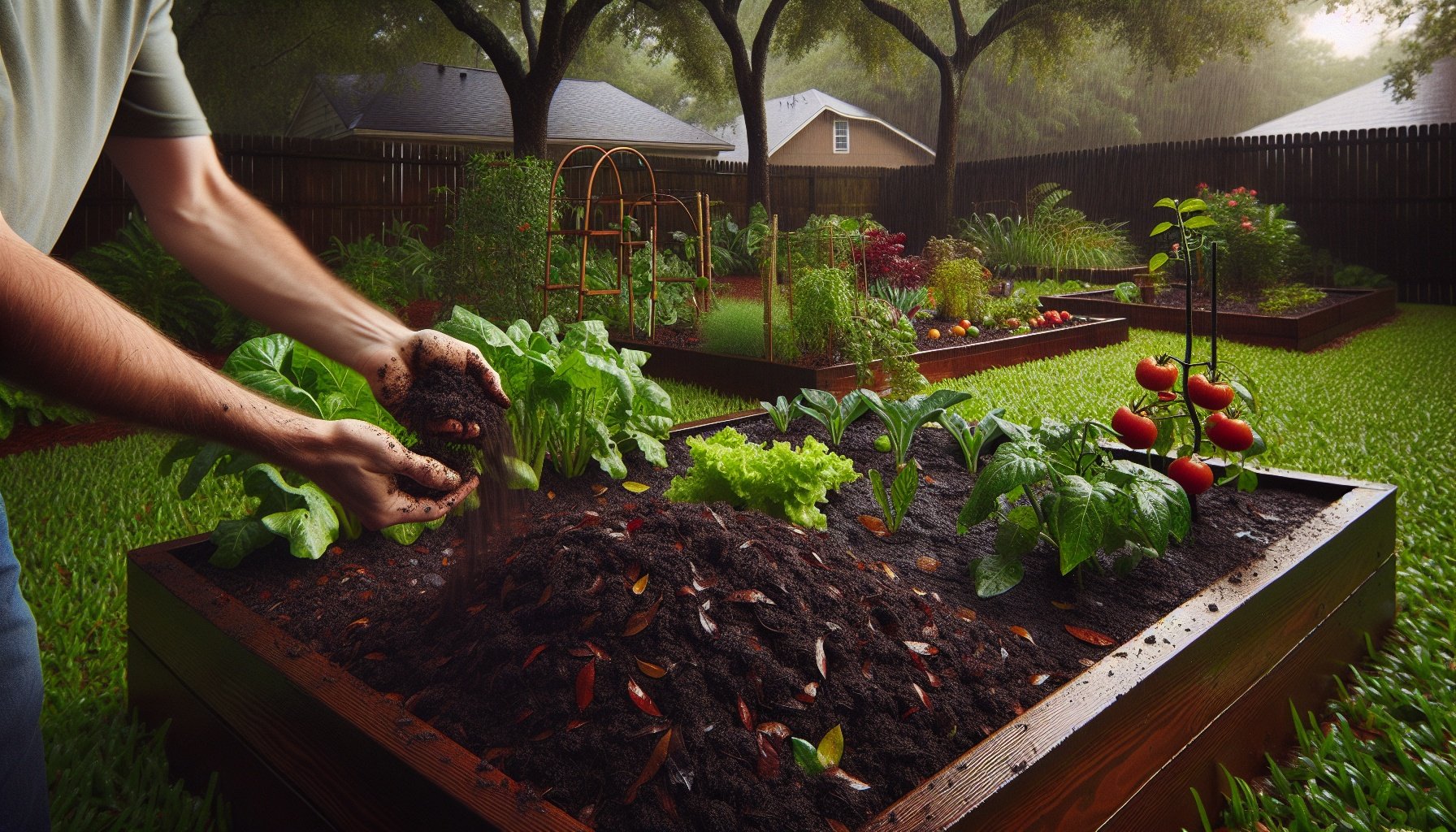
Every fall, Louisiana trees drop a blanket of leaves across yards, driveways, and job sites from Alexandria to Pineville, creating a familiar cleanup chore and a big question: what happens to all that material? For generations, many piles have gone straight to the burn barrel or curbside bag, sending smoke into Central Louisiana neighborhoods and filling up local landfills. Composting leaves offers a smarter, greener choice, turning what looks like a problem into a powerful resource for healthy Louisiana gardens. Instead of going up in smoke, dry leaves break down into rich, dark compost that feeds vegetables, flowers, and new construction landscapes from the Red River to the backroads of Rapides Parish. Simple composting methods fit almost any space, from compact city lots near downtown Alexandria to wide rural properties and busy construction sites along Highway 28. With the right balance of browns, greens, air, and moisture, leaf piles transform into a steady supply of natural soil conditioner that supports stronger roots, better drainage, and more resilient plants in Louisiana’s heat. Thoughtful compost setups also help control pests and odors, while keeping storm debris and seasonal leaf fall working locally instead of clogging ditches or wasting space at the dump. Managed well through humid summers, sudden downpours, and mild winters, composted leaves become part of a cleaner local environment and a more sustainable approach to landscaping across Central Louisiana and beyond.
Quick Navigation:
Benefits of Composting Leaves for Louisiana Gardens | Simple Leaf Composting Methods for Homes and Job Sites | Best Practices for Successful Leaf Composting in a Humid Climate | Frequently Asked Questions
Benefits of Composting Leaves for Louisiana Gardens
Composting leaves turns a seasonal chore into a steady source of natural plant food tailored to Louisiana’s growing conditions. As leaf piles break down, they release a slow, gentle supply of nutrients that supports strong roots, better flowering, and steadier harvests without harsh synthetic fertilizers. The finished compost also helps buffer soil against sudden weather swings, from heavy Central Louisiana downpours to late-summer dry spells. Over time, beds stay easier to work, hold moisture longer, and grow fewer weeds. These long-lasting benefits reach everything from backyard gardens to fresh landscaping around new homes and projects across the region.
Did you know? Urban composting programs in cities like San Francisco process thousands of tons of leaves annually, supporting local agriculture by providing free compost to community gardens and farms.
Source: Recology (San Francisco)
Reducing leaf burning and air pollution across Central Louisiana neighborhoods
Composting leaves turns a seasonal smoke problem into a clean, low-impact solution for Central Louisiana neighborhoods. When dry piles are burned along streets in areas like Alexandria, pineville, and Tioga, smoke drifts across yards, ballfields, and school zones, adding to already humid, heavy air. Fine particles from these burns hang over neighborhoods, especially on still fall evenings, and can bother residents during football games, parades, or outdoor church events. Shifting those same leaves into compost bins or simple corner piles keeps the air clear while still managing heavy leaf fall from oaks, pecans, and maples. Over time, blocks where more homes compost see fewer smoky burn days and a cleaner, fresher feel during the busy Central Louisiana fall season.
Good to Know: Technological advancements like aerated static pile systems in 2024 enable efficient leaf composting in small spaces, using sensors to monitor moisture and temperature for optimal breakdown.
Source: MDPI Sustainability Journal
Building healthier soil for vegetable beds, flower borders, and new construction landscapes
Composted leaves turn thin, tired soil into a rich, crumbly base that supports stronger roots across Louisiana landscapes. In vegetable beds, leaf compost loosens heavy red clay, improves drainage after those sudden afternoon storms, and holds nutrients around tomatoes, peppers, and okra. In flower borders, a few inches of leaf compost mixed into the topsoil helps azaleas, daylilies, and roses grow fuller blooms while cutting back on crusty, hard-baked surfaces. Around new construction, where soil is often compacted and low in organic matter, spreading leaf compost 2–3 inches deep and tilling it in can jump-start lawns, shrubs, and shade trees. This gentle soil builder works slowly and steadily, supporting healthier plants without harsh synthetic additives.
Worth Noting: Composting leaves at home saves municipalities up to $50 per ton in waste disposal costs while producing compost valued at $20-40 per ton for soil enhancement in landscaping.
Source: US EPA
Cutting yard waste volume and keeping organic material out of local landfills
Composting leaves turns bulky fall cleanup into a steady source of useful material instead of extra trips to the landfill. Bagged leaves, grass clippings, and small branches quickly fill curbside bins in Central Louisiana, especially after storms or heavy raking. When those bags head to local landfills, they take up space and add to disposal costs without giving anything back. A simple backyard compost area or shared neighborhood pile shrinks that volume as leaves break down into a fraction of their original size. Instead of hauling off dozens of bags, a single bin of finished compost returns to garden beds, tree rings, and new plantings, closing the loop and keeping organic matter working locally instead of buried in a landfill.
Simple Leaf Composting Methods for Homes and Job Sites
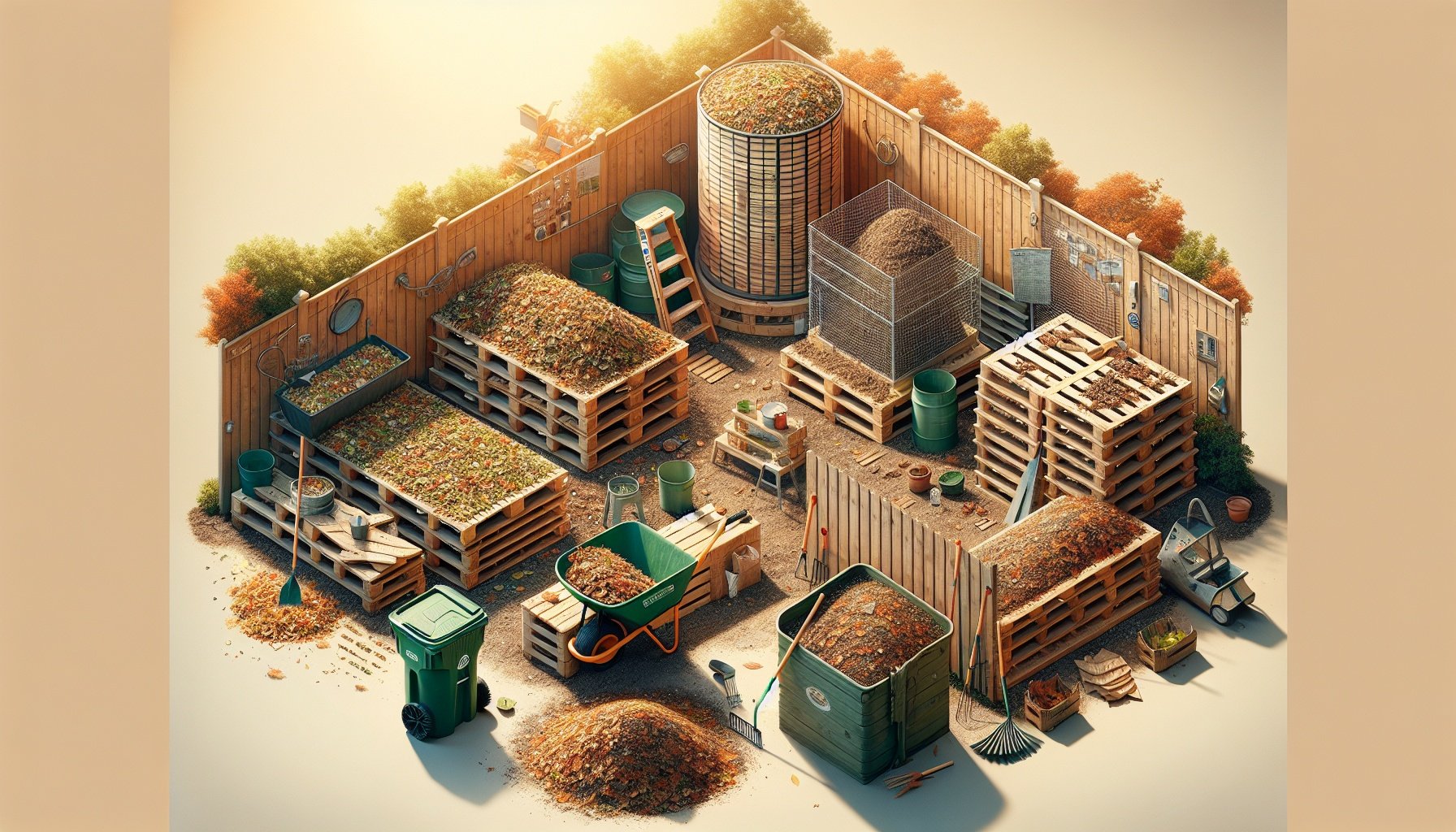
Composting leaves transforms loose piles into organized systems that fit real Louisiana spaces, from tight Alexandria backyards to active Rapides Parish job sites. Instead of needing fancy bins or expensive equipment, basic tools like pallets, mesh fencing, or even simple corner piles handle leaves well when placed in the right spot. Different methods work better for different setups: open piles suit larger lots, tidy bins fit small lawns, and windrows line up neatly along job site edges without getting in the way of crews or equipment. A few straightforward options make leaf composting easy to match with any home or worksite layout.
Good to Know: Adding leaves to compost piles improves soil structure and water retention, as their high carbon content balances nitrogen-rich materials, accelerating decomposition into fertile humus within months.
Source: University of Maryland Extension
Setting up a basic leaf compost pile with browns, greens, and moisture balance
A basic leaf compost pile starts with a loose, airy layer of dry “browns” such as shredded oak leaves, pine straw, or small twigs. Over this, a thinner layer of “greens” goes down—fresh grass clippings, vegetable scraps, or spent annuals from garden beds. A simple rule is two to three parts browns to one part greens to avoid sour smells and soggy pockets. Each time new material is added, another light layer of browns helps keep things balanced. Moisture matters in Louisiana’s changing weather, so the pile works best when it feels like a wrung-out sponge: not dripping, not dusty. During long dry spells, a quick sprinkle from a hose or watering can keeps microbes active and the breakdown steady.
Using leaf mulch, chopped leaves, and leaf mold for quick soil improvements
Leaf mulch, chopped leaves, and leaf mold offer fast, low-effort ways to boost soil between full compost batches. Freshly fallen leaves can be chopped with a mower and spread 1–2 inches thick over beds as leaf mulch, keeping Louisiana soils cooler in summer, holding moisture during dry spells, and slowing erosion during heavy rains. Chopped leaves also break down faster than whole leaves, feeding soil life while staying loose enough for water to pass through. Leaf mold—leaves piled moist and left to rot for a year or more—creates a dark, crumbly material similar to forest soil. Mixed into existing beds or used as a top-dressing, leaf mold greatly improves drainage in clay and helps sandy soils hold nutrients longer.
Expert Insight: In 2024, the U.S. generated 35.2 million tons of yard trimmings, with leaves comprising a major portion that can be composted to divert waste from landfills and enhance soil health.
Source: US EPA
Adapting compost setups for small city lots, rural properties, and active construction sites
Composting leaves transforms yard waste into nutrient-rich soil amendment that benefits gardens without the hazards of burning, and simple setups adjust easily to different Louisiana spaces. On small city lots, a tidy wire bin or lidded plastic tote keeps leaves contained, neat, and neighbor-friendly, with chopped leaves breaking down faster in tight spaces. Rural properties often favor long windrows along fence lines or under tree rows, built with tractor-loader help and turned less often, perfect for handling heavy fall leaf drops. Active construction sites benefit from temporary pallet bins or mesh cages placed away from traffic, using bagged leaves, grass, and safe wood chips. Finished material later feeds new lawns, planting beds, and erosion-control areas around fresh foundations and driveways.
Best Practices for Successful Leaf Composting in a Humid Climate
Those long Louisiana growing seasons and steamy afternoons help leaf piles break down fast, but humidity can also cause soggy, smelly compost if piles are not handled correctly. Leaf composting in a wet climate works best with the right mix of air, moisture, and particle size so materials decompose instead of turning slimy or attracting pests. Shredded leaves, balanced layers of browns and greens, and smart pile placement all make a big difference during tropical storms and muggy spells. With a few simple habits, leaf composting stays tidy, efficient, and ready to support gardens all year long.
Keep in Mind: Composting leaves reduces methane emissions from landfills by transforming yard waste into nutrient-rich soil amendment, preventing up to 20% of household organic waste from entering landfills.
Source: US EPA
Managing moisture, airflow, and turning frequency in Louisiana heat and rain
Louisiana heat speeds up leaf breakdown, but steady moisture and airflow keep compost from turning sour. Leaf piles work best when they feel like a wrung‑out sponge; if handfuls drip water after a summer storm, adding dry shredded leaves or pine straw on top helps soak up the excess. During long dry spells, a quick spray from a hose restores moisture so beneficial microbes stay active. Airflow matters just as much, so piles stay loose instead of packed tight like a wet blanket. Larger open piles or windrows on Central Louisiana properties respond well to turning every 2–3 weeks in summer and about once a month in cooler weather, keeping the mix fluffy, sweet‑smelling, and breaking down evenly.
Choosing between open piles, bins, and contained systems to control pests and odors
System choice shapes how well pests and odors stay under control in Louisiana’s humidity. Open leaf piles work fine for large rural yards where space and airflow are easy to provide, but they need extra attention to covering food scraps and keeping edges trimmed to discourage raccoons and opossums. Simple wood or wire bins give more structure, hold moisture more evenly, and make it easier to cap fresh layers with dry shredded leaves to block smells. Fully contained systems—like lidded plastic composters or tumblers—offer the most protection from rodents, neighborhood dogs, and flies, especially in tighter Baton Rouge or New Orleans lots. Dark, closed bins also warm up faster, helping damp materials break down quickly before odors build.
Timing leaf collection and compost use around fall raking, spring planting, and storm cleanup
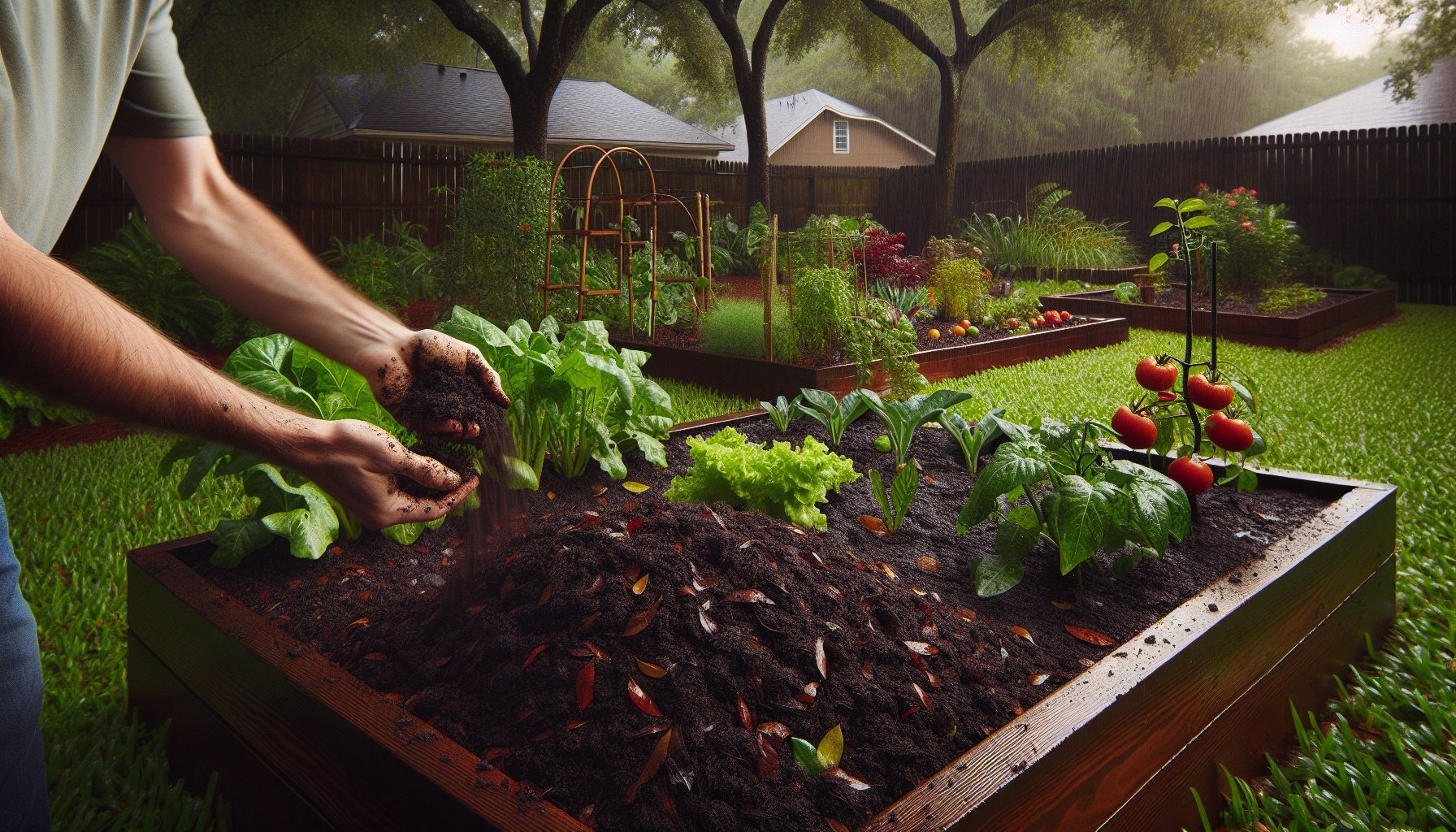
Fall raking in Louisiana creates the main stockpile of leaves, so many residents bag them loosely, keep them dry under a carport, or corral them in a dedicated wire bin to feed compost systems for months. Hurricane and thunderstorm cleanup adds extra branches and soggy leaves; shredding and mixing those with saved dry fall leaves keeps piles from turning slimy. Late winter and early spring become the ideal time to screen finished compost for raised beds, flower borders, and backyard vegetable rows. Gardeners in places like Alexandria or Lafayette often spread a layer of mature leaf compost a few weeks before planting tomatoes, peppers, and zinnias, then top off beds again after strong summer storms wash nutrients from the soil.
Conclusion
Composting leaves transforms yard waste into nutrient-rich soil amendment that benefits gardens without the hazards of burning. Louisiana landscapes, from cozy Alexandria lots to busy Rapides Parish job sites, gain healthier soil, better moisture control, and stronger plants with every finished batch. Flexible setups using pallets, mesh, simple bins, or open piles make it easy to fit composting into tight spaces, large yards, and roadside work areas alike.
Working with the local climate instead of fighting it keeps the process steady and reliable. Leaf compost becomes a natural partner to Louisiana’s rains, heat, and long growing seasons, supporting greener lawns, flower beds, and vegetable rows. Turning fallen leaves into compost keeps neighborhoods cleaner, gardens thriving, and the future of Louisiana a little brighter with every season.
Frequently Asked Questions
- Why is composting leaves a good option for Louisiana gardens instead of burning or bagging them?
- Composting leaves keeps valuable organic matter on the property instead of sending it to the landfill or burning it. Dry leaves are rich in carbon, which is a key ingredient in healthy compost. When mixed with grass clippings, kitchen scraps, and moisture, they break down into a dark, crumbly material that improves soil.
For Louisiana gardens, composted leaves help soil drain better during heavy rains and hold moisture during dry spells. This is helpful in areas from Alexandria to Lake Charles where clay and sandy soils can both be a challenge. Composting also reduces smoke from leaf burning and cuts down on plastic bags along the curb. It is an eco‑friendly way to handle fall leaf cleanup while building healthier beds for vegetables, flowers, and landscaping.
- What kind of leaves work best for composting in Louisiana, and are any types a problem?
- Most common Louisiana leaves from oak, maple, sweetgum, crepe myrtle, pecan, and sycamore trees compost very well. Live oak and southern magnolia leaves are thicker and more waxy, so they take longer to break down, but they can still be composted with a little extra shredding.
A few tips help avoid problems:
– Shred tough leaves like live oak and magnolia with a mower to speed up decomposition.
– Avoid composting large amounts of black walnut leaves, which may contain juglone, a compound that can harm some plants.
– Skip leaves heavily sprayed with herbicides or pesticides.
– Rake up and trash leaves from diseased plants, especially if fungal spots or blights are obvious.With those simple steps, most leaf piles across Central Louisiana can turn into safe, rich compost instead of yard waste.
- How long does it take for leaves to turn into usable compost in Louisiana’s climate?
- Louisiana’s warm, humid climate speeds up the composting process compared to many other states. With good moisture, proper mixing, and some shredding, leaves can turn into usable compost in about 3 to 6 months.
Shredded leaves and balanced piles that include grass clippings and kitchen scraps break down fastest. Whole, unshredded leaves piled alone may take 9 to 12 months to fully decompose, especially tough live oak and magnolia leaves.
Frequent summer thunderstorms and mild winters around Central Louisiana help microbial activity keep going almost year‑round. Turning the pile every 2 to 4 weeks, keeping it as damp as a wrung‑out sponge, and chopping leaves with a mower or mulcher all help Louisiana leaf piles finish quickly.
- What is the best way to start a simple leaf compost pile in a Louisiana yard?
- A basic leaf compost setup does not need fancy equipment and fits easily into a corner of a yard, even in town neighborhoods from Pineville to Alexandria. A simple method looks like this:
1. Pick a spot – Choose a level, well‑drained area that gets some shade so the pile does not dry out too quickly.
2. Create a bin (optional) – Use wire fencing, pallets, or a plastic compost bin to help keep things tidy.
3. Shred the leaves – Run a mower over dry leaves or use a leaf shredder to reduce size and speed decomposition.
4. Layer materials – Alternate layers of shredded leaves (brown, carbon‑rich) with grass clippings or kitchen scraps like vegetable peels and coffee grounds (green, nitrogen‑rich).
5. Moisten the pile – Add water as layers go in so the pile is damp but not soggy.
6. Turn the pile – Every few weeks, mix the pile with a garden fork or shovel to add oxygen and blend materials.This simple setup turns fall leaf cleanup into a steady supply of compost for raised beds, flower borders, and landscaping around patios and porches.
- How should leaf compost be used in Louisiana gardens and landscaping?
- Finished leaf compost is dark, crumbly, and smells earthy. It can be used across Louisiana gardens in several helpful ways:
– Soil amendment: Mix 2 to 3 inches of compost into the top 6 to 8 inches of garden beds before planting vegetables or flowers. This improves drainage and adds organic matter.
– Mulch: Spread compost 1 to 2 inches thick around shrubs, trees, and bedding plants to help hold moisture during hot Central Louisiana summers.
– Lawn topdressing: Rake a thin layer of screened compost across the lawn to improve soil health and root growth.
– Potting mixes: Blend compost with bagged soil or sand for container plants on porches, patios, and balconies.Using compost made from local leaves keeps nutrients cycling back into the same property, supporting stronger roots, better blooms, and healthier turf without relying only on synthetic fertilizers.
- Does composting leaves attract pests or bad smells in Louisiana’s heat and humidity?
- A well‑managed leaf compost pile stays fairly clean and neutral‑smelling, even in hot, humid Central Louisiana weather. Problems usually show up when piles stay too wet, too dry, or too heavy on one material.
Bad odors often come from:
– Too many grass clippings or kitchen scraps without enough dry leaves.
– Piles that are waterlogged after repeated storms.
– Lack of air circulation.These issues can be fixed by mixing in more dry shredded leaves, turning the pile to add oxygen, and covering the top during heavy rains. To avoid pests, keep meat, dairy, oily foods, and pet waste out of the compost. Leaf‑heavy piles with vegetable scraps and coffee grounds mainly attract beneficial insects, worms, and microbes that help the breakdown process.
Handled this way, composting leaves becomes a neat, low‑odor system that fits comfortably in most Louisiana neighborhoods.
- What are the environmental benefits of composting leaves for communities across Louisiana?
- Composting leaves offers several environmental advantages for neighborhoods, towns, and parishes across Louisiana:
– Less landfill waste: Leaves make up a large part of fall yard debris. Composting reduces the volume of material hauled to landfills.
– Reduced burning: Fewer leaf piles burned along ditches and driveways means cleaner air and less smoke irritant, especially during still, humid days.
– Healthier soils: Compost brings life back into tired soils, supporting strong plant roots that better handle Louisiana’s heavy rains and flash droughts.
– Stormwater benefits: Improved soil structure allows more rain to soak in instead of running off, which can help ease pressure on drainage systems during big storms.
– Lower fertilizer needs: Nutrients locked in leaves return to the soil through compost, which can reduce the need for synthetic fertilizers in home gardens and landscaping.From shaded streets in historic districts to newer subdivisions and rural properties, composting leaves turns a seasonal cleanup chore into a useful, eco‑friendly resource for the whole community.