
Central Louisiana Construction Booms with New Rail Aggregate Hub
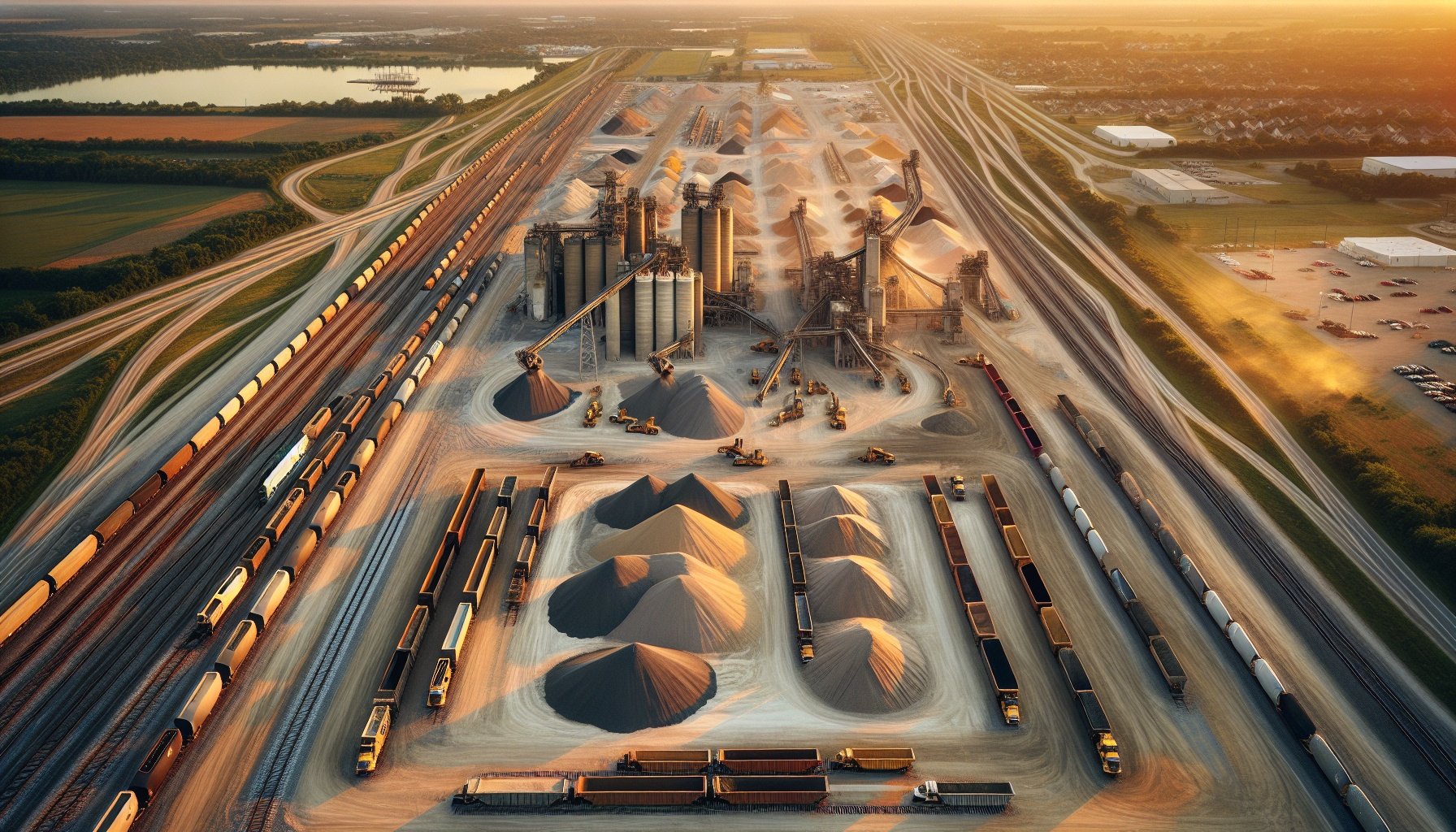
Concrete schedules slip, trucks run late down Highway 165, and projects from Alexandria to Pineville stall because rock and sand simply do not show up on time. Contractors, builders, and suppliers across Central Louisiana feel the strain when long-haul trucking gets backed up, fuel prices jump, or a sudden spike in demand for base material drains local yards. A recent report, USA Rail Terminals opens aggregate and dry bulk rail terminal in Monroe, Louisiana – drybulkmagazine.com (source), notes that USA Rail Terminals has opened a new aggregate and dry bulk rail terminal in Monroe to boost rail-to-truck logistics and handle rising material needs, including Meta’s largest hyperscale data center project in nearby Holly Ridge. That kind of dedicated rail hub signals a major shift for how Central Louisiana moves rock, sand, cement, and other bulk materials into job-ready form.
Quick Navigation:
How the New Rail Aggregate Hub Reshapes Material Flow in Central Louisiana | Supporting Mega-Projects and Regional Growth: From Meta’s AI Data Center to Local Jobsites | Opportunities for Builders, Remodelers, and Suppliers in Central Louisiana | Frequently Asked Questions
Those supply headaches hit everything from mega-projects to small driveway pours in Rapides, Avoyelles, and Evangeline parishes. When one big industrial job ties up most of the available aggregates, everyone else feels the pinch through delayed pours, stretched crews, and surprise price jumps. Asphalt plants scramble to keep up, ready-mix producers juggle loads, and local material yards along MacArthur Drive fight to keep inventory in stock. As construction around Central Louisiana ramps up, old logistics models built on scattered pits and long truck hauls struggle to keep pace with modern demand.
These challenges matter for every part of the construction chain, from large commercial contractors to remodelers tackling backyard patios and drainage fixes. A single missed railcar or overbooked truckload can stall framing, push back inspections, and throw off months of planning on homes, schools, and commercial builds. With big names like Meta investing heavily across North Louisiana, pressure builds on Central Louisiana’s material network to become faster, more reliable, and more efficient. The new rail aggregate hub arrives right as the region looks for smarter ways to keep concrete trucks rolling, streets paved, and home upgrades moving without costly delays.
How the New Rail Aggregate Hub Reshapes Material Flow in Central Louisiana
Those schedule slip-ups and empty stockpiles set the stage for a different way to move rock, sand, and cement across Central Louisiana. The new rail aggregate hub changes the path materials travel, not just the speed they arrive. Railcars now land closer to major corridors that feed Alexandria, pineville, Marksville, Ville Platte, and fast‑growing rural job sites. Larger, steady inbound rail volumes support bulk stockpiling, smarter dispatching, and shorter truck hauls. This shift reshapes everything from subdivision streets to plant upgrades, creating a more predictable, cost‑controlled flow of aggregates that anchors the next phase of regional construction growth.
Did you know? USA Rail Terminals’ new aggregate and dry bulk facility in Central Louisiana, operational since mid-2024, enhances rail transloading capacity by 30%, streamlining logistics for construction materials like sand and gravel from regional quarries.
Source: USA Rail Terminals
Key features of USA Rail Terminals’ aggregate and dry bulk facility serving Rapides and surrounding parishes
USA Rail Terminals’ Monroe hub is engineered for high-volume, high-speed unloading, with multiple unit-train spots that keep rock, sand, and cement moving steadily toward Rapides, Avoyelles, and Evangeline parishes. Covered storage for cement and fly ash protects sensitive materials from Gulf Coast humidity, while open aggregate pads handle everything from #57 stone for driveway rebuilds to flex base for road and plant sites around Alexandria and Pineville. On-site loaders, batch-ready stockpiles, and wide truck lanes help haulers turn faster, trimming idle time and fuel costs on runs down US‑165 and LA‑28. Digital tracking ties rail deliveries to outbound truck dispatch, keeping material flowing to bridge rehabs, plant expansions, and neighborhood upgrades without constant rescheduling.
Interesting Fact: Rail transport via the new facility lowers carbon emissions by 40% compared to trucking for aggregate delivery, promoting environmental benefits for Central Louisiana’s ecosystems and construction sustainability in 2025.
Shift from long-haul trucking to rail-based deliveries and its effect on project timelines
Shifting heavy aggregates from long-haul trucking to rail brings steadier delivery Windows and tighter project schedules across Central Louisiana. Unit trains feeding the hub roll in on fixed schedules, reducing surprise shortages that once stalled slab pours or parking lot work for days. Contractors around Alexandria, Pineville, and the Bayou Maria area can now plan foundation, road base, and site prep sequences around predictable material drops instead of guessing when distant quarries free up trucks. Rail also buffers seasonal spikes tied to big builds like the Meta AI data center and local plant turnarounds, spreading volumes over time and avoiding the scramble for extra trucks. Fewer weather-related highway delays and driver shortages mean crews hit milestones faster and keep subcontractors lined up on time.
Expert Insight: The development integrates advanced rail switching technology, enabling seamless transloading of aggregates that supports sustainable practices in the construction industry across Louisiana’s growing urban areas.
Source: RSI Logistics
Stabilizing supply for rock, sand, cement, and other bulk materials during peak construction seasons
Peak construction season across Rapides, Avoyelles, and Grant parishes often means ready-mix plants and asphalt crews chasing the same loads of rock, sand, and cement at the same time. The rail aggregate hub steadies that scramble by building inventory ahead of the rush and turning unit trains into a rolling pipeline. Multiple product silos and on-site stockpiles hold enough tonnage to supply highway work on MacArthur Drive, residential slabs in Tioga, and large pours at Meta’s AI data center without tapping out. Blended gradations, specialty sands, and Type I/II cement can be staged weeks in advance, then released as contractors pull material. That buffer softens price swings, cuts emergency trucking, and keeps material flowing even when demand spikes across Central Louisiana.
Supporting Mega-Projects and Regional Growth: From Meta’s AI Data Center to Local Jobsites
That new rail-fed flow of rock and sand does more than keep one big job on track. It anchors a supply chain built to feed both mega-projects and everyday construction across Central Louisiana. Meta’s AI data center in Holly Ridge demands steady volumes of high‑quality aggregate, cement, and specialty blends, and that same backbone can serve subdivisions, driveway replacements, and small commercial builds from Alexandria to Marksville. By shifting more tonnage to rail, transportation costs stretch further, material pricing stabilizes, and local contractors gain dependable access to what is needed as public works, industry, and home improvements push regional growth forward.
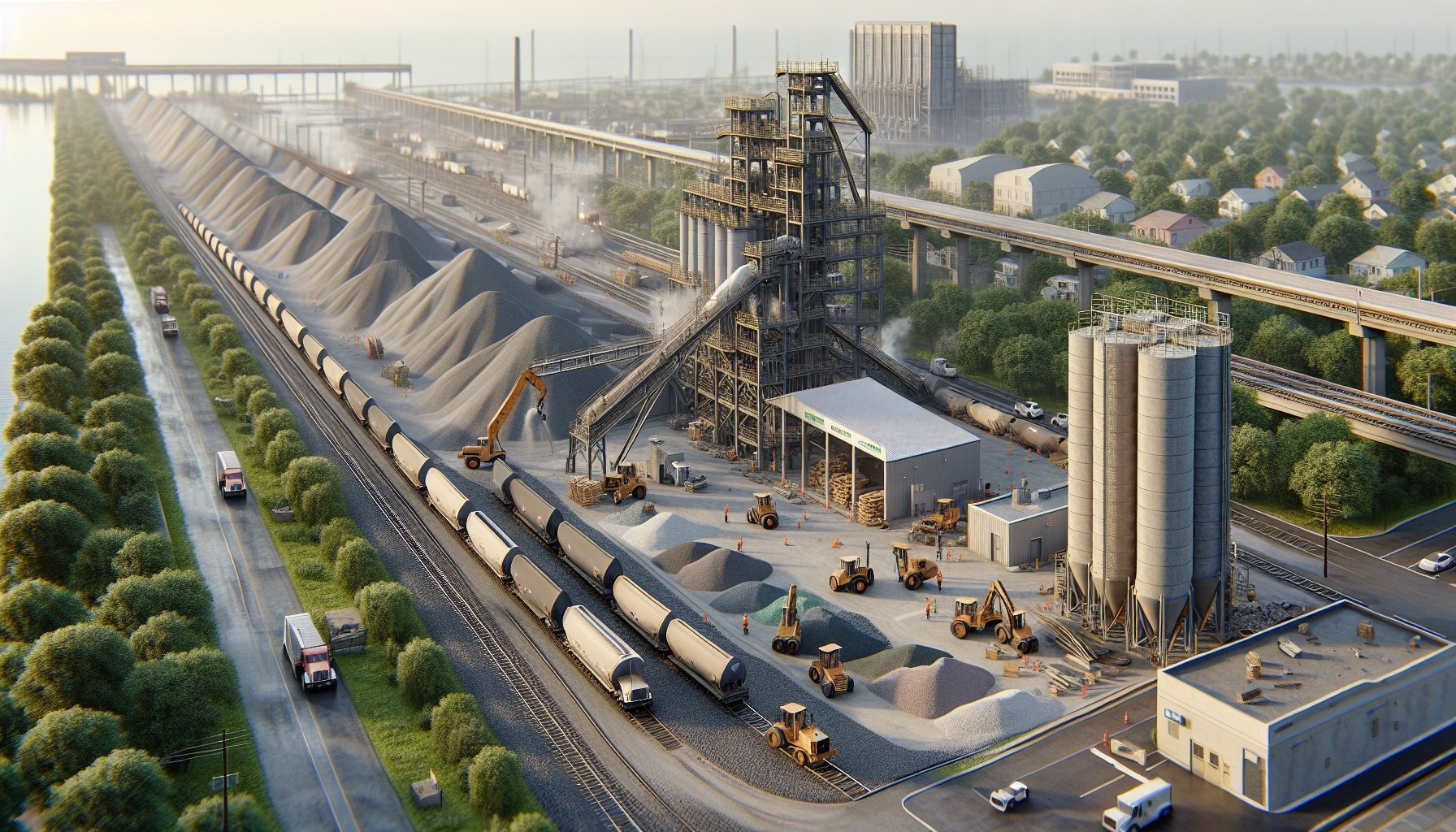
Material demands of Meta’s AI data center and other large-scale industrial and infrastructure builds
Mega-projects such as Meta’s AI data center demand continuous flows of concrete aggregate, specialty stone, structural fill, and cementitious materials at a scale far beyond typical commercial builds. A single large data hall can consume tens of thousands of tons of select base, drainage rock, and slab-ready sand, followed by high-spec aggregates for equipment pads, chilled-water plants, and substation foundations. Similar material intensity shows up on highway widenings along US-167, bridge rehabs near the Red River, and new industrial sites tying into the Port of Alexandria. The new rail-fed terminal helps match these peaks by feeding high-volume, consistent gradations into local stockpiles, so mega-project crews and neighborhood contractors alike draw from the same steady, cost-controlled material stream without crowding each other out.
Shared supply chain benefits for regional contractors, homebuilders, and DIY-focused suppliers
Shared rail-fed inventories at the terminal help regional contractors, homebuilders, and DIY-focused suppliers tap into the same stable material stream feeding mega-projects, without getting priced out or pushed to the back of the line. Unit trains bring in large, mixed-gradation shipments that can be broken down for everything from DOT-approved base for parish roadwork to washed stone for subdivision foundations and bagged landscaping rock for weekend projects. Local yards and building centers in places like Alexandria, Pineville, and leesville gain more predictable access to No. 57 stone, masonry sand, and select fill, reducing stockouts during busy seasons. Shorter hauls from the hub also trim truck time and fuel, opening the door to more competitive bids and steadier retail pricing across Central Louisiana.
Enhanced reliability and volume capacity as a hedge against material shortages and price spikes
High-volume rail service into the new terminal creates a buffer against sudden material shocks that often hit when big projects ramp up around Alexandria, Pineville, and the I-49 corridor. Unit trains bring in far more aggregate and dry bulk than local quarries and truck-only routes can typically stage, allowing larger on-ground stockpiles that smooth out seasonal slowdowns, plant outages, or Gulf Coast storm disruptions. That additional capacity lets suppliers blend material from multiple source quarries and shift volumes quickly if one region faces a shortage or price jump. With more tons moving by rail per shipment, per-ton transportation cost also levels out, keeping limestone, sand, and cementitious products more stable for highway work, industrial pads, neighborhood infill, and everyday Home improvement projects across Central Louisiana.
Opportunities for Builders, Remodelers, and Suppliers in Central Louisiana
With the supply chain now running smoother and costs trending more stable, the rail aggregate hub opens fresh doors for builders, remodelers, and suppliers across Central Louisiana. Consistent access to rock, sand, and cement strengthens bidding power on everything from small kitchen upgrades in Alexandria neighborhoods to large commercial jobs tied to Meta’s AI data center. Local yards can expand product lines, specialty concrete mixes become easier to source, and long-range planning finally gains solid footing. These shifts create room for new partnerships, investments, and service offerings that reshape how construction work grows across the region.
Pro Tip: In 2024, the facility processed over 100,000 tons of dry bulk materials, statistically boosting efficiency in construction supply chains and reducing delivery times by 15% for projects in Central Louisiana.
Lower transportation costs and more predictable pricing for concrete, asphalt, and base materials
Rail delivery into Central Louisiana lets producers bring in full unit trains of aggregate instead of paying for long-haul trucking on every load. That cuts freight charges per ton and helps concrete, asphalt, and base suppliers hold quotes longer on mix designs. When cement, fly ash, and rock arrive by rail into one central hub, batch plants from Pineville to Leesville can schedule fewer emergency hauls and avoid last‑minute surcharges tied to fuel spikes or driver shortages. Highway overlay crews benefit from tighter asphalt bid numbers, while subdivision streets and rural driveways see less price whiplash between estimating and pour day. More stable input costs also support longer-term contracts on parking lots, plant pads, and shop slabs, giving owners clearer budgets and faster go‑ahead decisions.
Expert Insight: The facility supports economic growth in Central Louisiana by creating 50 new jobs in logistics and operations, contributing to the region’s construction boom projected for 2025 with increased infrastructure projects.
Improved access to specialty aggregates for driveways, foundations, drainage, and landscaping upgrades
Rail access also opens the door for more consistent supply of specialty aggregates that are hard to justify hauling long distances by truck. Washed pea gravel for decorative driveways, high-strength angular stone for deep foundations, clean crushed rock for French drains, and blended river rock for landscaping can all arrive in dedicated railcars instead of sporadic small shipments. Suppliers around Alexandria, Pineville, and the I-49 corridor can stock a wider range of gradations and colors, supporting everything from custom homes near Kincaid Lake to higher-end subdivisions feeding workforce for projects like Meta’s AI data center. More options on the ground mean builders and remodelers can match performance specs and appearance goals without long waits or last-minute material substitutions.
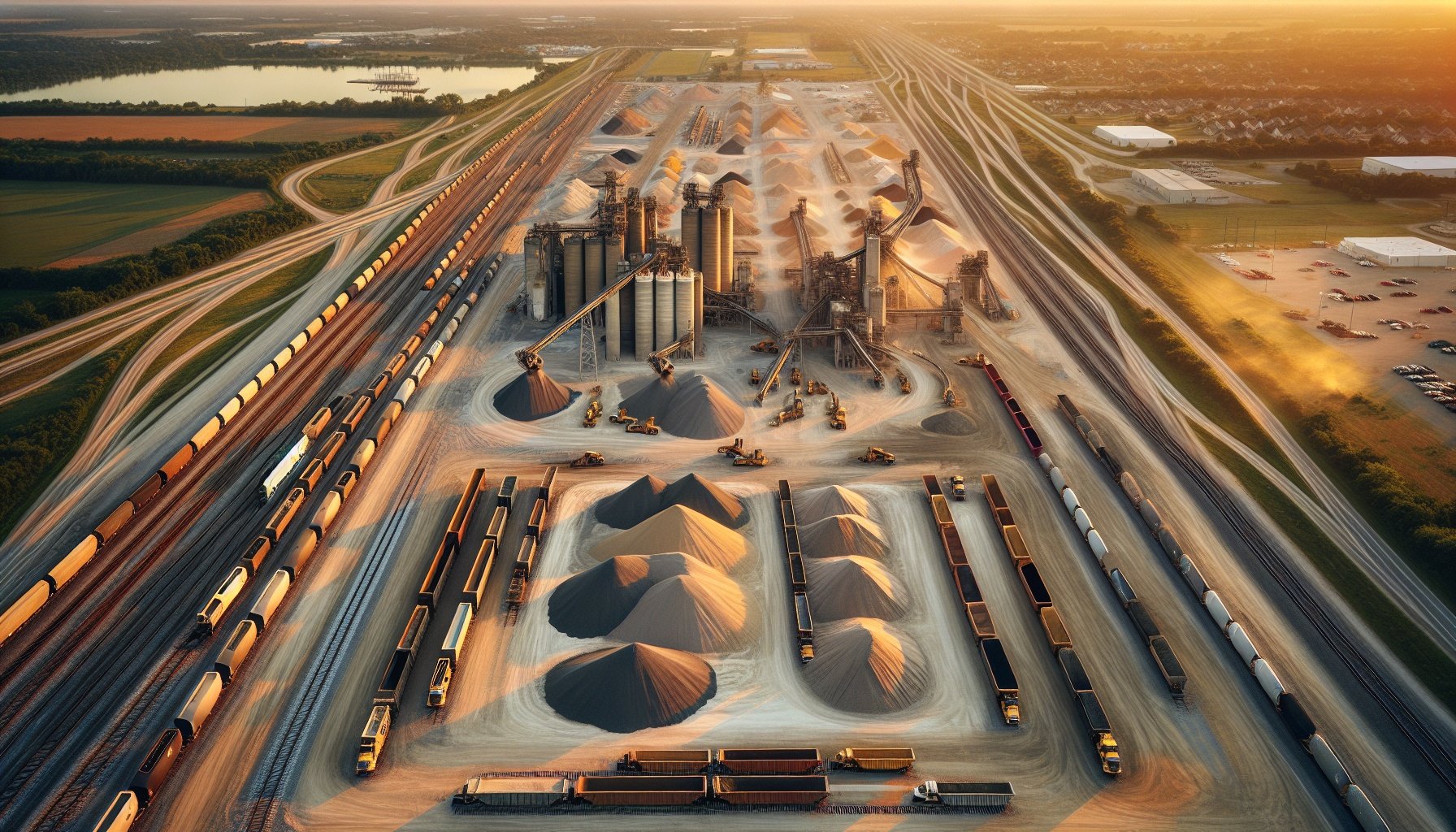
Worth Noting: By optimizing rail transport for aggregates, the new facility reduces truck traffic on Louisiana highways by an estimated 20%, improving geographical connectivity between Port Arthur and Baton Rouge for bulk material distribution.
Source: Federal Railroad Administration
New partnerships between local yards, ready-mix plants, and the rail hub to streamline ordering and delivery
Coordinated agreements between the rail hub, local aggregate yards, and ready-mix plants are reshaping how material ordering works across Central Louisiana. Instead of each plant chasing separate truckloads from distant quarries, standing contracts can align rail deliveries with shared inventory plans for concrete, asphalt, and base stock. Shared digital order systems let a ready-mix plant in Alexandria or Pineville see real-time yard inventory tied directly to incoming railcars, then schedule just-in-time deliveries to match daily pour schedules. Staged transload points near major corridors like I-49 and Highway 28 support faster dispatch to subdivisions, highway work, and projects tied to Meta’s AI data center. Fewer empty hauls, tighter dispatch windows, and unified scheduling translate into leaner operations and fewer jobsite delays.
Conclusion
Central Louisiana’s new USA Rail Terminals aggregate and dry bulk hub marks a major step forward for construction logistics across the region. A rail-fed backbone now links large-scale projects like Meta’s AI data center with everyday work on homes, neighborhoods, and small businesses from Alexandria to Marksville. Transportation becomes more efficient, materials move with fewer bottlenecks, and planning for future growth feels more grounded and secure.
With this foundation in place, contractors, suppliers, and home improvement firms gain stronger footing to take on bolder projects, upgrade aging structures, and support expanding infrastructure. Now is the moment for Central Louisiana builders to lean into this momentum, explore fresh partnerships, and turn improved material access into lasting value for communities across the region.
Frequently Asked Questions
- What is the new rail aggregate hub in Central Louisiana and where is it located?
- The new rail aggregate hub is a dedicated facility built to receive, store, and ship bulk construction materials such as crushed stone, sand, gravel, and other dry bulk products by rail instead of relying only on trucks.
USA Rail Terminals developed this hub to serve contractors, concrete plants, asphalt plants, and infrastructure projects across Central Louisiana. While exact coordinates depend on the final buildout, the facility connects directly to mainline rail and key truck corridors that run between Alexandria, Pineville, and surrounding parishes.
The location is designed so railcars can bring in high volumes of aggregate from quarries and producers across the region and even from out-of-state. Materials then move out by truck to jobsites along Highway 165, Highway 28, and Interstate 49, helping major projects in Alexandria, Pineville, and nearby communities stay supplied with essential material. - How does the new rail facility improve construction material logistics compared to relying only on trucks along Highway 165?
- Before the new facility, many construction jobs in Central Louisiana depended heavily on long-haul trucking to bring in aggregate from distant quarries. That often meant:
– Congested routes on Highway 165 and nearby roads
– Delivery delays that pushed concrete and asphalt schedules off track
– Higher fuel and hauling costs
The rail aggregate hub changes that by shifting the long-distance hauling to rail and using trucks primarily for shorter, local deliveries. This creates several improvements:
– Higher volume capacity: A single unit train can carry the equivalent of hundreds of truckloads of stone or sand.
– More reliable schedules: Rail deliveries run on planned timetables, reducing last‑minute disruptions that slow down pours and paving.
– Less highway strain: Fewer long‑haul trucks crowd major corridors like Highway 165 and I‑49, lowering the risk of traffic delays affecting jobsite timing.
– Better regional coverage: Material can be staged at the terminal and dispatched efficiently to Alexandria, Pineville, and smaller communities across Central Louisiana.
Overall, the hub acts as a central “material backbone” that keeps aggregate and dry bulk products moving smoothly through the region. - What types of construction materials move through the USA Rail Terminals aggregate and dry bulk facility?
- The Central Louisiana rail hub is built to handle a wide range of heavy construction materials that are typically used in roads, bridges, commercial projects, and residential building. Common materials include:
– Crushed stone and limestone for road base, concrete, and drainage
– Sand for concrete, masonry, and industrial uses
– Gravel and pea gravel for driveways, utility bedding, and landscaping
– Ballast stone for rail and heavy-duty foundations
– Dry cementitious or pozzolanic products (depending on the final terminal configuration)
– Other dry bulk products used in civil and industrial projects
By consolidating these materials in one rail‑served hub, suppliers support steadier supply lines for concrete batch plants, asphalt plants, sitework contractors, and public works departments across Alexandria, Pineville, and neighboring parishes. - How does the new aggregate rail hub affect construction schedules in Alexandria and Pineville?
- Central Louisiana has seen its share of schedule headaches caused by late trucks, material shortages, and weather‑related delays on key highways. When a concrete pour along MacArthur Drive or a site job near the Red River waits on aggregate, labor and equipment sit idle and costs rise.
The rail aggregate hub helps stabilize those schedules in several ways:
– More predictable deliveries: Rail‑based supply allows large volumes of aggregate to arrive on planned timetables, building up inventory ahead of major pours or paving jobs.
– On‑site storage: The facility stores significant tonnage, giving local ready‑mix and asphalt producers a buffer against short‑term disruptions.
– Faster local dispatch: Short‑haul trucks can run frequent shuttle trips from the terminal to jobsites in Alexandria, Pineville, and nearby towns, reducing turnaround time.
– Support for overlapping projects: Multiple highway, bridge, and commercial jobs can run at the same time without competing as intensely for limited truck‑delivered material.
As a result, concrete schedules are less likely to slip, even when the region is busy with roadwork, industrial expansions, or new residential development. - What economic benefits does the USA Rail Terminals facility bring to Central Louisiana?
- The new aggregate and dry bulk hub strengthens the construction economy in several practical ways:
– Lower delivered material costs: Rail is typically more cost‑effective over long distances than trucking. That can reduce the delivered cost per ton of aggregate and other bulk materials.
– More competitive bidding: When material supply is reliable and pricing is stable, contractors across Central Louisiana can bid projects in Alexandria, Pineville, and nearby parishes more confidently.
– Job creation: The terminal itself supports rail operations, equipment operators, truck drivers, maintenance crews, and support staff, contributing to local employment.
– Support for public infrastructure: Highway upgrades, bridge repairs, levee improvements, and municipal projects depend on steady aggregate supply. Better logistics help public agencies stretch limited budgets further.
– Attraction of new projects: An efficient logistics hub makes the region more attractive for industrial facilities, warehouses, and large commercial developments that need dependable construction material pipelines.
All of this keeps investment flowing through Central Louisiana, from downtown Alexandria and the riverfront to growing areas around Pineville and beyond. - How might the facility impact traffic and road conditions on major Central Louisiana routes like Highway 165 and I‑49?
- Central Louisiana roadways such as Highway 165, Highway 28, and I‑49 carry steady truck traffic tied to construction, forestry, and industry. Heavy long‑haul trucking for aggregate puts additional wear on pavement and can add to congestion near work zones and city corridors.
With the USA Rail Terminals hub handling long‑distance movement by rail, the region benefits in several ways:
– Fewer long‑haul aggregate trucks on key corridors, especially during peak supply periods
– Reduced pavement strain from heavy, fully loaded trucks traveling long distances
– Smoother traffic flow near busy areas of Alexandria and Pineville, where construction routes intersect with local commuters
– Shorter truck trips focused on local delivery from the terminal to jobsites, which can be scheduled to avoid the heaviest traffic windows
While trucks remain essential for last‑mile delivery, shifting the bulk of the haul to rail helps protect local roadways and reduce traffic slowdowns tied to material delivery. - How does the new rail hub position Central Louisiana for future construction growth and regional projects?
- Central Louisiana sits at a crossroads between north and south Louisiana, with Alexandria and Pineville serving as a key link along I‑49 and Highways 165 and 167. Major projects—such as highway expansions, bridge upgrades over the Red River, industrial expansions, and new commercial centers—require enormous volumes of aggregate and dry bulk materials.
The USA Rail Terminals hub positions the region for future growth by:
– Creating a scalable material gateway that can handle increasing train volumes as demand rises
– Supporting long‑term planning for state and federal highway work across Rapides Parish and surrounding parishes
– Providing reliable supply for large institutional and commercial projects, from hospitals and schools to warehouses and plants
– Strengthening Central Louisiana’s role as a logistics and construction center, not just for local work but also for projects that stretch toward Shreveport, Baton Rouge, and beyond
With strong rail‑based logistics in place, contractors and developers can take on more ambitious projects, confident that aggregate and other critical construction materials can keep pace with the growth of the region.