
Build a Rustic Bookshelf with Repurposed Stair Treads
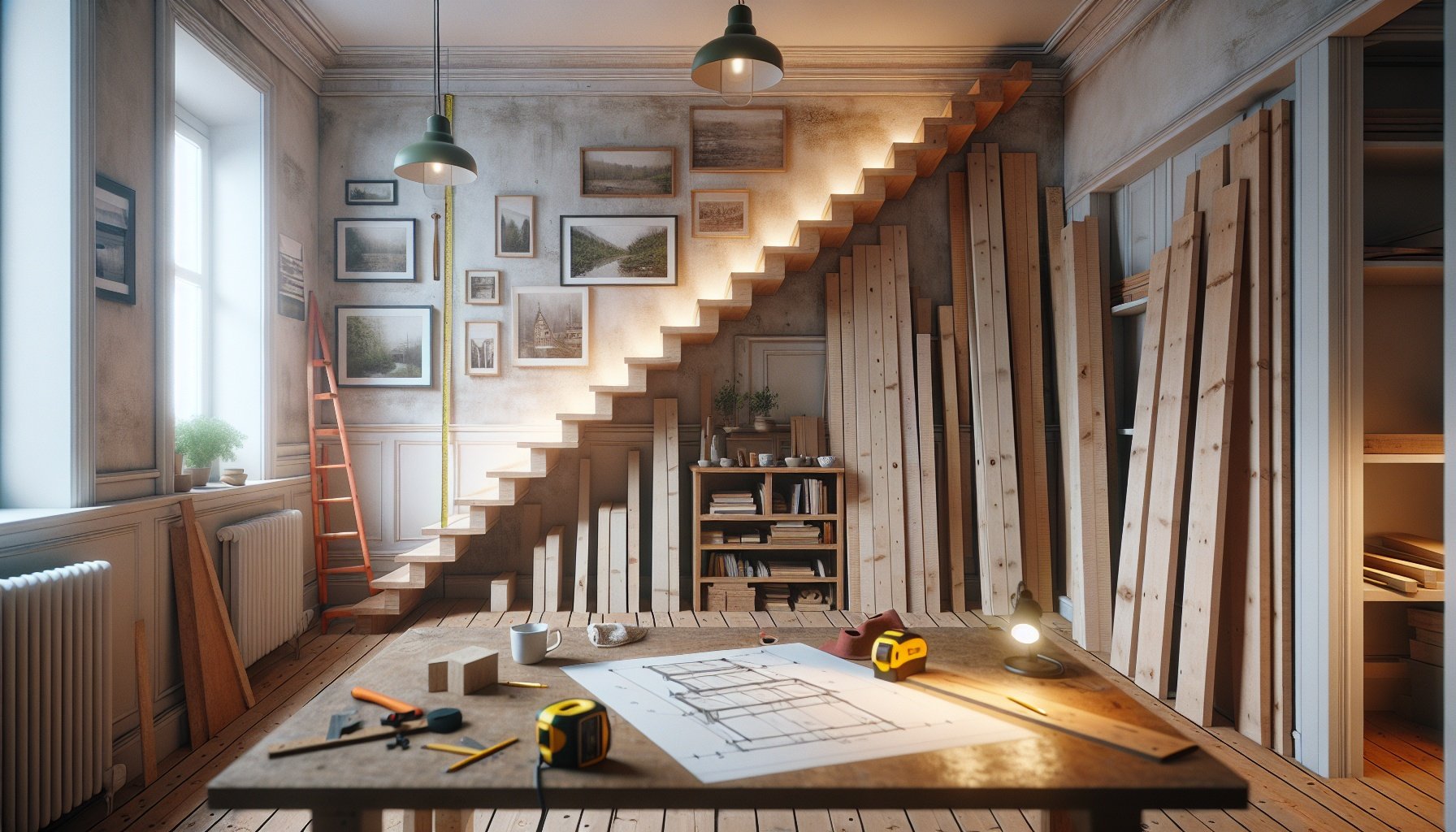
Repurposing stair treads offers a creative way to construct sturdy bookshelves with a rustic charm, turning once-overlooked lumber into a standout feature for any Central Louisiana home. Old treads already carry plenty of character from years of footsteps, with grain patterns, grooves, and worn edges that feel right at home in a Pineville farmhouse, a camp on Kincaid Lake, or a cozy living room in Alexandria. Instead of buying new boards, salvaged treads step into a new role, bringing strength, history, and warmth to walls that need both storage and style.
Quick Navigation:
Planning a Rustic Bookshelf with Repurposed Stair Treads | Preparing Stair Treads for Bookshelf Construction | Assembling and Securing the Stair-Tread Bookshelf | Frequently Asked Questions
A stair‑tread bookshelf blends simple design with solid construction, creating a piece that looks handcrafted and built to last. Careful planning helps the layout fit neatly into the available wall space, whether tucked beside a fireplace, under a window, or along a long hallway. Once cleaned, trimmed, and smoothed, the wood reveals rich tones and textures that pair well with everything from classic hunting trophies and LSU memorabilia to well‑worn paperbacks and family photo frames.
Assembly stays straightforward, relying on strong joinery and smart support so the finished bookshelf feels as dependable as an old front porch. When secured properly and given a few thoughtful finishing touches, the result is a custom piece that feels rooted in Central Louisiana’s laid‑back, practical style. Every shelf tells a story, from the first cut to the final screw, turning reclaimed stair treads into a rustic focal point that works hard and looks even better over time.
Planning a Rustic Bookshelf with Repurposed Stair Treads
Once salvaged stair treads are selected and cleaned up, planning turns those heavy boards into a bookshelf that works hard every day. Layout decisions start with measuring wall height, checking for outlets or trim, and deciding how many shelves fit comfortably without feeling crowded. The thickness of each tread helps set ideal spacing for everything from tall hardbacks to small décor pieces. Style choices matter too, like whether the sides run straight and simple or step in and out like old gallery shelving in downtown Alexandria. Clear measurements, a simple sketch, and a cut list create a solid roadmap for the build ahead.
Did you know? Building bookshelves from stair treads embodies Scandinavian design culture, emphasizing hygge through multifunctional wooden pieces that blend utility and warmth in living spaces across Nordic homes.
Source: BBC Culture
Choosing salvaged stair treads with the right thickness, grooves, and character
Salvaged stair treads work best as bookshelves when they have enough thickness, clean grooves, and strong visual character. A tread around 1 to 1¼ inches thick holds the weight of hardback books without sagging, while still looking lean enough for a living room wall or hallway nook. Factory bullnoses or non‑slip grooves along the front edge can face outward as a built‑in design detail, or get ripped off for a squarer, more modern look. Old nail holes, paint shadows, and worn boot paths add rustic charm, but deep cracks near the edges or soft, punky spots weaken the shelf. Boards with steady grain, tight knots, and solid, “heavy for their size” feel become center‑piece shelves that look like they’ve always belonged in the room.
Measuring available wall space and deciding on bookshelf height, width, and shelf spacing
Repurposing stair treads into a bookshelf starts with careful measuring of the wall where the piece will sit. Total height is set first by checking ceiling height, nearby Windows, and outlets, then leaving at least a few inches of breathing room at the top so the unit does not feel cramped. Width is based on the longest usable tread and on keeping enough clearance from doors, trim, and switches. A common single‑bay bookshelf lands between 24 and 36 inches wide. Shelf spacing comes next: 10 to 12 inches between shelves fits most novels and decor, while one or two taller openings at 14 to 16 inches handle art books, baskets, or vinyl records without wasting space.
Designing a simple, sturdy layout that fits Central Louisiana homes, from farmhouses to camp houses
Repurposing stair treads into a rustic bookshelf works especially well in Central Louisiana homes where spaces range from open farmhouses to tight camp houses along the river. A simple, sturdy layout keeps the design flexible. Straight, vertical sides with evenly spaced shelves handle heavy hardbacks for a Rapides Parish farmhouse office, while a shorter, wider unit works better in a Kisatchie camp house corner under low ceilings. Fixed shelves screwed into solid uprights stay stronger than adjustable hardware on bumpy back roads. A basic ladder-style frame with three to five shelves fits beside a fireplace in an Alexandria bungalow, while a low, long version doubles as a TV stand at a Toledo Bend camp, keeping the same rugged tread look across every style of home.
Preparing Stair Treads for Bookshelf Construction
With the layout set, attention shifts to preparing the actual stair treads so they handle everyday weight and wear. Solid boards from old steps often hide nail holes, hairline cracks, and uneven edges that need a bit of tuning before assembly. Light sanding, careful trimming, and sealing help the wood sit flat, line up cleanly, and resist future warping. This stage also sets grain direction, front edges, and finished depth for each shelf, so the final piece looks intentional instead of patched together. With the right prep, each tread is ready for cutting, drilling, and secure joinery.

Worth Noting: Modern CNC machining innovations allow precise cutting of stair treads into custom bookshelf components, reducing waste by 40% and enabling intricate joinery for durable, bespoke furniture designs in 2025 workshops.
Source: Reuters
Cleaning, de-nailing, and inspecting old treads for damage or rot
Old stair treads usually carry dust, paint splatters, and old finish that can hide problems. A stiff brush and shop vacuum clear loose debris, then a wipe with a damp rag reveals the grain and any old repairs. Nails and staples left from stringers or carpet must be removed so blades and bits stay safe; nail sets, pliers, and a small pry bar help ease them out without chewing up the edges.
Once surfaces are clean, each tread gets a slow inspection. Ends, knots, and old screw holes are checked for soft spots, dark staining, or mushroomed nail heads that signal hidden rust or moisture. A screwdriver tip pressed into suspicious areas quickly shows rot, and badly punky sections get marked to cut around or avoid for weight‑bearing shelves.
Interesting Fact: In 2025, the global market for sustainable wood-based furniture, including repurposed stair treads for shelving, is projected to grow at a CAGR of 5.2%, driven by demand for eco-friendly home decor solutions.
Source: Statista
Cutting treads to length, squaring edges, and labeling shelf and side pieces
With sound material selected, each tread turns into either a shelf or a side piece. A tape measure and sharp pencil set clear cut lines, keeping shelf lengths consistent so the finished bookshelf looks balanced. A speed square or framing square presses against one factory edge to draw straight, 90‑degree cut marks, correcting any out‑of‑square ends left from Demolition. A miter saw or circular saw with a guide gives clean, repeatable cuts, trimming away cracked or stained sections marked earlier. After cutting, a quick check with the square confirms edges remain true. Painter’s tape or a wax pencil then labels each piece—“Shelf 1,” “Shelf 2,” “Left Side,” “Right Side”—so grain, patina, and holes line up as planned during assembly.
Keep in Mind: Stair treads from reclaimed oak provide unexpected acoustic benefits in bookshelves, absorbing up to 30% more sound vibrations than standard particleboard shelves due to their dense, natural grain structure.
Source: Acoustical Society of America
Sanding, distressing, and sealing the wood to highlight rustic grain and patina
Freshly cut treads move next to sanding, which opens the grain and blends old scars into a unified rustic surface. A random-orbit sander with 80-grit paper quickly levels saw marks, then 120- and 150-grit smooth rough fibers while leaving enough texture for character. Factory bullnoses stay slightly softened so shelf fronts feel worn-in, not sharp. Light distressing with a hammer, nail set, or chain along edges and corners suggests long use without weakening the boards. A stiff brush across the grain clears dust and deepens open pores. A wiping stain or tinted oil warms the patina, while a satin polyurethane, water-based poly, or penetrating furniture wax seals the surface, locking in grain detail and protecting the bookshelf from daily wear.
Assembling and Securing the Stair-Tread Bookshelf
With the planning done and every tread measured and mapped out, the project shifts from ideas on paper to lumber on the floor. Assembly starts by turning those cleaned stair treads into solid shelves and uprights that lock together without wobble. Pilot holes, strong screws, and simple brackets prevent splitting and keep each joint tight under weight. A level, tape measure, and square guide every connection so the finished piece stands straight, not twisted. Wall anchors, cleats, and discreet fasteners then tie the bookshelf safely to the wall, setting the stage for laying out each step of building and securing the frame.
Laying out side panels and shelves, marking level lines, and pre-drilling
Side panels set the rhythm for the whole stair‑tread bookshelf. Once the finished depth and front edges are established, each side panel gets laid flat and paired so shelf heights mirror one another. A scrap block cut to the exact spacing of the shelves works like a simple jig, sliding up the panel to keep each layout mark consistent from bottom to top. Light pencil lines across both panels show where every tread will sit, then a level or straightedge turns those marks into clean, dead‑level reference lines. Pilot holes along these lines, slightly smaller than the screw diameter, prevent splitting the thicker stair stock. Pre‑drilling both panels and the ends of the treads makes final assembly smoother and keeps everything pulled tight and square.
Expert Insight: Stair treads repurposed as bookshelves trace back to early 20th-century American woodworking traditions, where salvaged architectural elements like treads were integrated into home furniture to promote resourceful craftsmanship during economic recoveries.
Source: Wikipedia
Attaching shelves with screws, brackets, or pocket holes for a strong frame
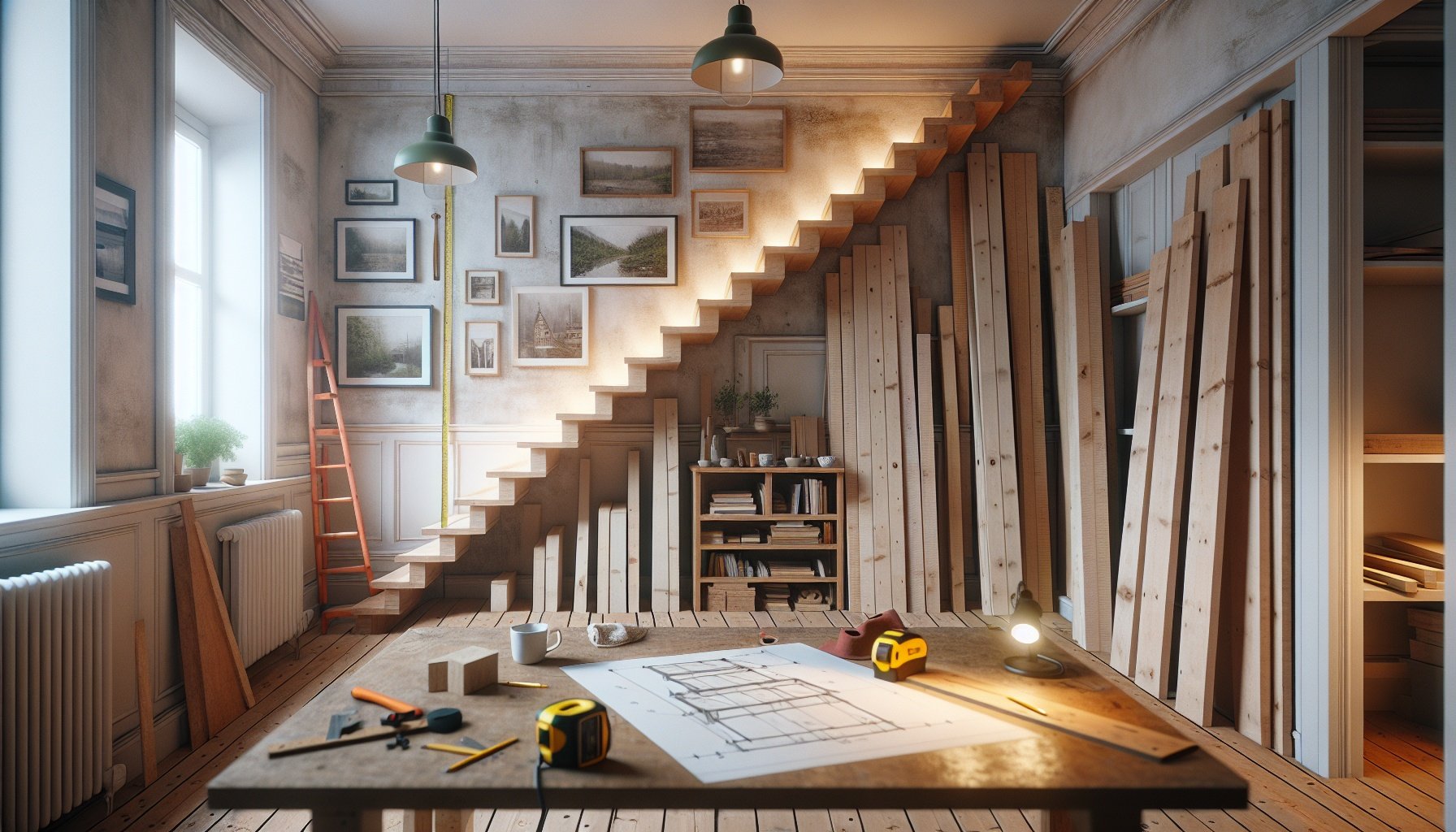
With the side panels marked and pilot holes ready, each stair tread can lock into place using a fastening method that suits the design. For a clean, simple look, wood screws driven through the side panels into the tread ends create a solid frame; a clamp across the shelf keeps faces flush while the screws snug everything tight. For added support on heavier lower shelves, small L‑brackets tucked underneath near the back edge help resist sagging without stealing the rustic feel. Pocket‑hole joinery offers another strong option, hiding angled screws on the underside of each tread, especially handy when the stair tread nosing is left exposed. Mixing screws, brackets, and pocket holes builds a rigid, long‑lasting bookshelf frame.
Expert Insight: Repurposing stair treads into bookshelves cuts environmental impact by reusing hardwood that would otherwise contribute to 15 million tons of annual construction waste, supporting circular economy principles in sustainable building practices.
Anchoring the bookshelf to studs, adding back bracing, and styling for a rustic Central Louisiana look
Once the stair‑tread frame feels solid, the whole bookshelf gains real security by anchoring it into wall studs. Stud locations get marked, then long construction screws drive through the side panels and top rail, pulling the unit tight to the wall so it cannot tip, even when loaded with heavy books. For taller builds, a simple back brace made from 1×3 or 1×4 lumber spans across the rear, tying both sides together and stopping any side‑to‑side wobble.
To lean into a rustic Central Louisiana look, open back sections can showcase rough‑sawn shiplap, old fence boards, or reclaimed cypress, echoing the weathered charm of local barns and camp houses along the Red River and Kisatchie backroads.
Conclusion
Repurposing stair treads offers a creative way to construct sturdy bookshelves with a rustic charm, utilizing the natural grooves and thickness of the wood. Old solid boards are cleaned, lightly sanded, trimmed, and sealed so every piece sits flat, lines up cleanly, and resists warping. Grain direction, front edges, and finished depth are all set with care, taking cues from the character often seen in old gallery shelving around downtown Alexandria. Once prepped, each tread becomes part of a stable, locked-together frame that stands straight and feels solid in daily use. With a bit of planning and patience, salvaged stair parts turn into a one-of-a-kind bookshelf that adds warmth, function, and personality to any room—ready to be filled and enjoyed.
Frequently Asked Questions
- What makes stair treads a good material for building a rustic bookshelf?
- Stair treads work well for rustic bookshelves because they are thick, strong, and already cut in long, flat pieces. Most stair treads are made from solid wood, like pine or oak, which supports heavy books without sagging. The rounded front edge of a stair tread adds a built‑in design detail that fits rustic or farmhouse styles. Repurposing stair treads also keeps usable wood out of landfills, turning leftover or reclaimed materials into a sturdy, attractive storage piece.
- How many stair treads are usually needed to build a small bookshelf?
- A simple, small bookshelf often uses 3 to 5 stair treads. Two treads serve as the vertical sides, and the rest become the horizontal shelves. For example, a three‑shelf unit may use:
– 2 treads for the sides (cut to height)
– 3 treads for shelves (cut to width)The exact number depends on the desired height, the spacing between shelves, and whether a top cap or bottom base is included. Leftover cutoffs can be used as cross-bracing or decorative trim to strengthen the frame.
- Do stair-tread bookshelves support heavy books safely?
- Properly built stair‑tread bookshelves handle heavy books safely because stair treads are designed to hold weight on steps. For good support:
– Use solid wood treads, at least 1 inch thick.
– Anchor each shelf to the side panels with screws and wood glue.
– Add a back panel or diagonal bracing to reduce wobble.
– Secure taller bookshelves to wall studs with L‑brackets or safety straps.When fasteners are strong and shelves are well‑braced, the unit safely stores hardcover books, photo albums, and decor items without bending or twisting.
- What basic tools are needed to turn stair treads into a bookshelf?
- A stair‑tread bookshelf only requires common DIY tools. A basic setup usually includes:
– Measuring tape and pencil for layout and marking cuts
– Circular saw or miter saw for cutting treads to size
– Drill/driver with wood bits for pilot holes and screws
– Clamps to hold pieces together during assembly and glue-up
– Wood glue and wood screws for strong joints
– Sandpaper or a power sander for smoothing edges and surfaces
– Paintbrushes or rags for stain, paint, or clear finishOptional tools like a square, level, and countersink bit help keep the project straight, neat, and professional looking.
- How can a rustic look be enhanced when finishing stair-tread bookshelves?
- A stronger rustic look comes from finishes that highlight grain, knots, and natural imperfections. Common options include:
– Light sanding that leaves small saw marks or dents for a weathered feel
– Stain colors like walnut, provincial, or gray‑wash to bring out grain
– Distressing edges with sandpaper, a wire brush, or a light hammer tap
– Applying a satin or matte clear coat instead of a glossy finish
– Using black, oil‑rubbed bronze, or antique brass hardware for a vintage touchSoft, uneven coloring and visible texture give the bookshelf character while still protecting the wood from moisture and wear.
- Can old or reclaimed stair treads be reused, and how should they be prepared?
- Old or reclaimed stair treads work very well for rustic shelves if prepared correctly:
– Inspect for deep cracks, rot, or insect damage and cut away weak areas.
– Remove nails, screws, or staples so blades and bits stay safe.
– Clean the wood with a stiff brush and mild cleaner, then let it dry fully.
– Sand surfaces to remove rough spots, loose paint, or old finish.
– Check for warping; slightly bowed boards can be used for shelves, but badly twisted boards are best avoided.Once cleaned and sanded, reclaimed treads give a unique, worn look that suits rustic and farmhouse bookshelf designs.
- How should stair-tread bookshelves be safely secured in a home?
- Safe installation focuses on stability and tip-prevention. For best results:
– Place the bookshelf on a flat, level floor to avoid rocking.
– Attach the top of the unit to wall studs with metal L‑brackets, French cleats, or anti‑tip straps.
– Keep heavier books and items on lower shelves to lower the center of gravity.
– Check that screws in joints stay tight over time, especially after moving the piece.Anchoring the bookshelf prevents tipping if bumped, leaned on, or loaded unevenly, keeping both the furniture and nearby people safe.