
Bathroom Backsplashes: Stylish Protection for Any Space
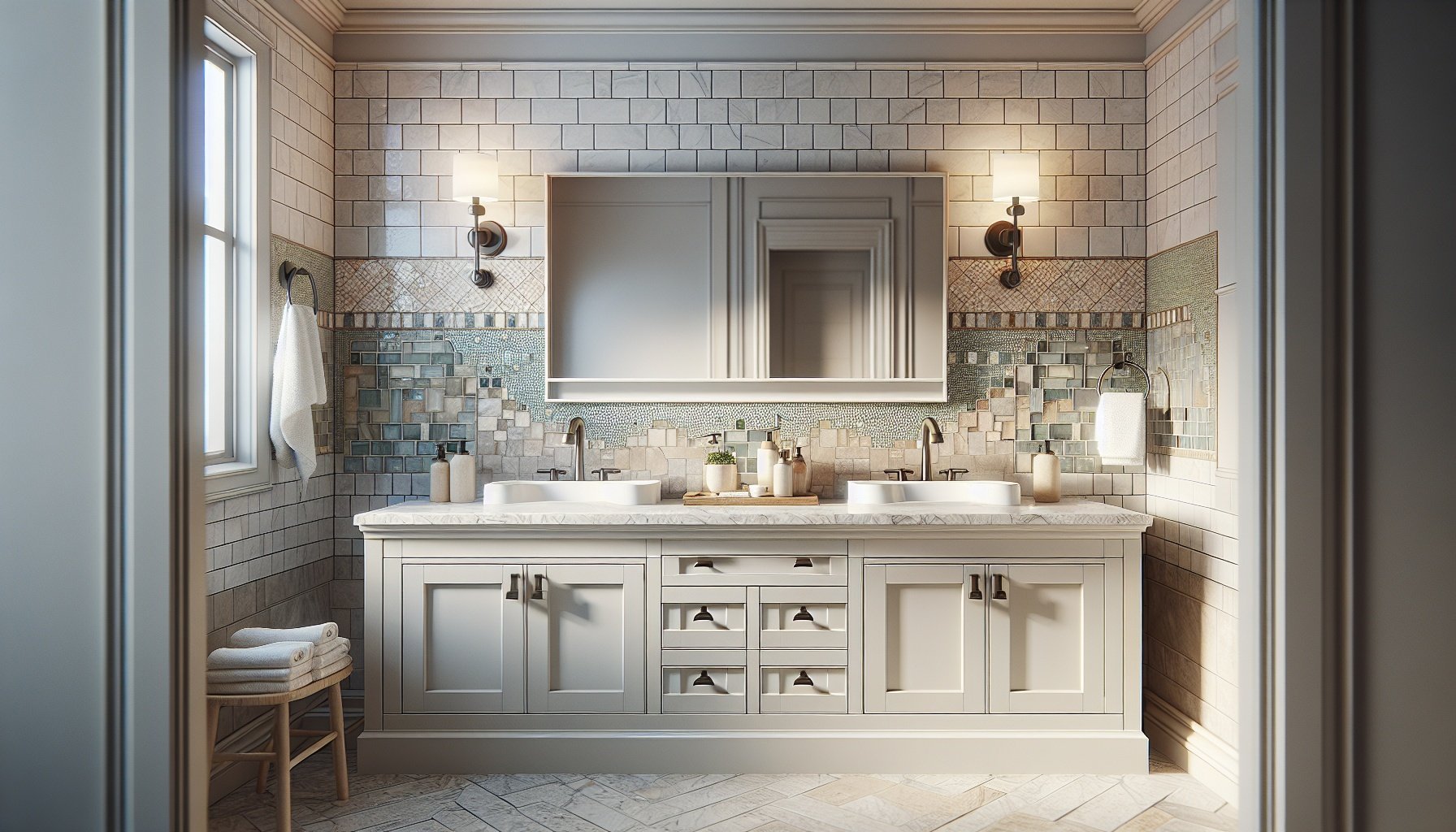
Bathroom backsplashes serve as protective barriers against water splashes and humidity while contributing to the room’s visual appeal, and that balance matters even more in the hot, damp air of Central Louisiana. Around Alexandria, Pineville, and every camp house along the bayous, bathroom walls face constant moisture, soap, and daily wear that can stain paint and damage drywall. A well-designed backsplash blocks that mess, keeps maintenance simple, and adds a polished, finished look around sinks and vanities. From classic porcelain and ceramic tile to sleek glass mosaics and spa-like stone, backsplash choices shape the mood of the entire space, whether the goal is clean and modern or warm and rustic. Thoughtful planning ties everything together, lining up tile with mirrors, cabinets, and fixtures so the whole bathroom feels intentional and well-built. Proper installation, with the right adhesives, grout, and sealers for a humid climate, turns a simple accent wall into long-lasting protection that stands up to daily showers and busy mornings. With a smart layout, the right height, and materials that match local lifestyles—from family homes in town to weekend retreats on the water—a bathroom backsplash becomes one of the hardest-working and best-looking features in the room, turning a basic space into something that feels fresh, durable, and ready for anything Central Louisiana weather can bring.
Quick Navigation:
Key Functions and Benefits of Bathroom Backsplashes | Popular Backsplash Materials and Design Options | Planning and Installing a Bathroom Backsplash | Frequently Asked Questions
Key Functions and Benefits of Bathroom Backsplashes
Beyond basic moisture protection and a polished look, bathroom backsplashes deliver several hard‑working advantages that often go unnoticed. They simplify cleaning by creating a smooth, stain-resistant surface behind sinks and tubs, cutting down on scrubbing time after busy mornings or post‑game cleanups. They also help control long‑term maintenance costs by shielding vulnerable areas where leaks and splashes tend to start trouble. A well‑planned backsplash can even brighten a small bath, reflect light in windowless spaces, and add a custom touch that fits any budget. These key functions and benefits shape how different backsplash choices perform day after day.
Protection from moisture, splashes, and Central Louisiana humidity
Bathroom backsplashes serve as the first line of defense when steam hangs heavy after a long shower or when sinks stay busy on a hot Central Louisiana day. Dense, nonporous materials like ceramic, porcelain, and glass keep moisture from seeping into the wall, even when air conditioners struggle against outside humidity. Higher backsplashes behind pedestal sinks catch stray water that would otherwise run down and soak baseboards, while tight grout lines and quality sealers help block mildew growth. Around tubs and showers, extended tile borders protect corners and seams where moisture likes to settle. In homes near the Red River or Kisatchie, where Windows often stay closed and air gets muggy, a well-built backsplash helps walls stay solid, smooth, and easy to wipe clean.
Pro Tip: In Mediterranean cultures, intricate mosaic tile backsplashes in bathrooms draw from ancient Roman and Moorish traditions, symbolizing luxury and water reverence in contemporary designs.
Source: BBC
Enhancing style, color, and visual balance around vanities and sinks
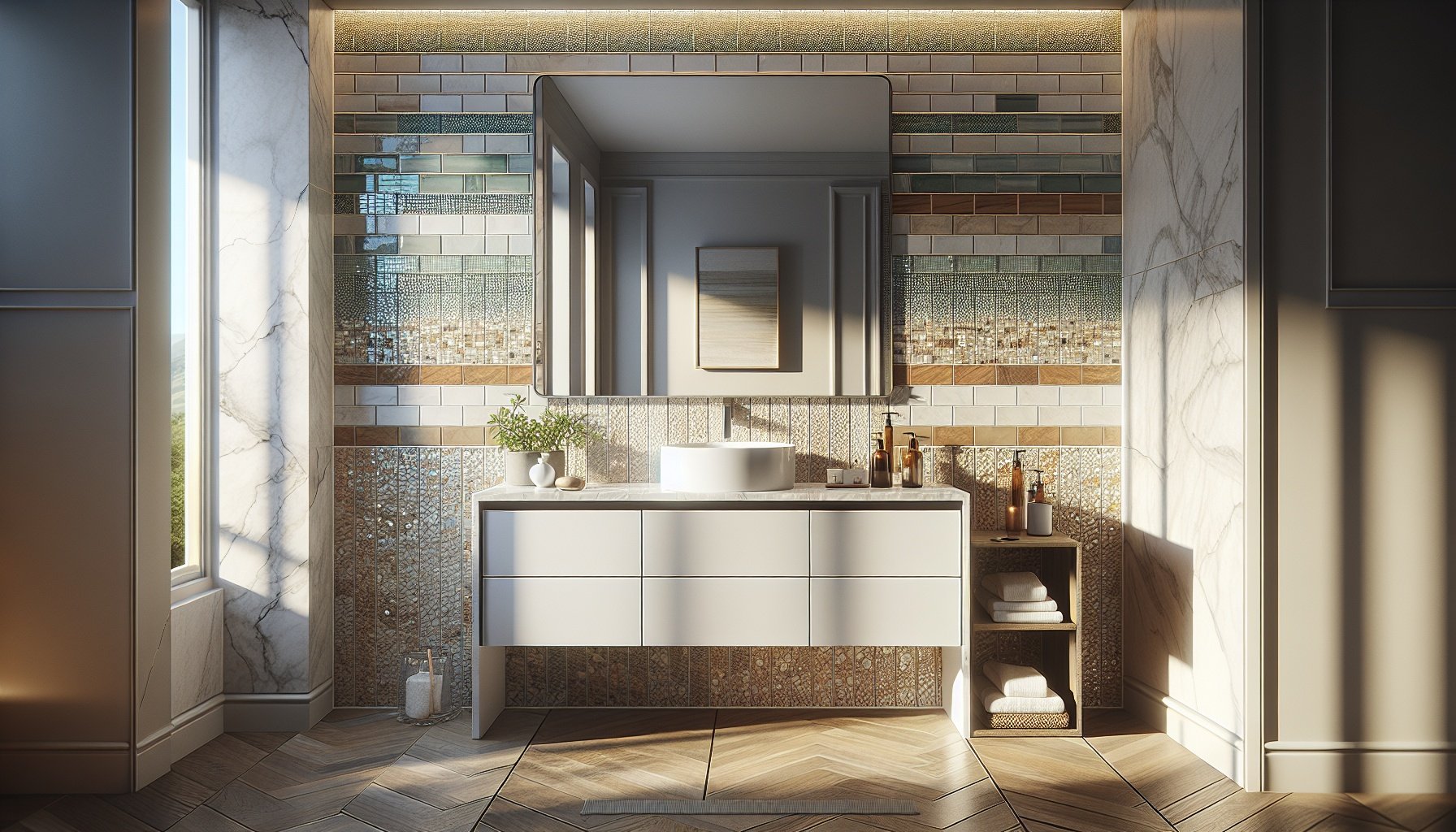
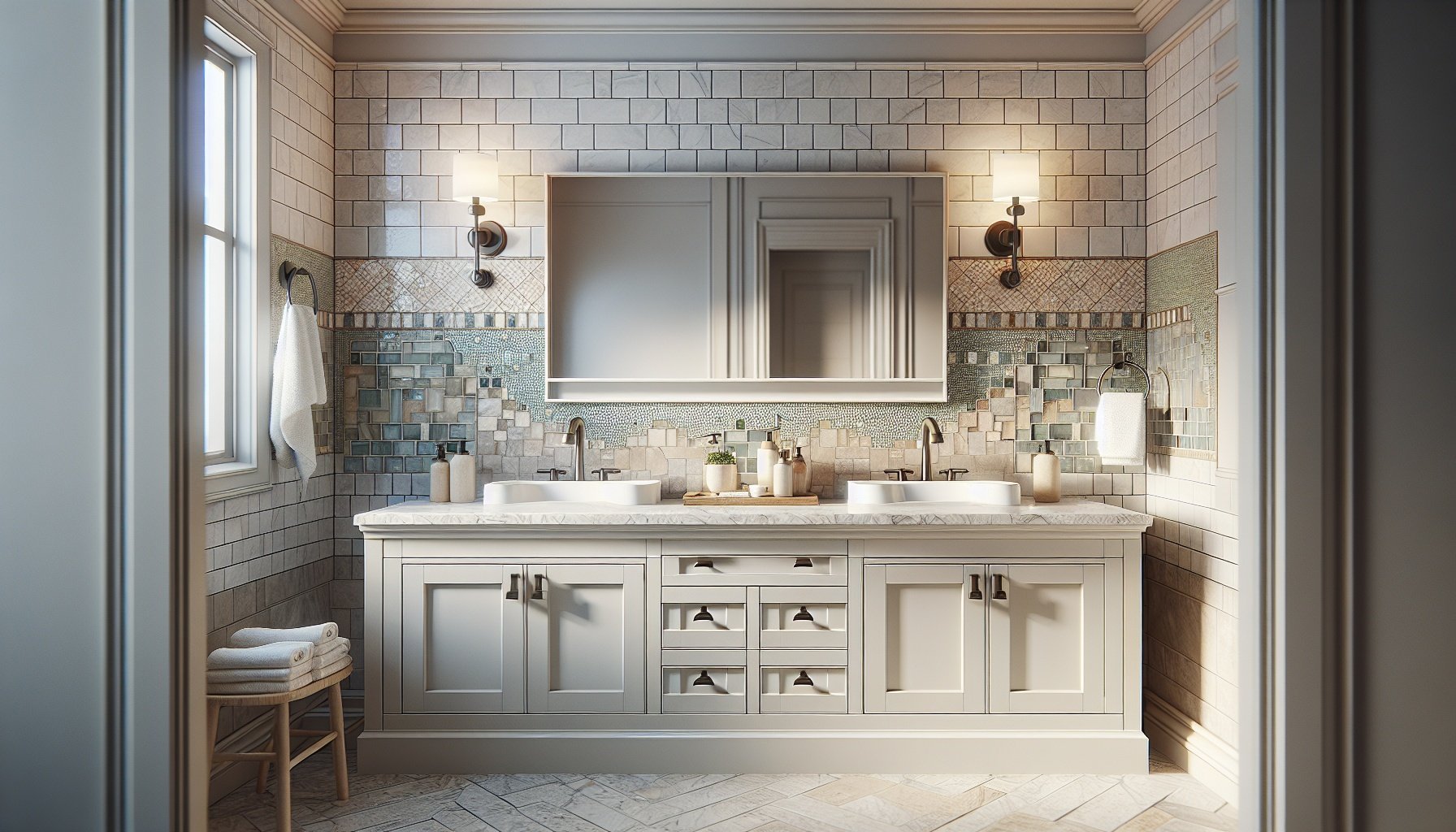
Backsplashes around vanities and sinks frame the countertop area and pull the whole bathroom design together. Tile height and shape can balance the proportions of tall mirrors, wide double-sink vanities, or compact powder room sinks. A slim band of glass mosaic above a porcelain tile field adds sparkle under vanity lights, while a full-height backsplash to the ceiling creates a bold, custom look. Soft, neutral tiles calm busy granite or quartz patterns, and rich colors like deep blue or charcoal anchor light countertops and white cabinets. Repeating accent colors found in towels, hardware, or wall paint within the backsplash keeps the space cohesive, turning the sink wall into a polished, well-balanced focal point instead of a blank, forgotten surface.
Did you know? Bathroom backsplashes originated in the early 20th century as ceramic tile applications to protect walls from water damage in utilitarian spaces, evolving from kitchen precedents to enhance hygiene in modern bathrooms.
Source: Wikipedia
Improving durability, cleanability, and long-term value of bathroom walls
Beyond moisture defense and good looks, bathroom backsplashes dramatically toughen up wall surfaces where activity stays constant. Dense materials such as porcelain tile, ceramic tile, or sealed stone stand up to daily cleaning far better than painted drywall, which can stain, bubble, or peel around busy sinks. Grout lines sealed with a quality penetrating sealer resist mildew and grime, so splashes from toothpaste, hair products, or hard Central Louisiana water wipe away with mild cleaners instead of harsh scrubbing.
Protected walls tend to stay straighter and smoother over time, reducing the need for patching or repainting. That durability adds long-term value, helping Bathrooms feel fresher for resale and keeping renovated spaces looking polished and finished for years to come.
Popular Backsplash Materials and Design Options
With the benefits of backsplash protection in place, attention turns to the fun part: what it looks like. Material and design choices shape the mood of a bathroom, from bright, glassy mosaics that bounce light around a small space to warm stone or wood‑look tiles that feel calm and grounded after a long day. Pattern, color, and tile size can make a compact bath feel taller, wider, or more open, while trim pieces and borders add a custom, finished touch. Exploring the most popular backsplash materials and layout ideas helps match performance needs with a standout style.
Interesting Fact: LED-integrated smart backsplashes launched in 2025 allow voice-activated lighting adjustments and humidity sensors, enhancing energy efficiency in bathroom ambiance control.
Source: Reuters
Porcelain, ceramic, and glass tiles for moisture-resistant, easy-care surfaces
Porcelain, ceramic, and glass tiles offer hard‑working, moisture-resistant surfaces that handle daily splashes without warping or staining. Porcelain and ceramic tiles come in countless colors, finishes, and patterns, from soft matte whites that calm a space to rich, patterned looks that echo decorative floor tile. Many options mimic marble, wood, or concrete, giving a high-end look with less upkeep and no need for sealing. Glass tile adds extra light reflection, which helps small or windowless bathrooms feel brighter and more open. Glossy glass mosaics, skinny stacked tiles, or larger format pieces all clean easily with a quick wipe, making them practical behind sinks, soaking tubs, and busy family vanities where water and soap often hit the wall.
Good to Know: Porcelain and glass backsplashes resist moisture and bacteria growth due to non-porous surfaces, reducing mold proliferation in humid bathroom environments according to material science studies.
Natural stone, quartz, and solid-surface backsplashes for a spa-inspired look
Natural stone, quartz, and solid-surface backsplashes create a calm, spa-inspired mood with soft color movement and fewer grout lines than tile. Honed marble, limestone, or travertine pair well with warm metal fixtures and natural wood vanities, echoing the look of boutique hotel baths. Quartz slabs deliver the same seamless feel with more consistent color and pattern, making it easier to coordinate with existing countertops and flooring. Solid-surface materials, such as Corian-style panels, bend into gentle curves and integrate with matching counters for a clean, minimalist profile that helps smaller bathrooms feel more open. These slab-style backsplashes often run higher on the wall, protecting paint while showcasing veining, subtle speckles, or a soft matte finish that fits a serene retreat.
Patterns, shapes, and layout choices that fit Central Louisiana homes and camp houses
Patterns, shapes, and layout choices that fit Central Louisiana homes and camp houses often blend practical cleanup with a relaxed, down‑home look. Classic subway tile in a straight or offset brick pattern stays popular in Alexandria bungalows and mid‑century ranch homes, pairing well with warm stone and wood. In older farmhouses around Cheneyville or Lecompte, small hexagon or basketweave mosaics in soft whites and bone tones echo vintage charm while still handling daily splashes.
For camp houses along Toledo Bend or near Catahoula Lake, larger rectangles set in a simple stack bond or herringbone pattern keep grout lines minimal and cleanup fast after fishing and hunting weekends. Soft greens, river blues, and sand‑colored tiles reflect bayou scenery and work well with rustic beams, metal accents, and simple slab-style counters for a clean, easygoing bathroom backdrop.
Planning and Installing a Bathroom Backsplash
Bathroom backsplashes serve as protective barriers against water splashes and humidity while contributing to the room’s visual appeal. Planning a new backsplash starts long before the first tile is set, with careful measuring, layout choices, and coordination with plumbing, mirrors, and outlets. Good planning helps avoid awkward cuts, mismatched grout lines, and last‑minute changes once installation begins. Timing also matters, especially when scheduling around other bathroom upgrades and allowing for proper drying and curing. With a clear plan, the installation process becomes smoother, from surface prep and adhesive selection to grouting and sealing in the next steps.
Measuring, height guidelines, and coordinating with cabinets, mirrors, and fixtures
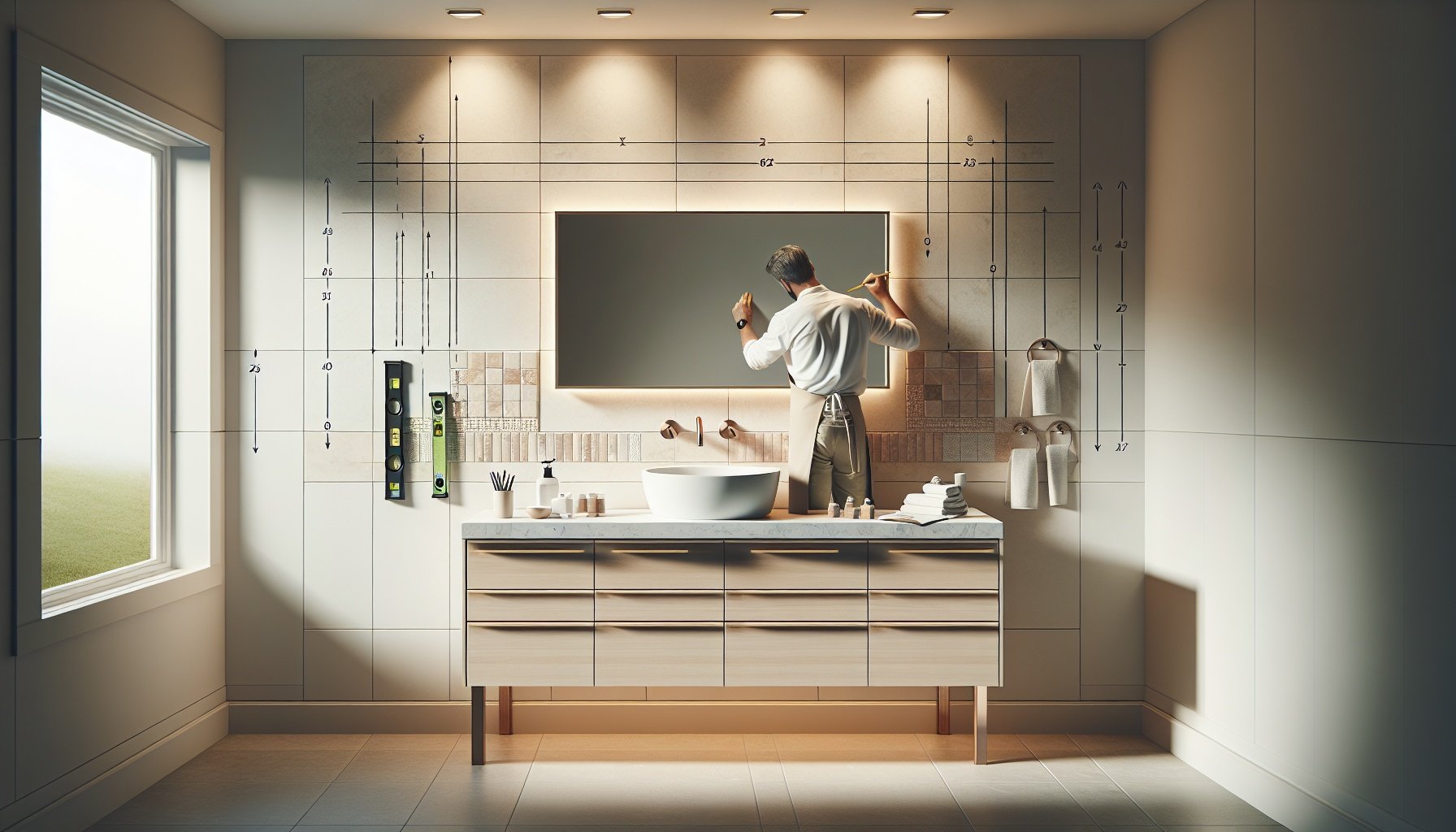
Careful measuring keeps a bathroom backsplash lined up with cabinets, mirrors, and plumbing. Standard vanity backsplashes often rise 4–6 inches above the countertop for simple protection, while feature walls behind a mirror or pedestal sink look balanced at 12–18 inches or up to the bottom of a light fixture. Full-height tile from counter to ceiling works well in tall, narrow spaces when the mirror, sconces, and outlets are centered on the tiled area. Checking faucet reach, GFCI outlet locations, and any side cabinets prevents awkward tile cuts around trim or hinges. Dry-fitting a row of tiles with spacers along the counter edge helps confirm that grout lines align with mirror edges, window casings, and the center of the sink for a clean, custom look.
Interesting Fact: Recycled glass backsplashes reduced environmental impact by diverting 1.2 million tons of waste from landfills in 2024, supporting sustainable building practices in green-certified homes.
Surface preparation, adhesives, grout, and sealers suited to humid climates
Surface prep in a humid bathroom starts with clean, dry walls; glossy paint gets scuff-sanded, and any mildew is treated with a bathroom-safe cleaner so it does not bleed through new tile. Cement backer board or moisture‑resistant drywall behind the backsplash handles steam better than standard drywall. For adhesives, polymer‑modified thinset mortar or high‑quality mastic labeled for “wet areas” bonds tile securely and resists peeling when Louisiana-style humidity hangs in the air. Grout with added polymers or epoxy grout limits water absorption and stains around sinks and faucets. Penetrating sealers on natural stone and cement-based grout help block moisture, soap, and hair‑product residue, making the finished backsplash easier to wipe down and keep crisp over time.
Interesting Fact: In 2024, the global bathroom fixtures market, including backsplashes, reached USD 68.5 billion, driven by urbanization and demand for sustainable materials in residential renovations.
Source: Statista
Maintenance tips and upgrade ideas for remodels, flip projects, and new builds
Maintenance planning starts before tile goes up, especially on remodels and flip projects where time matters. Hard, low-porous materials like porcelain mosaics or glazed ceramic keep cleaning fast between showings, while a simple grout layout with wider tiles reduces scrubbing lines. Light gray or warm taupe grout hides everyday residue better than bright white and pairs nicely with brushed nickel or black fixtures. In new builds, installing a slightly taller backsplash behind the faucet or along full wet walls protects fresh drywall and raises perceived value. Quick upgrades for older bathrooms include swapping a dated 4-inch strip for a full-height backsplash to the mirror, adding a decorative mosaic accent band, or finishing tile edges with clean metal trim for a modern, move-in-ready look.
Conclusion
Bathroom backsplashes bring together protection and personality in any bath. Thoughtful material and design choices shape the mood of the space, from bright glass mosaics that reflect light and open things up, to warm stone and wood-look tiles that create a calm, spa-like retreat. Pattern, color, and tile size can make a compact bathroom feel taller, wider, or more open, while trim pieces and borders give the whole area a polished, custom finish.
With careful planning and coordination around plumbing, mirrors, and outlets, a backsplash becomes more than a backdrop. It becomes a key design feature that works hard every day. Now is a great time to explore colors, textures, and layouts that turn an everyday bathroom into a space that feels fresh, stylish, and complete.
Frequently Asked Questions
- What is a bathroom backsplash and why is it important?
- A bathroom backsplash is a vertical surface placed on the wall behind sinks, vanities, and countertops. It typically extends a few inches to several feet up the wall. The main purpose is to protect the wall from water splashes, humidity, soap, toothpaste, and everyday messes.
Without a backsplash, water and moisture can soak into drywall or plaster, leading to stains, swelling, peeling paint, mold, and mildew. A properly installed backsplash creates a durable, water-resistant barrier that keeps the wall dry and easier to clean. It also adds style and visual interest to the bathroom, tying together the vanity, countertop, and fixtures for a finished look.
In high-moisture areas like Central Louisiana, where humidity runs high most of the year, a backsplash offers extra protection against long-term moisture damage and helps the bathroom stay fresher and cleaner.
- How high should a bathroom backsplash be behind a sink or vanity?
- Bathroom backsplash height depends on style, budget, and how much protection is needed. Common options include:
1. Standard short backsplash (3″–4″)
Often seen with prefabricated countertops. This style offers basic splash protection right behind the sink and faucet. It works well in low-splash areas but leaves more wall exposed.2. Mid-height backsplash (6″–12″)
Provides better defense against water splashes, especially in bathrooms used by kids or larger families. It also allows for more design detail without covering the full wall.3. Full-height or counter-to-mirror/ceiling backsplash
Runs from the countertop all the way up to the bottom of the mirror, medicine cabinet, or even to the ceiling. This option gives maximum water protection, a bold custom look, and fewer painted wall surfaces to worry about.Many homeowners in humid climates lean toward mid-height or full-height backsplashes because they resist moisture better and are easier to wipe down. The final choice usually balances protection, cost, and the overall design vision.
- What materials work best for a bathroom backsplash?
- Several materials perform well as bathroom backsplashes, each with different benefits, costs, and maintenance needs:
1. Ceramic tile
Affordable, widely available, and highly water-resistant. Ceramic tile comes in many colors, sizes, and patterns, making it easy to match almost any bathroom style.2. Porcelain tile
Denser and more durable than standard ceramic. Porcelain resists stains, moisture, and chips, making it ideal for busy bathrooms and high-humidity regions like Central Louisiana.3. Glass tile
Stylish and reflective, glass tile brightens smaller bathrooms. It is non-porous and easy to clean, though installation can be more involved and materials can cost more than ceramic.4. Natural stone (marble, travertine, granite, slate)
Offers a high-end, timeless look. Stone requires sealing and ongoing care to resist moisture and staining, especially near sinks where soaps and cosmetics are used.5. Quartz slabs or solid-surface panels
Large panels with minimal or no grout lines. These are very easy to wipe down and give a sleek, modern appearance.6. Waterproof wall panels (PVC, acrylic, or composite)
Lightweight and simple to clean, often used in remodels where quick installation is a priority.The best choice typically blends moisture resistance, easy maintenance, and the desired style, while fitting the project budget.
- How should a bathroom backsplash be maintained and cleaned?
- Bathroom backsplash maintenance is usually simple and quick if done regularly.
Daily or weekly care:
– Wipe splashes and spots with a soft cloth or sponge and mild soap.
– Rinse with clean water and dry to reduce water spots, especially on glass and polished stone.Grout care:
– Use a pH-neutral cleaner for grout lines to prevent damage to the grout or tile surface.
– Re-seal cement-based grout periodically (often every 1–2 years, depending on product and use) to help resist stains and moisture.Stone surfaces:
– Clean with stone-safe, pH-balanced cleaners.
– Avoid harsh acids like vinegar, bleach, or abrasive powders that can etch or dull natural stone.
– Re-seal stone backsplashes as recommended by the manufacturer or installer.Glass and glossy tiles:
– Use a non-abrasive glass cleaner or mild soap and water.
– A microfiber cloth helps avoid streaks and keeps the surface shiny.Regular wiping and proper sealing prevent discoloration, mildew, and buildup, keeping the backsplash looking fresh for years.
- Can a new backsplash be added to an existing bathroom without a full remodel?
- A new bathroom backsplash can usually be installed as a stand-alone upgrade without changing the entire bathroom. It is a popular choice for refresh projects because it offers a noticeable style update and functional benefits with less disruption than a full renovation.
Common situations where a backsplash is added or replaced include:
– Older bathrooms that have painted drywall behind the sink, showing stains or peeling.
– Countertops that were installed with a short 3″–4″ backsplash that does not offer enough splash protection.
– Cosmetic upgrades before a home sale or rental listing.The process typically involves:
1. Preparing the wall, including cleaning, light sanding, and repairing any damaged drywall.
2. Marking layout lines for tile or panel placement.
3. Installing tile or panels with the appropriate adhesive or thinset.
4. Grouting, caulking at edges, and sealing if needed.This kind of improvement can usually be completed much faster than a full Bathroom remodel and often makes the space feel cleaner, newer, and more custom.
- What backsplash styles are popular for modern bathrooms?
- Modern bathroom backsplash design trends focus on clean lines, light colors, and materials that are both stylish and easy to maintain.
Popular styles include:
1. Subway tile with a twist
Classic rectangular tiles laid in stacked, herringbone, or vertical patterns. White or soft neutrals are common, with charcoal or colored grout for contrast.2. Large-format tiles
Fewer grout lines create a sleek, spa-like feel. Large porcelain tiles in stone or concrete looks are especially popular in contemporary spaces.3. Glass mosaics
Small glass tiles in linear or mosaic sheets add shimmer and color, working well as an accent strip or full-height feature behind the vanity.4. Natural, earthy tones
Beige, sand, soft gray, and warm white tiles bring a calm, relaxing mood that fits well with wood vanities and neutral paint.5. Patterned and textured tile
Geometric patterns, subtle 3D textures, or decorative cement-look tiles create a focal point without overwhelming the room.In Central Louisiana homes, designers often blend timeless styles with small regional touches, such as warm tones that echo local landscapes or patterns that hint at Southern charm.
- What factors affect the cost of a bathroom backsplash project?
- Several key factors shape the total cost of a bathroom backsplash installation:
1. Material choice
– Ceramic tile is typically the most budget-friendly.
– Porcelain, glass, and specialty tiles cost more per square foot.
– Natural stone, custom mosaics, and large quartz or solid-surface panels are usually at the higher end.2. Size of the backsplash area
Taller backsplashes (for example, counter-to-mirror or counter-to-ceiling) and wider vanities require more material and labor.3. Pattern complexity
Herringbone, diagonal layouts, or intricate mosaics take more time to cut and install than simple straight or stacked patterns, increasing labor costs.4. Existing wall condition
Damaged drywall, old tile removal, or uneven surfaces require prep work before new material can be installed. Extra prep adds to the project total.5. Edge details and finishing
Bullnose pieces, metal trim, or custom edging add polish but also increase material and labor needs.6. Regional labor rates
Labor costs vary by location. Areas with higher construction demand—such as fast-growing parts of Central Louisiana—may see higher installation rates.Planning the backsplash design, material, and height in advance helps keep costs under control while still delivering strong protection and a stylish finish around the bathroom sink or vanity.