
Affordable Eco-Friendly Flooring Ideas for Sustainable Homes
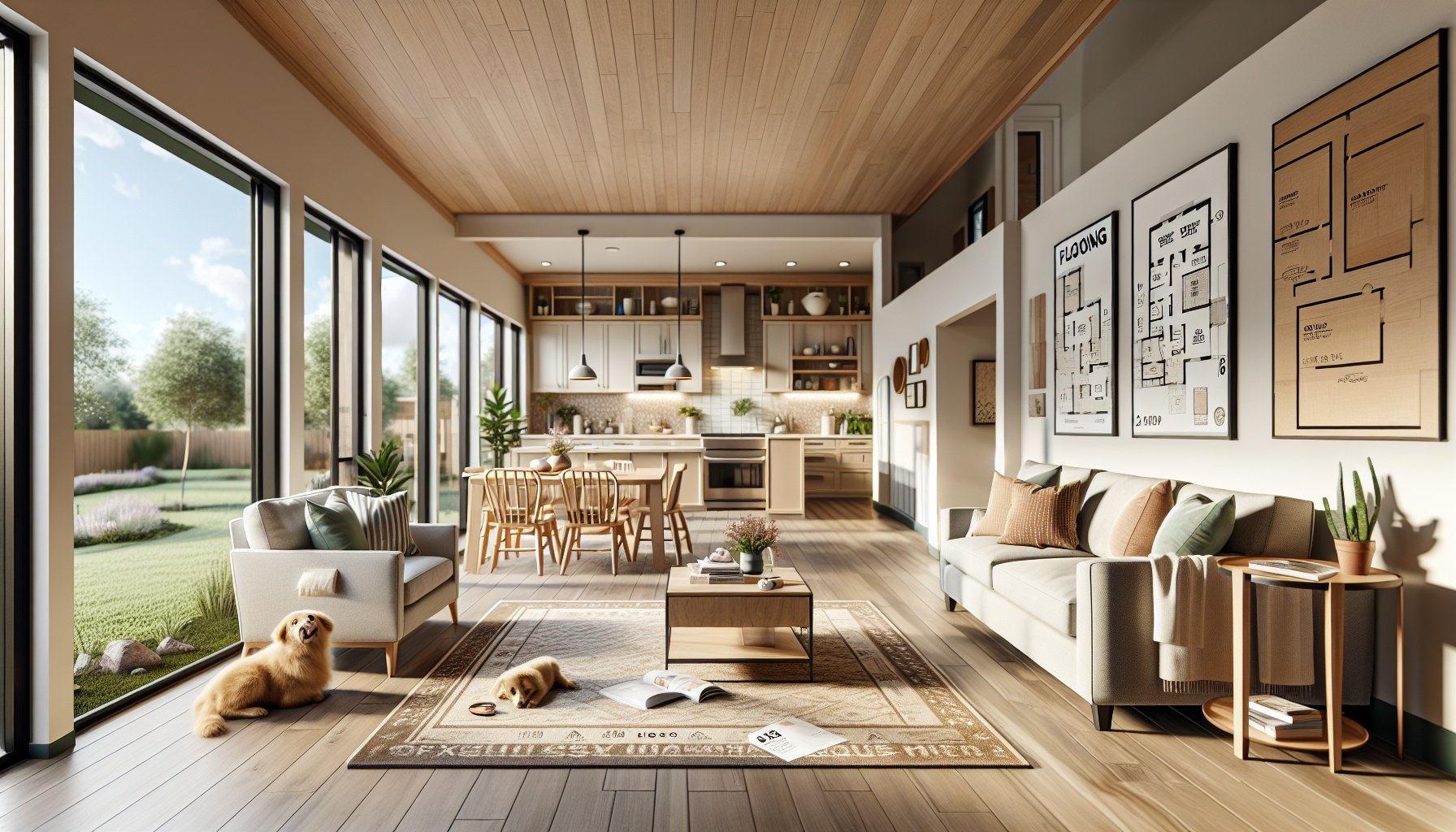
Budget-friendly eco-friendly flooring turns sustainable living into something practical, not just a dream for high-end homes. Central Louisiana houses around Alexandria, Pineville, and the nearby parishes face real-world challenges like humidity, busy family traffic, and tight budgets, so smart choices matter. Affordable materials such as bamboo, cork, recycled and low-VOC vinyl, and responsibly sourced engineered wood prove that a floor can stay kind to both the wallet and the environment. These options cut down on waste, support better indoor air quality, and still stand up to everyday life, muddy boots, and the occasional spilled drink after a long day.
Quick Navigation:
Cost-Effective Eco-Friendly Flooring Options for Central Louisiana Homes | Planning and Installing Budget-Friendly Green Floors | Maximizing Long-Term Savings and Sustainability | Frequently Asked Questions
A sustainable floor starts long before the first plank is snapped together. Matching the right material to each room’s moisture levels and foot traffic, planning simple subfloor prep, and taking advantage of DIY-friendly systems help keep labor costs in check. Sourcing from trusted local suppliers around Central Louisiana reduces shipping expenses and emissions while supporting the local economy. Over time, durable, low-toxicity surfaces mean fewer replacements, easier cleaning, and more comfortable rooms that stay cooler during those hot bayou summers. With thoughtful choices, eco-friendly floors become a long-term investment that saves money, lightens environmental impact, and keeps every space feeling welcoming and grounded for years to come.
Cost-Effective Eco-Friendly Flooring Options for Central Louisiana Homes
Cost-effective eco-friendly flooring for Central Louisiana homes builds on those core material choices by looking closely at total project value, not just sticker price. Smart planning considers bulk discounts from local suppliers, pairing simple patterns with minimal waste cuts, and choosing finishes that extend the life of each floor. Many Central Louisiana families also mix materials, using higher-performance options only in high-wear areas and more economical choices in low-traffic rooms. Rebates, seasonal promotions, and low-interest home improvement financing around Alexandria and pineville can stretch renovation dollars even further, opening the door to several budget-friendly eco-flooring paths.
Expert Insight: Linoleum flooring sequesters carbon during production, with each square meter storing about 0.5 kg of CO2, contributing to lower environmental impact over its lifecycle.
Bamboo and cork flooring as fast-renewable, affordable materials for humid Southern climates
Bamboo and cork flooring fit humid Central Louisiana conditions while keeping costs manageable. Bamboo grows quickly, making it a fast-renewable resource that offers the look of hardwood at a lower price. Strand-woven bamboo with a moisture-resistant finish handles steamy summers and busy entryways, especially when paired with tight seams and proper underlayment. Cork, made from harvested bark instead of cut trees, adds warmth and softness underfoot, which feels comfortable in living rooms and bedrooms after long days around the Red River or Kincaid Lake. Its natural resistance to mold and mildew helps in damp areas, as long as seams stay sealed and spills get wiped promptly. Both options provide strong insulation, helping reduce energy bills while supporting a more sustainable home.
Recycled and low-VOC vinyl planks that balance budget, durability, and green performance
Recycled and low-VOC vinyl planks offer a smart middle ground for Central Louisiana homes that need toughness, style, and greener performance on a tight budget. Many modern plank lines use a high percentage of recycled PVC, cutting down on landfill waste while keeping costs lower than solid hardwood. Low-VOC certifications, such as FloorScore or GreenGuard Gold, help reduce off-gassing, which matters when houses stay closed up with the AC running through long, humid summers. Click-lock recycled vinyl installs easily over existing subfloors, saving labor and demo costs. Waterproof cores and tight seams stand up to tracked-in rain, Red River mud, and high-traffic areas near back doors or carports, while realistic wood-look patterns pair nicely with bamboo or cork in connecting rooms for a unified, eco-conscious look.
Engineered wood with sustainable certifications as a lower-cost alternative to solid hardwood
Engineered wood with credible sustainability certifications offers the warm look of hardwood at a lower price point. A thin layer of real wood is bonded to stable core layers made from fast-growing species or recycled wood fibers, stretching premium material further than solid planks. Products carrying FSC, SFI, or PEFC labels help ensure responsible forestry practices, matching the eco goals of bamboo, cork, and recycled vinyl options. Many engineered lines use low-VOC adhesives and factory finishes, keeping indoor air cleaner in tightly sealed Central Louisiana homes. Thinner profiles install over existing subfloors with floating or click-lock systems, cutting labor and prep work. With proper humidity control, engineered wood stands up well to Louisiana’s damp climate while delivering long-term value and classic style.
Planning and Installing Budget-Friendly Green Floors
Planning and installing budget-friendly green floors starts long before the first plank or tile touches the subfloor. A simple room-by-room plan, a clear spending limit, and a basic timeline keep costs under control while avoiding rushed decisions. Smart scheduling around football season, festivals, or school breaks prevents half-finished floors and extra labor. Comparing installation methods—floating, glue-down, or click-lock—helps match each space to the fastest, most affordable approach. Reusing existing trim, underlayment, or transitions trims waste and material costs. With a solid plan in place, each step of installation becomes easier, cleaner, and more efficient for Central Louisiana homes.
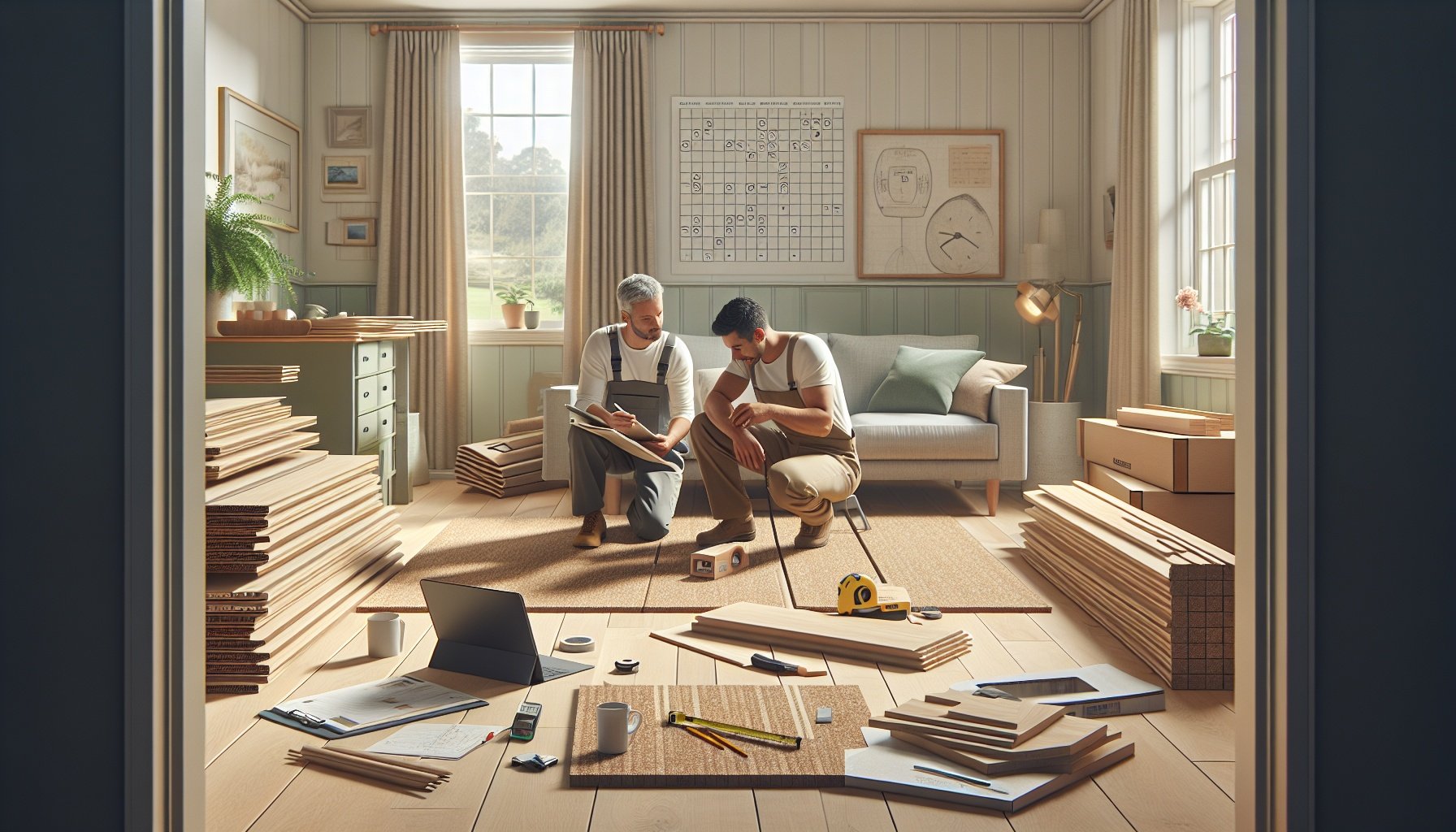
Choosing flooring types based on room use, moisture levels, and traffic in Central Louisiana houses
Room function, moisture, and foot traffic shape smart, budget-friendly green flooring choices in Central Louisiana houses. Kitchens and mudrooms around Alexandria often handle wet shoes, dropped dishes, and constant activity, so durable options like recycled-content vinyl plank or linoleum work well, especially when sealed edges keep bayou humidity from seeping underneath. Bathrooms and laundry rooms near Cotile Lake or Kincaid Lake benefit from water-resistant bamboo or recycled vinyl with slip-resistant textures for safety. Living rooms and bedrooms usually see moderate traffic, making cork, strand-woven bamboo, or reclaimed wood attractive, comfortable options that stay within budget. High-traffic hallways near busy entrances do best with harder bamboo or dense recycled flooring that resists scuffs from kids, pets, and guests during Mardi Gras or football season gatherings.
Pro Tip: Bamboo flooring emerged in the 1990s as a sustainable alternative to hardwood, with its fast growth cycle allowing harvests every 3-5 years compared to decades for traditional trees.
Source: Wikipedia
Smart subfloor prep, underlayments, and DIY-friendly installation methods to cut labor costs
Smart prep under eco-friendly floors keeps budgets in line while stretching product life. Level, clean subfloors reduce wasted planks and tiles, and simple fixes like patching low spots and tightening squeaky boards prevent callbacks and early replacement. Thin recycled-fiber or cork underlayments made for bamboo, cork, and recycled vinyl help smooth minor flaws, soften footsteps, and add a bit of insulation for Central Louisiana’s temperature swings.
Floating click-lock systems in bamboo, cork, and recycled vinyl plank often install with basic tools, avoiding glue and nails and trimming labor costs. Large, open rooms favor long runs of click-together planks, while smaller spaces benefit from modular cork or linoleum tiles that cut easily and snap into place with minimal waste and mess.
Expert Insight: In Scandinavian design culture, eco-friendly flooring like cork and linoleum has been integral since the mid-20th century, symbolizing harmony with nature and minimalist aesthetics.
Source: BBC News
Using local suppliers around Alexandria, Pineville, and nearby parishes to reduce shipping costs and emissions
Sourcing flooring from suppliers around Alexandria, Pineville, and nearby parishes like Rapides, Grant, and Avoyelles trims freight charges and keeps trucking miles low. Local building centers and millwork shops often stock budget-friendly bamboo, cork, and recycled vinyl that suit Central Louisiana humidity, cutting the risk of ordering the wrong product. Regional distributors near MacArthur Drive or along Highway 28 frequently combine deliveries with other job sites, lowering both delivery fees and fuel use. Some yard managers near Cotile Lake and Kincaid Lake even offer pallet discounts on surplus lots of green flooring, helping stretch tight budgets. Shorter hauls also mean less packaging, fewer damaged boxes, and faster swaps if a few planks arrive flawed, keeping installation schedules on track while reducing emissions from repeat shipments.
Maximizing Long-Term Savings and Sustainability
Smart, eco-friendly flooring keeps working long after installation day, trimming utility bills and reducing future repair costs. Beyond careful material choices and simple layouts, long-term savings grow when floors reflect heat well, improve insulation, and stand up to moisture and humidity common across Central Louisiana. Durable bamboo, cork, and recycled vinyl need fewer replacements, which cuts landfill waste and protects the budget over time. Low-VOC finishes and adhesives also support healthier indoor air, lowering hidden costs tied to comfort and health. With the right planning, every square foot becomes an investment in lasting value and true sustainability.
Worth Noting: Cork flooring absorbs up to 30% of sound waves, making it technologically advanced for noise reduction in urban homes while being harvested renewably from tree bark without felling.
Durability, scratch resistance, and maintenance needs of eco-friendly floors in busy family homes
Durability and easy care matter most once kids, pets, and muddy cleats hit eco-friendly floors. Strand-woven bamboo stands up well to dents and scratches, especially in hallways and living rooms, while cork works best where traffic is moderate and shoes are softer, like bedrooms and home offices. Recycled vinyl and linoleum handle spills, rolling toys, and repeated cleanups without warping, which protects subfloors and prevents early replacement costs. Felt pads under furniture, doormats at entries, and regular sweeping keep abrasion down on all green flooring. Simple cleaning—mild soap, damp mops, and quick spill wipe-ups—avoids harsh chemicals, keeps indoor air fresher, and helps budget-friendly, eco-friendly floors last longer before needing repair or replacement.
Quick Insight: The eco-flooring market is projected to grow from USD 104.2 billion in 2025 to USD 179.5 billion by 2035, driven by rising demand for sustainable materials like bamboo and recycled content.
Source: Future Market Insights
Energy efficiency benefits, such as thermal comfort and compatibility with area rugs or radiant systems
Budget-friendly eco-friendly flooring supports lower energy bills by improving thermal comfort all year. Cork and certain bamboo products offer natural insulation, helping rooms stay warmer in winter and cooler in summer with less reliance on heating and cooling systems. Floating cork planks over quality underlayment add an extra thermal buffer, especially on concrete slabs or over unheated spaces. Many recycled vinyl and linoleum options pair well with radiant floor heating, spreading warmth evenly and reducing the need to crank up a central furnace. Thin, dense floors transfer heat efficiently, while area rugs over bamboo or cork add cozy comfort in seating areas without blocking warmth. Combined with good underlayment, these floors create stable, efficient indoor temperatures that support long-term savings.
Good to Know: Vinyl flooring made from recycled materials costs 20-30% less than virgin vinyl, offering economic savings of up to USD 2 per square foot while maintaining durability.
Source: Statista
Low-toxicity finishes, sealers, and cleaning products that protect indoor air quality and extend floor life
Low-toxicity finishes and sealers help budget-friendly eco-friendly floors last longer without filling rooms with harsh fumes. Water-based polyurethane, plant-based oils, and low-VOC waxes protect bamboo, cork, and wood while keeping indoor air quality healthier than traditional solvent-based coatings. Many cork and linoleum products arrive factory-finished, limiting onsite chemicals and cutting labor costs. Simple maintenance with mild, pH-neutral cleaners prevents surface damage and avoids residues that attract dirt and require aggressive scrubbing later. Microfiber mops, vinegar-free solutions for stone or concrete, and manufacturer-approved cleaners for recycled vinyl reduce wear on protective layers. Choosing these safer products lowers long-term maintenance costs, extends the life of affordable green floors, and supports a cleaner, more comfortable home environment over time.
Conclusion
Budget-friendly eco-friendly flooring turns sustainable living into a realistic goal, even without a big renovation budget. Careful planning, smart material choices, and efficient installation methods keep projects on track and affordable, whether updating a single room or an entire Central Louisiana home. Thoughtful scheduling around busy seasons and local events helps avoid extra labor and keeps floors finished on time. Choosing reliable, green options such as bamboo, cork, or recycled vinyl supports a cleaner home environment while reducing waste and long-term expenses. With the right plan and materials, every new floor becomes more than a surface to walk on—it becomes a lasting investment in comfort, savings, and a healthier planet. Now is a perfect time to step into smarter, greener flooring choices.
Frequently Asked Questions
- What makes a flooring material both eco-friendly and budget-friendly?
- A flooring material counts as eco-friendly and budget-friendly when it checks three main boxes: how it is made, how long it lasts, and how much it costs to install and maintain.
• Sustainable sourcing: Materials come from fast-growing, renewable, or recycled resources. Examples include bamboo, cork, reclaimed wood, and recycled rubber or carpet tiles.
• Low environmental impact: Production uses less energy, creates fewer emissions, and avoids harsh chemicals like high-VOC finishes and glues. Low-VOC or zero-VOC labels support better indoor air quality.
• Long lifespan and easy care: Durable floors that resist wear, moisture, and stains reduce replacement frequency and waste. Simple cleaning with mild products helps keep costs low over time.
• Reasonable material and install cost: Options like laminate, some vinyl lines, and certain tile collections offer a balance of sustainability features at a lower up‑front price than premium hardwood or stone.When a floor uses responsible materials, avoids heavy chemicals, and holds up well for many years without constant replacement, it delivers both eco benefits and true budget value.
- How do bamboo and cork compare as affordable eco-friendly flooring options?
- Bamboo and cork both come from fast‑renewing natural resources and work well as sustainable flooring, but they behave differently and fit different rooms and budgets.
Bamboo flooring:
• Material source: Technically a grass, harvested every 3–7 years, which regrows from the same root system.
• Look and feel: Often resembles hardwood with a smooth, modern grain. Available in light to dark tones.
• Durability: Strand‑woven bamboo ranks very high on hardness scales and handles heavy foot traffic well.
• Moisture resistance: More stable than many woods, but long‑term standing water can still cause damage.
• Cost: Typically more affordable than traditional hardwoods, especially in plank formats.Cork flooring:
• Material source: Made from bark peeled off cork oak trees without cutting the tree down; bark regrows.
• Look and feel: Soft and cushiony underfoot, naturally warm and quiet, with a speckled pattern.
• Comfort and insulation: Great sound and temperature insulation; ideal for playrooms, bedrooms, and home offices.
• Moisture resistance: Naturally resistant to mold and mildew but still needs a good finish in kitchens or entry areas.
• Cost: Often comparable to mid‑range hardwood or quality laminate; floating cork planks help save on installation.For high‑traffic areas needing toughness and a wood‑like look, bamboo is often the stronger choice. For comfort, warmth, and noise control, cork delivers excellent eco‑friendly performance at a reasonable cost.
- Are vinyl and laminate flooring really eco-friendly options on a budget?
- Vinyl and laminate flooring can be part of an eco‑conscious plan when chosen carefully, even though they are not the “greenest” materials available.
Vinyl flooring:
• Pros: Very affordable, water‑resistant, and durable. Modern luxury vinyl planks and tiles can last many years.
• Eco‑considerations: Traditional vinyl is made from PVC, which has environmental concerns in production and disposal.
• Better choices: Look for low‑VOC or FloorScore‑certified products and brands that publish environmental or recycling information. Longer‑lasting vinyl that avoids frequent tear‑outs reduces waste.Laminate flooring:
• Pros: Built from fiberboard with a printed layer and wear layer. Costs less than hardwood or tile and often installs as a floating floor, which keeps labor expenses lower.
• Eco‑considerations: Uses wood by‑products, which helps reduce waste, but glues and resins can emit VOCs.
• Better choices: Greenguard Gold or similar low‑emissions certifications, high recycled content, and durable wear layers support a lower overall impact.These materials sit between fully natural options and traditional, less efficient products. When budget is tight, choosing certified low‑VOC lines, installing them properly, and keeping them in place for as long as possible improves both sustainability and value.
- What low-cost natural flooring options work well for families with kids and pets?
- Families with kids and pets often need floors that are durable, easy to clean, and gentle on indoor air quality. Several natural or nature‑based options fit those needs at a sensible price point.
Strong choices include:
• Strand‑woven bamboo: Very hard surface that resists dents and scratches better than many hardwoods. Works well in living rooms, hallways, and play areas.
• Cork with a durable finish: Soft for kids to play on and comfortable for standing. Naturally resists mold and pests. A tough top coat helps handle pet claws and spills.
• Engineered hardwood with eco‑friendly finishes: Uses less solid wood than traditional planks but still delivers a real‑wood surface. Look for water‑based, low‑VOC finishes.
• Natural linoleum (often called Marmoleum): Made from linseed oil, wood flour, and jute backing. Naturally antimicrobial, easy to mop, and available in many colors.Key features to look for:
• Low‑VOC or zero‑VOC adhesives and finishes to support better indoor air.
• Textured or matte surfaces that hide scuffs from kids’ toys and pet nails.
• Plank or tile formats with easy replacement of damaged pieces instead of full‑room tear‑outs.These options balance durability, sustainability, and cost while still creating safe, comfortable spaces for active households.
- How can installation choices make eco-friendly flooring more affordable?
- Installation decisions have a big impact on both cost and sustainability, sometimes as much as the flooring material itself.
Ways installation can keep eco‑friendly flooring budget‑friendly include:
• Floating floors: Many bamboo, laminate, cork, and engineered wood lines click together and “float” over an underlayment. This avoids heavy glue use and often reduces labor time.
• Minimal subfloor prep: Using underlayments that smooth small imperfections can cut down on sanding, leveling compounds, and waste.
• Room‑by‑room upgrades: Installing in phases spreads out the cost. Starting with high‑impact areas like living rooms and kitchens makes a visible difference without a huge up‑front investment.
• Simple patterns: Straight plank layouts cost less than intricate designs such as herringbone or inlays, cutting both material waste and labor.
• Re‑using trim and transitions: Keeping existing baseboards, doors, and threshold strips when possible limits Demolition and extra materials.Efficient installation with fewer adhesives, less demolition, and low‑waste cuts turns sustainable flooring into a more practical, budget‑friendly upgrade.
- What certifications or labels help identify safer, low-VOC eco-friendly flooring?
- Certifications and labels give clear signals about emissions, sourcing, and environmental impact. Several marks are especially helpful when picking eco‑friendly flooring on a budget.
Common and useful labels include:
• FloorScore: Focuses on indoor air quality. Products with this label meet low‑VOC emission standards.
• Greenguard or Greenguard Gold: Indicates very low chemical emissions suitable for living spaces, schools, and healthcare environments.
• FSC (Forest Stewardship Council): For wood and bamboo products, this shows the material comes from responsibly managed forests.
• CARB Phase 2 / TSCA Title VI: U.S. standards for formaldehyde emissions from composite wood products such as plywood and MDF used in engineered floors.
• Cradle to Cradle or similar programs: Some brands show broader environmental performance such as material health and recyclability.While not every budget product carries every label, flooring with at least one recognized low‑emissions certification usually supports better indoor air quality without a major price jump.
- How do long-term costs of eco-friendly flooring compare to cheaper, less sustainable options?
- Eco‑friendly flooring often costs a bit more upfront than the least expensive conventional options, but long‑term costs can be lower when durability and health are factored in.
Key long‑term cost factors:
• Lifespan: Durable bamboo, cork, engineered hardwood, and quality vinyl or laminate can last many years longer than ultra‑cheap sheet goods or thin planks. Fewer replacements mean lower total cost.
• Maintenance: Many sustainable floors need only sweeping and occasional mopping with mild cleaners. Some, like solid bamboo or certain hardwoods, can be refinished instead of fully replaced.
• Health and comfort: Low‑VOC products support better indoor air quality, which may reduce issues linked to chemical emissions such as odors and irritation.
• Resale value: Homes with attractive, natural‑looking floors such as bamboo, cork, or well‑chosen engineered wood often stand out more than spaces with outdated or heavily worn cheap flooring.When spread over 10–20 years, a slightly higher initial cost for a sturdy, eco‑friendly floor commonly balances out—or beats—the cycle of installing low‑quality flooring that wears out and heads to the landfill sooner.